American Guerrilla Marketing
Nationwide Service
Media planning, media buying, billboard advertising, & guerrilla marketing
Fly Posting in Lincoln, NE
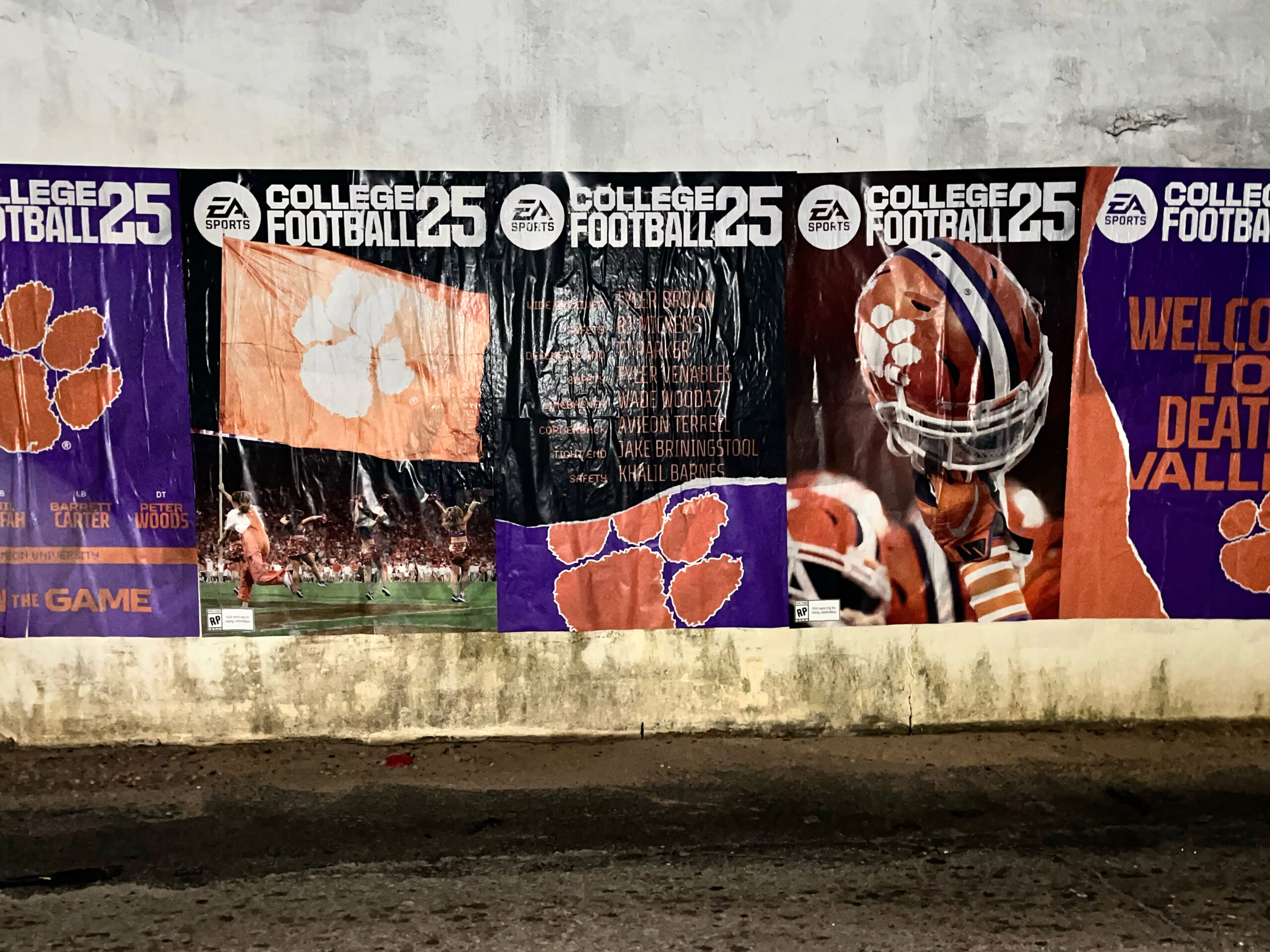
College-town density, game-day traffic spikes, and a Haymarket arts corridor built on the best fly posting brick in the state. AGM executes Lincoln street poster campaigns with in-house crews, precision surface placement, and GPS-documented photo proof on every run.
Lincoln: Nebraska’s College Town and Campaign Calendar Hotspot
Lincoln is the kind of market that earns a second look from any brand doing national or regional fly posting rollouts. On the surface, it’s a state capital of roughly 300,000 people in the center of the Great Plains — not the profile that typically makes a media buyer’s shortlist. Look closer, and Lincoln operates as an intensely concentrated, culturally active, and demographically premium campaign market that smaller-city assumptions consistently undervalue. The University of Nebraska’s City Campus sits directly adjacent to the Haymarket arts district, creating a zone where 25,000 students, thousands of faculty and staff, arts communities, and the city’s young professional population converge daily. That concentration makes Lincoln’s core neighborhoods — Haymarket, O Street, the campus perimeter — as dense with brand-receptive foot traffic as neighborhoods in cities twice its size.
The University of Nebraska is Lincoln’s defining institutional presence, and Cornhuskers athletics is the cultural gravity that holds the city together. Memorial Stadium sells out every home game — 85,000-plus fans filling the bowl and the surrounding streets — making Lincoln one of the few secondary markets in America where a single Saturday afternoon can produce major-metro-level pedestrian density in a compact geographic zone. The Haymarket corridor, which runs directly between the campus and downtown Lincoln, sits in the geographic center of that game-day surge. Posters placed along the Haymarket brick facades, along the 10th Street campus approach, and on the construction barriers that line active development projects in this zone get seen by a volume of people on those Saturdays that would cost substantially more to reach through any other advertising format in this market.
Beyond the university, Lincoln has an event economy that punches above its population. Pinnacle Bank Arena — a 15,000-seat indoor venue downtown — draws concerts, touring acts, and sports events that consistently sell out and bring audiences from across eastern Nebraska into the city’s entertainment core. The Railyard district, directly adjacent to the arena, has become Lincoln’s most active outdoor gathering space, with programming that extends audience concentration beyond event nights into the surrounding weeks. A Lincoln fly posting campaign calibrated to the Pinnacle Bank Arena event calendar and the Cornhuskers home game schedule is one of the highest-impact street poster investments available in any Nebraska market.
When The Onion executed its Manhattan and Washington DC wheatpasting campaigns — precision placement in media professional corridors designed to reach a specific culturally literate, politically engaged audience with maximum impact and minimum waste — the key was knowing exactly where that audience concentrated and deploying the campaign there with professional discipline. Lincoln demands the same approach. The culturally engaged, education-adjacent, arts-attending audience that makes Lincoln’s Haymarket district exceptional is not found everywhere in the city — it concentrates in specific zones at specific times. AGM knows where those zones are and how to reach them.
Get Your Lincoln Fly Posting Campaign Moving
Haymarket brick walls, game-day traffic, concert audiences, and 25,000 students — Lincoln is one of the most campaign-efficient college-town markets in the central United States. AGM handles the surface targeting, the print, the installation, and the documentation. You bring the creative and the timing window.
Our Campaign Locations
Browse Cities in Nebraska
Select a city to explore Fly Posting Advertising opportunities.
Game Days, Concert Nights, And The Lincoln Attention Window
Lincoln’s campaign calendar is not uniform — there are distinct windows when the city’s foot traffic, brand receptivity, and poster visibility multiply sharply, and brands that time their campaigns to those windows extract substantially more value from the same investment. Understanding Lincoln’s event-driven attention cycles is central to AGM’s approach to campaign timing in this market.
Cornhuskers home football games are the highest-magnitude events in Lincoln’s calendar. The university schedules seven or eight home games per season — typically from late August through mid-November — and each one brings an extraordinary influx of fans into the city. The geographic concentration is critical: out-of-town fans move through specific corridors en route to Memorial Stadium, and those corridors — the Haymarket, the campus perimeter on 10th and 14th Streets, the O Street commercial spine — are exactly where fly posting campaigns belong. A brand that installs posters in the week before a major home game, particularly a rivalry game against Iowa or Michigan or a conference championship-relevant matchup, is purchasing visibility at a volume that the city’s normal weekly traffic cannot approach. The two to three weeks of a dual-game-weekend scheduling block offer exceptional posting windows.
Pinnacle Bank Arena’s concert and event calendar runs year-round and creates a secondary layer of traffic spikes that complement the Cornhuskers football window. Arena shows by major touring acts — country, pop, hip-hop, and rock headliners — fill the venue and activate the Railyard district and surrounding downtown blocks for the full event evening and the days preceding it. Unlike game-day traffic, which concentrates on Saturdays, arena events can fall any night of the week and draw audiences from across eastern Nebraska. A Lincoln fly posting campaign running during a peak event month — October, November, and February are historically dense in the PBA calendar — benefits from both the installed student population and the regular programming that keeps concert and event audiences moving through the downtown zone.
The UNL academic calendar also matters for campaign timing. Campaigns running during the fall semester (late August through December) and spring semester (January through May) reach the full installed student population of approximately 25,000 on campus. Summer posting windows lose a significant portion of the student audience but gain the leisure and tourism traffic that comes with Lincoln’s warm-weather programming. Move-in weekend in late August — when the entire student body arrives and the Haymarket fills with new residents discovering the neighborhood — is one of the most concentrated brand-exposure windows of the academic year.
Lincoln Fly Posting Districts: Walls, Corridors, And Surface Zones
Lincoln’s fly posting geography concentrates in four primary zones, each with distinct audience profiles, surface characteristics, and optimal campaign timing. AGM targets these zones with placement strategies calibrated to each campaign’s specific objectives rather than applying generic distribution across the city.
Haymarket Historic Arts District
The Haymarket is Lincoln’s premier fly posting environment and the top surface zone in the city by almost every relevant metric. The district occupies a converted warehouse corridor between the UNL City Campus and downtown Lincoln — brick construction from the late 1800s and early 1900s, large exterior walls with smooth masonry that holds wheat paste for the full campaign duration, a dense concentration of arts venues, restaurants, music spaces, and boutique retail, and constant pedestrian movement from students, faculty, arts-goers, and young professionals throughout the week. The Saturday Farmers Market draws thousands into the Haymarket’s central plaza during warmer months, stacking additional impression volume on top of the baseline evening and weekend traffic. On Cornhuskers game weekends, the foot traffic through this district rivals major entertainment districts in much larger cities. Large-format 48×72 placements on the Haymarket’s warehouse facades operate as visual anchors for the entire district — noticed by everyone who passes through and photographed regularly by visitors discovering the neighborhood for the first time.
O Street Entertainment Corridor — 10th to 27th Street
O Street is Lincoln’s commercial spine — the main east-west arterial that passes directly through the city’s entertainment core between the university and Midtown. The stretch from 10th Street west to roughly 27th Street concentrates bars, restaurants, music venues, late-night retail, and student-oriented services in a corridor that sees its highest pedestrian density on Thursday through Saturday evenings. The Thursday night activation is a distinctive Lincoln pattern driven by the student population treating it as the beginning of the weekend — by 9pm on a Thursday, the O Street corridor between 12th and 17th is generating foot traffic comparable to many cities’ Saturday night peaks. Posters placed along the building sides and construction barriers on O Street reach a young, entertainment-minded audience in exactly the frame of mind that makes brand messaging most effective. The 24×36 format works well along O Street for density coverage across multiple blocks; 48×72 placements on corner building sides at key intersections create landmark-level brand presence on Lincoln’s most active commercial corridor.
University of Nebraska Campus Perimeter — City Campus
The streets surrounding UNL’s City Campus — R Street along the southern edge, 10th Street on the west, 14th Street as the eastern approach to Memorial Stadium, and the cross streets connecting them — carry a remarkably concentrated and consistent pedestrian flow during the academic year. Students moving between the campus interior and the Haymarket, the O Street entertainment corridor, and the residential neighborhoods east and south of campus use these perimeter streets constantly. During football season, the 14th Street corridor approaching Memorial Stadium becomes one of the most intensely trafficked streets in Lincoln on home game days — a direct approach route for tens of thousands of fans. 24×36 posters distributed along campus perimeter streets deliver high-frequency impressions to a concentrated student and faculty audience across the academic week; 48×72 placements on building sides facing the Memorial Stadium approaches deliver game-day impact to the broadest possible Lincoln campaign audience.
Pinnacle Bank Arena and Railyard District
The Pinnacle Bank Arena complex and the adjacent Railyard outdoor gathering district form downtown Lincoln’s entertainment anchor. The arena seats approximately 15,000 for concerts and events and serves as the city’s primary indoor venue for major touring acts and university athletics. The Railyard — a pedestrian-oriented outdoor plaza with food, retail, and programming — activates the surrounding blocks on event nights and during its regular warm-weather programming calendar. Building sides and construction barriers in the blocks surrounding the arena and Railyard provide excellent large-format fly posting surfaces for campaigns tied to arena events, and the audience moving through this zone on event evenings is exactly the entertainment-minded, brand-receptive demographic that street poster campaigns are built to reach. A brand running a poster campaign around a major Pinnacle Bank Arena show in Lincoln is placing its message in front of thousands of highly engaged, event-attending consumers in the specific physical environment they’re already paying attention to.
Build Your Fly Posting Campaign
Award Winning Personalized Service
You will get thoughtful, devoted, and individualized attention from our experienced, qualified, and professional personnel. Being one of the most illustrious agencies in Brooklyn, New York, American Guerrilla Marketing has been awarded the Best of Brooklyn title.
Nationwide
Industry City, Brooklyn, New York 11232
American Guerrilla Marketing
Hours
Mon - Fri: 9 AM - 5 PM
Sat & Sun: Closed
Automate your campaign with AGM’s Request for Proposal Builder.
Automate your campaign with AGM’s Request for Proposal Builder. Simply answer a few quick questions about your campaign goals, markets, and timeline, and the system will generate a tailored presentation with recommended strategies, quantities, and pricing. Click the RFP Builder to instantly receive your customized proposal.
Poster Sizes And Campaign Investment For Lincoln
AGM deploys both standard fly posting formats in Lincoln, with all-inclusive pricing covering print production, crew installation, paste materials, and GPS-documented photo proof. Every component of a Lincoln campaign is handled in-house — no subcontractors, no third-party print shops, no gap between what was planned and what gets placed on Lincoln’s walls.
24×36 Street Poster — Density Across Districts
The 24×36 format is the tool for broad Lincoln coverage — spreading poster presence across the Haymarket, O Street, and campus perimeter simultaneously for maximum repetition frequency with the student and young professional audience that moves through all three zones regularly. High volume, multiple corridors, consistent daily impressions across the campaign window.
- 100 posters: contact us for pricing
- 200 posters: contact us for pricing
- Additional creative: Contact us for pricing.
- On-surface duration: 1–2 weeks
48×72 Wheat Paste Poster — Landmark Placement
The 48×72 format is the tool for marquee Lincoln placements — the Haymarket warehouse facades, the corner building sides on O Street, the 14th Street approaches to Memorial Stadium on game day. Fewer placements, each one functioning as a visual landmark that anchors a neighborhood for the campaign window. Maximum impact per placement.
- 100 posters: contact us for pricing
- 200 posters: contact us for pricing
- Additional creative: Contact us for pricing.
- On-surface duration: 1–2 weeks
Lincoln campaigns most commonly run a combined format strategy: 48×72 statement placements on the Haymarket’s warehouse walls and key PBA approach surfaces, complemented by 24×36 density posting along O Street and the campus perimeter to build frequency with the student audience across the full campaign window. This layered approach gives brands both the landmark visibility of large-format placement and the repetition coverage that college-market campaigns require to move from awareness into recall. Contact AGM with your campaign objectives and we’ll recommend the right format mix for your Lincoln budget.
AGM's Execution Model Applied to Lincoln
Lincoln fly posting campaigns begin with AGM’s team walking the target zones — Haymarket alleyways and building facades, O Street blocks, campus perimeter streets, Railyard approaches — to identify the specific surfaces that meet our placement criteria. We’re evaluating surface smoothness, structural condition, traffic exposure, paste durability, and whether the location provides the visibility and context the campaign requires. Lincoln’s brick-rich Haymarket offers some of the finest poster surfaces in the entire state — smooth, stable, well-trafficked — but not every brick building face is equivalent. The judgment calls in surface selection are what separate a precision campaign from a generic poster distribution.
Once surfaces are identified and the campaign brief is confirmed, AGM handles all print production in-house. The posters your team approved are the posters that go up on Lincoln’s walls — no variance from an outside print shop, no quality surprises on installation day. Installation crews handle all paste application and poster placement. AGM personnel manage every placement from the Haymarket warehouse walls to the campus perimeter, operating under the same placement brief and quality standards that apply to every campaign we execute across the country.
Post-installation GPS photography documents every placement with location-pinned images. You receive a photo report showing each poster in its specific Lincoln location — the wall, the block, the neighborhood context — alongside geolocation data confirming the exact site. Multi-district Lincoln campaigns covering the Haymarket, O Street, and the Pinnacle Bank Arena zone produce a comprehensive report that accounts for all placements across all three locations in a single package. There is no guessing, no sampling, no estimating — every poster placed is photographed and documented.
AGM has earned a Best of Brooklyn award and built its national reputation on precisely this level of documented execution. The operational standard applied to Lincoln is the same standard applied to campaigns for Netflix, EA Sports, and Shepard Fairey in major American cities. Size of market does not change what the execution looks like or what the client receives in the way of proof.
Who Runs Fly Posting Campaigns In Lincoln And Why
Lincoln’s college-town market profile makes it particularly well-suited for a specific set of campaign categories that other markets in Nebraska cannot match. Understanding who uses Lincoln fly posting most effectively helps brands identify whether this market belongs in their campaign scope.
Entertainment brands — music labels, streaming services, film studios, and gaming companies — run Lincoln as a college-market component of multi-city national campaigns. The UNL student population is young, digitally engaged, culturally active, and willing to be early adopters of entertainment products. A streaming launch or gaming release campaign that deploys fly posting in Lincoln’s Haymarket and O Street corridor is placing its message directly in front of exactly the discovery-age consumer segment that drives early adoption and social sharing. Lincoln is not a throwaway add-on in these campaigns — it’s a high-yield, cost-efficient college-market component.
Tour and concert promoters use Lincoln ahead of Pinnacle Bank Arena shows to build advance ticket awareness through street poster presence. The fly posting format is particularly effective for music tour promotion because it carries visual credibility that digital ticket marketing lacks — a poster on a Haymarket wall communicates that an act is genuinely on tour, genuinely coming to Lincoln, in a way that a targeted digital ad doesn’t convey with the same authority. Sold-out show announcements and tour date reveals are among the most common Lincoln campaign types AGM executes.
Brands targeting the young professional and creative class that populates Lincoln’s arts districts use fly posting to build brand familiarity in a neighborhood context where the visual culture already supports engagement with imagery on walls. Lincoln’s Haymarket has an existing ecosystem of murals, event posters, and gallery announcements — a visual environment that primes its audience to notice and interpret visual content on building surfaces. A well-crafted wheat paste campaign in this district participates in that visual culture rather than interrupting it, which is a significant distinction in campaign effectiveness.
Frequently Asked Questions About Fly Posting in Lincoln
The difference is dramatic and measurable. A normal Saturday in Lincoln generates baseline pedestrian traffic through the Haymarket and downtown — perhaps a few thousand people over the course of the day. A Cornhuskers home game Saturday brings more than 85,000 fans into Memorial Stadium alone, and the surrounding streets, the Haymarket corridor, and the O Street entertainment spine fill with pedestrians for the three to four hours before kickoff and the hours following the final whistle. Campaign impressions on a game-day Saturday in Lincoln are not incrementally higher than a normal Saturday — they are categorically different, reaching an audience volume that would require three or four normal weekends to accumulate without the game-day multiplier.
The University of Nebraska’s City Campus enrolls approximately 25,000 students, with an additional graduate and professional student population and a faculty and staff body of several thousand more. That concentration of people — predominantly in the 18-to-30 age range, living and moving through a compact geographic zone adjacent to the Haymarket and the O Street corridor — creates a fly posting audience density that most secondary cities cannot replicate. These are students who move on foot, who live within walking distance of the campaign zones, and who see the same posters repeatedly across the two-week posting window. College-market repetition frequency is genuinely powerful for brand recall in this age group.
Omaha is larger in total population and offers a broader commercial and industrial base, including the Fortune 500 corporate presence and the Old Market’s concentrated entertainment district. Lincoln offers something different: a more concentrated campus-centric demographic, exceptional event-driven traffic spikes around Cornhuskers football and PBA shows, and a Haymarket arts corridor whose visual culture is arguably more aligned with fly posting than any single Omaha neighborhood. The two cities serve different campaign objectives — Omaha for broad metro reach and professional-class audiences, Lincoln for college-market precision and event-window leverage. The strongest Nebraska campaigns run both.
The fall semester — late August through November — offers the highest-value campaign windows in Lincoln. The full student population is in residence, Cornhuskers football home games deliver repeated foot traffic spikes, and the Pinnacle Bank Arena fall programming calendar fills the downtown entertainment zone with event audiences. The specific window from late September through late October, when multiple home games and major arena shows often overlap within the same month, is Lincoln’s peak advertising attention period. Spring semester (January through May) is the secondary high-value period. Summer is viable but loses the student population concentration that makes Lincoln’s core zones exceptional.
Yes, routinely. The academic calendar is a central input in Lincoln campaign planning. We check the UNL academic schedule — semester start and end dates, major exam periods when student movement contracts, breaks when the campus population disperses — alongside the Cornhuskers football schedule and the Pinnacle Bank Arena event calendar when recommending installation windows for each campaign. Brands that plan Lincoln campaigns without accounting for the academic calendar risk installing during exam periods or summer breaks when student population density drops, dramatically reducing the campaign’s reach with the audience that makes Lincoln’s core zones valuable.
Three things converge in the Haymarket that are rarely all present in the same district: exceptional surface quality (late-1800s and early-1900s brick and masonry construction with large, smooth wall faces that hold wheat paste for the full campaign window), high pedestrian density from a diverse mix of students, arts-goers, diners, and young professionals, and an existing visual culture that primes the audience to engage with imagery on walls. The Haymarket is not a generic commercial corridor — it’s a district that already has murals, gallery windows, event posters, and visual programming built into its identity. A fly posting campaign in the Haymarket participates in that context rather than competing against it, which is a meaningful difference in how audiences receive and process the creative.
The Pinnacle Bank Arena hosts approximately 100 to 120 events per year, with the highest concentration in fall and late winter. Major touring acts, university sports events, and large-scale conferences draw audiences from across eastern Nebraska — many of them driving two or more hours to attend. The days immediately before and after a sold-out arena show activate the downtown zone and the Railyard district in ways that normal weekday or weekend traffic doesn’t replicate. A fly posting campaign installed in the week preceding a major PBA show is positioned to reach both the local Lincoln audience and the regional visitors arriving for the event. Knowing the PBA calendar is a straightforward planning advantage; AGM factors it into installation timing recommendations for every Lincoln campaign.
Entertainment brands — streaming services, music labels, gaming companies, film studios — consistently perform well because the UNL student demographic is the prime early-adopter audience for these categories. Apparel and footwear brands with cultural relevance to the college and young adult market also generate strong responses through fly posting in the Haymarket and O Street zones. Tour and event promoters running show announcements at Pinnacle Bank Arena find that street poster campaigns translate directly into ticket awareness and purchase consideration within the campus and arts community. Brands in food and beverage, technology, and social platforms that skew young-adult also find Lincoln’s concentrated campus-adjacent audience cost-effective compared to broader metro buys with more demographic diffusion.
Multi-city campaigns with simultaneous Lincoln and Omaha components are standard AGM operations. Both cities run under the same campaign brief, with installation windows coordinated to minimize the time gap between market deployments so creative hits both markets in the same news cycle or event window. Separate crews handle each city’s installation simultaneously, and the GPS photo reports for both markets are compiled into a single comprehensive campaign documentation package. For brands running a statewide Nebraska push — Omaha, Lincoln, and additional markets in the same two-week window — AGM’s multi-crew coordination capability makes this feasible without loss of quality or documentation rigor in any individual market.
Thursday night is Lincoln’s unofficial second weekend night — driven by the UNL student culture of front-loading social activity before the academic week’s Friday deadlines. By 9pm on a Thursday, the O Street corridor between 12th and 17th Streets carries foot traffic density comparable to many cities’ Saturday peaks, and the audience is almost entirely composed of college students and young professionals in an entertainment and social mindset. Saturday night shifts the audience composition somewhat — more local Lincoln residents and post-game football traffic in the fall — but the density remains comparable. Both nights represent high-value fly posting impression windows; Thursday is slightly more valuable for brands specifically targeting the 18-to-24 student demographic.
Yes. The campus perimeter streets — R Street, 10th Street, and 14th Street in particular — are used daily by the full university population: undergraduates, graduate students, and faculty and staff commuting to and from the City Campus. Graduate students and faculty tend to concentrate more heavily in the perimeter zones closer to graduate colleges and academic department buildings rather than in the undergraduate residential approach corridors, but the perimeter streets as a whole carry a diverse university audience. For brands targeting a broader higher-education demographic rather than only undergraduates, the campus perimeter is more effective than the O Street and Haymarket zones, which skew more heavily toward the undergraduate and young-adult entertainment audience.
Every placement across every Lincoln district is individually photographed with GPS-enabled documentation immediately following installation. The Haymarket placements, the O Street placements, the campus perimeter placements, and the Railyard/PBA zone placements are all captured in location-pinned photos that confirm the specific wall, block, and geographic coordinates of each poster. You receive a post-campaign photo report that accounts for every placement across all districts — not a selection of representative images, but a complete visual accounting of the full campaign as executed. For multi-format campaigns with both 24×36 and 48×72 placements across multiple zones, the report covers all formats and all locations comprehensively.
Our Campaign Locations
Browse All States
Explore Fly Posting Advertising opportunities across the United States.
49 States • 192 Cities