🚀 NEW WHEATPASTING MARKETS Discover our wheatpasting campaigns in : 🇬🇧 London

American Guerrilla Marketing

Nationwide serivce

Media planning, media buying, billboard advertising, & guerrilla marketing

Clean Graffiti Advertising

Clean Graffiti Advertising: The No-Paint Street Campaign

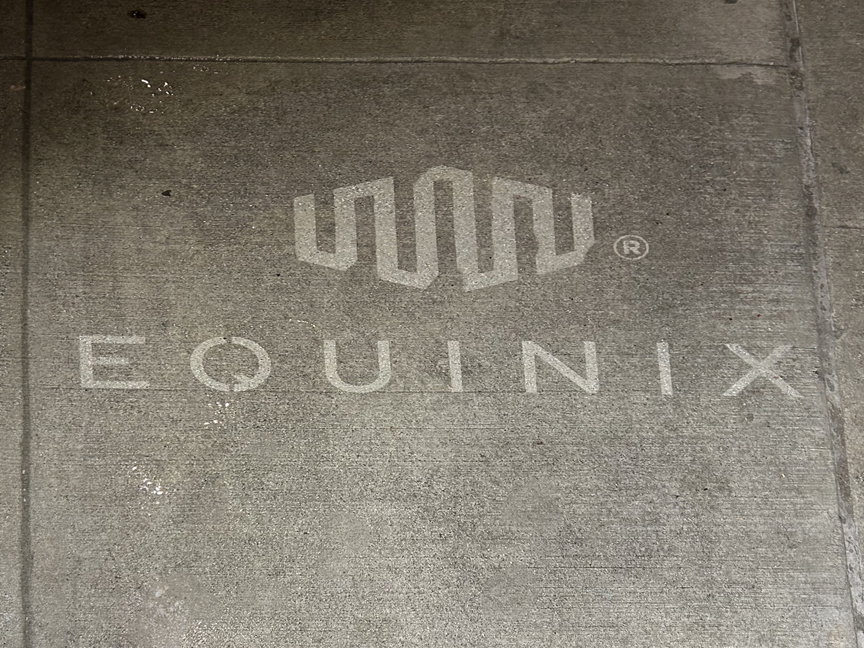
Clean graffiti advertising puts your brand on the street by removing dirt, not adding paint. We use stencils and pressure washing to clean your message into grimy urban surfaces. The result is a brand impression that appears without chemicals, adhesives, or anything left behind on the surface.

Clean Graffiti Advertising

What Is Clean Graffiti Advertising?

Clean graffiti advertising is a form of street-level marketing that creates a brand message by selectively cleaning a dirty urban surface rather than marking it with paint or any other additive material. The name is intentional: it is graffiti in the sense that it creates a message on a surface without the surface owner’s prior modification, but it is clean because the only tool is a cleaning process. When a stencil is pressed against a dirty sidewalk, tunnel wall, or concrete surface and a pressure washer clears the grime within the stencil opening, the cleaned area becomes the visible message. The surrounding dirty surface is the background that makes the cleaned message legible.

The technique is also known as reverse graffiti or pressure wash advertising. These names all refer to the same fundamental process. At American Guerrilla Marketing, we use “clean graffiti” specifically when we are talking about the service as a commercial advertising medium, because that framing best describes the end product from a brand perspective: a clean, sharp, brand impression on an urban surface, produced entirely through a cleaning process.

What makes clean graffiti advertising distinctive as a commercial format is what it does not do. It does not apply paint, which means there is no applied material to regulate, permit, or remove at campaign end. It does not use adhesives, which means surfaces are not damaged or left with residue. It does not use harsh chemicals on most surfaces, because pressure water alone is sufficient to create the grime differential that produces the visible impression. For brands that care about how their marketing methods reflect on their corporate values, clean graffiti advertising is a format that aligns the medium with the message: you made the city a little cleaner in the process of running your campaign.

Clean graffiti advertising generates substantially higher rates of organic social documentation than most street advertising formats. People who encounter a clean brand message in a grimy tunnel or sidewalk photograph it and share it at rates we consistently observe outpacing conventional poster or stencil campaigns in the same locations. The format’s visual surprise is the mechanism: it registers as genuinely unexpected, which is the trigger for social sharing behavior.


Start Your Clean Graffiti Campaign

Custom quotes built around your surface type, market, and campaign window. Response within one business day.

The Clean Graffiti Advertising Process: From Brief To Deployment

We run clean graffiti advertising campaigns as end-to-end operations. That means we handle every step from location assessment through post-deployment reporting. Clients provide the brief, the artwork, and approval at key checkpoints. We handle the execution.

Step 1: Location Assessment and Surface Qualification

Clean graffiti advertising only works on surfaces that meet specific criteria. The surface needs accumulated grime that is uniform enough to produce legible contrast when selectively cleaned. It needs to be made from a material that responds appropriately to the cleaning method we plan to use. And it needs to be in a location where your target audience will encounter it with sufficient frequency to justify the placement cost. We physically walk every candidate location and evaluate it against these criteria before we commit to it in a campaign plan. Locations that do not qualify get cut from the proposal, and we explain why so clients understand the decision.

Step 2: Stencil Design and Production

Clean graffiti stencils are built from waterproof, durable materials because they need to maintain their shape and seal against the surface during the pressure washing process. A stencil that lifts or deforms during application produces blurred edges that undermine the brand impression. We design stencils with the specific surface type and cleaning method in mind, accounting for surface texture, the pressure and angle of the water application, and the size of the impression relative to its viewing distance. Stencils are proofed before production and clients review the design before we cut.

Step 3: Regulatory and Permission Coordination

This step separates professional clean graffiti advertising operations from amateur applications. We research the regulatory environment for every location and surface type in our campaign plan. Private surfaces with property owner permission are straightforward. Public surfaces require research into local ordinances and, in some markets, advance notification or approval from the relevant authority. We do this work before we deploy. Clients are informed of any regulatory requirements or restrictions for their target locations, and we do not execute placements where we cannot confirm appropriate authorization.

Step 4: Equipment Selection and Crew Preparation

The right cleaning equipment for a clean graffiti campaign depends on the surface material, the grime type, and the scale of the impression. For most sidewalk applications, a commercial pressure washer with a controlled nozzle and stencil-appropriate pressure settings is the right tool. For tunnel walls and underpass columns with heavy automotive exhaust buildup, we may supplement water pressure with a biodegradable degreasing agent to achieve the necessary contrast. For delicate facade materials, we use low-pressure steam cleaning to avoid surface damage. Crew members are trained in surface-specific protocols and know which approaches are appropriate for which substrates.

Step 5: Overnight Deployment

Most clean graffiti advertising deployments happen during low-traffic hours, typically between 3 AM and 6 AM for sidewalk-level placements. This minimizes pedestrian interference with the application process and allows the crew to work efficiently without crowd management concerns. Tunnel and underpass placements may require coordination with traffic management authorities, which we handle as part of the access coordination process. All placements in a campaign are executed within the same deployment window whenever possible.

Step 6: Documentation and Reporting

Every placement is photographed from multiple angles immediately after completion, with geo-tagged timestamps. The post-deployment report is compiled and delivered within 24 hours of the campaign execution. It shows every placement location, the address, the time of application, and the finished impression as documented on the night of deployment. For longer campaigns, we can schedule follow-up photography to document how impressions hold over time.

Where AGM Runs Clean Graffiti Advertising Campaigns

Our primary clean graffiti advertising market is New York City. The city provides an exceptional range of high-grime surfaces in densely pedestrianized locations. The tunnel approaches to the Holland Tunnel on Canal Street and the Lincoln Tunnel on West 39th Street accumulate automotive exhaust grime that makes them ideal clean graffiti substrates. The concrete surfaces under the Williamsburg Bridge approach in the Lower East Side, particularly along Delancey Street and the Essex Street pedestrian approaches, develop heavy grime deposits that produce strong clean graffiti contrast. The pedestrian underpass at the MetroTech Center in Downtown Brooklyn, the underside of the elevated BQE along Atlantic Avenue in Brooklyn, and the rough concrete columns of the Park Avenue overpass in Midtown Manhattan are among the strongest clean graffiti surfaces in the city.

In Los Angeles, the concrete underbelly of the elevated 110 Freeway through the Historic Core creates visually dramatic clean graffiti placements that reach pedestrian foot traffic concentrated in the neighborhood’s restaurant and arts district. The grimy concrete surfaces under the 101 Freeway through Hollywood are accessible and accumulate enough grime for strong contrast. Melrose Avenue’s loading zone approach sidewalks in the Fairfax District develop significant surface grime from commercial delivery traffic. In Chicago, the concrete surfaces under the Loop’s elevated train structure on Wabash Avenue and the lower-level streets of the Chicago Riverwalk area provide ideal clean graffiti substrates within high-pedestrian corridors.

In Philadelphia, the concrete pedestrian underpasses near 30th Street Station on JFK Boulevard and the Market Street approach surfaces near City Hall accumulate significant grime from transit and vehicle traffic. In Miami, the concrete surfaces under the I-95 overpass through Wynwood and along NW 2nd Avenue approach Brickell create strong clean graffiti opportunities in some of the city’s highest-profile pedestrian zones for arts and culture audiences.

How Clean Graffiti Advertising Fits A Brand Strategy

Clean graffiti advertising is not a format that fits every campaign brief. Understanding where it works best helps clients decide quickly whether it is the right tool for a given objective.

It is an excellent format for brand campaigns where the medium itself carries part of the message. A brand that positions around cleanliness, sustainability, or environmental responsibility can truthfully integrate the clean graffiti execution into the narrative. “We ran a campaign that cleaned the city” is a genuine brand story in a way that most advertising formats cannot offer. We have executed clean graffiti campaigns for consumer goods brands in the cleaning category, for electric vehicle companies emphasizing zero-emission urban mobility, and for food and beverage brands with organic or natural product positioning who wanted their street presence to align with those brand values.

It is also a strong format for campaigns where earned media and social amplification are primary objectives rather than pure impression volume. The visual surprise of a clean graffiti impression in an unexpected location generates photography and sharing behavior that extends campaign reach well beyond the placement count. A single clean graffiti installation in a well-traveled tunnel can generate dozens or hundreds of organic social posts in the days following deployment if the location and design are strong. We have seen single placements generate Instagram and Twitter documentation that reached audiences many times larger than the physical foot traffic count at the location.

Clean graffiti advertising is less suited to campaigns that need to reach a broad, undifferentiated mass audience across a large geographic area. The surface-qualification requirements mean that placement opportunities are more geographically specific than chalk stencil or other pavement formats, and the per-placement cost is higher than chalk due to the equipment and access overhead. For mass-reach campaigns with large placement counts, we typically recommend chalk stencil advertising. For high-impact, strategically targeted campaigns where the format itself is part of the story, clean graffiti advertising is a strong choice.

Who Uses Clean Graffiti Advertising

Sustainability and environmental brands have used clean graffiti advertising more than any other category in our client history. The format is structurally aligned with messaging about cleanliness, environmental responsibility, and the idea that positive impact does not require adding things to the world. Cleaning product brands, eco-packaging companies, plant-based food brands, and sustainable fashion labels have all run clean graffiti campaigns with us, and the integration between format and brand message is consistently strong.

Technology companies, particularly those with urban mobility or smart city product positioning, use clean graffiti advertising to create a presence in city environments that feels coherent with their brand story rather than contradictory to it. A tech company whose product reduces environmental impact can run a street advertising campaign that does the same thing. That coherence is difficult to achieve with conventional street advertising formats and straightforward with clean graffiti.

Entertainment companies, film studios, and streaming platforms use clean graffiti advertising to generate the kind of organic buzz and social documentation that conventional media buys cannot produce at any price. A clean graffiti installation tied to a major release can generate genuine cultural conversation if the location and design create a surprising, share-worthy street encounter. We have executed pre-release clean graffiti campaigns for entertainment clients targeting urban cultural influencers in New York and Los Angeles who would encounter and document the installations in their natural habitat.

Alcohol, beverage, and food service brands use clean graffiti advertising near bar and restaurant corridors in cities where grime accumulation on surface streets near loading zones and high-traffic commercial blocks creates natural placement opportunities. A clean graffiti brand message near the entrance to a nightlife corridor reaches exactly the audience the brand wants at the moment of decision.

Clean Graffiti Advertising Pricing

Clean graffiti advertising is priced on a custom basis. The variables that determine cost for a specific campaign include the surface area of each impression, the cleaning method and equipment required for the surface type, the number of placements in the campaign, the geographic spread of the campaign and associated crew logistics, and any access coordination or permit costs required for specific locations.

We do not publish a fixed rate table for clean graffiti advertising because the cost variance between a straightforward five-placement sidewalk campaign and a multi-location tunnel campaign with equipment transport logistics and access permits is significant enough that a fixed rate would either mislead simple campaigns or underrepresent complex ones. What we can tell you is that we are transparent about every cost component in our proposals, and we explain the rationale for each line item. There are no bundled rates that hide margin or markup cost categories.

When you contact us, we will ask about your target markets, preferred surface types, campaign timeline, and the scope of placements you are considering. We will turn around a detailed proposal within one to two business days. If our initial proposal does not fit your budget, we will discuss scope adjustments that can bring the campaign within range while preserving the strategic elements that matter most to your objective.

Get Your Clean Graffiti Campaign Quote

Custom pricing built around your scope and surface types.

    Award Winning Personalized Service

    You will get thoughtful, devoted, and individualized attention from our experienced, qualified, and professional personnel. Being one of the most illustrious agencies in Brooklyn, New York, American Guerrilla Marketing has been awarded the Best of Brooklyn title.

    Nationwide

    Industry City, Brooklyn, New York 11232

    American Guerrilla Marketing

    +1 (646) 776-2770

    [email protected]

    Telegram: @americanguerillamarketing

    Hours

    Mon - Fri: 9 AM - 5 PM

    Sat & Sun: Closed

    Automate your campaign with AGM’s Request for Proposal Builder.

    Automate your campaign with AGM’s Request for Proposal Builder. Simply answer a few quick questions about your campaign goals, markets, and timeline, and the system will generate a tailored presentation with recommended strategies, quantities, and pricing. Click the RFP Builder to instantly receive your customized proposal.

    Why American Guerrilla Marketing

    Clean graffiti advertising done right requires more physical expertise than almost any other street advertising format. Surface assessment, grime typing, equipment selection, and regulatory navigation each require knowledge built from direct field experience. We have been executing clean graffiti campaigns in New York City since the early 2010s, and the field knowledge we have accumulated over hundreds of deployments across dozens of surface types is not something that can be replicated from a brief or an industry overview. We know which tunnel surfaces in Manhattan produce the best contrast because we have worked them. We know which sidewalk stretches in Brooklyn hold grime long enough for a useful campaign window because we have tested them. That knowledge is what you get when you work with us.

    We are also direct about campaign feasibility. If a location you want does not qualify for clean graffiti, we tell you before you spend money finding out. If your timeline is too compressed for a proper surface scout and authorization process, we say so and recommend the format that can be done correctly within your window. We would rather have a shorter, cleaner campaign history than a long one full of mediocre work.

    Every clean graffiti campaign we run is documented with the same rigor we apply to every other format: geo-tagged photography, deployment reports, and clear communication at every step of the process. Clean graffiti advertising is a more complex execution than most street formats, but the accountability documentation we provide is the same: you know exactly what ran, where, and when. Reach us at (646) 776-2770 or [email protected] to talk through your campaign parameters.

    Frequently Asked Questions

    Standard stencil advertising adds a material (chalk or paint) to a surface. Clean graffiti advertising removes material (dirt and grime) from a surface using a stencil as a mask. The end result is a brand impression that is visible because of a cleaned area against a dirty background, rather than a marked area against a clean one. Nothing is added to the surface, which changes the regulatory picture, the environmental impact, and the visual effect of the campaign.

    Legal status depends on jurisdiction and surface type. On private surfaces with owner permission, clean graffiti advertising is generally straightforward. On public surfaces, we research the specific regulatory environment for every market and location before proposing a placement. Some jurisdictions have explicitly treated selective cleaning for advertising purposes as permissible; others have applied signage regulations to the practice. We handle this research for every campaign and do not deploy where we cannot confirm authorization.

    Visibility depends on how fast the surrounding surface re-accumulates grime relative to the cleaned area. In high-exhaust tunnel and underpass environments, the contrast can hold for four to six weeks. On sidewalk surfaces in lower-exhaust areas, two to four weeks is more typical. Heavy rain can accelerate the process by partially cleaning the surrounding surface and reducing contrast. We give realistic longevity estimates for each location type during the campaign planning process.

    There is nothing to clean up. The clean graffiti impression fades naturally as the surrounding surface re-accumulates grime at a uniform rate. When the campaign window ends, the impression simply blends back into the surface over time. This is one of the most practical advantages of the format compared to paint or adhesive-based street advertising, which require physical removal and sometimes leave residue that requires additional cleanup.

    Clean graffiti advertising can be executed on interior surfaces that have accumulated sufficient grime, such as parking garage walls, industrial building interiors, or other enclosed spaces with significant surface buildup. Indoor clean graffiti placements are more common in the context of event installations and brand activations than in conventional street advertising campaigns. The access, drainage, and equipment logistics differ from outdoor applications, and we evaluate indoor placements on a case-by-case basis.

    Clean graffiti impressions can scale significantly. We have executed single-impression campaigns spanning 20 feet wide on tunnel walls. Larger impressions require more crew time and more equipment, which affects pricing, but the technical execution scales well. Very large clean graffiti installations, sometimes called clean graffiti murals, are a format we handle on request for clients with the budget and brand story to justify that scale.

    Yes. Send us your logo and campaign artwork in vector format and we will adapt it for clean graffiti stencil production. We review the artwork for stencil compatibility (lines that are too thin or counters that are too small may need adjustment) and show you a proof before production. Most artwork adaptation takes 24 to 48 hours.

    Every clean graffiti placement is photographed from multiple angles immediately after completion, with geo-tagged timestamps. The post-deployment report shows exactly what was created, where, and when. We also photograph example surfaces during the scouting phase so you can evaluate the contrast and condition of candidate surfaces before the campaign is booked. There are no surprises at the reporting stage.

    American Guerrilla Marketing Blog Posts