American Guerrilla Marketing
Nationwide Service
Media planning, media buying, billboard advertising, & guerrilla marketing
Street-level poster campaigns in New Hampshire’s Gate City — covering the Main Street Arts and Entertainment District, Mine Falls Park corridors, and the tech-economy workforce concentrated in southern New Hampshire’s largest commercial hub.
Nashua is New Hampshire’s second-largest city and its economic engine — a place where a thriving tech-sector workforce, a formally designated Arts and Entertainment District, and one of the most walkable downtown cores in the state converge within a compact, postable geography. What makes fly posting in Nashua work is the density of foot traffic concentrated on a small number of streets. The Main Street corridor draws evening crowds for dining, live music, and arts events while the same workers who fill the Cotton Road tech corridor — BAE Systems, Oracle, Fidelity satellite offices — spend lunch breaks and after-work hours on those same sidewalks. A well-placed poster campaign in downtown Nashua encounters the same person multiple times across a single day, building frequency without scattering placements across a fragmented geography.
Mine Falls Park reinforces Nashua’s outdoor advertising potential in a way that surprises brands unfamiliar with the market. The park’s trail network is one of the most heavily used recreational areas in southern New Hampshire — thousands of walkers, runners, and cyclists move through it on any given weekend, with consistent weekday use from adjacent residential neighborhoods and the downtown workforce. The park’s approach corridors along Simon Street and Whipple Street connect Mine Falls to the downtown core, and the commercial surfaces on those streets accumulate impressions from both the recreation crowd and the residents who walk them daily without heading to the park at all. American Guerrilla Marketing’s Nashua campaigns target both the cultural energy of Main Street and the sustained daily traffic generated by the Mine Falls approach, delivering reach across demographic segments that no single neighborhood can cover alone.
AGM's direct crews execute street-level poster campaigns across New Hampshire's Gate City. Contact us to discuss neighborhood coverage, format selection, pricing, and campaign timing.
Select a city to explore Fly Posting Advertising opportunities.
The officially designated Arts and Entertainment District centered on Main Street between Factory Street and Hollis Street is the highest-concentration foot-traffic zone in Nashua. Commercial building facades along Main Street and its cross streets carry proven posting surfaces that serve a mixed but predominantly adult audience — restaurant-goers, bar patrons, gallery visitors, and residents walking the neighborhood on evenings and weekends. Thursday through Saturday evenings bring the heaviest pedestrian volume, making late-week installations the most productive timing for campaigns targeting the arts and nightlife demographic. The district’s concentration of independent retail, live music venues, arts organizations, and dining makes the audience skew toward culturally engaged adults with disposable income — the precise demographic that responds to fly posting’s visual directness and street-level credibility.
Factory Tenant Arts and the surrounding Millworks area sit at the western edge of this corridor and concentrate the local creative community, making them natural target zones for brands addressing artists, designers, and the creative professional class that overlaps with Nashua’s tech economy. The buildings in the Millworks area offer exterior wall surfaces with enough dimension to accommodate larger format placements that can function as visual anchors for a campaign running multiple formats across the broader downtown zone.
Mine Falls Park draws recreational users in every season, and the streets funneling those users between the downtown core and the park’s main access points are high-frequency foot-traffic corridors regardless of weather or time of year. Simon Street and Whipple Street function as primary approach routes, and the commercial surfaces on both streets receive impressions from park-bound foot traffic heading in and from post-trail pedestrians returning to downtown for food, coffee, and retail. The residential neighborhoods immediately adjacent to the park add a layer of consistent daily exposure from residents who walk these streets as part of their ordinary routines — not park visitors, just neighbors moving through the same corridors habitually.
Campaigns on the Mine Falls approach streets build frequency over the campaign’s duration in a way that event-based placements cannot replicate: the same households and regular users pass the same surfaces repeatedly, accumulating brand recognition rather than single-exposure impressions. For campaigns prioritizing frequency and neighborhood saturation over broad reach, the Mine Falls corridors complement Main Street’s higher-volume exposure with a tighter, deeper impression pattern that serves brands where repeated contact with the same audience matters more than a single high-footfall moment.
Rivier University brings approximately 3,000 undergraduate students into Nashua’s economic footprint from a campus on South Main Street and Daniel Webster Highway. The Broad Street corridor connects the Rivier area to downtown and carries traffic from both the residential student population and the commuter students traveling from communities across southern New Hampshire and northeastern Massachusetts. The university’s profile as a religious liberal arts institution shapes its student demographic toward service, healthcare, education, and arts fields — an audience that responds to cultural campaigns, entertainment releases, social-purpose brands, and nonprofit activations.
Posting surfaces near campus entry areas along Daniel Webster Highway and on the Broad Street corridor reaching toward downtown serve this population without requiring placements inside controlled campus property. For brands needing to reach the 18-to-24 demographic in Nashua, the Rivier University corridor provides direct access to a student population that isn’t necessarily active in the Main Street nightlife zones, diversifying reach across age segments within the same overall campaign footprint.
The Daniel Webster Highway commercial strip and the retail concentration around Pheasant Lane Mall serve as Nashua’s regional draw, pulling shoppers and diners from across southern New Hampshire and the northern Massachusetts communities that sit just below the state line. This corridor runs through different territory than downtown — high vehicle volumes, commercial density, and daytime retail and restaurant traffic rather than the evening foot-traffic patterns of Main Street. Posting surfaces in parking-adjacent areas and on commercial building facades visible from the highway approach zones serve the broad consumer audience that passes through South Nashua for regional shopping and dining.
The Crown Hill residential neighborhood adjacent to the commercial corridor adds residential impressions that extend the campaign’s reach beyond the purely transactional shopping environment. South Nashua works best for campaigns with wide consumer-product appeal where vehicle-adjacent exposure and daytime retail context are appropriate for the brand’s message and audience profile — entertainment campaigns, food and beverage brands, and lifestyle products that benefit from high-frequency vehicle-traffic impressions supplementing the pedestrian-focused downtown placements.
Nashua’s event calendar generates distinct high-value installation windows that AGM uses to synchronize campaign timing with peak foot traffic. The Gate City Craft Beer Festival takes over downtown Main Street each fall, drawing strong attendance from Nashua residents and visitors from across southern New Hampshire. The festival concentrates crowds on and immediately adjacent to the streets where AGM’s Main Street campaigns run, making installations timed one to two weeks before the festival date the most productive approach — posters build awareness during the promotional lead-up and remain visible through the event’s peak attendance days when the audience on those streets is at its annual high point.
Nashua Pride runs during summer and draws the city’s LGBTQ+ community and allies into downtown, creating a concentrated window for brands with messaging aligned to that audience. Great American Downtown produces recurring events on Main Street throughout the warmer months — including Main Street Market weekends that bring consistent Saturday foot traffic to the downtown core — giving AGM multiple campaign timing windows outside the fall festival season. The Nashua International Sculpture Symposium installs public art along the Main Street corridor, which itself functions as a foot traffic draw as residents and visitors walk the sculpture route. A campaign running during the Symposium benefits from the additional pedestrian activity generated by public art interest on the exact streets where the posters are installed.
Rivier University’s academic calendar creates secondary timing windows: back-to-school installations in late August and September reach the student population at peak on-campus engagement, while the university’s community events and spring programming extend the useful window for Broad Street corridor campaigns. Great American Downtown’s Main Street Market series runs multiple weekends through the spring and summer, each weekend bringing a predictable Saturday foot traffic spike to the posting zone. AGM confirms the current year’s event calendar during campaign planning and adjusts installation timing to maximize the overlap between poster presence and peak pedestrian volume for each specific campaign objective.
Award Winning Personalized Service
You will get thoughtful, devoted, and individualized attention from our experienced, qualified, and professional personnel. Being one of the most illustrious agencies in Brooklyn, New York, American Guerrilla Marketing has been awarded the Best of Brooklyn title.
Nationwide
Industry City, Brooklyn, New York 11232
American Guerrilla Marketing
Hours
Mon - Fri: 9 AM - 5 PM
Sat & Sun: Closed
Automate your campaign with AGM’s Request for Proposal Builder. Simply answer a few quick questions about your campaign goals, markets, and timeline, and the system will generate a tailored presentation with recommended strategies, quantities, and pricing. Click the RFP Builder to instantly receive your customized proposal.
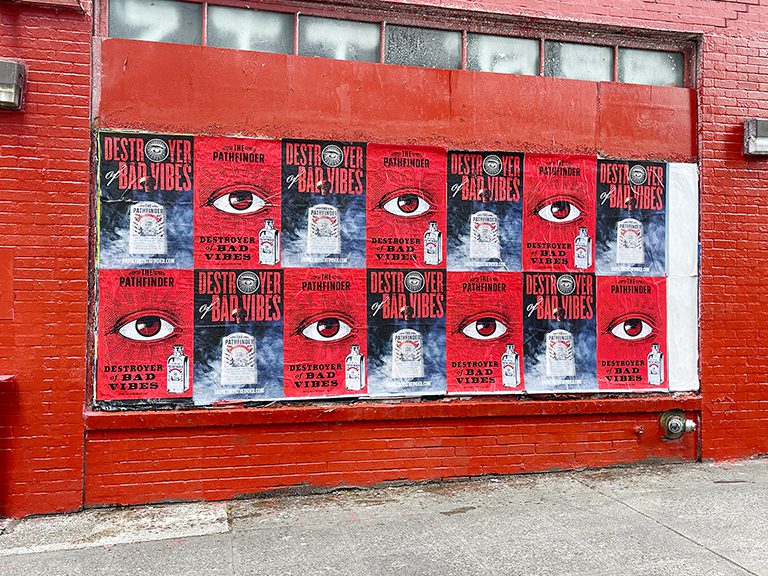
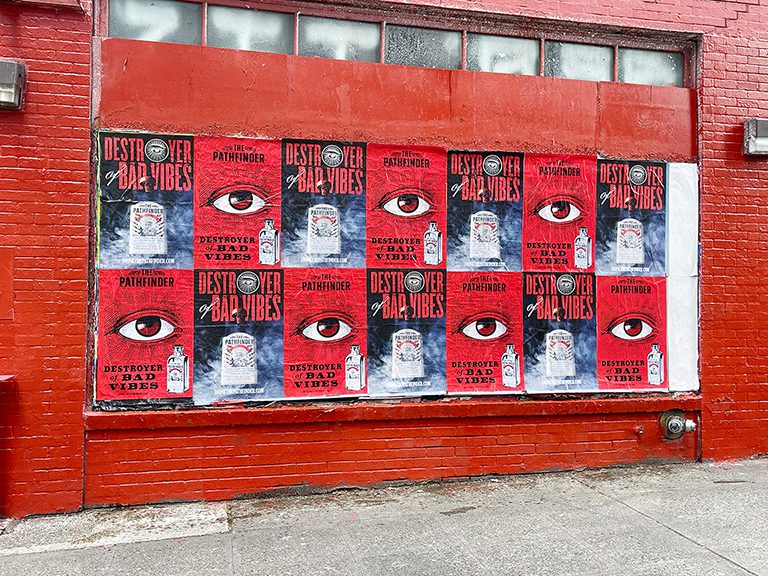
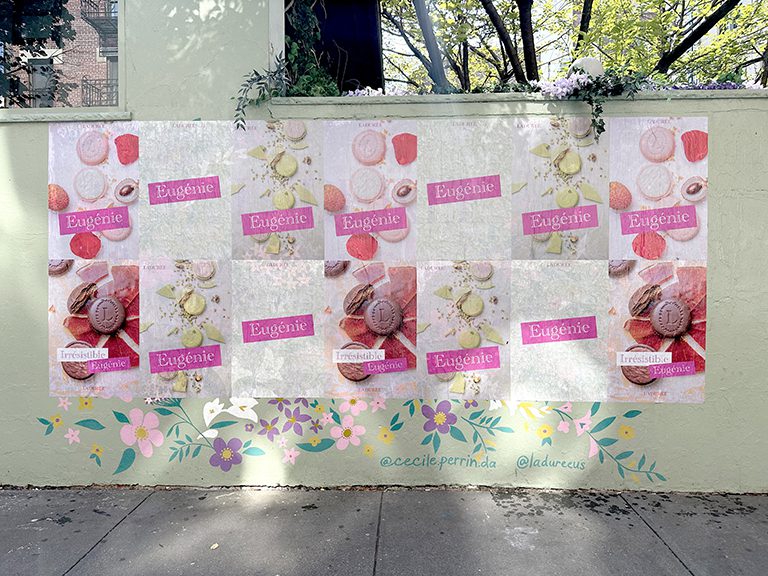
The 24×36 format is the right specification for most Nashua campaigns. It fits the full inventory of commercial surfaces along Main Street, the Broad Street corridor, and the Mine Falls approach streets — standard urban storefront and building-side dimensions that accommodate this format without modification. The 24×36 works in single-panel installations and in tiled multi-panel configurations that scale up visual footprint on walls with available horizontal width. At street level it delivers clear legibility for pedestrians moving through the Arts and Entertainment District at normal walking pace, and it can be layered in quantity across a full neighborhood zone.
The 48×72 format is designed for impact on Nashua’s larger commercial wall surfaces — particularly the Millworks buildings and the older commercial structures near Factory Tenant Arts where exterior wall dimensions accommodate this format without constraint. Large-format placements command attention from across the street and at distance, functioning as campaign anchors that establish a visual presence before foot traffic reaches the smaller-format coverage zone. The 48×72 is also the right specification for campaigns where creative needs spatial room — imagery and typography that lose coherence at 24×36 land with full impact at this dimension.
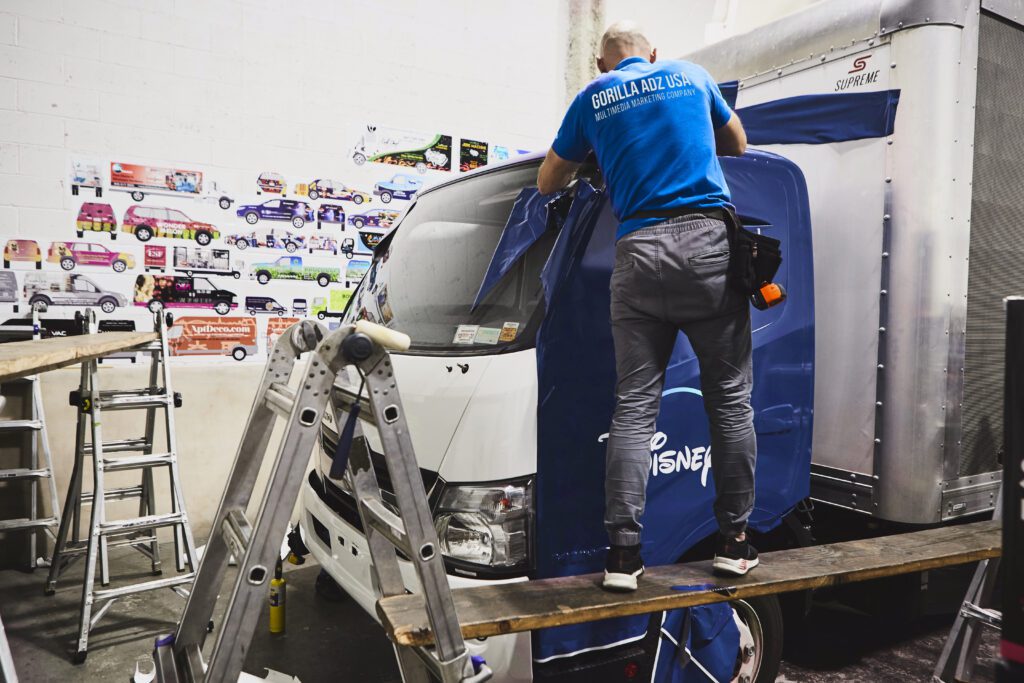
American Guerrilla Marketing sends direct field crews to Nashua — trained AGM operators, not regional subcontractors or franchise crews dispatched from a vendor network. Every campaign begins with a scouting phase in which AGM personnel survey the target zones, confirm current surface availability, assess the existing posting environment, and map the highest-value placements relative to the campaign’s specific objectives, audience, and timing. The scouting phase exists because surface conditions change — a wall that was ideal three months ago may have been painted, changed ownership, or been claimed by competing advertising. AGM confirms conditions before committing placements, not after.
Every installation is fully documented. AGM delivers geo-tagged, timestamped photography of each placement, giving clients a verifiable record of exactly where their posters ran, what the surrounding environment looked like at installation, and what condition the posters were in at the time of posting. This documentation is standard on every Nashua engagement — it’s part of the campaign close report, not an optional upgrade.
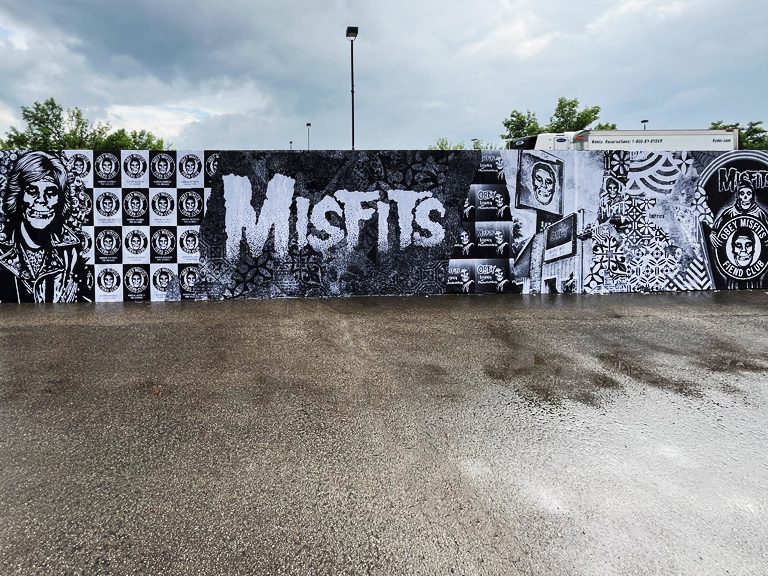
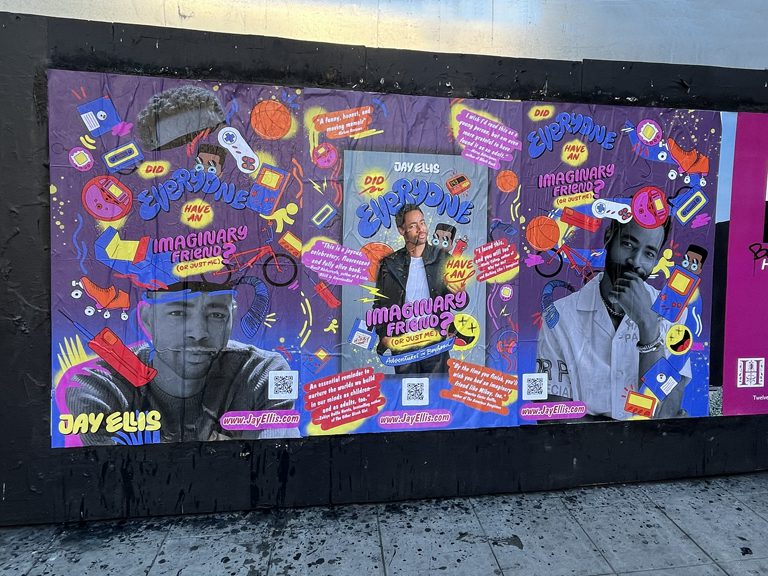
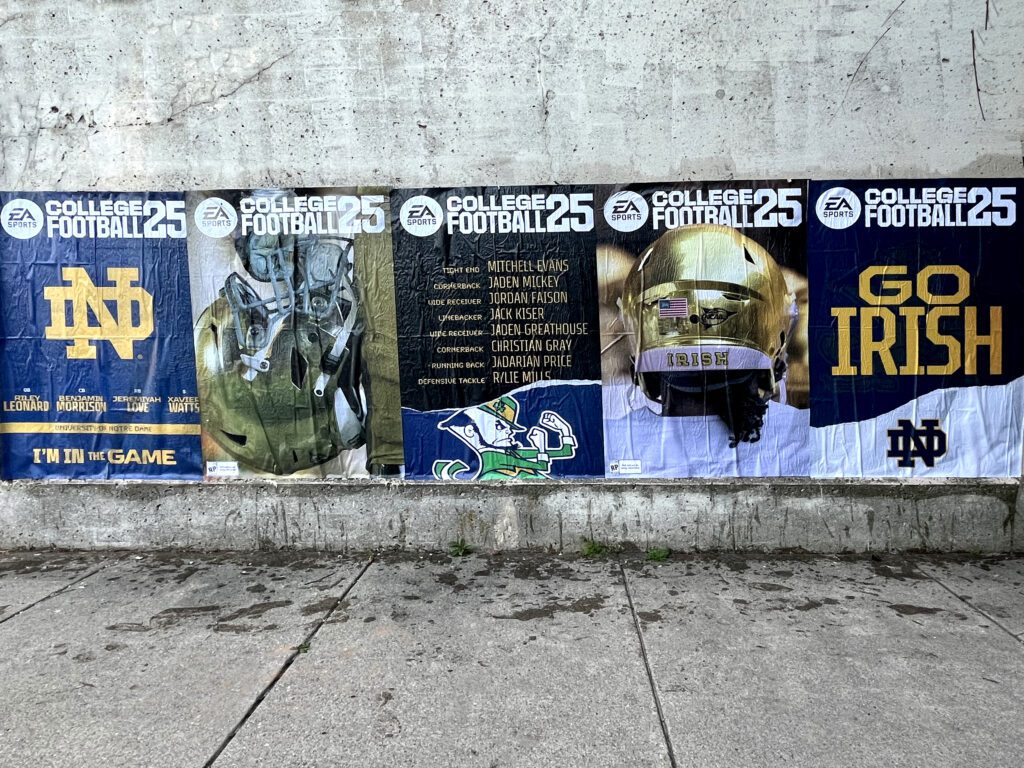
Nashua campaigns can run as standalone activations or as part of coordinated New England campaigns covering Manchester, Portsmouth, Concord, and other New Hampshire markets simultaneously. Multi-city coordination allows a single unified creative strategy to run across the state’s major population centers with consistent timing and AGM-managed execution from a single point of contact, rather than requiring the client to manage separate vendor relationships for each market. Brands including Netflix, The Onion, EA Sports, Biossance, and Shepard Fairey have worked with AGM on campaigns requiring exactly this kind of credible, well-documented street-level presence — campaigns where the visual and operational quality of the execution matters as much as the placement count.
The Main Street Arts and Entertainment District is the priority zone. The officially designated cultural corridor between Factory Street and Hollis Street concentrates Nashua’s highest foot-traffic density on evenings and weekends, with commercial facades along Main Street and its cross streets providing the surface inventory for poster placements. The district’s restaurants, bars, live music venues, galleries, and independent retail create an audience of culturally engaged adults who move through the same corridor repeatedly across a week. The Mine Falls Park approach streets — Simon Street and Whipple Street — rank second, delivering consistent daily foot traffic from the park’s recreational users and from the residential neighborhoods that surround the park and use those streets as ordinary walking corridors. The Broad Street corridor serving Rivier University is the right zone for campaigns targeting the college student demographic, and the Millworks and Factory Tenant Arts area is most effective for campaigns addressing the creative professional and arts community. South Nashua’s Daniel Webster Highway strip serves broad consumer campaigns where daytime retail-adjacent exposure is the appropriate context for the brand’s message.
Mine Falls Park is one of southern New Hampshire’s most heavily used recreation corridors, and its strategic value for fly posting extends beyond the park boundary to the streets connecting it to the downtown core. The Simon Street and Whipple Street approach corridors function as daily foot-traffic arteries serving park users heading in both directions and the residents of the neighborhoods between the park and downtown who walk those streets as part of their ordinary routines. This creates a high-frequency posting zone where a single installation accumulates repeated impressions from the same households and regular users over the life of a campaign — a fundamentally different impression pattern from the high-volume, single-exposure model that Main Street delivers. For campaigns where brand recognition and frequency are the objectives rather than aggregate reach, the Mine Falls approach corridors provide a sustained impression rhythm that complements Main Street’s broader coverage. AGM routinely recommends combining both zones for Nashua campaigns that need to balance breadth against depth of impression across the market’s distinct foot-traffic patterns.
Yes, though the strategy requires understanding where the tech workforce concentrates outside office hours rather than attempting to post in the Cotton Road tech corridor itself, which is an office-park environment with minimal pedestrian infrastructure and low organic foot traffic beyond employees moving between parking structures and office buildings. The BAE Systems, Oracle, and Fidelity satellite office workforce commutes to Cotton Road but spends meaningful discretionary time in downtown Nashua — Main Street serves this audience at lunch and after work, making the Arts and Entertainment District the correct posting zone for campaigns targeting the tech-sector professional demographic. This workforce also overlaps substantially with the Mine Falls Park recreational audience: younger professional adults who run, cycle, and use the park trail network are the same segment that fills the Cotton Road offices during business hours. A campaign covering downtown Main Street and the Mine Falls approach streets reaches the tech workforce at multiple points in their daily movement pattern without requiring placements in the office park, where impressions are low and execution is difficult.
Nashua’s Arts and Entertainment District is an officially designated zone centered on the Main Street corridor that concentrates the city’s cultural activity — live music, arts venues, galleries, restaurants, and entertainment businesses — into a walkable geography compact enough for fly posting to cover thoroughly with a focused placement plan. The designation exists because the city formally recognizes this corridor as its primary cultural district, which means arts organizations, entertainment venues, and culturally driven businesses cluster here by policy and market logic simultaneously. For fly posting campaigns, the district matters because cultural concentration creates demographic concentration: the audience moving through the Arts and Entertainment District skews toward culturally engaged adults who engage with street-level advertising, recognize what fly posting signals about a brand, and respond to visual marketing in ways that audiences in retail-strip or office-park environments typically don’t. Posters in this district also carry social weight — placement in Nashua’s designated cultural zone signals brand membership in the cultural conversation, not just advertising spend.
The Gate City Craft Beer Festival runs annually in the fall on and around downtown Main Street, drawing strong attendance from Nashua residents and visitors from across southern New Hampshire. The festival concentrates the locally engaged adult demographic — people who participate in food, beverage, and community culture events — on exactly the streets where AGM’s Main Street campaigns run. For campaigns targeting this audience, the festival creates a clear high-value installation window: posters go up one to two weeks before the event to build awareness during the promotional lead-up period, then remain visible through the festival itself when foot traffic on Main Street reaches its seasonal peak. Post-festival timing can also work for brands that want their presence to extend through the wind-down period when downtown activity stays elevated for several days after the main event. The exact fall date shifts year to year, so AGM confirms the current year’s festival schedule during the campaign planning process and adjusts the installation window to capture the full pre-event awareness period and the in-event visibility overlap.
Manchester’s Elm Street corridor serves a larger aggregate population — New Hampshire’s largest city has nearly twice Nashua’s total population and a denser urban core with broader foot-traffic diversity across a wider range of demographics. For raw reach within New Hampshire, Manchester is the primary market and should anchor any statewide campaign strategy. Nashua’s Main Street, however, delivers a more demographically cohesive audience within its Arts and Entertainment District footprint: the tech-economy workforce and arts-engaged professional population that concentrates on Nashua’s Main Street represent a higher-income and more professionally concentrated demographic than the broader mix that Manchester’s downtown serves. For brands where audience composition matters more than aggregate impression volume, Nashua’s Main Street is competitive with Manchester on a per-impression-quality basis even if total impressions are lower. Nashua’s position directly on the Massachusetts border also means campaigns there reach residents of Tyngsborough, Chelmsford, and other northern Massachusetts communities who enter Nashua for dining, entertainment, and retail — extending the effective market reach slightly beyond city limits.
Yes, and AGM executes these dual-market campaigns regularly. Nashua and Manchester are approximately 18 miles apart and collectively represent New Hampshire’s two largest population centers, making them a natural pairing for brands that need meaningful statewide reach in New Hampshire without the complexity of managing separate vendor relationships for each city. AGM coordinates both markets under a single engagement: unified creative runs across both cities with consistent installation timing, combined print quantities that improve production efficiency, and a single campaign report covering both markets with full geo-tagged documentation for every placement in each city. The combination can be expanded further to include Portsmouth, Concord, and other New Hampshire markets for brands that require coverage across the state beyond the Nashua-Manchester core. The multi-city structure doesn’t change the per-city execution standard — each market receives the same scouting, installation quality, and documentation that a standalone campaign delivers.
The right format depends on the specific walls in the target zone and what the campaign creative needs to accomplish at street level. For coverage across Nashua’s standard commercial building facades along Main Street and the Broad Street corridor, the 24×36 format works across the full available surface inventory — storefront-adjacent walls, building sides, and commercial facades in the Arts and Entertainment District all accommodate this specification without modification. Campaigns that need a commanding visual presence on the larger wall surfaces near Factory Tenant Arts and the Millworks buildings should use the 48×72 format, which delivers visual impact that reads from across the street and from approach distance in a way the standard format cannot match. Most Nashua campaigns that AGM plans combine both formats: 48×72 posters on high-impact anchor walls as campaign centerpieces, 24×36 posters across the broader Main Street and corridor coverage zone for reach and frequency. The scouting phase before each campaign identifies the specific wall inventory available in the target zones and informs the final format allocation before print quantities are confirmed.
Rivier University’s approximately 3,000 undergraduates represent a discrete and geographically predictable demographic segment within Nashua’s population. Students concentrate in a specific part of the city and move along predictable corridors between the campus on Daniel Webster Highway and the downtown core via Broad Street — movement patterns that make them a reachable audience for campaigns positioned on those routes. The university’s identity as a religious liberal arts institution shapes the student demographic toward health sciences, education, social work, and arts fields rather than the engineering and computer science profiles that dominate the Cotton Road tech workforce, making the Rivier student population a genuinely distinct demographic complement rather than an audience overlap with the tech-sector campaigns. For entertainment releases, lifestyle brands, social-purpose campaigns, and cultural activations with broad young-adult appeal, including Rivier-adjacent posting in a Nashua campaign plan extends reach into a segment that occupies its own geographic zone and operates on its own daily movement pattern, separate from the Main Street arts and nightlife demographic that tends to define the core Nashua posting strategy.
Entertainment and media brands are the most consistent users of fly posting in Nashua, as they are across the markets where AGM operates. Film and streaming campaigns, music tours and album launches, and live entertainment events map directly onto the Main Street Arts and Entertainment District audience — the cultural credibility of street-level advertising is a natural fit for entertainment brands that want their campaign to feel like part of the city’s cultural life rather than an interruption of it. Consumer packaged goods brands in food, beverage, and lifestyle categories use Nashua fly posting to build awareness among the tech-economy professional demographic that has both the disposable income and the cultural engagement to respond to street-level advertising. Fitness, wellness, and outdoor lifestyle brands find traction in the Mine Falls Park approach zones, where the recreational audience is demonstrably active, health-oriented, and receptive to brands that appear in their physical activity environment. Nonprofits and advocacy organizations use fly posting for event promotion tied to Nashua Pride, Great American Downtown programming, and other community events where the street-level medium reinforces the community-based message. The breadth of industries reflects Nashua’s genuine demographic diversity — the foot traffic corridors serve a wide enough range of people that campaigns from very different brand categories can each find their audience without competing for the same placements.