American Guerrilla Marketing
Nationwide Service
Media planning, media buying, billboard advertising, & guerrilla marketing
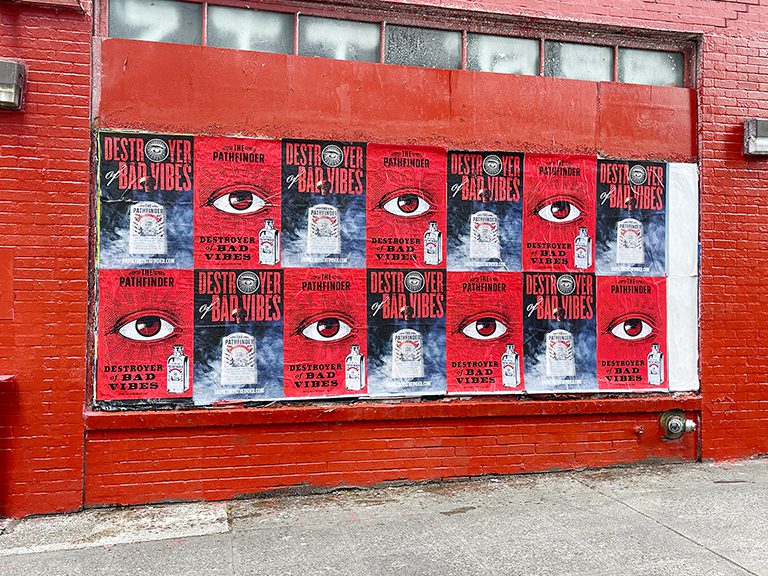
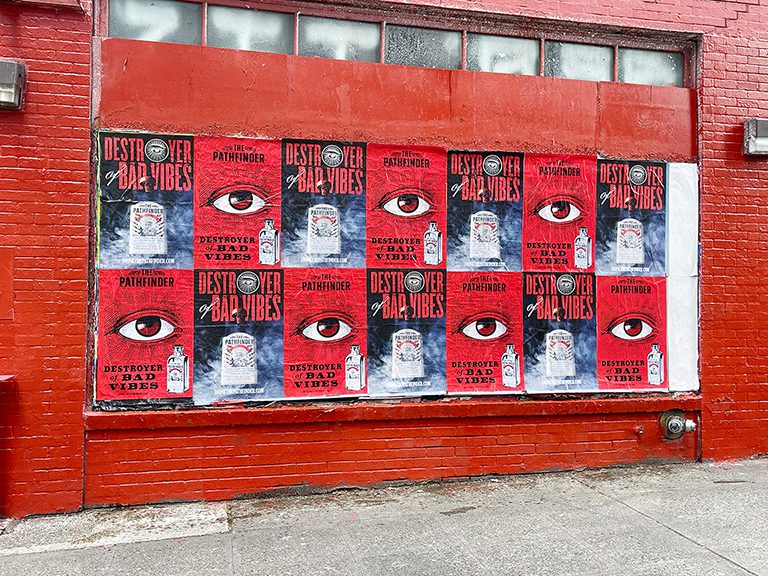
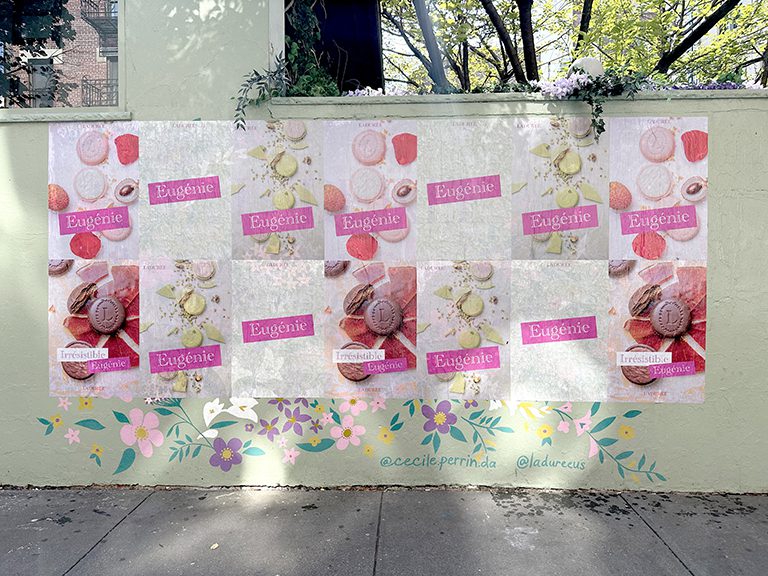
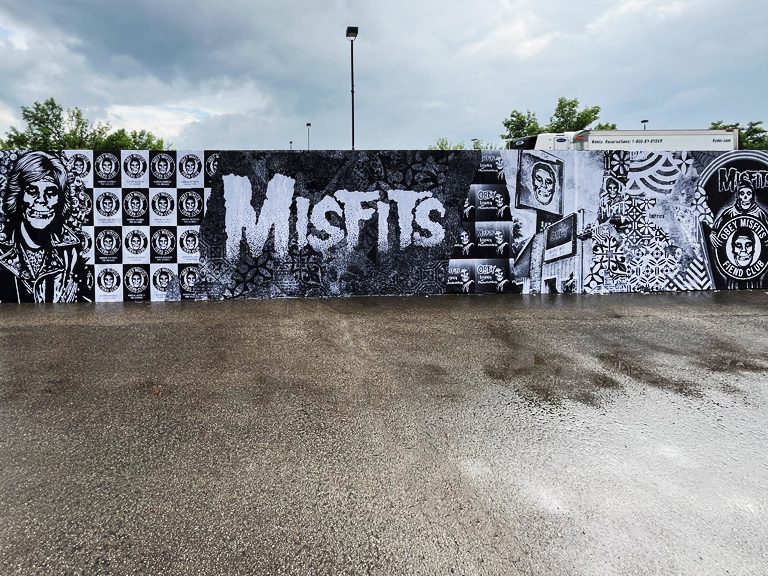
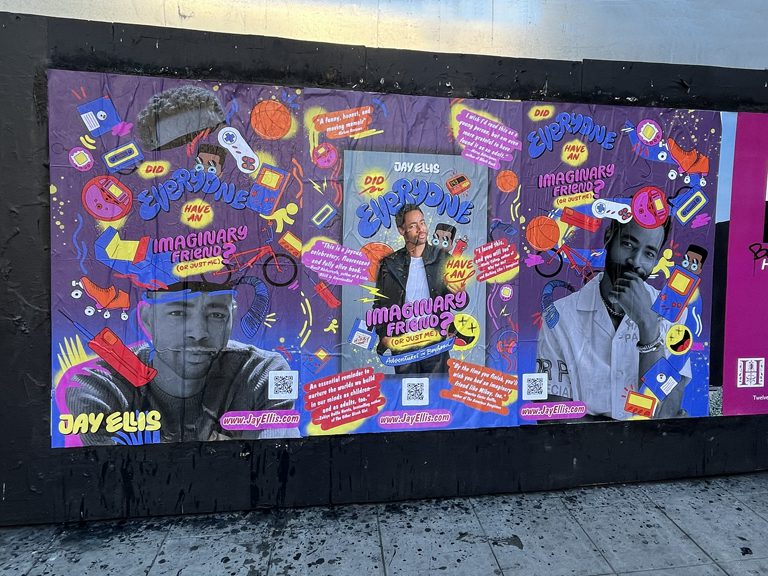
San Diego’s brewery corridors, indie music venues, and walkable neighborhood retail strips create a built-in discovery environment. AGM executes wheatpasting and street poster campaigns across North Park, East Village, Gaslamp Quarter, Normal Heights, and South Park.
The pedestrian on North Park Way on a Saturday afternoon is already in the exact consumer mindset that most marketing campaigns spend enormous budget trying to manufacture. Between Thorn Street Brewery and Mike Hess and Modern Times and a dozen more taprooms within a three-block radius, the independent record shops, third-wave coffee roasters, and rotating pop-up retail concepts that line Utah Street and 30th Street, the person walking that stretch of North Park is actively looking for the next thing — the next pour, the next label, the next brand they haven’t heard of yet. That’s a media environment that no digital ad unit can replicate from outside, and it’s the reason fly posting in San Diego works so consistently for the brands that understand it.
San Diego’s street-level advertising effectiveness isn’t limited to North Park. East Village’s proximity to Petco Park creates foot traffic spikes on game days and concert nights that saturate the Island Avenue and 6th Avenue bar corridor with exactly the 21-35 sports-entertainment audience that gaming brands, beer labels, and nightlife venues most want to reach. The Gaslamp Quarter functions as San Diego’s entertainment and hospitality spine — 5th Avenue from Broadway to Harbor Drive draws weekend bar-walk traffic volumes that rival any pedestrian corridor in Southern California. Normal Heights’ Adams Avenue sustains a consistently engaged indie retail and live music community that responds strongly to street poster advertising. South Park’s 30th Street brunch corridor draws a boutique-aware, locally-oriented audience that amplifies what it discovers through neighborhood social networks.
Wheatpasting campaigns in San Diego reach a young professional and creative demographic — the 21-35 SDSU graduate, the craft culture enthusiast, the nightlife-oriented downtown worker — in the physical spaces where they’re most present, most engaged, and most predisposed to act on something they discover in the street. AGM serves the San Diego market from its Los Angeles office at 611 Wilshire Blvd, Suite 900, Los Angeles, CA 90017 — (213) 328-4480 — with installation crews deploying throughout San Diego County and experienced with each neighborhood’s specific surface characteristics, peak foot traffic windows, and competitive posting landscape.
AGM executes street poster and wheatpasting campaigns across North Park, East Village, Gaslamp Quarter, Normal Heights, and South Park. Direct execution from our Los Angeles office, GPS-documented reporting, wheat-based adhesive. Clients include EA Sports.
Select a city to explore Fly Posting Advertising opportunities.
North Park earns its reputation as San Diego’s most fertile fly posting territory through a combination of pedestrian density, demographic quality, and genuine cultural engagement that few neighborhoods in the country can match at its geographic scale. The North Park Way corridor between 30th Street and Utah Street packs taprooms, vintage shops, independent record dealers, specialty coffee bars, and boutique fitness concepts into a walkable stretch that draws a 25-35 demographic with disposable income, strong brand awareness, and a documented preference for discovery over brand loyalty. The murals that cover nearly every blank surface in the neighborhood signal an existing visual culture that primes the audience to pay attention to what appears on those walls. Construction fence lines along active development projects on 30th Street, utility structures throughout the residential grid surrounding North Park Way, and blank facade sections on the commercial buildings provide consistent surface inventory for campaign placements. Brands in the craft beverage, music, lifestyle apparel, and consumer packaged goods categories find North Park’s audience to be among the most brand-responsive in San Diego — not because they’re easily influenced, but because they’ve built an identity around being ahead of the adoption curve in exactly the categories those brands compete in.
East Village’s character is defined by the coexistence of Petco Park’s major event programming and the dense bar and restaurant corridor that developed to serve the foot traffic it generates. On game days and concert nights at Petco Park, Island Avenue and 6th Avenue between Market Street and J Street fill with an audience that skews young, sports-entertainment oriented, and specifically in a celebratory, socially open mindset — the exact consumer state that makes brand discovery through street poster advertising particularly effective. But East Village’s fly posting value isn’t limited to event windows. The neighborhood’s residential population has grown substantially as the downtown San Diego housing market has expanded, and the daily foot traffic through the bar corridor on 6th Avenue and the coffee and brunch spots on Market Street creates consistent weekday impression opportunities that don’t depend on Petco Park’s schedule. Blank wall sections on the brick and concrete building facades throughout East Village’s mixed commercial and residential blocks, construction barriers on active development projects in the neighborhood’s still-evolving western edge, and utility structures along Island Avenue all provide posting surfaces with good pedestrian sightlines from the main foot traffic corridors.
The Gaslamp Quarter is San Diego’s entertainment and hospitality anchor — a 16.5-block historic district on 5th Avenue between Broadway and Harbor Drive that hosts the city’s highest concentration of bars, restaurants, and nightlife venues. Weekend foot traffic through the Gaslamp generates some of the most intense pedestrian volumes in San Diego, drawing both the downtown local nightlife crowd and the visitor audience staying in the convention hotel zone nearby. The demographic skews toward the 23-38 entertainment-oriented young professional — people who are out specifically because they want to discover things, including brands. For brands in the nightlife, gaming, entertainment, music, and lifestyle categories, Gaslamp Quarter fly posting placements catch audiences during their highest-receptivity moments: out at night, socially activated, in discovery mode. The convention center’s proximity makes the Gaslamp particularly effective during major San Diego event windows — Comic-Con, industry conferences, major sporting events — when the existing foot traffic baseline spikes dramatically and the audience composition shifts to include highly brand-engaged out-of-towners alongside the regular local crowd. Fence lines along the Harbor Drive perimeter, utility structures on Broadway and the side streets feeding into 5th Avenue, and blank wall sections on the quarter’s historic building backs provide consistent posting inventory.
Normal Heights occupies a particular position in San Diego’s cultural landscape — less dense and commercially frenetic than North Park but more deeply local, with a resident community that has a strong sense of neighborhood identity built around the independent retail and live music ecosystem on Adams Avenue. The Casbah, one of San Diego’s most respected independent music venues, sits on Kettner Boulevard adjacent to the Normal Heights orbit, and the indie music culture that clusters around it extends east along Adams Avenue through the record shops, bars, and used bookstores that make the corridor feel genuinely eccentric in a way that brand-aware younger audiences strongly respond to. The 22-34 demographic that walks Adams Avenue between 30th Street and 35th Street is not the mass-market consumer — it’s the early adopter, the category influencer, the person whose opinions about music, brands, and culture ripple outward through their social networks. Fly posting on the fence lines, utility poles, and blank building sides throughout the Adams Avenue corridor reaches that audience in its home environment. Poster retention on Adams Avenue tends to be strong relative to higher-traffic San Diego corridors because the pace of pedestrian movement is slower and more deliberate — people are browsing, not rushing — which means longer per-impression dwell time for each placement.
South Park is San Diego’s boutique-scale neighborhood — smaller in geographic footprint than North Park, more residential in character than East Village, and defined by the concentrated cluster of independent shops, cafes, and arts spaces on 30th Street between Juniper Street and Beech Street. The South Park demographic skews toward the 28-40 creative professional and young family — people who choose to live in South Park because of its specific character, its walkable boutique retail, and its community-oriented arts events. That kind of deliberate neighborhood selection correlates with strong brand engagement: residents who choose South Park are already predisposed toward independent brands, craft products, and local discovery. The South Park brunch corridor on 30th Street — Queenstown Public House, Buona Forchetta, Waypoint Public — generates consistent weekend foot traffic from both neighborhood residents and visitors who make the trip specifically for the restaurant cluster. For brands in the wellness, premium food and beverage, independent fashion, and arts categories, South Park fly posting reaches an engaged, quality-oriented audience at a neighborhood scale that keeps campaign costs manageable and impression quality high. Fence lines along the residential side streets, blank facade sections on the 30th Street commercial buildings, and utility structures throughout the neighborhood provide consistent surface availability for targeted campaign placements.
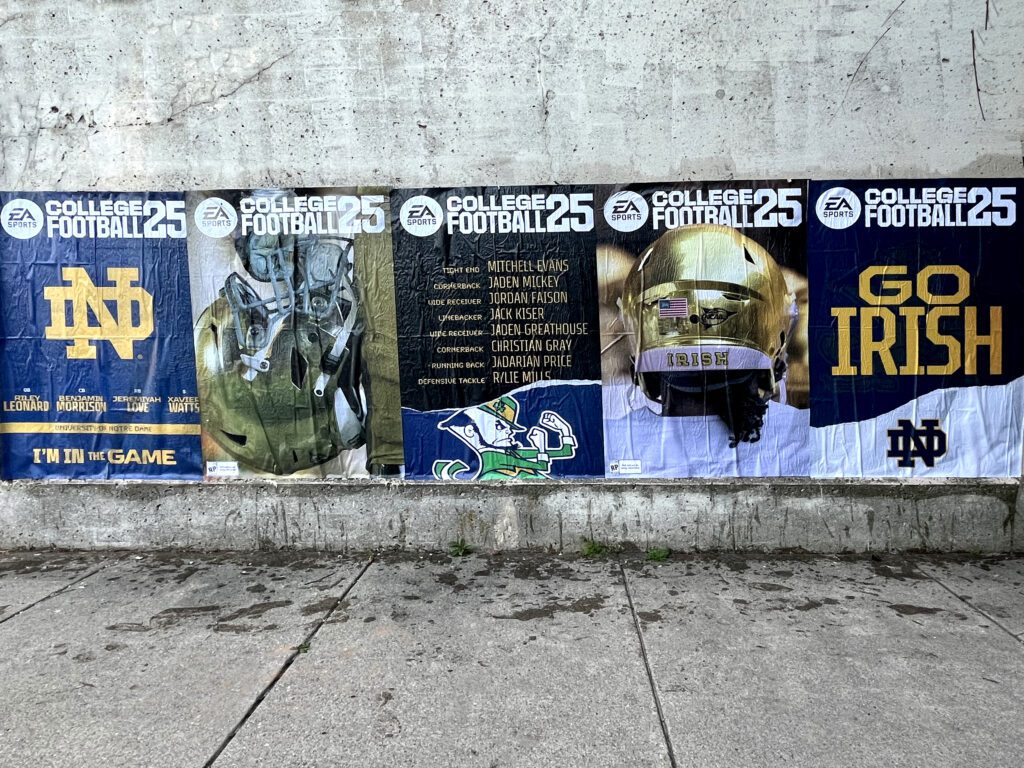
EA Sports’ launch of EA Sports FC 25 demonstrated exactly how gaming and sports entertainment brands can use fly posting to generate authentic street-level presence in the markets where their core audience is most concentrated. The campaign executed a rapid simultaneous multi-city street launch — deploying street posters across multiple markets within the same installation window to create the impression of a brand moment happening everywhere at once, which is precisely the perception that gaming launches need to generate to drive day-one adoption and pre-order momentum.
San Diego is a natural fit for gaming and sports entertainment campaigns. The SDSU student population — 35,000-plus enrolled students concentrated in the Mission Valley and College Area zone, with significant off-campus residential presence in neighborhoods like North Park and East Village — represents a core 18-24 gaming demographic. East Village’s proximity to Petco Park creates an existing association between sports entertainment and the neighborhood that gaming brands can leverage: an EA Sports street poster appearing on East Village walls in the weeks before a FIFA title drops lands in the exact mental context that the campaign needs. The bar corridor on 6th Avenue and Island Avenue puts the campaign in front of a 21-30 sports fan demographic that has disposable income, strong gaming category awareness, and established digital networks for amplifying what they discover in the real world.
The structural insight from the EA Sports FC 25 campaign is one that applies across gaming, sports, and entertainment brands operating in San Diego: the street-level presence creates a cultural signal that no amount of digital advertising duplicates. When a gaming title’s poster appears on the walls of East Village and North Park simultaneously, it communicates that the launch is happening at the level of cultural moment — not just another app-store product page. That perception drives the kind of organic social sharing and word-of-mouth that multiplies the campaign’s effective reach well beyond the neighborhoods where the posters physically appear.
Award Winning Personalized Service
You will get thoughtful, devoted, and individualized attention from our experienced, qualified, and professional personnel. Being one of the most illustrious agencies in Brooklyn, New York, American Guerrilla Marketing has been awarded the Best of Brooklyn title.
Nationwide
Industry City, Brooklyn, New York 11232
American Guerrilla Marketing
Hours
Mon - Fri: 9 AM - 5 PM
Sat & Sun: Closed
Automate your campaign with AGM’s Request for Proposal Builder. Simply answer a few quick questions about your campaign goals, markets, and timeline, and the system will generate a tailored presentation with recommended strategies, quantities, and pricing. Click the RFP Builder to instantly receive your customized proposal.
San Diego’s neighborhood character and surface landscape favor a primarily 24×36 format strategy for most campaign objectives. The pedestrian corridors in North Park, Normal Heights, and South Park are human-scale environments — the streets are not wide, the buildings are not tall, and the viewing distances are short. A 24×36 poster at eye level on a fence line along North Park Way or on a utility structure at the corner of Adams Avenue and 30th Street is seen at close range by a pedestrian who is moving slowly and looking around. That physical dynamic maximizes the per-impression impact of the standard format in a way that doesn’t always apply in more architecturally grand markets.
The 48×72 large-format makes the most sense for San Diego on the larger surface opportunities in East Village — the taller brick facade sections on Island Avenue’s commercial buildings, the construction barriers on active development projects in the neighborhood’s western blocks, and any surfaces in the Gaslamp Quarter’s perimeter zones where a larger-format placement has unobstructed sightlines from the 5th Avenue pedestrian flow. For gaming brand launches, entertainment releases, and lifestyle campaigns that benefit from high visual impact at the launch moment, a 48×72 placement in East Village paired with 24×36 density coverage in North Park and Normal Heights gives a San Diego campaign both the dominant presence and the saturation reach that multi-neighborhood activations need.
100 posters — contact us for pricing
200 posters — contact us for pricing
Extra creative: contact us for pricing
The ideal format for density coverage across San Diego’s walkable neighborhood corridors. Builds saturation along North Park Way, Adams Avenue in Normal Heights, and 30th Street in South Park where close-range pedestrian engagement makes the standard format exceptionally effective. Multiple creatives available. 72-hour rush production up to 500 quantity for time-sensitive launches and tour marketing windows.
100 posters — contact us for pricing
200 posters — contact us for pricing
Extra creative: contact us for pricing
Best deployed on East Village’s taller brick facades, the Gaslamp Quarter’s perimeter walls, and construction barrier surfaces where larger format creates unmissable visual presence. Ideal for gaming launches, entertainment releases, and lifestyle campaigns that need a dominant anchor placement in downtown San Diego paired with density coverage in the neighborhood corridors.
San Diego campaigns are managed from AGM’s Los Angeles office, with installation crews that operate throughout San Diego County and know each target neighborhood’s surface landscape, posting regulations, and peak foot traffic patterns. Campaign planning begins with a neighborhood brief — which corridors, which demographic targets, which timing relative to events or launch windows — that AGM translates into a specific surface map for each neighborhood in the campaign. For a campaign covering North Park, East Village, and Normal Heights, AGM maps available fence lines, construction barriers, utility structures, and blank building facade sections across all three neighborhoods before a single poster is printed.
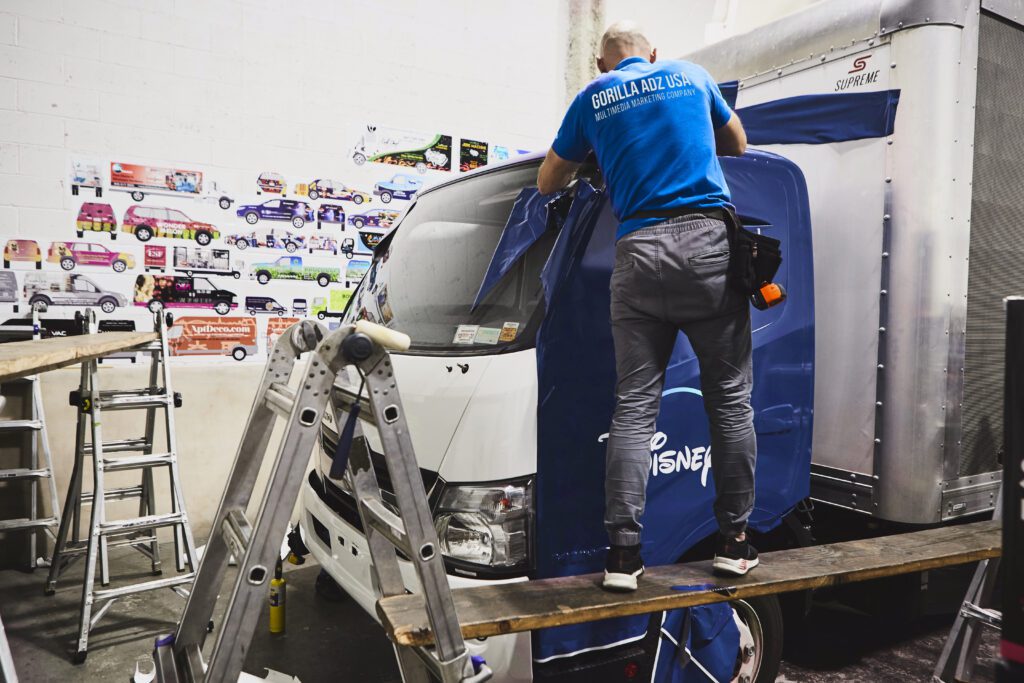
Print production is handled entirely in-house. AGM uses heavy-weight outdoor paper stock with inks and coatings selected for San Diego’s coastal climate — the marine layer and occasional humidity that affects parts of the city, particularly in the neighborhoods closer to the coast, requires adhesive and paper combinations that perform well in higher-moisture conditions. AGM’s wheat-based adhesive holds reliably through San Diego’s climate range while remaining pressure-wash removable from standard surfaces — no permanent residue, no surface damage, and no environmental concerns from the adhesive chemistry.
Installation crew deployment across San Diego neighborhoods is documented in real time with GPS-tagged photography at each placement. After campaign close, AGM delivers the complete reporting package — location data, timestamps, and visual confirmation for every poster placed — giving clients a verifiable record of campaign execution. For San Diego brands running their first fly posting campaign, this documentation makes the ROI case concrete: not just estimated impressions but precise documentation of where the campaign appeared and for how long.
Craft beverage brands — independent breweries, spirits labels, RTD cocktail companies, and non-alcoholic wellness drink launches — find San Diego particularly receptive because the neighborhood retail environment in North Park and Normal Heights is already structured around the discovery of new products in exactly those categories. A craft beer label posting on North Park Way is speaking to an audience that has already self-selected into a culture of brand exploration in the beer category. The same applies to spirits launches, wine brands, and new format beverages targeting the 25-40 professional demographic that populates San Diego’s independent neighborhood corridors.
Music and live entertainment brands consistently find San Diego an effective fly posting market because of the city’s active mid-size venue ecosystem. The Casbah, the Observatory North Park, Quartyard, and the mid-size concert capacity venues around the Gaslamp create a year-round touring calendar that generates repeated fly posting demand — every tour stop needs local awareness, and fly posting in Normal Heights, North Park, and East Village reaches the audience that buys tickets to mid-size shows in San Diego at precisely the right moment in the awareness-to-purchase window.
Gaming and sports entertainment brands targeting the 18-30 demographic find San Diego’s combination of SDSU student population, East Village sports fan density, and Gaslamp Quarter nightlife concentration to be a high-ROI market. Fashion and streetwear brands launching in Southern California use North Park as a secondary market to Los Angeles, targeting the subset of San Diego’s style-conscious young adult audience that tracks the same releases and brand movements as the LA streetwear community. Lifestyle food and beverage brands — specialty coffee, premium snack, health and wellness CPG — find the South Park and Normal Heights corridors particularly receptive given those neighborhoods’ strong orientation toward quality, independent brands over mass-market alternatives.
North Park earns its position as San Diego’s premier fly posting neighborhood through the combination of pedestrian density, demographic quality, and cultural orientation its foot traffic represents. The audience walking North Park Way between 30th Street and Utah Street is specifically there to discover things — new beers, new records, new brands — which makes them exceptionally receptive to street poster advertising as a discovery mechanism. The neighborhood’s mural density also signals an existing visual culture that primes the audience to notice and engage with what appears on its walls. Surface availability is strong: construction fence lines on active projects, utility structures throughout the grid, and blank facade sections on North Park’s commercial buildings all provide consistent posting inventory in the neighborhood’s most active pedestrian corridors.
San Diego’s craft beer culture is a pedestrian culture — the taproom experience is built around walking between venues, discovering new labels, and sharing those discoveries socially. A fly posting campaign that places a new brewery’s visual identity on the walls of North Park, Normal Heights, and South Park in the weeks before and during a launch reaches exactly the craft beer enthusiast demographic in the environment where they make discovery decisions. The poster isn’t interrupting anything — it’s appearing in the same visual landscape as the neighborhood’s existing craft culture signage, positioned as part of the scene rather than an advertisement dropped into it from outside. That contextual fit makes craft beverage fly posting in San Diego exceptionally effective at generating the word-of-mouth that drives taproom traffic during a launch window.
San Diego fly posting reaches a concentrated 21-35 young professional and creative demographic across the city’s active neighborhood corridors, with demographic nuances by neighborhood. North Park skews 25-35, craft culture-oriented, independent brand-aware. East Village around Petco Park pulls a strong 21-30 sports fan and nightlife demographic. Normal Heights draws the 22-34 indie music and arts-oriented audience that clusters around Adams Avenue’s record shops and the Casbah’s orbit. South Park reaches a slightly older 28-40 boutique-conscious professional demographic. Across all neighborhoods, the San Diego fly posting audience is characterized by high social media engagement, strong local discovery orientation, and above-average category influence — the kind of person whose brand discoveries ripple outward through their social network.
San Diego Comic-Con and similar major event windows dramatically amplify the effectiveness of fly posting campaigns in the downtown San Diego and Gaslamp Quarter corridors. During SDCC, the Gaslamp Quarter sees a substantial influx of highly engaged entertainment and pop culture consumers — exactly the gaming, streaming, and entertainment brand audience that runs fly posting campaigns in San Diego. AGM can time campaign installations to coincide with major event windows, ensuring that poster placements are fresh and visually strong when the highest-quality audience volumes are present in the target corridors. For entertainment, gaming, and pop culture brands with product launches timed near major events, this coordination amplifies the street-level campaign’s reach dramatically beyond its normal San Diego market effect.
Standard turnaround for a San Diego fly posting campaign is 2-3 weeks from confirmed brief to installation. This timeline covers creative approval, print production at AGM’s facilities, logistics coordination from the Los Angeles base of operations to San Diego’s target neighborhoods, and installation crew scheduling across the specified neighborhoods. For campaigns on compressed timelines — tour marketing windows that open with short lead time, entertainment release campaigns that finalize creative close to launch date — AGM’s 72-hour rush production capability on 24×36 format up to 500 quantity can dramatically compress the print-to-street window, with installation scheduled immediately following production and logistics delivery to San Diego.
Petco Park’s event programming — Padres home games, concerts, and special events that routinely draw 40,000-plus attendees — generates concentrated post-event foot traffic dispersal through East Village’s bar and restaurant corridor on Island Avenue and 6th Avenue. Fly posting placements on the building facades, fence lines, and utility structures in East Village’s main pedestrian corridors intercept that foot traffic during its most socially activated moments — exiting a game or concert, looking for a bar, walking toward parking or public transit with a group of friends. That moment of social dispersal through a neighborhood is one of the highest-receptivity windows in outdoor advertising because the audience is physically mobile, emotionally engaged, and not in the screen-focused mode that blocks out visual media in most other contexts.
Tour marketing is one of the most natural applications for fly posting in San Diego given the city’s active mid-size venue scene and the specific neighborhoods where the music-going demographic concentrates. AGM typically targets Normal Heights, North Park, and Echo Park-adjacent zones for indie, alternative, and rock tour campaigns — the neighborhoods where the Casbah and Observatory North Park audiences live and walk. For hip-hop, electronic, and pop tours with dates at larger venues, East Village and the Gaslamp Quarter provide access to the broader young adult nightlife audience. Campaigns are typically installed 1-2 weeks before the show date, maintaining visible presence through the ticket purchase decision window and generating street-level awareness among the local audience that drives same-market attendance.
San Diego’s posting surface landscape varies by neighborhood. North Park and Normal Heights rely primarily on construction fence lines along active development projects, utility structures throughout the residential grid, and blank facade sections on the lower levels of commercial buildings along North Park Way and Adams Avenue. East Village has more substantial brick and concrete building facade inventory, particularly on the alley-facing and side-street surfaces of the commercial buildings along Island Avenue and 6th. The Gaslamp Quarter’s historic building stock has limited poster surface availability on the primary 5th Avenue frontages but offers fence and utility structure access in the perimeter zones. South Park’s 30th Street corridor is primarily fence line and utility structure surface. AGM’s installation teams assess current surface availability in each neighborhood before every campaign and map placements against the specific inventory present at time of installation.
San Jose State’s 35,000-plus enrolled students extend well beyond the campus boundaries in College Area and Mission Valley into the rental housing concentrated in North Park, University Heights, and parts of Normal Heights — neighborhoods where the SDSU student demographic overlaps heavily with AGM’s standard San Diego posting corridors. Fly posting in North Park and Normal Heights reaches SDSU students where they live and socialize off-campus, in an environment where they’re already in the discovery and consumption mindset that these neighborhoods are built around. For brands specifically targeting the 18-24 SDSU-adjacent demographic, AGM can weight placement toward the North Park and University Heights corridor where student residential density is highest within walking distance of the neighborhood retail that drives daily foot traffic.
Traditional outdoor advertising in San Diego — billboards, transit shelter panels, bus wraps — reaches a broad audience with minimal demographic targeting precision. Fly posting in San Diego’s neighborhood corridors reaches a narrow, demographically precise audience in an environment that is specifically favorable to brand discovery and social amplification. A billboard on Interstate 8 delivers impressions to every driver on that freeway; a fly posting campaign in North Park delivers impressions specifically to the craft culture, brand-aware 25-35 demographic that’s already in the mindset of discovering new brands. The per-impression cost of fly posting is also substantially lower than traditional outdoor formats at comparable impression volumes, making it particularly efficient for brands with defined target demographics that are concentrated in San Diego’s walkable neighborhood corridors rather than distributed across the broader regional driving population.
Yes. AGM’s San Diego campaign coverage extends across all five of the neighborhoods featured on this page — North Park, East Village, the Gaslamp Quarter, Normal Heights, and South Park — as well as additional San Diego neighborhoods on request. Normal Heights’ Adams Avenue corridor and South Park’s 30th Street boutique zone are both standard AGM San Diego placement environments with established surface maps and foot traffic data. Clients running multi-neighborhood San Diego campaigns can include any combination of these neighborhoods in a single campaign brief, and AGM will coordinate placement across all specified zones within a unified installation and documentation timeline. Broader San Diego County coverage — Mission Hills, University Heights, Hillcrest — is also available on request.