American Guerrilla Marketing
Nationwide serivce
Media planning, media buying, billboard advertising, & guerrilla marketing
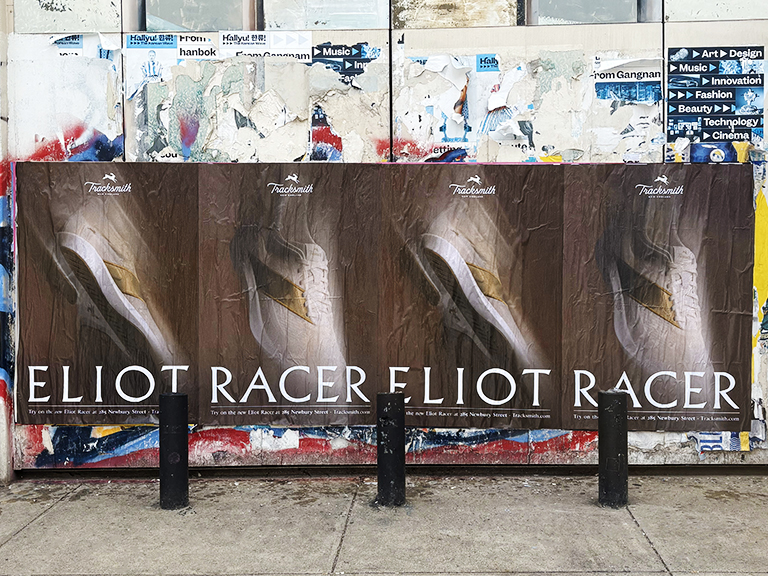
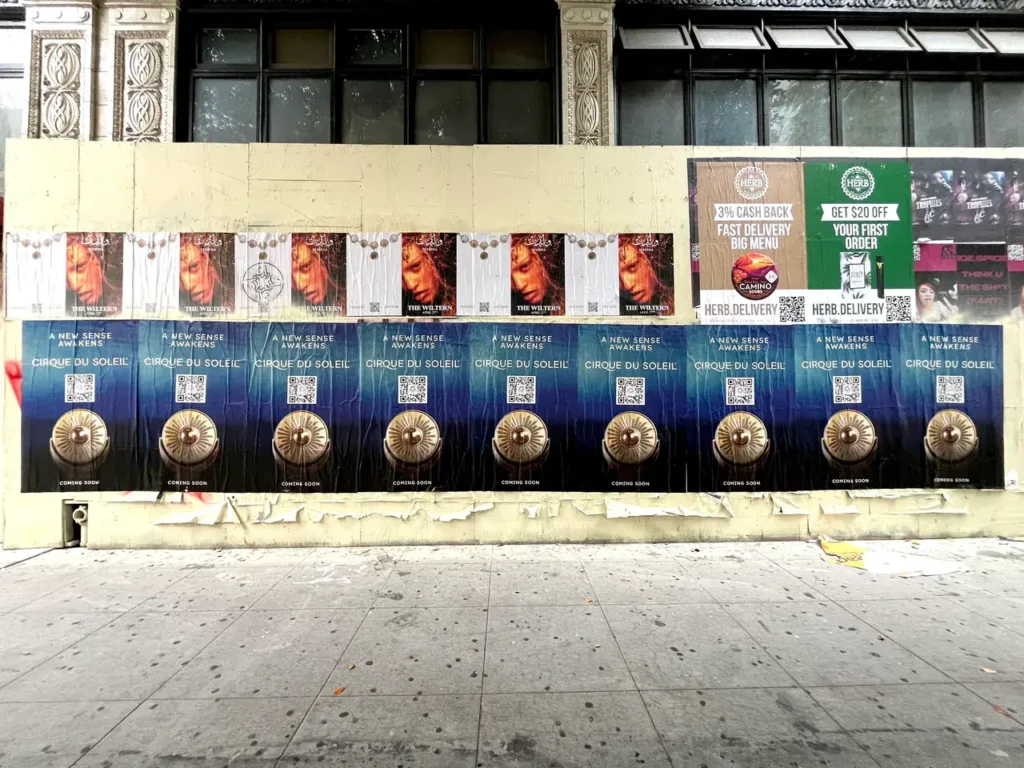
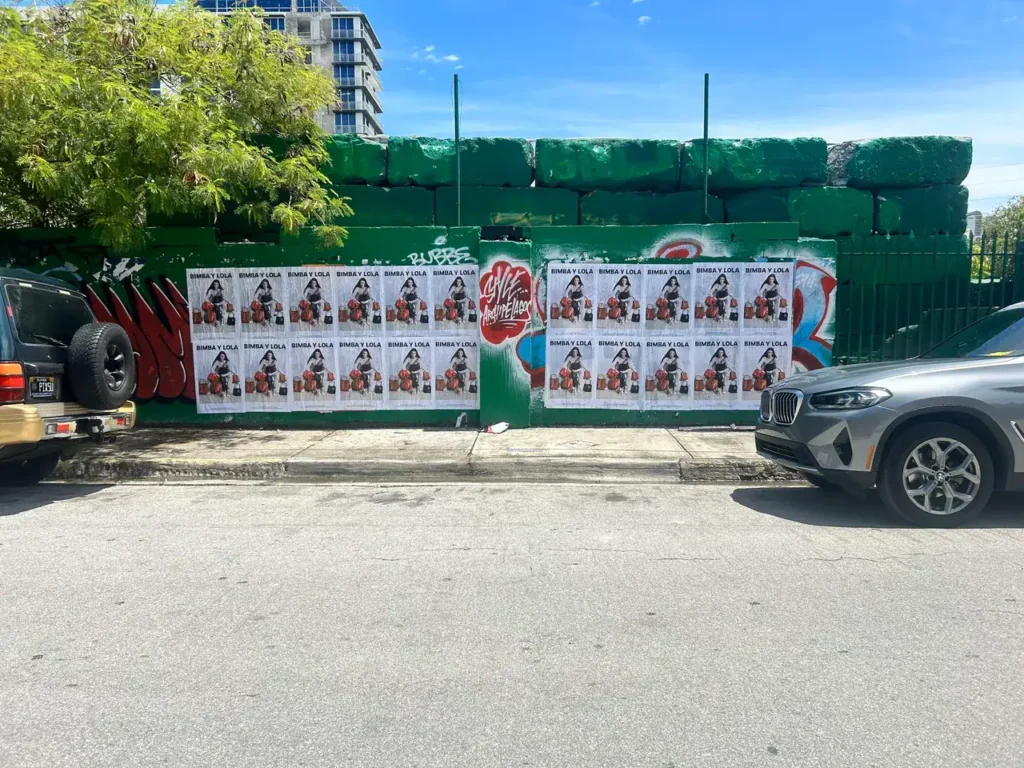
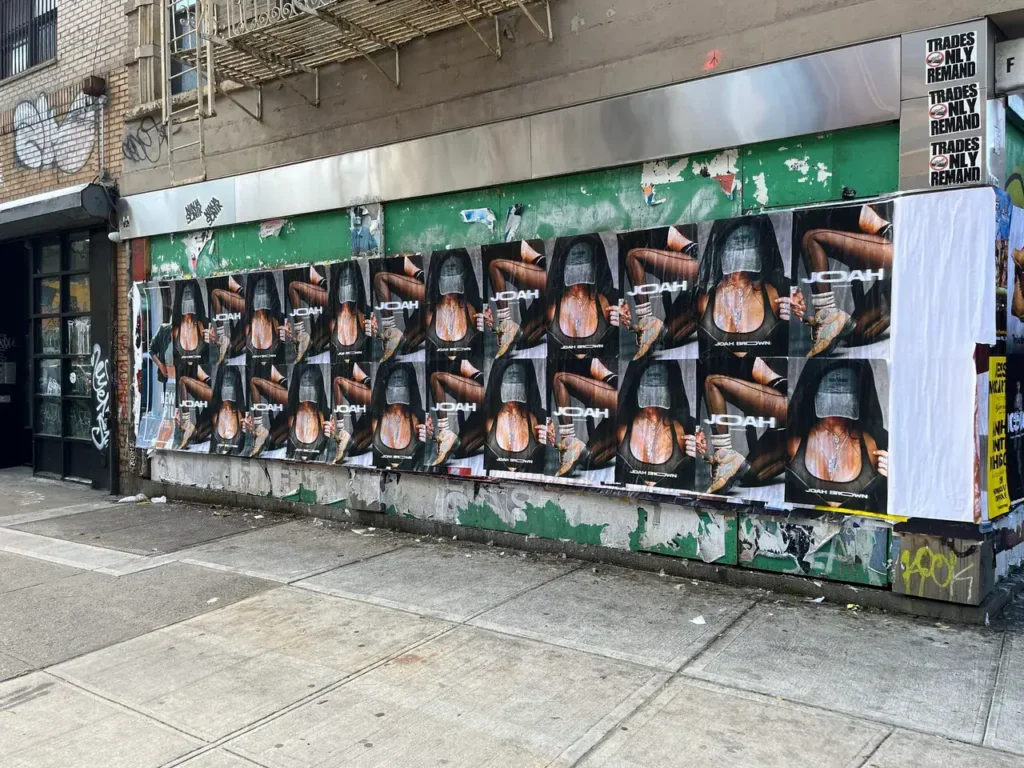
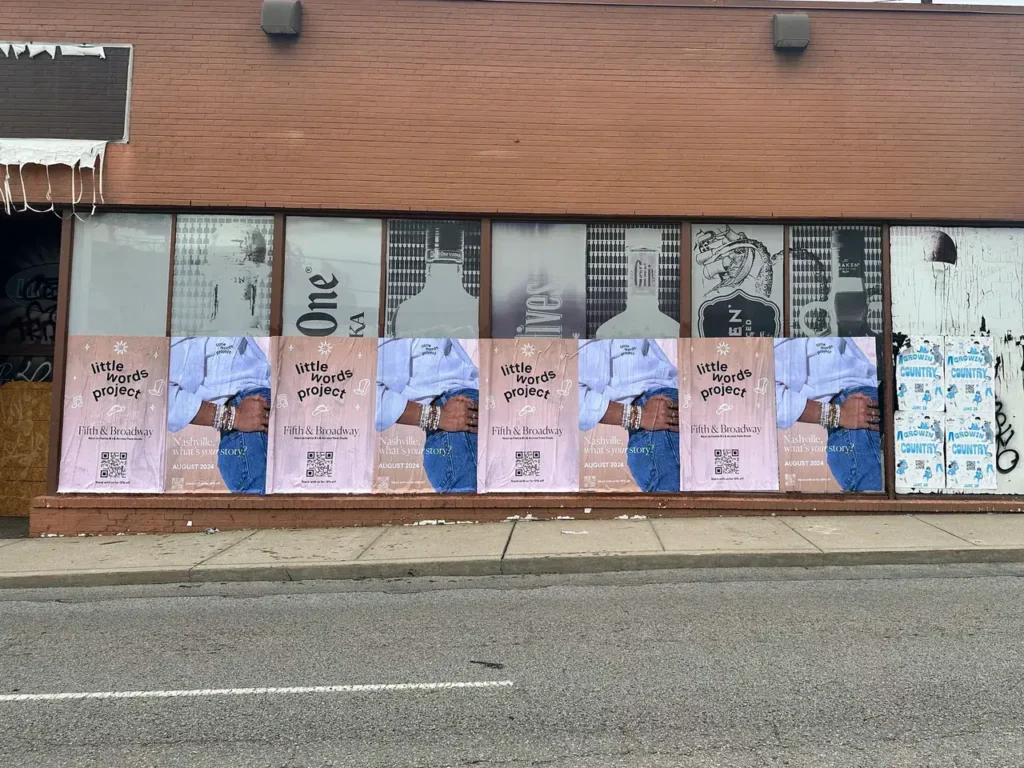
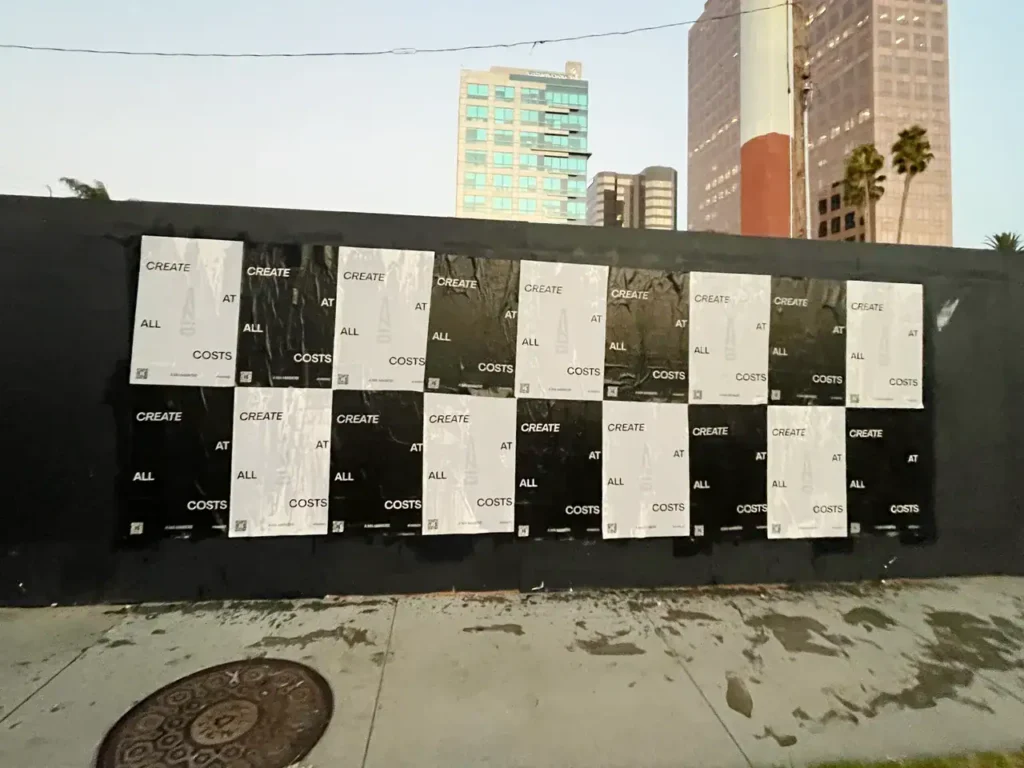
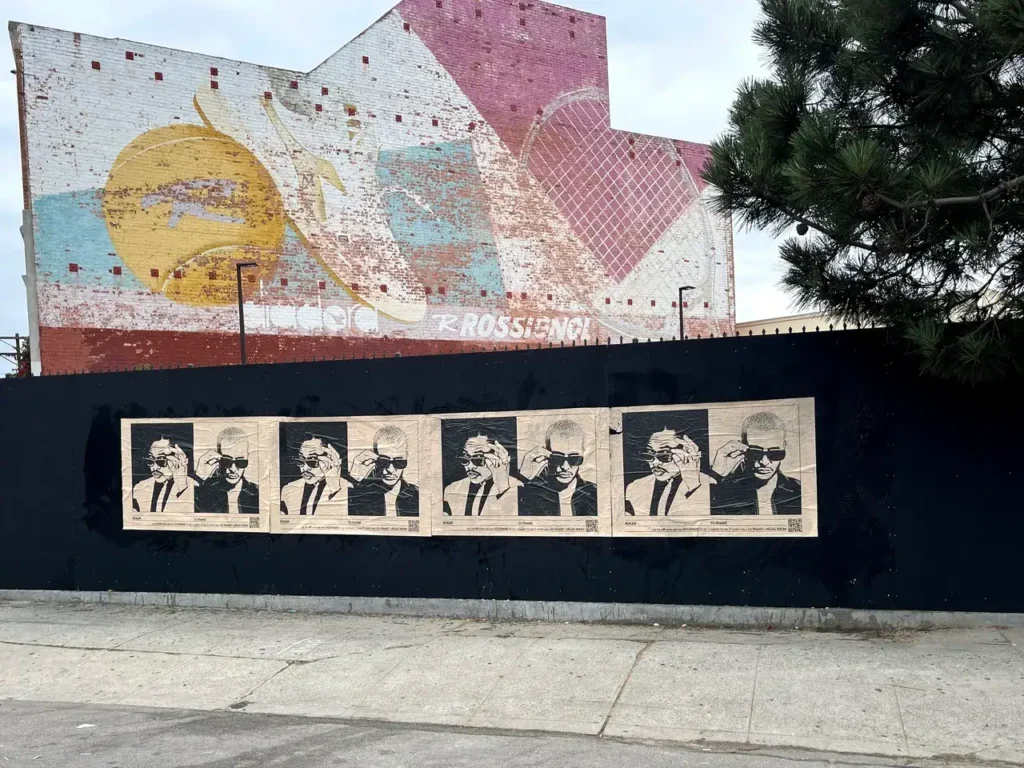
From Kensington Market to Gastown to the Plateau-Mont-Royal, AGM places wheatpaste poster campaigns on the walls your audience actually walks past. Street-level coverage across every major Canadian market, documented with GPS and delivered on schedule.
Canada is a wheatpaste market that doesn’t get enough attention from American brands. From a pure street-marketing standpoint, the country offers something genuinely rare: dense urban cores with walkable neighborhoods, strong arts-and-music subcultures, and audiences that actually pay attention to what’s on the walls around them. I’ve spent time on Toronto streets watching commuters stop mid-stride to look at a well-placed 48×72. That kind of attention is hard to replicate in most North American cities. Canada’s pedestrian culture creates exactly the conditions that make wheatpaste work the way it’s supposed to. You put a poster up, and people see it, stop, photograph it, and talk about it.
Whether you're targeting Toronto's Queen West corridor, Vancouver's Gastown, Montreal's Plateau, or all three markets at once, AGM has the installer network, the surface knowledge, and the campaign experience to make it happen. Call us or send an email and we'll come back to you with a real plan, real pricing, and a real timeline.
Select a city to explore Wheatpasting & Poster Campaign opportunities.
The Canadian market breaks into three clear tiers. The first is the Toronto-Vancouver-Montreal triangle. These three cities together reach somewhere between 12 and 15 million people depending on the metro area definitions you use, and they give you coverage of English Canada’s two coasts plus Quebec’s French-speaking core in a single coordinated campaign. The second tier covers Calgary, Ottawa, and Edmonton, which have smaller populations but often deliver stronger results for certain campaign types because the street art scenes are less saturated and a well-placed poster has less competition for visual attention. The third tier includes Winnipeg, Halifax, Victoria, Saskatoon, and a dozen other cities where campaign costs run lower and local audiences respond strongly to anything that feels genuinely placed on their streets, not broadcast at them from above.
Running wheatpaste in Canada also means understanding how city regulations differ from the American markets we typically operate in. Municipal rules vary significantly between provinces. Toronto has a long history of tolerance in specific corridors like Queen West and the Kensington area. Vancouver has developed designated zones in some neighborhoods where wheatpaste is part of the city’s accepted visual culture. Montreal’s arts identity means enforcement tends to be lighter in the Plateau and Mile End than in commercial districts. That said, we work with building owners directly wherever possible. Negotiated placements last longer, carry less liability risk, and build the kind of ongoing access that makes Canadian campaigns reliable year after year. We’ve been running street placements in Canadian cities long enough to know which surfaces hold and which ones get painted over by Tuesday morning.
AGM has placed wheatpaste poster campaigns in 46+ Canadian cities, with active installer networks in Toronto, Vancouver, Montreal, Calgary, Ottawa, and Edmonton. Multi-city coordination across all three primary markets is available as a single, fully managed package.
The table below gives a snapshot of each major Canadian market: audience profile, age range, the campaign types that perform best there, and estimated daily foot traffic through prime wheatpaste zones. These numbers come from our field experience across multiple campaigns in each city, not from a single data source. Individual placements will vary based on specific block, time of year, and campaign type.
| City | Primary Audience | Age Range | Best Campaign Types | Est. Daily Foot Traffic (Prime Zones) |
|---|---|---|---|---|
| Toronto | Arts/music fans, students, young professionals | 18-38 | Album drops, fashion, film, events | 15,000-25,000/day |
| Vancouver | Tech workers, outdoor/lifestyle, creative class | 22-40 | Lifestyle brands, music, tech launches | 10,000-18,000/day |
| Montreal | Arts community, students, bilingual cultural consumers | 18-35 | Music, arts, French-language brands, film | 12,000-20,000/day |
| Calgary | Young professionals, lifestyle-oriented | 25-42 | Lifestyle, events, spirits, automotive | 6,000-12,000/day |
| Ottawa | Government workers, students, tourists | 20-45 | Political campaigns, events, tech, tourism | 8,000-15,000/day |
| Edmonton | Students, arts community, young professionals | 18-35 | Music, arts events, food and beverage | 5,000-9,000/day |
| Winnipeg | Artists, students, arts community | 18-34 | Music, arts, local brands | 3,000-6,000/day |
| Halifax | Students, young professionals, arts | 18-32 | Music, arts, lifestyle, local events | 4,000-8,000/day |
| Victoria | Tourists, creative class residents | 25-50 | Tourism, lifestyle, arts | 5,000-10,000/day |
| Quebec City | Tourists, French-speaking residents, students | 18-45 | French-language brands, events, tourism | 5,000-12,000/day |
| Saskatoon | Students, young professionals | 18-35 | Local events, music, lifestyle | 2,000-4,000/day |
| Regina | Young professionals, arts community | 22-40 | Local brands, events | 2,000-4,000/day |
| Kelowna | Tourists, outdoor lifestyle | 25-50 | Lifestyle, tourism, wine and spirits | 3,000-6,000/day |
Our Canadian operation runs through a network of installers we’ve built relationships with over several years of active field work. Each market has a local lead who knows the neighborhood-level detail that you can’t get from a map: which building owners say yes, which surfaces hold paste through a rainy week, where the city’s cleanup crews work first and which corridors they rarely touch. When we run a campaign in Toronto, we’re not sending someone who’s never been there. We’re calling someone who has spent years on those specific blocks and knows the city the way a local does, because they are one. The same is true in Vancouver, Montreal, Calgary, Ottawa, and Edmonton.
Multi-city campaigns are where Canadian wheatpaste gets genuinely interesting from a strategy standpoint. The most common request we handle is the Toronto-Vancouver-Montreal combination, which we think of as the standard Canadian three-city package. This covers English Canada’s two largest markets plus the French Quebec audience in one coordinated push. We schedule installations within a 48-72 hour window so that organic social discovery happens at roughly the same time across all three markets. For album releases, film launches, and brand campaigns with a social component, that synchronized timing creates a geographic story that fans and followers notice. A poster spotted in Gastown at the same time one surfaces in Kensington Market and another appears in the Plateau makes a campaign feel genuinely national in a way that a single-city placement cannot replicate. We’ve also run campaigns covering five Canadian cities simultaneously and handled national pushes touching more than ten markets in a single coordinated week.
Authorization is part of how we approach Canadian work, not something we consider after the fact. We contact building owners before installation wherever we can. Some have standing arrangements with our team from previous campaigns. Others are new conversations that we manage as part of the campaign setup process. When we’re working in corridors that have developed a cultural tolerance for wheatpaste, we scout surfaces carefully and prioritize spots with track records of longevity. We don’t place posters on surfaces that get cleaned within 24 hours. That wastes your budget and creates a reputation for wheatpaste that nobody in this business benefits from. Maintaining access to good surfaces across multiple campaigns means treating property owners with respect even when we’re working in areas where tolerance is the operating condition rather than explicit permission.
Toronto is our single most active Canadian market, and by a significant margin. The city’s street art culture is concentrated along a west-east axis that cuts through some of the most densely foot-trafficked neighborhoods in the country. The combination of walkable retail, dining, and nightlife creates a daily traffic pattern that runs from mid-morning to well past midnight on weekends, giving wheatpaste posters an unusually long daily window of visibility. A poster that goes up Thursday morning is working for you through Saturday night and into Sunday brunch.
Queen West between Spadina and Dufferin is where we start most Toronto campaigns. The strip sees heavy foot traffic from late morning through late evening, with a demographic that skews 22-40 and leans toward music, fashion, and arts culture. Storefronts here get noticed. Walls here get photographed. We’ve had posters placed in this corridor picked up and shared organically by visitors who had no idea they were looking at a paid placement. That kind of organic amplification is exactly what makes street campaigns worth the investment for the right brand.
Kensington Market operates at a different pace. The neighborhood foot traffic is more deliberate, the audience skews younger and more eclectic, and the aesthetic expectations are higher. A wheatpaste campaign here needs to look right for the space. Slick, corporate-feeling creative doesn’t land the same way that something with texture and visual honesty does. We’ve placed campaigns here for independent music labels, local food brands, and arts organizations, and the neighborhood consistently rewards content that respects the environment it’s walking into. If your creative feels out of place in Kensington, your installer will tell you.
Ossington Avenue and Dundas West feed each other geographically and share a similar evening-heavy traffic pattern. Ossington has been a restaurant and nightlife destination long enough that it now has a reliable foot traffic flow that extends well into the late hours. Dundas West brings the 501 streetcar, which deposits several thousand riders per day at street level in a zone already dense with foot traffic from the bars, studios, and independent shops along the strip. The combination means a poster placed at the Ossington-Dundas intersection is seen across multiple traffic flows throughout the day and into the evening.
Graffiti Alley, the laneway running parallel to Queen West between Spadina and Portland, is Toronto’s most photographed street art location. Placements here are regularly documented by visitors and locals alike, creating organic social media content that extends a poster’s reach beyond the physical placement to anyone following those accounts. The challenge is surface turnover: new work goes up constantly, and longevity in the alley is lower than on the main corridor walls. For short campaigns where maximum photography and social documentation matters more than duration, Graffiti Alley is worth the turnover trade-off. For longer campaigns where staying power is the priority, the main Queen West walls are more reliable and the maintenance visit cost is easier to justify.
Vancouver’s wheatpaste scene is concentrated in three distinct corridors that together cover the city’s creative class almost completely. Each has a different character, a different audience profile, and a different reason to be on your campaign plan. The city as a whole has a strong pedestrian culture and a tech-meets-arts demographic that responds well to physical advertising in a way that many digital-heavy markets do not.
Gastown is the oldest and most established of the three primary zones. The neighborhood’s cobblestoned streets and brick building facades create surfaces that hold paste well and photograph well against heritage architecture. The area draws a mix of tourists, tech workers from nearby offices, and arts-community residents from adjacent East Vancouver neighborhoods. We use Gastown for campaigns that need to feel credible within Vancouver’s visual culture. It’s where you place something when you want it to feel like it belongs in the city rather than like it just arrived from somewhere else and needed a wall.
Commercial Drive runs north to south through East Vancouver with a character that’s distinctly different from Gastown’s heritage aesthetic. The Drive is more residential, more locally oriented, and more engaged with community arts and local culture. The audience here skews younger and more alternative, and the neighborhood responds strongly to campaigns that feel authentic to its values. We’ve run placements on the Drive for independent music acts, local food and beverage brands, and community organizations. The audience numbers are smaller than Gastown’s tourist-amplified counts but the engagement tends to run deeper, and the neighborhood talks about things it notices in ways that tourist-facing corridors don’t.
Main Street and Mount Pleasant have shifted significantly over the past decade. What was a relatively quiet residential strip has become one of Vancouver’s primary destinations for food, independent retail, design, and nightlife. The Mount Pleasant section has developed a strong creative-class audience that overlaps with what you’d find in Toronto’s Ossington neighborhood: 27-40, higher disposable income than the Drive, interested in design, food culture, and experiences. We use these zones for campaigns that need to reach a slightly more settled version of Vancouver’s arts-and-lifestyle demographic.
Vancouver campaigns require specific attention to weather. The Pacific coast receives significant rainfall, and paste that isn’t prepared for wet conditions turns into peeling paper and wasted budget within a week. Our Vancouver installer uses weatherproofing techniques developed specifically for this climate, including paste formula adjustments and surface preparation that accounts for persistent moisture. We also weight placements toward covered surfaces, recessed walls, and locations with overhead protection wherever possible. The difference between a properly prepared installation and a standard one can be two full weeks of poster life versus four days. We’ve learned this the hard way and we don’t let it happen on client campaigns.
Montreal is the most distinctive of Canada’s three major wheatpaste markets and, in some ways, the most rewarding to work in. The city has a genuine street art culture that predates the current North American mural revival by decades, and that history shows in how Montrealers relate to what’s on their walls. They look at it. They talk about it. They have opinions about whether it’s good or not. That’s a different relationship with street-level imagery than you’ll find in most cities, and it creates a context where a well-executed wheatpaste campaign can genuinely cut through.
The bilingual requirement is real and non-negotiable for Montreal and the broader Quebec market. Campaigns running only in English in the Plateau or Mile End will be noticed for the wrong reasons. French-language creative, or thoughtfully bilingual layouts, are part of doing this market correctly. We can connect you with French-language designers and copywriters if you’re bringing a US or English-Canadian brand into Quebec for the first time. Getting the language right is not just about regulatory considerations; it’s about respect for an audience that notices when brands treat their language as an afterthought. Montreal audiences are particularly attuned to this.
The Plateau-Mont-Royal is our primary Montreal zone. Saint-Denis and Saint-Laurent are the spine of this neighborhood, running north-south through blocks dense with cafes, record stores, bars, arts venues, and independent retailers. The foot traffic here is genuinely mixed in terms of age and background, but the core audience for most of our campaigns is 18-35, French-speaking or French-comfortable, and engaged with music, arts, and food culture. A well-placed 24×36 on Saint-Denis on a Saturday gets seen by several thousand people across a single day, and a meaningful percentage of them are exactly the kind of tastemaker audience that arts and lifestyle brands want to reach first.
Mile End, just north of the Plateau, has a slightly different energy. It’s more residential, internationally recognized as a creative hub, and home to a working population that skews toward artists, musicians, designers, and writers. When you place a poster in Mile End, you’re reaching people who are professionally or personally invested in visual culture. They will notice your poster, and they’ll notice whether it’s good. Rue Bernard and Rue Fairmount are the corridors we use most often in Mile End, and the surfaces here tend to be well-maintained by building owners who understand what street art does for the neighborhood’s identity.
The Sherbrooke Street corridor connects the Plateau’s east and west ends and runs past cultural institutions and the main McGill University campus. Student foot traffic mixes with cultural institution visitors along this strip, making it a useful complement to the Saint-Denis and Saint-Laurent placements when you need a campaign that touches both a university-age audience and a more established arts-going public in the same budget. For brands launching in the Quebec market for the first time, a Sherbrooke placement alongside a Plateau concentration creates a coverage pattern that reaches multiple audience segments without requiring a large total poster count.
Canada uses ISO and Canadian National Standard metric paper sizes rather than the US inch-based system. Most Canadian large-format print shops produce to metric specifications, which affects your production planning if you’re sourcing print locally. If you’re printing in the US and shipping to our Canadian installers, your existing design files in US inch dimensions work without any changes. If you’re sourcing print in Canada, the size translations below are what you’ll need to discuss with your vendor before placing a print order.
Our standard campaign sizes in the US are 24×36 inches and 48×72 inches. Neither maps exactly to a standard Canadian metric size, but both can be produced by any Canadian shop with wide-format printing capability. The key is to specify your exact inch dimensions rather than asking for a standard C1 or ISO size, since the closest Canadian standards are similar but not identical to our US campaign format dimensions.
| AGM Campaign Size | Inch Dimensions | Metric Equivalent | Nearest Canadian Standard | Print Notes |
|---|---|---|---|---|
| Standard | 24 x 36 in | 610 x 914 mm | C1 (648 x 917 mm) | Request a custom 610 x 914 mm cut; most Canadian large-format shops accommodate this easily |
| Large Format | 48 x 72 in | 1219 x 1829 mm | Custom (exceeds ISO A0 at 841 x 1189 mm) | Requires wide-format roll printer; always specify inch dimensions explicitly to avoid sizing errors |
For most Canadian campaigns, we recommend one of three production approaches: print in the US with an existing vendor and ship finished posters to our Canadian installers (works well for US-based brands with established print relationships and campaigns up to several hundred posters), print locally in Canada using a vendor we can recommend in your target city (faster turnaround and lower shipping cost), or provide files in US inch dimensions and let the Canadian shop handle the custom cut. All three approaches deliver the same result in the field. The difference between a 24×36 and the C1 standard (roughly 38mm in one dimension) is not visible at street placement scale. For 48×72 production in Canada, the custom wide-format approach is the only reliable path since no standard Canadian metric size maps to this format.
We'll tell you which markets make sense for your goals, what the realistic timeline looks like, and exactly what you get for your budget. No guesswork, no vague proposals. Just a direct conversation about what we can actually deliver.
Award Winning Personalized Service
You will get thoughtful, devoted, and individualized attention from our experienced, qualified, and professional personnel. Being one of the most illustrious agencies in Brooklyn, New York, American Guerrilla Marketing has been awarded the Best of Brooklyn title.
Nationwide
Industry City, Brooklyn, New York 11232
American Guerrilla Marketing
Hours
Mon - Fri: 9 AM - 5 PM

Sat & Sun:Â Closed
Automate your campaign with AGM’s Request for Proposal Builder. Simply answer a few quick questions about your campaign goals, markets, and timeline, and the system will generate a tailored presentation with recommended strategies, quantities, and pricing. Click the RFP Builder to instantly receive your customized proposal.
There are wheatpaste operators in individual Canadian cities. Most of them work in one market, sometimes two. AGM operates across the country with installer relationships in every major Canadian market and a coordination process that keeps multi-city campaigns synchronized to the same schedule. When you book Toronto, Vancouver, and Montreal with us, one person manages the entire timeline, one budget covers all three cities, and you receive one consolidated report with GPS documentation from all three markets. That’s a structurally different product than assembling three separate local vendors and trying to synchronize their schedules from across the border while managing three different invoices and three different definitions of what “documented” means.
We bring years of American brand campaign experience together with Canadian street-level knowledge that comes from actually running placements in these cities, not from reading about them. We know what the walls look like in Kensington Market and on Commercial Drive. We know which building owners pick up the phone and which ones don’t. We’ve run campaigns through Canadian winters and we know what paste formula holds through February in Montreal. That kind of institutional field knowledge is what makes the difference between a Canadian wheatpaste campaign that delivers and one that produces a few posters that nobody sees because they went up on the wrong surfaces in the wrong part of a neighborhood.
The documentation and transparency we offer is a real part of the value we provide, not a marketing promise. Every placement is GPS-stamped and photographed at installation. You don’t have to take our word that the work was done. The report we deliver after a campaign shows you exactly where each poster went, what condition it was in when it went up, and the precise time of placement. For brands running Canadian campaigns for the first time, that level of documentation is often what converts a one-time experiment into a recurring budget line. When you can see the work clearly, show your team concrete evidence of where the money went, and tie specific placements to specific neighborhoods and demographics, a Canadian wheatpaste campaign stops feeling like a risk and starts feeling like a reliable part of your street marketing mix.
We work in two modes depending on the market and location. Where we have established building owner relationships, we get direct authorization before installation. These negotiated placements are the most durable because owners aren’t calling anyone to remove them, and they give us consistent access to specific surfaces across multiple campaigns over time. Where we’re working in high-traffic street art corridors that have developed a cultural tolerance for wheatpaste, we scout surfaces carefully and prioritize spots with track records of longevity and low removal rates. Our goal in every Canadian market is placements that stay up for the full two-week campaign window. We tell clients honestly when a particular location carries higher turnover risk, and we factor that into placement counts and maintenance recommendations upfront.
Canada uses ISO and Canadian National Standard metric sizes rather than US inch-based dimensions. Our 24×36 campaign size converts to approximately 610 x 914 mm, which is close to the C1 standard (648 x 917 mm) that many Canadian print shops use as their default large-format size. For our 48×72 campaign size, you’ll need a custom wide-format cut since it exceeds the standard ISO A0 size (841 x 1189 mm). The practical recommendation is to provide your design files in standard US inch dimensions and specify the exact size to any Canadian print vendor. Most large-format shops in Canadian cities handle these dimensions without difficulty. If you’d prefer, we can refer you to US print vendors who regularly ship finished posters across the border for our Canadian campaigns, which often simplifies the logistics for US-based brands.
Yes, and this is one of our primary Canadian offerings. Multi-city coordination is something we do specifically well. The most common request is the Toronto-Vancouver-Montreal three-city package, where we install across all three markets within a 48-72 hour window so that organic discovery and social media sharing happen at roughly the same time in all three cities. We also run two-city combinations, coast-to-coast campaigns covering five or more cities, and national campaigns covering ten or more markets when the budget and timeline support it. For multi-city campaigns, we recommend a minimum of 100 posters per city to achieve the density that makes wheatpaste placements register as a real presence rather than isolated posters. Counts below that threshold tend to feel too sparse to create the saturation effect that makes street marketing work.
Queen West between Spadina and Dufferin is our highest-traffic Toronto zone, consistently delivering visibility across a long daily window from mid-morning through late evening. Kensington Market has strong daytime and weekend traffic with a younger, more eclectic audience that tends to be highly engaged with street-level visual culture. The Ossington and Dundas West corridors have strong evening traffic anchored by the restaurant and nightlife scene there, extending the visibility window into hours when other parts of the city quiet down. Graffiti Alley is our highest-photography zone for short campaigns where social media documentation matters more than longevity. For campaigns targeting the broadest possible Toronto reach within a concentrated zone, Queen West is where we start every conversation.
Cold temperatures and snow are real factors in Canadian wheatpaste campaigns, and we account for them in our planning and installation approach. Paste adhesion is affected by freezing temperatures, and posters on surfaces directly exposed to ice and heavy snowfall degrade faster than summer placements on the same surfaces. Our Canadian installers use paste formulations tested for cold-weather performance and prioritize surfaces that provide some shelter from direct precipitation. February in Montreal is a fundamentally different operating environment from August in Toronto, and we plan campaigns accordingly. If you’re running a winter campaign in a cold-weather Canadian market, we’ll be direct about expected longevity and adjust placement counts or include a maintenance visit if the conditions warrant it. We’ve run enough Canadian winter campaigns to know what works and what doesn’t, and we don’t set clients up with unrealistic expectations.
Yes, every AGM campaign includes GPS-stamped photographs of every individual placement. You’ll receive a full documentation report showing the exact address and coordinates of each poster, the timestamp of installation, and photos showing the poster in place at the time it was installed. This documentation package serves multiple practical purposes: it works as internal reporting for marketing teams that need to show campaign delivery, as content for social media posts showing where and how the campaign was executed on the ground, and as verification for clients who need to demonstrate delivery to stakeholders or agency partners. Our Canadian campaign documentation follows exactly the same format as our US campaign reports and is delivered within a few days of campaign installation.
Our minimum is 100 posters at the 24×36 size, starting at $4,500 for a two-week campaign. At 100 posters, we can cover a single Canadian market with enough density to be noticed across one or two neighborhoods. The 200-poster option at $5,500 gives you broader coverage within a single city or the ability to split between two adjacent markets like Toronto and Mississauga, or Vancouver and Burnaby. For multi-city campaigns, we recommend 100 posters minimum per city. Campaigns below this per-city threshold tend to produce placements that are too spread out to create the impression of scale that makes street marketing register as a campaign rather than a few isolated posters. The minimum exists because fewer than 100 placements in a given market rarely delivers enough visual presence to justify the production and logistics investment on either side.
Two to three weeks of lead time is the practical minimum for a single-city Canadian campaign. Multi-city campaigns benefit from three to four weeks of planning time to coordinate installer schedules across markets, confirm surface authorization in each city, and manage print production and shipping logistics. For campaigns tied to specific release dates, tours, or launch events, four weeks gives us enough buffer to handle the unexpected without cutting corners on placement quality or rushing print production. Rush campaigns can sometimes be accommodated with one week of notice, but availability depends on installer schedules in the specific markets you need, and rush bookings may carry a scheduling premium. The earlier you contact us, the more options we have to build the campaign the right way and hit your target dates without stress on either side of the planning process.