American Guerrilla Marketing
Nationwide Service
Media planning, media buying, billboard advertising, & guerrilla marketing
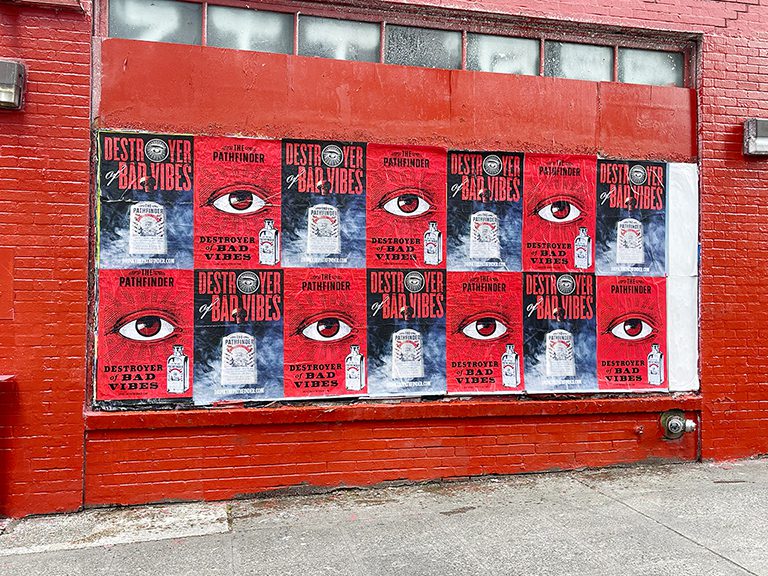
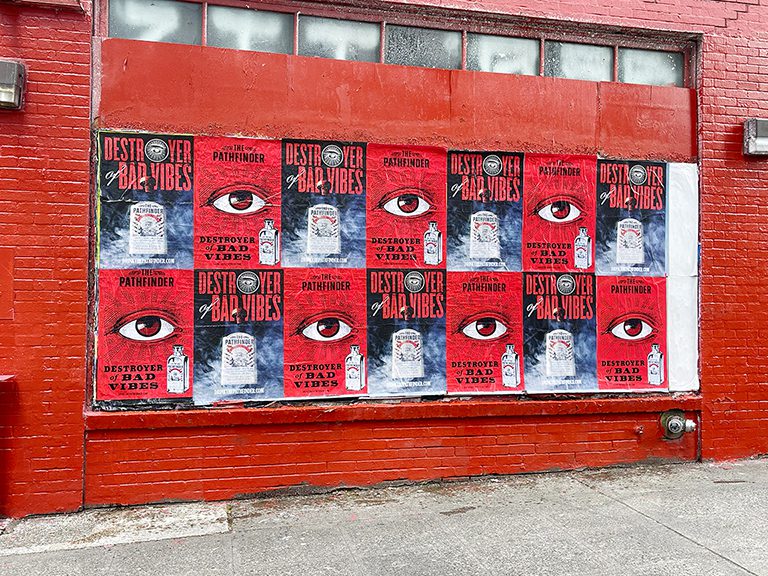
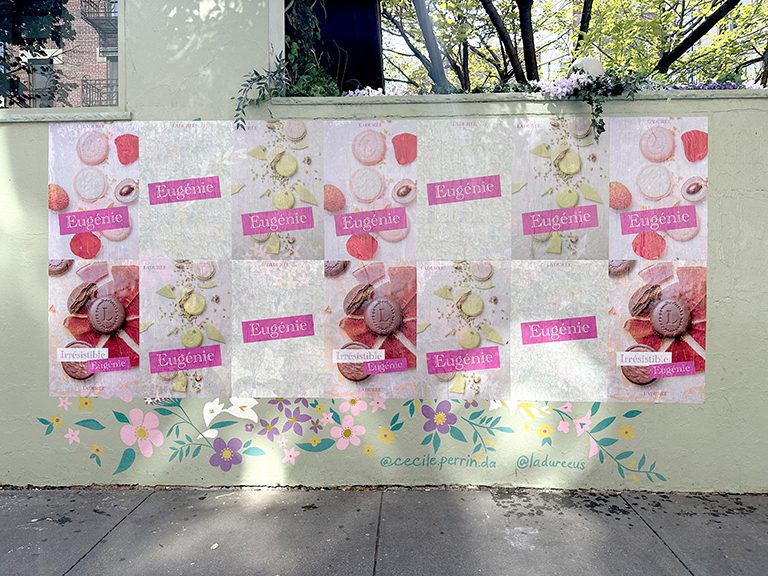
Wheat paste poster campaigns along State Street, Williamson Street, Atwood Avenue, and throughout Madison’s most walkable, idea-driven neighborhoods.
Madison occupies one of the most unusual geographic positions of any American city — a narrow Isthmus pinched between Lake Mendota and Lake Monona, with the Wisconsin State Capitol dome rising at one end and the University of Wisconsin campus spreading west along the lake at the other. This geography creates something rare in Midwest urbanism: a city where tens of thousands of people walk the same corridor every single day by necessity, not by lifestyle choice. State Street, running from Library Mall at the UW end to Capitol Square at the government end, functions as Madison’s public living room — the street where students, lobbyists, professors, chefs, state senators, and tourists all share the same sidewalk. American Guerrilla Marketing places your brand directly along this corridor and throughout Madison’s surrounding neighborhoods through professionally executed fly posting campaigns that speak the visual language of this exceptionally engaged, educated, and opinionated city.
Madison’s population of approximately 270,000 punches dramatically above its size in terms of cultural influence, purchasing power, and social media engagement. With over 50,000 students enrolled at UW-Madison — one of the nation’s premier research universities — Madison carries a permanent cohort of young, brand-forming consumers who are actively establishing preferences in food, technology, fashion, entertainment, and politics that will define their purchasing behavior for decades. The Dane County Farmers Market, held every Saturday morning around Capitol Square from April through November, is the largest outdoor farmers market in the United States, drawing 20,000 to 30,000 weekly visitors through the Capitol neighborhood and into the surrounding commercial districts. AGM campaigns positioned along the Capitol Square perimeter and State Street corridor capture this extraordinary weekly foot traffic at its peak.
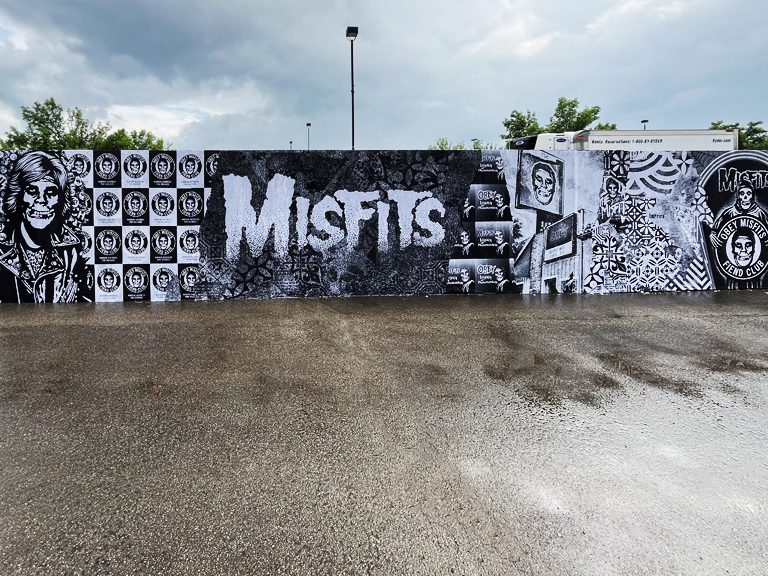
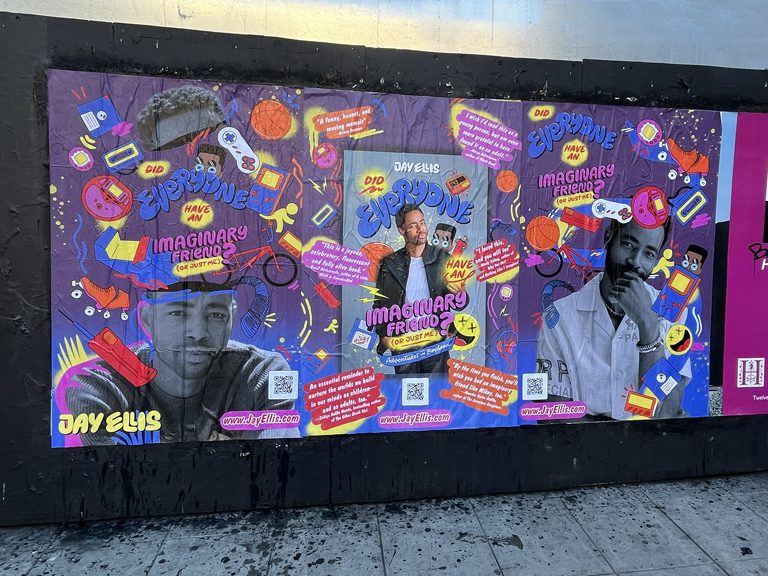
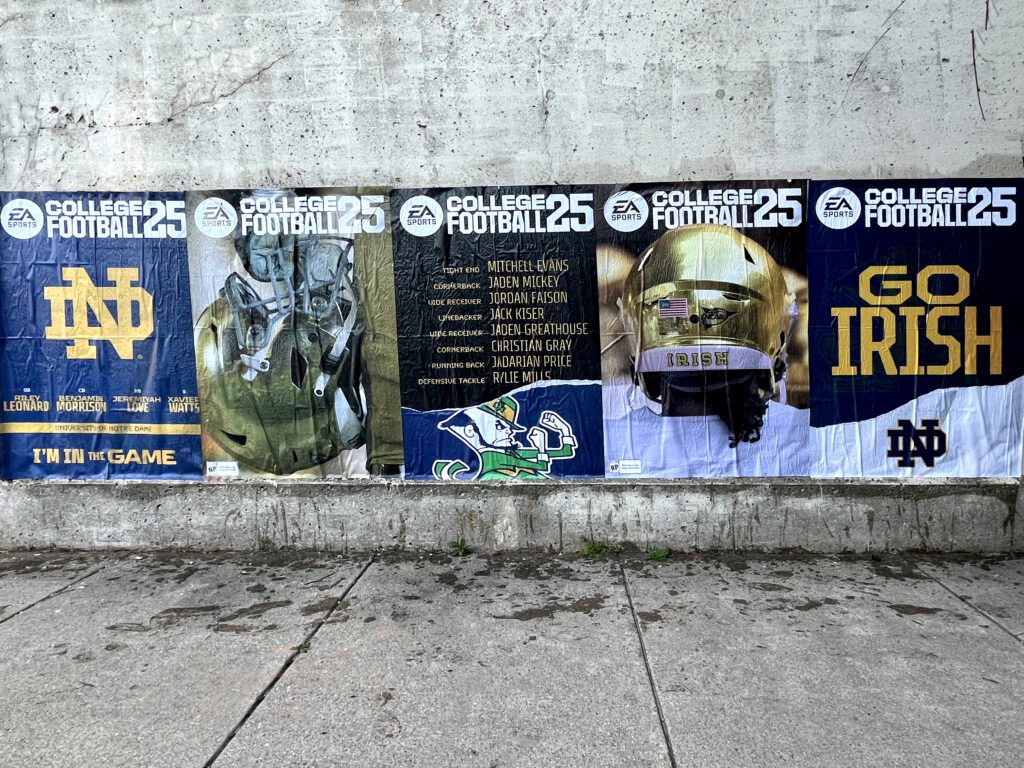
Madison has earned its reputation as one of America’s most progressive and politically engaged cities, and that reputation shapes consumer behavior in concrete ways. Madison residents actively research the brands they support, prioritize businesses that demonstrate authentic community investment, and maintain strong skepticism toward advertising that feels manipulative or disconnected from local values. Fly posting — particularly when the creative is visually sophisticated and the placement is thoughtful — reads to Madison’s consumers as the kind of bold, direct communication that aligns with their own values. AGM has run campaigns for clients including Netflix, The Onion, EA Sports, Biossance, and Shepard Fairey, all of whom understand that sophisticated audiences require sophisticated creative approaches to earn genuine attention.
The University of Wisconsin-Madison’s research and technology corridor has also transformed Madison into a legitimate tech startup hub, with companies emerging from university spinoffs, the University Research Park on Watts Road, and the surrounding biotech cluster. This tech professional community — concentrated in the near-west neighborhoods, Fitchburg, and the Middleton area — represents a high-income, highly educated demographic with significant discretionary spending and strong engagement with brands that signal innovation and cultural awareness. Fly posting campaigns that bridge the student and young professional communities across Madison’s Isthmus and near-east neighborhoods can reach both segments in a single well-placed campaign.
From the Library Mall end of State Street to the Capitol Square farmers market, from Willy Street's co-op community to Camp Randall's game-day crowds — AGM puts your brand on the walls Madison's most engaged residents walk past every day.
In most American cities, the challenge of fly posting is generating enough repetition to build brand recall. In Madison, that problem is largely solved by the city’s geography. The Isthmus’s narrow width means that residents who live on the near-east side and work or study in the Capitol district or on campus walk the same streets twice a day, five days a week, creating a natural frequency engine that reinforces brand messaging through pure repetitive exposure. A poster on State Street gets seen by the same UW graduate student five times in a single week during their daily commute between their Marquette neighborhood apartment and their lab on the engineering campus.
Madison is also a city where ideas spread rapidly through social networks — not digital social media algorithms, but actual human social networks. The city’s progressive political culture, its density of nonprofit organizations, its active neighborhood associations, and its thriving food and bar community create a web of overlapping social groups through which brand awareness and cultural content propagate quickly. A fly posting campaign that generates organic conversation at the Willy Street Co-op bulletin board or gets photographed by a food blogger visiting Williamson Street’s restaurant row can achieve earned media reach that extends the initial investment dramatically.
The UW-Madison campus culture adds a particularly powerful amplification mechanism. Academic departments, student organizations, and campus cultural communities have strong communication networks — email lists, message boards, social media groups — through which interesting cultural content spreads within hours. When a visually compelling fly posting campaign appears along the Library Mall approach to State Street or along University Avenue near the Memorial Union Terrace on Lake Mendota, it enters the informal conversation networks of fifty thousand students and several thousand faculty and staff. AGM designs campaigns to be photographically interesting — worth capturing on a smartphone — so that the physical impression becomes a digital asset spreading through Madison’s networked communities.
Madison’s experimental arts scene, centered around venues like the Majestic Theatre on King Street, the High Noon Saloon on Williamson Street, and the Overture Center for the Arts on State Street, creates a community of cultural tastemakers who are actively alert to interesting street-level visual communication. When a fly posting campaign appears near these venues, it enters the visual diet of precisely the audience most likely to research, engage with, and advocate for brands that demonstrate visual sophistication and cultural awareness. This tastemaker community has outsized influence relative to its size, and reaching it through fly posting is remarkably cost-effective compared to the alternative of reaching them through digital advertising where they have developed strong resistance to interrupt-based messaging.
All Madison fly posting campaigns include location scouting along your target corridors, professional installation by experienced crews, full GPS documentation, photo delivery within 24 hours, and dedicated account management from AGM’s Brooklyn headquarters. All prices are fully inclusive.
Madison’s compact Isthmus geography makes it one of the most campaign-efficient markets in the Midwest. A 100-poster standard campaign distributed thoughtfully across State Street, Williamson Street, Atwood Avenue, and Monroe Street achieves exceptional neighborhood coverage because the distances between neighborhoods are short and the foot traffic channels are well-defined. Unlike sprawling Sun Belt cities where 100 posters might scatter across dozens of miles, 100 posters in Madison’s core can blanket the neighborhoods that house the majority of the city’s culturally active young population within a very concentrated geography.
The 48″×72″ large format is particularly effective at Madison’s handful of high-visibility anchor locations — major construction hoarding on Capitol Square during the frequent urban development projects, the prominent blank walls visible from the Camp Randall approach on Regent Street, and the commercial building surfaces along University Avenue that face the Memorial Union Terrace pedestrian corridor. These large-format placements function as Madison landmarks during their campaign window, generating social media documentation from the tens of thousands of people who walk past them daily.
Award Winning Personalized Service
You will get thoughtful, devoted, and individualized attention from our experienced, qualified, and professional personnel. Being one of the most illustrious agencies in Brooklyn, New York, American Guerrilla Marketing has been awarded the Best of Brooklyn title.
Nationwide
Industry City, Brooklyn, New York 11232
American Guerrilla Marketing
Hours
Mon - Fri: 9 AM - 5 PM
Sat & Sun: Closed
Automate your campaign with AGM’s Request for Proposal Builder. Simply answer a few quick questions about your campaign goals, markets, and timeline, and the system will generate a tailored presentation with recommended strategies, quantities, and pricing. Click the RFP Builder to instantly receive your customized proposal.
Effective Madison fly posting campaigns map creative content to the distinct identities of each corridor targeted. State Street demands visually bold, intellectually engaging creative — this is a street where residents have seen every visual approach imaginable and respond only to campaigns that genuinely surprise them. Williamson Street campaigns can be slightly warmer and community-focused, reflecting Willy Street’s character as Madison’s neighborhood-scale commercial hub rather than a destination corridor. Atwood Avenue campaigns should acknowledge the Schenk-Atwood neighborhood’s particular blend of young families, independent business supporters, and artistically active community members.
Badgers football game days are among Madison’s most powerful campaign amplification moments. Camp Randall Stadium seats 80,321, making it one of the largest stadiums in the country, and home games bring tens of thousands of visitors from across Wisconsin and neighboring states into the Madison metro area. The Regent Street corridor between Camp Randall and the Capitol, Monroe Street from Regent to the Vilas neighborhood, and University Avenue from Camp Randall back toward campus all become unusually dense pedestrian corridors on game days — and fly posting campaigns installed in those areas the week before a high-profile home game maximize impressions during those extraordinary foot traffic moments.
Madison’s summer festival calendar creates additional campaign timing opportunities. Isthmus Jazz Festival in late June brings nationally recognized artists to Capitol Square. Dane County Farmers Market’s peak season from June through September draws consistent large Saturday morning crowds to the Capitol area. Wisconsin Book Festival in October concentrates literary-minded audiences on State Street and the Capitol area. Mifflin Street Block Party in early May draws massive student participation in the residential blocks just off State Street and Capitol Square. Each of these events provides a targeting moment when specific audience segments are unusually concentrated in specific Madison corridors.
Madison’s state government workforce — estimated at tens of thousands of employees who work in the Capitol building, the adjacent state office buildings along Martin Luther King Jr. Boulevard, and the surrounding administrative campus — represents a distinct professional demographic that fly posting campaigns can reach effectively. These workers walk State Street and the Capitol Square area daily, often visiting restaurants and coffee shops along the corridor during lunch breaks. Campaigns timed to the Wisconsin legislative session, which runs from January through spring, capture this audience during its highest-concentration presence in the Capitol area.
State Street from Library Mall at the University Avenue end to the Capitol Square at the other is a fully pedestrian-priority block with zero through traffic, creating a genuinely captive walking audience for every business and visual element along its eight-block length. The street hosts Madison’s highest concentration of independent restaurants, music venues, head shops, galleries, apparel stores, and bookstores. Every business on State Street has a door that opens to the sidewalk, and every pedestrian on State Street is walking to something specific or browsing — both behaviors that create attentive, present engagement with street-level visual communication.
Williamson Street from Paterson to Brearly, universally called “Willy Street” by Madison residents, anchors Madison’s near-east neighborhood with a commercial strip dominated by the Willy Street Co-op — a longtime community institution — alongside independent pizza shops, record stores, wine bars, bike shops, and the High Noon Saloon music venue. The Willy Street community has a particularly strong sense of local identity and responds powerfully to brands that demonstrate genuine awareness of their neighborhood’s character. Fly posting on Williamson Street carries credibility with one of Madison’s most engaged and vocal consumer communities.
Atwood Avenue from Winnebago Street to Cottage Grove Road through the Schenk-Atwood neighborhood hosts a mix of locally owned restaurants, coffee shops, arts spaces, and specialty retail that serves Madison’s near-east residential community. Atwood Commons, centered around the Barriques coffeehouse and adjacent businesses, functions as a daily gathering point for neighborhood regulars. The Barrymore Theatre on Atwood Avenue is one of Madison’s premiere mid-capacity music venues, drawing concert-goers from across the city for performances throughout the year. Fly posting along Atwood Avenue reaches a slightly older, more settled demographic than State Street or Willy Street — young families, established creatives, and long-term near-east residents with strong community loyalty.
Capitol Square, the one-block plaza surrounding the Wisconsin State Capitol building, is the geographic and symbolic center of Madison. The Dane County Farmers Market circles the entire square every Saturday morning during warmer months, creating a weekly pedestrian concentration unlike anything else in the city. Martin Luther King Jr. Boulevard from Capitol Square south through the Monona Terrace convention center and toward the Beltline carries the administrative and governmental Madison workforce. Fly posting on the commercial buildings adjacent to the Capitol Square perimeter — particularly on Carroll Street, Mifflin Street, and Pinckney Street — captures both the Saturday farmers market crowds and the daily state government workforce.
Monroe Street from Regent Street southwest through the Vilas and Dudgeon-Monroe neighborhoods serves Madison’s most affluent near-isthmus residential community. Independent restaurants, specialty food shops, apparel boutiques, and the Monroe Street branch of the Madison Public Library anchor this corridor’s commercial identity. The proximity of Edgewood College and the Edgewood High School campus along Woodrow Street adds a student foot traffic component that complements the neighborhood’s professional family demographic. Monroe Street fly posting reaches Madison’s highest-income core residential community with strong local business loyalty.
University Avenue from Randall Avenue to the Library Mall carries the University of Wisconsin’s primary east-west transit and pedestrian corridor, connecting the far-west residential neighborhoods to the campus core. On Badgers home game days, University Avenue and the connecting streets through the Regent and Monroe Street neighborhoods become among the most densely packed pedestrian corridors in Wisconsin, with tens of thousands of fans making their way to and from Camp Randall Stadium. Fly posting along this corridor the week before major home games captures maximum game-day foot traffic while also serving the regular student commuter population during the remaining six days of the week.
The UW-Madison academic year runs from early September through mid-May and represents Madison’s highest-sustained foot traffic period for campus-adjacent corridors. During this window, the Library Mall approach to State Street, the University Avenue corridor, and the residential blocks off Campus Drive host tens of thousands of student pedestrians daily. AGM recommends launching academic-year Madison campaigns during the first two weeks of fall semester and the first two weeks of spring semester — the periods when students are most actively forming preferences, establishing routines, and paying heightened attention to new experiences and brand encounters in their neighborhood environment.
Madison’s technology and biotech ecosystem has matured significantly over the past decade, producing companies like Epic Systems in Verona, TomoTherapy spinoffs in Fitchburg, and dozens of university-affiliated startups housed in University Research Park on the far west side. The young professional tech workforce concentrates for dining, socializing, and weekend activity in the near-east neighborhoods — Willy Street, Atwood, and the area east of the Capitol — as well as in the State Street and Hilldale shopping area for daily errands. Fly posting campaigns targeting these neighborhood corridors intercept the tech workforce during their off-hours activity where they are most receptive to brand discovery and least protected by the professional walls they maintain against workplace digital interruption.
Madison’s progressive community is not a single monolithic group but a network of overlapping constituencies — university faculty and students, state government workers, nonprofit and advocacy organization employees, union members, and long-established neighborhood association networks. What these groups share is a strong preference for brands, causes, and cultural projects that demonstrate genuine commitment to community values rather than performative marketing. Fly posting resonates with this community precisely because it is a democratic format — the same format used by community organizers, music promoters, and political movements — and because it places brand messages in the pedestrian space of public life rather than the algorithmic space of surveillance advertising.
The Wisconsin State Capitol building and its surrounding square are public property, and AGM strictly avoids any placements on public surfaces. However, the privately owned commercial buildings on the four blocks surrounding Capitol Square — Carroll Street, Mifflin Street, Pinckney Street, and King Street — offer excellent legal private-surface posting opportunities that give campaigns immediate proximity to the Capitol while maintaining full legal compliance. These locations capture both the daily state government workforce and the massive Saturday farmers market crowds that make Capitol Square Madison’s single highest-foot-traffic location.
The Dane County Farmers Market draws between 20,000 and 30,000 visitors to Capitol Square every Saturday morning from late April through early November, making it the largest outdoor farmers market in the United States and Madison’s single most concentrated weekly pedestrian event. Visitors approach the market from all directions — through State Street from the university end, along King Street from the east, and via Pinckney and Mifflin Streets from the residential near-isthmus neighborhoods. Fly posting along these approach corridors in the days before market season opens — or before the peak June-through-September weeks — positions campaigns for maximum Saturday morning audience capture week after week.
Madison’s independent music scene — centered around the Majestic Theatre on King Street, the High Noon Saloon on Williamson Street, the Crucible in the Tenney-Lapham neighborhood, and the Brink Lounge on West Washington — is among the strongest in the upper Midwest for a city of Madison’s size. Fly posting has historically been the primary promotional medium for independent music in college towns precisely because touring artists can afford it, it reaches the right demographic reliably, and it has the visual credibility that concert audiences associate with authentic underground culture. AGM manages show announcement campaigns for touring artists at all major Madison venues, with placement networks covering State Street, Willy Street, and the residential blocks surrounding venue locations.
Camp Randall Stadium seats over 80,000 fans and Badgers home games draw tens of thousands of additional visitors who attend pre-game events, watch parties, and tailgate gatherings throughout the near-campus neighborhood. The Regent Street corridor between Camp Randall and the Capitol, Monroe Street through the Vilas neighborhood, and University Avenue back toward the campus core all experience extraordinary foot traffic density in the four hours before and after each home game. Fly posting installed in these corridors seven to ten days before a major home game — particularly early-season games and rivalry matchups that draw the largest out-of-town attendance — captures both the regular student population during the week and the saturated game-day audience on Saturdays.
Madison’s state government workforce — which includes thousands of Capitol building employees, agency workers in the surrounding state office towers, and administrative staff at the adjacent University of Wisconsin administrative offices — walks the State Street and Capitol Square area daily during business hours. This professional demographic skews somewhat older than the student population but shares similar progressive values and strong local purchasing preferences. Campaigns installed on the commercial building surfaces along King Street, East Washington Avenue, and the Capitol Square perimeter are well-positioned to capture this workforce during lunch breaks and pre- and post-work commute moments when they are most active as pedestrians.
Fly posting is inherently an urban-density format that relies on pedestrian foot traffic rather than vehicular exposure. Madison’s suburban communities of Fitchburg, Middleton, Sun Prairie, and Verona generally lack the pedestrian density and compact commercial corridors that make fly posting cost-effective. For brands seeking to reach Madison’s suburban professional and family demographic, AGM recommends concentrating fly posting investment in the core Isthmus neighborhoods where suburban residents travel for dining, entertainment, and events, rather than attempting suburban-area campaigns where foot traffic cannot support strong impression volumes. The Capitol area and State Street effectively pull suburban visitors into the core fly posting zone on weekends and evenings.
Madison’s municipal code includes specific provisions about exterior signage on both public and private property, and the city’s progressive governance culture means enforcement can be more active than in some other Wisconsin municipalities. AGM’s Madison location scouting specifically identifies privately owned surfaces where posting is legally authorized, with documented owner permission obtained before any installation begins. We maintain a portfolio of pre-qualified Madison posting surfaces across State Street, Willy Street, Atwood, and other corridors that have been vetted for compliance, allowing campaigns to launch quickly with confidence in their legal standing throughout the campaign duration.
Beyond the Badgers football season and the Dane County Farmers Market, Madison’s event calendar offers several high-value fly posting timing windows. The Isthmus Jazz Festival in late June concentrates jazz and music fans on and around Capitol Square. The Wisconsin Book Festival in late October draws literary audiences to State Street and the Capitol area. Brat Fest on Memorial Day weekend at Willow Island draws large suburban and urban crowds to the Alliant Energy Center fairgrounds. Art Fair on the Square in July fills the Capitol Square area with art buyers and browsers from across the Midwest. Madison Marathon in May activates the near-east neighborhoods and Capitol corridors. Timing campaigns to these events creates compounding impression opportunities at elevated audience concentrations.
Madison’s sophisticated, visually literate consumer base requires creative that meets a higher bar than many other Midwest markets. Campaigns that work in generic urban environments may fall flat in Madison if they rely on visual clichés that the city’s design-aware population finds uninteresting. AGM’s campaign consultation process for Madison clients includes specific guidance on design approaches that perform well with university-educated progressive consumers — emphasis on strong typography, conceptual depth, and visual originality over decorative elaboration. We review client creative before production and offer feedback on Madison-specific context, including awareness of local cultural references, neighborhood identity signals, and design sensibilities that resonate with Madison’s distinct consumer culture.