American Guerrilla Marketing
Nationwide serivce
Media planning, media buying, billboard advertising, & guerrilla marketing
Wall Mural Advertising
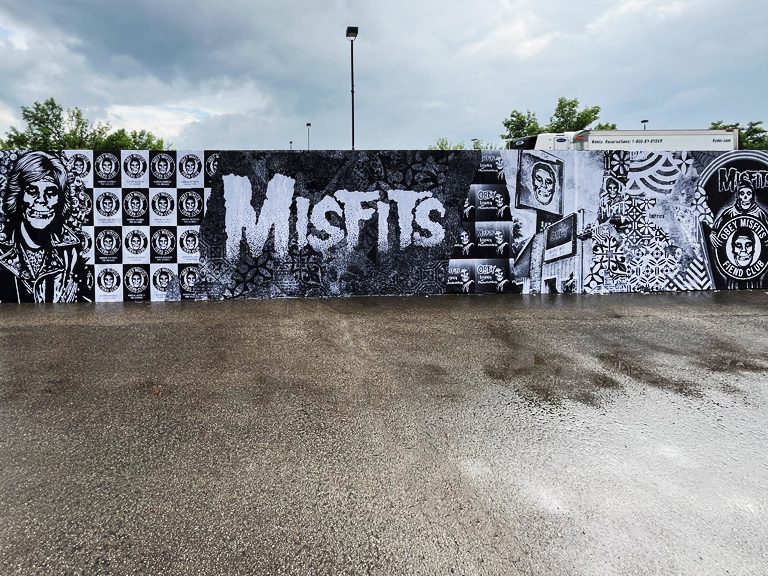
A well-placed wall mural is the most visible piece of real estate your brand can occupy in a city. Hand-painted, photorealistic, 3D, or augmented reality layered, we design and paint brand murals in New York City, Los Angeles, Chicago, and Miami on both city-permitted and privately scouted walls.
We handle the wall acquisition, permitting, design, artist coordination, painting, and documentation from start to finish. Our murals generate foot traffic, organic social content, and sustained brand visibility that digital advertising cannot replicate.
Wall mural advertising is the practice of painting a brand message, product image, or brand campaign artwork on a large exterior wall surface in a high-visibility urban location. Unlike traditional painted bulletins or vinyl wraps, a brand mural is typically hand-painted by artists who work at scale, using professional exterior paints that hold color and resist weather over the course of a campaign cycle. The scale alone sets murals apart from almost every other advertising format: a 30-foot or 40-foot painted wall commands attention from across a block, from moving vehicles, and from social media photography in ways that a poster or digital screen simply cannot match.
At American Guerrilla Marketing, we offer wall mural advertising as a complete turnkey service. We identify and license the wall, secure any required permits, translate your creative into a street-scale design, coordinate the artist execution, and document the finished work with professional photography and, for clients who want it, drone footage. For brands that want to add a technology dimension, we offer augmented reality (AR) layers that activate through a smartphone camera and add an interactive experience to the physical mural. We also offer 3D lettering and volumetric design for murals that need to stand out even within competitive mural-dense environments like Bushwick in Brooklyn or Wynwood in Miami.
The distinction between a brand mural and conventional outdoor advertising is worth being clear about. A billboard is a rented space occupied by a printed or digital image. A mural is a permanent or semi-permanent painted work on a building’s physical surface. Murals become part of the neighborhood. They are documented by local media, shared by residents, photographed by tourists, and referenced in neighborhood identity. A brand that occupies a well-chosen mural wall is not just buying an ad impression: it is becoming a visible part of the urban fabric of that neighborhood for the campaign duration.
A single branded mural on a high-visibility corner in Brooklyn’s Bushwick neighborhood or on Houston Street in Manhattan generates an estimated 100,000 to 400,000 monthly organic impressions from pedestrian and vehicle traffic alone. Social photography and sharing extend that reach significantly. Major mural campaigns in Wynwood, Miami have driven measurable foot traffic increases to adjacent retail in documented case studies from the Wynwood Business Improvement District.
Murals in New York, Los Angeles, Chicago, and Miami. Custom proposals within one business day.
Our mural advertising process has six stages. Each stage has a defined scope and deliverable, and clients are involved at the approval checkpoints without having to manage the operational complexity in between.
Finding the right wall is the most important step in the mural process, and it requires physical presence and market knowledge that cannot be substituted with data alone. We scout walls based on visibility (line of sight from foot traffic and vehicle lanes), surface condition (structural integrity, existing surface treatment, accessibility for lifts and scaffolding), neighborhood context (does the wall location align with your target audience’s movement patterns), and availability. For city-permitted premium walls, we work within established permit systems in each market. For private walls, we negotiate directly with property owners for a campaign license covering your desired window.
In New York City, our most-used wall inventory includes locations in Bushwick along Wyckoff Avenue and Jefferson Street, the Williamsburg corridor near the Bedford Avenue L train stop, the Lower East Side on Ludlow Street and Orchard Street, and the Houston Street wall stretch facing the West Village. In Los Angeles, we work the Melrose Avenue corridor between Fairfax and La Brea, the Arts District on Traction Avenue and Mateo Street, and Silver Lake’s Sunset Boulevard gallery strip. In Chicago, we focus on Wicker Park’s Milwaukee Avenue and Damen corridor and the Pilsen neighborhood along 18th Street, which has one of the densest mural concentrations of any US city neighborhood outside of Wynwood. In Miami, Wynwood’s NW 2nd Avenue and NW 24th Street grid is our primary mural market, supplemented by emerging locations in the Brickell and Little Havana neighborhoods.
We work with a roster of professional mural artists across all of our markets. Artist selection is based on stylistic fit with the brand creative, the scale of the wall, and the complexity of the design. For photorealistic portraiture or product illustration, we work with artists whose technical skill in large-format realism is documented in their portfolio. For typographic or graphic design-driven murals, we use artists whose clean letter execution and precise line work at scale is proven. For 3D lettering and volumetric design elements, we have specialists in trompe l’oeil and dimensional illusion techniques who work specifically at street scale.
The design development process starts from your brand guidelines and campaign brief. We take your artwork and translate it into a street-scale composition that accounts for the specific dimensions and sight lines of the wall. For multi-panel compositions, we plan the layout across the full surface so the design reads correctly from the primary viewing distance. Design proofs are provided as digital mockups on photographs of the actual wall before any paint is applied.
City-permitted wall campaigns require navigation of permit systems that vary significantly by market. In New York City, the process involves the Department of Buildings for scaffolding or lift permits and the Department of Transportation for any work affecting the adjacent sidewalk or street space. In Los Angeles, the City of LA has specific mural ordinance regulations that govern painted advertising on building exteriors. In Chicago, the Department of Zoning and Land Use Planning administers mural permits in several key districts. We handle all permit applications, compliance submissions, and inspections in every market where we operate, and permit costs are passed through at cost with no markup.
Execution timeline depends on wall size and design complexity. A simple design at 20 to 30 feet can be completed in two to three days by a two-person crew. Complex photorealistic designs at 30 to 40 feet take four to seven days. Large-scale premium walls above 40 feet may require one to two weeks and crew sizes of three to six artists depending on the level of detail. All painting uses high-quality exterior latex and oil-based paints rated for outdoor durability in the specific climate of the installation city. New York installations require formulations that hold through freeze-thaw cycles. Miami and Los Angeles installations are formulated for UV stability in high-sun environments.
In New York City, our most active mural markets are Bushwick in Brooklyn, Williamsburg in Brooklyn, the Lower East Side in Manhattan, and the Houston Street corridor facing the West Village. Bushwick in particular has become one of the highest-profile mural destinations in the United States, with murals documented on travel blogs, Instagram accounts, and mainstream media regularly. A brand mural in Bushwick benefits from the existing cultural infrastructure around mural tourism in the neighborhood. Williamsburg’s Bedford Avenue corridor near the L train exit is one of the highest foot traffic single blocks in all of Brooklyn, making it a strong location for brands targeting young urban professionals and cultural consumers.
The Houston Street wall on the south side of Houston Street between Wooster and Greene streets in SoHo is one of the most prestigious and highest-visibility mural locations in New York City. It faces heavy vehicle and pedestrian traffic on one of Manhattan’s most heavily traveled east-west corridors, and it has hosted major brand murals from global companies across fashion, entertainment, and consumer goods. Securing this wall requires planning, and its premium positioning is reflected in the pricing.
In Los Angeles, the Arts District along Traction Avenue and Mateo Street is our primary branded mural market. The neighborhood’s high pedestrian walkability for a Los Angeles context, its concentration of design-forward businesses and restaurants, and its proximity to the Fashion District and the Downtown core make it a strong location for brand murals targeting creative, design-conscious, and culturally engaged audiences. Melrose Avenue between Fairfax and La Brea is a perennial mural hotspot, particularly on the blocks near The Grove and the Farmer’s Market, where tourist and local foot traffic is consistently high.
In Miami, Wynwood remains the premier branded mural destination in the country, bar none. The Wynwood Walls project has made the neighborhood an international destination for street art, and the sustained foot traffic from tourism, Art Basel week, and year-round cultural programming creates a level of mural visibility that few other locations in the United States can match. We have brokered wall licenses and managed mural productions in Wynwood for brands across fashion, technology, consumer goods, and entertainment categories. The concentration of media attention on Wynwood means that a well-executed brand mural in the neighborhood will generate press coverage, influencer documentation, and editorial photography beyond what the placement alone would produce.
In Chicago, Wicker Park and Pilsen are our primary mural markets. Pilsen’s 18th Street corridor has a decades-long mural tradition rooted in its Mexican-American community’s use of public art for cultural expression, and it is one of the few neighborhoods in the country where a brand mural needs to be executed with genuine artistic integrity to be accepted rather than rejected by the local community. We are careful about which brand campaigns we bring to Pilsen and how we design them to respect the neighborhood’s visual culture. Wicker Park’s Milwaukee Avenue corridor offers a more conventional commercial mural environment with strong foot traffic from the neighborhood’s retail, restaurant, and nightlife concentration.
Fashion and apparel brands are among the most consistent users of wall mural advertising because the format scales their visual identity to a size and presence that reflects the brand’s aspirational positioning. A 30-foot painted mural of a flagship product image in Williamsburg or the Arts District does more for brand presence in that neighborhood than any combination of digital ads targeted at the same zip code. We have executed brand murals for global fashion brands, emerging streetwear labels, luxury accessories companies, and athletic brands across all of our mural markets.
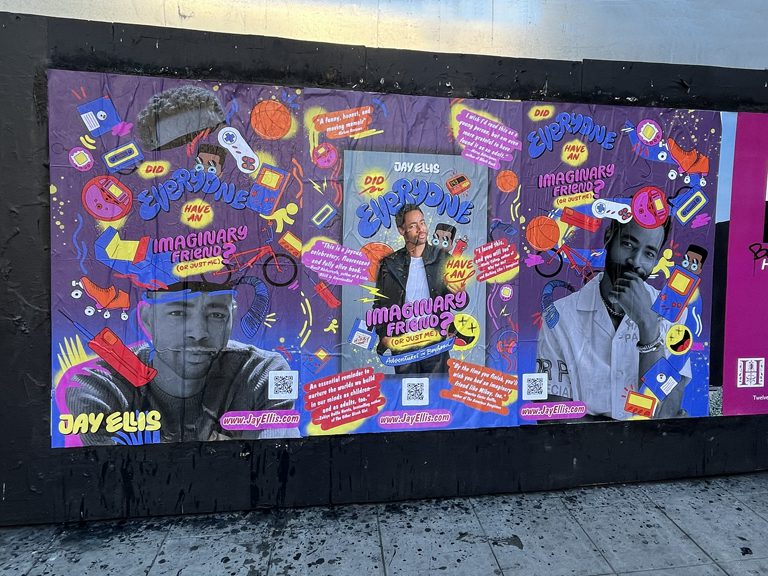
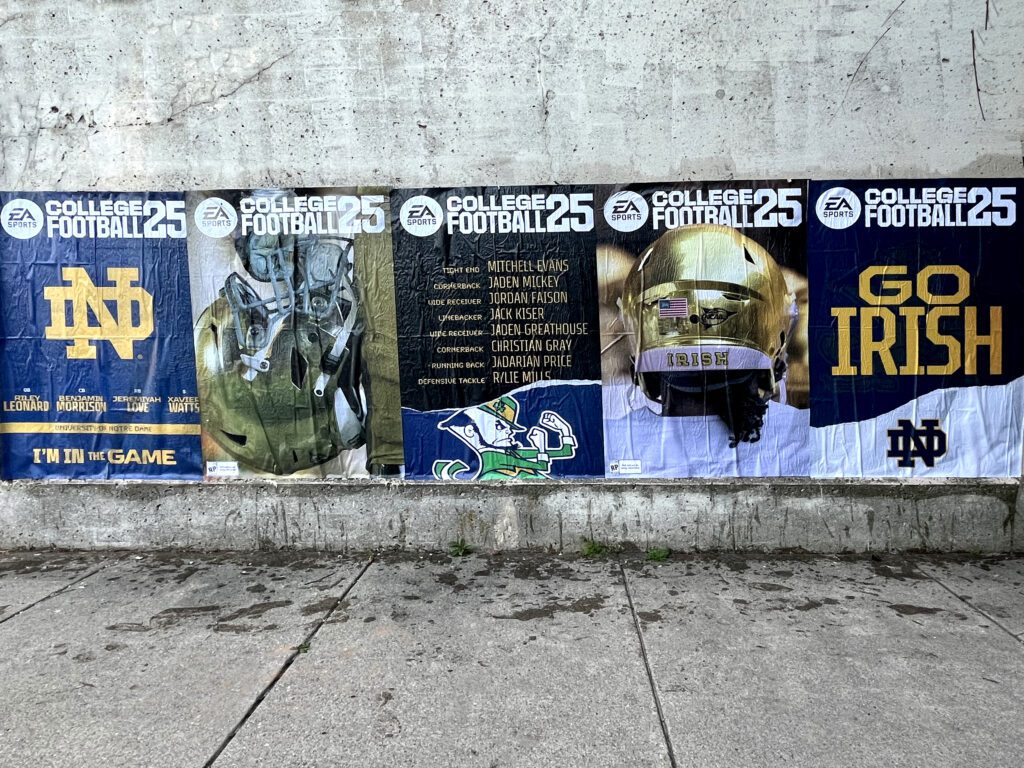
Entertainment companies use brand murals for album releases, film premieres, and streaming platform launches. A mural tied to a major entertainment release in a high-foot-traffic location generates the kind of organic social sharing and earned media coverage that a conventional out-of-home ad buy cannot produce at any comparable price. Film studios in particular have used our mural production service to create campaign art installations that function as content for their own social channels as well as organic community documentation.
Consumer goods brands, from beverage companies to personal care labels, use wall mural advertising to build neighborhood-level brand presence in specific markets where they are trying to grow distribution or awareness. A mural in Wynwood Miami for a beverage brand that is entering the Florida market creates awareness within a month that would take a year to build through conventional retail sampling and local advertising alone.
Technology companies and financial services firms use brand murals to build cultural credibility in markets where their product is aimed at urban, design-conscious audiences who are otherwise resistant to traditional corporate advertising. A well-executed brand mural in a neighborhood like the Arts District in LA or the Lower East Side in New York signals cultural engagement and aesthetic investment in a way that a subway car ad or digital banner cannot.
Real estate developers and property management companies use brand murals to create visual identity for new developments and neighborhoods. A mural on a development-adjacent wall establishes brand presence in the immediate environment of the project and generates social documentation from residents and visitors who photograph the artwork independently.
Tell us your city, your target neighborhood, your campaign timeline, and the scale of mural you have in mind.
Award Winning Personalized Service
You will get thoughtful, devoted, and individualized attention from our experienced, qualified, and professional personnel. Being one of the most illustrious agencies in Brooklyn, New York, American Guerrilla Marketing has been awarded the Best of Brooklyn title.
Nationwide
Industry City, Brooklyn, New York 11232
American Guerrilla Marketing
Hours
Mon - Fri: 9 AM - 5 PM
Sat & Sun: Closed
Automate your campaign with AGM’s Request for Proposal Builder. Simply answer a few quick questions about your campaign goals, markets, and timeline, and the system will generate a tailored presentation with recommended strategies, quantities, and pricing. Click the RFP Builder to instantly receive your customized proposal.
We have been producing brand murals in New York City since 2010. In fifteen years, we have built genuine relationships with property owners in Bushwick, Williamsburg, the Lower East Side, and SoHo. Those relationships give us access to walls that are not available to agencies that do not have a street-level presence in these neighborhoods. Knowing which property owner will negotiate a fair rate for a four-month license, which building has the scaffolding access infrastructure in place for a large-scale production, and which neighborhoods will accept a brand mural that is genuinely artful versus which ones will push back on commercial placements is knowledge that comes from being on the ground in these markets for more than a decade.
Our artist roster is not a marketplace of freelancers. We have long-standing working relationships with mural artists whose work at scale we have reviewed and whose reliability on production timelines we have documented over multiple campaigns. We know who can execute a photorealistic brand portrait at 40 feet, who is the right artist for a typographic-heavy campaign identity, and who works best in specific neighborhoods because their visual style fits the community context. That matching process is part of what we do, and it affects the final product quality significantly.
Every mural campaign we deliver comes with full documentation: high-resolution photography, optional drone footage, and a post-production report. We have provided this documentation standard on every campaign since 2010 because clients who invest $30,000 or more in a mural deserve a complete record of what was produced and where. Our job is not done when the paint dries. It is done when you have the materials you need to use the mural as a marketing asset, present the work to your team, and evaluate the campaign against your objectives. Call us at (646) 776-2770 or email [email protected] to talk through your mural project.
A brand mural painted with high-quality exterior paint lasts for the duration of the wall license, and often beyond. Private wall licenses are typically one to six months. City-permitted premium walls operate on defined four-week cycles. The physical painting can last considerably longer if left in place and not painted over. For brands that want a longer presence, we can negotiate extended license terms with private wall owners on a case-by-case basis.
A city-permitted wall is a high-visibility public-facing location licensed through an official permit system, typically in a premium location with proven foot traffic. The $28,000 per four-week rate reflects the premium positioning and the administrative complexity of the permit process. A private scouted wall is a building we identify and negotiate directly with the property owner to license for your mural. The $2,700 per month rate is the license fee to the property owner. The painting production cost is separate and depends on wall size and design complexity.
Yes. All photography delivered to you as part of the post-production documentation is yours to use for your brand’s marketing purposes. Drone footage and any additional video content produced as part of the campaign is similarly licensed to you for brand use. We ask only that you credit the mural production to American Guerrilla Marketing in any editorial context where credits are given.
An augmented reality layer on a mural means that when someone points a smartphone camera at the mural using the designated AR app or web experience, the camera view overlays a digital animation or interactive experience on top of the painted image. The AR layer is tied to the mural’s visual features using image recognition technology. We design the AR experience to complement the physical painting and give it an interactive dimension that encourages longer engagement and social sharing. AR layer pricing starts at $5,000 and varies based on the complexity of the digital experience.
A simple design at 20 to 30 feet takes two to three days with a two-person crew. Complex photorealistic designs at 30 to 40 feet take four to seven days. Large-scale premium walls above 40 feet may take one to two weeks depending on design complexity and crew size. All execution timelines are confirmed during the planning phase after the design and wall dimensions are finalized.
Yes. If your creative agency has already developed the mural artwork or campaign concept, we work from their deliverables. We translate their design into the street-scale execution, selecting artists and execution methods appropriate for the style. We coordinate directly with your agency creative team on design proofs and approval checkpoints. Many of our clients are agency-side teams who need a production partner with the mural-specific infrastructure we provide.
Our primary mural markets are New York City (Bushwick, Williamsburg, Lower East Side, Houston Street/SoHo), Los Angeles (Arts District, Melrose, Silver Lake), Chicago (Wicker Park, Pilsen), and Miami (Wynwood). We can also produce murals in other major US cities where we have artist relationships and can source qualified production resources. Contact us with your target city to discuss availability and timeline.
At campaign end, the wall reverts to the property owner, who may paint over the mural for the next occupant or leave it in place. For private wall licenses where you want to ensure the mural is removed rather than painted over, this can be specified in the license agreement. For brands that want the mural preserved beyond the campaign window, extended license terms can be negotiated with the property owner.