American Guerrilla Marketing
Nationwide Service
Media planning, media buying, billboard advertising, & guerrilla marketing
Newark is the University of Delaware’s city — nearly 24,000 students define the energy, foot traffic, and cultural tempo of Main Street. Fly posting here reaches one of Delaware’s most concentrated young adult audiences in the physical corridor where they eat, drink, study, and spend every day of the academic year.
Newark, Delaware is built around the University of Delaware in a way that is more complete than most college towns. The university is not simply the largest employer in town — it is the organizing principle of Newark’s entire commercial and social geography. Main Street’s restaurants, bars, coffee shops, and retail exist primarily to serve the UD community. The neighborhoods surrounding campus are heavily populated with student housing. The city’s economic rhythms track the academic calendar with remarkable fidelity: when students are in session, Newark buzzes; when they leave for summer break, the commercial corridor quiets measurably. This near-total alignment between the university’s enrollment cycle and Newark’s commercial vitality makes fly posting campaigns here exceptionally precise instruments for reaching 18-to-26-year-old audiences.
The University of Delaware’s enrollment of approximately 23,000 undergraduate and graduate students represents one of the largest university populations in the entire Mid-Atlantic region. These students come from across the country — New Jersey, Pennsylvania, New York, and Maryland feed the bulk of the out-of-state enrollment — bringing with them the brand expectations and cultural frameworks of some of the nation’s most brand-literate consumer markets. A UD student from Bergen County, New Jersey carries the same cultural references and brand awareness as an audience in Williamsburg or Silver Spring. Reaching them through fly posting on Main Street Newark connects your brand to their Mid-Atlantic consumer identity in the physical environment where they actually live for nine months of each year.
Beyond the student population, Newark also houses a substantial contingent of UD faculty, staff, and the young professional workforce that the university attracts to the area. The graduate student population — which tends to be older, more settled in the area, and more established in its consumer behavior — adds a 25-35 professional layer to the Main Street audience that extends the demographic range of fly posting campaigns beyond strictly undergraduate targeting.
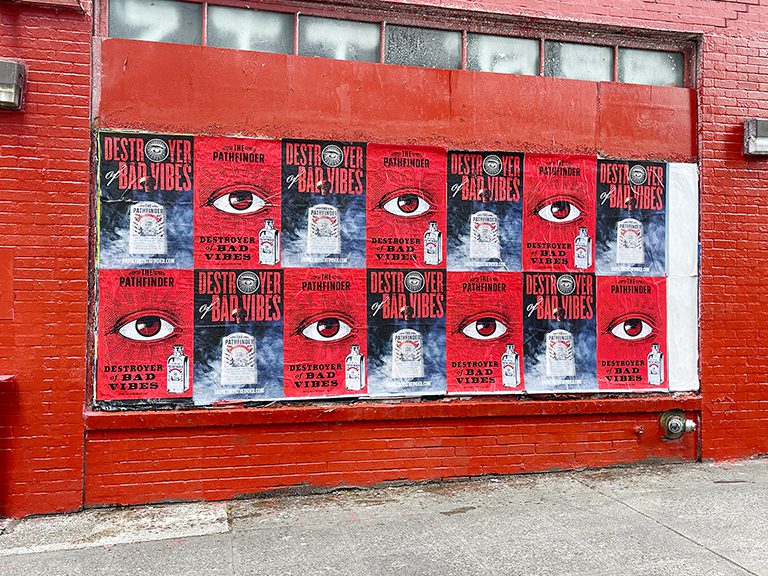
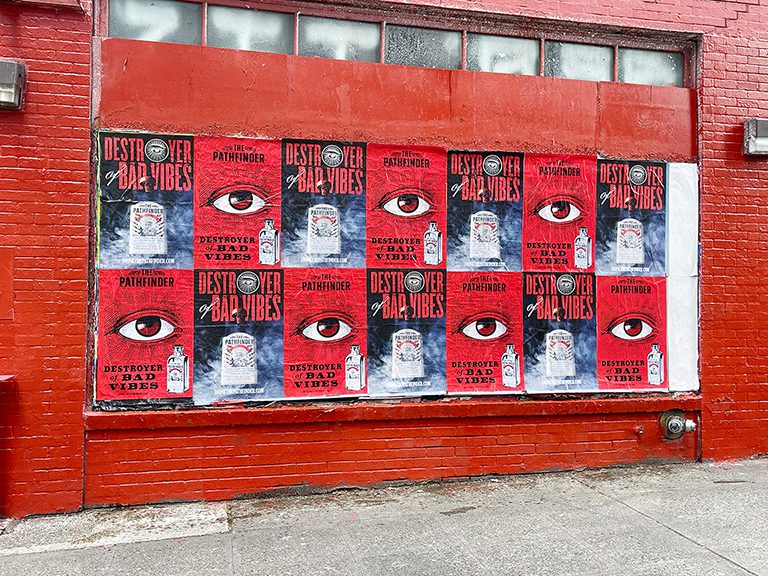
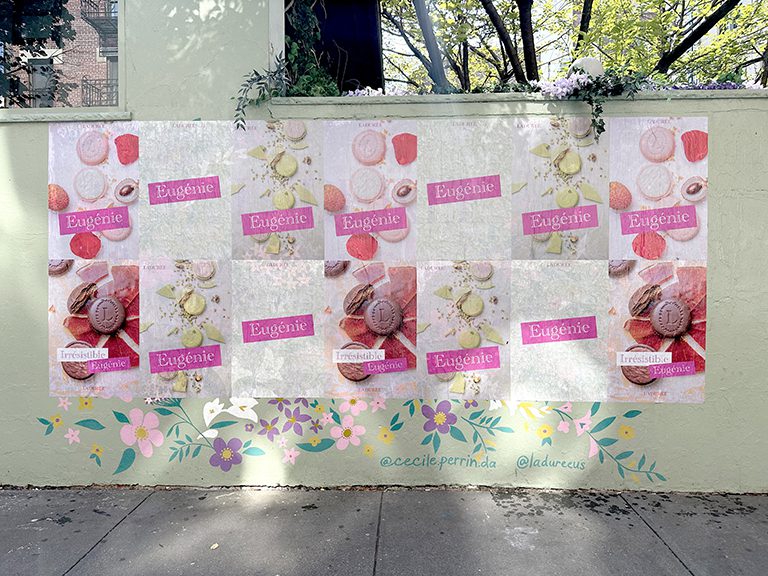
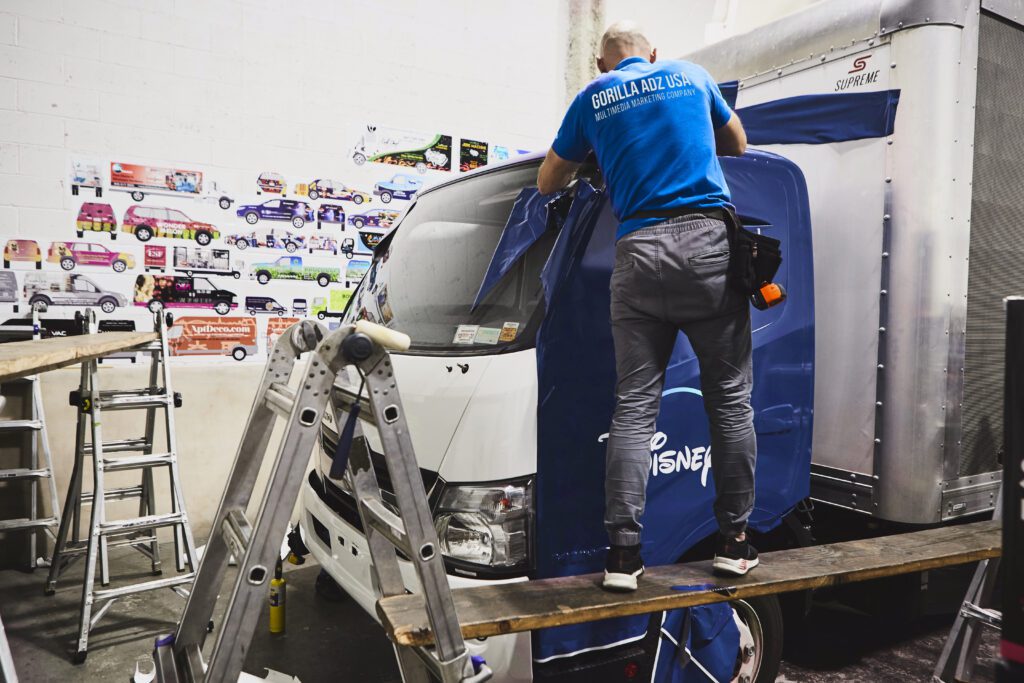
AGM’s Newark campaigns are executed with in-house printing and in-house installation crews — we do not subcontract any part of your campaign. Every placement is GPS-documented with post-installation photography, giving you a verifiable record of exactly where your posters went and how they looked in one of Delaware’s most active pedestrian environments.
Main Street Newark is Delaware's most concentrated young adult corridor. AGM's in-house crews plant your campaign where UD students walk every day — GPS-documented, professionally installed, and active within days of your brief.
Select a city to explore Fly Posting Advertising opportunities.
Main Street is the commercial and social spine of Newark’s UD-adjacent community — a dense, walkable corridor lined with bars, restaurants, pizza shops, coffee houses, bookstores, and the retail that sustains a captive student population for nine months of the year. The street runs east-west through the heart of the downtown, with the highest foot traffic concentration between Academy Street and Chapel Street — the blocks closest to the UD campus entrance that see the most intense student movement throughout the day and into the night. Evening foot traffic on Main Street, particularly Thursday through Saturday, rivals corridors in much larger markets due to the concentration of bar and restaurant venues drawing the full student body into a single walkable strip. Fly posting along Main Street achieves the kind of frequency with the target demographic that is simply impossible to replicate through digital advertising — UD students walk this corridor multiple times daily and encounter freshly installed posters repeatedly across the course of a campaign’s run.
The corridors leading from the UD campus — particularly South College Avenue and the blocks running between the central Green and Main Street — carry heavy student pedestrian traffic during every class transition period throughout the day. Students moving between academic buildings, from dormitories to Main Street, and through the campus’s northern entrance toward Newark’s commercial district pass through a set of predictable routes that make targeted placement along these corridors highly efficient. The UD campus perimeter buildings, along with the commercial and residential facades lining the approach corridors, provide strong posting surfaces that reach the academic-year student population during their most routine daily movements. Campaigns installed on the approaches to campus achieve maximum frequency with the UD audience because these routes are traversed multiple times daily by essentially the entire student body.
Downtown Newark extends slightly beyond the immediate Main Street corridor to include the surrounding blocks that house Newark’s civic infrastructure — city hall, the public library, service businesses, and the mixed residential-commercial zones that connect the UD-adjacent commercial core to the broader Newark community. This zone is relevant for fly posting campaigns targeting not just the student audience but the broader Newark young professional and local resident population that coexists with the university community. The blocks along East Main Street and West Main Street beyond the immediate UD corridor carry more varied demographics than the student-saturated central strip, reaching long-term Newark residents and the workforce that supports the university ecosystem without the direct UD enrollment context.
The University of Delaware’s academic calendar creates distinct campaign windows that materially affect fly posting performance in Newark. The single most valuable window is the back-to-school period in late August and early September, when the full student population returns from summer and is in its maximum brand discovery mode. Students who have been away for the summer return to Newark with fresh attention and active exploration behavior — they are selecting their new favorite bars and restaurants, discovering which brands have established presence on Main Street over the summer, and forming the consumer habits that will carry through the academic year. A well-placed fly posting campaign installed during the first two weeks of fall semester reaches this audience during the period of maximum receptivity.
Spring semester’s opening in January creates a similar though slightly less intense version of this dynamic — students returning from winter break with refreshed attention. Major campus events throughout the year — Homecoming in the fall, Spring Fling in April, and the graduation season in May — create concentrated foot traffic windows that amplify normal Main Street activity and generate additional advertising impressions for campaigns installed during these high-activity periods.
Summer campaigns in Newark see dramatically reduced student audience density but are viable for brands specifically targeting the resident Newark population, UD summer session students (a smaller but consistently present audience), and the faculty and staff who remain active in and around the university year-round.
Award Winning Personalized Service
You will get thoughtful, devoted, and individualized attention from our experienced, qualified, and professional personnel. Being one of the most illustrious agencies in Brooklyn, New York, American Guerrilla Marketing has been awarded the Best of Brooklyn title.
Nationwide
Industry City, Brooklyn, New York 11232
American Guerrilla Marketing
Hours
Mon - Fri: 9 AM - 5 PM
Sat & Sun: Closed
Automate your campaign with AGM’s Request for Proposal Builder. Simply answer a few quick questions about your campaign goals, markets, and timeline, and the system will generate a tailored presentation with recommended strategies, quantities, and pricing. Click the RFP Builder to instantly receive your customized proposal.
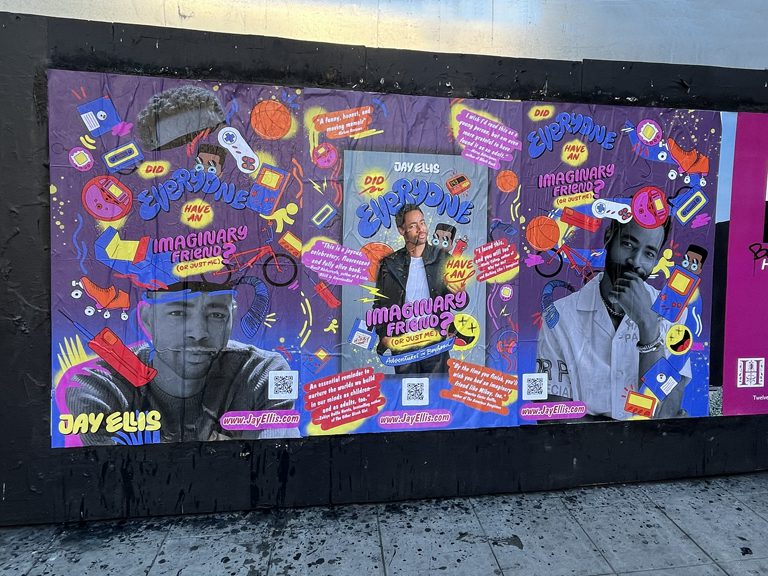
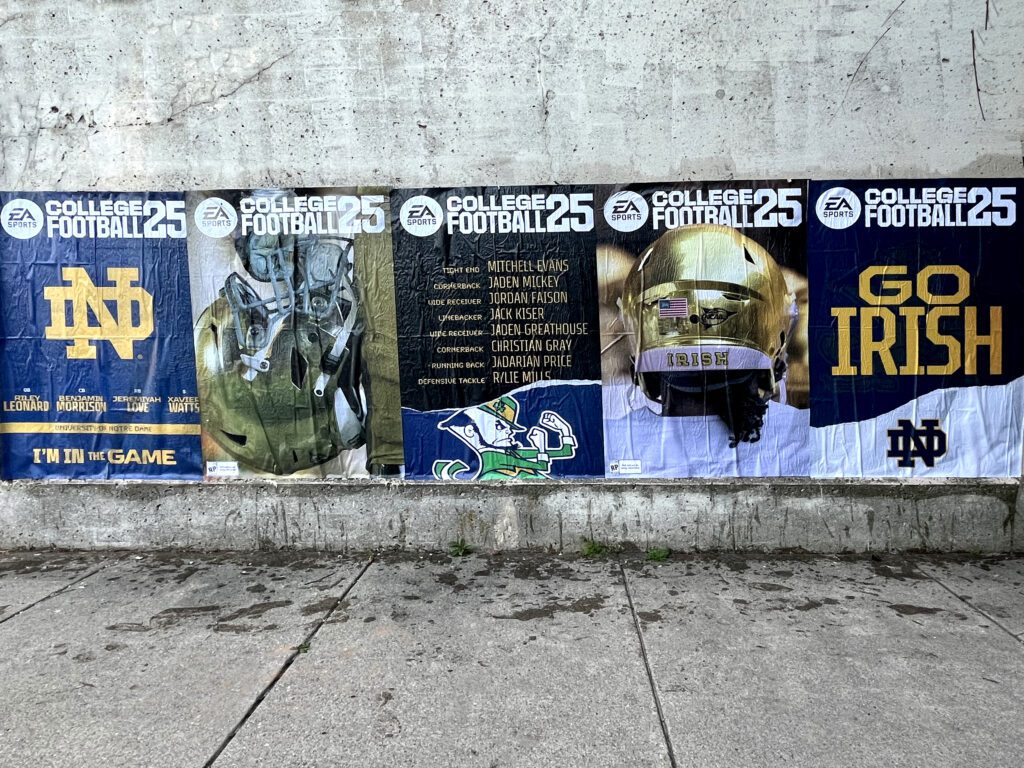
The 24×36 format at contact us for pricing for 100 posters or contact us for pricing for 200 is ideally suited to Newark’s compact, dense Main Street corridor. The walkable scale of the UD commercial strip means a campaign of this size achieves strong frequency across the entire core zone — students walking Main Street multiple times daily encounter your campaign repeatedly, building brand recall through accumulated impressions rather than single-exposure awareness. For music releases, consumer product launches, entertainment campaigns, and brand awareness initiatives targeting the college demographic, this is the format that maximizes impressions per dollar in Newark’s environment.
The 48×72 format at contact us for pricing for 100 posters delivers the kind of landmark-scale installations that become part of Newark’s visual landscape for the duration of the campaign. Placed on the larger commercial building facades along Main Street or the blank walls visible from the UD campus approaches, these installations stop foot traffic and generate social documentation from students who share street-level visual culture through their networks. For brand campaigns where a single powerful image needs to establish authority and presence in the UD market, the 48×72 format’s scale communicates the kind of brand investment that resonates with a college audience trained to distinguish genuine cultural engagement from tokenistic campus marketing.
Newark’s fly posting advertiser mix reflects the composition of the UD student market — a young adult demographic with brand curiosity, social media influence, and purchasing behavior shaped by both their own disposable income and the consumer categories relevant to college life. Entertainment brands — streaming platforms, music services, gaming companies, app developers — find that reaching UD students through street-level advertising establishes credibility that digital advertising alone cannot provide. A campaign that shows up on Main Street demonstrates that a brand considers the UD market worth physical investment, which signals cultural authenticity to an audience that is intensely skeptical of brands trying to perform campus relevance without earning it.
Food and beverage brands — restaurants, delivery platforms, energy drinks, alcohol brands in appropriate markets, and specialty food products — find Newark’s captive student audience a strong acquisition target. UD students eat out frequently, order delivery regularly, and establish strong loyalties to the bars and restaurants that become their regular spots during their four years in Newark. Establishing brand presence through fly posting in the semester when students are forming these loyalties — particularly in fall of freshman year — creates consumer relationships that follow these students into their professional lives after graduation.
Apparel, lifestyle, and consumer product brands use Newark fly posting to reach the Mid-Atlantic college market at a concentration point — UD’s enrollment draws students from New Jersey, New York, Pennsylvania, and beyond, meaning a successful campaign in Newark reaches brand influencers who will return to major metropolitan markets after graduation carrying positive brand associations established during their time at UD.
The Party to the Polls × Daybreaker Purple Tour demonstrated the power of civic fly posting campaigns in college markets — using street-level advertising to reach young adults in the exact physical environments where they live and socialize, combining the urgency of civic action with the cultural energy of music and entertainment to create campaigns that feel genuinely relevant rather than obligatory. College markets like Newark’s Main Street corridor are among the most effective environments for civic and cause-driven campaigns because the young adult demographic concentrated here is disproportionately engaged with social and political issues and exceptionally responsive to campaigns that treat them as informed participants rather than passive recipients of messaging. For brands operating in the civic, social impact, or advocacy space, the UD campus market in Newark represents one of Delaware’s highest-value fly posting environments precisely because of the depth of engagement the student demographic brings to causes they care about.
The back-to-school window in late August and early September is the single most valuable campaign timing for reaching UD students at their most receptive. The full student body returns from summer simultaneously, creating a concentrated period of brand discovery behavior as students re-establish their Newark routines. Spring semester’s opening in January is the second-strongest window. During the academic year, the weeks surrounding major campus events — Homecoming (fall), Spring Fling (April), and graduation (May) — generate elevated foot traffic that amplifies normal campaign reach.
Main Street Newark during the academic year sustains pedestrian foot traffic that rivals corridors in much larger markets — the concentration of nearly 24,000 UD students within walking distance of a single commercial strip creates extraordinary density for a city of Newark’s overall size. Evening hours Thursday through Saturday are particularly intense, with the bar and restaurant corridor drawing a substantial portion of the student body into a single compact zone. This density means that even a moderate poster run achieves high total impressions because each placement is encountered by a very large number of people within a geographically tight area.
Geographic targeting can reach the graduate student population through placements concentrated near UD’s graduate facilities, the departments that house the largest graduate programs (notably the Biden School of Public Policy, the Alfred Lerner College of Business, and the graduate science facilities), and the residential areas near campus where graduate students tend to cluster. Graduate students occupy a different daily geography than undergraduates — they are less concentrated on Main Street during evening hours and more present in the areas surrounding their academic departments and the off-campus housing immediately adjacent to the university. Campaigns specifically targeting the graduate population benefit from placement planning that accounts for this geographic distinction rather than defaulting to Main Street saturation.
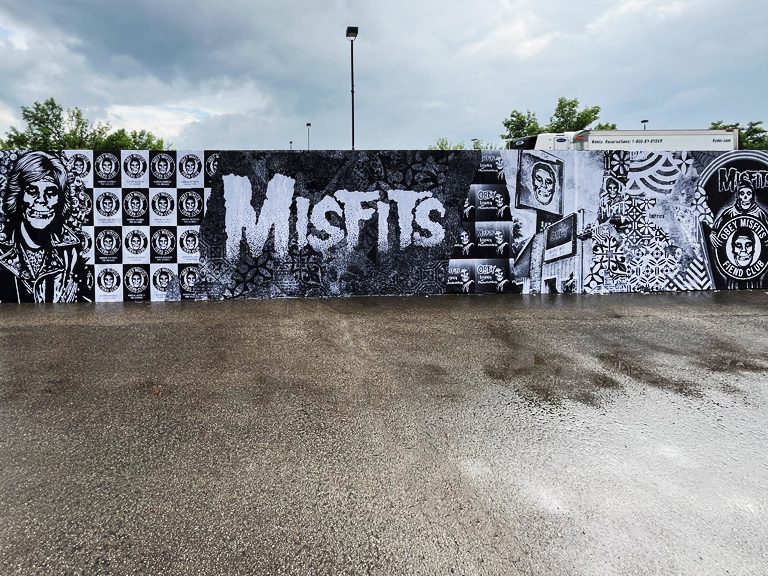
Main Street Newark’s commercial character creates a variety of posting surfaces, including the side walls and rear facades of commercial buildings, temporary construction hoarding surrounding active development (Newark has seen consistent construction activity around the UD campus in recent years), utility structures throughout the commercial corridor, and the transitional surfaces between the active retail zone and the adjacent residential areas. AGM surveys all target surfaces before every campaign, identifying the specific walls and locations that offer the highest visibility within the Main Street corridor and the UD campus approaches at the time of the campaign.
Yes — music and entertainment releases are among the most effective categories for college market fly posting. UD students are active music consumers who use streaming platforms intensively, attend live shows, and make cultural recommendations to social networks that extend well beyond Newark itself. A streaming release, concert promotion, or gaming launch that appears on Main Street Newark during the academic year gets discussed, photographed, and shared by a demographic whose social networks span the Mid-Atlantic region. The multiplier effect of street-level advertising in a college market — where a single installation is encountered repeatedly by a socially connected audience that amplifies what it finds compelling — makes entertainment campaign fly posting particularly cost-efficient in terms of total earned impressions per dollar of campaign investment.
Yes. AGM’s placement planning can prioritize proximity to specific UD facilities when the campaign objective requires it. Campaigns targeting the business school audience can be planned around the Lerner College of Business approaches. STEM-focused campaigns can be routed toward the engineering and science complex corridors. Marketing campaigns specifically targeting UD’s notable programs — including the Alfred Lerner College of Business, the College of Arts and Sciences, and the School of Education — can concentrate placements in the geographic vicinity of those facilities to maximize relevance and impressions with the specific sub-demographic that the campaign prioritizes.
Summer campaigns in Newark are viable but operate in a materially different market than the academic-year environment. Student density drops significantly after May graduation and remains low until late August. Summer campaigns reach Newark’s resident population, UD summer session students (a meaningful but smaller group), and the faculty and staff community — a combined audience that is older, more professionally established, and different in its consumer behavior from the academic-year student market. Brands specifically targeting Newark residents rather than UD students can run summer campaigns effectively. Brands targeting the student market should prioritize the August through April window for maximum enrollment-aligned audience density.
Newark and Wilmington serve fundamentally different audience segments within Delaware’s fly posting market. Newark’s strength is the UD student demographic — a young adult audience with high concentration, strong social connectivity, and cultural influencer characteristics. Wilmington’s strength is the young professional market — adults 25 to 40 with established incomes, more stable consumer relationships, and presence in the corporate and financial sector that defines northern Delaware’s economy. Brands choosing between markets should align with the demographic they need to reach: student-age audiences belong in Newark, young professional audiences belong in Wilmington. Brands targeting both can run coordinated campaigns in both markets simultaneously through a single AGM Delaware engagement.
The minimum order is 100 posters in the 24×36 format at contact us for pricing including printing, installation by AGM’s in-house crews, GPS documentation, and the post-campaign photo report. Newark’s compact Main Street corridor means 100 posters achieves meaningful saturation across the primary commercial zone. For campaigns that need to extend coverage from Main Street into the UD campus approaches and the broader downtown Newark area simultaneously, 200 posters at contact us for pricing provides the volume necessary to maintain presence across all three zones throughout the campaign window.
Yes. AGM’s wheat-based paste adhesive is formulated to provide effective bonding on a wide range of commercial surface types including brick, concrete block, painted wood, metal, and smooth commercial facade materials — all of which appear on Main Street Newark’s varied commercial building stock. The formula is pressure-wash removable and contains no synthetic chemical compounds, making it appropriate for application on both older historic building facades and newer commercial construction without risk of surface damage. Installation technique is adjusted for each surface type to ensure optimal adhesion quality throughout the campaign window.