American Guerrilla Marketing
Nationwide Service
Media planning, media buying, billboard advertising, & guerrilla marketing
Wheat Paste Poster Campaigns in the City of Destiny
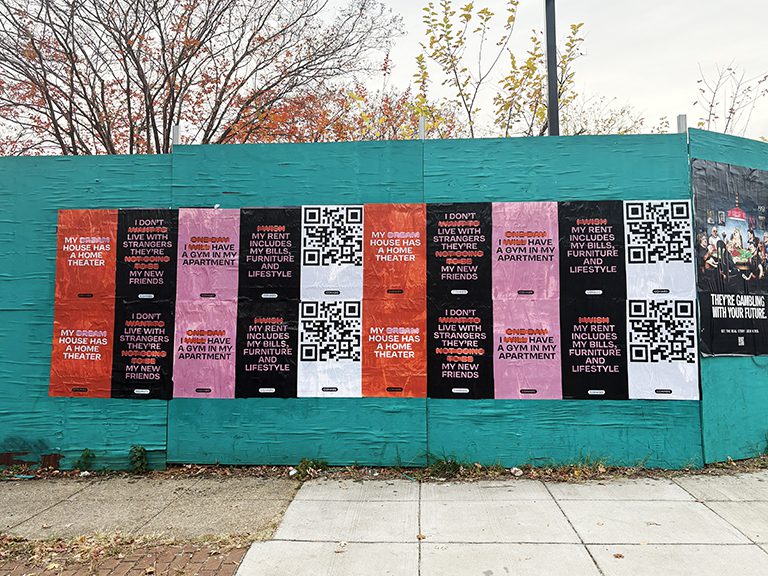
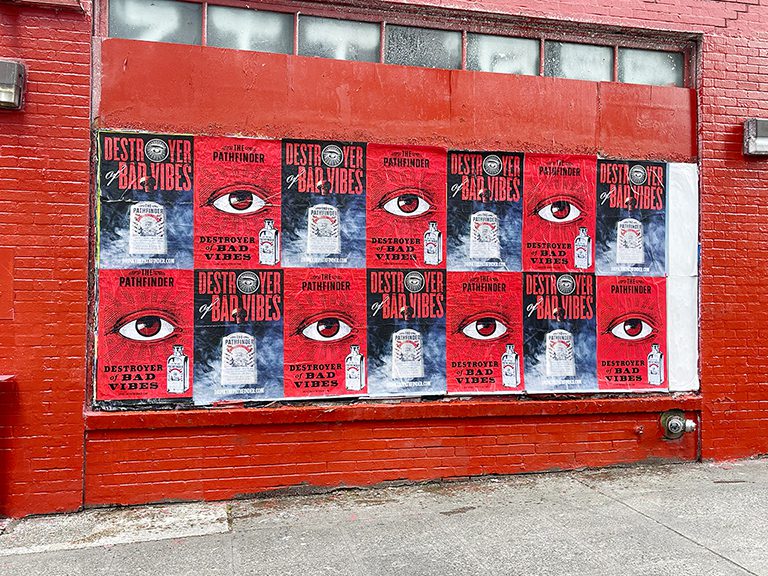
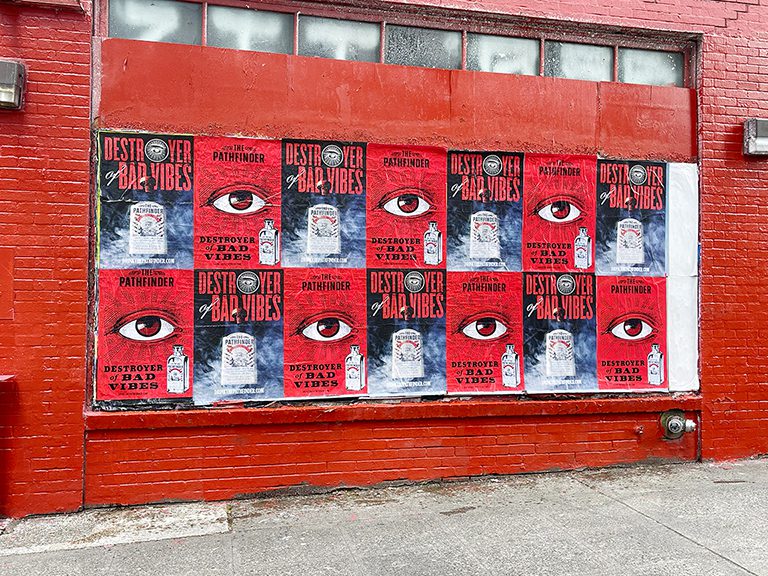
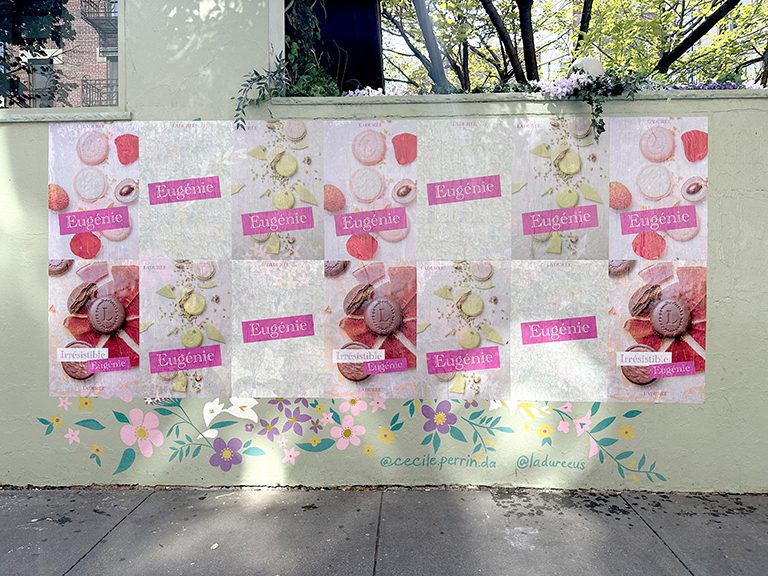
FanDuel, Coca-Cola, and iHeartRadio have all deployed AGM fly posting campaigns to dominate high-traffic corridors ahead of major events. Our in-house crew handles permits, placement, and overnight execution with no subcontractors.
Tacoma has spent years earning the right to stop apologizing for not being Seattle. The City of Destiny — a nickname it carries without irony — has developed one of the most genuinely interesting urban characters in the entire Pacific Northwest, built not on tech-sector money or tourist-industry polish but on the convergence of port-city industrial identity, a fiercely independent arts scene, a deep military community, and a generation of young residents who chose Tacoma deliberately because it offers something Seattle no longer can: the sensation of being part of a city that is still becoming itself. That quality — authentic, unfinished, alive with possibility — is exactly the environment in which fly posting advertising performs at its absolute best.
The numbers behind Tacoma’s transformation are compelling on their own. The city’s population of over 220,000 has grown steadily as residents priced out of Seattle discover that the 30-minute Sounder commuter rail ride to downtown Seattle makes Tacoma a genuinely viable alternative for professionals who want urban living at a fraction of the cost. UW Tacoma, the University of Washington’s South Sound urban campus, has steadily expanded its enrollment and physical footprint in the downtown core, adding thousands of students and faculty to the daily pedestrian flows that make fly posting viable at scale. Joint Base Lewis-McChord, the combined Army and Air Force installation on Tacoma’s southern edge, brings approximately 40,000 military personnel and their families into the Pierce County economy, adding a significant demographic segment with purchasing power and a community identity that smart brands have learned to engage respectfully and effectively.
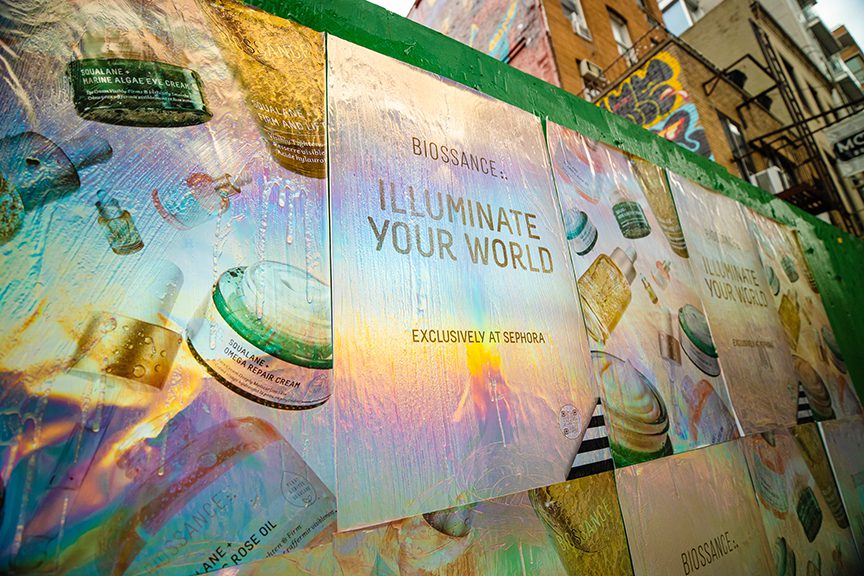
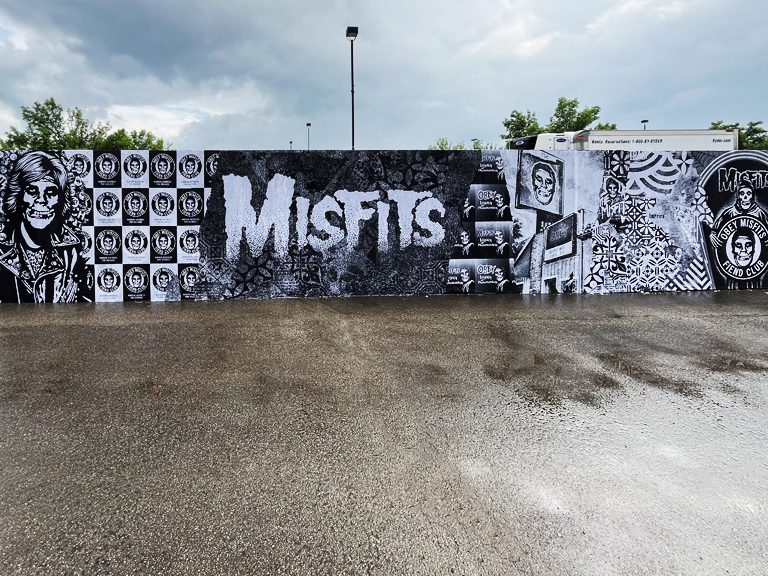
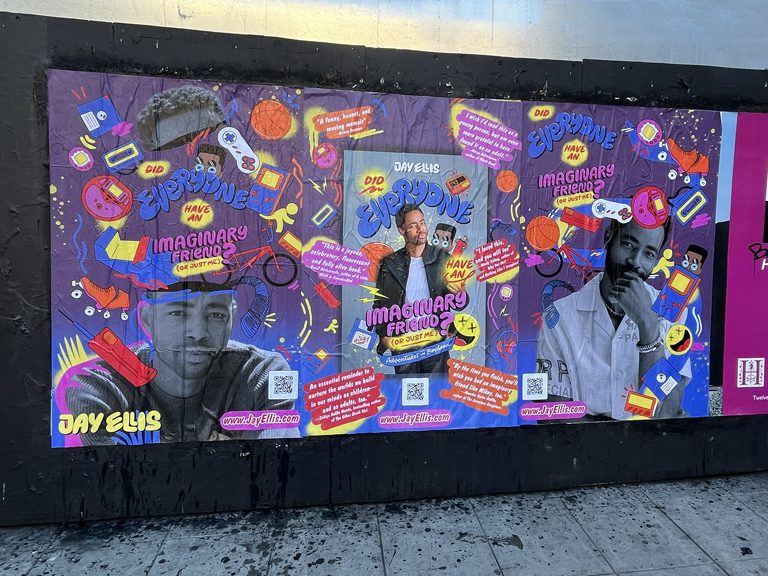
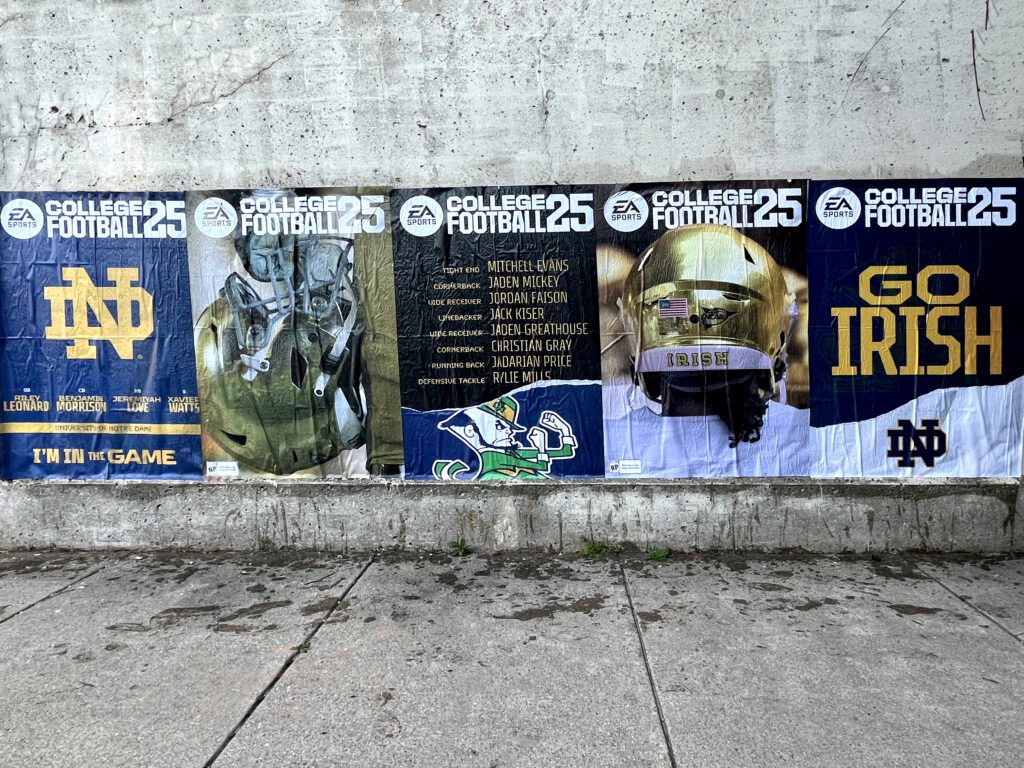
American Guerrilla Marketing has executed poster campaigns for clients including Netflix, EA Sports, The Onion, Biossance, and Shepard Fairey across some of the most competitive urban markets in the country. Our Tacoma campaigns draw on the same strategic rigor and production quality that we bring to New York, Los Angeles, and Miami, applied to a city where the cultural moment is right now. Tacoma’s 6th Avenue corridor, its Foss Waterway arts district, the Museum of Glass campus, and the rapidly gentrifying Hilltop neighborhood provide a geography of fly posting opportunity that rewards brands willing to show up with genuine creative investment. We know these streets, we know the walls, and we know the communities that inhabit them daily.
Glass art has become Tacoma’s most distinctive cultural export and one of the central pillars of its identity transformation. The Museum of Glass on Dock Street, co-designed by architect Arthur Erickson and housing a spectacular hot shop visible through the museum’s signature cone, has drawn hundreds of thousands of visitors to Tacoma’s waterfront and established the city’s claim as the world capital of the studio glass movement. Dale Chihuly, the movement’s most prominent figure, is a Tacoma native, and the Chihuly Bridge of Glass connecting the Museum of Glass to the Washington State History Museum makes a direct physical statement about the relationship between Tacoma’s industrial past and its artistic present. This cultural narrative — industrial city transformed by and through art — is a natural strategic frame for brands in the creative, design, fashion, and entertainment sectors seeking to associate themselves with a genuine and ongoing cultural story.
The City of Destiny is having its moment. AGM puts your brand on the walls of 6th Avenue, Hilltop, the Foss Waterway, and everywhere Tacoma's future is being written. Let's start planning.
Cities in the process of authentic transformation are consistently among the most powerful environments for fly posting advertising, and Tacoma in the mid-2020s is arguably the best example of this phenomenon in the Pacific Northwest. The mechanism is straightforward: when a city’s residents are actively invested in the story of their city’s change — when they are documenting it on social media, debating it in neighborhood groups, celebrating new openings and mourning closures, and generally functioning as engaged participants in a civic narrative rather than passive inhabitants of a static place — they transfer some of that engagement to the brands they encounter in the city’s changing streets. A well-executed fly posting campaign in a transitioning city like Tacoma doesn’t just deliver an advertising impression; it positions the brand as part of the city’s evolving story.
The specific character of Tacoma’s transition shapes how fly posting should be executed here. Unlike cities whose transformation is primarily driven by luxury development and upscale amenity, Tacoma’s evolution has a strong arts-and-manufacturing backbone. The Dome District warehouses that have been converted to artist studios, the restored Proctor District buildings housing independent restaurants and boutiques, the Foss Waterway’s industrial-chic aesthetic, and the historic Stadium District’s Victorian-era architecture all contribute to a city aesthetic that is genuinely distinct from the glass-and-steel Pacific Northwest vernacular. Fly posting creative that acknowledges and engages with this aesthetic — bold, typographic, referencing the city’s industrial and artistic heritage — performs substantially better than generic imagery that could have been shot anywhere in the region.
The LeMay — America’s Car Museum, located adjacent to the Tacoma Dome, adds an unexpected dimension to Tacoma’s cultural identity. Housing one of the largest collections of automobiles in the world, LeMay draws visitors from across the country and functions as a cultural anchor for a neighborhood — the Dome District — that is in rapid transition from pure industrial use to mixed commercial and cultural occupancy. The energy generated by LeMay’s attendance and the Tacoma Dome’s consistent schedule of concerts, sporting events, and trade shows makes the Dome District approach — Pacific Avenue and East 25th Street in particular — a strong secondary fly posting corridor for campaigns targeting visitors and event attendees in addition to daily residents.
Tacoma’s port identity shapes both its economy and its community character in ways that are directly relevant to fly posting strategy. The Port of Tacoma is one of the largest container ports in North America, and the logistics, transportation, and manufacturing ecosystem that has grown around it employs a significant share of the city’s workforce. This working-class port identity coexists with the arts and education transformation in a way that is uniquely Tacoma — the city does not gentrify by erasing its working-class roots but by layering creative and professional energy on top of them. Brands that understand this layering — that can speak to both the dock worker and the UW Tacoma design student — find that Tacoma’s demographic complexity is an opportunity rather than a constraint. Fly posting is particularly well suited to this kind of multi-demographic communication precisely because it operates in the shared physical space that all of Tacoma’s communities inhabit simultaneously.
All Tacoma campaign pricing includes print production on weather-resistant poster stock, professional placement by our Pacific Northwest deployment team, and a comprehensive geo-tagged photographic proof-of-posting report delivered within 72 hours of campaign completion. The 48×72 large-format option is particularly effective on Tacoma’s substantial inventory of warehouse walls, construction hoardings along the developing Foss Waterway, and the prominent building facades facing Broadway in the downtown core.
Award Winning Personalized Service
You will get thoughtful, devoted, and individualized attention from our experienced, qualified, and professional personnel. Being one of the most illustrious agencies in Brooklyn, New York, American Guerrilla Marketing has been awarded the Best of Brooklyn title.
Nationwide
Industry City, Brooklyn, New York 11232
American Guerrilla Marketing
Hours
Mon - Fri: 9 AM - 5 PM
Sat & Sun: Closed
Automate your campaign with AGM’s Request for Proposal Builder. Simply answer a few quick questions about your campaign goals, markets, and timeline, and the system will generate a tailored presentation with recommended strategies, quantities, and pricing. Click the RFP Builder to instantly receive your customized proposal.
Effective fly posting strategy in Tacoma requires mapping the city’s distinct neighborhood personalities against the specific campaign objective. The 6th Avenue corridor is Tacoma’s most versatile fly posting environment — a walkable commercial strip with genuine diversity of age, income, and background among its daily pedestrians, making it the right choice for campaigns targeting the broadest slice of Tacoma’s urban consumer base. The Stadium District and Proctor District provide access to the city’s more affluent residential community, concentrated in the historic North End. Downtown, anchored by the UW Tacoma campus and the arts institutions along the Foss Waterway, skews younger and more culturally engaged. Hilltop, in the rapid transition from historically underserved neighborhood to emerging arts corridor, offers access to Tacoma’s most trend-forward early adopters and the community activists who shape the city’s evolving cultural identity.
For music, entertainment, and nightlife campaigns, the 6th Avenue District is the non-negotiable anchor — virtually every significant Tacoma live event has been promoted on the walls of this corridor for decades, and the neighborhood’s residents have an ingrained habit of reading its walls for news of what’s happening in the city. Broadway through the downtown core provides complementary coverage for event campaigns reaching the pre-show and post-show restaurant crowd. The Tacoma Comedy Club and the Pantages and Rialto theaters, clustered in the downtown Theater District, draw audiences from across Pierce County and represent a high-value event promotion context for nearby fly posting placements.
Military-family-focused campaigns should concentrate along Pacific Avenue S, which connects Tacoma’s downtown to the primary residential areas used by Joint Base Lewis-McChord personnel, and along South Tacoma Way, the commercial spine serving the working-class and military-family neighborhoods in the city’s southern residential belt. This corridor is underserved by traditional outdoor advertising but offers meaningful fly posting opportunities for brands with products and services specifically relevant to military families — financial services, home goods, automotive, and family entertainment are all categories where the JBLM demographic represents a significant and brand-responsive audience segment.
AGM typically recommends a 100-poster 24×36 campaign for initial Tacoma market entry, concentrating placements on the 6th Avenue District and downtown core to achieve saturation in the city’s highest-traffic fly posting environments. Brands seeking broader geographic coverage across multiple Tacoma neighborhood profiles step up to the 200-poster deployment, which enables simultaneous saturation in 6th Avenue, the Stadium District, the Foss Waterway arts corridor, and Hilltop — covering the full spectrum of Tacoma’s evolving demographic landscape in a single coordinated campaign wave.
The 6th Avenue District is the undisputed center of Tacoma’s street-level cultural life. The stretch of 6th Avenue between Pine Street and Sprague Avenue — roughly ten walkable blocks — concentrates an independent restaurant scene, vintage and specialty retail, music venues, coffee shops, and bars into a commercial strip that feels authentically lived-in rather than curated for visitors. This is a neighborhood where residents choose to eat, drink, shop, and socialize rather than one that depends on tourism or destination spending. The daily foot traffic on 6th Avenue reflects this resident-driven character — it is consistent throughout the week, peaks in the evening dining hours and weekend brunch windows, and is composed of the kind of locally embedded consumer who notices and remembers advertising in their neighborhood’s physical environment. AGM prioritizes both the south-facing walls along the north side of 6th Avenue and the east-facing walls at the busy cross-street intersections for maximum pedestrian sightline coverage.
The 6th Avenue corridor’s weekend rhythm — a Saturday morning that begins with coffee at Stink Bug Coffee or Anthem Coffee and builds through brunch crowds to afternoon retail and evening dining — creates a sustained high-traffic window from approximately 9 a.m. to midnight. A fly posting campaign concentrated on this corridor in the days preceding a major event or launch benefits from this extended daily window, with different demographic waves passing the same walls throughout the day. Morning foot traffic skews toward neighborhood residents running weekend errands; afternoon foot traffic includes visitors driving in specifically to explore the corridor; evening traffic is heavily weighted toward the dining and nightlife audience for whom the district’s bars and music venues are the primary destination.
The Stadium District, named for the historic Stadium High School perched dramatically above the neighborhood on North 4th Street, is Tacoma’s most architecturally coherent residential neighborhood — a collection of Victorian-era commercial buildings, craftsman homes, and early-twentieth-century apartments clustered around the commercial strips along North 4th Street and Tacoma Avenue N. The neighborhood’s residents tend toward the older end of Tacoma’s young-professional demographic, with a strong contingent of longtime Tacoma families and the kind of homeowner community that takes aesthetic pride in its neighborhood’s appearance. Broadway through the Stadium District — running north from downtown past the Historic Tacoma Theater and Stadium High School — is a strong secondary fly posting corridor for campaigns targeting an upscale, arts-engaged consumer. The Stadium Bowl, a natural amphitheater behind Stadium High School that hosted one of the first Fourth of July concerts in Tacoma’s history, is a community gathering point whose approach along North 4th Street draws residents from across the North End during events.
Hilltop is Tacoma’s most contested and compelling neighborhood story. For decades historically underserved and underinvested, it is now in the midst of a transition driven by artists, entrepreneurs, and community organizers who are building new institutions in the neighborhood while working to maintain its cultural identity and avoid the displacement that has plagued similarly transitioning neighborhoods in other cities. Martin Luther King Jr. Way is the neighborhood’s primary commercial corridor, and the walls along this street have become a canvas for both formal public art and spontaneous grassroots expression. AGM approaches Hilltop placements with deliberate respect for the neighborhood’s community character, targeting surfaces and contexts where fly posting adds to rather than extracts from the neighborhood’s evolving visual culture. Brands that have genuine community commitments and can communicate them credibly find Hilltop a uniquely powerful fly posting environment where earned trust generates word-of-mouth amplification that is particularly strong within the neighborhood’s close-knit community networks.
The Foss Waterway development — the mixed-use, arts-anchored transformation of Tacoma’s former industrial waterfront along the Thea Foss Waterway — has given the city a new front door. The Museum of Glass on Dock Street and the adjacent Washington State History Museum create an arts institution anchor that draws visitors from across the region, while the surrounding developments of mixed residential and commercial space have brought a resident population to a formerly purely industrial waterfront. AGM targets the construction hoardings and permitted wall surfaces along Dock Street and East 25th Street for large-format 48×72 placements that are visible from the Chihuly Bridge of Glass pedestrian crossing and from the vehicles on Schuster Parkway approaching the waterfront from downtown. The combination of destination-visitor foot traffic from the Museum of Glass and the daily residential population of the Foss Waterway neighborhood makes this corridor productive for both local brand awareness and regional destination-marketing campaigns.
The Proctor District, centered on North Proctor Street between North 26th and North 30th Streets in Tacoma’s North End, is one of the city’s most beloved neighborhood commercial strips — a four-block corridor of locally owned restaurants, bakeries, an independent movie theater, and specialty retail that has maintained its neighborhood-serving character through Tacoma’s changing economic cycles. The Proctor District Farmers Market, held seasonally on weekend mornings, draws residents from the surrounding North End neighborhood — one of Tacoma’s most affluent and most architecturally distinguished residential areas. AGM places fly posting campaigns along North Proctor Street for brands targeting the North End’s homeowner demographic: well-educated, family-oriented, above-average income, and loyal to businesses and brands that demonstrate genuine commitment to the community. The Saturday farmers market foot traffic window is particularly strong for poster visibility given the slow, browsing pace of the market crowd versus the faster transit-mode movement of weekday commuters.
Ruston Way, running along Commencement Bay from the Old Town neighborhood to the Point Defiance Park entrance, is Tacoma’s premier outdoor recreation corridor. The paved waterfront path along Ruston Way is one of the most heavily used walking, jogging, and cycling routes in Pierce County, drawing residents from across Tacoma and neighboring communities to its combination of water views, restaurants, and public parks. The park-adjacent commercial area near the Ruston Way-Point Defiance approach is a productive environment for fly posting campaigns targeting outdoor recreation and active lifestyle brands, capturing an audience that is literally in motion — physically active, cognitively present, and in exactly the frame of mind where outdoor brand messaging lands most effectively. Point Defiance Park’s 760 acres of old-growth forest, saltwater beach, and zoo and aquarium make it a destination for tens of thousands of visitors weekly, and the approach corridors along N 49th Street and Point Defiance Boulevard provide strong surface opportunities for campaigns seeking to reach this active-outdoor demographic.
Tacoma’s position in the greater Seattle-Tacoma metro area creates a specific strategic dynamic for fly posting. The city is connected to Seattle by the Sounder commuter rail, the I-5 freeway corridor, and a growing network of regional transit — meaning that tens of thousands of Tacoma residents commute to Seattle for work and regularly interact with the Seattle consumer market. A fly posting campaign that runs simultaneously in both cities can create a powerful frequency effect for the significant population that moves between them regularly. Conversely, Tacoma’s growing status as a destination in its own right — for arts, dining, and the kind of authentic urban experience that Seattle increasingly struggles to offer — means that fly posting in Tacoma also reaches the Seattle residents who make the reverse trip south to discover what the city has become.
Joint Base Lewis-McChord’s approximately 40,000 active-duty military personnel represent a significant demographic layer in Tacoma’s consumer market that is often overlooked by brands focused exclusively on the city’s arts and tech transformation narrative. Military families tend to have stable income, clear financial planning priorities, and strong brand loyalty to companies that demonstrate genuine respect for their community. AGM targets the Pacific Avenue S and South Tacoma Way corridors specifically for campaigns oriented toward this demographic, placing fly posting in the commercial environments where military families shop, dine, and run daily errands. We have experience with fly posting strategies for brands targeting military communities across multiple markets and can advise Tacoma campaigns on creative and messaging approaches that resonate authentically with this audience.
The Museum of Glass is both a physical destination and a symbolic asset for Tacoma fly posting campaigns. As a physical destination, it draws hundreds of thousands of visitors annually to the Foss Waterway corridor, generating concentrated foot traffic in a specific geographic area that is rich with wall surfaces and construction hoardings suited for large-format fly posting. As a symbolic asset, it anchors a broader cultural narrative about Tacoma as a city that transforms industrial legacy into artistic achievement — a narrative that adds positive context to any brand appearing in the surrounding area. Campaigns for brands in the design, fashion, lifestyle, and creative sectors benefit particularly from the implicit brand association created by proximity to the museum district’s aesthetic and the audience it attracts.
The Tacoma Dome — one of the largest wood-domed arenas in the world — hosts a year-round schedule of concerts, sporting events, trade shows, and community gatherings that regularly draws audiences of 10,000 to 30,000 people to the Dome District. AGM executes fly posting campaigns around Tacoma Dome events with placements concentrated along the Pacific Avenue approach corridor, the East 25th Street commercial strip adjacent to the venue, and the downtown core where pre-show and post-show dining and bar traffic converges. Event-specific campaigns should be deployed three to seven days in advance of the event to build awareness during the pre-event period when tickets are still being purchased and plans are being made. Post-event placement is also effective for residency campaigns and multi-night events where building momentum across the run is a strategic objective.
UW Tacoma’s urban campus occupies a cluster of beautifully restored historic warehouse buildings in the heart of downtown, between Pacific Avenue and the Foss Waterway. The student population moves daily through the downtown core, along Broadway, and into the 6th Avenue and Stadium District neighborhoods that are within walking and cycling distance of campus. AGM targets the Pacific Avenue corridor between the Freighthouse Square transit center and the Museum District, the Broadway corridor through downtown, and the 6th Avenue strip for campaigns specifically targeting UW Tacoma’s student population. The academic calendar — with peak enrollment periods in fall and winter quarters — shapes the timing recommendation for student-focused campaigns, with September through November and January through March being the highest-yield deployment windows.
Tacoma’s current market profile makes it particularly receptive to fly posting campaigns in several industry verticals. Arts and entertainment — concerts, gallery openings, theater productions, film screenings — have a native home in Tacoma’s robust cultural calendar and the street poster tradition that has always announced events in the city’s neighborhoods. Food and beverage brands tapping into the city’s growing independent restaurant scene and craft brewing culture (including Tacoma’s own craft breweries in the 6th Avenue and Dome District areas) find fly posting an effective market-entry medium. Housing and real estate brands targeting the influx of Seattle commuters evaluating Tacoma as a primary residence market represent a growing campaign category. And cannabis brands — operating in Washington’s mature legal market — find Tacoma’s demographics, commercial corridors, and regulatory environment favorable for fly posting campaigns reaching adult consumers in the city’s most walkable neighborhoods.
Tacoma’s built environment — a combination of early-twentieth-century brick commercial buildings, mid-century industrial structures, and contemporary construction hoardings around the numerous active development projects reshaping the city — offers a more varied and arguably more interesting surface palette for fly posting than many Pacific Northwest cities. The exposed brick walls facing 6th Avenue, the concrete and corrugated metal warehouse surfaces of the Foss Waterway, the plywood construction hoardings around active development sites in downtown and Hilltop, and the painted wood siding of Stadium District retail buildings all provide distinctive textures that give Tacoma fly posting an aesthetic character that photograph well and carry genuine visual impact. AGM’s Tacoma placement team selects surfaces for their combination of high visibility, material integrity for wheat paste adhesion, and aesthetic compatibility with the surrounding neighborhood character.
A standard Tacoma fly posting campaign — 100 or 200 posters in the 24×36 format with client-supplied print-ready creative — can be deployed within ten to fourteen business days of contract execution and deposit. This timeline covers final creative approval, print production on our weather-resistant stock, shipping to our Pacific Northwest placement team, location confirmation, and scheduled deployment. For rush campaign needs tied to a specific Tacoma event or launch date, we offer expedited production that can compress the timeline to seven to nine business days when print-ready files are supplied at the time of booking. Clients planning campaigns around specific Tacoma Dome events, the First Friday ArtWalk, or the Proctor District Farmers Market season should communicate their target dates at the time of initial inquiry to ensure availability.
Every Tacoma fly posting campaign is documented with a full photographic proof-of-posting report including geo-tagged photographs of each individual placement, captured at time of installation. The report shows each poster in its physical context — the specific wall, the surrounding street environment, and the poster condition — and is compiled into a client-facing document delivered within 72 hours of campaign completion. A supplementary map overlay shows the geographic distribution of all placements across Tacoma’s neighborhoods, allowing clients to cross-reference poster locations with foot traffic data, point-of-sale records, or digital analytics from the same campaign period. This documentation is standard for all AGM campaigns regardless of market or campaign size.
Tacoma fly posting campaigns are frequently executed as components of broader Puget Sound regional deployments that include simultaneous activations in Seattle, Bellevue, and sometimes Olympia. A coordinated South Sound and Greater Seattle campaign creates a sense of regional omnipresence that is particularly effective for brands launching into the Pacific Northwest market, entering new distribution channels, or promoting events with a regional audience base. AGM manages multi-city Puget Sound deployments from our Los Angeles office, coordinating synchronized placement across all markets within a 48-hour launch window. Regional campaigns benefit from consolidated project management, consistent creative execution across markets, and unified reporting that delivers a single proof-of-posting package covering all Puget Sound locations.
Tacoma’s arts community is one of the most sophisticated and visually discerning audiences in the Pacific Northwest — the combination of the Tacoma Art Museum, the Museum of Glass, a thriving gallery scene, and a long tradition of public muralism means that the city’s creative population has an exceptionally refined aesthetic sensibility and an equally refined ability to recognize creative that was made with genuine intention versus creative that simply borrowed the visual language of art for commercial ends. The most effective fly posting creative for this audience demonstrates real graphic design craft — not graphic design that mimics artistic genres but design that solves the specific problem of communicating a brand at street scale with visual clarity, typographic intelligence, and compositional intention. Bold, clean, unexpected, and confident creative consistently outperforms safe or trend-following work with Tacoma’s arts community.