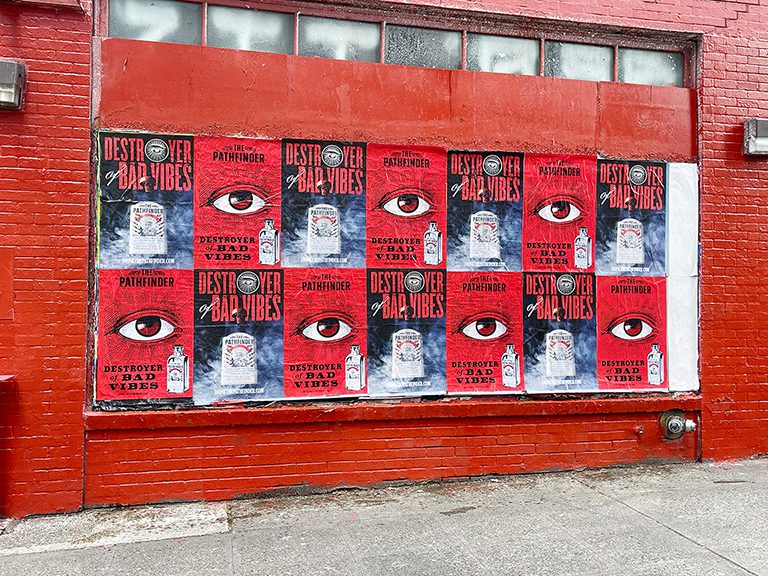
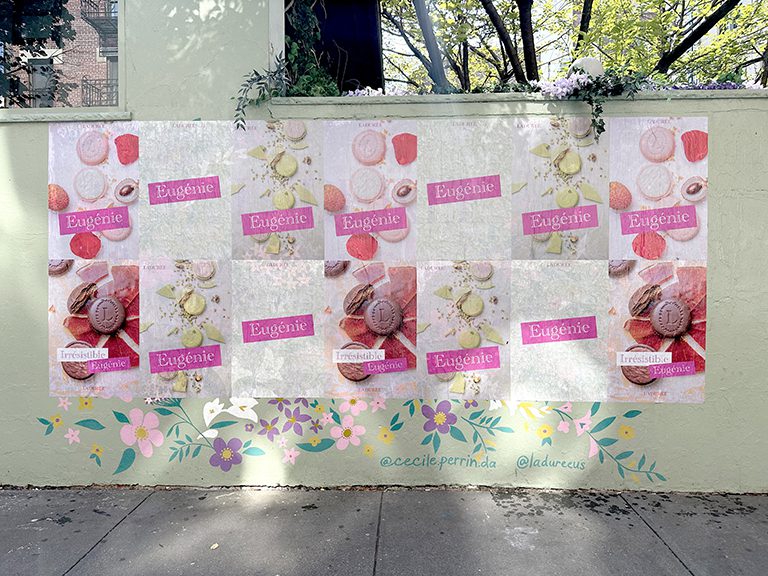
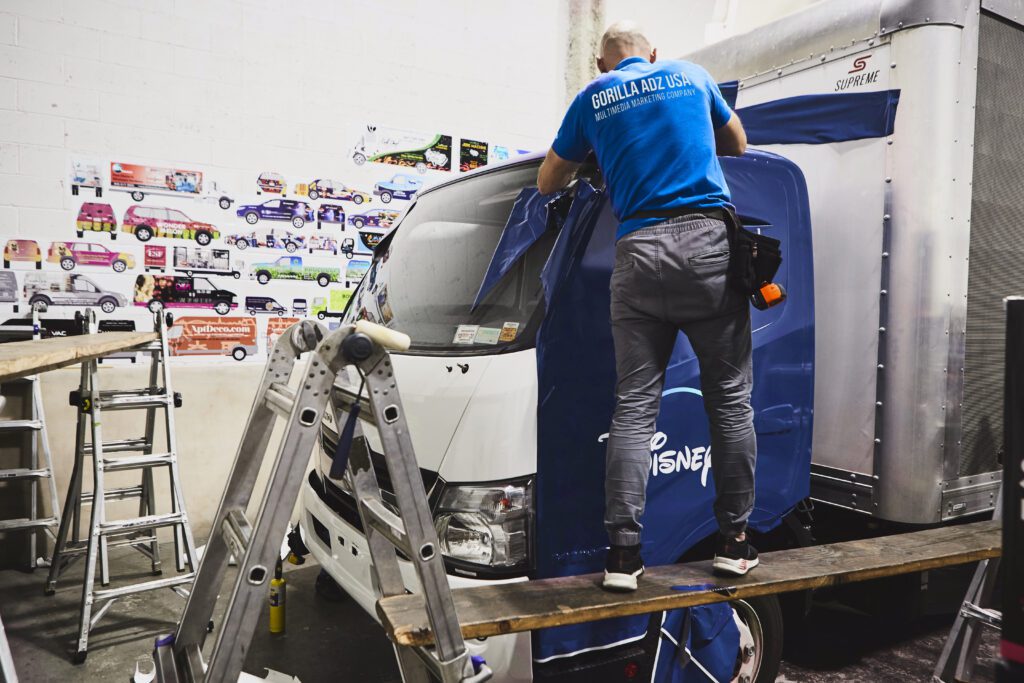
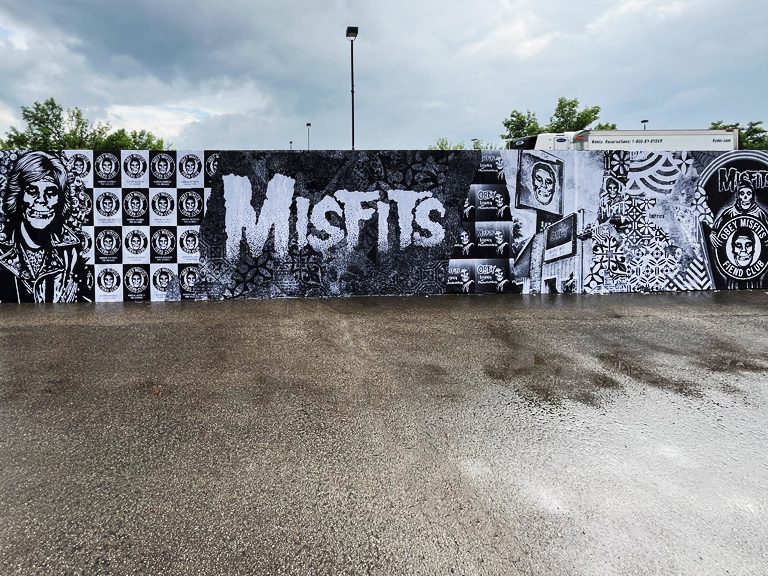
🚀 NEW WHEATPASTING MARKETS Discover our wheatpasting campaigns in : 🇬🇧 London • 🇨🇦 Canada • 🇲🇽 Mexico City

American Guerrilla Marketing

Nationwide Service

Media planning, media buying, billboard advertising, & guerrilla marketing

Fly Posting in Duluth, MN

Sidewalk Decals Advertising in Duluth, MN

Bold street posters along Lake Superior’s waterfront, through Canal Park’s tourist corridors, and across every entertainment block downtown. AGM prints, pastes, and proves it — with GPS-documented photo reports and zero subcontractors.

Why Duluth Is Built for Street Poster Advertising

Duluth occupies a singular position in the Upper Midwest advertising landscape. It is simultaneously a working port city with a gritty industrial aesthetic, a nationally recognized tourist destination anchored by Lake Superior and the Aerial Lift Bridge, and a growing arts and craft beverage hub attracting younger demographics from across the region. That combination is rare — and it creates exactly the kind of layered foot traffic that makes fly posting campaigns explode in impact.

Most brands chasing the Minnesota market pour every dollar into Minneapolis-Saint Paul. That’s a logical instinct, but it leaves Duluth wide open. Visitors flooding into Canal Park every summer weekend, college students from the University of Minnesota Duluth moving through Superior Street, craft beer tourists following the Lincoln Park Craft District trail, and arts community regulars cycling through gallery openings — all of these audiences encounter physical street-level environments before they open their phones. A fly posting campaign in Duluth catches people at the precise moment they are most physically engaged with a place.

The city’s built environment also suits the medium. Duluth’s hillside topography creates long sightlines down toward the waterfront, meaning oversized 48×72 posters placed on warehouse walls or commercial building sides can be visible from multiple blocks away. The maritime industrial palette — weathered brick, corrugated metal, raw concrete — amplifies the visual impact of bold graphic design in ways that sleek suburban retail environments simply cannot replicate. A poster that would look generic on a strip-mall wall looks genuinely commanding against the textured backdrop of a Duluth waterfront district building face.

Seasonal tourism is the other factor that distinguishes Duluth from most Minnesota markets. Summer brings families, cyclists, and outdoor enthusiasts to the Lakewalk and Canal Park in enormous numbers. Fall draws leaf-peeping travelers from across the Midwest, with October visitation rivaling summer peaks in many Canal Park corridors. Any brand whose campaign window touches late May through early November is looking at a concentrated tourism audience that has already self-selected for engagement and discovery. Fly posting speaks directly to that mindset.

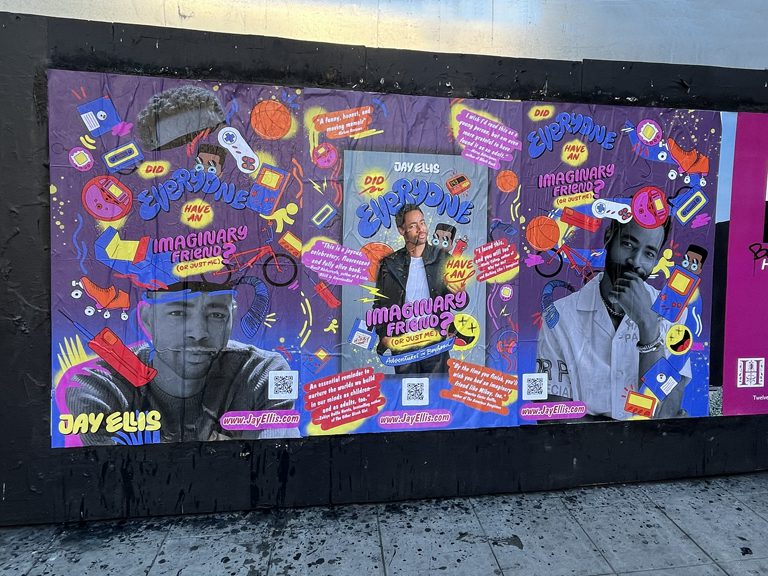
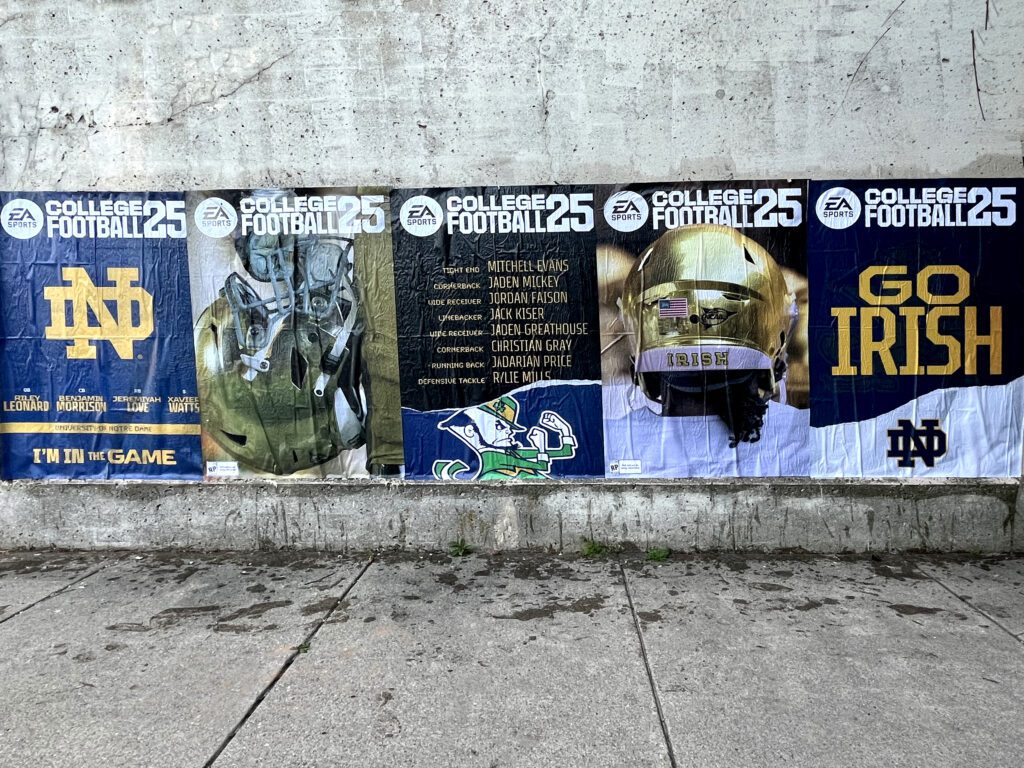
American Guerrilla Marketing has run campaigns for clients including Netflix, The Onion, EA Sports, Biossance, and Shepard Fairey. We are a Best of Brooklyn award winner with over a decade of street-level execution experience. When we work in Duluth, we bring that same operational discipline — direct printing, direct installation, GPS-tagged photo documentation — to every placement on every block.


Ready to Post in Duluth?

From Canal Park's waterfront to Lincoln Park's craft corridor, AGM puts your brand exactly where Duluth's most engaged audiences are moving. Bold posters. Precise placement. GPS-documented proof.

Browse Cities in Minnesota

Select a city to explore Fly Posting Advertising opportunities.

Duluth Fly Posting Districts: Where We Place

Every Duluth neighborhood offers a different audience profile and a different visual environment. We work across all of them. The four districts below represent the highest-density, highest-impact placement zones for most campaign objectives.

Canal Park & Waterfront District

Canal Park is Minnesota’s most-visited non-metro tourist destination, drawing millions of visitors annually to watch lake freighters pass beneath the Aerial Lift Bridge, explore the waterfront boardwalk, and move through the dense cluster of hotels, restaurants, and retail shops packed into a compact geographic footprint. That density is precisely what makes it the premiere fly posting zone in Duluth.

Summer and fall are peak seasons, but Canal Park maintains year-round foot traffic given its hotel concentration and proximity to the DECC convention center. Waterfront-adjacent building surfaces in this district benefit from the maritime backdrop — a well-designed poster placed on a lakeside structural surface becomes part of the scenery visitors are already photographing, generating organic social amplification on top of direct visual impressions.

We favor 48×72 formats in Canal Park for maximum stopping power at key intersections, supplemented by 24×36 saturation runs along pedestrian corridors feeding into the boardwalk. The combination creates a campaign presence that follows the visitor journey from parking areas through the waterfront experience and back.

Superior Street Downtown Corridor

Superior Street is Duluth’s main commercial and entertainment spine, running through the heart of downtown with a mix of independent bars and restaurants, live music venues, offices, retail shops, and institutional anchors like the Duluth Playhouse and nearby arts organizations. Unlike Canal Park, which peaks with tourist traffic in summer and fall, Superior Street runs on a more balanced calendar driven by the local population, UMD students, and regional visitors coming specifically for entertainment and dining.

The building stock along Superior Street is older and more architecturally varied than newer commercial corridors, offering a rich mix of blank walls, construction barriers, and commercial building exteriors that provide excellent poster surfaces. The walkability of this corridor means that a tight placement strategy — hitting every two to three blocks with fresh creative — creates a surround-sound effect that feels unmissable to anyone moving through downtown on foot.

Entertainment-launch campaigns, album and tour announcements, and brand awareness plays targeting Duluth’s young professional and arts community demographics all perform exceptionally well on Superior Street. The corridor also benefits from spillover to adjacent blocks around the Norshor Theatre district and the Zeitgeist Arts complex.

Duluth Arts Institute & Arts Corridors

The areas surrounding the Duluth Art Institute, Zeitgeist, and the cluster of gallery spaces and nonprofit arts organizations anchoring Duluth’s cultural life form a distinct micro-audience zone. People moving through arts corridors on opening nights, during arts walks, and during programming events are among the most receptive audiences for visually sophisticated poster campaigns — they are already primed to receive and evaluate graphic communication as a medium.

This district rewards creative boldness. Campaigns featuring strong illustration, provocative concepts, or design-forward execution that might feel too niche for a general commercial corridor land with precision impact here. Brands in music, entertainment, fashion, lifestyle, food and beverage, and creative industries benefit most from arts-corridor placements in Duluth’s cultural programming zones.

Pedestrian traffic in these zones concentrates around events and programming, so campaigns should be scheduled to align with known cultural calendar moments — arts walks, opening receptions, film screenings, and music series. AGM’s flexible scheduling supports timing placements to exactly those windows.

Lincoln Park Craft District

Lincoln Park is Duluth’s fastest-growing neighborhood from a brand and retail standpoint. Anchored by Bent Paddle Brewing, Dubh Linn Irish Pub, and a growing cluster of independent retailers, fitness studios, coffee shops, and food businesses, the district has attracted a younger demographic that skews toward discovery, local brands, and experiences over commodities. It is exactly the kind of emerging neighborhood where fly posting carries outsized credibility.

The aesthetic of Lincoln Park — a mix of renovated industrial buildings and working-class neighborhood architecture — is a natural match for the tactile, street-level character of wheatpaste campaigns. A poster in Lincoln Park doesn’t feel like advertising; it feels like part of the neighborhood’s visual identity. That blurred boundary between street art and marketing is one of fly posting’s most powerful qualities, and it operates at maximum effectiveness in districts like this one.

Brands targeting craft beverage enthusiasts, outdoor lifestyle consumers, independent music fans, and young adults with disposable income and discovery orientation should treat Lincoln Park as a primary Duluth placement zone rather than a supplementary one. We see strong engagement metrics from campaign photo documentation in this district consistently.

Poster Formats And Sizing For Duluth Campaigns

The two standard fly posting formats we run in Duluth serve different strategic functions. Choosing the right format — or combining both — is one of the most important campaign planning decisions we make with new clients.

24×36 — Corridor Saturation

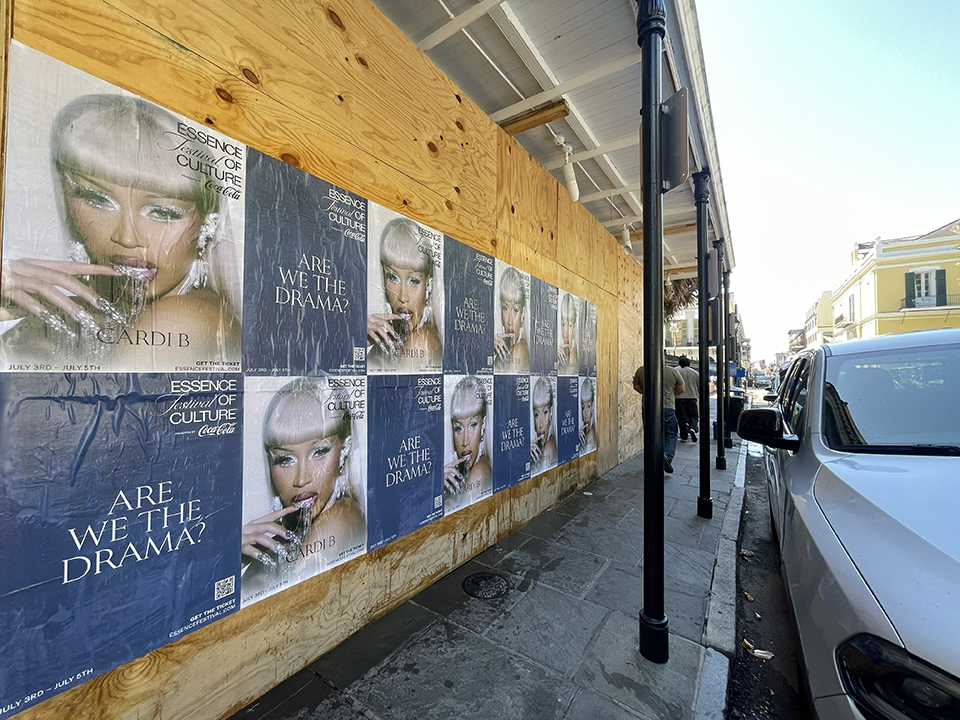
The 24×36 inch format is the workhorse of a fly posting campaign. At this size, posters can be deployed in high density across pedestrian corridors — hitting construction barriers, plywood hoarding, commercial building walls, and blank structural surfaces in rapid succession along a target district’s walking routes.

Saturation at this scale creates the “I’m seeing this everywhere” effect that drives brand recall. When a visitor to Canal Park or a regular on Superior Street sees the same design three, four, or five times in a three-block walk, the brand lands in memory in a fundamentally different way than a single large-format impression would achieve.

48×72 — Dominance Placements

The 48×72 inch format — four feet wide by six feet tall — commands attention at a scale that stops pedestrian traffic. At this size, a poster doesn’t compete with its environment; it defines it. For key intersections at Canal Park, anchor positions on Superior Street, or the most trafficked storefronts in Lincoln Park, the 48×72 delivers impact that smaller formats physically cannot.

Lake Superior’s waterfront building surfaces in particular reward this larger format. The sightline advantages of Duluth’s geography mean a 48×72 on the right wall can be visible from across a parking lot, from the boardwalk, or from a passing vehicle on the lakefront highway — multiplying impressions far beyond foot traffic alone.

Campaign duration is 1–2 weeks in standard execution. Most clients run either a single-format density play or a combined format strategy — large-format dominance at two or three anchor locations paired with 24×36 saturation across the surrounding corridor. We advise on the right mix during your consultation based on your objectives, budget, and target audience geography within Duluth.

Build Your Fly Posting Campaign

    Award Winning Personalized Service

    You will get thoughtful, devoted, and individualized attention from our experienced, qualified, and professional personnel. Being one of the most illustrious agencies in Brooklyn, New York, American Guerrilla Marketing has been awarded the Best of Brooklyn title.

    Nationwide

    Industry City, Brooklyn, New York 11232

    American Guerrilla Marketing

    +1 (646) 776-2770

    [email protected]

    Telegram: @americanguerillamarketing

    Hours

    Mon - Fri: 9 AM - 5 PM

    Sat & Sun: Closed

    Automate your campaign with AGM’s Request for Proposal Builder.

    Automate your campaign with AGM’s Request for Proposal Builder. Simply answer a few quick questions about your campaign goals, markets, and timeline, and the system will generate a tailored presentation with recommended strategies, quantities, and pricing. Click the RFP Builder to instantly receive your customized proposal.

    Duluth's Best Fly Posting Surfaces

    Duluth’s built environment offers a genuinely excellent range of poster surfaces across its core districts. Plywood construction barriers are consistently among the best — they provide a flat, stable surface that holds wheatpaste adhesive exceptionally well and appears in high-visibility locations as development activity continues in Canal Park and the Superior Street downtown corridor. We prioritize these surfaces when available because they deliver the longest-lasting impressions.

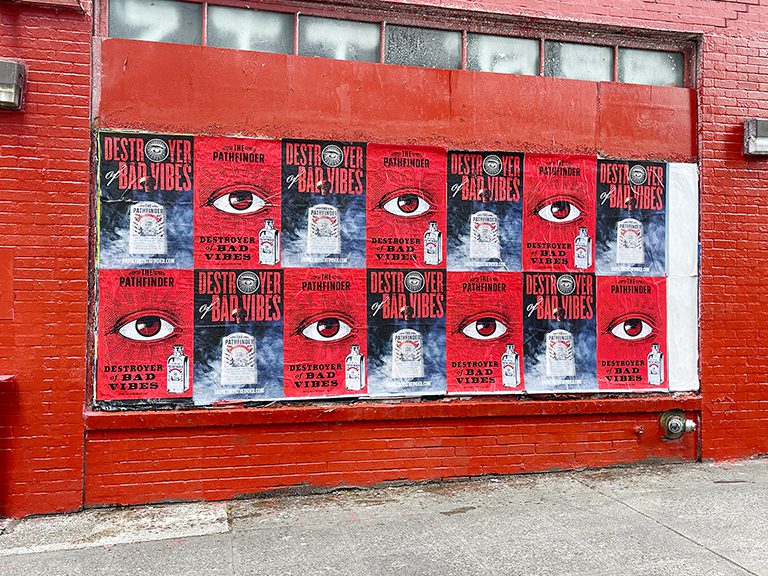
    Blank warehouse and building sides are the second major surface category in Duluth. The city’s industrial heritage has left a substantial inventory of flat-faced brick and masonry building exteriors in the waterfront-adjacent neighborhoods, Lincoln Park, and the Superior Street side streets. These surfaces carry a visual authority that purpose-built advertising panels can’t manufacture — a bold poster on a century-old brick warehouse wall communicates something about the brand placing it that a billboard never could.

    Waterfront-adjacent structural surfaces are uniquely Duluth. The proximity of commercial and light-industrial building faces to Lake Superior’s shoreline creates placement opportunities with the lake itself as a visual backdrop, visible to visitors using the Lakewalk and the Canal Park boardwalk. These surfaces are best suited to 48×72 formats given the wide open sightlines of the waterfront environment.

    Commercial building exterior walls in arts and nightlife zones — particularly around Zeitgeist, the Norshor Theatre district, and Superior Street’s entertainment corridor — round out the surface inventory. These locations benefit from concentrated evening foot traffic from entertainment-seekers, making them especially valuable for campaigns in the music, film, entertainment, food and beverage, and lifestyle categories.

    How Netflix's Wheatpaste Campaign in Miami Translates to Duluth

    When Netflix ran its large-scale street poster campaign in Miami, the strategic logic was built around a core insight: audiences in entertainment-dense urban environments are most susceptible to street-level advertising precisely because they are already in a discovery and consumption mindset when they encounter it. The campaign saturated Miami’s Wynwood, Brickell, and South Beach corridors with high-impact wheatpasted imagery, creating a dominant presence that drove streaming awareness among the city’s nightlife, arts, and tourism audiences during critical launch windows.

    The results were striking not just in raw impression counts but in the quality of the brand moment. Street-level placement in entertainment corridors creates an association between the brand and the physical experience of being out, discovering, and engaging — an association that digital advertising categorically cannot manufacture because it arrives in a disembodied context. Netflix understood that its content was competing for the same mental real estate as the physical experiences its potential subscribers were about to have. Meeting them on the street, at scale, at exactly that moment was the strategic point.

    Duluth translates this logic with precision. The Canal Park waterfront, Superior Street entertainment venues, and Lincoln Park’s craft district combine to create an entertainment-dense geography that functions similarly to Miami’s key corridors in miniature. Visitors are in a heightened discovery state. They are physically engaged with an unfamiliar or celebratory environment. They are looking at things. A campaign that places itself in front of them at this moment — printed big, pasted boldly, designed to stop — operates on exactly the same psychological logic Netflix deployed in Miami.

    The difference is scale and cost. A Duluth campaign that achieves saturation across these three districts costs a fraction of what comparable urban saturation costs in Miami. For regional brands, Minnesota-based companies, and national brands targeting the Upper Midwest tourism market, Duluth offers Miami-level strategic opportunity at a significantly more accessible investment threshold. AGM has run this playbook for clients from streaming platforms to independent musicians, and the mechanics are identical regardless of category: define the district, hit the density, time it to the moment of peak audience presence.

    How A Duluth Fly Posting Campaign Works, Start To Finish

    Clients who are new to fly posting often ask what the process actually looks like from first contact to final documentation. Here is the straightforward answer.

    1. Consultation and planning: We start with a conversation about your campaign objective, timeline, target audience, and budget. From that, we recommend district priorities, poster format, quantity, and creative direction if needed. This typically takes a single call or email exchange to nail down.
    2. Creative and production: If you have existing print-ready artwork, we move directly to production. If you need creative developed, our design team handles it at the per-design rate noted above. All artwork goes through a production review to confirm it will translate correctly to the physical format before printing.
    3. Printing: We print in-house. This means we control quality, timeline, and material selection — there is no third-party print vendor introducing delays, quality variation, or additional margin. This is a significant operational advantage over agencies that subcontract printing.
    4. Installation: Our installation crew handles all placement. In Duluth, we plan routes based on the agreed district priorities and surface availability at the time of execution. We use professional wheatpaste adhesive formulated for the surface types present in each district and weather-appropriate for execution conditions.
    5. GPS-documented photo proof: Every placement is photographed on-site and GPS-tagged. You receive a complete post-campaign photo report confirming every poster placement with location data. This documentation is standard, not optional — every Duluth campaign includes it.

    The typical Duluth campaign from contract signature to installation completion runs 7–14 days depending on creative production status and scheduling. Campaigns can be executed on compressed timelines for time-sensitive launches when required — contact us early to discuss expedited options.

    AGM Office Locations & Contact

    American Guerrilla Marketing operates from multiple offices serving clients across North America. For Duluth campaigns, our primary contact points are:

    • Brooklyn, NY (HQ): (646) 776-2770
    • Miami, FL: (305) 792-4523
    • Orlando, FL: (321) 261-0402
    • Las Vegas, NV: (702) 996-1806
    • Los Angeles, CA: (213) 328-4480

    Regardless of which office you contact, your Duluth campaign is planned and executed by the same unified team. We do not have regional franchisees or licensed operators — AGM is one company with direct operational control in every market we serve, including Duluth.

    Frequently Asked Questions: Fly Posting in Duluth, MN

    Yes, and it’s one of the most important campaign planning considerations for this market. Duluth’s prime fly posting windows are late May through October, aligned with the city’s peak tourism seasons — summer waterfront traffic and fall foliage visitation. November through April brings harsh Lake Superior winters with cold temperatures, ice, and heavy snowfall that reduce foot traffic dramatically in Canal Park and Superior Street outdoor zones. We do execute winter campaigns for clients targeting specific indoor-adjacent surfaces or for brands with audience segments that remain active year-round in Duluth’s downtown, but the impact-per-dollar ratio is strongest in the warm-weather window. If your campaign has schedule flexibility, plan for late June through early October for maximum audience exposure.

    Volume and velocity of visitor turnover. Canal Park processes an enormous number of tourists in a compressed geographic footprint — particularly in summer, when peak-day foot traffic rivals that of major urban entertainment districts. Crucially, a large proportion of Canal Park visitors are from out of town, which means fresh eyes on every placement, day after day, throughout a campaign’s run. Repeat local exposure is valuable, but tourist-dense zones add an entirely different impression dynamic. A poster in Canal Park seen by 10,000 people over two weeks may be seen by 8,000 unique first-time viewers versus 2,000 repeat local encounters — that ratio is dramatically different from an interior-city neighborhood without the tourism draw.

    Absolutely, and event-timed campaigns are among the highest-performing executions in any market, including Duluth. Events like Bayfront Blues Festival, Grandma’s Marathon, Homegrown Music Festival, and the Tall Ships festival dramatically concentrate audience density in specific geographic zones on predictable dates. Planning a fly posting installation to land 3–5 days before a major event and remain up through its conclusion maximizes impressions at peak audience concentration. We schedule installations around known event calendars regularly — just give us the event date and the audience profile and we’ll build the campaign around it.

    Fly posting on private property with landowner permission is legal and the standard operating model for professional campaigns. AGM works within permitted placement frameworks — we do not post on public property, public utilities, or city-owned surfaces without proper authorization. The surfaces we work with in Duluth are privately owned building faces, plywood construction barriers, and commercial property walls where the property owner has consented to placement. This is how every AGM campaign in every market is executed, and it’s part of why we are able to document and stand behind every placement in our photo proof reports.

    We actively advise clients on creative direction that works with rather than against the visual environment of their chosen district. In Duluth, the maritime industrial backdrop — weathered brick, raw steel, Lake Superior blue on the horizon — rewards bold graphic design with strong contrast and confident typography. Pastels and delicate fine-line illustration tend to disappear against industrial building faces. High-contrast imagery with bold type, strong silhouettes, and confident color palettes land with authority. If you’re developing creative for a Duluth campaign, we’ll flag anything we think will underperform in the physical environment and suggest adjustments before printing.

    Several things, all of which matter strategically. Billboards in the Duluth market are fixed, expensive, and almost exclusively consumed from vehicles. Fly posting operates at pedestrian scale in the zones where Duluth’s highest-value audiences — tourists, arts community members, entertainment-seekers, craft district visitors — are moving on foot. The tactile, handmade quality of a wheatpasted poster also communicates differently than a backlit billboard panel: it signals cultural authenticity, street credibility, and creative confidence that a static billboard cannot transmit. For brands whose equity is built on those associations, fly posting isn’t a substitute for a billboard — it’s a superior medium for a different kind of brand communication.

    For a single-district campaign targeting one of the four primary zones — Canal Park, Superior Street, Arts Corridors, or Lincoln Park — 100 posters in 24×36 format creates solid saturation. If you want cross-district presence that registers clearly in two or more neighborhoods simultaneously, 200 posters allows effective coverage across multiple zones. For a city of Duluth’s scale, this quantity achieves what would require thousands of placements in a major metro. The compact, walkable geography of Duluth’s core districts means poster density translates to audience impressions efficiently — you’re covering a smaller physical area with each placement serving a higher repeat-exposure value to the pedestrians moving through it.

    Lincoln Park’s raw foot traffic numbers are lower than Canal Park or Superior Street, but the audience quality dynamic is completely different. The craft district draws a highly self-selected demographic — people who have specifically sought out the neighborhood for its brewery experiences, independent retail, and local character. This audience is discovery-oriented, brand-aware, and genuinely engaged with the physical environment they’re in. A poster in Lincoln Park has a higher probability of being meaningfully absorbed by each viewer than a poster in a higher-traffic but lower-attention environment. For brands targeting the 25-40 craft beverage and independent-lifestyle demographic, Lincoln Park often delivers better return per impression than higher-traffic alternatives.

    Yes, and this is an increasingly common configuration for AGM clients. Duluth pairs well with Minneapolis-Saint Paul as a secondary market that adds regional reach, demographic diversity (Duluth skews younger and more tourism-heavy than the suburban Twin Cities), and the differentiated visual identity of the Lake Superior market. For a national brand running a Minnesota-wide campaign, Duluth provides the north shore and regional tourism audience that the Twin Cities metro cannot deliver. We coordinate multi-city execution across all our markets, and adding Duluth to a Minnesota plan typically involves a straightforward timeline alignment between our Twin Cities network and our Duluth execution team.

    Wheatpaste posters naturally weather and fade over time on outdoor surfaces. After the standard 1–2 week campaign window, posters begin to break down through normal exposure to the elements — rain, wind, UV, and temperature changes in Duluth’s outdoor environment accelerate this process. This natural cycle means there’s no cleanup requirement on your end. We document every placement at installation, and we can schedule a post-campaign site visit to confirm the end state of placements if that’s useful for your reporting requirements. New placements by subsequent campaigns or natural weathering cycles clear surfaces over time as part of the normal outdoor advertising lifecycle.

    For standard campaigns with existing print-ready artwork, two to three weeks lead time is sufficient. For campaigns requiring creative development from scratch, plan for four to six weeks to allow proper time for design, review, revisions, and production. If your campaign is tied to a specific Duluth event date, count backward from that event and add a week — event-adjacent campaigns book faster because multiple clients often want the same peak-traffic windows. Summer campaigns in particular benefit from early booking since Canal Park’s tourist season is concentrated and high-demand. Contact us as early as your campaign timeline allows; we can hold a target installation window while artwork development is still in progress.

    Browse All States

    Explore Fly Posting Advertising opportunities across the United States.

    No locations found

    American Guerrilla Marketing Blog Posts