American Guerrilla Marketing
Nationwide Service
Media planning, media buying, billboard advertising, & guerrilla marketing
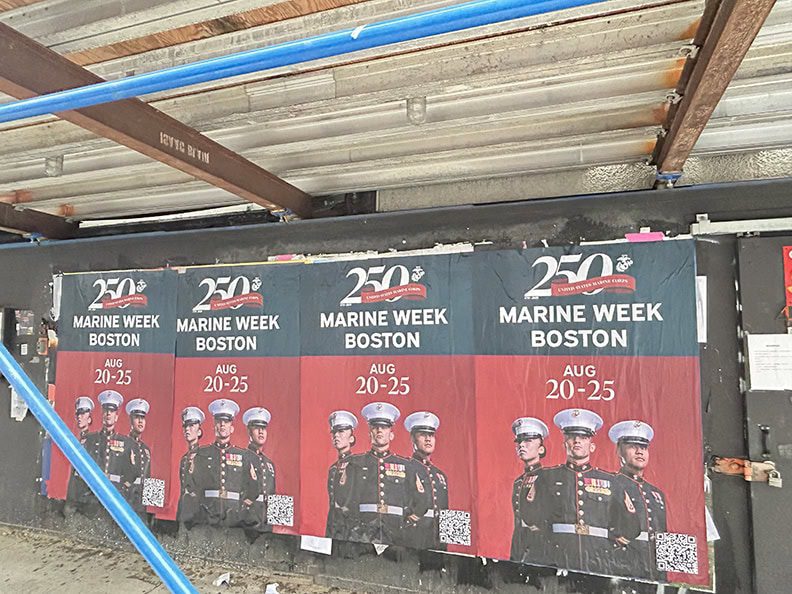
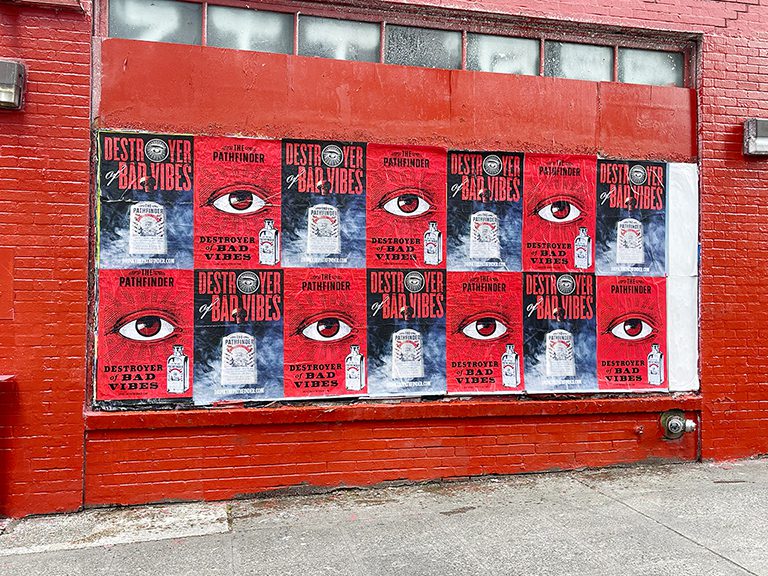
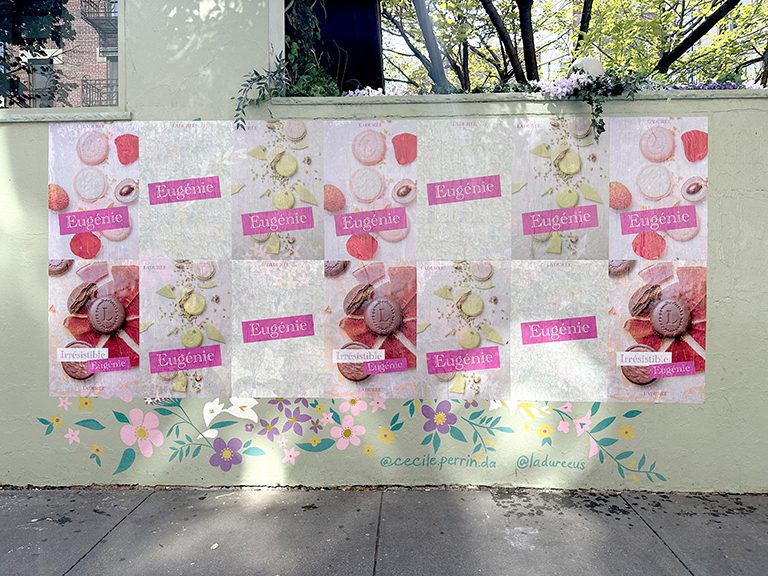
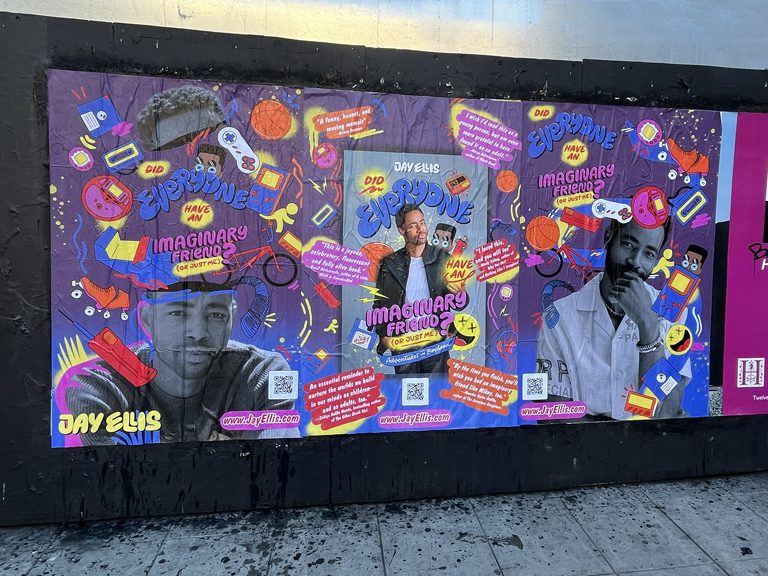
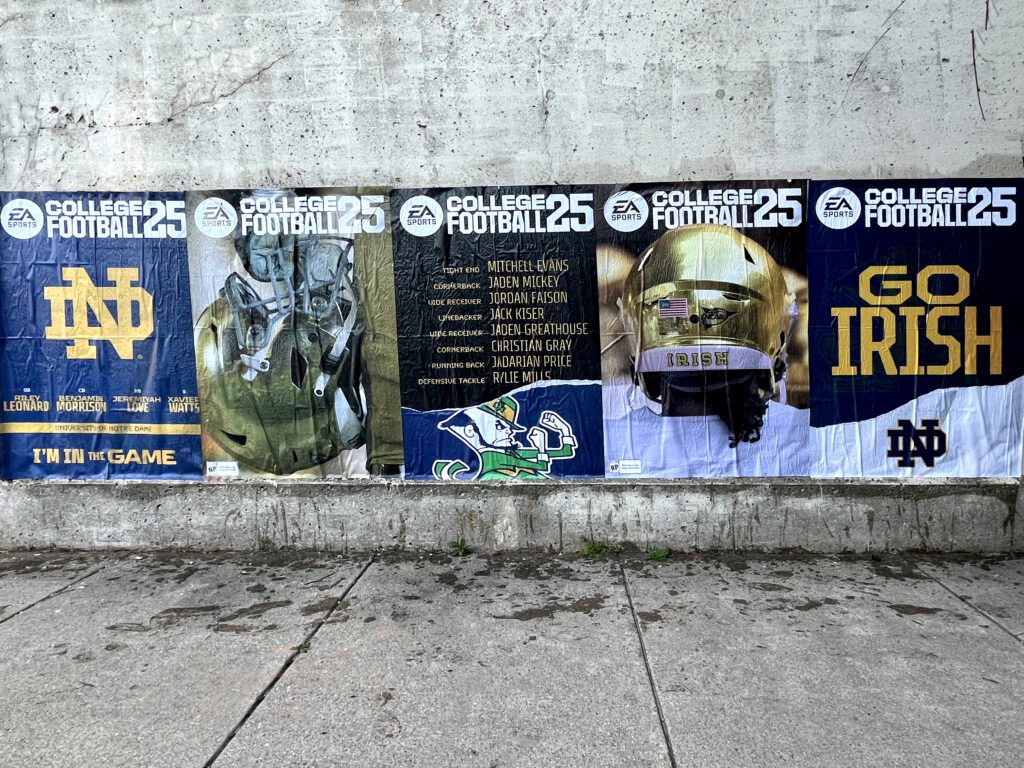
From the Fairfax streetwear corridor to the Arts District’s warehouse walls — AGM executes wheatpasting and street poster campaigns in the neighborhoods where LA’s creative, fashion, and entertainment audiences live, shop, and move.
The stretch of North Fairfax Avenue between Melrose and Beverly operates on a logic that most advertising strategists spend entire careers trying to engineer in other markets. A streetwear brand can announce a drop with forty-eight hours of notice, and by 6 AM on release morning, the queue wrapped around the block will include buyers who drove from San Diego, flew in from Phoenix, and walked over from their apartments two blocks east. This isn’t a retail corridor in the conventional sense — it’s a cultural institution with a geographic address, and the premium attached to being on those blocks, on those walls, on those construction barriers, is something that no digital media placement can manufacture from the outside.
Fly posting in Los Angeles works because the Fairfax District isn’t an isolated anomaly. The same dynamic — creative young adults treating a neighborhood as a defining marker of their cultural identity — replicates itself across the city in ways that give brand campaigns an unusually wide geographic canvas to work with. Silver Lake’s vinyl shop and specialty coffee corridor along Sunset Boulevard sustains a resident creative and musician demographic that treats the neighborhood’s visual landscape as an extension of its identity. Echo Park’s festival arts community clusters around Teragram Ballroom and the live venues on Glendale Boulevard. The Arts District in DTLA has given raw warehouse walls on Traction Avenue and Alameda Street a second life as a permanent exhibition surface for whoever got there first. Venice Boardwalk functions as a compressed version of everything Los Angeles does simultaneously — tourist volume, local culture, brand-aware audiences from eighteen to forty-five, all in a half-mile coastal corridor.
Wheatpasting campaigns in Los Angeles reach the creative professionals, musicians, fashion-forward young adults, and tastemakers who drive cultural conversations nationally. What they buy, what they photograph, what they post — that behavior begins in these neighborhoods, on these streets, with exactly this kind of eye-level advertising. AGM’s Los Angeles office at 611 Wilshire Blvd, Suite 900, Los Angeles, CA 90017 — reachable at (213) 328-4480 — manages every campaign in the market from strategy and neighborhood mapping through print production, installation, and GPS-documented photo delivery.
AGM executes street poster and wheatpasting campaigns across the Fairfax corridor, Silver Lake, Echo Park, Venice Boardwalk, the Arts District, Koreatown, and beyond. Direct execution, GPS-documented reporting, environmentally responsible wheat-based adhesive.
Select a city to explore Fly Posting Advertising opportunities.
Supreme. Kith. Pleasures. Hundreds of independent boutiques occupying every storefront between Fairfax and La Brea on Melrose Avenue. The Melrose/Fairfax corridor draws a 20-32 demographic that doesn’t just shop here — it treats the neighborhood as a primary social and cultural destination. Weekend foot traffic on North Fairfax peaks on Saturdays when drops are announced, when the Fairfax Farmers Market draws the brunch crowd, and when the boutique windows are cycling new product. Fly posting here places a brand squarely in the sightline of that audience during its highest-engagement street moments. Construction plywood on active building projects along Melrose, blank warehouse walls on the alley-facing sides of buildings on Fairfax, and fence lines along utility corridors provide abundant surface area for campaigns targeting this corridor. The 20-32 streetwear and fashion demographic here is visually literate, brand-aware, and specifically conditioned to pay attention to what appears on the walls of the neighborhood — because those walls have historically been the first place they’ve seen things before they went mainstream. For streetwear drops, fashion brand launches, album releases, and consumer goods activations targeting the creative young adult demographic, no other Los Angeles neighborhood delivers a more concentrated audience per block.
Silver Lake’s character is shaped by the tension between its hillside residential identity and its flat-street commercial corridor along Sunset Boulevard. The independent record shops, specialty coffee roasters, vintage furniture dealers, and boutique wine bars that line Sunset between Hyperion and Silver Lake Boulevard attract a resident creative and musician demographic — people who work in music, film, design, and adjacent industries — that makes the neighborhood one of the most brand-responsive audiences in Los Angeles. Utility structures throughout the Sunset corridor, blank facade sections on the mixed commercial and residential buildings along Sunset and Hyperion, and construction barriers on new infill projects provide consistent poster surfaces through the neighborhood’s most active pedestrian zones. Fly posting in Silver Lake reaches the tastemaker tier that drives word-of-mouth in the music and creative industries — the people who tell the next tier what to pay attention to. For vinyl releases, streaming series launches, independent fashion labels, and craft beverage brands, Silver Lake’s walkable Sunset corridor is an exceptionally high-return placement zone with a concentrated audience that amplifies what it discovers through social and professional networks.
Echo Park operates at the intersection of gentrification’s leading edge and a deeply entrenched arts community that has defined the neighborhood for decades. The result is a mixed demographic — longtime residents, transplant creatives, musicians, festival-goers, and artists — that gives street poster campaigns an unusual breadth of audience while maintaining a strong arts and independent culture orientation. Teragram Ballroom on Wilshire anchors an entertainment ecosystem that extends through the bars and music venues on Sunset Boulevard near the lake and the cluster of independent shops and cafes on Alvarado Street. The proximity to multiple mid-size music venues makes Echo Park a natural target for tour marketing campaigns, music release activations, and festival promotions in the weeks leading up to Los Angeles show dates. Blank surfaces throughout the neighborhood — utility structures on Glendale Boulevard, fence lines adjacent to the park, and construction barriers on the newer residential developments — offer plentiful fly posting positions with good pedestrian visibility from the Sunset and Alvarado foot traffic corridors. The demographic here skews 22-35, with a strong arts and independent music orientation that responds well to campaigns with genuine creative credibility.
The Venice Boardwalk corridor functions as a compressed, intensified version of Los Angeles’s brand-exposure potential — extreme summer foot traffic, a genuine blend of brand-aware locals and culturally engaged tourists, and an ocean-facing visibility corridor that concentrates pedestrian movement into a linear zone with nowhere else to look. Summer weekends on Ocean Front Walk between Venice Boulevard and Rose Avenue generate foot traffic volumes that rival any pedestrian corridor in the city. The demographic blend includes both the local Venice and Mar Vista young adult community and the tourist audience drawn by the boardwalk’s reputation — a mix that skews toward outdoor recreation, wellness, independent brands, and experiential consumer culture. Fly posting in Venice is particularly effective for campaigns that benefit from extended single-surface exposure — the boardwalk’s linear structure means pedestrians walk past placements repeatedly rather than encountering them once and moving on. For brands in the outdoor, lifestyle, wellness, beach culture, and experiential space, Venice Boardwalk campaigns paired with wheat paste on the concrete barrier structures and fence lines along the boardwalk perimeter create an immersive brand environment that complements digital experiential activations in the area.
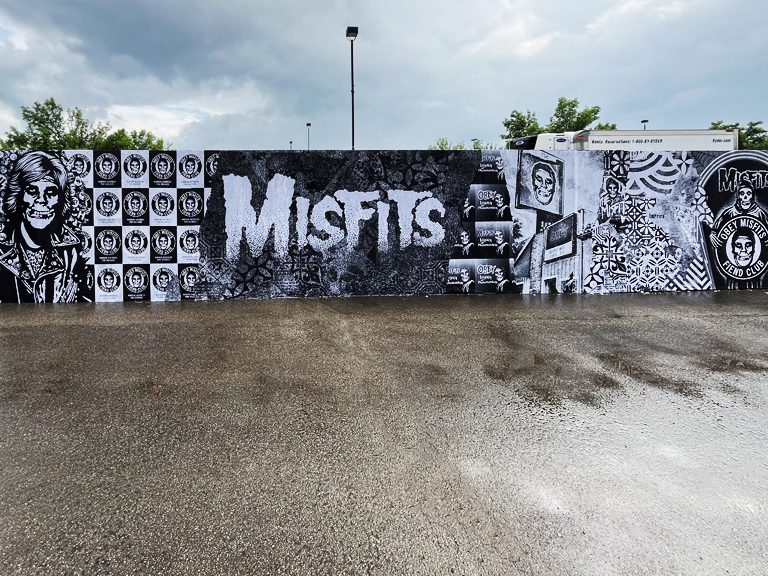
The Arts District in Downtown Los Angeles is where the largest, most visually dominant fly posting placements in the city live. Raw warehouse walls on Traction Avenue, Alameda Street, and the alley corridors between the old industrial buildings offer the kind of uninterrupted concrete and brick facade that makes 48×72 large-format wheat paste campaigns genuinely spectacular. The Arts District has undergone transformation over the past decade from light industrial use to a dense creative professional neighborhood anchored by gallery spaces, design studios, architecture firms, high-end restaurant and bar openings, and retail concepts like the Hauser & Wirth gallery complex. First Fridays bring concentrated foot traffic from across the broader city into the Arts District’s gallery corridors, exposing campaigns to audiences that don’t otherwise walk these blocks. The tech-and-creative professional overlap — the demographic that works at a tech firm in Playa Vista but comes to the Arts District for dinner, gallery openings, and weekend brunch — is the exact 26-38 target for consumer tech, entertainment, and premium lifestyle brand campaigns. Large-format placements on Arts District warehouse walls achieve a visual authority that smaller formats can’t match, and the neighborhood’s gallery-going audience is primed to engage with visual content at that scale.
Koreatown is the 24-hour corridor — the Los Angeles neighborhood that doesn’t turn off. Wilshire Boulevard and 6th Street through Koreatown sustain nightlife, late-night dining, karaoke venues, and entertainment activity well past the hours when other LA neighborhoods have gone quiet, and the residential density of the surrounding blocks is among the highest in the city. The demographic is multilingual, young, entertainment-aware, and concentrated — Koreatown’s apartment buildings house tens of thousands of residents within a few walkable blocks of the Wilshire and 6th Street commercial spine. The entertainment venue density through this corridor — from the concert-capable clubs on 6th to the Olympic Blvd performance spaces — makes Koreatown an excellent target for music, entertainment, and nightlife brand campaigns that need to reach audiences already oriented toward discovery and evening activity. Street posters on utility structures, fence lines along the residential side streets, and blank wall sections throughout the Wilshire and 6th Street corridors are exposed to both the daily commuter and shopping traffic on Wilshire and the late-night entertainment crowd that animates Koreatown after dark. For brands in the gaming, music, entertainment, and nightlife categories, Koreatown delivers impression volume across a longer daily window than most other Los Angeles neighborhoods.
When Biossance launched their “Illuminate Your World” campaign across beauty and wellness corridors in Los Angeles and New York, AGM combined large-format wheat paste with sidewalk stencil placements in the specific neighborhoods where Biossance’s target consumer — health-conscious, beauty-aware, brand-literate women in their late 20s to early 40s — was most concentrated in both cities. In Los Angeles, the campaign activated corridors in the Melrose and Silver Lake zones, where the intersection of wellness retail, independent coffee culture, and boutique fitness creates a daily pedestrian environment dense with precisely that demographic.
The wheat paste component built brand presence at the street and building-facade level, creating billboard-scale impressions at eye level along the pedestrian corridors where Biossance’s core consumer walks as part of her daily routine. The sidewalk stencil placements extended the campaign’s footprint into the physical experience of walking the corridor itself, creating a brand environment — something you move through — rather than a single isolated placement you pass and forget. The effect was a campaign that generated earned social media coverage from exactly the beauty and wellness influencer tier that brands in that category most need to activate. Creators photographed both elements, shared them with audiences that matched Biossance’s target profile, and extended the campaign’s effective reach well beyond the physical corridors where AGM installed it. The Los Angeles market, with its concentration of beauty and wellness content creators in Silver Lake, Melrose, and the WeHo corridor, amplified the street-level execution in ways the digital portion of the campaign alone couldn’t have achieved.
The Biossance activation is a template that applies across categories. Any brand whose target consumer moves through Los Angeles’s fashion, wellness, or creative corridors as part of her daily routine — and whose product benefits from being seen in a cultural context rather than a pure commercial one — can execute the same model. The physical world campaign creates the cultural context; the social amplification that follows is the earned media layer that transforms a street poster investment into a multi-channel brand moment.
Award Winning Personalized Service
You will get thoughtful, devoted, and individualized attention from our experienced, qualified, and professional personnel. Being one of the most illustrious agencies in Brooklyn, New York, American Guerrilla Marketing has been awarded the Best of Brooklyn title.
Nationwide
Industry City, Brooklyn, New York 11232
American Guerrilla Marketing
Hours
Mon - Fri: 9 AM - 5 PM
Sat & Sun: Closed
Automate your campaign with AGM’s Request for Proposal Builder. Simply answer a few quick questions about your campaign goals, markets, and timeline, and the system will generate a tailored presentation with recommended strategies, quantities, and pricing. Click the RFP Builder to instantly receive your customized proposal.
Los Angeles’s physical landscape offers two distinct deployment strategies depending on which neighborhoods a campaign targets and what visual effect the brand is trying to achieve. In high-density streetwear and fashion corridors like Melrose/Fairfax, the 24×36 standard format provides the density needed to surround the audience — building saturation over a few key blocks so that the campaign becomes an inescapable part of the neighborhood’s visual environment during the activation window. Multiple creatives running at the 24×36 scale in adjacent positions create the impression of a campaign that owns the block, which is exactly the signal that streetwear and fashion brands need to send in a market this competitive.
In the Arts District and on Venice Boardwalk’s concrete structures, the 48×72 large-format wheat paste is the right tool. Arts District warehouse walls are enormous — some of the building facades on Traction Avenue and the Alameda corridor stretch forty feet or more of uninterrupted surface — and a 24×36 poster on a surface that large reads as small and tentative. A 48×72 placement on those walls commands the space appropriately, creating the kind of dominant visual presence that entertainment releases, major tech product launches, and high-production fashion campaigns require. For campaigns pairing large-format impact with density coverage, AGM can deploy both formats across different neighborhoods within the same Los Angeles campaign, assigning each size to the environment where it performs best.
100 posters — contact us for pricing
200 posters — contact us for pricing
Extra creative: contact us for pricing
The workhorse for Los Angeles density campaigns. Ideal for saturation along the Melrose/Fairfax corridor, multi-block coverage in Silver Lake and Echo Park, and high-frequency neighborhood blanketing in Koreatown’s residential and nightlife zones. Multiple creatives available. 72-hour rush production up to 500 quantity for entertainment release windows with compressed timelines.
100 posters — contact us for pricing
200 posters — contact us for pricing
Extra creative: contact us for pricing
Built for the Arts District’s warehouse walls, Venice Boardwalk’s concrete barrier structures, and any Los Angeles surface where visual authority matters more than coverage count. The format that turns a single placement into a landmark-scale brand statement. Exceptional for entertainment releases, premium fashion campaigns, and tech product launches where one bold placement drives more impact than twenty smaller ones.
Every Los Angeles fly posting campaign begins with neighborhood mapping specific to the brand’s target demographic, campaign objectives, and timing. AGM’s Los Angeles team — working out of 611 Wilshire Blvd, Suite 900 — knows the surface availability, foot traffic patterns, and pedestrian peak windows for each of the city’s active posting neighborhoods. The Fairfax District’s construction barriers turn over as building projects progress, creating new posting surfaces on a rolling basis. The Arts District’s warehouse wall inventory shifts as buildings change tenants and new development comes in. Silver Lake’s utility structures along Sunset have consistent availability but require attention to competing brand activity in the corridor. AGM’s team tracks all of this and maps each campaign around the specific surface inventory available at time of installation.
After neighborhood and surface mapping, AGM manages print production entirely in-house — heavy-weight paper stock engineered for outdoor adhesive application, with inks and coatings selected for Los Angeles’s climate range, from coastal marine humidity near Venice to the drier heat of Koreatown and DTLA in summer. Wheat paste is prepared and applied by AGM’s installation crews using the wheat-based adhesive formulation that holds through Los Angeles’s climate conditions while remaining pressure-wash removable from standard poster surfaces. The adhesive is environmentally responsible and leaves no permanent residue — a consideration that matters in neighborhoods with active property management and community street-care programs.
At campaign close, AGM delivers a comprehensive GPS-documented photo reporting package with timestamped installation photography at each placement point. Every poster’s location is recorded with GPS coordinates, giving clients a verifiable audit trail of campaign execution that they can present to internal stakeholders, media agency partners, or brand team members who weren’t physically present in Los Angeles during the installation window. This reporting standard — GPS coordinates, timestamp, visual confirmation — is what distinguishes AGM’s documentation from the informal check-in photos that many street media vendors provide.
Los Angeles’s concentration of entertainment, fashion, music, and tech industry activity means that the brands running fly posting campaigns here span a wider range of sectors than in almost any other American market. Entertainment and streaming companies use fly posting in the Fairfax, Silver Lake, and Arts District corridors as an ongoing channel for release marketing, treating it as a baseline component of the Los Angeles launch activation strategy for originals and high-priority title renewals. The entertainment press, the influencer tier, and the creative industry insiders who shape broader cultural opinion all move through these neighborhoods — and they’re exactly the audiences that streaming platforms need to reach before a title builds general market awareness.
Streetwear and fashion brands — both established labels with retail presence in the Fairfax District and emerging brands building initial Los Angeles market awareness — use fly posting as the most direct way to place their visual identity inside the physical environment where their core consumer is already engaged. A streetwear brand that can afford a single 24×36 campaign run of 100 posters in the Fairfax/Melrose corridor has access to an audience quality and a cultural context that no digital ad placement, regardless of targeting sophistication, can replicate. The physical presence of the poster — on the same walls where the audience has been discovering new brands for years — carries an implicit cultural endorsement that manufactured digital reach cannot.
Music labels and independent artists use fly posting in Los Angeles for tour date promotion, album release windows, and artist announcement campaigns timed to coincide with Los Angeles show dates at venues from the Palladium to the Greek Theatre to Teragram Ballroom. Consumer tech companies targeting the creative professional demographic in DTLA’s Arts District and Silver Lake use wheatpasting campaigns for pre-launch buzz in the weeks before a product’s general market release. Health and wellness brands with target consumers in the Silver Lake and Melrose wellness corridor use fly posting to build brand presence in the physical spaces those consumers inhabit daily.
The Melrose/Fairfax corridor generates some of the highest per-block impression volumes in Los Angeles given its extreme weekend foot traffic density from streetwear shoppers and cultural tourists. Koreatown’s 24-hour active corridor on Wilshire and 6th produces consistent weekday and late-night impressions across a dense residential audience. The Arts District on weekends — particularly during First Fridays — concentrates a large and engaged audience into a relatively compact geographic zone. Venice Boardwalk generates the highest single-day impression volumes in summer, when weekend foot traffic along Ocean Front Walk reaches its annual peak. Silver Lake and Echo Park deliver strong daily cumulative impressions from resident foot traffic along Sunset Boulevard and Alvarado Street throughout the campaign window.
Streetwear drops in Los Angeles rely on cultural signals as much as product announcements — and the Fairfax/Melrose corridor is the single most culturally loaded block in the country for communicating that a brand is in the conversation. Fly posting in that corridor in the 48-72 hours before a drop or a collaboration announcement places the brand’s visual identity on the walls where the target audience is most concentrated, most culturally engaged, and most attentive to new information. Street poster advertising in Los Angeles for streetwear functions as both announcement and cultural endorsement — the medium itself signals that the brand belongs in the same physical space as the labels that define the category.
The Melrose/Fairfax corridor’s distinguishing characteristic is the quality of attention its pedestrian audience brings to the street. People walking North Fairfax between Melrose and Beverly are specifically there to discover things — new drops, new labels, new visual signals from the brands they follow. They’re not passing through; they’re looking. That kind of active, deliberate visual engagement from a concentrated demographic is genuinely unusual and explains why streetwear and fashion brands treat fly posting on these blocks as a core launch channel rather than a supplemental one. The surface availability is also favorable — construction plywood on active projects along Melrose, blank warehouse wall sections in the alleys and back facades, and fence lines along utility corridors throughout the neighborhood.
Music industry campaigns in Los Angeles use fly posting to build physical-world awareness in the neighborhoods where the artist’s core audience lives, works, and socializes. For an album drop or a tour announcement, AGM targets Silver Lake, Echo Park, and Koreatown for indie and alternative releases — neighborhoods with strong music venue proximity and resident musician demographics. For hip-hop, R&B, and pop campaigns, the Fairfax corridor and DTLA’s Arts District reach the younger streetwear-adjacent audience that overlaps heavily with those genres’ core listeners. Campaigns timed to Los Angeles show dates — placing posters 1-2 weeks before a Palladium or Greek Theatre date — generate street-level awareness during the exact window when ticket purchase decisions are being made by the local audience.
The 48×72 large-format wheat paste is the right choice for the Arts District’s primary surfaces. The warehouse walls along Traction Avenue, Alameda Street, and the loading dock corridors in DTLA’s Arts District are architectural-scale surfaces — many span 30-50 feet of uninterrupted width — and a 24×36 poster reads as visually undersized on them. The 48×72 format commands those walls in a way that’s proportionally appropriate and creates the dominant visual presence that Arts District campaigns require. For brands running multi-format campaigns, AGM typically places 48×72 large-format on the Arts District’s warehouse walls and 24×36 on the smaller surfaces throughout Silver Lake, Koreatown, and Echo Park within the same activation.
Venice Boardwalk fly posting is most effective for brands whose target audience overlaps with the outdoor recreation, lifestyle, wellness, and beach culture demographic that dominates the boardwalk’s audience composition. Summer campaigns benefit from the extremely high foot traffic volumes along Ocean Front Walk, where weekends can generate some of the highest single-corridor pedestrian counts in Los Angeles. The boardwalk’s linear structure means that pedestrians moving from Rose Avenue south to Venice Boulevard pass poster placements repeatedly — multiple impressions per visit rather than a single passing glance. AGM places on the concrete barrier structures, fence lines, and blank wall sections along the boardwalk perimeter that offer good sightline visibility from the pedestrian flow.
Multi-neighborhood Los Angeles campaigns are a standard AGM execution. Once the campaign brief and creative are approved, AGM maps target surfaces across each specified neighborhood, schedules installation crews to cover all zones within the same 24-48 hour window, and documents each placement with GPS-tagged photography before moving to the next. The result is a campaign that appears across the Fairfax corridor, Silver Lake, Koreatown, and the Arts District within a single day or two — creating the impression of simultaneous market presence across Los Angeles’s most active cultural neighborhoods. Clients receive a unified reporting package covering all installation points across every neighborhood in the campaign.
Los Angeles’s climate is favorable for fly posting year-round, with the driest and most poster-friendly conditions occurring in late spring through fall. Summer generates the highest foot traffic volumes on Venice Boardwalk and in outdoor pedestrian corridors throughout the city. The period from September through November — after the summer heat breaks but before the rare winter rain events — combines favorable poster retention conditions with the strong foot traffic of Los Angeles’s fall entertainment season, when film festivals, album cycles, and streetwear brand calendars all converge. AGM’s installation crews manage adhesive application to account for any seasonal humidity or temperature variation across the campaign window.
Los Angeles’s fashion calendar generates multiple activation windows throughout the year — LA Fashion Week, major brand collaboration announcements, seasonal collection drops — and fly posting is the channel that reaches the fashion and streetwear audience at street level before those events generate broader press coverage. In the Melrose/Fairfax corridor, fly posting in advance of a fashion activation places the brand’s visual identity on the walls where the style-conscious 20-35 demographic that attends those events already moves daily. For brands running events in DTLA venues or gallery spaces, Arts District fly posting in the week before the event creates ambient awareness among the neighborhood’s creative professional community that translates into attendance and social coverage from the right tier of creators.
Koreatown is one of AGM’s most consistent Los Angeles neighborhoods for fly posting because its combination of extreme residential density, 24-hour active foot traffic, and entertainment venue concentration creates impression volumes that compare favorably with corridors that have a higher profile. The Wilshire Boulevard and 6th Street commercial spines stay active late into the night — well past the hours when other LA neighborhoods have quieted — which extends the daily impression window for poster placements throughout the corridor. The dense residential population immediately surrounding the commercial blocks means that local residents are exposed to campaign placements repeatedly throughout the campaign window, building awareness through cumulative impression frequency rather than single-contact reach.
The Best of Brooklyn recognition reflects AGM’s standard of execution — the quality of installation, the rigor of neighborhood targeting, the consistency of GPS-documented reporting, and the environmental responsibility of the wheat-based adhesive formulation — rather than a geographic limitation. Those same standards apply to every AGM campaign, including those executed in Los Angeles, San Francisco, San Diego, and San Jose. For Los Angeles clients, it means working with an agency whose execution quality has been externally recognized, whose campaigns are fully documented and accountable, and whose installation crews are held to the same standard of care and precision that earned that recognition in the first place.