American Guerrilla Marketing
Nationwide Service
Media planning, media buying, billboard advertising, & guerrilla marketing
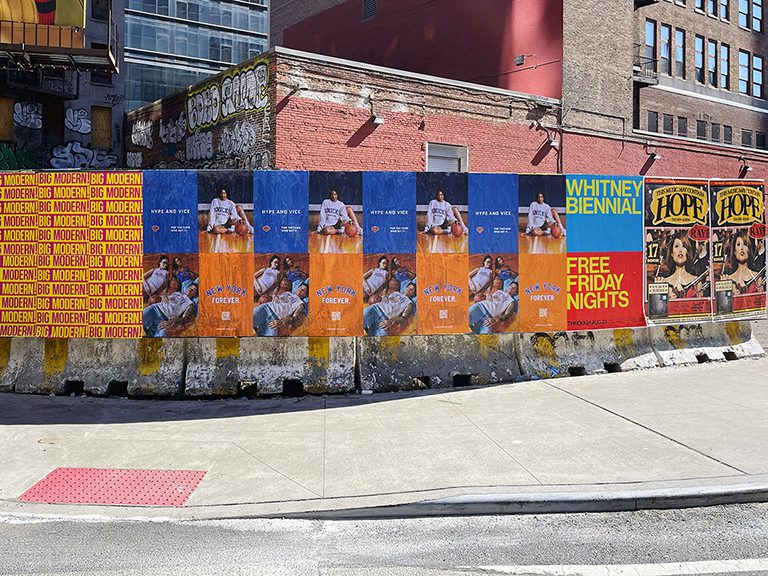
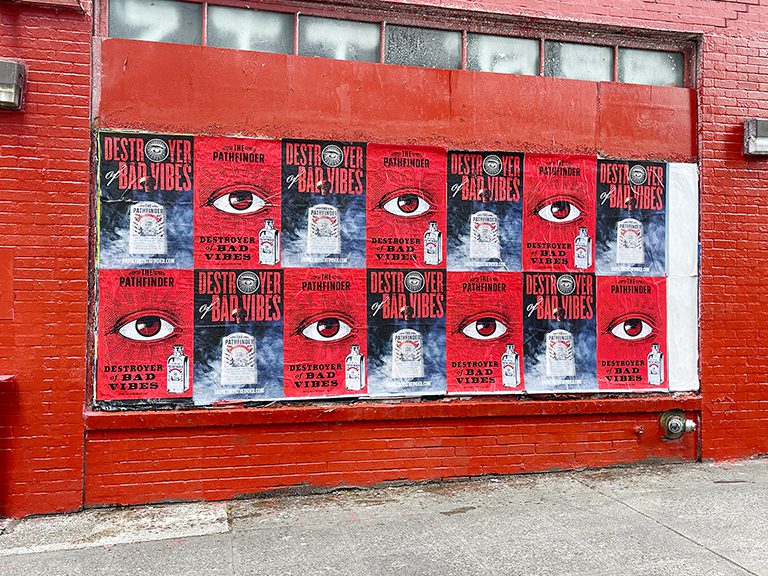
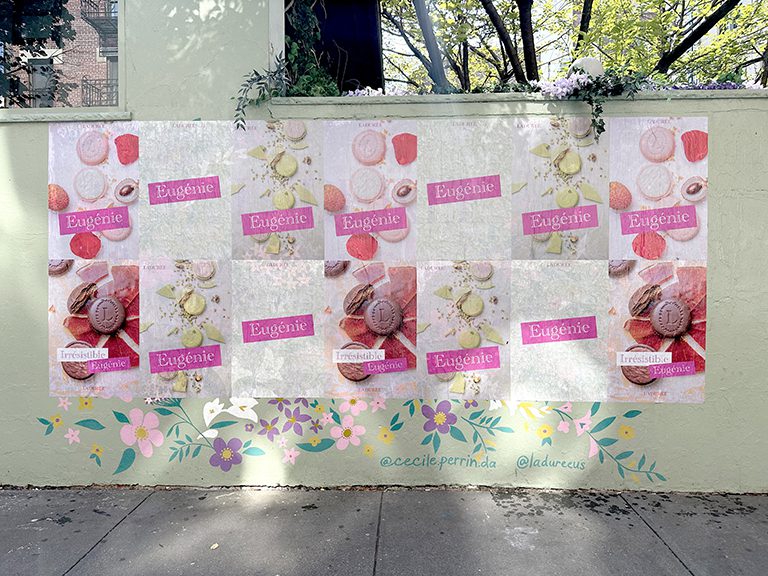
Wheat paste campaigns across Springfield’s MGM entertainment corridor, Basketball Hall of Fame zone, Main Street revitalization blocks, and the Pioneer Valley regional footprint. In-house crews. GPS photo proof. No subcontractors, ever.
Springfield, Massachusetts is not the market it was ten years ago. A sustained downtown revitalization effort anchored by the MGM Springfield casino complex, the restored Pynchon Park waterfront, new restaurant openings along Main and Bridge Streets, and a steady pipeline of institutional investment has repositioned the city’s core as an actively developing commercial environment rather than a declining one. That transition creates exactly the kind of early-mover brand opportunity that savvy fly posting campaigns are built for: a downtown corridor with growing foot traffic, improving visual environments, and an audience that is paying attention to what’s new in a way that established, saturated markets rarely generate.
American Guerrilla Marketing approaches Springfield the way we approach all markets in active transition: with attention to where the energy is moving, not just where it has historically been. The MGM corridor, the Hall of Fame tourism zone, and the Main Street revitalization blocks are the current centers of pedestrian activity, and a fly posting campaign anchored at these locations reaches the audience that is actively participating in Springfield’s redevelopment rather than the audience that has retreated from it.
Springfield is also the western Massachusetts anchor for any brand that needs Pioneer Valley reach. Campaigns posted here send a signal to the entire regional market — from Holyoke to Northampton to Amherst — that a brand is present in the region’s primary commercial center. That regional signaling effect is something no other western Massachusetts city can replicate at the same scale.
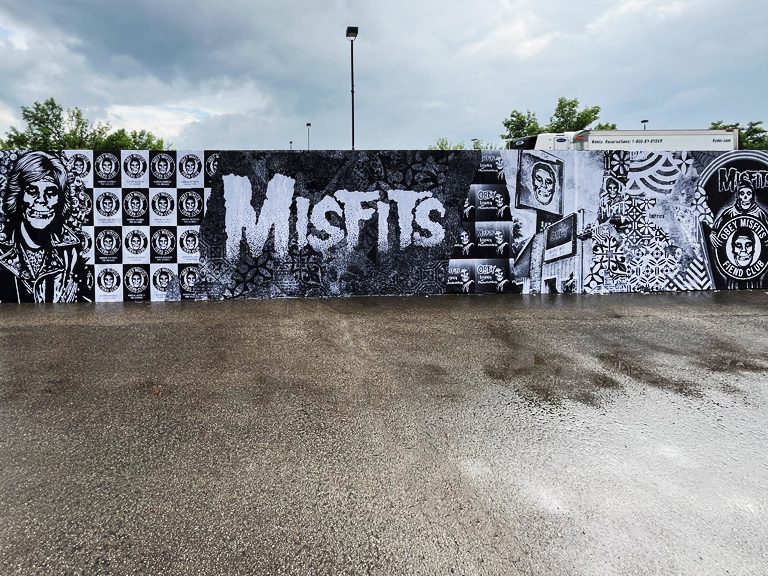
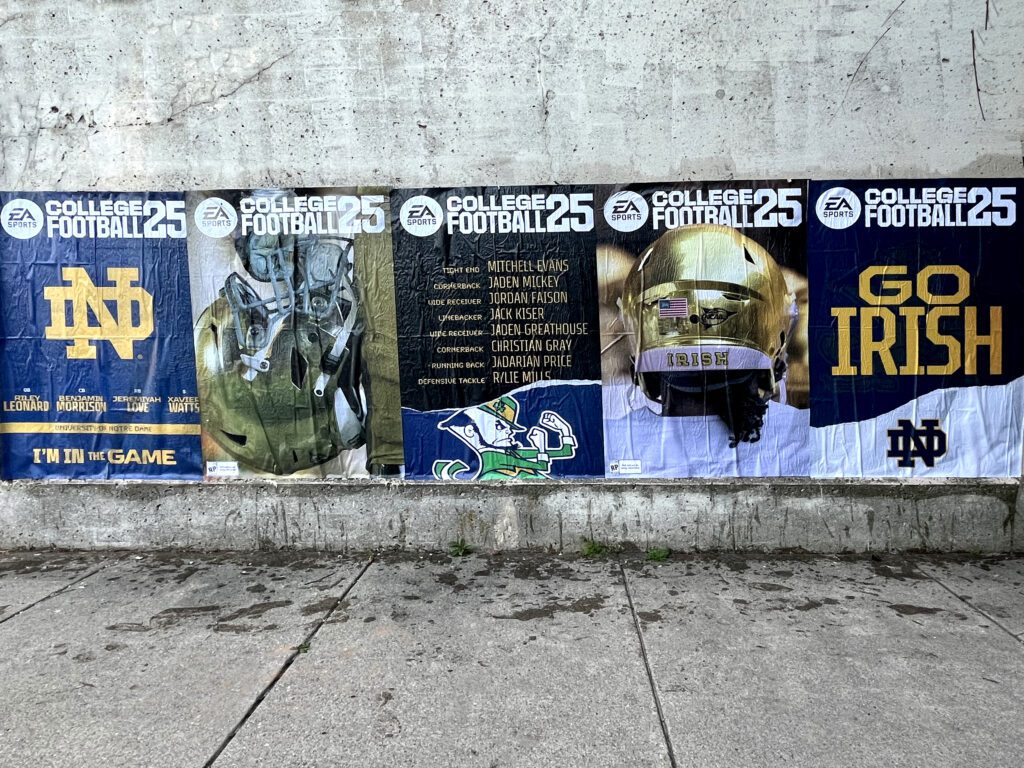
American Guerrilla Marketing is a Best of Brooklyn award-winning agency with campaigns completed for EA Sports, Netflix, The Onion, Biossance, and Shepard Fairey. Our Springfield deployments are handled entirely by in-house crews with GPS photo documentation on every installation — no subcontractors, no exceptions.
American Guerrilla Marketing covers the MGM corridor, the Hall of Fame zone, Main Street, and the Pioneer Valley extension with in-house crews and full GPS documentation. Get into Springfield before everyone else catches on that this market has arrived.
Select a city to explore Fly Posting Advertising opportunities.
Two anchors define Springfield’s current downtown transformation and both of them matter directly to fly posting campaign strategy. The Naismith Memorial Basketball Hall of Fame — the institution that commemorates the sport invented in Springfield in 1891 — generates year-round sports heritage tourism that brings visitors from across the country through the downtown area on a consistent basis. And MGM Springfield, one of New England’s largest casino entertainment complexes, opened in 2018 and immediately transformed the downtown’s visitor economics in a way that no single development project had done in a generation.
These two anchors do something critical for fly posting campaigns: they guarantee a visitor population in downtown Springfield that is not native to the city, not familiar with the local commercial landscape, and therefore actively scanning the environment for information about what’s available, what’s interesting, and what’s worth paying attention to. First-time visitors to the Hall of Fame and the MGM complex are in a discovery mode that makes them highly receptive to visual brand presence in the corridors they move through on the way to and from these destinations.
The intersection of tourism, entertainment, and ongoing revitalization has also attracted a new layer of residential and professional investment in the surrounding blocks. The young professionals, healthcare workers, and administrative staff employed by the downtown institutional anchors — MGM itself, Baystate Health, the city’s civic institutions, and the UMass Medical School campus — create a daily daytime pedestrian presence that sustains campaign impressions between the visitor-driven spikes that the Hall of Fame and casino generate on weekends and during major events.
The Naismith Memorial Basketball Hall of Fame is a genuinely unusual fly posting context. It is not simply a venue that generates foot traffic — it is a destination with a specific cultural audience: sports fans, basketball enthusiasts, and family visitors who have made a deliberate trip to Springfield specifically to engage with the sport’s history and legacy. That deliberate engagement translates into a tourist population that is more attentive than the typical transient visitor, more likely to be in a receptive and exploratory state of mind, and more likely to remember and discuss what they encountered during their visit.
The approach corridors to the Hall of Fame along West Columbus Avenue and the surrounding downtown blocks see consistent visitor foot traffic on weekends throughout the year and sustained peaks during major events — the Hall of Fame enshrinement ceremony, youth basketball tournaments, and championship-aligned visits that coincide with playoff seasons. A fly posting campaign positioned along the approach corridors and in the surrounding downtown zone captures this visitor audience at multiple points in their Springfield visit.
The Hall of Fame’s cultural authority also creates an associative context for brands that post in its vicinity. Being seen in the same corridor as a globally recognized sports institution carries a quiet brand credibility that more anonymous urban environments can’t replicate. For sports, athletic, lifestyle, and entertainment brands, the Hall of Fame zone is one of the most naturally aligned fly posting environments available in western Massachusetts.
Award Winning Personalized Service
You will get thoughtful, devoted, and individualized attention from our experienced, qualified, and professional personnel. Being one of the most illustrious agencies in Brooklyn, New York, American Guerrilla Marketing has been awarded the Best of Brooklyn title.
Nationwide
Industry City, Brooklyn, New York 11232
American Guerrilla Marketing
Hours
Mon - Fri: 9 AM - 5 PM
Sat & Sun: Closed
Automate your campaign with AGM’s Request for Proposal Builder. Simply answer a few quick questions about your campaign goals, markets, and timeline, and the system will generate a tailored presentation with recommended strategies, quantities, and pricing. Click the RFP Builder to instantly receive your customized proposal.
MGM Springfield’s arrival transformed downtown Springfield’s visitor economics in a way that no other single development could have. The complex — which includes the casino floor, hotel, restaurants, entertainment venues, and retail — draws visitors from across western Massachusetts, Connecticut, and Vermont who arrive specifically for the entertainment experience and spend hours in the downtown vicinity before and after their time on-site. That visitor concentration creates a sustained daytime and evening foot traffic pattern along the approach corridors on Main Street and the surrounding blocks that simply did not exist before 2018.
The blocks approaching MGM from the downtown core and from the Amtrak station are prime fly posting territory. Plywood construction surfaces from ongoing development projects, blank building exterior sides on the commercial buildings along the approach routes, and utility surfaces within the entertainment district all offer viable posting inventory in front of an audience that has deliberately traveled to this part of downtown Springfield and is therefore genuinely present in the environment rather than passing through on autopilot.
MGM’s visitor profile also skews toward the 25–55 age bracket with disposable income — specifically the demographic that drives mid-market consumer spending on dining, entertainment, fashion, health, and lifestyle products. A wheat paste campaign in the MGM corridor reaches that consumer at a moment of leisure and entertainment expenditure, which is among the most commercially receptive states of mind any brand can find in its target audience.
Springfield’s Main Street is the spine of downtown’s ongoing transformation. New restaurant openings, converted commercial spaces, and a gradual reinvestment in street-level retail have been adding energy to a corridor that is not yet saturated with advertising but is actively accumulating the foot traffic and daytime population that makes it productive for street-level campaigns. The early-mover advantage here is real: brands that plant a flag on Main Street now, while the revitalization is still in visible progress, get the credit for showing up before the market became obvious.
Bridge Street, running parallel to Main Street and connecting the downtown core to the Connecticut River waterfront and the Hall of Fame zone, is a secondary but increasingly active commercial corridor. The blocks between the two streets, particularly around the Tower Square civic anchor, form the pedestrian nucleus of downtown Springfield’s professional daytime population. Office workers, healthcare professionals from the nearby Baystate Health facilities, civic employees, and the retail traffic that serves them generate a consistent weekday foot traffic pattern that sustains campaign impressions between the event-driven weekend peaks.
Both corridors offer a mix of surface types that give Springfield campaigns flexibility: older masonry building walls on the blocks closest to the civic core, plywood development hoarding along active renovation projects, and blank building exterior sides on the commercial buildings that haven’t yet been renovated or redeveloped. Springfield’s surface inventory is genuinely varied, and our crew’s pre-campaign scouting identifies the strongest individual placements within each block before installation begins.
Two of Springfield’s largest employers are anchored in the healthcare and academic sectors: UMass Medical School’s Springfield campus and Baystate Health, the region’s dominant hospital and healthcare network. Combined, these institutions employ thousands of professionals — physicians, researchers, nurses, administrative staff, and allied health workers — who commute to and from downtown Springfield daily and constitute a stable, high-income professional audience that is largely untargeted by traditional Springfield advertising.
Healthcare professionals are, as a consumer segment, notably above-average in income, education, and purchasing power — and notably underserved by street-level advertising that tends to concentrate in nightlife and entertainment zones where they may not be present. A Springfield fly posting campaign that incorporates the blocks connecting these healthcare campuses to the downtown core reaches this professional audience in a genuine pedestrian commuter context: people walking from parking facilities or T-stops, grabbing lunch, or moving between facilities on foot in a sustained daily routine.
Brands in health, wellness, fitness, nutrition, financial services, and consumer goods targeting working professionals with genuine disposable income will find Springfield’s healthcare and academic professional workforce an underappreciated fly posting audience. The combination of consistent daily routines and relatively low existing advertising saturation in their commute corridors makes this a high-value targeting opportunity that most Springfield campaigns don’t fully use.
A fly posting campaign in Springfield does not stay in Springfield. The city is the largest urban center in western Massachusetts, the commercial hub of the Pioneer Valley, and the primary reference point for the regional population that lives in Holyoke, Chicopee, West Springfield, Agawam, and the surrounding communities. A brand that establishes a visible presence in downtown Springfield signals to the entire Pioneer Valley region that it is here — not just in Boston, not just online, but physically present in the market that serves western Massachusetts.
That regional signaling effect is amplified when a Springfield campaign is extended into Northampton and Amherst — both within a 25-minute drive and both genuinely distinct audiences. Northampton’s Main Street arts district and Five Colleges community represent one of the most intellectually and culturally engaged small-city audiences in New England. Amherst’s UMass campus environs bring a large student population into a compact and walkable posting zone. A Springfield-anchored campaign that extends into these towns achieves true Pioneer Valley presence: the regional urban anchor plus the college and arts communities that give the region its cultural identity.
No Boston-based campaign reaches this western Massachusetts audience. No Worcester campaign covers it either. Springfield is the market that fills the gap, and brands willing to invest in it get access to a regional consumer base — roughly 700,000 people in the Pioneer Valley metro area — that is substantially underserved by the national advertising strategies that concentrate resources in the Boston metro and ignore everything west of Worcester.
Shepard Fairey’s Sonic Temple campaign in Columbus, Ohio demonstrated the power of fly posting in a mid-size market with genuine arts infrastructure and a culturally engaged audience. Columbus — like Springfield — is a city that national brands frequently overlook in favor of larger metros, despite having a downtown arts district, a revitalized commercial core, and an audience that responds with exceptional enthusiasm to brands that take their market seriously enough to show up in it physically.
The lesson from the Sonic Temple Columbus deployment applies directly to Springfield: the audience in a revitalizing mid-size city is not a lesser version of a major metro audience. It is a different audience — one that is often more receptive, more likely to share and amplify a campaign organically, and more appreciative of the fact that a brand made the investment to reach them at street level rather than treating their market as an afterthought. Springfield’s downtown revival, its sports heritage anchor, and its casino entertainment hub have created exactly the kind of cultural activation environment where a well-executed fly posting campaign achieves disproportionate impact relative to its scale.
The approach routes to the Naismith Memorial Basketball Hall of Fame along West Columbus Avenue and the connecting downtown blocks see consistent sports heritage tourism traffic across the full year, with peaks around the annual enshrinement ceremony and during youth basketball event weekends. Smooth exterior building walls and utility surfaces in the corridor provide posting inventory directly in front of the visitor and sports fan audience. Campaigns positioned in this zone benefit from the Hall of Fame’s cultural authority and from the first-time visitor population that is genuinely scanning the surrounding environment as they navigate to and from the attraction.
The blocks approaching MGM Springfield from the downtown core along Main Street and the intersecting connector streets carry the most consistent and commercially significant foot traffic in downtown Springfield. Plywood development hoarding from ongoing projects adjacent to the entertainment complex, blank building exterior sides on the commercial structures along the approach, and surface inventory on the utility and building faces of the entertainment district perimeter are all viable posting zones. The audience arriving and departing the MGM complex — leisure visitors, hotel guests, restaurant and entertainment patrons — represents the most actively spending consumer population in the Springfield market on any given weekend.
Springfield’s downtown commercial spine between Court Square and the MGM block offers a mix of brick masonry walls on the older commercial buildings, plywood hoarding from active renovation projects, and blank building exterior sides on the structures that have not yet been repurposed. The Tower Square civic anchor at the center of the Main Street corridor provides consistent professional daytime foot traffic from the office and institutional tenants concentrated there. Main Street campaigns build weekday professional audience reach to complement the weekend visitor traffic from the Hall of Fame and MGM corridors.
Northampton, 18 miles north of Springfield, is the cultural heart of western Massachusetts and a natural extension point for Springfield-anchored campaigns with Pioneer Valley reach goals. Main Street Northampton’s independent arts venues, galleries, restaurants, and Five Colleges-adjacent foot traffic create one of the most arts-forward pedestrian environments in the region. Brick building walls along the Main Street commercial zone and the side streets of the arts district provide excellent posting surfaces. A Springfield-plus-Northampton campaign gives a brand credible presence in both the Pioneer Valley’s commercial anchor and its arts capital in a single coordinated deployment.
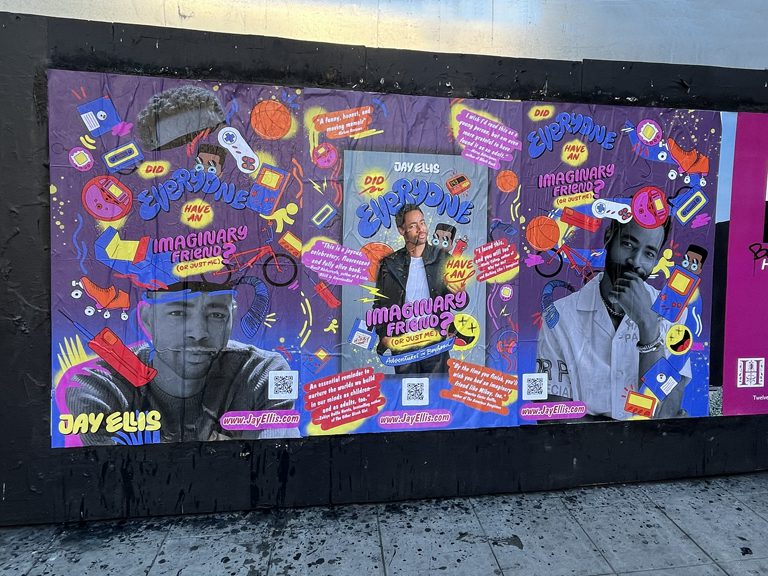
Every Springfield fly posting campaign includes full-service printing, in-house crew installation, market-specific targeting strategy, and GPS photo documentation of every placement. Two formats are available based on your coverage and visual impact objectives.
The standard format for Springfield market coverage — effective for building density across the MGM corridor, Hall of Fame approach blocks, and Main Street revitalization zone, generating consistent repeated impressions across the campaign’s live period.
Duration: 1–2 weeks depending on weather and surface conditions.
High-impact anchor placements for Springfield’s most visible corridors — ideal for commanding the MGM approach block, the Hall of Fame corridor, or the blank warehouse walls in downtown Springfield that offer scale-ready surface inventory.
Duration: 1–2 weeks depending on weather and surface conditions.
Springfield is at an inflection point that makes it unusually productive for fly posting campaigns right now. Downtown revitalization driven by MGM Springfield and ongoing commercial investment has restored foot traffic to corridors that were previously underperforming, while the traditional out-of-home advertising infrastructure in those same corridors remains sparse. That combination — growing pedestrian density plus limited advertising competition — creates exactly the visual salience conditions where fly posting achieves its highest relative impact. Your campaign competes with fewer alternatives for audience attention in Springfield than it would in a fully saturated market like downtown Boston.
We treat Springfield’s revitalization blocks as the primary opportunity zone for the campaign — specifically the Main Street corridor, the MGM approach blocks, and the area between Tower Square and the Hall of Fame. Our crew scouts these blocks before every campaign to identify the current best available surfaces, since the surface landscape changes as renovation projects progress and new hoarding appears. We map placements to maximize exposure to the foot traffic streams flowing between the downtown anchors rather than simply distributing posters uniformly across the zone.
The MGM corridor draws leisure visitors primarily from western Massachusetts, Connecticut, and Vermont — adults in the 25–55 demographic with genuine discretionary spending, who have made an active choice to spend time and money in Springfield specifically. This is a commercially motivated, leisure-engaged audience that is far more attentive to brand presence in their immediate environment than a commuter who passes through the same corridor daily on autopilot. The MGM visitor is in discovery mode, often with extended time in the vicinity before or after their time on-site, and highly receptive to visual brand introductions.
The Hall of Fame generates a specific and valuable visitor type: sports-engaged, destination-motivated, and often arriving from outside the immediate Springfield metro. Campaigns positioned in the Hall of Fame approach corridor benefit from the cultural authority of the institution itself — being in close proximity to a globally recognized sports heritage site carries an implicit association that is difficult to engineer through other means. For sports, athletic, entertainment, and lifestyle brands, the Hall of Fame corridor is the most naturally aligned flyposting environment in western Massachusetts.
Springfield is the logical anchor for any Pioneer Valley fly posting strategy. It’s the region’s largest city and commercial center, and its downtown corridors carry the highest absolute foot traffic of any Pioneer Valley market. From a Springfield base, campaigns can be extended into Northampton (arts and Five Colleges community) and Amherst (UMass campus environs) within the same deployment cycle, creating genuine tri-city Pioneer Valley coverage. That coverage reaches a combined regional population that no single western Massachusetts city or Boston-area campaign can replicate.
Downtown Springfield offers a productive mix of surface types: older masonry building walls on the pre-revitalization commercial stock along Main Street and Bridge Street, plywood construction hoarding from active renovation and development projects in the MGM corridor and adjacent blocks, and blank exterior sides on the mid-century commercial buildings between the civic core and the entertainment district. Surface conditions vary by block, which is why our crew conducts a scouting pass before every campaign to identify the current highest-quality placements within the target zones.
Boston is a higher-volume market with more absolute impressions; Springfield is a higher-salience market with less advertising competition. Your campaign in Boston is one of many visual messages competing for the attention of a highly advertising-saturated urban audience. In Springfield, you are often one of very few structured fly posting presences in the market, which means each poster receives more individual attention and leaves a stronger impression per posting than in a fully saturated environment. For brands focused on Pioneer Valley audience reach or on establishing regional presence as a complement to a Boston campaign, Springfield’s salience advantage is a genuine differentiator.
Entertainment, sports, food and beverage, health and wellness, financial services, and regional consumer brands all find productive audiences in Springfield’s current downtown environment. The MGM-adjacent leisure audience responds strongly to entertainment, hospitality, and lifestyle brands. The Hall of Fame corridor is productive for sports and athletic brands. The healthcare institutional cluster around Baystate and UMass Medical makes the professional commuter zone valuable for wellness, financial, and professional services campaigns. And the Pioneer Valley cultural extension into Northampton makes arts, music, and independent brand campaigns viable at a regional scale.
Yes — a Pioneer Valley deployment that anchors in Springfield and extends into Northampton and Amherst is a standard multi-city campaign structure we execute as a single unified plan. Northampton’s Main Street arts district and Amherst’s UMass environs are both within 30 miles of Springfield and serve audiences that are culturally distinct from downtown Springfield but geographically connected to it as part of the same regional market. A tri-city Pioneer Valley campaign covers the commercial, cultural, and academic dimensions of the western Massachusetts audience in a single coordinated deployment.
The Hall of Fame enshrinement ceremony in the fall is the single highest-profile annual event in Springfield and creates the year’s largest visitor concentration in the downtown corridor — it’s an exceptional campaign window for sports and entertainment brands. MGM’s promotional event calendar creates secondary peaks throughout the year that are worth aligning with for leisure and consumer campaigns. Main Street’s revitalization events and the MassMutual Center’s concert and sports event calendar provide additional windows. We review the Springfield event calendar with every client during campaign planning to identify the timing opportunities most relevant to their specific audience objectives.
The UMass Medical School and Baystate Health professional workforce creates a stable, high-income, educated daytime audience in the Springfield downtown that is largely separate from the tourism and entertainment visitor populations. Campaigns that target the commuter corridors connecting these campuses to the downtown core reach a professional demographic that is generally underserved by Springfield advertising — not because the audience isn’t valuable, but because most campaigns concentrate on the entertainment and visitor corridors and miss the professional commuter layer entirely. Brands targeting healthcare professionals, working adults with stable incomes, or the families of the regional professional class should specifically incorporate the healthcare district corridors into their campaign zone mapping.