American Guerrilla Marketing
Nationwide Service
Media planning, media buying, billboard advertising, & guerrilla marketing
Chicago street poster legacy. Music festival seasons that fill every corridor. A state-wide university population primed for street-level discovery. Illinois is the Midwest’s most dynamic fly posting market — and AGM executes here with in-house crews, GPS documentation, and zero subcontractors.
No state in the American interior commands the street advertising gravity that Illinois does. Chicago anchors the Midwest’s entire cultural economy — music, food, fashion, tech, and live entertainment flow through it like a river delta, feeding smaller cities and suburban corridors that have developed their own distinct audiences over decades. When brands want reach across the Midwest, they think Chicago first. But Illinois’s flyposting opportunity extends well past city limits, through Fox Valley suburbs, the Will County entertainment corridor, and the arts-revival momentum building in northern Illinois cities like Rockford.
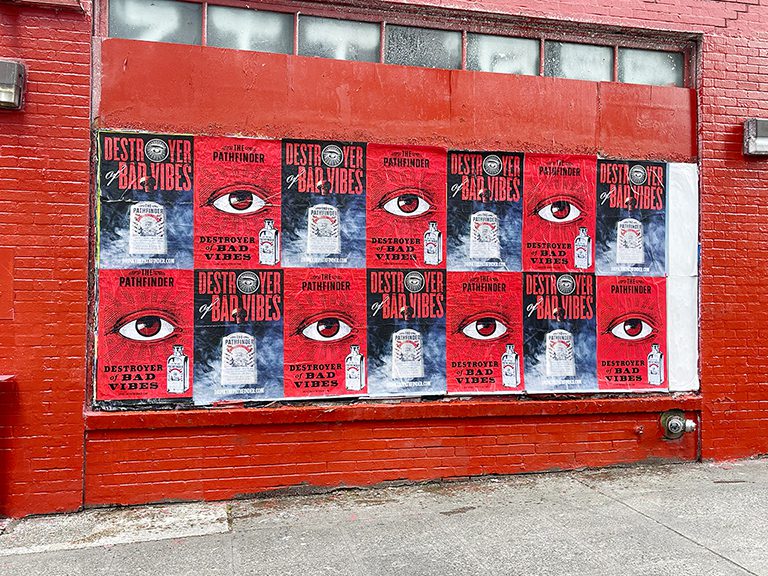
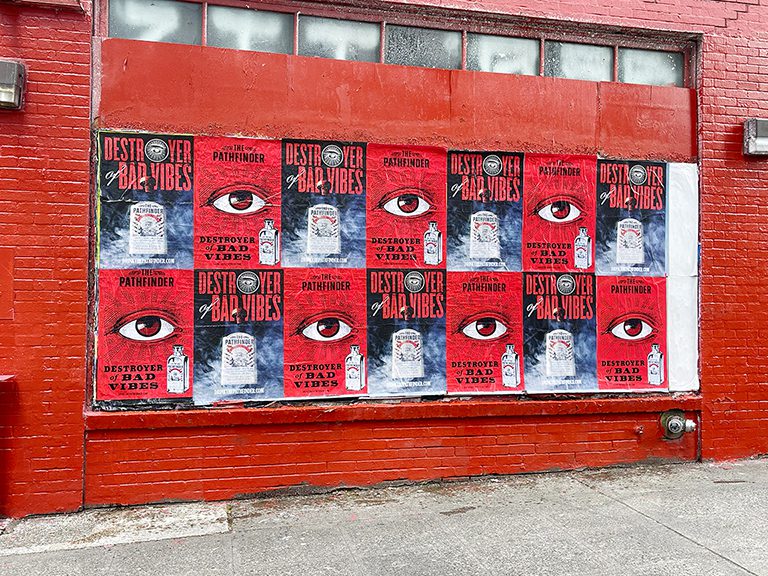
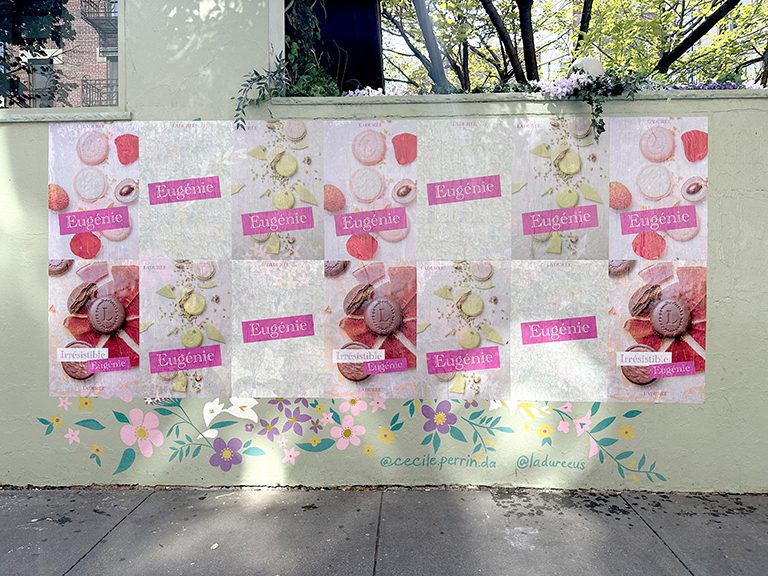
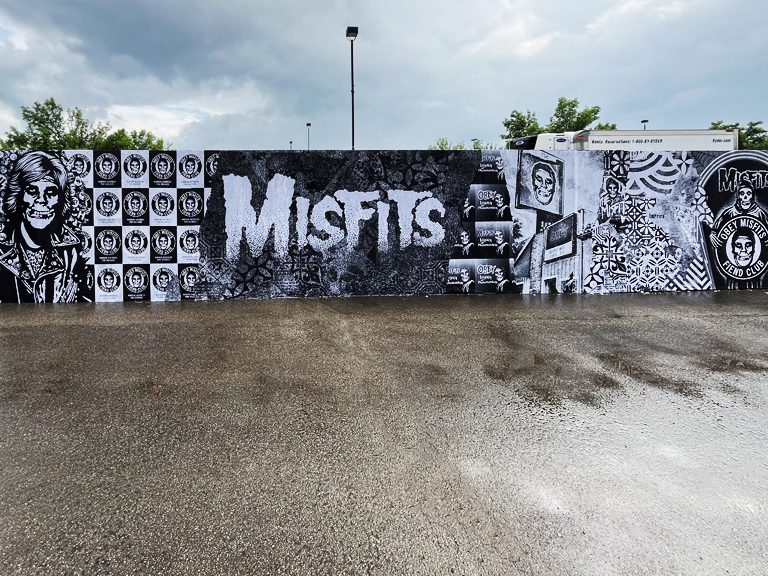
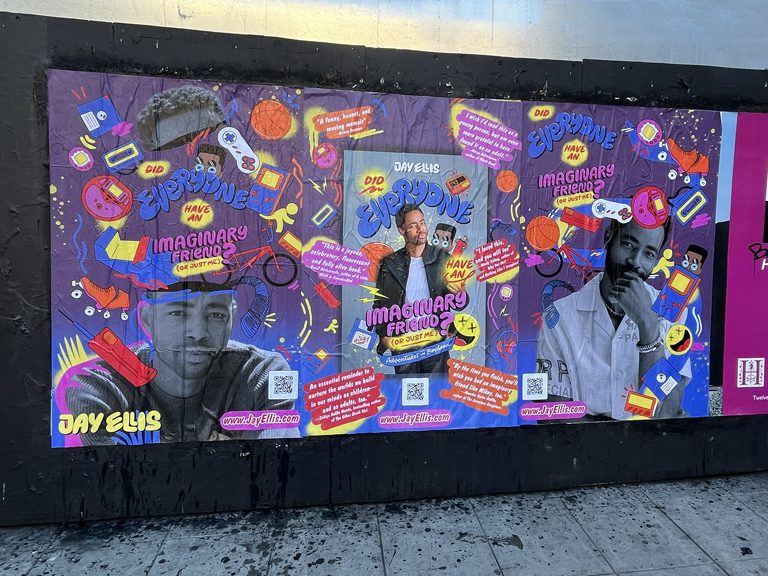
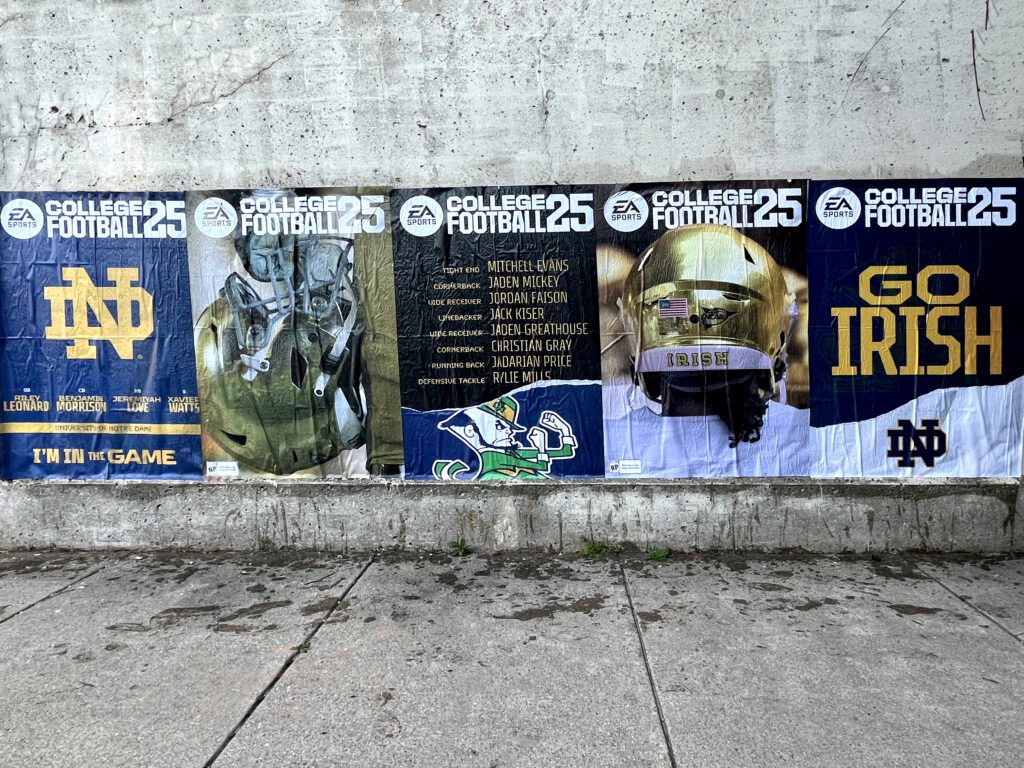
Fly posting — the practice of printing large-format posters and installing them with wheat paste adhesive across high-foot-traffic surfaces — has deep roots in Chicago’s visual culture. The city’s music venues, independent retail corridors, and warehouse-district walls have carried street posters for generations. What American Guerrilla Marketing brings to Illinois is that same street energy, executed with professional precision: GPS-documented installation routes, post-campaign photo reporting, and campaign formats that scale from 100 posters in a tight neighborhood footprint to multi-city deployments that hit Chicago, Aurora, Joliet, and Rockford simultaneously.
Illinois is also one of the most seasonally rich states for fly posting strategy. Lollapalooza floods Grant Park every August. Riot Fest transforms Douglass Park each September. Chicago’s summer concert season begins in May and runs deep into fall. The University of Illinois at Urbana-Champaign sends waves of move-in and move-out traffic twice a year. Northwestern, DePaul, Loyola, and Northern Illinois University each bring dense young adult populations that are historically the most receptive demographic for street poster campaigns. Planning a fly posting campaign around Illinois’s cultural calendar isn’t just smart — it’s how the most effective campaigns are built.
Whether you're launching in Chicago or running a statewide campaign across Aurora, Joliet, and Rockford — AGM's in-house installation crews are ready. GPS-documented, wheat paste installed, fully reported.
Chicago’s street advertising ecosystem is layered and competitive. Milwaukee Avenue, North Avenue, and Western Avenue in the Wicker Park and Bucktown neighborhoods have been poster corridors for decades — the texture of the walls there practically invites installation. Pilsen’s murals and Latinx arts community create a vibrant visual environment where wheatpaste campaigns land with authenticity. Logan Square’s cocktail bar density and creative professional demographic make it one of the highest-value poster destinations in the entire country. Beyond Chicago, the landscape shifts in productive ways: Aurora’s downtown revitalization has opened corridor real estate that didn’t exist five years ago, Joliet’s entertainment district draws concentrated audiences around the Rialto Square Theatre and casino operations, and Rockford’s Coronado Theatre district is building genuine creative momentum.
Street poster advertising works in Illinois because the state’s urban geography concentrates people on foot. Chicago’s transit-anchored neighborhoods push residents and visitors onto sidewalks and commercial strips in ways that car-dependent metros simply cannot replicate. A 24×36 poster on a Milwaukee Avenue wall will be seen by thousands of people in a single day — commuters catching the Blue Line, shoppers moving between independent boutiques, music fans walking to the Empty Bottle or the Metro. That repetition, across multiple surfaces and multiple days, builds the kind of brand impression that no digital ad can manufacture.
Mid-size Illinois markets offer a different but equally compelling value proposition. In Joliet, Rockford, and Aurora, the competition for surface space is lower, the cost of entry is predictable, and the local audience is genuinely underserved by large-format visual advertising. Campaigns in these markets often feel outsized — a strong 48×72 placement near the Rialto Square Theatre or the Coronado performs like a billboard at a fraction of the cost, simply because the market isn’t saturated with competing messages.
American Guerrilla Marketing deploys installation crews across four major Illinois markets, each with its own demographic character and street advertising logic.
Aurora’s downtown arts district and Galena Boulevard cultural corridor have transformed the city’s visual landscape over the past decade. The Fox Valley metro area — with over 200,000 residents in the immediate corridor — delivers a diverse young adult audience anchored by a significant Latinx community. Fly posting along the Paramount Theatre corridor and through the Galena Boulevard commercial strip reaches audiences that are actively engaged with local entertainment and cultural events.
Chicago is the anchor market for all Illinois fly posting activity. Wicker Park, Bucktown, Pilsen, Logan Square, Lakeview, Ukrainian Village, and Lincoln Park each deliver distinct demographics and high foot traffic corridors. The city’s music venue density — the Empty Bottle, Subterranean, Thalia Hall, the Metro — creates natural clustering points for street poster campaigns targeting music and entertainment audiences. Chicago campaigns can run as targeted neighborhood installations or as city-wide deployments hitting multiple districts simultaneously.
Joliet functions as Chicago’s entertainment overflow market, drawing Will County residents and Chicagoland consumers into a concentrated entertainment corridor built around the Rialto Square Theatre, the Chicago Street bar and restaurant strip, and casino entertainment. The city’s proximity to the former Chicagoland Speedway — a major motorsports draw — created a robust event audience that persists in the local culture. Fly posting in Joliet reaches an entertainment-minded demographic that indexes high on live experience spending.
Illinois’s second-largest city is experiencing genuine creative momentum. The Coronado Theatre anchors a downtown arts corridor that’s attracting galleries, independent music venues, and a growing creative class. The city’s blue-collar young adult population — historically underserved by premium advertising — responds strongly to street-level campaigns that meet them where they already are. Rockford campaigns offer excellent surface availability and cost efficiency for brands looking to establish awareness in northern Illinois.
Award Winning Personalized Service
You will get thoughtful, devoted, and individualized attention from our experienced, qualified, and professional personnel. Being one of the most illustrious agencies in Brooklyn, New York, American Guerrilla Marketing has been awarded the Best of Brooklyn title.
Nationwide
Industry City, Brooklyn, New York 11232
American Guerrilla Marketing
Hours
Mon - Fri: 9 AM - 5 PM
Sat & Sun: Closed
Automate your campaign with AGM’s Request for Proposal Builder. Simply answer a few quick questions about your campaign goals, markets, and timeline, and the system will generate a tailored presentation with recommended strategies, quantities, and pricing. Click the RFP Builder to instantly receive your customized proposal.
Illinois’s music economy is one of the densest in North America. Lollapalooza — one of the largest outdoor music festivals in the world — brings roughly 400,000 attendees to Grant Park over four days in August. The weeks surrounding Lollapalooza represent the single most concentrated opportunity for fly posting campaign exposure in the entire Midwest. Foot traffic surges through the Loop, the South Loop, River North, and the Near North Side. Audiences are primed for cultural discovery. Brands that establish a visual presence across Chicago’s street corridors in the weeks before and during Lollapalooza benefit from a level of awareness amplification that no single channel can replicate on its own.
Riot Fest, held in Douglass Park each September, draws a distinct music demographic — punk, alternative, and indie audiences who skew toward authentic, non-corporate brand interactions. The neighborhoods surrounding Douglass Park, including Pilsen and Logan Square, are natural poster territories in the Riot Fest window. Pitchfork Music Festival in Union Park creates another high-value summer window, concentrating the city’s most tastemaker-oriented music audience in the West Loop-adjacent corridor for a long July weekend.
Beyond the festivals, Chicago’s year-round music venue ecosystem keeps the entertainment calendar full. The Empty Bottle books seven nights a week. The Hideout, Schubas, Thalia Hall, and the Bottom Lounge each anchor neighborhood cultural scenes that sustain engaged audiences through every season. Regional touring acts that play Illinois regularly — stopping at venues in Joliet, Rockford, and Aurora in addition to Chicago — create natural multi-city fly posting opportunities for entertainment clients building statewide awareness.
Illinois’s entertainment economy extends into sports, comedy, and culinary culture as well. The Cubs and Sox both draw massive summer crowds into corridor neighborhoods. Comedy clubs and improv theaters throughout Chicago create late-night foot traffic patterns that make street posters installed in those zones highly visible during evening hours. The city’s restaurant and bar culture — James Beard Award-winning chefs, a craft cocktail scene, and a thriving food-media presence — creates advertising opportunities for beverage, food, and lifestyle brands targeting urban professionals.
Illinois’s university system is massive, diverse, and spread across the state in ways that create multiple distinct fly posting opportunities. The University of Illinois at Urbana-Champaign is one of the largest public universities in the country, with over 56,000 students. Northwestern University in Evanston brings a highly educated, affluent young adult population to Chicago’s northern suburbs. DePaul University, with campuses in Lincoln Park and the Loop, contributes tens of thousands of students to Chicago’s street-level population. Loyola University Chicago lines Lake Shore Drive with student housing. Northern Illinois University in DeKalb sends students into the Aurora and Rockford markets during weekends and breaks.
College students are among the most receptive demographics for fly posting campaigns. They walk to class, to work, to bars, and to events — often without the insulating effect of a car. They live in neighborhoods with high residential density and frequent the commercial corridors where fly posting installations concentrate. Their social lives are organized around discovery: finding new music, new brands, new restaurants, new experiences. A well-placed street poster campaign in a college-adjacent neighborhood reaches a demographic that is actively looking for what’s next.
Campus-adjacent neighborhoods in Illinois — the area around DePaul in Lincoln Park, the Loyola-adjacent Edgewater and Rogers Park corridors, the streets near the UIC campus in the Near West Side — all carry high student foot traffic during the academic year and transition to resident-heavy summer crowds during festival season. Planning campaigns around the academic calendar, targeting September move-in energy or spring semester momentum, maximizes the overlap between student audiences and general neighborhood foot traffic.
The right poster format for an Illinois campaign depends on the specific market, the density of the target neighborhood, and the campaign’s visual objectives. American Guerrilla Marketing offers two primary formats, each optimized for different deployment contexts.
The 24×36 format — two feet wide by three feet tall — is the workhorse of street poster advertising in dense urban markets. In Chicago’s Wicker Park, Logan Square, and Pilsen corridors, 24×36 campaigns build repetition and frequency across multiple surfaces within a tight geographic radius. A 100-poster deployment in a single neighborhood creates dozens of distinct touchpoints for everyone moving through that area. A 200-poster campaign extends the footprint across multiple neighborhoods, building the kind of multi-point exposure that accelerates brand recognition. The 24×36 format is also the most practical choice for multi-city Illinois deployments that need to cover Chicago, Aurora, Joliet, and Rockford simultaneously — the per-unit cost allows for meaningful poster counts in each market.
The 48×72 format — four feet wide by six feet tall — operates on different logic. These are statement pieces rather than coverage tools. A single 48×72 placement on a high-traffic wall dominates its visual environment in a way that no smaller format can match. For Illinois campaigns near major entertainment venues — the United Center, the Rialto Square Theatre in Joliet, the Coronado in Rockford — a 48×72 placement creates a landmark presence that becomes part of the neighborhood’s visual texture for the duration of the campaign. Entertainment brands, fashion labels, and any client launching a product that benefits from visual scale will find the 48×72 format particularly effective in Illinois’s major venue corridors.
Illinois campaigns should be timed with intentionality. The state’s four-season climate creates distinct campaign windows, each with its own foot traffic patterns and audience behaviors.
The Lollapalooza window — roughly mid-July through early August — is the single highest-value campaign period in the Illinois market. Poster installations placed in late July land in a city that is at full cultural capacity. Tourism is at its annual peak. Local residents who might normally avoid the crowds are making exceptions for concerts and festivals they’ve planned for months. Out-of-state visitors are discovering Chicago neighborhoods for the first time. A fly posting campaign active during this window benefits from an audience scale that simply doesn’t exist at any other point in the year.
The September Riot Fest window delivers a slightly smaller but highly engaged audience with strong demographic alignment for music, alternative culture, and independent brand campaigns. October and early November represent a strong secondary window — the city’s bar and music venue culture remains highly active through mid-fall, the post-summer crowd has returned from travel, and the holiday retail season begins building momentum in commercial corridors.
Winter campaigns in Illinois require a different strategic posture. Outdoor foot traffic decreases in the coldest months, but the audiences that remain active outdoors — particularly in Chicago’s transit-anchored neighborhoods — are highly concentrated in predictable corridors around transit stations, bar strips, and indoor entertainment venues. Underground and covered installations near transit can extend campaign visibility even in deep winter. Spring — roughly March through May — represents a strong rebound window, as returning warmth dramatically increases pedestrian activity and the anticipation of festival season creates receptive energy for entertainment and lifestyle brand campaigns.
American Guerrilla Marketing executed a wheatpasting campaign for The Onion — the satirical media brand — across two of the country’s densest concentrations of media professionals: Manhattan’s corridor neighborhoods and Washington DC’s K Street and Dupont Circle districts. The brief demanded placement in environments where the target audience — journalists, political operatives, agency creatives, and media industry workers — would encounter the campaign during their daily commutes and lunch walks. AGM’s installation crews mapped both cities for the precise surface types that media professionals pass on foot: the walls near major news organization offices, the transit-adjacent corridors in proximity to lobbying firms and think tanks, the bar and restaurant strips where media workers decompress after hours.
In Washington DC, K Street and Dupont Circle served as the primary installation zones. These corridors concentrate the exact professional demographic The Onion wanted to reach — policy professionals who consume media critically, who appreciate the satirical register the brand operates in, and who would recognize and share the campaign’s visual language with colleagues. The wheat paste adhesive allowed for large-format installation on surfaces that would have been inaccessible to traditional print or digital placements. In Manhattan, the campaign extended through corridor neighborhoods adjacent to major media company offices, reaching editorial staff, producers, and media buyers who form the core of The Onion’s professional readership. AGM documented every installation with GPS coordinates and post-campaign photography, delivering a complete proof-of-performance package that showed exactly which surfaces ran the campaign and for how long. The result was a fly posting campaign that achieved granular audience targeting in two demanding markets — with the kind of street-level authenticity that no digital alternative could have replicated.
Every Illinois campaign begins with a planning conversation. AGM’s team works with clients to define the target market — one city or several — the target demographic, the campaign duration, and the format mix. From that conversation, AGM builds a location plan: a mapped route of specific surface targets across the agreed neighborhoods, chosen for pedestrian volume, surface quality, and demographic alignment.
Printing is handled in-house. AGM’s production operation produces the posters on schedule and coordinates delivery to the installation crews. Illinois installation crews are on-the-ground professionals with knowledge of specific neighborhoods — they know which surfaces accept wheat paste effectively, which walls have the highest daily foot traffic, and how to sequence an installation route for maximum efficiency. Wheat-based adhesive is applied directly to each surface, bonding the poster securely and allowing for clean removal with standard pressure washing at campaign end.
During the campaign, AGM conducts documentation passes to photograph installed posters and record GPS coordinates for each placement. After the campaign concludes, the client receives a complete post-campaign report: photos of every installation, GPS data, and confirmation of the total placements achieved. This GPS-documented reporting framework gives clients the same accountability they expect from digital campaigns — proof that the work was done, where it was done, and what it looked like on the ground.
Music and entertainment clients represent the largest single category of fly posting campaigns in Illinois. Record labels, touring artists, concert promoters, festival organizers, and streaming platforms all use street poster advertising to build advance buzz and generate the kind of physical visual presence that drives ticket sales and streaming awareness. The Illinois music calendar is dense enough to support nearly year-round entertainment campaign activity.
Consumer packaged goods brands — particularly beverage companies, food brands, and wellness products targeting young adults — have found Illinois’s urban markets to be highly effective for sampling-adjacent campaigns. A fly posting campaign that drives consumers to a product launch event or a retail activation creates a measurable conversion path from street impression to in-store action. Fashion and streetwear brands use Illinois’s independent retail corridors — particularly in Chicago’s Wicker Park and Logan Square — to reach style-conscious consumers who are actively shopping in those neighborhoods.
Political campaigns have a long history of fly posting in Illinois. Chicago’s political culture is arguably the most sophisticated in the country, and street-level advertising has been part of Chicago campaign strategy for generations. Issue advocacy campaigns, candidate introductions, and get-out-the-vote activations all benefit from the high foot traffic and dense residential concentration of Chicago’s neighborhoods. Civic organizations, nonprofits, and advocacy groups also use fly posting to reach communities in the Pilsen, Lakeview, and Logan Square corridors with messaging that resonates with specific local audiences.
Illinois combines the country’s third-largest city with a dense university population, a nationally significant music and festival calendar, and mid-size markets in Aurora, Joliet, and Rockford that offer high-value, lower-competition poster environments. That combination — anchor market plus secondary city network — gives brands the ability to run both high-density Chicago campaigns and regional market deployments from a single campaign plan.
Yes. AGM can execute a coordinated multi-city Illinois campaign that deploys posters across all four markets simultaneously, with a unified installation schedule and a single post-campaign report covering all cities. Multi-city deployments are priced based on total poster counts across all locations.
Digital advertising in Chicago is expensive and competitive — CPMs are high and consumer attention is fragmented across dozens of platforms. A fly posting campaign delivers physical, unmissable impressions in specific neighborhoods where your target audience actually lives and moves. It also generates authentic social media content as people photograph and share poster installations organically, extending digital reach without additional spend.
The Lollapalooza window (late July through early August) is the highest-traffic period in the Illinois market. September’s Riot Fest window is the second-best entertainment-focused window. Spring (March–May) is ideal for campaigns targeting the return of warm-weather pedestrian activity. Winter campaigns can be effective in Chicago’s transit-anchored neighborhoods where foot traffic remains concentrated even in cold weather.
For density and neighborhood coverage in Chicago, the 24×36 format is almost always the right choice — it allows for high poster counts across multiple surfaces and multiple neighborhoods. If the campaign has a marquee placement near a major venue like the United Center or the Aragon Ballroom, a 48×72 alongside the 24×36 density campaign adds a statement piece that anchors the visual footprint.
Yes. AGM targets campus-adjacent neighborhoods in Illinois including the Lincoln Park/DePaul University corridor, the Edgewater/Loyola Chicago zone, the Near West Side near UIC, and corridors connecting Aurora and Rockford to Northern Illinois University’s DeKalb campus. Installation routes are planned to maximize surface exposure in areas with high undergraduate and graduate student foot traffic.
Most campaigns run one to two weeks. Longevity depends on weather conditions, surface quality, foot traffic levels, and market competition for available surfaces. Illinois’s variable weather means spring and fall installations typically outlast summer deployments, which face higher competition and more foot traffic-related wear. AGM can advise on timing based on specific campaign goals and market conditions.
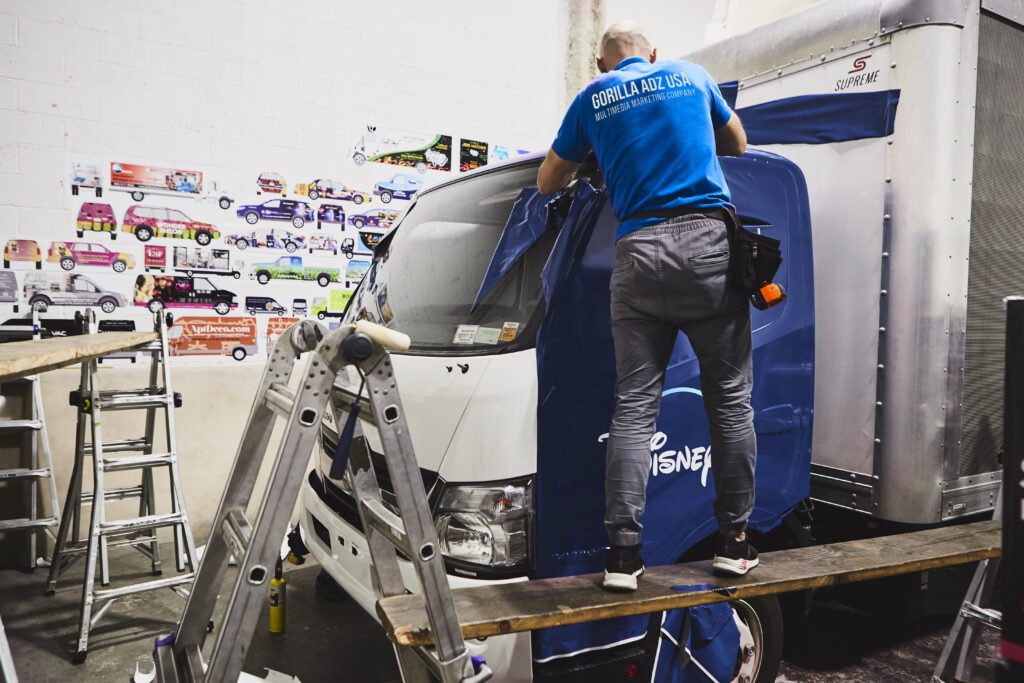
AGM handles the complete campaign in-house — design production, printing, and installation. Clients can supply finished artwork, or AGM can coordinate creative production. Everything from print to installation to GPS-documented reporting is handled by AGM’s own team. No subcontractors are involved in any stage of the process.
Music and entertainment clients are the dominant category — record labels, concert promoters, streaming platforms, and festivals all run Illinois fly posting campaigns regularly. Consumer brands, fashion and streetwear labels, food and beverage companies, political campaigns, and civic organizations also use fly posting extensively in the Illinois market. The format is effective for any client whose target audience includes young adults in urban environments.
Yes. Wheat paste is a water-based, plant-derived adhesive that bonds posters securely to exterior surfaces without causing permanent damage. It removes cleanly with standard pressure washing, making it one of the most environmentally responsible installation methods available for street poster advertising. AGM uses wheat-based adhesive exclusively across all Illinois installations.
After installation, AGM conducts documentation passes across all installation zones, photographing every poster placement with GPS coordinates recorded. The post-campaign report includes location photos, GPS data, and a complete accounting of posters installed. This GPS-documented proof-of-performance gives clients the same accountability standard they apply to digital campaigns — with physical evidence of every placement.
The minimum campaign size is 100 posters in the 24×36 format, Contact us for pricing. for pricing. Multi-city Illinois campaigns are priced based on the total poster count across all markets. AGM can structure campaigns to fit a range of budget parameters while maximizing geographic coverage and impression density.