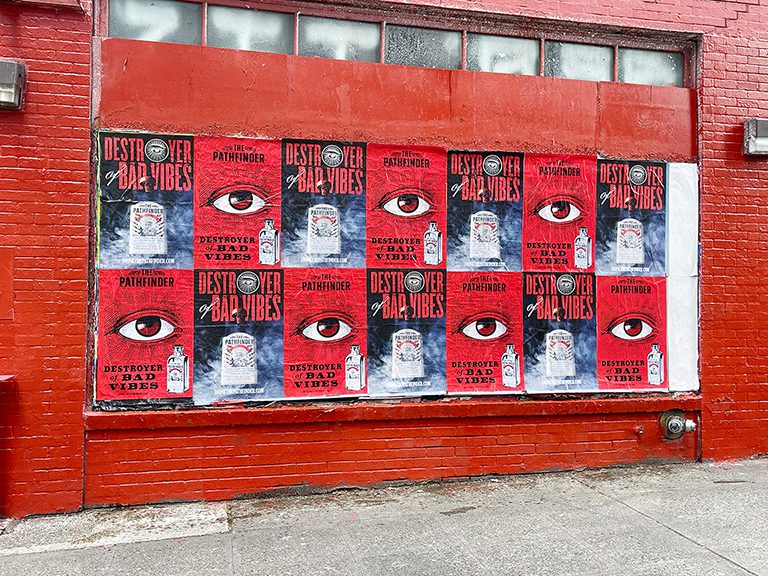
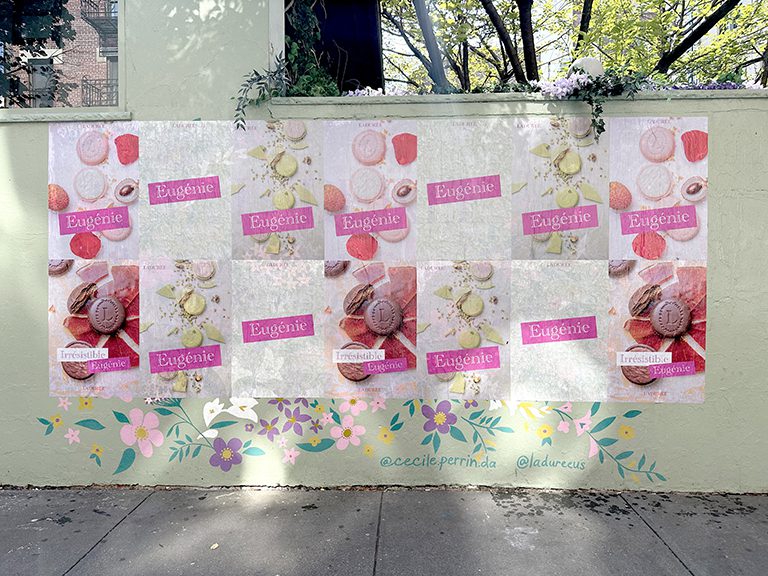
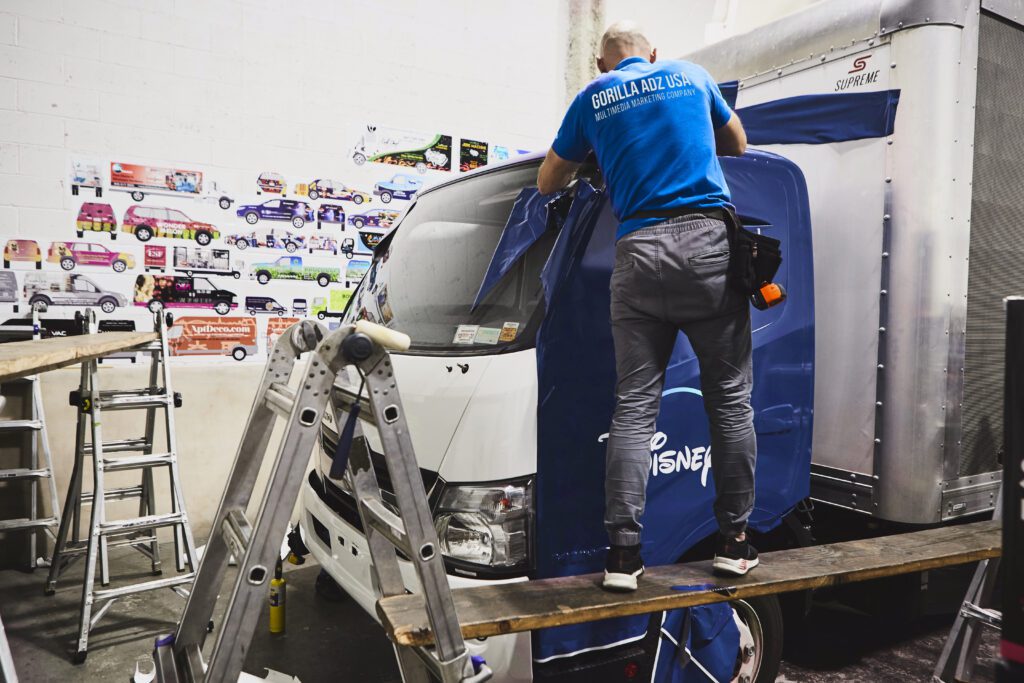
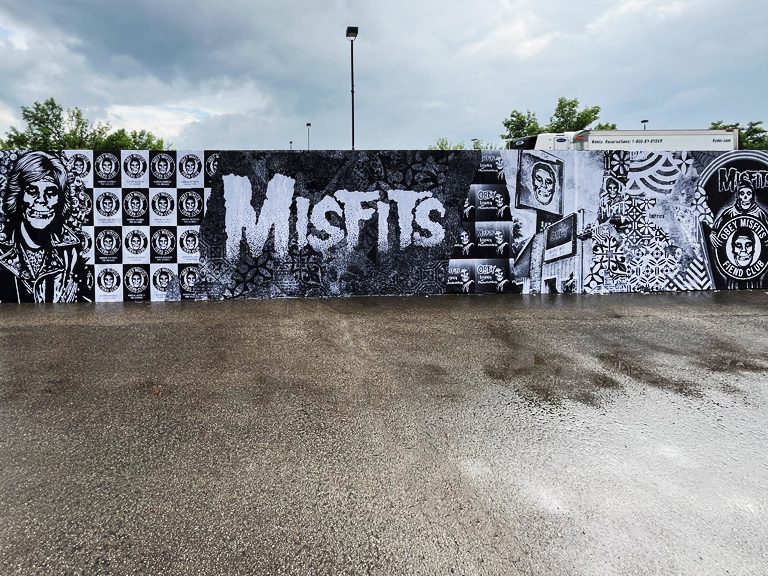
🚀 NEW WHEATPASTING MARKETS Discover our wheatpasting campaigns in : 🇬🇧 London • 🇨🇦 Canada • 🇲🇽 Mexico City

American Guerrilla Marketing

Nationwide Service

Media planning, media buying, billboard advertising, & guerrilla marketing

Fly Posting in Great Falls, MT

Sidewalk Decals Advertising in Great Falls, MT

The Electric City sits at Montana’s geographic center — a commercial hub, a military community, and an arts city defined by C.M. Russell’s legacy. AGM’s wheatpaste campaigns reach every layer of that audience on the streets where it gathers.

The Case for Fly Posting in Great Falls

Great Falls occupies a unique position in the Montana market landscape: it is simultaneously the state’s third-largest city, a federally significant military installation community, an agricultural processing and distribution hub, and the home of one of the American West’s most respected art museums. That combination of economic identities produces an audience that is harder to characterize with a single demographic label than any other Montana city — and that complexity is precisely what makes it so valuable for the right fly posting campaign. A brand that can speak to the military professional, the arts-community regular, the Central Avenue retail shopper, and the Smelter Hill creative class in a single outdoor poster campaign is speaking to the full economic range of north-central Montana.

The small-market advantage of Great Falls is something that brands accustomed to large-metro campaign strategy often underestimate. In a market with Great Falls’ footprint, a concentrated fly posting campaign does not have to fight through layers of competing outdoor advertising to register. The city’s visual environment is not cluttered with the density of street media that a New York or Los Angeles campaign must overcome to be noticed. A well-placed wheat paste poster on Central Avenue or along the Smelter Hill corridor stands out against a visual baseline that hasn’t been saturated — which means the impressions it generates are qualitatively cleaner than the same poster would produce in a city where street advertising competes with itself at every intersection.

AGM is a Best of Brooklyn award winner — a recognition built on consistent execution across markets of every size, from major metros to the regional hubs that define America’s interior. Biossance trusted AGM to run simultaneous wheat paste poster campaigns in both New York City and Los Angeles, two of the most demanding street advertising environments in the world, with the quality consistency and documentation standards that a national skincare brand’s campaign requires. That same execution standard applies to every Great Falls campaign AGM takes on — not a scaled-down version, but the full AGM operational model applied to a market that rewards precision over volume. Clients including Netflix, The Onion, EA Sports, and Shepard Fairey have been part of the AGM campaign history that established the standard Great Falls campaigns inherit.

The entire campaign operation stays within one organization when you work with AGM: every poster is produced by AGM’s print operation and installed by AGM field crews, with no outside contractors handling any part of the process at any stage. This internal integration eliminates the quality variance that typically occurs when print production and field installation are managed by separate vendors — the two most common sources of campaign failure in markets where local posting infrastructure is thin. Post-campaign, clients receive a GPS-documented photo record organized by location and district, giving you verifiable proof of execution that accounts for every surface your Great Falls campaign ran on.

Great Falls’ geography extends its market reach well beyond the city’s own resident population. The city serves as the primary commercial hub for a wide swath of north-central Montana — communities from the Hi-Line to the east, the Rocky Mountain Front to the west, and the agricultural corridors stretching north toward the Canadian border all route their commercial activity through Great Falls. A fly posting campaign here reaches not only the city’s permanent population but the regional audience that treats Great Falls as their commercial destination, creating a market reach that the raw population count significantly underrepresents. For brands targeting the agricultural, military-adjacent, or northern Montana lifestyle market, that regional amplification effect makes Great Falls a genuinely compelling campaign investment.


Great Falls Is Smaller Than Billings. The Impression Isn't.

In a market with Great Falls' clean visual environment and compact footprint, an AGM wheatpaste campaign doesn't compete for attention — it owns the wall. Same in-house print, same GPS-documented proof, same no-subcontractor execution standard AGM delivers for Biossance, Netflix, and EA Sports. Tell us your campaign goals and we build the Great Falls strategy from there.

Browse Cities in Montana

Select a city to explore Fly Posting Advertising opportunities.

Great Falls Districts That Deliver Results

Central Avenue Downtown Commercial Core

Central Avenue is the spine of Great Falls’ commercial identity — the main pedestrian and retail corridor through which the city’s working professional, government, and retail-shopping population moves on a daily basis. The street-level commercial mix of independent businesses, professional offices, restaurants, and the retail anchor points that define downtown Great Falls creates a consistent weekday foot traffic pattern that a fly posting campaign can intercept at the point of maximum commercial engagement. Building sides, utility structures, and the blank wall real estate that lines the streets intersecting Central Avenue provide the surfaces that wheat paste advertising requires to operate at its best.

The daytime professional audience on Central Avenue is joined by an evening dining and entertainment crowd that activates the corridor in ways that the lunch-hour foot traffic doesn’t capture on its own. Great Falls’ downtown dining and event scene is concentrated along and near Central Avenue, creating a dual-peak foot traffic structure — morning commuter and midday commercial, followed by evening social — that makes the corridor a multi-shift impression opportunity. A poster placed at a high-visibility corner on Central Avenue generates impressions across the working professional, the retail shopper, and the evening social demographic in a single placement, compressing the audience reach that other markets would require multiple zones to achieve.

Central Avenue also serves as the parade and public event route for Great Falls’ civic programming — from the Montana State Fair parade to downtown street events and the commercial activity surrounding the Exhibition Center. A fly posting campaign timed to coincide with major Central Avenue public programming can achieve impression volumes that far exceed the standard weekday foot traffic baseline, particularly for campaigns with civic or community relevance built into the creative brief.

Smelter Hill Arts & Cultural Corridor

Smelter Hill takes its name from the historic copper smelter operation that defined this part of Great Falls during the city’s industrial peak, and the warehouse-era architecture that industrial history left behind is exactly the physical infrastructure that fly posting campaigns thrive on. Large blank building faces, brick warehouse walls, and the open structural surfaces of a district transitioning from industrial to creative use create some of the most compelling wheat paste posting opportunities in Montana. For oversized 48×72 poster formats, the Smelter Hill corridor has walls that can carry those large-format campaigns with the visual impact that only a genuinely substantial surface area can deliver.

The Smelter Hill arts community is an emerging creative class that has been drawn to the neighborhood by affordable space, the character of the building stock, and the cultural identity of a district in active transformation. Galleries, studios, creative businesses, and the gathering infrastructure that supports a working arts community have developed in the Smelter Hill corridor at a pace that reflects the broader national trend of creative districts activating former industrial neighborhoods. For arts, music, entertainment, and lifestyle brands, this is the Great Falls posting zone where contextual alignment between the brand identity and the audience environment is strongest.

The visibility dynamics of Smelter Hill are different from Central Avenue’s pedestrian retail environment. Traffic moving through the corridor — both vehicular and pedestrian — encounters the posted walls at a pace that allows for meaningful visual engagement with larger-format posters. An oversized wheat paste on a Smelter Hill warehouse wall reads differently than a standard 24×36 on a retail corridor post: it commands the horizon of the district, visible from multiple approach angles and at distances that smaller formats cannot achieve. For brands whose creative is built to work at scale, this is the Great Falls zone that should anchor the campaign.

C.M. Russell Museum Area & Gibson Park

The C.M. Russell Museum sits at the intersection of Great Falls’ cultural identity and its leisure geography. As one of the premier collections of Western American art in the country, the Russell Museum draws visitors from across Montana and the region specifically to this part of the city — creating a foot traffic pattern centered on culture, leisure, and the community gathering that surrounds one of Great Falls’ most distinctive institutions. Gibson Park, adjacent to the museum area, amplifies this by providing a major public green space that functions as the city’s outdoor community center for events, recreation, and casual gathering throughout the warm-weather months.

The audience that moves through the C.M. Russell Museum area and Gibson Park is distinctly different from the downtown Central Avenue shopper or the Smelter Hill creative class. It skews toward established community members, families, cultural tourism visitors, and the arts-engaged demographic that treats the museum as a regular destination rather than a one-time tourist experience. Brands targeting community-anchored consumers, cultural tourism, family spending, or the established professional demographic that Great Falls’ arts community reflects will find this zone delivers impressions with a demographic depth that the commercial corridors elsewhere in the city don’t replicate.

The Russell Museum’s event programming — including the annual C.M. Russell Auction, which draws Western art collectors from across the country to Great Falls — creates periodic audience spikes that temporarily transform this zone into one of the highest-impression posting environments in northern Montana. A campaign timed around major museum events captures not just the local Great Falls audience but the regional and national visitor base that those events pull into the city. AGM’s campaign planning incorporates awareness of Great Falls’ major cultural event calendar as a timing optimization tool for campaigns in this zone.

Electric City Water Park & Expo Park Vicinity

The north side of Great Falls, anchored by Electric City Water Park and the Montana ExpoPark complex, concentrates the city’s family and community event audience in a geographic zone that is separate and distinct from the downtown commercial and arts districts. ExpoPark is the site of the Montana State Fair, one of the largest annual events in north-central Montana, as well as rodeos, concerts, livestock shows, and the full spectrum of community programming that defines the civic calendar for Great Falls and the surrounding region. When these events are active, the ExpoPark vicinity becomes the highest-impression outdoor location in the city by a significant margin.

Electric City Water Park serves a complementary but distinct audience: the family and youth demographic that activates the north side during summer months in a way that no other single facility in Great Falls replicates. The commercial infrastructure surrounding both venues — parking areas, food and retail services, the transit routes that serve event-day traffic — creates posting opportunities that intercept the family and community audience during trips defined specifically by their leisure and entertainment purpose. A brand with relevance to the family consumer, the outdoor recreation participant, or the community-event attendee finds this zone provides concentrated access to exactly those demographic segments.

The Expo Park venue also hosts trade shows, industry events, and commercial expos that attract professional audiences from across north-central Montana — including agricultural, energy, and trades sector professionals who represent a different buyer profile than the consumer audience that dominates the Water Park and fair programming. Timing a poster campaign around a major ExpoPark trade event adds a professional audience overlay to the community-event impression base that can meaningfully expand the campaign’s effective demographic coverage for brands selling across both consumer and professional markets.

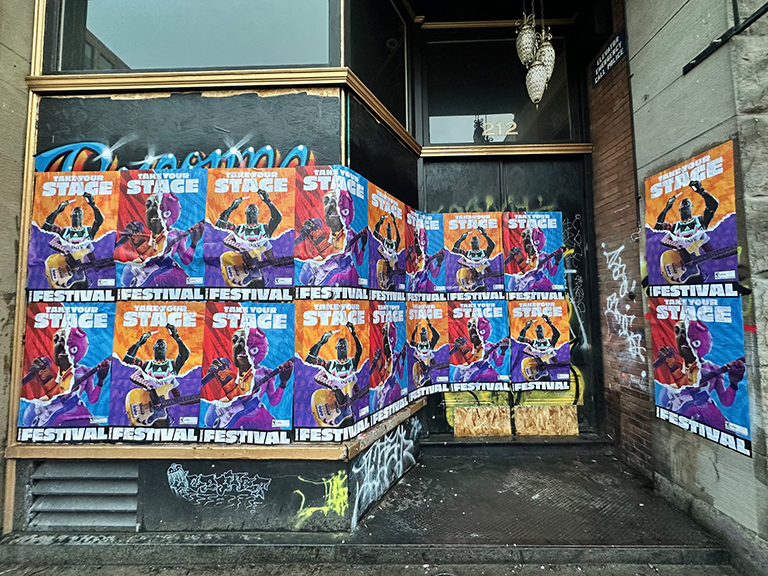
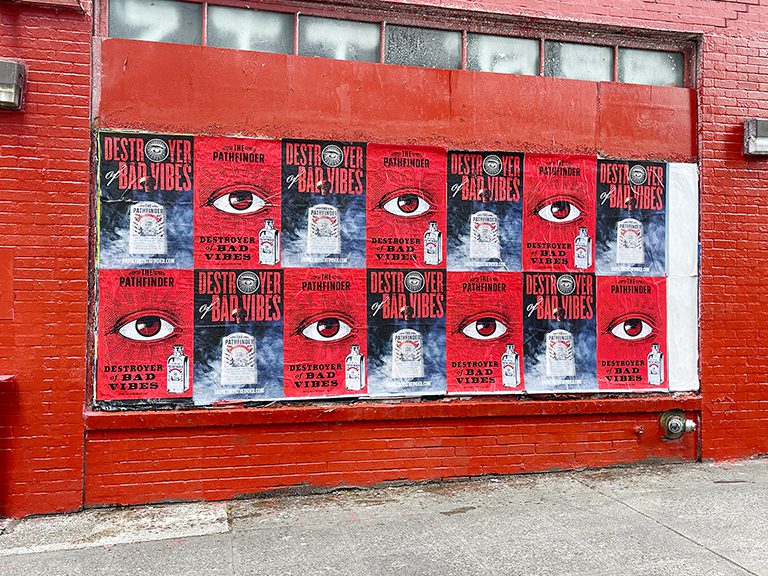
Street Poster Formats Sized For Great Falls

Great Falls’ market characteristics — a compact downtown core, distinct district personalities, and a physical scale that allows a carefully planned campaign to achieve citywide presence without requiring the poster quantities that larger Montana markets demand — inform how AGM approaches format selection here. Both the 24×36 standard wheat paste poster and the 48×72 oversized format serve clear strategic purposes in the Great Falls context, and the right choice depends on whether your campaign is optimizing for district-by-district coverage or for the kind of wall-dominating visual presence that the Smelter Hill and downtown building stock can support.

24×36 Standard Format — District Coverage

The 24×36 fly posting format is the tool for spreading a campaign across Great Falls’ distinct neighborhood zones in a single run. Central Avenue coverage, Smelter Hill presence, C.M. Russell area placements, and ExpoPark-vicinity structures all accessible from a single 100- or 200-poster campaign buy. In a market Great Falls’ size, this format achieves genuine citywide saturation at quantities that would only scratch the surface of a larger Montana market.

  • 100 posters: contact us for pricing
  • 200 posters: contact us for pricing
  • Second creative design: +contact us for pricing
  • Duration: 1–2 weeks on-surface

At 200 posters placed across Great Falls’ commercial and cultural districts, the 24×36 format creates a perception of omnipresence — a campaign that seems to follow the viewer wherever they go in the city. In a market this scale, that omnipresence effect is achievable at a budget level that would not come close to producing it in Billings or Bozeman.

48×72 Oversized Format — Wall Presence

The warehouse-era building stock of Smelter Hill and the blank commercial walls throughout Great Falls’ downtown area are purpose-built for the 48×72 oversized wheat paste format. At four feet wide and six feet tall, this format doesn’t request attention on a wall — it occupies it. For brands whose campaign identity is built on scale, boldness, and the kind of unavoidable visual presence that stops people mid-stride, the 48×72 format paired with Great Falls’ substantial blank walls is a powerful combination.

  • 100 posters: contact us for pricing
  • 200 posters: contact us for pricing
  • Second creative design: +contact us for pricing
  • Duration: 1–2 weeks on-surface

The Smelter Hill corridor’s warehouse faces are among the best oversized posting surfaces in Montana. A 48×72 poster on a Smelter Hill warehouse wall creates a brand presence that reads from a vehicle approaching the district as well as from pedestrians at street level — a dual-distance visibility that makes the format particularly efficient per-placement in this part of the city.

Event-Timed Campaign Strategy

One of the most effective ways to deploy a Great Falls fly posting campaign is to time it against the city’s event calendar. The Montana State Fair, the C.M. Russell Auction, major ExpoPark events, and Central Avenue programming all create foot traffic spikes that can dramatically amplify the impression count of a campaign running at standard placement density. AGM builds event-timing awareness into Great Falls campaign planning, recommending launch windows that align poster installation with the city’s highest-activity periods.

Event-timed campaigns in Great Falls also benefit from the regional draw that major events create: audiences driving into Great Falls from surrounding communities for the State Fair or the Russell Auction encounter campaign posters during their city visit, adding the regional population layer to the local resident base that standard campaign planning accounts for.

Build Your Fly Posting Campaign

    Award Winning Personalized Service

    You will get thoughtful, devoted, and individualized attention from our experienced, qualified, and professional personnel. Being one of the most illustrious agencies in Brooklyn, New York, American Guerrilla Marketing has been awarded the Best of Brooklyn title.

    Nationwide

    Industry City, Brooklyn, New York 11232

    American Guerrilla Marketing

    +1 (646) 776-2770

    [email protected]

    Telegram: @americanguerillamarketing

    Hours

    Mon - Fri: 9 AM - 5 PM

    Sat & Sun: Closed

    Automate your campaign with AGM’s Request for Proposal Builder.

    Automate your campaign with AGM’s Request for Proposal Builder. Simply answer a few quick questions about your campaign goals, markets, and timeline, and the system will generate a tailored presentation with recommended strategies, quantities, and pricing. Click the RFP Builder to instantly receive your customized proposal.

    Running A Poster Campaign In Great Falls

    • Campaign Intake: AGM begins every Great Falls engagement with a review of your campaign goals, target audience profile, and budget. We identify whether your primary target is the Great Falls resident population, the regional visitor audience that activates during major events, the military-adjacent demographic, or some combination — because each requires a different district prioritization and timing strategy within the city.
    • Ground Survey: Our team assesses Central Avenue’s available building sides and utility structures, the Smelter Hill corridor’s warehouse walls, the C.M. Russell Museum and Gibson Park vicinity, and the ExpoPark area for surfaces that are legally accessible, appropriately sized for your chosen format, and positioned at the highest-traffic points within each district. Great Falls’ compact geography makes this survey efficient while still requiring local knowledge to identify the walls that deliver versus those that merely exist.
    • Print Fulfillment: All campaign materials are produced by AGM’s internal print operation — no outside print vendors are involved at any stage. Material specifications are selected for durability in Great Falls’ northern Montana climate, where cold temperatures, wind off the Missouri River, and variable precipitation across all seasons impose demands on outdoor printed materials that standard commercial printing doesn’t account for.
    • Field Installation: AGM paste teams execute the campaign across Great Falls’ selected surfaces on the agreed launch date. Installation timing can be coordinated around specific event windows — launching a day or two before a major ExpoPark event or before the Central Avenue fair parade activates the city’s highest foot traffic periods rather than during the quieter weekday baseline.
    • Proof Delivery: Clients receive GPS-pinned photography for every installed location in Great Falls, timestamped and organized by district. The documentation covers every surface the campaign ran on, providing a complete location-verified record of execution rather than a representative sample.
    • Campaign Follow-Up: AGM closes every Great Falls campaign with notes on surface performance by location — which walls held best, which zones delivered the strongest contextual audience alignment, and which surfaces should be prioritized or avoided in any subsequent Great Falls campaign run. That institutional knowledge of what works in the specific physical and demographic environment of Great Falls is an asset that accumulates over time and improves the efficiency of follow-on campaigns.

    Frequently Asked Questions: Fly Posting in Great Falls, MT

    Small-market saturation operates on a fundamentally different scale and dynamic than metro saturation, and Great Falls illustrates this particularly clearly. In a market Great Falls’ size, 100 to 200 posters at the 24×36 format can achieve the kind of omnipresence effect — the sense that the campaign is everywhere the viewer goes — that would require thousands of placements to produce in a major metro. The city’s compact geography means that a well-distributed poster campaign covers the realistic daily movement paths of a large percentage of Great Falls residents within a small number of placements. Additionally, the visual environment of Great Falls is not cluttered with the volume of outdoor advertising that exists in larger markets, so each individual placement registers more clearly against a less-saturated backdrop. That clean-visual-environment advantage is one of the most compelling reasons for brands to consider Great Falls as a fly posting market even if its raw population count doesn’t appear in their standard market prioritization model.

    The military community associated with Malmstrom AFB is an active part of Great Falls’ commercial and social ecosystem, with personnel and their families moving through the same commercial corridors — Central Avenue, the retail infrastructure supporting the north and east sides of the city, and the entertainment venues that serve the broader community — that the general Great Falls population uses. Fly posting campaigns that cover these commercial corridors intercept military personnel as part of the natural audience flow rather than as a separately targeted segment. For brands specifically relevant to the military community — financial services, automotive, outdoor recreation, consumer electronics, food and beverage — a Great Falls fly posting campaign that covers Central Avenue and the commercial structures serving the residential areas near the base reaches this audience as an integrated part of the broader campaign rather than requiring a separate targeting strategy.

    Central Avenue functions as Great Falls’ commercial spine — it is the street through which the widest cross-section of the city’s population moves on a routine basis. The combination of professional office workers, government employees, retail shoppers, dining patrons, and the event-day audience that activates the corridor during civic programming creates a daily foot traffic mix that no other single street in Great Falls can match. From a fly posting strategy perspective, this mixed-demographic consistency is more valuable than the specialized audience concentration of the Smelter Hill arts district or the event-driven audience of the ExpoPark vicinity — Central Avenue delivers a broad-based impression to the general Great Falls population continuously rather than intensely at specific times. For campaigns seeking citywide awareness rather than demographic-specific targeting, Central Avenue is not optional; it’s the foundation the rest of the campaign builds on.

    The C.M. Russell legacy shapes Great Falls’ cultural self-image in ways that influence which brands land with authenticity and which read as contextually incongruous. Great Falls is a city that takes genuine pride in its connection to Western American art history, to the landscape Russell painted, and to the outdoor and frontier identity those paintings represent. Brands that connect — even obliquely — to outdoor recreation, Western lifestyle, natural landscapes, craft and handmade aesthetics, or authentic American cultural identity find the Great Falls audience is already primed to receive those messages. Brands that feel purely urban, purely coastal, or disconnected from any of those identity threads face a steeper credibility climb in this market than they would in Bozeman or Missoula. That doesn’t mean only Western-lifestyle brands can succeed here — it means the creative brief and messaging for a Great Falls campaign should acknowledge the city’s cultural context rather than ignoring it.

    Great Falls functions as the commercial destination for a substantial regional catchment area stretching across north-central Montana — communities from the Hi-Line, the Rocky Mountain Front, and the agricultural corridors between them regularly send their residents into Great Falls for retail, services, entertainment, and civic activity. These regional visitors route through and spend time in the same Central Avenue commercial core and the same downtown entertainment and dining infrastructure where fly posting campaigns operate. Unlike a resident who sees a posted wall daily and potentially becomes habituated to it, a regional visitor encountering a poster during a periodic trip to the city sees it with fresh eyes — the first-impression quality that’s the sweet spot for advertising impact. AGM’s Great Falls location strategy accounts for the entry and parking routes that regional visitors are most likely to travel when accessing downtown, placing posters at the points where these first-impression opportunities are highest.

    The Montana State Fair at ExpoPark is the single highest foot-traffic event in the Great Falls calendar — running in late July and early August, it draws attendance from across north-central Montana at volumes that dwarf any other single-event audience aggregation in the city. Launching a fly posting campaign in the week before and running through the fair creates maximum overlap between the campaign’s active window and the city’s annual peak-traffic period. The C.M. Russell Auction in March is a secondary but highly targeted opportunity: it pulls a sophisticated, high-income, Western-art-collecting audience into Great Falls from across the country, creating a brief window of unusually affluent visitor concentration in the C.M. Russell Museum area. For brands targeting the upscale consumer, the collector demographic, or the Western lifestyle market, the Russell Auction timing window is worth building a campaign around specifically.

    The documentation standard for Great Falls campaigns is identical to what AGM delivers in major metro markets — GPS-embedded photography covering every installed location, organized by district and delivered as a complete location-verified proof package. Market size does not change the documentation requirement or the process; every surface your Great Falls campaign runs on is photographed with coordinates attached, giving you the same verifiable execution record that a Manhattan or Los Angeles campaign client receives. This consistency matters specifically in smaller markets because the temptation — for less rigorous vendors — is to treat regional campaigns as less accountable than metro campaigns. AGM’s internal model eliminates that discrepancy: the same crew that installs your posters photographs them, and that documentation goes to you as proof, not as a curated highlight reel.

    Great Falls is a legitimate first-entry point for a national brand coming into Montana, particularly for brands targeting the agricultural, military-adjacent, northern plains lifestyle, or C.M. Russell cultural audience segments that are more concentrated here than in any other Montana market. As a test market, Great Falls offers a practical advantage: its compact geography and limited existing outdoor advertising clutter mean that campaign results — poster surface performance, audience engagement signals, and the visual impact of specific creative executions — are easier to read in Great Falls than in a larger, noisier market. A national brand that wants to validate a Montana street poster campaign model before scaling to Billings, Bozeman, and Missoula can use Great Falls as a lower-cost learning environment that produces genuine strategic data for the broader Montana rollout.

    The core distinction is scale versus saturation efficiency. A Billings campaign covering multiple demographically distinct districts requires more posters and a more complex location strategy to achieve meaningful presence in each zone, because the city’s geography and population spread the target audience across a wider footprint. A Great Falls campaign achieves comparable saturation effects with fewer placements because the city’s scale compresses the audience into a smaller geographic target area — the same 100 posters that create limited district presence in Billings create near-citywide coverage in Great Falls. The trade-off is total audience size: Billings’ raw reach exceeds Great Falls even after the saturation efficiency advantage is accounted for. The strategic case for Great Falls is audience quality in specific demographic segments — military-adjacent, agricultural, C.M. Russell cultural identity — that are more densely represented here than in the larger eastern Montana market.

    The typical timeline from first contact to live campaign in Great Falls runs two to four weeks for most engagements. The initial strategy and location scouting conversation takes a few days to clarify objectives and confirm the district and format approach. Print production follows creative approval and runs approximately one to two weeks depending on format and quantity. Field installation in Great Falls’ compact footprint is typically completable in a single day for campaigns up to 200 posters, meaning the transition from production completion to live campaign is fast. For campaigns with hard event-timing requirements — launching before the State Fair, before the Russell Auction, or before a specific Great Falls programming date — AGM builds backward from that fixed launch date to establish the creative approval and production deadlines that make it achievable. Starting the conversation four to six weeks before your target launch date is the safest planning horizon.

    The Smelter Hill corridor’s warehouse-era building stock is best exploited by the 48×72 oversized format. The scale of the available wall surfaces in this district — warehouse faces that dwarf anything available on Central Avenue’s narrower retail frontage — makes the 48×72 format a natural fit, as the oversized poster fills the proportional relationship between viewer and wall in a way that creates genuine visual dominance rather than a poster that looks appropriately sized on a Central Avenue shop wall but underwhelming against a full warehouse face. For brands in the arts, entertainment, music, and creative industry categories that are naturally aligned with the Smelter Hill audience, a 48×72 wheat paste campaign here creates an impression that lives in the same visual register as the creative identity the district already projects — bold, intentional, and built for a wall that deserves to be filled.

    Great Falls has significantly less competing outdoor advertising density than Billings or Bozeman, and that absence of visual competition is a genuine advantage for fly posting campaigns in this market. In larger Montana cities, a wheat paste poster competes with digital billboards, transit advertising, and the accumulated visual noise of a more commercially dense urban environment. In Great Falls, the visual baseline is cleaner — outdoor advertising of any kind is less prevalent relative to the available wall space, and a well-placed poster on Central Avenue or Smelter Hill stands out against that less-cluttered backdrop in a way that creates a stronger per-impression impact. For brands sensitive to the signal-to-noise ratio of their outdoor advertising spend, Great Falls’ cleaner visual environment is a factor that should enter the market selection calculation as a genuine positive, not simply a consolation for the smaller absolute audience size.

    Browse All States

    Explore Fly Posting Advertising opportunities across the United States.

    No locations found

    American Guerrilla Marketing Blog Posts