American Guerrilla Marketing
Nationwide Service
Media planning, media buying, billboard advertising, & guerrilla marketing
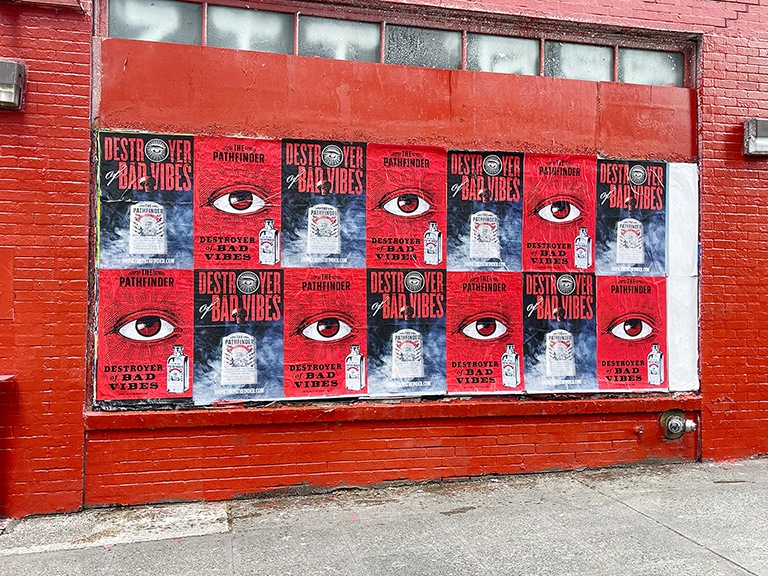
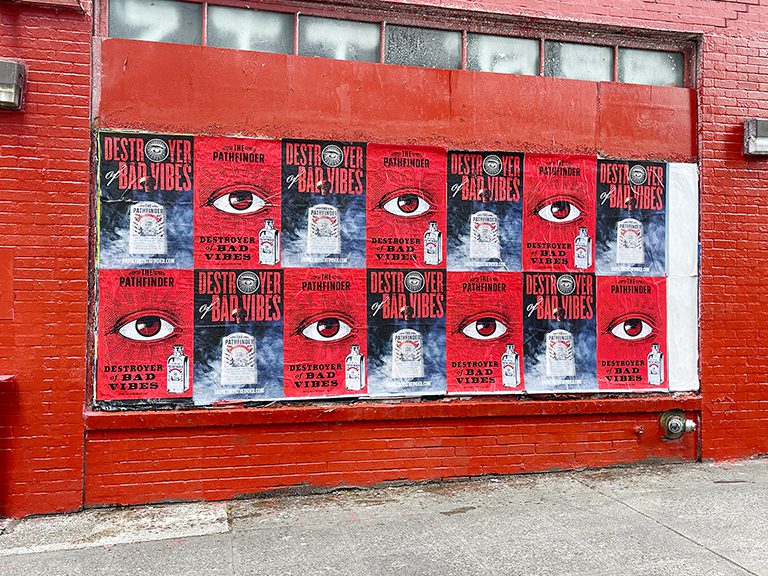
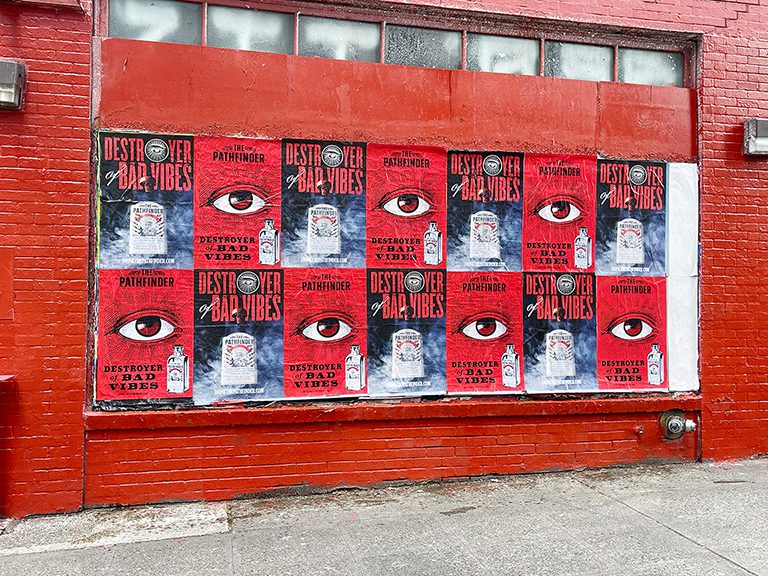
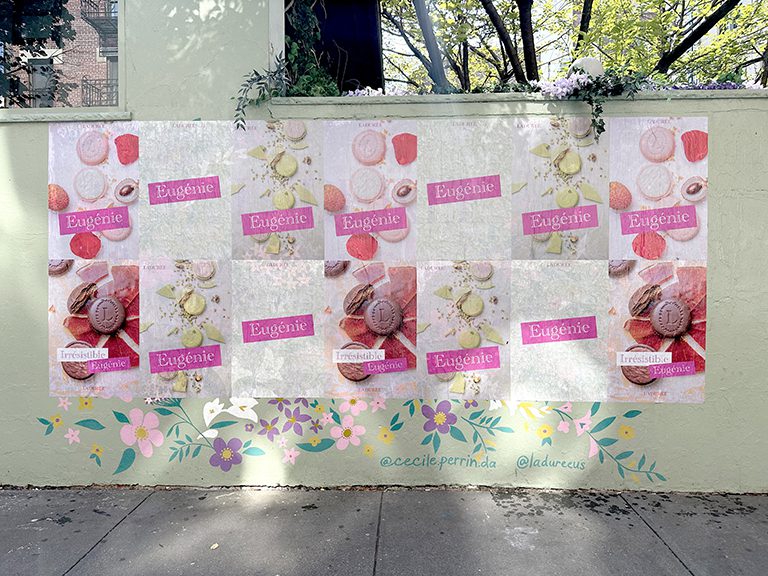
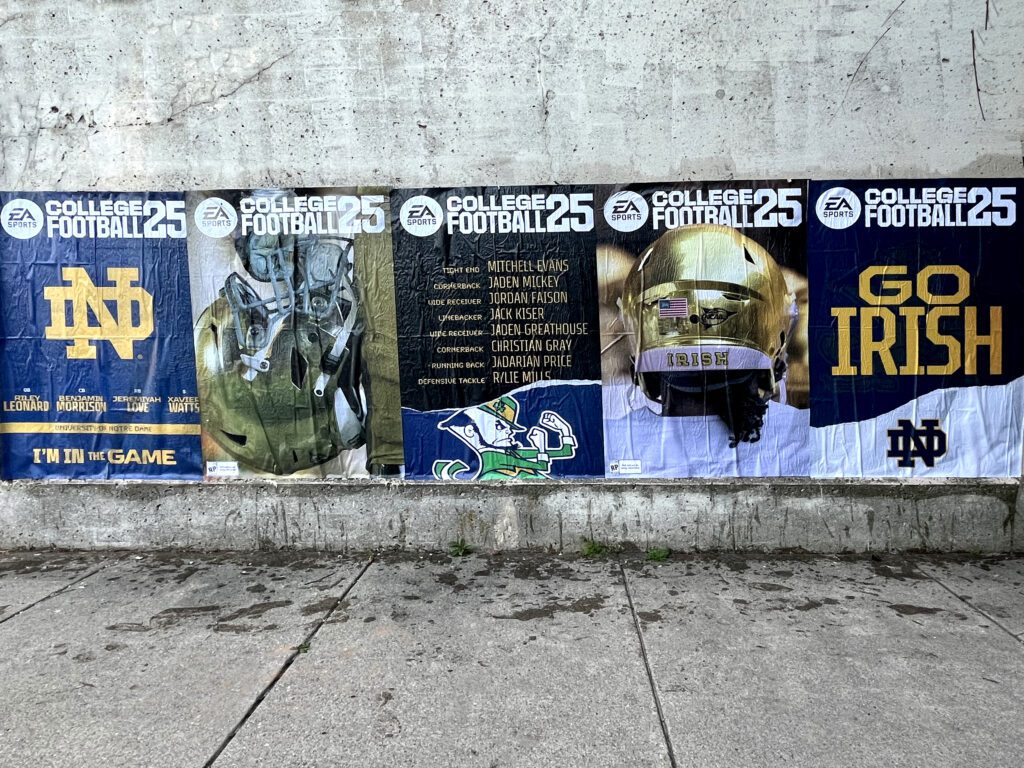
Wheatpaste and wild posting campaigns built for the Ozarks’ creative capital — from C-Street’s independent arts corridor to Missouri State’s campus edge and Park Central Square. Street-level presence that stops people mid-stride.
Springfield doesn’t show up in most advertising agency media plans. That’s exactly the opportunity. As Missouri’s third-largest city and the undisputed regional hub of the Ozarks, Springfield holds a market position that punches well above its population — it draws shoppers, students, tourists, and transplants from a multi-county footprint that no other southwest Missouri city can match. Brands that arrive here early, while the fly posting landscape is still uncluttered, have an outsized advantage over competitors who treat the market as secondary.
The city’s cultural backbone is Commercial Street — universally known as C-Street — a historic commercial strip reborn as Springfield’s most distinctive independent arts and retail corridor. Galleries, live music venues, antique and vintage shops, independent coffee houses, and a creative community that has turned a formerly industrial block into a genuine arts destination define C-Street’s character. This is the kind of street where a well-executed wheatpaste campaign doesn’t feel like an intrusion — it feels like part of the visual fabric. The creative audience walking C-Street on any given Friday evening is precisely the demographic that notices street art, shares it, and associates the brands it encounters there with authenticity.
Missouri State University adds approximately 24,000 students to the equation — a concentrated young adult population that lives in the campus-adjacent neighborhoods, shops the surrounding commercial corridors, and responds to marketing formats that feel credible rather than corporate. Traditional billboard and display advertising doesn’t land with college students the way a well-placed wheatpaste poster does. Street-level placement in the corridors MSU students actually walk creates impressions that paid digital inventory rarely achieves.
Then there’s the Branson connection. Springfield functions as the gateway city for the entire Missouri Ozarks tourism circuit — Table Rock Lake draws water recreation visitors, Branson (just 40 miles south) sends millions of annual tourists through the region, and rural communities across southwest Missouri treat Springfield as their regional shopping and cultural center. That transient tourism traffic flows through Springfield’s commercial corridors in volumes that a city of this population size typically wouldn’t see. For brands targeting leisure travelers, entertainment seekers, or outdoor recreation audiences, Springfield offers access to a uniquely aggregated audience.
The result is a market where fly posting delivers extraordinary value. Low competitive clutter means any brand placing posters here is genuinely rare. In major metro markets, wild posting blends into a visual landscape already saturated with street-level advertising. In Springfield, a well-placed wheatpaste campaign on C-Street or the campus corridors stands out because nothing else around it looks like it. That rarity is not a limitation — it’s a multiplier on notice and recall.
AGM has the surface intelligence, installation crew, and production pipeline to run your Springfield fly posting campaign from brief to photo report. C-Street, the MSU corridors, Battlefield Road, downtown — we know where the walls are and how audiences move between them.
Select a city to explore Fly Posting Advertising opportunities.
Fly posting works best when placement reflects how people actually move through a city. Springfield’s geography and pedestrian patterns create four distinct zones, each with a different audience profile and a different strategic purpose. AGM maps every campaign to these zones rather than placing indiscriminately — concentration and context are what separate a forgettable poster run from a campaign that actually builds awareness.
C-Street is Springfield’s most receptive fly posting territory by every meaningful measure. The audience walking this corridor — artists, musicians, collectors, students, weekend visitors from Branson and the lake communities — has demonstrated cultural engagement simply by being here. They chose a walkable arts district over a strip mall. They’re looking at things. They notice visual installations. A wheatpaste campaign on C-Street exterior walls reaches an audience that is actively, not passively, processing its environment.
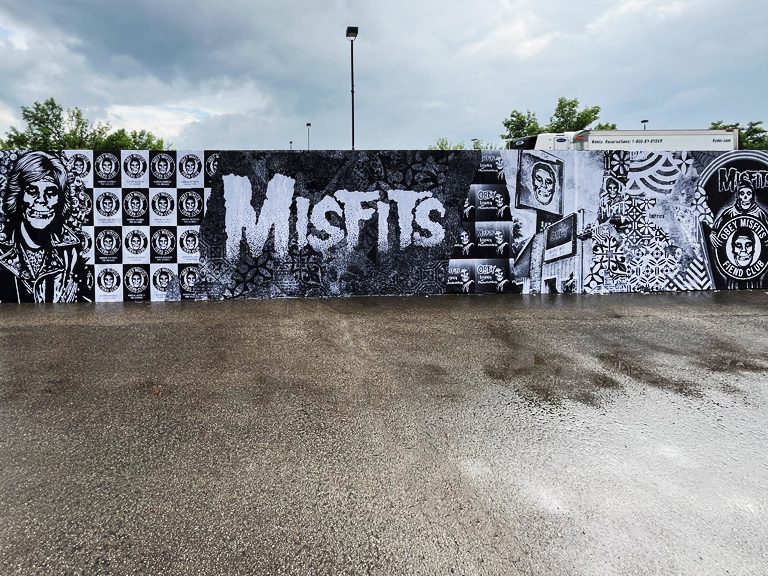
The historic building stock along C-Street offers excellent paste surface conditions — brick and concrete exterior walls with broad flat sections ideal for 24×36 and 48×72 format placement. These aren’t surfaces that fight the poster; they become part of the composition. For brands in music, entertainment, fashion, food and beverage, arts, or lifestyle categories, C-Street placement creates an association with Springfield’s creative identity that no other advertising format can manufacture.
Best formats: 24×36 for corridor saturation across multiple walls; 48×72 for anchor statement placement on key C-Street-facing building sides. Weekend foot traffic peaks Friday and Saturday evenings with live music and gallery programming.
The commercial blocks immediately surrounding Missouri State’s campus serve a population of approximately 24,000 enrolled students, plus graduate students, faculty, and the steady stream of campus visitors that an active university generates throughout the academic year. These corridors — the retail and food-and-beverage strips that face campus edges and connect student housing to academic buildings — produce consistent high-volume pedestrian traffic on class days and during evening hours.
Blank building sides on campus-adjacent blocks provide solid paste surfaces for 24×36 format saturation. A campaign that posts multiple creatives along the same pedestrian corridor creates frequency — the same student who sees a poster on their morning commute to class sees it again on the walk to dinner and again returning from a late-night study session. That repetition is what converts passive exposure into actual brand recall. For brands targeting the 18–24 demographic specifically, no Springfield placement zone delivers the audience concentration that MSU’s adjacent corridors do.
Campaign timing note: Academic calendar rhythms matter here. Posting around the first two weeks of a new semester, during Greek recruitment periods, or ahead of major campus events amplifies visibility by catching students who are actively exploring and establishing new routines.
Battlefield Road is Springfield’s high-volume suburban commercial spine — a continuous stretch of retail, dining, and service businesses that captures the broadest demographic cross-section of the metro area’s daily traffic. This is where Springfield’s suburban households run their weekly errands, where families choose dinner, and where the traffic counts are consistently high throughout the week regardless of events or seasonal variation.
The strategic value of Battlefield Road placement is demographic breadth. Where C-Street reaches a curated creative audience and MSU corridors reach students, Battlefield Road reaches the general Springfield population: working adults, families, commuters, and the transient shoppers who drive in from the surrounding communities. For brands with broad mass-market appeal — consumer packaged goods, entertainment releases, apps with universal audiences, health and wellness campaigns — Battlefield Road placement ensures that the campaign’s visual footprint extends beyond the concentrated core neighborhoods.
Placement approach: High-traffic retail adjacencies, plywood construction barriers where available, and blank side walls facing parking lots with high dwell time. 24×36 format performs well here for volume; 48×72 for statement walls visible from the corridor itself.
Downtown Springfield anchors the city’s civic and event life. Park Central Square is the literal center of the downtown grid — the site of festivals, farmers markets, public programming, and the everyday lunch-hour and after-work pedestrian traffic that keeps downtown Springfield’s independent businesses alive. The square and the surrounding blocks function as a gathering point that draws residents from across the metro regardless of neighborhood affiliation.
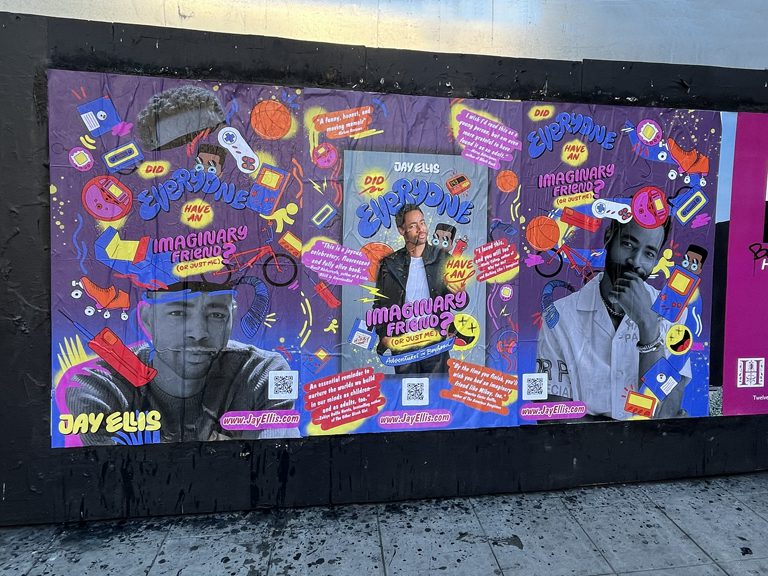
Downtown development activity often produces plywood construction barriers — temporary surfaces that are ideal for fly posting and appear on the most-trafficked downtown blocks. These surfaces are visible to the broadest cross-section of Springfield’s pedestrian activity and benefit from the extended dwell times of people waiting, walking slowly, or sitting at outdoor café seating. For campaigns that want civic presence — visibility at the kind of community events and gathering points that signal cultural participation — downtown placement is essential.
Event consideration: Springfield’s downtown event calendar includes First Friday art walks, seasonal festivals, and recurring public markets. Campaigns timed to post ahead of these events capture peak downtown foot traffic and benefit from extended exposure as event visitors spend extended time in proximity to poster placements.
AGM offers two standard fly posting formats for Springfield campaigns, each suited to different placement contexts and creative goals. Both formats are produced on quality wheatpaste-ready stock and installed by experienced crews who know how to select and prepare surfaces for maximum adhesion and longevity across the 1–2 week campaign window.
Most Springfield campaigns combine both formats strategically: 48×72 anchors on the highest-visibility walls in two or three zones, with 24×36 saturation creating frequency along the pedestrian corridors that connect those anchor points. This layered approach means audiences encounter the campaign at both the large-scale impression level and the close-reading detail level, reinforcing the message across different moments of exposure.
For campaigns running multiple creative executions — different messages for different audiences, or a sequential reveal — the additional creative fee per design covers production and logistics for each unique piece. Running two or three distinct designs through a single Springfield campaign is a proven approach for brands that want to tell a story across a corridor rather than repeat a single image.
Award Winning Personalized Service
You will get thoughtful, devoted, and individualized attention from our experienced, qualified, and professional personnel. Being one of the most illustrious agencies in Brooklyn, New York, American Guerrilla Marketing has been awarded the Best of Brooklyn title.
Nationwide
Industry City, Brooklyn, New York 11232
American Guerrilla Marketing
Hours
Mon - Fri: 9 AM - 5 PM
Sat & Sun: Closed
Automate your campaign with AGM’s Request for Proposal Builder. Simply answer a few quick questions about your campaign goals, markets, and timeline, and the system will generate a tailored presentation with recommended strategies, quantities, and pricing. Click the RFP Builder to instantly receive your customized proposal.
Not every wall is the right wall. AGM’s Springfield placement strategy starts with surface intelligence — understanding which exterior walls, construction barriers, and building sides offer the paste adhesion, visual prominence, and foot traffic proximity that make a campaign actually work. Years of working in secondary markets across the country have taught us that surface selection is as important as creative quality. A stunning poster on the wrong wall is still a wasted impression.
C-Street’s historic commercial building stock is among the best paste surface inventory in any Missouri market. The brick and concrete exterior walls along the corridor have the texture and mass that hold wheatpaste through weather events and produce a natural aging aesthetic that actually enhances campaign credibility with the arts-adjacent audience walking the street. Blank building sides facing the pedestrian corridor are prioritized; walls tucked behind parked cars or obstructed by signage are avoided.
Campus-adjacent blocks near Missouri State offer a different surface type — the blank side walls of commercial and mixed-use buildings that face the pedestrian routes students travel most. These walls often have minimal existing visual competition, which means a fresh poster placement commands full visual attention rather than fighting for notice in a cluttered surface environment. The combination of a clean surface and a captive pedestrian audience makes these blocks consistently high-performing for the 24×36 format.
Downtown Springfield’s ongoing development activity produces plywood construction barriers at active project sites — some of the most visible and walk-past-daily surfaces available in any urban environment. These barriers are temporary by nature, but during an active campaign window they deliver prime placement on the highest-foot-traffic downtown blocks. AGM monitors downtown development activity in Springfield to identify these surfaces as they become available and incorporate them into campaign plans.
When Netflix executed a major wheatpaste campaign in Miami, the strategy wasn’t simply about poster volume — it was about corridor saturation in entertainment-adjacent environments where culturally engaged audiences already congregated. The campaign placed wheatpaste across the arts and nightlife corridors where the streaming platform’s target demographic spent their leisure time, creating street-level presence that felt native to those environments rather than imported from a media plan.
Springfield’s C-Street arts corridor and Missouri State student population represent a concentrated, receptive audience for exactly this kind of campaign. Entertainment brands, streaming services, music releases, gaming companies, and consumer brands targeting young adults aged 18–34 will find in Springfield’s creative corridor a micro-environment where street-level advertising lands with the same cultural resonance that Miami’s Wynwood or Brooklyn’s creative districts provide — but without the cost and competitive noise of those markets.
The secondary market advantage is real and it’s measurable. In major metros, wheatpaste campaigns compete with dozens of other street advertising executions for the same audience’s attention. In Springfield, a brand placing on C-Street is often the only brand doing so. That exclusivity creates a halo effect: the poster doesn’t just deliver an impression, it signals that this brand is paying attention to Springfield’s creative community in a way that its competitors aren’t. For entertainment brands seeking authentic street-level presence in a regional market that connects to the entire Ozarks tourism circuit, Springfield is one of the most efficient buys available anywhere in the Midwest.
AGM runs Springfield fly posting campaigns through a structured process that protects creative quality, maintains placement standards, and delivers documented results. Here’s how a campaign moves from initial contact to final proof of performance.
Campaigns run for 1–2 weeks from installation date. Weather, surface wear, and local activity can affect individual poster lifespan, but well-selected surfaces in Springfield’s protected corridor environments consistently hold through the full campaign window under normal conditions.
AGM’s Springfield client mix reflects the city’s position as a regional hub with both a strong local culture and significant transient audience. The brands and agencies that run fly posting campaigns here tend to fall into a few consistent categories:
One of Springfield’s most underappreciated advertising qualities is its reach beyond the municipal boundary. The city functions as the commercial, cultural, and services center for a broad regional catchment that includes communities across southwest Missouri, the Table Rock Lake recreation area, and the tourism corridor running south toward Branson. On any given weekend, a significant percentage of the pedestrians on C-Street, at Park Central Square, and along Battlefield Road are not Springfield residents — they’re regional visitors who drove in from smaller communities, tourists extending a Branson trip northward, or lake-country visitors who treat Springfield as their urban base for supplies, dining, and cultural programming.
This regional gravity means that a Springfield fly posting campaign’s actual audience is substantially larger than the city’s population would suggest. A 24×36 poster on C-Street isn’t just seen by Springfield residents — it’s seen by visitors from Joplin, Monett, West Plains, Carthage, and the dozen other communities that treat Springfield as their regional hub. It’s seen by the Branson tourist who drove up for a Saturday gallery visit. It’s seen by the Table Rock Lake couple who comes to Springfield for dinner and a show. This aggregated regional audience is one reason Springfield’s impression value per dollar is so favorable compared to larger markets with nominally higher traffic counts but far more competitive advertising environments.
C-Street’s combination of historic building stock with excellent paste surfaces, a walkable pedestrian environment where people actually look at their surroundings, and a curated creative audience that responds to visual culture makes it Springfield’s most effective fly posting territory. The audience self-selects for cultural engagement by choosing to spend time on an independent arts corridor — they’re more receptive to creative advertising than a general retail environment audience would be. The density of galleries, music venues, and independent businesses also means foot traffic peaks at events and openings, when audiences are in a heightened state of visual engagement.
Springfield’s role as the Ozarks’ regional hub means its commercial corridors draw visitors from a footprint far larger than the city itself. Branson tourism (40 miles south) routes significant visitor traffic through Springfield for shopping, dining, and cultural programming. Table Rock Lake recreation visitors, rural southwest Missouri households, and communities across the region treat Springfield as their metro destination. A Springfield fly posting campaign reaches this aggregated regional audience — not just city residents — which meaningfully expands the actual impression count beyond what population statistics alone suggest.
The first two to three weeks of each semester (late August for fall, mid-January for spring) deliver the highest campus-adjacent foot traffic because students are establishing new routines and are especially attentive to local information. Greek recruitment periods, campus-wide events, and homecoming weeks are also high-engagement windows. Summer sessions run with lower enrollment, so campaigns targeting the student audience specifically should align with fall and spring semesters. That said, the campus-adjacent commercial blocks retain general foot traffic year-round from the surrounding neighborhood population, so summer campaigns can still perform well with an adjusted audience expectation.
Yes — running multiple designs in a single campaign is a common and effective approach. Many clients use zone-specific creative: one design for C-Street tuned to the arts corridor audience, a different design for the MSU-adjacent corridors targeting students, and a third for Downtown/Battlefield Road reaching the general Springfield population. Each additional design beyond the base is charged at Contact us for pricing. (24×36) or Contact us for pricing. (48×72). This approach allows a single campaign to tell a more complete brand story across the city and can create a visual trail effect where audiences who travel between zones encounter a coherent campaign narrative.
Springfield’s Missouri climate — humid continental, with variable spring and summer weather — can affect poster longevity on exposed surfaces. Well-applied wheatpaste on protected walls (building overhangs, recessed surfaces, or interior-facing walls in sheltered corridors) consistently holds for the full 1–2 week campaign window under normal conditions. C-Street’s historic building stock includes many partially sheltered wall sections that perform particularly well through weather events. Surfaces directly facing prevailing weather or receiving full water runoff are deprioritized in surface selection precisely because longevity there is less predictable. Our crew pre-walks surfaces to assess condition and protection before installation.
AGM manages the complete end-to-end process: creative production (or client-file print prep), printing, transport, crew scheduling, surface pre-walk, installation, and photo documentation. You do not need to source local printing or arrange local logistics. All you need to provide is either print-ready creative files or sufficient design brief for AGM’s team to produce creative, and approval on the quote and zone plan. This turnkey approach is particularly valuable for brands running Springfield as part of a multi-city campaign — AGM coordinates across all markets simultaneously without requiring clients to manage separate vendor relationships in each city.
For brands running Springfield for the first time, the 24×36 format at 100 posters is the most common entry point. It distributes visual presence across multiple zones — C-Street, MSU corridors, and either downtown or Battlefield Road — without the higher per-unit investment of the 48×72 format. This coverage pattern allows a first campaign to test which Springfield zones generate the strongest response before a larger second campaign concentrates budget in the highest-performing areas. Brands with a specific high-impact wall in mind — a key C-Street facade, for example — often add one or two 48×72 placements to anchor the campaign while using 24×36 for corridor saturation.
Absolutely — and multi-city Missouri campaigns are among the most efficient ways to build statewide brand presence. Springfield is the natural anchor for a southwest Missouri campaign, while Kansas City covers the metro west and St. Louis covers the east. AGM can coordinate simultaneous campaign execution across all three markets from a single brief, ensuring creative consistency, synchronized posting windows, and unified photo documentation across the state. Springfield’s regional reach into the Ozarks also means that a Springfield post genuinely extends your footprint into communities that a Kansas City or St. Louis campaign would never reach.
Direct comparison depends on campaign objectives, but fly posting in Springfield consistently outperforms digital on one critical metric: earned attention. A poster on C-Street cannot be scrolled past, muted, blocked by an ad blocker, or filtered out by an algorithm. It occupies physical space in the visual field of everyone who walks the corridor. For brand awareness objectives specifically — establishing that a brand exists and has presence in the Springfield market — few formats deliver the immediacy and physical reality that wheatpaste does. Digital advertising excels at targeting precision and click-through; fly posting excels at building the kind of ambient brand awareness that makes digital advertising more effective when it reaches the same audience.
Every AGM campaign concludes with a photo documentation report. This report includes geo-tagged installation photos from each placement location, organized by zone and format size. Photos capture the poster in context — showing the surrounding environment, not just the poster face — which allows you to verify placement quality, surface prominence, and visual context. Reports are delivered digitally and typically arrive within 48 hours of campaign installation completion. Clients use these reports for internal performance documentation, agency reporting to brand clients, social media content, and press materials where applicable.
Fly posting occupies a complex regulatory landscape in most U.S. cities, Springfield included. AGM works exclusively with property owners and surface rights holders to secure permission for placements, and operates within the constraints of local ordinance where applicable. We do not place on surfaces where permission has not been established, and our Springfield surface map reflects this — every wall in our inventory has a documented permission status. Brands working with AGM can be confident that their campaign is not creating municipal liability, and that their poster placements are on surfaces where the property owner has agreed to host the campaign.