American Guerrilla Marketing
Nationwide Service
Media planning, media buying, billboard advertising, & guerrilla marketing
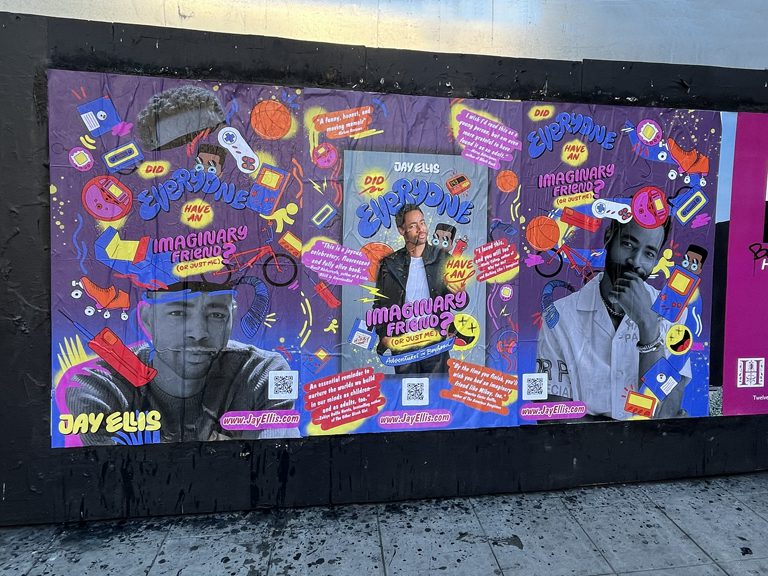
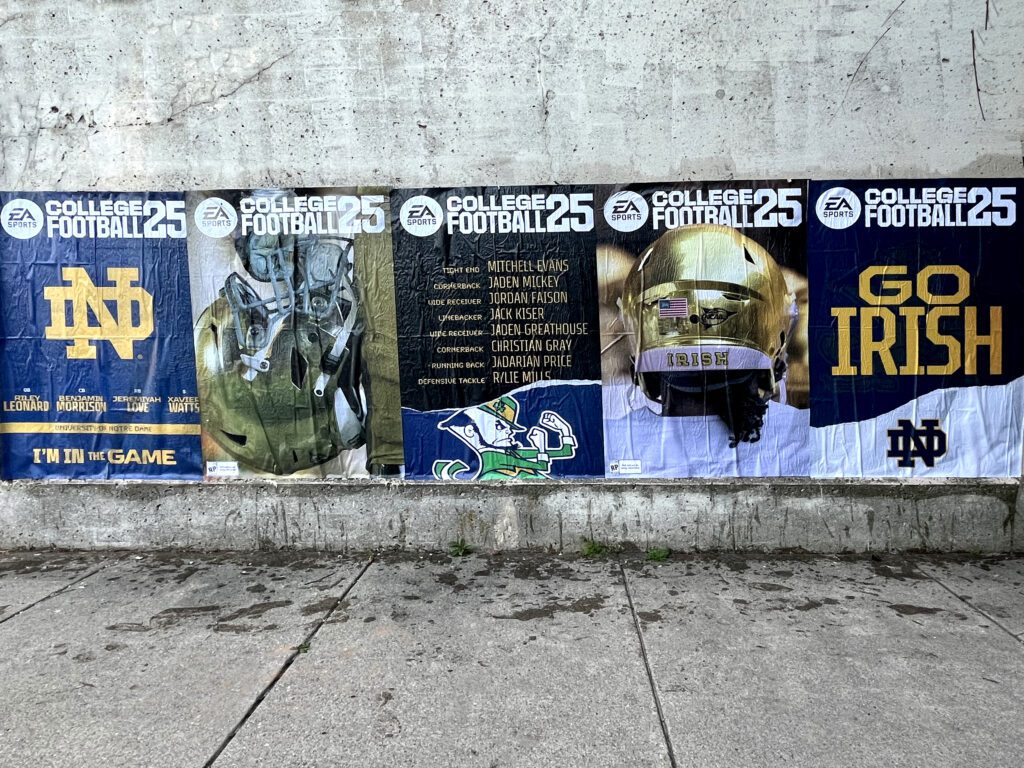
Lafayette has one of the most concentrated festival economies in the South. When 300,000 people descend on downtown for Festival International, the streets are already covered in visual information. AGM makes sure your campaign is part of it.
Lafayette is not a city that happens to have a festival calendar — the festival calendar is a structural element of how the city operates. Festival International de Louisiane is the signature event: five days in late April, 300,000 attendees, the Jefferson Street and Congress Street corridors packed from early afternoon through midnight, and a visual environment that is more dense, more layered, and more deliberately alive than anything you’d find in a typical American mid-size city. For fly posting, this creates something rare: a market where street-level visual advertising doesn’t fight for attention against indifference. The audiences moving through downtown Lafayette during Festival International are already in the mode of looking at things — at performers, at vendors, at banners, at hand-painted signs. A well-placed poster in that environment becomes part of the cultural texture rather than a commercial interruption.
That visual culture extends beyond the festival season. Lafayette’s identity is built on the Cajun and Creole traditions — food, music, community, and a regional self-awareness that makes the city’s residents distinctly attentive to how their city presents itself. The University of Louisiana at Lafayette brings 17,000 students into the Johnston Street and Bertrand Drive corridors. The River Ranch development has established an upscale professional community along the Vermilion River. Downtown Alive! puts thousands of people on the streets on Friday evenings in the spring and fall. Mardi Gras in Lafayette runs its own parades along Johnston Street and Pinhook Road. At nearly every point in the year, there is a concentrated audience moving through identifiable corridors in this city — and fly posting is the medium that reaches them at street level, on their terms, in their environment.
American Guerrilla Marketing has executed campaigns in festival-driven markets across the country. We understand how to time installations to precede audience concentration, how to select surfaces that hold in the humid Louisiana climate, and how to cover the corridors that matter without wasting placements on traffic that doesn’t convert. Here is how a Lafayette fly posting campaign works in practice.
Festival International fills Johnston Street and downtown Lafayette with 300,000 people. The Acadiens et Créoles festivals bring the Cajun community together every October. Downtown Alive! puts thousands on the streets every Friday evening in spring and fall. AGM places your campaign in those corridors at the right time — installed by our own team, documented completely, reaching the audiences that matter to your brand. Contact us to start planning your Lafayette fly posting campaign.
Select a city to explore Fly Posting Advertising opportunities.
Lafayette’s posting geography runs along a commercial spine from the university to downtown, with distinct audience pockets branching off at key intersections. Understanding the flow of the city is essential to efficient placement strategy.
Johnston Street is the primary commercial artery of Lafayette, running from the UL Lafayette campus area through the River Ranch development and into the downtown blocks near Jefferson Street. The corridor is lined with independent restaurants, bars, coffee shops, and venues that generate consistent daily foot traffic from students, young professionals, and residents moving between their neighborhoods and the city’s commercial center. For fly posting purposes, Johnston Street is the year-round backbone of any Lafayette campaign — the corridor that delivers sustained exposure across multiple demographic layers in a single linear run.
Posting surfaces along Johnston Street include commercial building facades on the older mixed-use properties that line the corridor, utility and electrical structures at the major intersections, and the Carpe Diem arts corridor area near Johnston Street and Guilbeau Road where the independent coffee shop and arts community creates a concentrated creative-audience pocket. The stretch between the UL campus area and the River Ranch development gives access to both the student demographic and the upscale professional market in a single corridor run.
Jefferson Street and the surrounding downtown blocks are the Festival International grounds. The festival occupies Jefferson Street, Congress Street, and the downtown park areas for five days in late April, transforming the entire district into one of the highest-density pedestrian environments in the American South for that period. Outside of festival season, downtown Lafayette has a growing entertainment and dining scene anchored by the independent venues and restaurants that have established themselves on and around Jefferson Street.
The key to downtown Lafayette fly posting is timing. In the two to three weeks before Festival International, foot traffic in this corridor increases steadily as out-of-town attendees begin arriving, local residents start visiting downtown more frequently in anticipation of the event, and venue activity intensifies. Installations going up three weeks before the festival ensure that the campaign is fully visible before the audience concentration peaks. During Downtown Alive! concert Fridays, the Jefferson Street area generates audience concentration that makes it productive year-round, not just during Festival International week.
The University of Louisiana at Lafayette’s 17,000-plus students are concentrated on the campus perimeter streets — Bertrand Drive and St. Mary Boulevard — and move regularly outward along Johnston Street toward the commercial strips, restaurants, and bars that serve the student population. The campus area itself has perimeter posting opportunities on the commercial intersections that border the university, and the blocks immediately off campus on the Bertrand Drive side are dense with student-oriented businesses that draw foot traffic throughout the academic year.
UL Lafayette campaigns are most effective during the academic year — from late August through early May — when the student population is fully present. The Ragin’ Cajuns football and basketball seasons create additional audience concentration moments around the campus perimeter, and the arts programming embedded in the university’s curriculum means that a UL-area posting campaign reaches a population that is already engaged with the kind of cultural content that fly posting typically promotes.
River Ranch is Lafayette’s upscale mixed-use development along the Vermilion River, anchored at the Johnston Street and River Ranch Boulevard intersection. The development has established a professional and affluent residential community that generates consistent foot traffic in the adjacent commercial areas. The audience here is distinct from the student and arts crowd on Johnston Street proper — older, higher income, and oriented toward lifestyle, culinary, and professional-service brands. For campaigns targeting an adult professional demographic in Lafayette, the River Ranch corridor and the blocks connecting it to the broader Johnston Street strip offer access to an audience not reached by university-area or downtown festival-focused placements.
Lafayette’s event calendar is structured around a series of cultural festivals that create predictable, high-value activation windows for fly posting campaigns throughout the year. These are not peripheral events — they are the organizing rhythm of the city’s social calendar.
Festival International is the single most important fly posting window in Lafayette and one of the most valuable festival activation opportunities in the Southern United States. The event draws more than 300,000 attendees over five consecutive days to the downtown Jefferson Street and Congress Street festival grounds, making it one of the largest free outdoor music and arts festivals in the country. The audience is national in scope — visitors come from across Louisiana, the Gulf Coast, and beyond — and it skews toward arts-engaged adults who are receptive to visual brand communication in the street environment.
The booking and installation timeline for Festival International campaigns is clear: book at least four to six weeks before the event and install two to three weeks prior. This ensures the campaign is fully in place as the audience begins arriving, captures the pre-festival foot traffic surge on Johnston Street and downtown Jefferson Street, and maintains visibility through the full five-day festival run and the post-event period. Waiting until the week of the festival to install misses the build-up period — the two weeks before the event when attendance at adjacent bars, restaurants, and venues is climbing and the city is most attentive to what’s coming.
Festivals Acadiens et Créoles is Lafayette’s autumn cultural event, held in Girard Park and celebrating the Cajun and Creole heritage of Acadiana through live music, food, crafts, and community programming. The festival draws a mix of deeply local Acadiana residents, regional Louisiana visitors, and cultural tourists with a specific interest in Cajun and Creole culture. For brands with an authentic connection to that cultural space — or for entertainment campaigns targeting an older, arts-engaged regional audience — the October Acadiens et Créoles window provides a concentrated activation moment distinct from the broader national audience of Festival International.
Lafayette runs its own Mardi Gras with parades that route along Johnston Street and Pinhook Road, drawing a predominantly local and regional Acadiana audience. Unlike New Orleans Mardi Gras, which is heavily shaped by national tourism, Lafayette’s Mardi Gras is a community event — family-oriented, deeply local, and organized around the neighborhoods and corridors where Lafayette residents actually live and move. Fly posting installed in the weeks before the parade routes creates sustained visibility in exactly those corridors as the Mardi Gras season builds through February.
Downtown Alive! is a free outdoor concert series held on Friday evenings in downtown Lafayette during the spring and fall seasons. The series consistently draws several thousand attendees to the Jefferson Street corridor and the downtown park areas, creating a recurring weekly audience concentration from late afternoon through the evening hours. For brands looking to reach Lafayette’s urban professional and arts-community audience outside of the major festival windows, Downtown Alive! provides a reliable bi-weekly activation context that keeps posting in the downtown corridor relevant across the full spring and fall calendar.
Award Winning Personalized Service
You will get thoughtful, devoted, and individualized attention from our experienced, qualified, and professional personnel. Being one of the most illustrious agencies in Brooklyn, New York, American Guerrilla Marketing has been awarded the Best of Brooklyn title.
Nationwide
Industry City, Brooklyn, New York 11232
American Guerrilla Marketing
Hours
Mon - Fri: 9 AM - 5 PM
Sat & Sun: Closed
Automate your campaign with AGM’s Request for Proposal Builder. Simply answer a few quick questions about your campaign goals, markets, and timeline, and the system will generate a tailored presentation with recommended strategies, quantities, and pricing. Click the RFP Builder to instantly receive your customized proposal.
AGM offers two standard poster formats for Lafayette fly posting campaigns. The format choice depends on the surface types available in your target corridors and the visual scale your campaign requires.
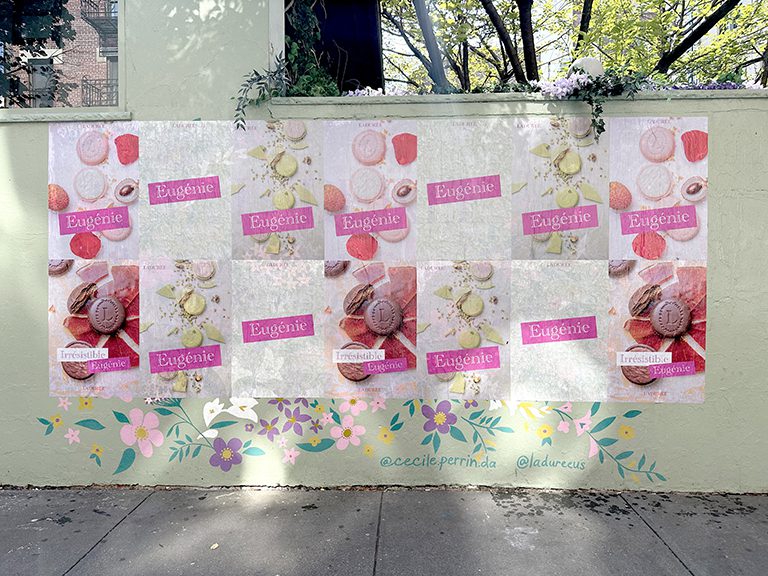
The primary format for Johnston Street, the UL campus area, and the downtown Jefferson Street corridor. Works across the mixed commercial building facades, utility structures, and perimeter walls that define the surface inventory in Lafayette’s main posting zones. Street-level readable detail at walking and slow-drive distance — the right scale for a corridor like Johnston Street where the audience is moving at pedestrian and low-speed vehicle pace.
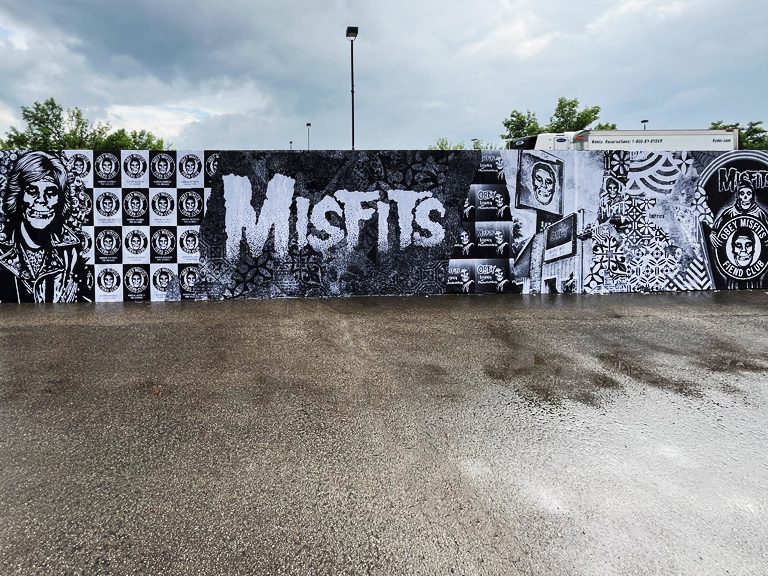
The high-impact option for select downtown Lafayette locations where larger commercial walls are available. Most effective during Festival International campaigns, where the density of visual information on the streets makes scale an advantage. Commands visibility from a full block’s distance and works best on the larger blank exterior walls found on older downtown commercial buildings near the Jefferson Street festival grounds.
Festival International campaigns often run 24×36 as the primary format across Johnston Street and the UL campus area, with a smaller number of 48×72 placements on key downtown walls near the festival grounds. This combination covers both the approach corridors and the festival zone itself at the appropriate visual scale for each location.
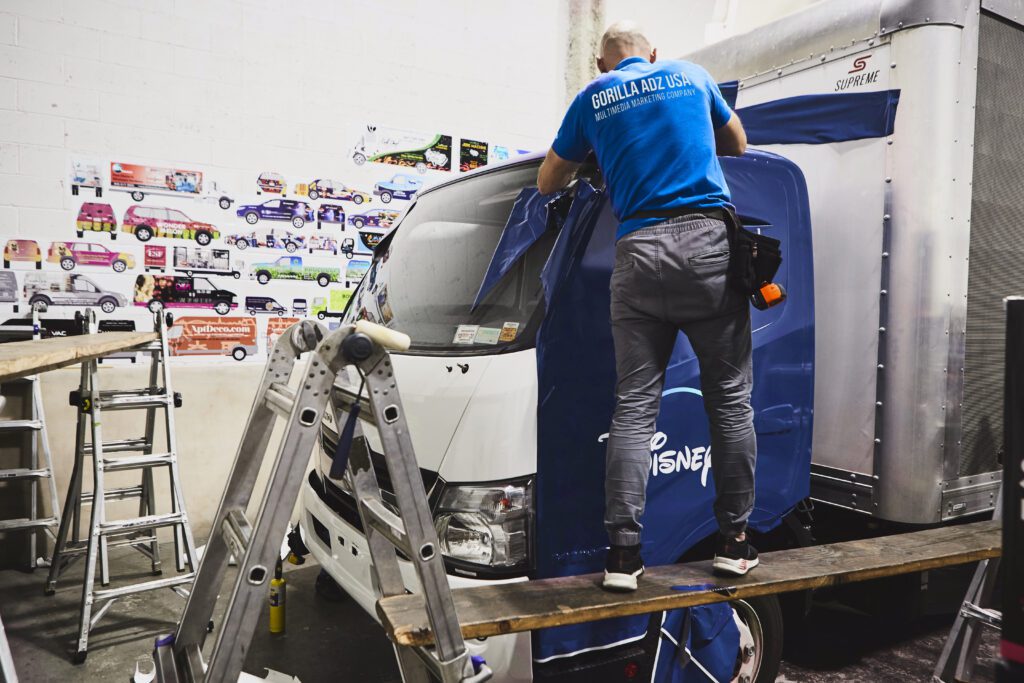
AGM does not use subcontractors in Lafayette. Every campaign is installed by AGM’s own team with direct accountability for location selection, installation quality, and post-campaign documentation. There is no intermediary between AGM and the wall — the strategy you approve translates directly into the installations that go up in the city.
Lafayette’s posting surface landscape is a mix of older commercial masonry along Johnston Street and in the downtown blocks, wood-frame commercial and residential structures in the transitional zones off the main corridors, and the newer mixed-use construction in the River Ranch area. Wheat paste performs differently on each surface type. Older plaster over brick holds well when adhesion is applied correctly; wood-frame painted surfaces require specific preparation to prevent moisture-driven peeling in Lafayette’s humid climate. AGM scouts target surfaces before each installation to eliminate locations where adhesion conditions are inadequate and to identify the surfaces that will hold for the full intended campaign duration.
Louisiana’s humidity is a consistent factor in campaign planning across the state, and Lafayette is no different. Spring installations in March, April, and May benefit from milder temperatures and moderate humidity. Festival International in late April typically falls within the best seasonal window for campaign durability. Summer installations are executed but carry a shorter expected display window. Fall campaigns from September through November are the second-best season. AGM advises clients on timing relative to both event windows and seasonal conditions to ensure campaigns perform as expected in the field.
Every placement is photographed at the time of installation with geotagged images tied to the specific location address. Clients receive a complete photo report organized by neighborhood and installation date within 48 to 72 hours of campaign completion. The report documents every placement — address, surface type, format, and date — so clients have a location-specific record of where each poster ran in the Lafayette market. This documentation is standard on every AGM campaign regardless of size.
Late April is the premier window — Festival International de Louisiane draws 300,000 people to downtown Lafayette over five days, and installations going up two to three weeks before the event capture the full build-up period as well as the festival itself. October is the second-best window, with Festivals Acadiens et Créoles activating the Girard Park area and drawing a strong regional Acadiana audience. Mardi Gras in February is a reliable third option with parades routing along Johnston Street and Pinhook Road. Year-round, Johnston Street provides consistent daily traffic that makes any campaign month viable for the right brand.
Book at least four to six weeks before the event. Installations should go up two to three weeks prior to the festival’s opening day. This timeline ensures the campaign is fully visible as out-of-town attendees begin arriving, captures the pre-festival activity surge on Johnston Street and downtown Jefferson Street, and maintains visibility through the full five-day event and the post-festival period when foot traffic in the corridor remains elevated. Late bookings compress the installation window and risk missing the most valuable pre-festival days.
Johnston Street is the highest-volume year-round corridor — it runs from the UL campus area through River Ranch to downtown, connecting multiple audience segments in a single linear posting run. Downtown Lafayette around Jefferson Street and Congress Street is the peak-concentration zone during Festival International and Downtown Alive! events. The UL Lafayette campus perimeter on Bertrand Drive and St. Mary Boulevard is the highest-density student corridor. For a campaign that needs to reach the broadest possible Lafayette audience, a combination of Johnston Street and downtown is the most efficient approach.
Johnston Street provides year-round, consistent daily traffic from a wide demographic mix — students from UL, young professionals in the River Ranch area, and residents moving through Lafayette’s main commercial artery. It delivers sustained exposure over the duration of a campaign. The Jefferson Street downtown district is a concentrated event zone where foot traffic spikes dramatically during Festival International and Downtown Alive! concerts but is lighter on ordinary weekdays. A campaign targeting the Festival International audience specifically should prioritize downtown; a campaign seeking year-round sustained reach should prioritize Johnston Street or use both in combination.
Yes. UL Lafayette’s 17,000-plus students concentrate on the Bertrand Drive and St. Mary Boulevard campus perimeter and move regularly along Johnston Street toward the bars, restaurants, and venues that serve the student population. AGM installs on the commercial intersections and building surfaces along these routes — particularly the Johnston Street blocks closest to the campus and the Carpe Diem arts corridor area — to reach the student audience at the locations where they’re most active outside of class hours. Campus-adjacent campaigns are most effective during the academic year from late August through early May.
Festivals Acadiens et Créoles in October is the second-largest cultural event in Lafayette, activating Girard Park with Cajun and Creole music, food, and crafts and drawing a strong regional audience. Mardi Gras de Lafayette in February brings parades along Johnston Street and Pinhook Road. Downtown Alive! free concerts on spring and fall Friday evenings in the Jefferson Street corridor generate consistent weekly audience concentration. UL Ragin’ Cajuns football and basketball seasons produce recurring audience spikes around the campus perimeter and the Johnston Street corridor.
24×36 is the primary format for Johnston Street corridor installations and the UL campus area, where the mixed commercial building stock and utility structures suit the standard format. For Festival International campaigns where downtown Jefferson Street locations are included, a limited number of 48×72 placements on larger commercial walls near the festival grounds adds impact at the highest-concentration locations. Most Lafayette campaigns run 24×36 as the dominant format.
Lafayette’s Mardi Gras draws a predominantly local and regional Acadiana audience rather than the million-plus national tourist wave that defines New Orleans during the same period. Parades in Lafayette route along Johnston Street and Pinhook Road — corridors that are also primary fly posting zones. This makes the Lafayette Mardi Gras window effective for brands targeting the regional Cajun and Creole community specifically, but not suited for nationally-oriented tourism campaigns. The scale is smaller, the audience is more local, and the placements can be more precisely targeted to the parade route corridors than a New Orleans Mardi Gras campaign.
Yes. AGM routinely executes multi-city Louisiana campaigns covering Lafayette alongside New Orleans and Baton Rouge. Combined bookings allow a single campaign to reach the Acadiana market through Lafayette, the capital and university market through Baton Rouge, and the tourism and entertainment market through New Orleans — all under a coordinated deployment with unified reporting. Multi-city campaigns are managed through a single AGM point of contact.
Festival and live music promoters are the most consistent users, given Lafayette’s event-driven cultural economy and the concentration of engaged audiences around Festival International and Downtown Alive! Food and beverage brands with a Cajun or Creole cultural connection perform well in this market. Regional entertainment brands, touring artists, and streaming platforms releasing content with cultural resonance in Acadiana are natural fits. The UL Lafayette student market also attracts consumer brands in clothing, technology, and entertainment.
Every Lafayette installation is photographed at the time of posting with geotagged images tied to the specific location. Clients receive a full photo report organized by neighborhood and posting location, delivered within 48 to 72 hours of campaign completion. The report covers every placement — address, surface type, format, and installation date — so clients have a complete, location-specific record of campaign execution in the Lafayette market.
The Johnston Street corridor offers a mix of older commercial masonry building facades, utility and electrical structures at major intersections, and mixed-use property perimeter walls. The downtown Jefferson Street area includes older commercial building walls with plaster over brick and concrete block construction typical of Lafayette’s mid-20th-century downtown buildings. The UL campus fringe on Bertrand Drive includes commercial building facades and utility structures adjacent to campus-edge businesses. AGM scouts surfaces in each target zone before installation, selecting locations with high pedestrian visibility, strong adhesion conditions, and appropriate dwell time for the audience moving through that corridor.