🚀 NEW WHEATPASTING MARKETS Discover our wheatpasting campaigns in : 🇬🇧 London • 🇨🇦 Canada • 🇲🇽 Mexico City

American Guerrilla Marketing

Nationwide Service

Media planning, media buying, billboard advertising, & guerrilla marketing

Fly Posting in Saint Paul, MN

Sidewalk Decals Advertising in Saint Paul, MN

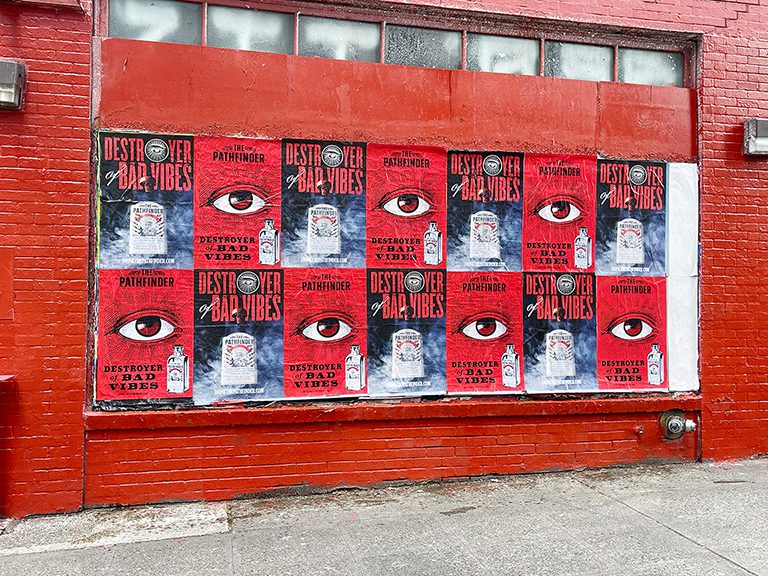
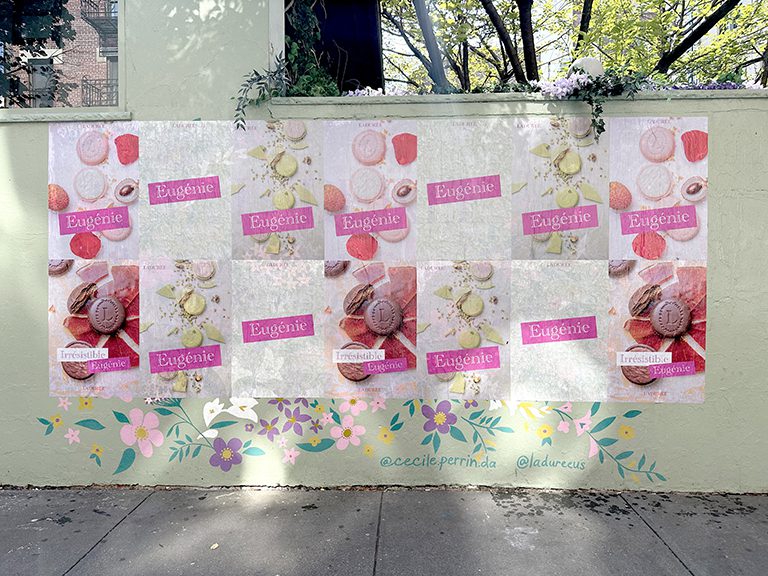
Street poster campaigns executed in Lowertown, West 7th, Xcel Energy Center approach blocks, and Grand Avenue — by the team that prints, pastes, and proves every placement with GPS photo documentation.

Why Saint Paul Rewards Brands That Actually Show Up

Saint Paul is not Minneapolis. That distinction matters more than it might sound. The two cities share a metro, share a river, and share a sports franchise — but they do not share a character, and the brands that conflate them tend to struggle in both. Saint Paul has its own neighborhoods, its own architectural inheritance, its own political history, and its own residents who notice immediately when an advertising campaign treats them as an afterthought to the bigger market across the bridge.

Fly posting is the format that closes that gap. Rather than buying regional inventory that blankets the metro without landing anywhere specifically, a wheat paste poster campaign can go exactly where your brand needs to be seen — the blocks around Xcel Energy Center on a Wild game night, the warehouse walls of Lowertown on a Saturday farmers market morning, the pedestrian corridor along West 7th on a concert Friday. Precision matters in a city that values it.

American Guerrilla Marketing has executed fly posting campaigns across dozens of major U.S. markets. We bring that national operational scale to Saint Paul while operating at the neighborhood level — reading foot traffic patterns, selecting surfaces that match your format, and timing installations to the windows when your audience is moving through those corridors in the highest concentration. We are not a brokerage that places orders with local vendors. We print and install directly, every time, without subcontractors in the middle.

Saint Paul’s older building stock — the brick warehouse faces, the Victorian commercial storefronts along Grand Avenue, the converted industrial buildings in Lowertown — creates a visual environment where a well-executed poster campaign doesn’t look like an intrusion. It looks like it belongs. The format has deeper roots here than in markets built for billboard culture. Residents read the walls. They notice what goes up. They photograph it. They share it. For brands willing to commit to authentic local presence rather than regional broadcast, that behavioral dynamic is enormously valuable.

Saint Paul’s demographics add another layer of strategic richness. The city has one of the largest Hmong communities in the United States, a substantial East African population, and neighborhoods with deep multigenerational roots that resist the generic creative language that passes elsewhere. Poster campaigns here perform best when the creative acknowledges the specific location — not superficially, but in ways that suggest the brand actually understands where it’s showing up. AGM helps clients think through that alignment before a single panel goes up.

The practical case is just as strong as the cultural one. Saint Paul hosts major events throughout the year — Minnesota Wild NHL games and national touring concerts at Xcel Energy Center, the Saint Paul Farmers Market drawing thousands of weekend visitors to Lowertown, summer festivals along the riverfront, and consistent entertainment traffic along West 7th. Each of those event cycles creates a predictable window of elevated pedestrian density that a coordinated poster campaign can hit with precision. When your creative is already on the walls before the crowd arrives, it reads as ambient presence rather than advertising — and ambient presence converts differently than a targeted ad unit.


Ready to Post in Saint Paul?

Tell us your districts, your timeline, and your creative. We'll build a surface map, confirm format recommendations, and put your campaign on the walls that matter in Saint Paul.

Browse Cities in Minnesota

Select a city to explore Fly Posting Advertising opportunities.

Saint Paul's Four Highest-concentration Posting Districts

Lowertown Arts District — Warehouse Walls, Farmers Market Blocks, Creative Community Foot Traffic

Lowertown is Minnesota’s most deliberately cultivated arts neighborhood, and it wears that designation honestly. The district is anchored by artist live-work lofts, converted warehouse buildings, independent galleries, and the kind of creative community that actually reads the walls it walks past every day. CHS Field, the ballpark for the Saint Paul Saints, sits at the eastern edge of the district and draws consistent summer crowds that blend the arts community with broader city attendance. The Saint Paul Farmers Market operates on Saturdays and Sundays in the heart of Lowertown, pulling thousands of shoppers through blocks that also serve as the district’s primary pedestrian corridors.

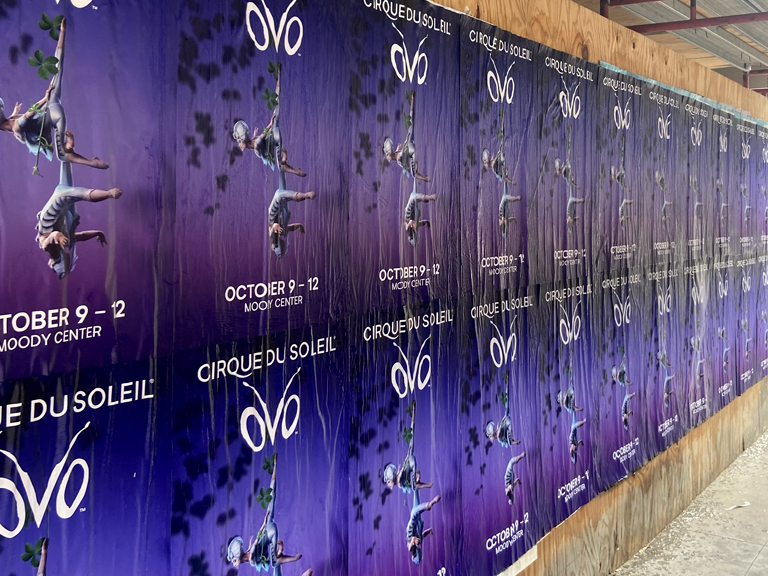
For fly posting purposes, Lowertown offers some of the most compelling surface inventory in the Twin Cities metro. Historic warehouse building sides — large, flat, brick-faced, with the kind of texture that makes wheat paste adhere cleanly and look intentional — are the signature placement. Plywood construction barriers from ongoing downtown development provide additional high-visibility surfaces in pedestrian zones. The 24×36 format tiles particularly well across these surfaces for corridor saturation, and the creative community demographic engages with street art formats at a higher rate than virtually any other Saint Paul audience segment. Campaigns in Lowertown also benefit from weekend social media amplification — the kind of neighborhood where residents photograph and tag interesting things on the street as a matter of habit.

West 7th Street Corridor — Entertainment Strip, Independent Retail, Evening and Weekend Concentration

West 7th Street runs southwest from downtown Saint Paul toward the Highland Park neighborhood, and the stretch closest to the city center functions as Saint Paul’s primary entertainment corridor. Bars, restaurants, live music venues, and independent retail line the street at a density that creates consistent foot traffic through evenings and weekends. The corridor’s proximity to Xcel Energy Center means it captures pre- and post-event crowds in addition to its own destination audience — someone walking from the light rail stop to the arena will pass West 7th’s commercial frontage on multiple routes.

The building stock along West 7th is a mix of commercial storefronts, older brick-faced structures, and mixed-use buildings that provide strong surface options for exterior wall placements. The audience profile skews toward adults in their late 20s through 40s — entertainment-oriented, socially active, and accustomed to navigating a dense commercial environment on foot. They are not passive consumers of what’s around them; they are looking for things. A fly posting campaign here functions as discovery advertising, surfacing a brand or event to people who are already in a receptive browsing mindset rather than an interruption mode.

Evening and weekend timing is the critical variable for West 7th. Installations placed Thursday through Saturday are freshest when the highest foot traffic concentration moves through the corridor, maximizing impression density without requiring an unusually large panel count. For brands with event-specific messaging — album drops, launch campaigns, limited activations — the timing alignment between the installation window and the active corridor window can be very tight and very effective.

Xcel Energy Center Approach Blocks — NHL and Concert Night Pedestrian Density, High-Impression Placement

Xcel Energy Center hosts the Minnesota Wild NHL franchise and serves as one of the Twin Cities metro’s primary touring concert venues, drawing sold-out crowds for national and international acts throughout the arena calendar. On event nights, the blocks immediately surrounding Xcel — including approach routes from the light rail stations, parking structures, and adjacent neighborhoods — become some of the highest pedestrian-density corridors in the entire Saint Paul market. Tens of thousands of people move through a concentrated geographic area within a two-hour window, on foot, in a high-engagement mental state.

That concentration is the opportunity. A 48×72 poster campaign across the Xcel approach blocks on event nights captures more qualified impressions per panel than nearly any other surface option in the market. The audience arriving for a Wild game or a major concert is in an entertainment mindset — their attention is open, their recall is elevated, and they are sharing the experience on social media in real time. Brands that show up on these walls on those nights register as part of the event culture rather than as intrusive advertising. Entertainment brands, sports-adjacent products, and categories relevant to the nightlife and live experience economy all perform particularly well in this context.

The surface inventory around Xcel includes commercial building exterior walls, construction barrier panels, and high-visibility locations across multiple approach vectors. Because crowds arrive from different directions depending on transit mode and neighborhood of origin, a well-distributed campaign across the approach block grid reaches the full audience rather than just one entry corridor. AGM maps approach-block surface options before every campaign in this district to ensure even coverage across the pedestrian flow patterns.

Grand Avenue — Selby Intersection, Victorian Commercial Stock, Upscale Residential Dining District

Grand Avenue is Saint Paul’s most iconic retail and dining street — a mile-plus corridor of Victorian commercial buildings, independent boutiques, established restaurants, and the kind of walkable neighborhood infrastructure that draws an older professional and family demographic for regular weekend use. The Selby Avenue intersection anchors one of Grand Avenue’s most active nodes, where pedestrian flow from the adjacent residential neighborhoods merges with destination visitors from across the metro. Unlike the entertainment corridors that concentrate activity in evenings and weekends around specific events, Grand Avenue sustains foot traffic through daytime and weekend hours year-round.

The demographic profile here is distinct from Lowertown and West 7th. Grand Avenue’s primary audience skews toward established professionals, families with disposable income, and older residents who have deep neighborhood roots and high brand awareness. Fly posting along Grand Avenue works best for premium-positioned brands, cultural institutions, and campaigns that have the creative sophistication to match the visual standards of the built environment. The Victorian commercial building stock provides strong surface character — the kind of aged brick faces and architectural detail that make a well-designed poster look curated rather than plastered. Campaigns on Grand Avenue benefit from a slower, more deliberate viewing pace as pedestrians move between destinations rather than passing through quickly.

Format Options And Recommended Sizing By District

Every surface relationship in Saint Paul is different, and format selection should follow district logic rather than a single campaign-wide decision. AGM’s two standard fly posting formats serve distinct roles in the Saint Paul market, and experienced brands often combine both within a single campaign to achieve different objectives in different districts simultaneously.

24×36 Poster — Corridor Saturation Format

The 24×36 is the classic fly posting format and the right choice for corridor saturation strategies across Lowertown and West 7th. Its proportions are ideal for tiling across building facades, stacking in repeating placements that create visual weight without requiring enormous individual surfaces. In neighborhoods with dense creative community foot traffic — exactly the profile of Lowertown — the 24×36 benefits from repeated exposure across a single walk: a person moving through three blocks sees the campaign six times rather than once, and that repetition is the mechanism behind street poster recall rates. Pricing starts at contact us for pricing for 100 posters, with 200-poster campaigns available at contact us for pricing. Additional creative designs are available at Contact us for pricing. .

48×72 Poster — Dominant Statement Format

The 48×72 is a four-square-foot statement — impossible to miss, designed to own a surface rather than share it. For the Xcel Energy Center approach blocks on event nights, this is the correct format. When thousands of people are moving toward an arena, a half-dozen large-format posters distributed across the approach routes create ambient presence at scale. The format also works well on the larger warehouse walls in Lowertown for brands that want a visual anchor rather than a corridor scatter pattern. Pricing starts at contact us for pricing for 100 posters, with 200-poster campaigns at contact us for pricing. Additional creative designs are Contact us for pricing. . Campaigns for both formats run one to two weeks.

Build Your Fly Posting Campaign

    Award Winning Personalized Service

    You will get thoughtful, devoted, and individualized attention from our experienced, qualified, and professional personnel. Being one of the most illustrious agencies in Brooklyn, New York, American Guerrilla Marketing has been awarded the Best of Brooklyn title.

    Nationwide

    Industry City, Brooklyn, New York 11232

    American Guerrilla Marketing

    +1 (646) 776-2770

    [email protected]

    Telegram: @americanguerillamarketing

    Hours

    Mon - Fri: 9 AM - 5 PM

    Sat & Sun: Closed

    Automate your campaign with AGM’s Request for Proposal Builder.

    Automate your campaign with AGM’s Request for Proposal Builder. Simply answer a few quick questions about your campaign goals, markets, and timeline, and the system will generate a tailored presentation with recommended strategies, quantities, and pricing. Click the RFP Builder to instantly receive your customized proposal.

    How Agm Structures A Saint Paul Campaign From Brief To Proof

    ampaign process matters as much as the placement strategy, particularly in a city where surface relationships and neighborhood dynamics require local operational knowledge. Here is how AGM manages every Saint Paul fly posting engagement from initial brief through post-campaign documentation.

    1. Strategy Session: We begin with a conversation about campaign objectives, target audience, creative assets, timing requirements, and budget. For Saint Paul specifically, we discuss which districts align with the campaign’s goals — whether that’s reaching the Lowertown creative community, capturing Xcel event-night traffic, or achieving sustained presence on Grand Avenue over a multi-week window. This session produces a recommended district mix, format selection, and panel count before any commitment is made.
    2. Surface Scouting: AGM scouts specific placement locations within the approved districts ahead of every campaign. We identify surfaces that match the selected format, verify visibility from primary pedestrian flow directions, and assess current surface conditions. This step eliminates surprises on installation day and ensures that the campaign lands where the audience actually moves, not just where surfaces technically exist.
    3. Print Production: We handle printing in-house. There is no external print vendor, no handoff between teams, and no variability introduced by a third-party production process. Print quality is consistent with our creative standards, and format accuracy is verified before materials ship to the installation crew. This vertical integration is one of the structural reasons AGM campaigns look different from campaigns executed through subcontracted chains.
    4. Installation: Our installation crews work the approved surface list from the scouting step. Paste mix, application technique, and panel alignment are consistent across every placement. Installation timing is coordinated with the district’s optimal foot traffic windows — typically the day before a major event for Xcel approach blocks, or a Thursday morning for weekend-oriented Lowertown campaigns.
    5. GPS-Documented Photo Proof: Every placement is documented with a geotagged photograph taken at the time of installation. Clients receive a complete post-campaign proof report showing each panel’s location, surface condition, and installation quality. This is the accountability standard that distinguishes AGM from operators who treat documentation as optional. You know exactly where every poster landed.

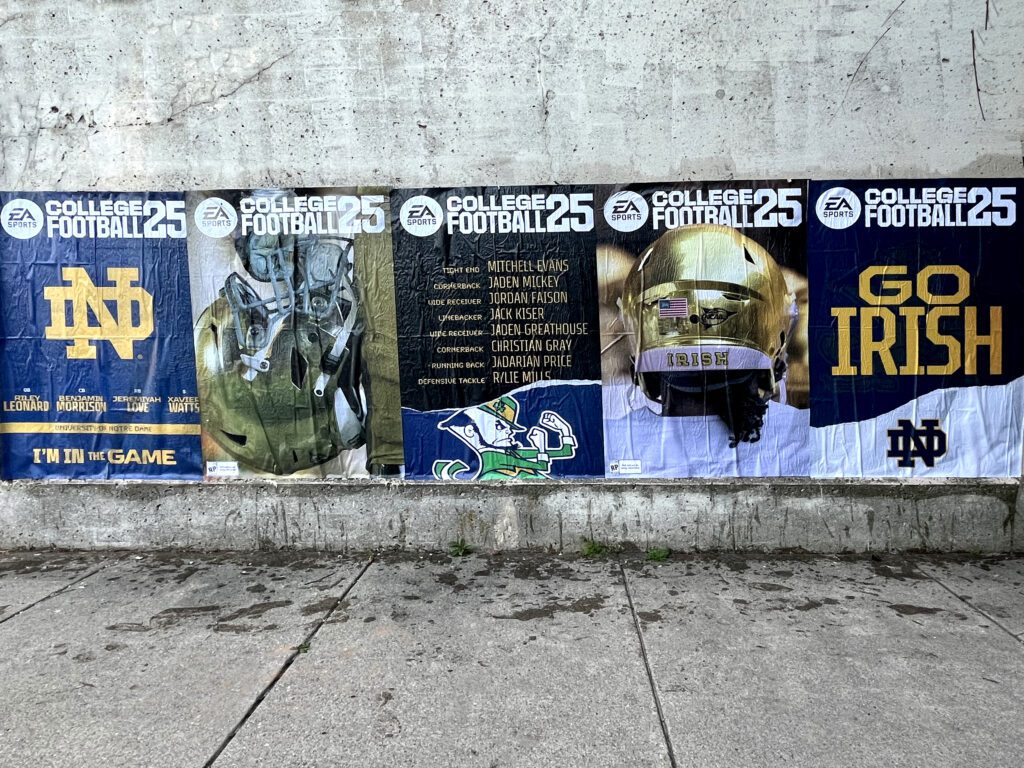
    EA Sports FC 25: How a Global Entertainment Brand Used Street Posters to Create Authentic Local Presence

    When EA Sports launched FC 25, the campaign brief required something that mass media channels fundamentally cannot deliver: the feeling that a global entertainment brand was present in specific urban neighborhoods, not just advertising into a regional market. The solution was a coordinated fly posting campaign executed simultaneously across multiple major U.S. cities, each with placements selected to align with the specific sports and entertainment corridors where the target audience actually lived and moved.

    The strategic insight behind the campaign was that soccer’s U.S. audience skews heavily toward urban, culturally diverse, and entertainment-engaged demographics — exactly the audiences that move through city neighborhoods on foot and interact with street-level media rather than consuming it from a commuter vehicle. By placing large-format posters in entertainment districts and sports-adjacent corridors in multiple cities at once, EA Sports created the impression of a brand that was everywhere its audience was, simultaneously, without the artificial feel of a broadcast advertising buy.

    The parallel to the Saint Paul market is direct. Xcel Energy Center is a sports and entertainment venue of exactly the type that the EA Sports FC 25 campaign targeted. The blocks surrounding it on a Wild game night or a major concert host exactly the kind of audience — entertainment-engaged, sports-aware, culturally active urban adults — that responds to authentic street-level presence. A brand that shows up on those walls with a well-executed 48×72 campaign is borrowing the credibility of the venue and the moment. The poster doesn’t announce itself as advertising; it announces itself as part of the scene.

    That mechanism — street poster as cultural participation rather than broadcast interruption — is what makes fly posting the right format for the Saint Paul sports and entertainment corridor. AGM’s execution of multi-city campaigns like EA Sports FC 25 demonstrates the operational capacity to run this kind of coordinated campaign at scale while maintaining the neighborhood-level precision that makes each individual market placement credible rather than generic.

    The Agm Difference: Why Direct Execution Matters In A Market Like Saint Paul

    Saint Paul’s neighborhood culture is unusually attentive to execution quality. A poster campaign that looks careless — misaligned panels, bubbled paste, placements in low-traffic locations that miss the actual pedestrian corridors — will underperform not just because the impressions are fewer but because the visual quality signals something about the brand behind it. In a city that values craft and authenticity, a poorly executed street campaign can do more harm than no street campaign at all.

    AGM’s direct execution model — no subcontractors, no brokers, no handoffs — is the structural guarantee of consistent quality. Every person who touches a Saint Paul campaign, from print production through installation and documentation, is operating under AGM’s standards and accountability structures. The person who pastes the panels in Lowertown is not a local freelancer found through a regional vendor network; they are an AGM crew member executing a process that has been refined across dozens of urban markets.

    That consistency produces better creative output too. Because AGM controls the print production, we can advise clients on how their creative assets will render at both 24×36 and 48×72 scales on the specific surface types in Saint Paul before a single panel is committed. Adjustments that would take days through a subcontracted chain get resolved in hours through a single-team workflow. Clients whose campaigns have required last-minute creative revisions — a common situation in live campaign environments — understand the value of that integration immediately.

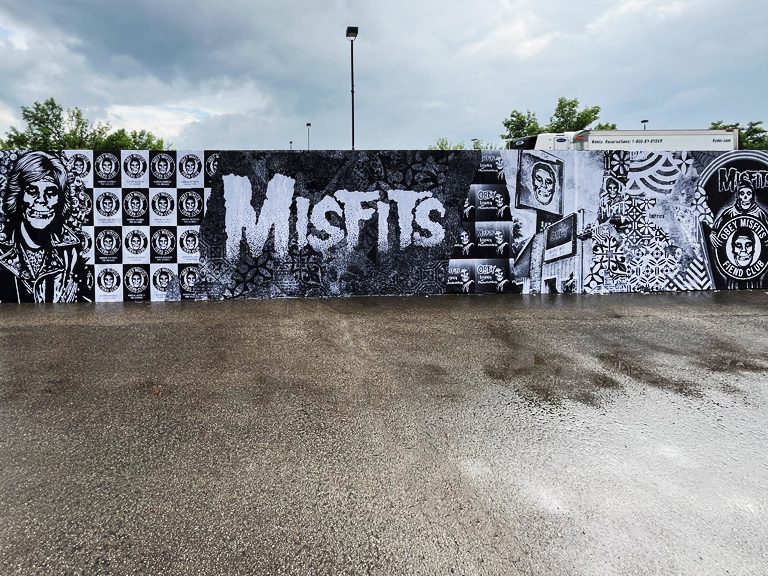
    The Best of Brooklyn award recognition AGM has earned reflects an operational standard that travels with the team to every market, including Saint Paul. Clients like Netflix, The Onion, Biossance, and Shepard Fairey have chosen AGM precisely because that standard is consistent regardless of which city is on the brief. Saint Paul campaigns receive the same operational rigor as campaigns in Brooklyn, Miami, or Los Angeles.

    Surface Strategy: Matching Poster Format to Saint Paul's Built Environment

    Saint Paul’s built environment is architecturally distinctive, and surface strategy should account for that distinction. The city’s older building stock — particularly the brick warehouse facades in Lowertown and the Victorian commercial structures along Grand Avenue — presents different surface characteristics than the newer construction found in markets built primarily post-1980. Understanding those characteristics is part of what separates a surface-scouted campaign from a generic placement buy.

    Historic warehouse building sides in Lowertown are among the highest-value fly posting surfaces in the entire Twin Cities metro. They offer large, flat, textured surfaces that accept wheat paste cleanly, provide strong visual contrast for both the 24×36 and 48×72 formats, and exist in direct pedestrian sightlines for the foot traffic moving through the farmers market blocks and CHS Field approaches. These surfaces have a visual history — they have held advertising in various forms for decades — and a poster campaign reads as continuous with that history rather than incongruous with it.

    Plywood construction barriers from ongoing downtown development provide a second category of high-value surface inventory. These barriers are temporary by nature, which means their availability shifts with development timelines, but within their availability window they offer excellent placement at eye level in active pedestrian zones. AGM scouts current construction barrier availability during every pre-campaign surface assessment.

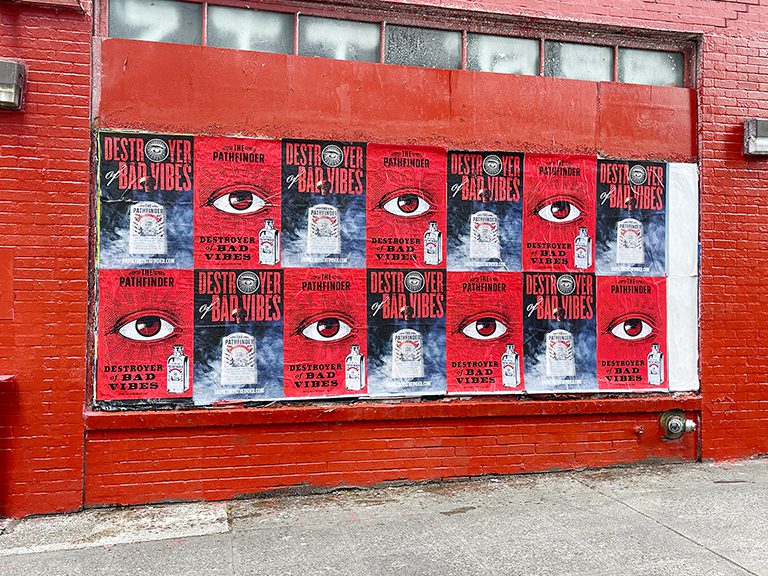
    Commercial building exterior walls along West 7th are the primary surface category for that corridor. The mix of brick-faced and stucco-clad commercial buildings provides options across different format sizes, and wall placements in entertainment corridors carry the implicit endorsement of being part of the neighborhood’s visual landscape rather than imposed on it from outside.

    Combining Saint Paul With A Twin Cities Metro Campaign

    Many brands operating in Minnesota want market presence across both Saint Paul and Minneapolis simultaneously, and AGM structures campaigns to serve that dual-city objective without treating either market as an afterthought. The operational efficiency of running both cities in a coordinated timeline — shared print production, coordinated installation windows, unified photo documentation — makes a combined campaign considerably more cost-effective than two separately scheduled engagements.

    The strategic logic for the dual approach is equally strong. Saint Paul and Minneapolis draw different audiences, occupy different neighborhood character profiles, and attract different types of brands at the forefront of local culture. A brand that shows up in both markets simultaneously signals genuine metro-wide presence rather than a pilot test in the easier market. For brands with event-specific messaging tied to an Xcel Energy Center date, pairing the Xcel approach-block campaign with placements in Minneapolis’s entertainment districts creates a cross-metro saturation that reinforces the message across the full audience footprint.

    AGM’s operational presence in the Twin Cities market makes dual-city coordination logistically straightforward. Contact us to discuss how a combined Saint Paul and Minneapolis campaign can be structured within your timeline and budget parameters.

    Frequently Asked Questions About Fly Posting in Saint Paul, MN

    Lowertown combines a high-density creative professional audience with some of the best physical surface inventory in the Twin Cities market. The historic warehouse building sides are large, flat, and visually prominent — ideal for both 24×36 saturation and 48×72 statement placements. The neighborhood’s arts community is among the most visually attentive demographics in any major Midwest market, with residents who habitually photograph and share interesting street-level creative work. Weekend foot traffic from the Saint Paul Farmers Market and summer attendance at CHS Field add a broader general audience on top of the creative community base, extending campaign reach beyond the immediate neighborhood demographic. The combination of premium surface inventory, high-engagement audience, and event-driven traffic spikes makes Lowertown the single highest-value posting district in Saint Paul.

    We coordinate installation timing with the Xcel Energy Center event calendar — typically installing approach-block campaigns the day before or the morning of a major event to maximize freshness when the highest foot traffic concentration moves through those corridors. For a Wild game or sold-out concert, that means panels are at peak visual quality during the evening pedestrian surge rather than at the end of a two-week posting window. We pull the Xcel calendar before finalizing installation dates on every campaign with approach-block placements, and we adjust our surface scouting to prioritize locations along the primary approach routes from the light rail stations and major parking structures that generate the highest pedestrian volume on event nights.

    Fly posting regulation in Saint Paul, as in most major U.S. cities, varies by surface type, property ownership, and specific location. AGM operates within the established frameworks for street poster advertising, which typically involves working with property owners and staying current on city-specific permitting and surface eligibility requirements. Our surface scouting process includes regulatory assessment for each identified placement location. We have executed campaigns across dozens of urban markets and maintain current operational knowledge of the regulatory environment in each. Clients who have concerns about specific regulatory questions are welcome to raise them during the strategy session, where we can address them with market-specific detail.

    Standard campaign duration is one to two weeks. For event-specific messaging tied to an Xcel Energy Center date — a concert, a major Wild game, a playoff run — a one-week duration timed to the event window is usually the optimal structure. For brand awareness campaigns targeting the Lowertown creative community or the Grand Avenue foot traffic pattern, a two-week window allows the campaign to build the kind of cumulative presence that drives recognition and recall. AGM advises on duration based on campaign objective, and for clients with both event-specific and ongoing awareness goals, we can structure phased campaigns that address both within a single operational engagement.

    Yes — multi-city coordination is one of AGM’s core operational capabilities. Saint Paul can be included in a simultaneous campaign covering any combination of our active markets, including Minneapolis, Chicago, New York, Los Angeles, Miami, Las Vegas, and Orlando. Multi-city campaigns benefit from shared print production (reducing per-unit costs when the same creative runs across multiple markets), coordinated installation timelines, and unified photo documentation delivered in a single proof report. The EA Sports FC 25 campaign is a strong example of how a global brand can use coordinated multi-city fly posting to create authentic local presence at scale — an approach that works equally well for regional brands expanding into multiple Midwest markets simultaneously.

    Every placement in a Saint Paul campaign is documented with a geotagged photograph taken at the moment of installation. After the campaign completes, clients receive a comprehensive proof report that includes each placement photo with GPS coordinates, surface description, installation date and time, and visual confirmation of panel condition. The report is organized by district so clients can review Lowertown, West 7th, Xcel approach-block, and Grand Avenue placements separately and confirm that coverage matches the pre-campaign surface map. This documentation standard is consistent across all AGM markets and is available to any client regardless of campaign size.

    Saint Paul’s district mix creates strong alignment for several brand categories. Entertainment brands — music labels, streaming platforms, gaming companies, sports franchises — benefit from the Xcel Energy Center approach block placements and the West 7th entertainment corridor audience. Creative and cultural brands perform particularly well in Lowertown, where the arts community demographic is unusually receptive to street-level creative work. Premium consumer brands targeting established professionals and families find a strong match on Grand Avenue, where the Victorian commercial environment and the upscale residential dining audience provide the right visual context. Brands with multicultural campaign objectives should consider the broader Saint Paul context — the city’s Hmong and East African community populations make it a meaningful market for brands with authentic cross-cultural positioning.

    Grand Avenue’s primary audience skews older, more established, and more professionally oriented than Lowertown’s creative community or the entertainment-centric crowd along West 7th. The Selby Avenue intersection and the broader Grand Avenue corridor attract residents who have lived in Saint Paul for years or decades, who know the neighborhood well, and who evaluate new brands through a lens of authenticity and local relevance. Creative that feels generic or nationally templated tends to underperform here because the audience is sophisticated enough to recognize it immediately. Campaigns on Grand Avenue perform best when they demonstrate genuine design investment, relevant product positioning for the demographic, and a visual quality level that respects the built environment’s own aesthetic standards. If your creative is built for a 22-year-old Brooklyn audience, Grand Avenue may not be the right Saint Paul district — but if it’s built for a design-aware adult with real spending power, it’s an excellent match.

    AGM can work with either scenario. Clients who supply finished print-ready artwork proceed directly to print production after our team confirms the file specifications meet the format requirements for the selected poster size. Clients who need creative development can engage AGM’s design resources to produce campaign-specific artwork — we advise on what visual approaches have performed well in Saint Paul’s specific district contexts, what surface characteristics to account for in the design (brick texture, scale, viewing distance), and how to adapt existing brand assets for the fly posting format. Additional creative designs are priced at Contact us for pricing. for 24×36 and Contact us for pricing. for 48×72, added to the base campaign pricing.

    The entry point is contact us for pricing for a 100-poster 24×36 campaign. At that scale, a Saint Paul campaign can effectively saturate one or two districts — enough to create genuine visual presence in Lowertown or along West 7th with a focused posting pattern. For clients who want multi-district coverage across Lowertown, West 7th, and the Xcel approach blocks simultaneously, a 200-poster campaign at contact us for pricing provides the panel count to distribute meaningfully across the full district footprint. Clients with event-specific timing requirements around a major Xcel Center date often find that the 200-poster scale is the threshold at which the campaign feels genuinely ambient rather than sparse — enough panels on enough surfaces to create the impression that the brand is part of the event’s surrounding environment.

    Digital advertising and fly posting serve meaningfully different functions in a local market, and the most effective campaigns often combine them rather than choosing between them. Digital advertising optimizes for targeting precision and measurable click-through behavior; fly posting optimizes for ambient presence, cultural credibility, and physical-world recall. In Saint Paul specifically, the street poster format reaches audiences in contexts where digital ads cannot — walking through Lowertown on a Saturday morning, approaching Xcel Energy Center with 15,000 other people on a Friday night, browsing storefronts on Grand Avenue. These are high-engagement physical moments with no ad-blocker, no scroll, and no competing content in the same frame. The GPS-documented proof reporting AGM provides gives clients a clear record of physical placements that can be correlated with campaign-period digital performance to understand the combined effect of both channels working in the same market simultaneously.

    Browse All States

    Explore Fly Posting Advertising opportunities across the United States.

    No locations found

    American Guerrilla Marketing Blog Posts