American Guerrilla Marketing
Nationwide Service
Media planning, media buying, billboard advertising, & guerrilla marketing
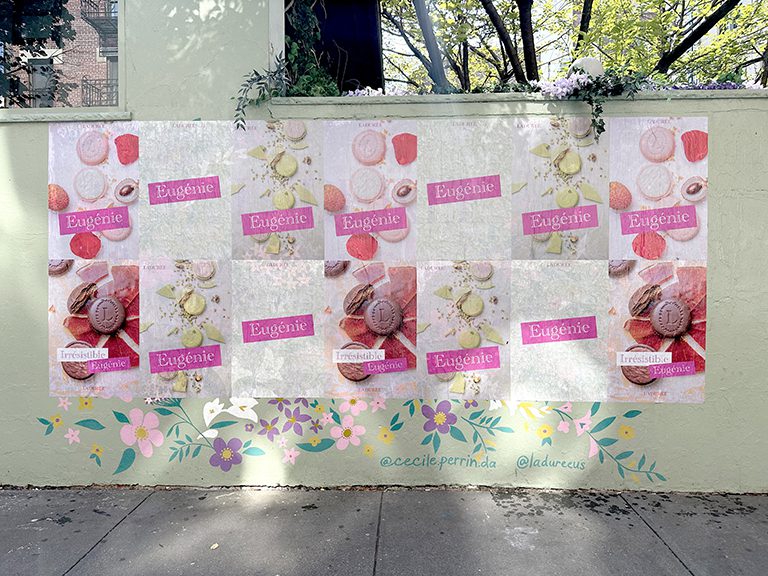
Wheat paste and street poster advertising in Grand Rapids — ArtPrize corridor, Bridge Street NW, Wealthy Street, Monroe Center, and Fulton Street East. In-house crews, neighborhood-precise placement, GPS photo proof on every campaign.
Grand Rapids has built a cultural infrastructure over the past two decades that has quietly repositioned it from a mid-sized Midwest manufacturing city into one of the most arts-engaged communities in the region. That transformation is not abstract — it is measurable in the concentration of galleries, creative businesses, and public art installations spread across the city’s walkable commercial corridors, and it is made quantifiable every October when ArtPrize descends on downtown Grand Rapids and brings more than 400,000 visitors into contact with one of the world’s most impressive concentrations of publicly exhibited art. For a brand that wants to reach an audience that actively engages with visual culture, Grand Rapids is not a secondary market to Detroit — it is a primary destination in its own right.
The city’s physical environment reinforces that positioning. Downtown Grand Rapids has a walkable scale that many Midwest cities of similar population lack — the distance between major cultural destinations is human-scale rather than car-scale, which means pedestrian foot traffic through the core posting corridors is consistent and genuine rather than vehicle-dependent. Bridge Street NW runs through an independent arts and restaurant district where the brick commercial building faces have the character and surface quality that makes wheat paste advertising both visually appropriate and physically effective. Wealthy Street through the Eastown neighborhood delivers a similar combination of independent business density, community engagement, and architectural character in a residential-adjacent setting that creates a highly loyal local audience.
Grand Rapids’ craft brewing culture is not incidental to the fly posting opportunity here — it is definitional. The audience that built Founders Brewing into a nationally recognized institution, that made Brewery Vivant’s farmhouse ales a cultural identity marker for the city, and that treats a Saturday afternoon exploring Mitten Brewing as a social ritual rather than just a drinking errand, is an audience with a strong preference for authentic, independent brand experiences. Fly posting speaks that language. It is the format of physical culture, of handmade presence, of brands willing to show up in the actual texture of a community’s daily life rather than interrupting it with a digital ad. The craft brewing audience in Grand Rapids is primed for it in a way that is measurable in brand-response terms, not just demographics.
The medical and professional services sector around Grand Rapids’ medical mile — running along Michigan Street NE between downtown and the east side — adds a high-education, high-income professional audience layer that most Grand Rapids fly posting campaigns do not fully capitalize on. The Spectrum Health and Corewell Health campus concentration in this corridor generates consistent daily pedestrian traffic from professionals who live in the East Grand Rapids and Heritage Hill residential neighborhoods adjacent to the medical district. Campaigns that extend surface targeting into the medical mile approach corridors reach a professional demographic that is underserved by most street advertising in the market.
The Monroe Center entertainment corridor — the heart of Grand Rapids’ downtown nightlife and restaurant district, centered on Ionia Avenue NW and Monroe Avenue — delivers concentrated evening audience exposure in a zone that sees consistent foot traffic from the dining and nightlife crowd seven nights a week. The building wall inventory along Ionia Avenue between Fulton Street and Michigan Street NW provides posting surfaces with strong visibility from the pedestrian traffic flowing between restaurant destinations. An evening in Monroe Center puts a campaign in front of the social, dining-out audience that is one of the most receptive to cultural brand messaging of any demographic segment in Grand Rapids.
Grand Rapids’ position as western Michigan’s dominant urban center means campaigns here extend their effective reach into the surrounding regional market in a way that the city’s 200,000-person population alone does not suggest. Residents of Holland, Muskegon, Kalamazoo, and the western Michigan lakeshore communities regularly visit Grand Rapids for arts events, entertainment, restaurants, and retail — particularly during ArtPrize season, when the regional pull is at its most concentrated. A Grand Rapids fly posting campaign is not just reaching Grand Rapids residents; it is reaching the entire western Michigan region’s culturally engaged consumer class.
ArtPrize season or any time of year — Grand Rapids' arts audience is active and ready. Tell us your target and we'll place your campaign where they actually are.
Select a city to explore Fly Posting Advertising opportunities.
The ArtPrize competition distributes artwork across venues throughout downtown Grand Rapids in a zone that encompasses the Grand River banks, Calder Plaza, and the surrounding blocks of the city’s urban core. During the three-week October event window, this area concentrates more than 400,000 visitors — a density of arts-engaged audience that has no comparable event in Michigan and few equivalents anywhere in the Midwest. Fly posting campaigns timed to ArtPrize and placed in the corridors that flow into the competition zone deliver the highest-density arts audience exposure available in the state. Outside of ArtPrize season, the downtown core maintains consistent pedestrian traffic from hotel visitors, convention center activity, and the restaurant and entertainment district centered on Monroe Center and Calder Plaza.
Bridge Street NW is Grand Rapids’ most vital independent arts and food street — the corridor where the city’s creative community has most visibly concentrated. The B.O.B. entertainment complex, SpeakEZ Lounge, and a dense cluster of galleries, studios, and creative-economy businesses line a commercial strip built on historic brick structures whose building faces provide excellent fly posting surface conditions. The audience on Bridge Street skews young-professional and arts-engaged, with consistent evening foot traffic from the city’s creative class. The brick commercial building stock on Bridge Street NW provides a surface aesthetic that is visually compatible with wheat paste advertising in a way that enhances rather than conflicts with the corridor’s established visual character.
Wealthy Street through the Eastown neighborhood is one of Grand Rapids’ most beloved commercial strips — a walkable corridor of independent restaurants, vintage shops, arts organizations, and community gathering spaces that has maintained its neighborhood-rooted character through the city’s growth and gentrification pressures. The audience on Wealthy Street is fiercely local — residents who live in the immediate neighborhood and treat the corridor as their primary community commercial environment. That local loyalty creates a posting environment where campaigns achieve unusually high repeat-exposure frequency, because the same audience passes through the corridor multiple times per week. Brick building faces along Wealthy Street provide excellent surface quality and the visual context of an independent commercial district that is culturally aligned with fly posting’s authentic, street-level aesthetic.
Fulton Street East connects downtown Grand Rapids to the East Grand Rapids residential community through a mixed-use commercial corridor with independent retail, restaurants, and professional services. The audience on Fulton East is predominantly higher-income local residents making daily commercial trips, supplemented by traffic flowing to and from the medical district on the corridor’s eastern end. Building side walls and blank commercial facades along Fulton East provide posting surface inventory in a corridor where advertising competition is lower than in the Bridge Street or Monroe Center zones, allowing fly posting placements to achieve stronger visual dominance per placement location.
The 24×36 format is optimized for distributing across Grand Rapids’ multiple distinct posting districts. A campaign covering Bridge Street NW, Wealthy Street, and the ArtPrize zone simultaneously requires the distribution capacity that this format provides — enough placements per district to achieve the frequency and visual saturation that drives awareness in a market where multiple distinct neighborhood audiences need to be reached.
During ArtPrize season, a 48×72 poster in the right position along the competition corridor commands the attention of an arts-engaged audience that is specifically primed to engage with large-scale visual work. Outside ArtPrize season, this format delivers dominant presence on Bridge Street NW’s brick building faces and the Monroe Center corridor’s entertainment district walls — positions where the scale of the placement creates a brand statement that the pedestrian audience cannot miss.
Award Winning Personalized Service
You will get thoughtful, devoted, and individualized attention from our experienced, qualified, and professional personnel. Being one of the most illustrious agencies in Brooklyn, New York, American Guerrilla Marketing has been awarded the Best of Brooklyn title.
Nationwide
Industry City, Brooklyn, New York 11232
American Guerrilla Marketing
Hours
Mon - Fri: 9 AM - 5 PM
Sat & Sun: Closed
Automate your campaign with AGM’s Request for Proposal Builder. Simply answer a few quick questions about your campaign goals, markets, and timeline, and the system will generate a tailored presentation with recommended strategies, quantities, and pricing. Click the RFP Builder to instantly receive your customized proposal.
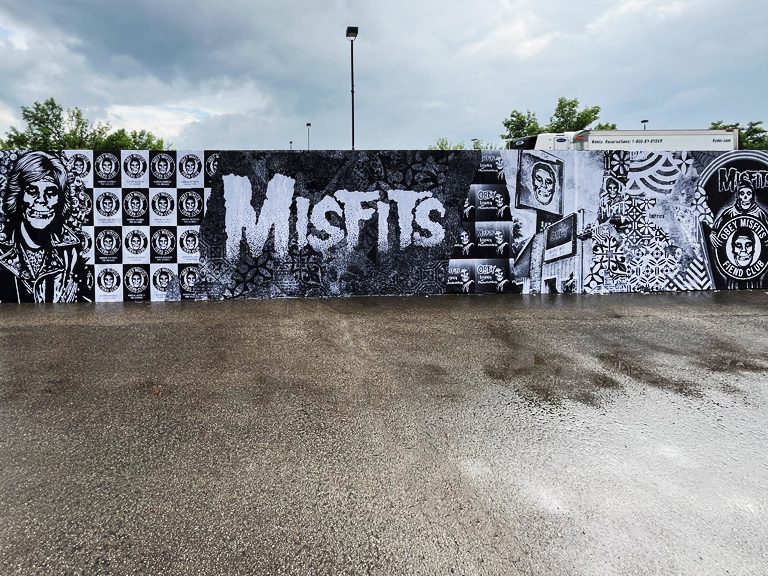
When Shepard Fairey executed a campaign surrounding the Sonic Temple Arts and Music Festival in Columbus, American Guerrilla Marketing handled street-level fly posting activation that placed Fairey’s work into the physical environment of the city in the days surrounding the event — reaching the arts and music audience in the corridors and neighborhoods where they actually lived and moved, not just at the festival grounds themselves. The campaign treated the city as the canvas rather than limiting brand presence to the event perimeter.
Grand Rapids’ ArtPrize presents the same structural opportunity at a larger scale. ArtPrize distributes art across the entire downtown, and the 400,000-plus visitors who participate in the competition spend time moving through the city’s streets, cafes, and corridors — not just standing in front of venue installations. A fly posting campaign timed to ArtPrize and placed throughout the zones those visitors inhabit during their time in Grand Rapids reaches the arts audience in their ambient movement through the city, building brand presence in the visual fabric of the event experience rather than trying to compete with the art itself for venue-level attention.
The Shepard Fairey parallel is also specific to Grand Rapids in that Fairey’s work — street art rooted in the wheat paste tradition — has a direct cultural connection to the fly posting format. Running a fly posting campaign in the Grand Rapids arts community is not borrowing credibility from a tangential cultural tradition; it is operating squarely within the visual lineage that the ArtPrize audience is most attuned to. The fit between format and audience is genuine and productive.
Grand Rapids’ older commercial building stock — particularly along Bridge Street NW and Wealthy Street — provides historic brick exterior surfaces that are visually compelling for fly posting but require surface assessment to ensure adhesion quality. Smooth brick with intact mortar lines holds wheat paste better than rough or spalling brick that creates adhesion gaps. Our crews assess specific surface conditions before targeting confirmed placements, not after.
The best-performing surface types in Grand Rapids — consistent with what works across all our markets — are smooth painted concrete, sealed plywood construction barriers around active development sites, and the blank exterior CMU block sides of commercial buildings in the entertainment and arts districts. The Grand River development corridor downtown has generated construction barrier inventory on waterfront parcels that provides some of the freshest and cleanest posting surfaces currently available in the market. These surfaces combine excellent adhesion quality with high pedestrian visibility from the riverwalk paths that attract significant foot traffic year-round.
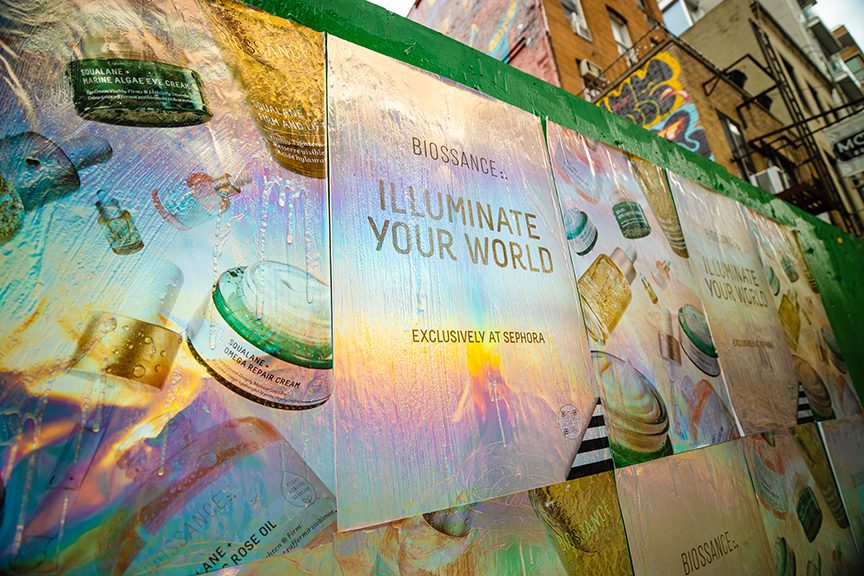
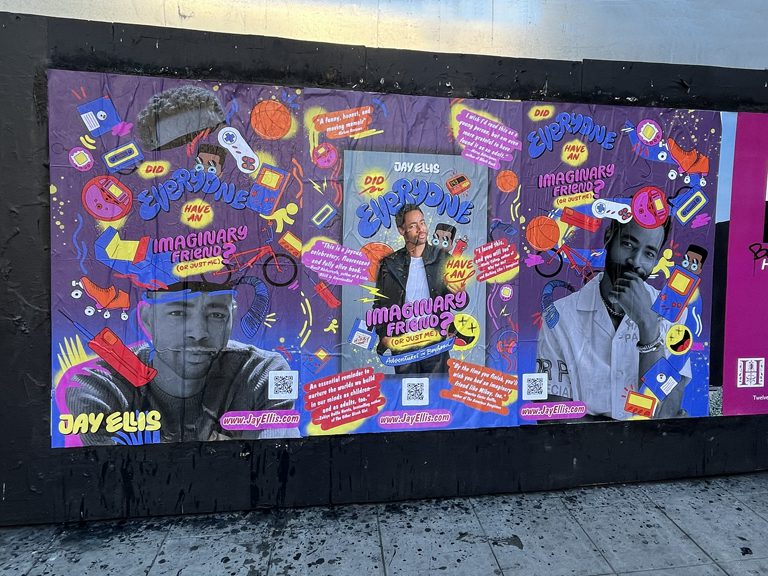
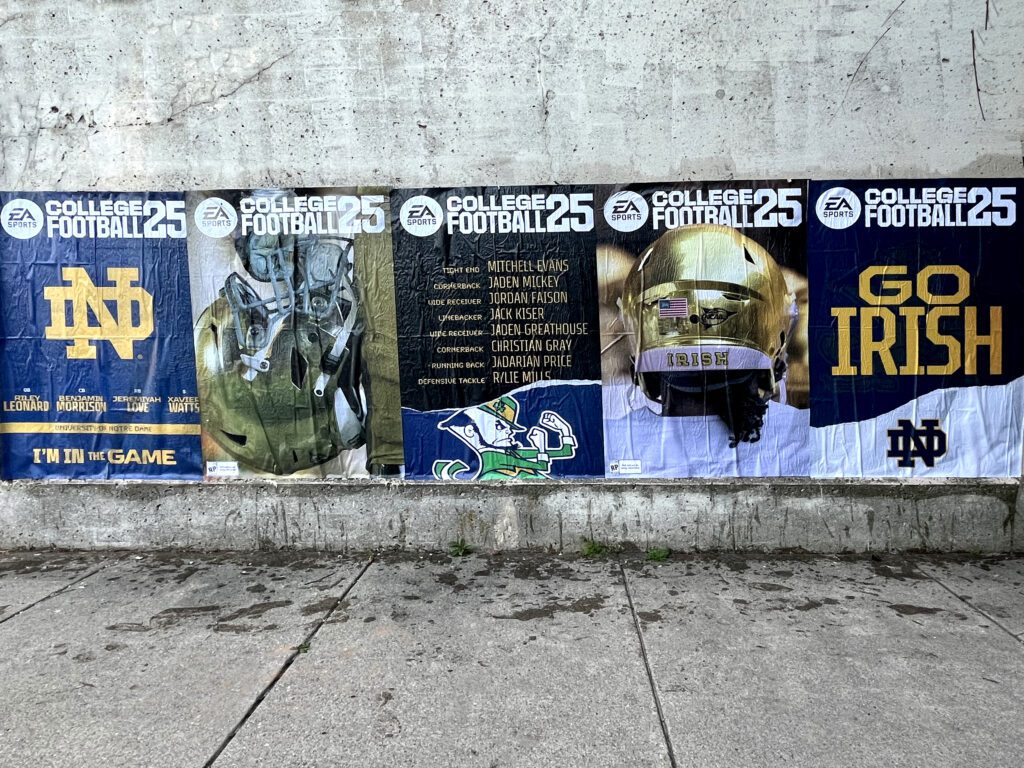
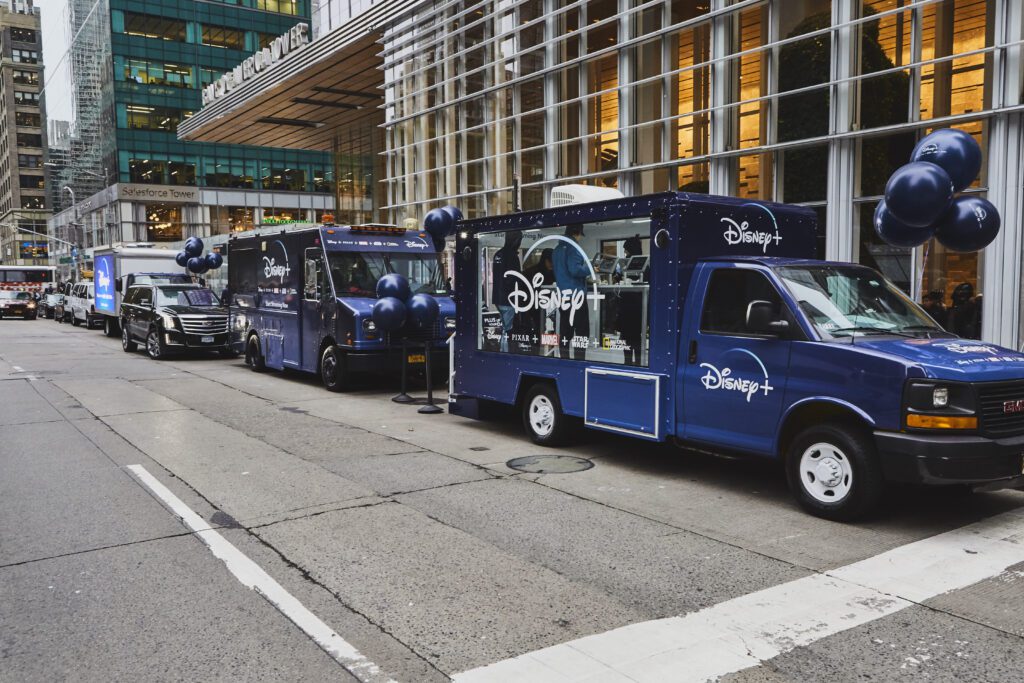
American Guerrilla Marketing has executed fly posting campaigns for Shepard Fairey, Netflix, EA Sports, The Onion, and Biossance, among others. We are a Best of Brooklyn award winner with a national portfolio built on direct in-house crew execution and GPS photo documentation in every market we work. Grand Rapids campaigns are planned and executed to the same standard as our New York and Los Angeles campaigns — because the Grand Rapids audience deserves the same quality of execution, and because our clients expect consistency across every market in a multi-city build.
American Guerrilla Marketing offices: Brooklyn NY (646) 776-2770 · Miami FL (305) 792-4523 · Orlando FL (321) 261-0402 · Las Vegas NV (702) 996-1806 · Los Angeles CA (213) 328-4480
ArtPrize typically runs for three weeks in October. Campaigns targeting the ArtPrize audience should be installed in the week immediately preceding the event opening, ensuring full poster run time through the event’s peak attendance period. Campaigns installed at event opening risk catching only the final week of visitor concentration. We recommend briefing and booking Grand Rapids ArtPrize-timed campaigns at minimum four to six weeks before the event start date to ensure production, planning, and installation are not compressed.
Bridge Street NW has three qualities that combine to make it Grand Rapids’ highest-priority posting corridor: consistent evening foot traffic from a creative-professional and arts-engaged audience, historic brick commercial buildings with wall faces that are visually appropriate for wheat paste advertising, and a concentration of destination businesses — galleries, restaurants, bars — that cause visitors to move through the corridor repeatedly during a single evening rather than making a single-direction transit. That behavioral pattern — dwelling and circulating rather than commuting — creates significantly higher repeat-exposure frequency per campaign day than a transit corridor of comparable pedestrian volume would produce.
The craft beer audience in Grand Rapids is not just demographically relevant — it is attitudinally aligned with fly posting in a specific way. Craft beer culture values authenticity, local identity, independent production, and visible community presence — all values that fly posting as a format embodies by nature. A brand that shows up in Founders Brewing’s neighborhood on Bridge Street NW with a wheat paste campaign is communicating those same values through the medium itself, before a single word of copy is read. That implicit cultural signal is part of why fly posting performs strongly with this audience in Grand Rapids in a way that digital advertising in the same demographic rarely replicates.
Wealthy Street through Eastown has a mix of brick commercial building facades, blank building sides adjacent to surface parking lots, and utility structures. The brick facades along the active commercial blocks hold paste reasonably well on smooth sections and provide an aesthetic that is highly compatible with the neighborhood’s independent commercial character. The blank building sides adjacent to parking lots on the cross streets off Wealthy Street provide larger surface inventory without the brick texture complexity. Our crews select placements on Wealthy Street that balance surface quality with maximum visibility from the primary pedestrian flow along the commercial strip.
Detroit is a larger market with a greater concentration of high-visibility posting surfaces in dense urban districts. Grand Rapids is a more compact and walkable market where a smaller campaign budget can achieve proportionally stronger coverage within the city’s primary posting zones, and where the arts and cultural audience is unusually concentrated relative to total population. For brands that want to reach western Michigan comprehensively, Grand Rapids is the essential market — Detroit adds eastern Michigan and the suburban ring but does not substitute for Grand Rapids’ distinct western Michigan audience and cultural positioning.
Absolutely. ArtPrize is the highest-concentration audience window, but Grand Rapids maintains strong fly posting performance year-round. Founders Fest in August, the various neighborhood commercial festivals throughout summer, and the consistent weekly traffic generated by Bridge Street NW’s restaurant and bar scene, Wealthy Street’s community commerce, and Monroe Center’s nightlife all sustain meaningful audience exposure in every season. ArtPrize timing delivers a premium on the arts audience specifically; year-round campaigns access the city’s broader creative professional and community-engaged consumer base consistently.
Arts, music, entertainment, food and beverage, and lifestyle brands are the strongest natural fits — aligning with Grand Rapids’ dominant cultural identity and the audience profiles of its primary posting districts. Consumer brands with independent or craft positioning benefit from the authenticity signals that fly posting in the craft brewing and arts corridor environments communicates. Brands that feel out of place on Grand Rapids walls: heavily corporate, mass-market, or tone-deaf to the city’s independent community identity. We consult on creative and placement strategy to ensure Grand Rapids campaigns feel authentic rather than imported.
Monroe Center delivers a nightlife and dining-out audience concentrated in evening hours — the social crowd that comes downtown for dinner and drinks on weekends and, to a lesser extent, weeknights. Bridge Street NW delivers that same audience plus a daytime arts and creative professional layer that makes it more consistent across all hours. For campaigns with a strictly entertainment or nightlife-oriented target, Monroe Center can be the higher-priority placement zone. For broader creative-culture campaigns, Bridge Street NW’s full-day audience profile makes it the more versatile posting corridor.
Yes, and specifically so during ArtPrize season. The large blank walls in the ArtPrize competition zone downtown are built to carry large-scale visual work — public art, murals, and large-format posters are native to that environment in a way that makes a 48×72 wheat paste placement feel contextually appropriate rather than oversized. On Bridge Street NW and the Monroe Center corridor, the 48×72 format works best on dedicated large blank building side walls rather than active storefront facades. Our crews identify viable large-format positions during site assessment before any 48×72 campaign is confirmed in Grand Rapids.
Campaign pricing for Grand Rapids fly posting is consistent year-round — the format and quantity tiers are the same regardless of event timing. ArtPrize season changes the strategic value of a campaign rather than its base cost. The additional investment in timing a campaign to the ArtPrize audience window is the opportunity cost of planning and booking ahead rather than a pricing premium on the campaign itself. We do recommend booking ArtPrize-timed Grand Rapids campaigns well in advance, as installation scheduling during that window involves coordination with the event’s active footprint across downtown.
Fulton East’s pedestrian density decreases as the corridor moves east away from the downtown core, transitioning from a mixed commercial environment with lunch and evening foot traffic near downtown to a more residential-adjacent corridor with morning and evening commuter patterns further east toward East Grand Rapids. The strongest posting positions on Fulton East are in the western portion of the corridor, where the concentration of independent food businesses, professional services, and proximity to downtown foot traffic generators sustain consistent daily pedestrian exposure. Our crew selection on Fulton East prioritizes the western blocks where foot traffic and surface quality are both strongest.