🚀 NEW WHEATPASTING MARKETS Discover our wheatpasting campaigns in : 🇬🇧 London • 🇨🇦 Canada • 🇲🇽 Mexico City

American Guerrilla Marketing

Nationwide Service

Media planning, media buying, billboard advertising, & guerrilla marketing

Fly Posting in Utah

Sidewalk Decals Advertising in Utah

Silicon Slopes meets outdoor adventure — guerrilla poster campaigns across Utah’s fastest-growing markets.

Fly Posting Across the Beehive State

Utah has transformed over the past two decades from a regional economy rooted in government services, mining, and agriculture into one of the most dynamic and rapidly evolving advertising markets in the American West. The rise of Silicon Slopes — the technology corridor that stretches from Salt Lake County through Utah County, anchoring companies like Qualtrics, Adobe, Domo, Pluralsight, Ancestry, Nu Skin, and Vivint — has concentrated tens of thousands of educated, brand-conscious technology professionals whose consumer habits rival those of workers in San Francisco or Austin. Alongside that tech economy, Utah’s outdoor recreation sector — powered by the Mighty Five national parks (Zion, Bryce Canyon, Arches, Canyonlands, and Capitol Reef) and a ski resort industry drawing more than eight million visits each winter across resorts like Alta, Snowbird, Park City Mountain, and Deer Valley — creates a consumer culture that is deeply rooted in physical experience and real-world environments. That intersection of screen-forward professional life and outdoor-first personal identity makes fly posting uniquely powerful across the Beehive State.

Utah’s population growth is the market story that every brand manager entering the Mountain West needs to understand. For most of the past two decades, Utah has ranked among the three fastest-growing states in the country by both raw population gain and percentage growth, and that trajectory continues unabated. Massive in-migration from California, the Pacific Northwest, and Colorado has brought tens of thousands of transplants carrying higher purchasing power, brand familiarity built in major coastal markets, and an appetite for the cultural and lifestyle brands that drive guerrilla campaigns. These new Utahns are concentrating primarily along the Wasatch Front — the I-15 corridor connecting Ogden through Salt Lake City south to Provo and Orem — creating a dense, economically engaged population along a geographic spine that is exceptionally well-suited for coordinated fly posting campaigns.

Utah’s university system reinforces this energy and youthfulness throughout the state’s major markets. Brigham Young University in Provo enrolls more than 35,000 students and consistently ranks as one of the most entrepreneurial universities in the United States. The University of Utah in Salt Lake City enrolls 32,000 and operates one of the top research programs in the Mountain West, producing graduates who feed directly into the Silicon Slopes tech economy. Utah Valley University in Orem — at more than 44,000 enrolled students, the single largest university in the state by enrollment — serves a predominantly commuter student body deeply embedded in Utah County’s residential communities. Weber State, Westminster, and Southern Utah University add additional concentrations of young adults across the Wasatch Front and southern Utah. The aggregate result is a state with an unusually large and economically active young adult population distributed across its primary commercial corridors — precisely the demographic that fly posting campaigns are built to reach.

Beyond demographics, Utah’s cultural calendar creates specific windows of exceptional campaign opportunity that brands in entertainment, outdoor recreation, and lifestyle categories should not overlook. The Sundance Film Festival in Park City draws more than 50,000 industry professionals, filmmakers, press, and tastemakers each January, concentrating the entertainment industry’s creative leadership within 45 minutes of Salt Lake City. The Outdoor Retailer trade show — which relocated to Salt Lake City and now runs twice yearly in January and August — brings the entire outdoor industry’s buyers, brand managers, retailers, and media figures to the Salt Palace Convention Center, representing thousands of influential decision-makers who are ideal targets for adventure, gear, and lifestyle brands running fly posting alongside the show. The Utah Arts Festival each June, the Days of ’47 Parade on July 24th, and the state’s robust university athletic calendar round out a year-round schedule that gives campaign planners multiple high-density activation windows throughout all four seasons.


Ready to Plaster Utah?

Whether you're targeting Salt Lake City's creative districts, the Silicon Slopes tech corridor, West Valley City's diverse communities, or the full Wasatch Front simultaneously — AGM builds the strategy and executes the campaign. Let's talk.

Browse Cities in Utah

Select a city to explore Fly Posting Advertising opportunities.

What Is Fly Posting? Physical Permanence In Utah's Digital Economy

It might seem counterintuitive to invest heavily in physical poster advertising in a state whose economy is anchored in some of the world’s most sophisticated data and software companies. Qualtrics built an eight-billion-dollar experience management platform here. Ancestry mapped the world’s genealogical history from servers in Lehi. Domo reinvented business intelligence from a campus in American Fork. But the very density of screen time that defines Silicon Slopes’ work culture is precisely what gives fly posting its edge in Utah’s consumer markets. The average Utah technology worker spends eight or more hours each workday behind monitors, dashboards, and mobile devices. The moment they step into the physical world — to grab lunch on Center Street in Provo, walk from a TRAX station in Salt Lake City, or browse the shops along 2100 South in Sugar House — they enter a perceptual environment where physical brand messaging commands attention in a way no digital format can replicate.

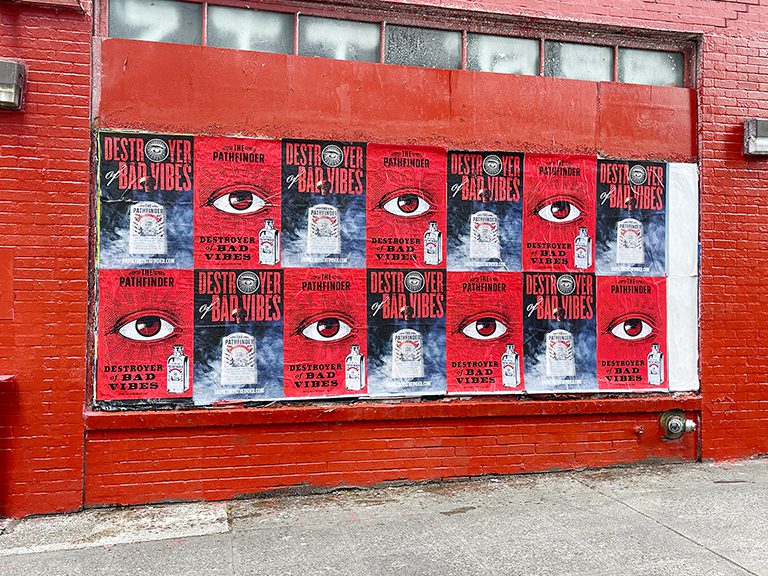
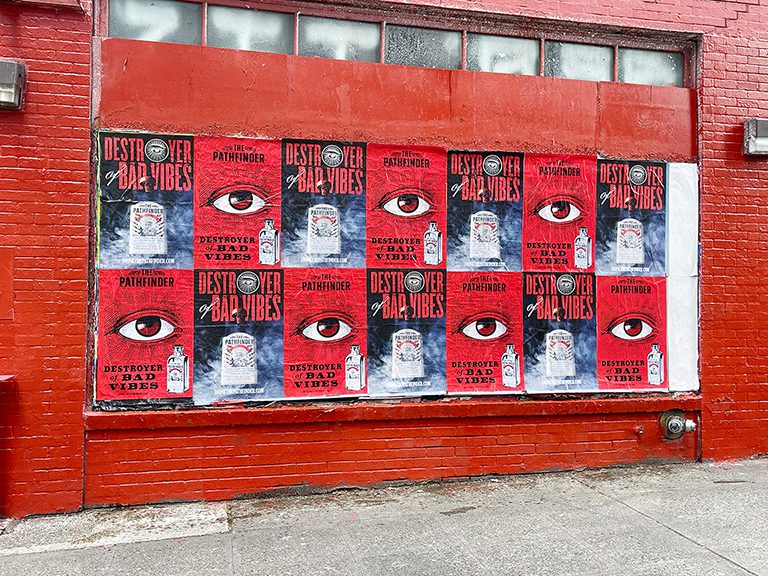
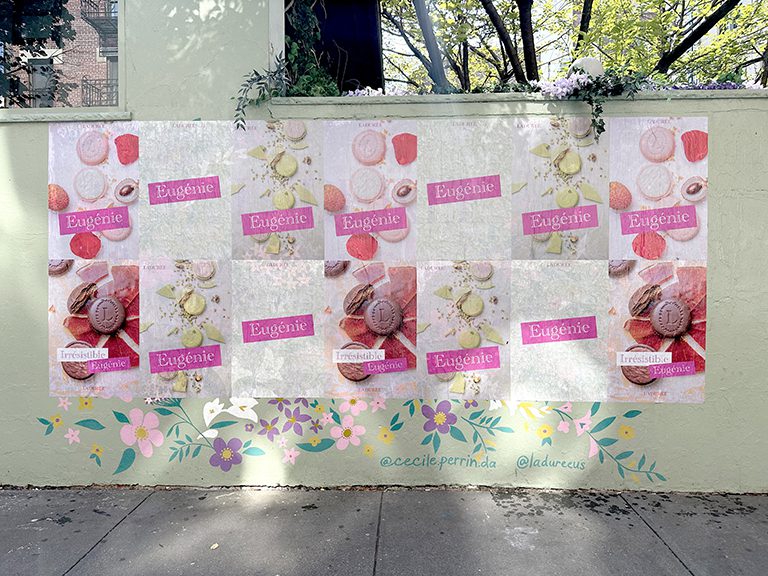
Fly posting is the professional practice of placing large-format printed posters on authorized wall surfaces across a city or region — building sides, construction hoardings, licensed commercial panels, and approved surfaces — creating a tangible brand presence that reaches consumers in the actual places they live and move. American Guerrilla Marketing works exclusively with property owners and permitted surfaces in all markets, ensuring that every placement is professionally secured, legally compliant, and positioned to maximize exposure to the target audience. Our teams handle the complete campaign lifecycle: location scouting based on your demographic targets, property owner coordination, permit management, expert installation, and comprehensive photo documentation of every placement delivered to you within 48 hours of campaign completion.

What distinguishes fly posting from other outdoor formats — standard billboards, transit advertising, or programmatic digital out-of-home — is its street-level intimacy and its inability to be filtered, blocked, or algorithmically suppressed. A 48×72 poster on a building wall in the Granary District, or a 24×36 format at eye level along University Avenue in Provo, occupies the same visual field as the pedestrian walking past it. In Utah’s walkable urban cores and dense commercial corridors, that intimacy drives brand recall rates that digital campaigns simply cannot match. Fly posting creates an immediate, unavoidable physical presence that builds awareness and credibility in the specific places where your target consumers actually eat, shop, gather, and move — not just where they occasionally scroll.


Utah Fly Posting Pricing

American Guerrilla Marketing offers consistent, transparent fly posting pricing across all Utah markets — whether you’re running a single-city campaign in Salt Lake City or a coordinated Wasatch Front push spanning multiple cities simultaneously. All packages include full-service location scouting, installation, and photo documentation. For multi-city campaigns combining several Wasatch Front markets, contact us to discuss campaign-level pricing structures that reflect combined scope.

The 24×36 format excels in high-density pedestrian zones, retail corridors, and residential-adjacent placements where eye-level repeated daily exposure is the core reach mechanism — areas like Sugar House’s 2100 South, Provo’s Center Street, and Orem’s University Mall district. The 48×72 format commands building walls, construction hoardings, and high-traffic vehicle corridors where visibility from 30 to 50 miles per hour is the priority. For many Utah campaigns, a blended format approach — larger formats anchoring key corridor walls, 24×36 formats adding pedestrian saturation at street level — delivers the highest combined impact per dollar.

Build Your Fly Posting Campaign

    Award Winning Personalized Service

    You will get thoughtful, devoted, and individualized attention from our experienced, qualified, and professional personnel. Being one of the most illustrious agencies in Brooklyn, New York, American Guerrilla Marketing has been awarded the Best of Brooklyn title.

    Nationwide

    Industry City, Brooklyn, New York 11232

    American Guerrilla Marketing

    +1 (646) 776-2770

    [email protected]

    Telegram: @americanguerillamarketing

    Hours

    Mon - Fri: 9 AM - 5 PM

    Sat & Sun: Closed

    Automate your campaign with AGM’s Request for Proposal Builder.

    Automate your campaign with AGM’s Request for Proposal Builder. Simply answer a few quick questions about your campaign goals, markets, and timeline, and the system will generate a tailored presentation with recommended strategies, quantities, and pricing. Click the RFP Builder to instantly receive your customized proposal.

    Campaign Strategy For Utah: Wasatch Front Vs. Statewide Reach

    The single most important strategic decision for any Utah fly posting campaign is geographic scope. The Wasatch Front — the I-15 corridor connecting Ogden, Salt Lake City, West Valley City, Provo, and Orem — concentrates roughly 80 percent of Utah’s total population in a remarkably compact footprint spanning approximately 120 miles north to south. A well-designed Wasatch Front campaign can reach the substantial majority of Utah’s consumer base in a single coordinated push, making it the foundation of most brand strategies entering this market. The geographic compactness of Utah’s population also means that Wasatch Front campaigns achieve a level of total market saturation that would require multiple regional campaigns in other states.

    For brands targeting specific audience segments, strategic additions beyond the Wasatch Front deliver meaningful incremental reach. Park City and Summit County serve a high-income, travel-oriented demographic that concentrates dramatically during ski season and the Sundance Film Festival. Moab attracts adventure-focused outdoor recreation consumers — national park visitors, mountain bikers, climbers, Jeep enthusiasts — who represent a distinct consumer tribe from the suburban Wasatch Front. St. George anchors Utah’s fast-growing southern corridor and serves as a gateway to both Zion National Park and the growing retiree and snowbird population in Washington County. Each secondary market requires individual location scouting and placement planning, but for brands in outdoor, entertainment, and lifestyle categories, the incremental reach can justify the additional scope.

    Timing a Utah campaign around the state’s major event calendar dramatically amplifies performance. The Sundance Film Festival in January concentrates the entertainment industry’s most influential creative decision-makers within 45 minutes of Salt Lake City — fly posting in SLC’s arts districts, along the Park City approach on State Route 224, and in the Granary District’s gallery and brewery corridor positions your brand in front of thousands of tastemakers during a ten-day window when they are actively absorbing cultural signals and making brand associations. The Outdoor Retailer trade show — held in January and August at the Salt Palace Convention Center — delivers a similarly concentrated window for outdoor, adventure, and active lifestyle brands: the show’s 1,200+ exhibiting brands and tens of thousands of buyers and media fill the downtown SLC hotel and restaurant corridors for four days, and fly posting in the surrounding neighborhoods captures that audience during their off-show hours in the city.

    Utah’s university athletic calendar creates additional tactical windows that entertainment, food and beverage, and consumer tech brands should leverage. University of Utah home football games at Rice-Eccles Stadium draw 50,000 or more fans each fall Saturday, with significant pre-game foot traffic concentrating along Foothill Drive and University Street. BYU football at LaVell Edwards Stadium in Provo draws a similarly passionate fanbase with strong brand loyalty and family-unit purchasing patterns. Game-day fly posting near these venues reaches an engaged, locally rooted audience in the high-energy context where brand recall is consistently strongest.

    For brands specifically targeting the Silicon Slopes technology workforce — which concentrates most densely in the Lehi-American Fork-Provo corridor in Utah County and the Murray-Sandy-Midvale corridor in Salt Lake County — fly posting along the commercial strips adjacent to major campus addresses delivers direct reach to the highest-income demographic segment in the state. Campus corridors near Qualtrics, Adobe, and Vivint serve as high-density professional audiences with above-average spending power in categories from consumer electronics and outdoor gear to travel and premium food and beverage. Fly posting in these corridors provides a physical brand touchpoint that complements digital recruitment, brand awareness, and product launch campaigns.

    Utah Fly Posting Corridors and Key Markets

    Salt Lake City — Cultural Capital of the Mountain West

    Salt Lake City is Utah’s most nuanced market, simultaneously home to The Church of Jesus Christ of Latter-day Saints’ global headquarters at Temple Square and one of the most creative, arts-forward communities in the Mountain West in neighborhoods like Sugar House, the Granary District, and 9th & 9th. Key fly posting corridors include 2100 South through Sugar House’s independent retail and coffee shop scene, the 400-700 West stretch through the Granary District’s emerging arts and brewery hub, and Main Street and 300 South in the downtown core. The city’s TRAX light rail system — connecting the airport, downtown, the University of Utah, and South Jordan — creates concentrated pedestrian flows at station nodes that function as premium placement anchors for campaigns targeting commuters and urban residents.

    Provo — Silicon Slopes’ Cultural and Commercial Core

    Provo occupies a fascinating dual identity as both a BYU college town — with 35,000 students living under a campus honor code — and the beating geographic heart of Silicon Slopes, home to companies that have shaped modern enterprise software. University Avenue running north-south through the city is the primary commercial spine, with Center Street’s downtown corridor hosting boutique restaurants, the renovated Provo City Center temple, and a weekly farmer’s market that draws thousands. BYU’s campus boundary along 9th North creates a natural demographic threshold — fly posting in the blocks immediately south of campus captures the highest student foot traffic concentration in Utah County while remaining outside campus restrictions.

    West Valley City — Utah’s Most Diverse and Underestimated Market

    West Valley City is Utah’s second-largest city and its most ethnically diverse, with significant Latino, Pacific Islander (particularly Tongan), and Southeast Asian communities that collectively represent substantial consumer spending power in categories from automotive and food and beverage to entertainment and fitness. The 3500 South commercial corridor is the city’s main artery — a dense strip of Mexican restaurants, Polynesian BBQ spots, auto dealers, and grocery centers that functions as the de facto main street for West Valley’s diverse communities. USANA Amphitheatre, Utah’s largest outdoor concert venue at 20,000 capacity, draws 250,000+ visitors each summer and creates premium fly posting windows for entertainment and lifestyle brands.

    Orem — The Suburban Engine of Utah County

    Orem anchors the residential and commercial center of Utah County’s family demographic, with State Street as its primary north-south commercial spine and the University Mall district as the region’s dominant retail hub. Utah Valley University’s 44,000-student commuter campus on University Parkway adds significant young adult traffic throughout the academic year, while the proximity to Thanksgiving Point — which draws more than one million visitors annually from across the region — creates additional windows for family and lifestyle brands. Orem’s strong Silicon Slopes employment spillover means households here are tech-employed but suburban-living, making them simultaneously digitally savvy and highly responsive to physical advertising.

    Park City / Summit County — Luxury Gateway and Sundance Hub

    Park City’s Main Street is one of the most affluent pedestrian retail corridors in the Mountain West, drawing ski resort visitors from Alta, Snowbird, Deer Valley, and Park City Mountain alongside summer outdoor recreation tourists and the Sundance Film Festival’s global creative community each January. Fly posting in Park City targets a high-income, culturally engaged audience that is heavily concentrated during the winter ski season from December through March, with a specific premium window during Sundance. Brands in luxury goods, outdoor gear, entertainment, hospitality, and premium food and beverage find Park City one of Utah’s highest-impact campaign environments per placement.

    Ogden — The Northern Wasatch’s Outdoor Culture Hub

    Ogden’s Historic 25th Street is one of Utah’s most authentically independent retail and dining corridors, home to a blue-collar outdoor culture demographic that is distinctly different from the Silicon Slopes tech crowd to the south. The city’s proximity to powder-heavy resorts like Snowbasin, Powder Mountain, and Nordic Valley, combined with a growing craft beverage scene and a revitalized downtown arts district, makes it a valuable secondary market for brands targeting outdoor lifestyle consumers across the northern Wasatch Front. Weber State University’s 30,000-student enrollment adds an important young adult layer to Ogden’s consumer base.

    Why Choose American Guerrilla Marketing For Your Utah Campaign?

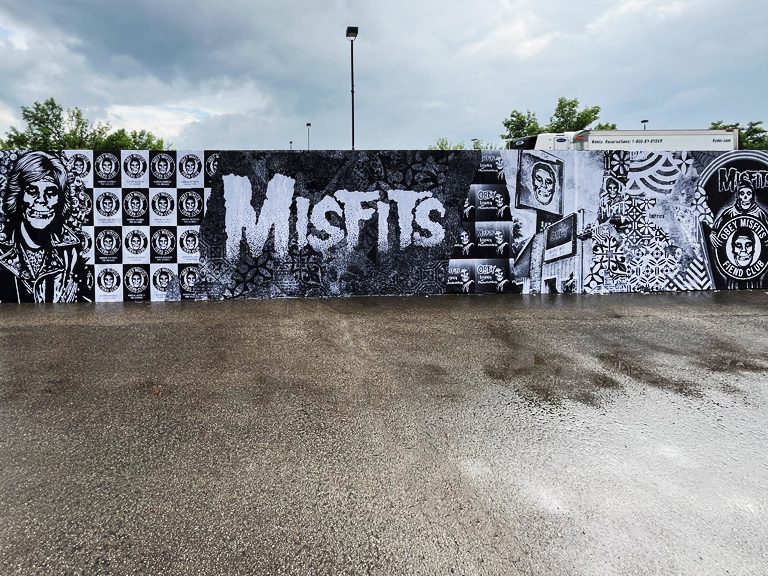
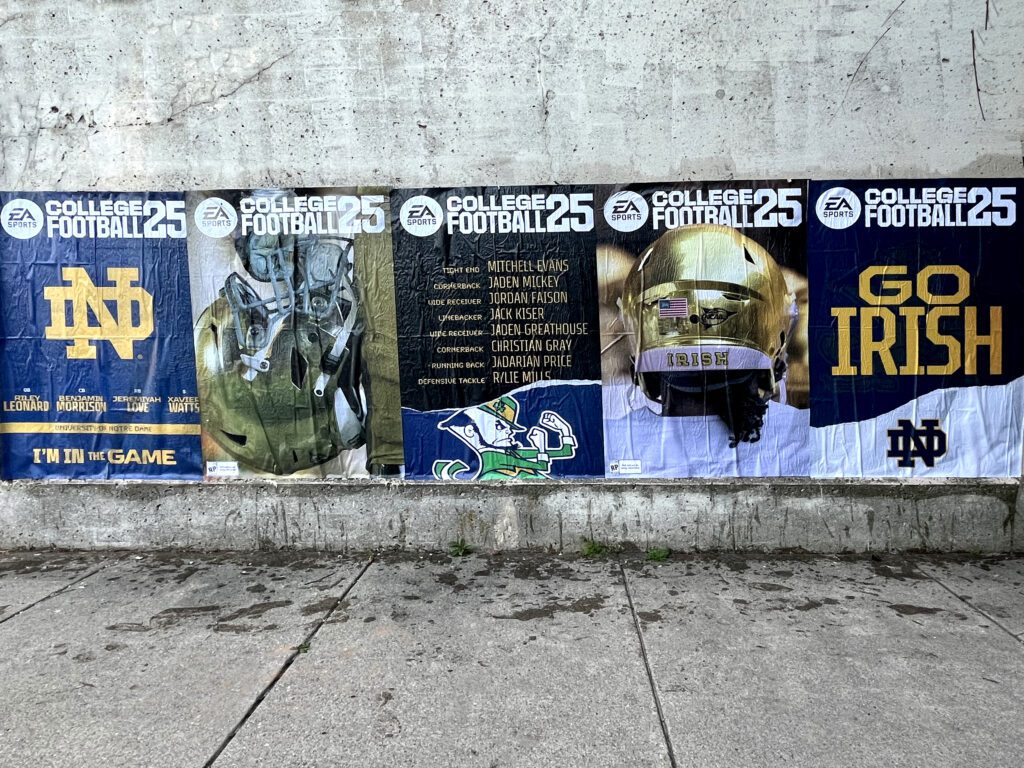
    American Guerrilla Marketing has spent more than a decade executing fly posting campaigns in markets ranging from New York’s Lower East Side to Los Angeles’ Silver Lake, and every market in between. Our client roster demonstrates the full range of what fly posting can accomplish: Netflix has used our campaigns to launch major series in competitive metro markets; The Onion has deployed us to generate street-level buzz for editorial campaigns; EA Sports has trusted AGM for game launch activations; Biossance used our campaigns to build retail awareness in urban markets; and artist Shepard Fairey — himself one of the originators of modern street poster culture — has worked with AGM on installation projects that required both creative precision and operational excellence. That same standard of work comes to every Utah campaign we execute.

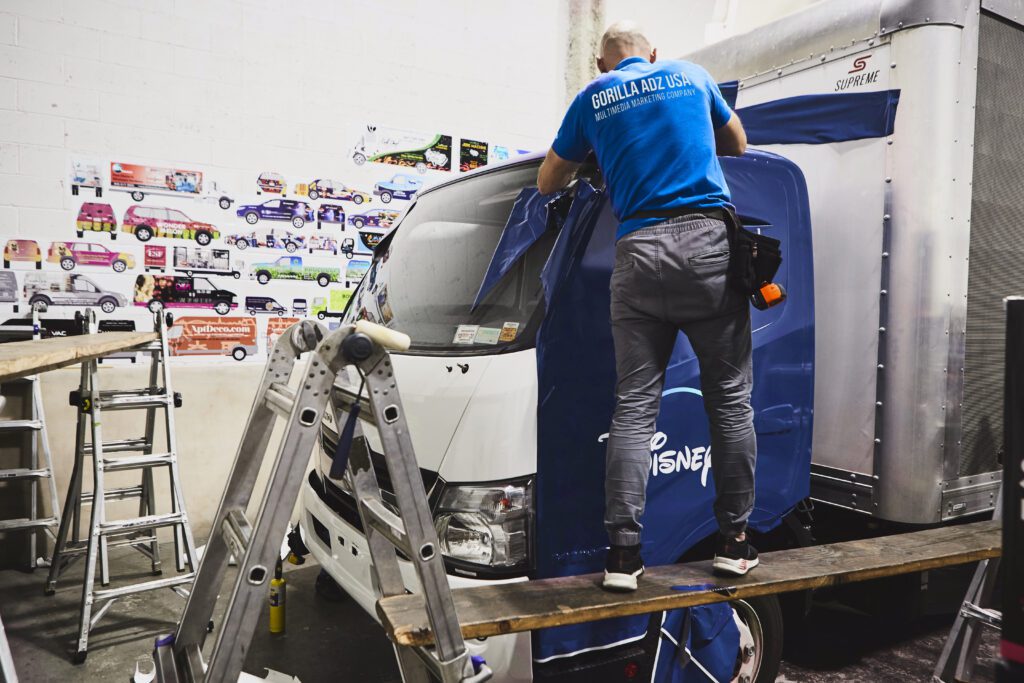
    What separates AGM from regional print vendors and local marketing shops is our end-to-end campaign ownership. We do not outsource location scouting, installation, or documentation to subcontractors — every phase of your campaign is managed by AGM personnel who maintain our quality standards from initial brief to final photo report. Our location scouts in Utah know the difference between a high-traffic wall that looks good on a map and one that actually delivers daily exposure to your target demographic. Our installation crews know how to place large-format posters for maximum adhesion, alignment, and durability in Utah’s varying seasonal conditions, from summer heat along the valley floor to winter cold in the elevated corridors near canyon mouths.

    Our Las Vegas office at 5940 S Rainbow Blvd serves as the operational hub for all Intermountain West campaigns, including Utah. The geographic proximity means faster site visits, tighter installation windows, and the ability to respond quickly to any campaign adjustments without the coordination overhead that comes with managing remote crews from a distant headquarters. Whether your campaign is a focused Salt Lake City activation or a coordinated Wasatch Front push spanning four cities in a 48-hour installation window, AGM has the infrastructure to execute at scale without sacrificing the street-level precision that makes fly posting effective.

    Frequently Asked Questions About Fly Posting in Utah

    Fly posting is the professional practice of placing large-format printed posters on authorized wall surfaces throughout a city or region, creating a physical brand presence that reaches consumers in the real environments they move through each day. In Utah, AGM’s process begins with location scouting — our team identifies high-quality, high-traffic wall surfaces across your target markets, from commercial building sides in downtown Salt Lake City to construction hoardings along the University Avenue corridor in Provo. We coordinate directly with property owners and manage all necessary permits and agreements. Installation is handled by experienced field crews who place your posters for maximum visibility and durability. Every placement is photographically documented with geo-tagged images, and the complete documentation set is delivered to you within 48 hours of installation completion. Unlike digital advertising, fly posting requires no algorithm, no bid strategy, and no audience qualification — it simply exists in the physical world where your consumers live.

    Statewide Utah campaigns are coordinated from AGM’s Las Vegas operations hub with field crews positioned across the Wasatch Front and key secondary markets. For campaigns spanning Salt Lake City, West Valley City, Provo, and Orem simultaneously, we structure the work in geographic clusters — each cluster managed by an experienced crew lead with pre-scouted locations, secured property agreements, and a defined installation schedule. Multiple crews work their respective clusters in parallel, ensuring that all placements go up within a tight 24 to 48-hour window rather than rolling out piecemeal over several days. This synchronized deployment is especially critical for campaigns tied to a specific launch date, event, or product release. We pre-scout all secondary locations — Park City, Ogden, St. George, Moab — during the planning phase so that adding these markets does not extend the installation timeline for the primary Wasatch Front campaign.

    A Wasatch Front campaign concentrates all placements within the I-15 corridor connecting Ogden, Salt Lake City, West Valley City, Provo, and Orem — a geography that contains approximately 80 percent of Utah’s total population in a roughly 120-mile north-to-south footprint. For most brands entering the Utah market or launching a statewide campaign, the Wasatch Front is the correct starting point because the population density, commercial corridor development, and pedestrian infrastructure make it the highest-ROI geography in the state. A full statewide campaign adds secondary markets like Park City and Summit County (ski and Sundance tourism demographic), Moab (adventure recreation and national park visitors), St. George (southern Utah’s growing retiree and transplant community), and Ogden’s northern corridor. The additional scope makes sense for brands in outdoor recreation, entertainment, or tourism whose audiences are specifically concentrated in these secondary markets, or for established brands building total market saturation after an initial Wasatch Front campaign.

    Absolutely — event-timed campaigns are among the highest-performing fly posting strategies AGM executes in Utah, precisely because these events concentrate unusually influential audiences in a compact geography for a defined window. The Sundance Film Festival in January draws more than 50,000 industry professionals, filmmakers, journalists, and cultural tastemakers to the Park City and Salt Lake City area over ten days. Running fly posting in SLC’s arts districts, along the Parleys Canyon approach to Park City, and in the Granary District’s gallery and bar corridor puts your brand directly in front of the entertainment industry’s creative decision-makers at a moment when they are maximally open to discovering new brands and cultural signals. The Outdoor Retailer show — held in January and August at Salt Lake City’s Salt Palace Convention Center — offers a similar window for outdoor, adventure, and lifestyle brands, with thousands of industry buyers and brand managers spending four days in downtown SLC and its surrounding neighborhoods.

    Utah’s approximately 60 percent LDS population creates a distinctive consumer culture that effective brand campaigns learn to engage authentically rather than treat as an obstacle. LDS communities are defined by strong family orientation, dense community networks built around weekly congregational meetings, high civic participation, and unusually strong brand loyalty once trust is established. Word-of-mouth moves quickly through these tight-knit ward communities, meaning a fly posting campaign that genuinely resonates with this demographic can generate earned community conversation and social sharing that multiplies its direct reach significantly. The approximately 30 percent non-LDS population — most heavily concentrated in Salt Lake City’s urban core neighborhoods — tends to skew young, creative, progressive, and culturally adventurous, responding to entirely different creative approaches and brand values. The most sophisticated Utah campaigns design placements and creative with both audiences in mind, positioning in the geographic zones where each tribe concentrates rather than attempting to find a single message that serves both equally well.

    Utah’s economic and demographic composition means fly posting delivers strong results across a wide range of brand categories, but several consistently outperform. Outdoor and adventure brands — gear, apparel, footwear, experiences — thrive because Utah’s entire consumer culture is oriented around physical activity, national park exploration, and ski culture. Entertainment brands running campaigns timed to Sundance, concert events at USANA Amphitheatre, or performances at venues like The Complex, Urban Lounge, or Commonwealth Room in SLC find fly posting builds anticipatory awareness that directly drives ticket and streaming conversion. Technology brands in recruiting, employer branding, and B2B software use fly posting to establish physical presence in the Silicon Slopes corridor, creating brand familiarity among the engineering and product talent pool. Wellness, clean beauty, and family lifestyle brands perform particularly well in the LDS-majority suburban markets across the Wasatch Front, where trust-based brand loyalty runs deep once initial awareness is established.

    Silicon Slopes has fundamentally reshaped Utah’s consumer landscape by concentrating tens of thousands of high-income, brand-sophisticated technology workers in the Utah County and Salt Lake County corridors. The companies anchoring this ecosystem — Qualtrics, Adobe, Domo, Pluralsight, Ancestry, Nu Skin, Vivint, and dozens of growth-stage startups — employ professional workforces earning significantly above state median income, spending aggressively on outdoor gear, travel, premium food and beverage, consumer technology, and lifestyle brands. These workers are simultaneously the heaviest digital media consumers in the state and among the most active outdoors — they commute on I-15, shop at local commercial strips, hike on weekends, and ski in winter in ways that make them highly receptive to physical brand messaging in the corridors they traverse daily. A fly posting campaign adjacent to Silicon Slopes campuses reaches an audience whose income profile and brand sophistication compare favorably with tech-district targeting in Austin, Denver, or Seattle, at a fraction of those markets’ campaign costs.

    The right format depends on your specific placement environment and campaign objectives. The 24×36 inch format is optimized for high-density pedestrian zones where close-range daily exposure is the core reach mechanism — Sugar House’s 2100 South corridor, Center Street in Provo, State Street in Orem, and the commercial strips around TRAX stations in SLC. Pedestrians moving through these corridors encounter 24×36 posters at eye level, creating a close, personal brand impression that is ideal for detailed messaging, QR codes, and creative that rewards closer inspection. The 48×72 inch format commands attention from a distance — it is built for building walls, larger commercial surfaces, and high-traffic driving corridors where your message needs to read clearly from a moving vehicle or across a wide plaza. For Utah campaigns that mix urban pedestrian zones with commercial driving corridors, a blended format strategy — 48×72 anchoring the highest-visibility wall surfaces, 24×36 saturating pedestrian-level placement points — typically delivers the strongest combined recall per impression.

    Utah’s sustained position among the nation’s three fastest-growing states creates two distinct advantages for fly posting campaigns that are not present in slower-growth markets. First, in-migration brings a continuous stream of new residents from California, the Pacific Northwest, Colorado, and other markets who arrive already brand-literate and in active discovery mode — physically exploring their new neighborhoods, learning new commute routes, and establishing new consumer habits in an unfamiliar city. These new Utahns are among the most receptive audiences in the state for fly posting because they are consciously paying attention to their physical environment in a way that long-time residents often are not. Second, rapid population growth drives continuous commercial and residential development along the Wasatch Front, which generates a steady supply of construction hoardings, newly completed commercial walls, and development project surfaces that expand the high-quality placement inventory in the most desirable neighborhoods as the market grows.

    The minimum meaningful entry point for a Utah fly posting campaign is 100 posters in a single city market — Salt Lake City, Provo, West Valley City, or Orem. At 100 placements, a focused campaign achieves enough surface-level saturation in the target city’s key corridors to generate genuine daily reach among the local audience moving through those areas. For brands targeting multiple Wasatch Front cities simultaneously, we recommend a minimum of 100 posters per city so that each market receives sufficient placement density to register as a brand presence rather than scattered, isolated posters. Campaigns below 50 placements in a single market tend to feel diluted and fail to create the cumulative daily impression frequency that drives brand recall. For statewide Utah campaigns or event-timed pushes with a specific launch date, we typically recommend 200-poster campaigns per primary city market to ensure comprehensive corridor coverage throughout the activation window.

    Utah’s four major university campuses — BYU in Provo, the University of Utah in Salt Lake City, UVU in Orem, and Weber State in Ogden — collectively enroll more than 140,000 students, representing a massive concentrated young adult consumer population distributed across the state’s primary commercial corridors. Each campus creates a geographic zone of elevated foot traffic and high brand receptiveness in the surrounding neighborhoods, with the specific characteristics of each student population reflecting the campus culture: BYU’s honor code culture attracts a family-oriented, wellness-focused, tech-curious student body; the University of Utah’s students skew more urban, artistically oriented, and socially diverse; UVU’s predominantly commuter student body is embedded in Utah County’s residential communities; Weber State’s students include a significant working-adult and vocational-training population. Fly posting near each campus is tailored to these specific audience profiles in terms of both creative approach and placement location, with the areas just outside campus perimeters — rather than on-campus surfaces — delivering the highest accessible foot traffic.

    Browse All States

    Explore Fly Posting Advertising opportunities across the United States.

    No locations found

    American Guerrilla Marketing Blog Posts