American Guerrilla Marketing
Nationwide Service
Media planning, media buying, billboard advertising, & guerrilla marketing
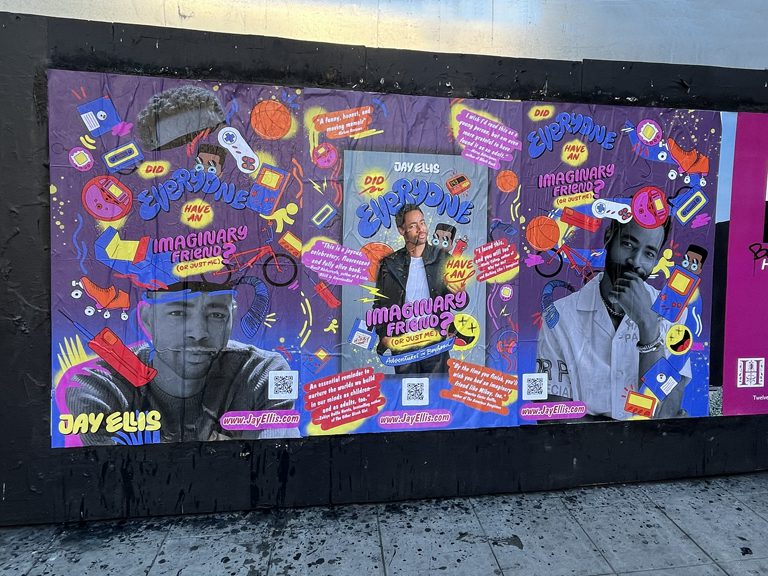
Fly posting campaigns across Glenwood South, Hillsborough Street, the Warehouse District, and Five Points. Raleigh is the fastest-growing major city in North Carolina — and its streets are ready for your brand.
Raleigh is not slowing down. The state capital of North Carolina has become one of the most rapidly expanding cities in the entire United States, drawing transplants from the Northeast and Mid-Atlantic, building out a technology sector anchored by Research Triangle Park and Apple’s planned regional campus, and absorbing the energy of five universities — NC State, Shaw, Meredith, St. Augustine’s, and Peace — into a downtown that has been transformed from a sleepy government town into a genuine urban destination. In ten years, Raleigh has built the kind of walkable nightlife and cultural infrastructure that most Southern cities spend generations chasing.
For fly posting, Raleigh’s trajectory is exceptional. The city now has multiple neighborhoods with genuine pedestrian density — Glenwood South, Hillsborough Street, the Warehouse District, Five Points — each concentrated with the young, culturally engaged consumers that consumer brands, entertainment companies, and lifestyle products most want to reach. And Raleigh’s event calendar has scaled to match its growth: Hopscotch Music Festival and Dreamville Festival have put the city on the national cultural map, the NC State Fair remains one of the largest state fairs in the Southeast, and the downtown food and bar scene generates consistent foot traffic on every night of the week.
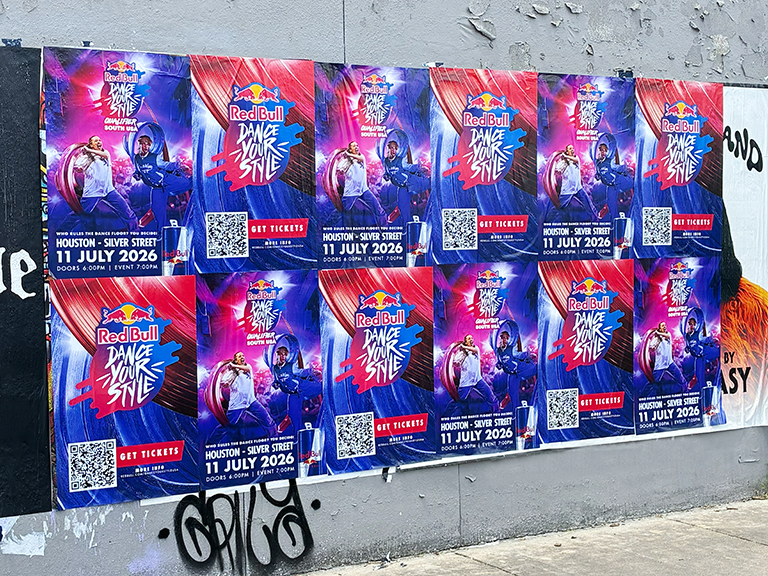
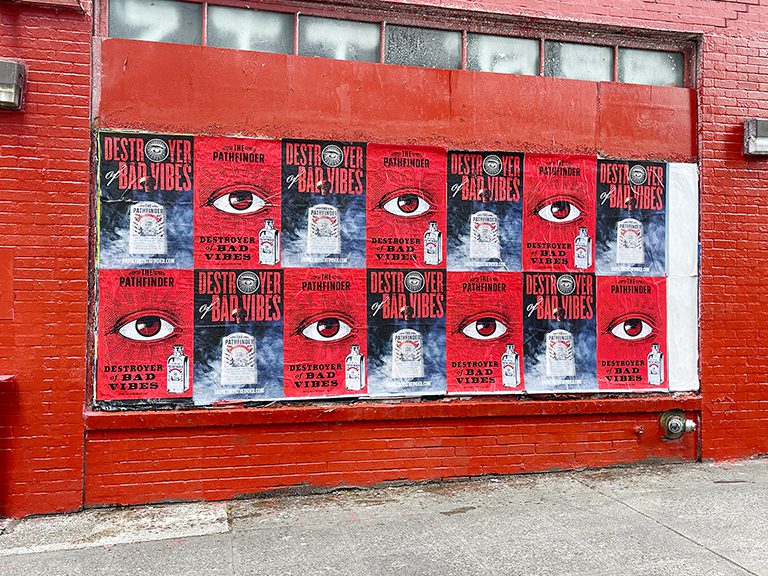
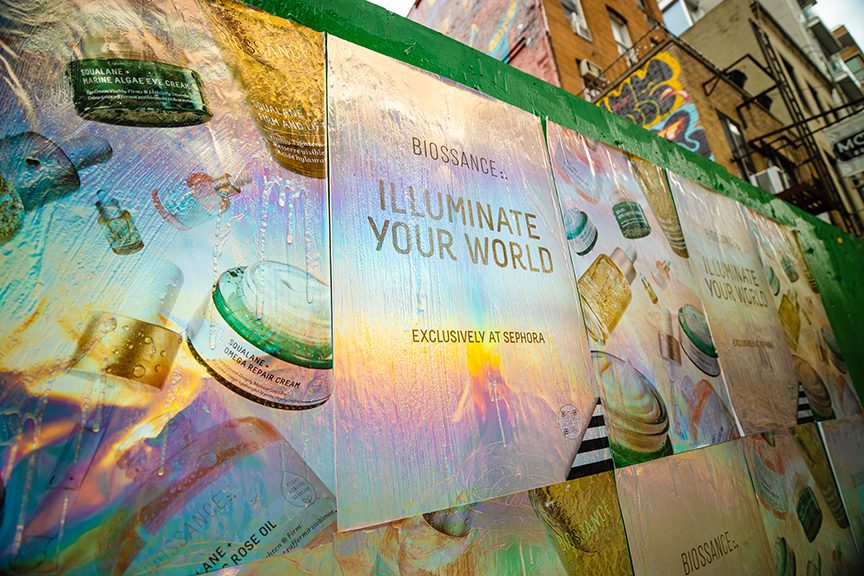
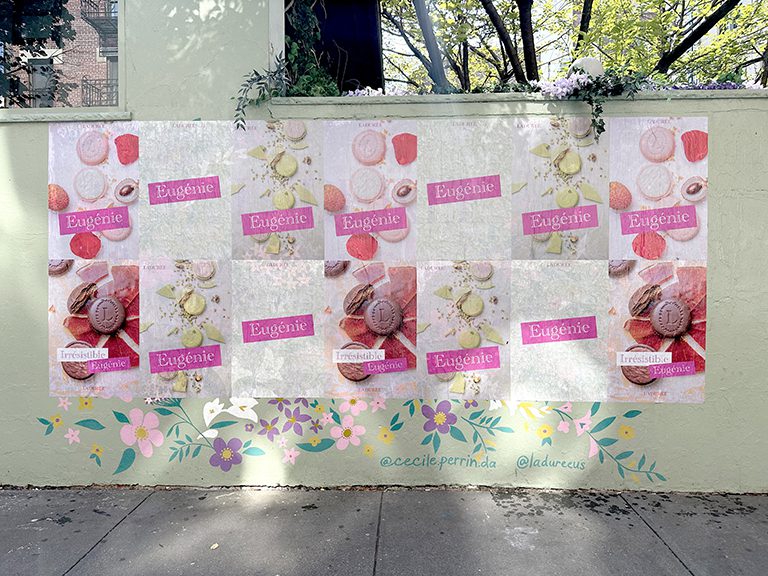
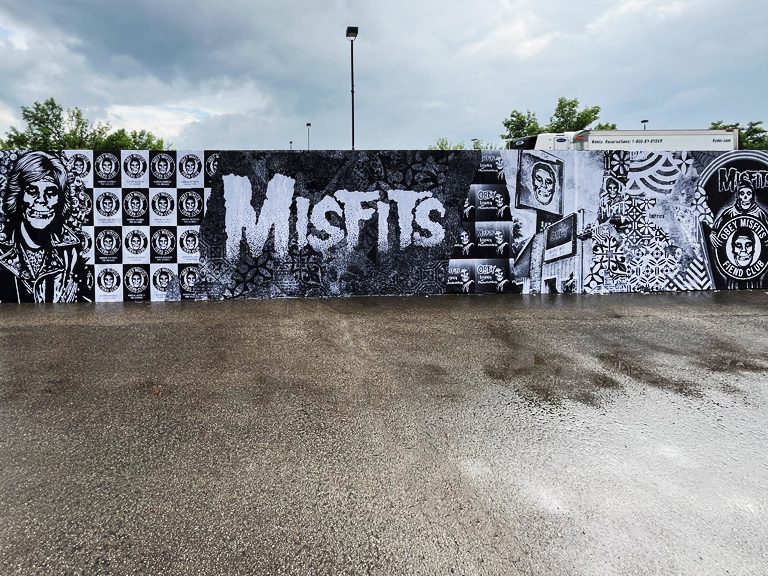
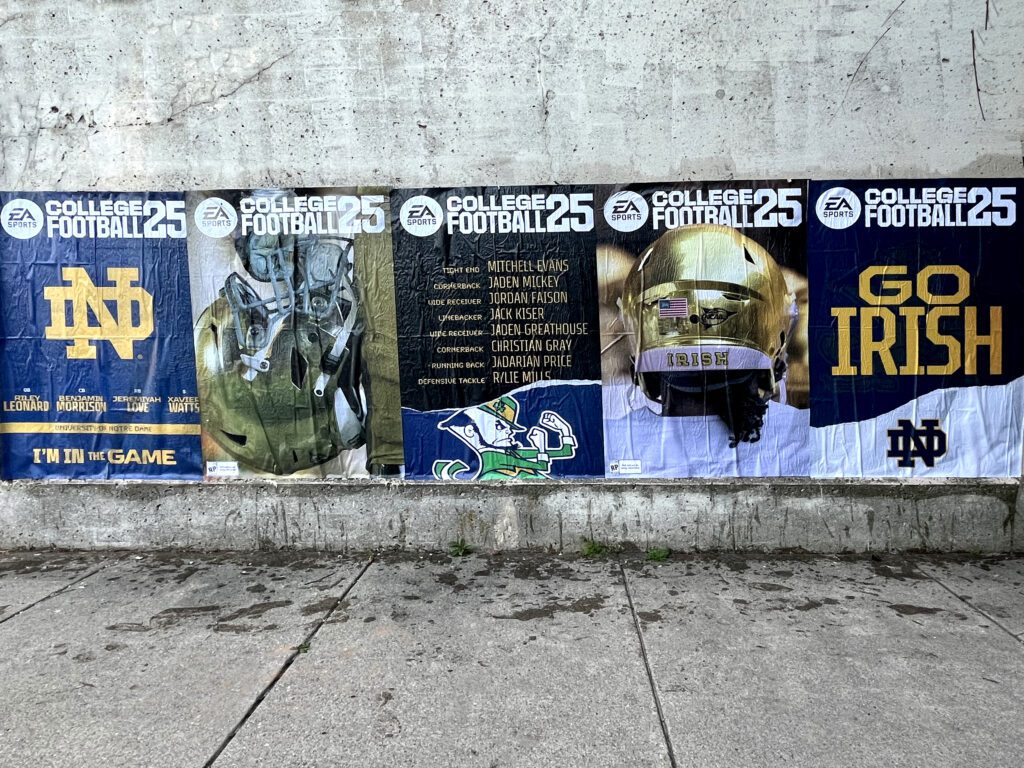
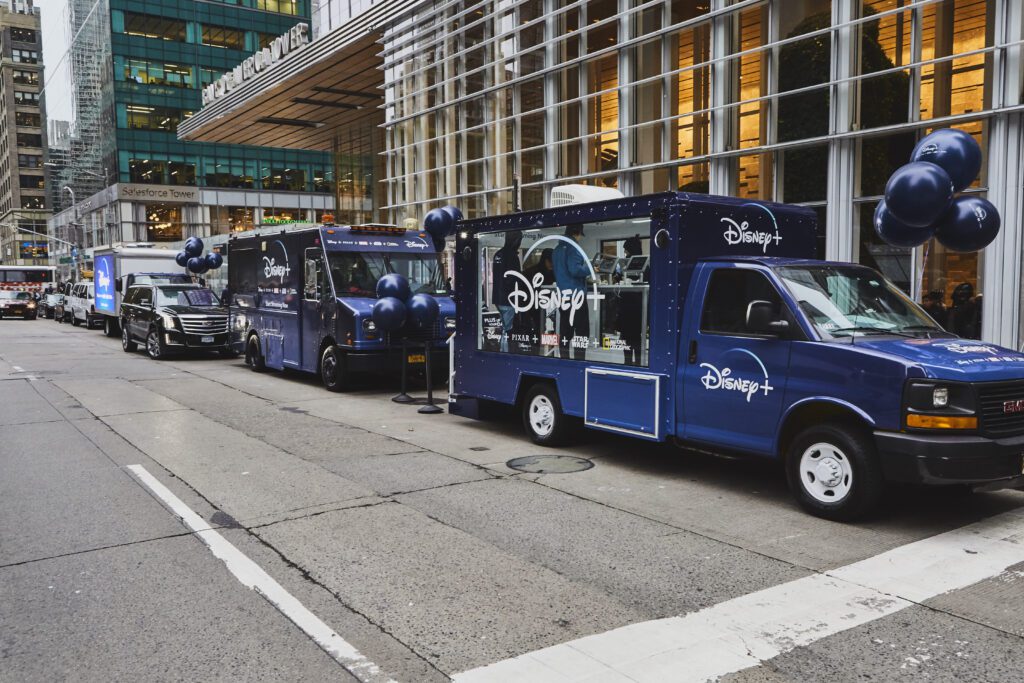
American Guerrilla Marketing has executed fly posting campaigns for clients including Netflix, EA Sports, The Onion, Biossance, and Shepard Fairey. We bring the same rigor and market knowledge to Raleigh that we apply in our largest markets. When you work with us in Raleigh, you get a placement strategy built from real neighborhood intelligence — not a generic template imposed on a city someone has never walked. Every placement recommendation reflects direct on-the-ground knowledge of where Raleigh’s most valuable pedestrian audiences actually concentrate.
From Glenwood South to the Warehouse District to Hillsborough Street at NC State — Raleigh's fastest-growing neighborhoods are ready for your brand. Tell us your campaign objectives and we'll build a fly posting strategy that delivers real street-level presence when and where it matters most.
Select a city to explore Fly Posting Advertising opportunities.
Raleigh’s walkable commercial corridors are concentrated in a cluster of distinct neighborhoods, each with its own character and demographic profile. Effective placement strategy maps your target audience to the specific zones where their foot traffic is highest, and allocates placements accordingly across the city’s approved surface network.
Glenwood Avenue between Peace Street and Wade Avenue is Raleigh’s premier nightlife and dining corridor — arguably the single highest pedestrian density strip in the entire state on weekend evenings. The blocks along Glenwood South are packed with bars, restaurants, clubs, boutique fitness studios, coffee shops, and the apartment towers that have been built above them as the neighborhood’s residential density has increased dramatically over the past decade. The demographic here is overwhelmingly 22-to-35 years old, with strong purchasing power and above-average responsiveness to brand communications encountered in their social environment. A fly posting presence on Glenwood South reaches this audience when they are in their highest-engagement physical state — out, relaxed, open to discovery, and spending money.
Hillsborough Street — the commercial spine that runs west from downtown through the NC State University campus and into the Cameron Village area — is Raleigh’s defining university corridor. The stretch nearest NC State’s brick gates is a dense strip of coffee shops, restaurants, bars, bookstores, vintage clothing, and the businesses that orbit a major research university’s student and faculty population. Beyond the campus boundary, Hillsborough continues through Five Points and toward Cameron Village, picking up a broader residential demographic that includes young families, graduate students, and the creative professionals who have settled in Raleigh’s inner west side neighborhoods. A fly posting campaign on Hillsborough Street reaches a demographic span from 18-year-old NC State freshmen to 40-year-old Raleigh professionals in a single corridor.
Raleigh’s Warehouse District — anchored by South West Street and Davie Street, south of the downtown core — is the city’s arts and creative economy hub. The district houses art galleries, design studios, event spaces, music venues, and the kind of independent restaurants and bars that attract Raleigh’s most culturally engaged residents. On First Friday art walks and weekend evenings, the Warehouse District concentrates an audience of creative professionals, artists, collectors, and culture-seekers that is qualitatively different from the Glenwood South nightlife crowd — older, more affluent, and specifically engaged with design, art, and cultural experience. For brands with a strong creative identity, the Warehouse District is an essential Raleigh placement zone.
Five Points is the intersection at the heart of Raleigh’s inner west side — a neighborhood node where five streets converge around a cluster of independent shops, restaurants, and community-scale businesses that draw foot traffic from the surrounding Raleigh residential neighborhoods. The community character here is distinctly local — this is where Raleigh residents who consider themselves Raleigh people rather than transplants live, shop, and gather. A fly posting presence at Five Points reaches an established, engaged, and locally influential consumer community that has strong peer influence on Raleigh’s broader cultural conversation.
Moore Square and the adjacent City Market district anchor the eastern edge of downtown Raleigh, housing one of the city’s oldest food halls alongside restaurants, galleries, and event spaces within walking distance of the state capitol. The area draws both downtown office workers at lunch and evening diners who make a specific trip to the City Market area’s culinary offerings. Pedestrian flow through this district is consistent throughout the day and peaks in the evening hours, making it a productive placement zone for campaigns targeting the professional and dining-oriented demographic.
Fayetteville Street is downtown Raleigh’s primary commercial and event spine — a pedestrian-friendly boulevard running from the state capitol building south to the convention center and PNC Arena. Major outdoor events, festivals, and celebrations concentrate along Fayetteville Street and draw audiences from across the Triangle. Red Hat Amphitheater sits at the southern end of this corridor, making it a natural convergence point for concert and live event audiences. Fly posting along and adjacent to Fayetteville Street reaches downtown pedestrians during events and the daily professional traffic that flows through Raleigh’s CBD.
Hopscotch Music Festival, held each September across multiple downtown Raleigh venues, has grown from a local indie music event into one of the most respected urban music festivals in the country. Hopscotch programs across a remarkable stylistic range — experimental, indie rock, hip-hop, electronic, jazz — across venues including the Ritz, Lincoln Theatre, Red Hat Amphitheater, and various club-scale spaces throughout downtown. The audience it draws is precisely the tastemaker demographic that the most ambitious brands in music, technology, fashion, and culture want to reach: music-obsessed, trend-forward, design-literate, and concentrated in Raleigh’s downtown for an entire weekend.
For fly posting, Hopscotch represents a near-perfect campaign context. A Fly posting deployment installed in the two weeks before Hopscotch and maintained through the festival weekend saturates downtown Raleigh — Glenwood South, the Warehouse District, Fayetteville Street, and the blocks surrounding the festival’s key venues — with your brand during the exact window when Raleigh’s most culturally engaged audience is physically present and paying attention. For music labels, streaming platforms, consumer brands targeting the 25-to-40 creative class, and any company trying to build cultural credibility in the Research Triangle, a Hopscotch-timed fly posting campaign is one of the highest-return advertising moves available in the North Carolina market.
Dreamville Festival — J. Cole’s annual hip-hop festival held at Dix Park in Raleigh — has quickly become one of the most significant music festivals in the American South, drawing audiences of 40,000 or more who travel from across the country to Raleigh for the event. The Dreamville audience skews young, African American, and culturally engaged — a demographic profile that is both one of the most commercially influential in American consumer culture and one of the most difficult to reach efficiently through traditional advertising channels.
A fly posting campaign timed to Dreamville, concentrated in Raleigh’s downtown, Glenwood South, and the Hillsborough Street corridor, creates brand presence across the full geographic spread of the Dreamville audience’s Raleigh experience — from the neighborhoods where they stay and eat to the streets they move through on the way to and from the festival. For brands in music, streetwear, consumer technology, beverages, and entertainment, Dreamville is a fly posting moment in Raleigh with few equivalents anywhere in the Southeast.
The North Carolina State Fair, held annually in October at the State Fairgrounds on Blue Ridge Road in western Raleigh, is consistently one of the largest state fairs in the United States by attendance. Over ten days, the fair draws nearly a million visitors from across North Carolina and the broader Southeast — families, agricultural communities, food enthusiasts, and the broad cross-section of North Carolina’s population that no other single event assembles in one place. While the fair’s audience is not concentrated in Raleigh’s downtown neighborhoods, a fly posting campaign installed in the weeks surrounding the fair and positioned along the approach corridors and in the downtown entertainment districts captures both the fair’s regional visitors and Raleigh’s local population during one of the city’s highest-energy weeks of the year.
Research Triangle Park — the 7,000-acre research and technology park between Raleigh, Durham, and Chapel Hill — is home to major operations of companies including IBM, Cisco, Biogen, and numerous biotech and pharmaceutical firms. Apple has announced a major new campus in the Research Triangle area, which is expected to bring thousands of additional high-income technology workers into Raleigh’s residential and commercial neighborhoods over the coming years. The professional community that lives in Raleigh’s neighborhoods — particularly in the inner west side and the north Raleigh corridors — is a high-income, high-education, and high-consumption demographic that is underserved by most traditional advertising channels but moves through the corridors where fly posting operates every day.
Raleigh hosts a remarkable concentration of universities for its size. NC State University — an R1 research institution with one of the largest engineering and design programs in the Southeast — anchors Hillsborough Street with tens of thousands of students and faculty. Shaw University, one of the oldest HBCUs in the South, sits in downtown Raleigh. Meredith College, St. Augustine’s University, and Peace University each contribute additional student populations to the city’s demographic mix. Combined, these institutions give Raleigh a youth market depth that most similarly sized American cities cannot match, and that market concentrates in the commercial corridors where fly posting operates.
Wide Open Bluegrass — the downtown festival associated with the International Bluegrass Music Association’s World of Bluegrass conference — transforms Fayetteville Street and the surrounding blocks into a city-scale celebration of American roots music each September, overlapping with Hopscotch and creating a festival-dense week that concentrates enormous audiences in downtown Raleigh. The Wide Open Bluegrass audience skews older than Hopscotch’s crowd and extends the reach of any campaign deployed during Raleigh’s September festival week into the affluent music-enthusiast demographic that follows bluegrass and Americana. A single fly posting deployment can simultaneously serve both audiences during this extraordinary festival concentration window.
Cameron Village, at the western end of the Hillsborough Street corridor, is one of Raleigh’s most established and beloved neighborhood shopping destinations — an outdoor lifestyle retail center that anchors a densely residential section of the city’s inner west side. The demographic here — established professionals, young families, and the Raleigh old-guard mixed with newcomers — represents strong purchasing power and consistent foot traffic throughout the week. Brands in retail, lifestyle, home goods, food, and consumer products benefit from fly posting presence in this zone, which reaches a more settled and purchase-ready consumer than the nightlife and student corridors.
Our Raleigh campaigns operate on the same transparent pricing structure as all American Guerrilla Marketing markets. Every package includes site scouting, professional installation across our approved surface network, and a comprehensive post-campaign photo documentation report delivered to you after campaign activation.
Raleigh’s distinct neighborhood clusters lend themselves well to targeted deployment. A 100-placement campaign concentrated in Glenwood South and the Warehouse District saturates Raleigh’s nightlife and arts core with remarkable efficiency. At 200 placements, you can layer in Hillsborough Street, Five Points, and Moore Square for genuine citywide coverage that reaches the full spectrum of Raleigh’s consumer demographic — from NC State students on Thursday nights to downtown professionals on Friday evenings to Warehouse District creatives at First Friday art walks.
Triangle-wide deployments combining Raleigh with Durham and Chapel Hill are available at custom pricing. Given Raleigh’s central position in the Research Triangle, multi-city configurations are among our most frequently requested in this market. Contact us to discuss the right geographic scope for your campaign.
Award Winning Personalized Service
You will get thoughtful, devoted, and individualized attention from our experienced, qualified, and professional personnel. Being one of the most illustrious agencies in Brooklyn, New York, American Guerrilla Marketing has been awarded the Best of Brooklyn title.
Nationwide
Industry City, Brooklyn, New York 11232
American Guerrilla Marketing
Hours
Mon - Fri: 9 AM - 5 PM
Sat & Sun: Closed
Automate your campaign with AGM’s Request for Proposal Builder. Simply answer a few quick questions about your campaign goals, markets, and timeline, and the system will generate a tailored presentation with recommended strategies, quantities, and pricing. Click the RFP Builder to instantly receive your customized proposal.
A Raleigh campaign begins with understanding your target consumer and mapping their movement patterns across the city’s neighborhoods. Are you trying to reach the Hopscotch crowd? The NC State student body? The Glenwood South professional set? The Warehouse District creative community? The answer shapes every placement decision, from which corridors we prioritize to which surfaces deliver the strongest audience-to-placement alignment. We also map the relevant event windows — if Hopscotch, Dreamville, the NC State Fair, or Wide Open Bluegrass overlaps with your campaign window, we build the placement strategy around those concentration moments.
Our Raleigh placement network has been developed through systematic on-the-ground scouting of the city’s approved surface inventory. We know which surfaces on Glenwood South see the highest pedestrian eye-level exposure, which Warehouse District walls provide the best canvas for large-format posting, and which Hillsborough Street locations achieve the strongest dwell time among the NC State corridor’s foot traffic. Every inventory allocation decision is made with this granular knowledge rather than from an aerial map or a spreadsheet.
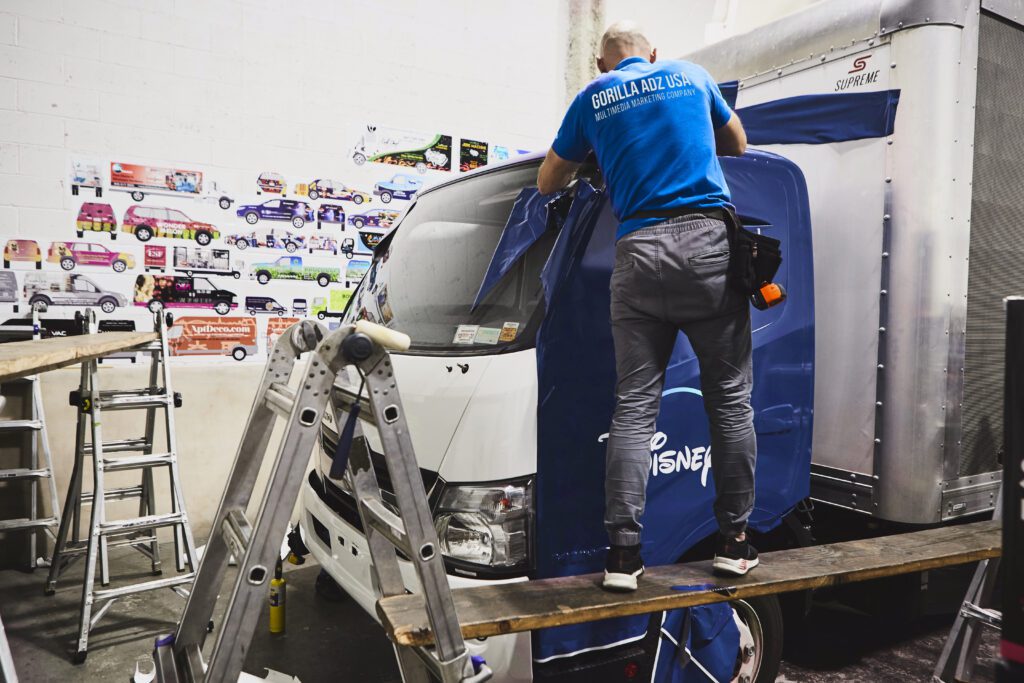
Raleigh campaigns can typically be installed across the core neighborhoods within a two-day window. For event-driven campaigns with hard activation dates — Hopscotch weekend, the Friday before Dreamville — our installation teams work to a precise schedule to ensure your posters are live at the exact moment of maximum audience concentration. We are accustomed to working within tight event timing windows and have the operational infrastructure to deliver on-schedule installations even under compressed timelines.
Every placement in your Raleigh campaign is photographed at installation, capturing your creative in its specific neighborhood context — a poster on Glenwood South at dusk, a large-format panel on a Warehouse District gallery wall, a placement on the Hillsborough Street corridor flanked by the visual energy of NC State’s commercial strip. The post-campaign photo report compiles these images into a complete campaign record that doubles as compelling social and press content.
The clients who trust American Guerrilla Marketing share a common conviction: physical advertising in the spaces where people actually live creates the kind of brand presence that digital channels cannot manufacture.
Netflix’s use of Fly posting to launch major series is a deliberate choice by one of the world’s most analytically rigorous marketing organizations. The fact that Netflix consistently returns to street-level advertising — in cities across the country, for their highest-profile releases — tells you something important about its continued effectiveness in the modern media landscape. When a brand that could spend its entire advertising budget on performance digital chooses instead to plaster city walls with physical poster art, it is because the physical world still delivers something screens cannot: genuine cultural presence, unavoidable exposure, and the credibility signal of a brand that shows up in the real environment where people live.
Raleigh, with its festival culture, university energy, and rapidly growing urban population, is precisely the kind of market where that signal lands with maximum force.
Glenwood South is our highest-priority Raleigh zone for campaigns targeting the 22-to-35 professional demographic — the pedestrian density and audience quality on weekend evenings is among the best in North Carolina. The Warehouse District is essential for reaching Raleigh’s creative and arts community. Hillsborough Street delivers the NC State student and faculty demographic plus the inner west side residential community. Five Points reaches established Raleigh residents with strong local peer influence. Moore Square and Fayetteville Street are primary zones for event-driven campaigns and downtown professional reach. Every placement map is customized based on your specific target audience.
Hopscotch is one of the best fly posting contexts in the entire Southeast for brands targeting culturally engaged 25-to-40-year-olds. We recommend deploying a campaign in the two weeks before Hopscotch begins, concentrating placements around the festival’s key venue corridors — the Warehouse District, Glenwood South, and the downtown blocks around the Ritz and Lincoln Theatre — and maintaining them through the festival weekend. The Hopscotch audience travels specifically to Raleigh for the music experience, which means they are exploring the city on foot and have high dwell time in exactly the corridors where our placement network is strongest.
Dreamville Festival draws 40,000-plus attendees to Dix Park, and the broader Raleigh footprint of that audience — the hotels, restaurants, and entertainment corridors they use before and after the festival — extends across the downtown and Glenwood South neighborhoods. A fly posting campaign installed in the weeks before Dreamville and concentrated across Raleigh’s downtown, Glenwood South, and the Hillsborough Street corridor places your brand throughout the geographic area the Dreamville audience inhabits during their Raleigh experience. For brands in music, streetwear, consumer technology, and entertainment targeting young African American consumers, Dreamville represents one of the highest-value audience concentration events in the Southeast.
Hillsborough Street is the primary NC State University commercial corridor, and the blocks nearest the campus gates — between Raleigh Avenue and Western Boulevard — see extremely high foot traffic from students, faculty, and the neighborhood residents who use the corridor’s commercial offerings. For brands targeting 18-to-24-year-olds — gaming companies, streaming platforms, consumer technology brands, apparel — the Hillsborough Street corridor is among the most efficient fly posting placements available in Raleigh. The street’s mix of coffee shops, bars, restaurants, and retail creates a walk-speed pedestrian environment with above-average poster dwell time.
Glenwood South is the concentrated nightlife and dining strip along Glenwood Avenue between Peace Street and Wade Avenue — the highest foot-traffic pedestrian zone in Raleigh and one of the busiest in the state on weekend evenings. The demographic concentration is exceptional: the vast majority of pedestrians in this corridor on a Friday or Saturday night are 22-to-38 years old, with strong purchasing power and high receptivity to brand communications encountered in their social environment. When a brand deploys fly posting on Glenwood South, it is reaching exactly the young professional demographic that most consumer brands, entertainment platforms, and lifestyle products are trying to reach — repeatedly, at eye level, in the context of their highest-engagement social activity.
The NC State Fair draws nearly a million visitors to Raleigh over ten days in October, and the surrounding weeks represent one of the year’s highest-traffic periods in the city broadly. While the fairgrounds are located on Blue Ridge Road rather than in the downtown core, the downtown entertainment corridors see elevated activity throughout fair season as visitors extend their trips into the city. A fly posting campaign deployed through the fair period — covering Glenwood South, Hillsborough Street, and downtown — reaches both the fair’s regional visitors who spend time in Raleigh before and after the fairgrounds visit and the city’s local population during one of the year’s most festive periods.
The Warehouse District is specifically configured for brands with strong creative credentials. The district’s art galleries, design studios, event spaces, and independent restaurants attract exactly the creative professional demographic — designers, architects, photographers, filmmakers, art collectors — who most appreciate and respond to visually sophisticated poster work. First Friday art walks fill the district with this audience in concentrated form once a month throughout the year. A brand with a strong design identity that deploys fly posting in the Raleigh Warehouse District is not just advertising — it is claiming membership in the physical cultural community that the neighborhood represents.
Triangle-wide deployments that combine Raleigh and Durham — and optionally Chapel Hill — are one of our most frequently executed configurations in North Carolina. Research Triangle Park sits between these cities, and the professionals who work there live across the full Triangle geography. A campaign that deploys simultaneously in Raleigh’s Glenwood South and Hillsborough Street while covering Durham’s 9th Street and American Tobacco Campus creates a cohesive Triangle presence that builds brand awareness across the full Research Triangle consumer community. We coordinate parallel installation teams and synchronized launch timelines to ensure all markets go live on the same date.
Red Hat Amphitheater — Raleigh’s downtown outdoor amphitheater on the south end of Fayetteville Street — is a major venue for summer concerts and special events that draws audiences directly into the heart of downtown. On concert nights, the audience flows through Fayetteville Street and the surrounding downtown blocks before and after shows, creating concentrated pedestrian traffic in exactly the zone where our downtown placement network is active. Concert promoters and brands targeting music audiences in Raleigh frequently time their fly posting campaigns to align with major Red Hat Amphitheater bookings, creating a wall-to-concert-floor pipeline that puts their brand in front of the event audience throughout the evening.
Standard single-city Raleigh campaigns can be activated within two to three weeks from final brief. Event-driven campaigns tied to Hopscotch, Dreamville, Wide Open Bluegrass, or the NC State Fair benefit from four to six weeks of planning lead time to ensure site inventory allocation and production coordination align precisely with the event calendar. For campaigns where the launch date is non-negotiable — the Friday before Hopscotch opens, for instance — reaching out early gives us the maximum flexibility to deliver exactly what the timing requires. Urgent campaigns are always worth a call; we will tell you honestly what is achievable within your window.
After your Raleigh campaign is installed, every placement is photographed in context by our installation team. The post-campaign report delivers these images organized by neighborhood — your poster on Glenwood South at golden hour, a large-format panel in the Warehouse District alongside gallery signage, a Hillsborough Street placement in the NC State corridor’s characteristic visual energy. These photographs are a genuine asset: they serve as proof-of-execution for internal stakeholders, visual content for your brand’s social media channels, and compelling imagery for press outreach. Campaigns that generate striking installation images in Raleigh’s distinctive neighborhoods frequently earn organic social media coverage as audience members photograph and share the installations they encounter.