American Guerrilla Marketing
Nationwide Service
Media planning, media buying, billboard advertising, & guerrilla marketing
Guerrilla Projections in Concord, NH
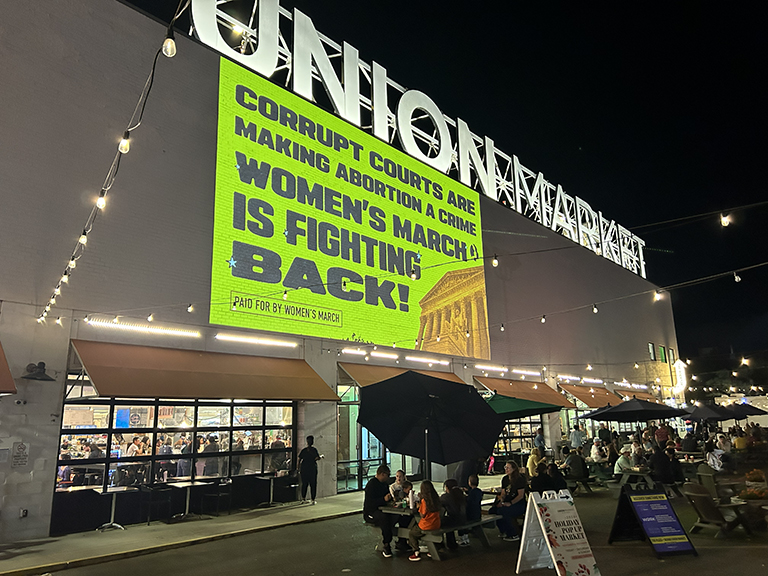
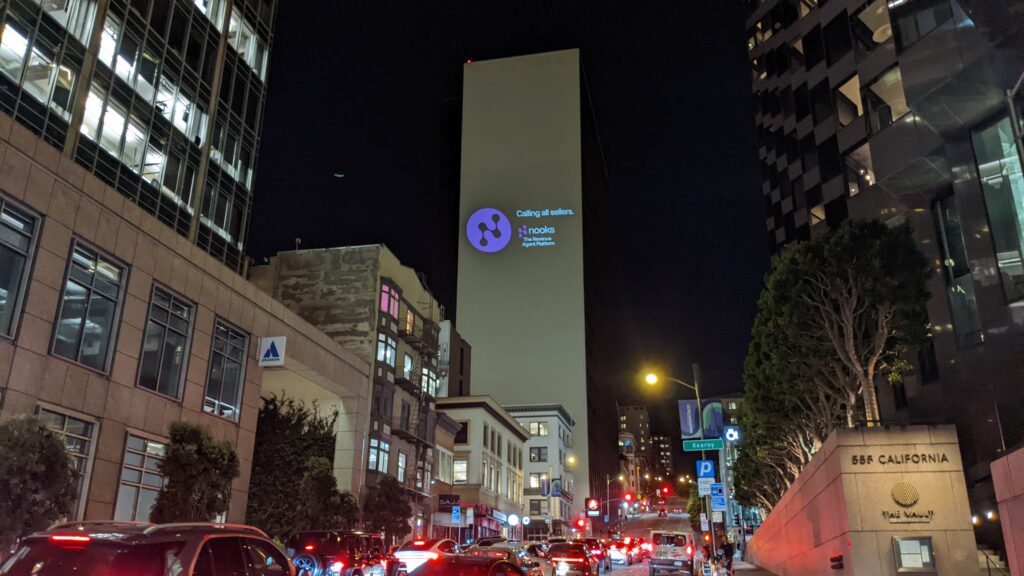
New Hampshire’s state capital delivers something no other Granite State market can: direct access to the decision-makers, policy professionals, and civic leaders who shape the state. AGM brings 20,000-lumen building projection campaigns to Concord’s most strategic and visible corridors.
Concord’s Strategic Value for Projection Advertising
Concord operates on a different logic than New Hampshire’s other projection markets. Manchester has the physical scale. Portsmouth has the tourist density. Concord has the audience specificity that neither of those markets can replicate: within a relatively small downtown footprint, the New Hampshire state capital concentrates legislators, lobbyists, state agency professionals, advocacy organization staff, journalists covering state government, and the educated residential community that gravitates toward capital cities. When you project a campaign on a building wall in Concord’s downtown arts corridor, you’re not broadcasting to a general consumer audience — you’re reaching a concentrated population of civically engaged professionals who influence decisions and shape narratives at the state level.
AGM has executed guerrilla projection campaigns for brands including Netflix, Disney, and FanDuel — deploying high-impact visual activations onto architectural surfaces in major markets nationwide.
That audience specificity is the foundational case for Concord as a projection advertising market. But it’s not the only case. The city’s arts infrastructure has developed independently of its government identity, and the Capitol Center for the Arts is a genuine cultural anchor that draws audiences from across the greater Concord area for performances, events, and programming. The Main Street arts corridor and the Pleasant Street zone connect restaurants, galleries, and local retail in a walkable downtown that generates evening foot traffic beyond the nine-to-five government and professional workday. Concord is compact, which means projection advertising in the right location reaches multiple audience segments — the arts patrons, the evening restaurant crowd, and the late-working government professionals — in the same physical space over the course of a single campaign night.
The building stock in Concord’s historic downtown reflects the city’s nineteenth-century commercial development. The Main Street corridor is lined with brick commercial buildings of two to four stories — flat-faced structures with masonry facades that carry projection imagery well, particularly on upper stories where the ambient light from street-level commercial sources has minimal impact. The side streets feeding into Main Street add additional building variety, including some structures with smoother painted surfaces that project with higher color fidelity than rough historic brick. AGM’s scouting process in Concord evaluates each candidate wall’s specific surface characteristics and selects the buildings where the combination of surface quality, ambient light conditions, and projector placement accessibility produces the strongest image output.
Concord’s downtown scale is one of the reasons projection advertising works exceptionally well here. In a large city, a single projection campaign competes with dozens of other visual demands across a broad geography. In Concord, the downtown footprint is compact enough that a single well-placed projection image is visible from multiple approach directions simultaneously — people arriving at the Capitol Center, walking along Main Street, or crossing the side streets all encounter the same image from different vantage points. That geographic concentration multiplies the effective impressions from a single projector deployment in ways that larger, more dispersed urban environments don’t replicate.
Concord Is Where New Hampshire Decisions Get Made
If your campaign needs to reach the people who run this state — or the community that surrounds them — Concord's projection walls deliver with precision. AGM handles all scouting, crew, and execution. You bring the message.
Our Campaign Locations
Browse Cities in New Hampshire
Select a city to explore Guerrilla Projections opportunities.
Projection Wall Locations In Concord
Concord’s viable projection zones are concentrated in three areas of the downtown district. Each offers distinct surface characteristics and reaches a different slice of the city’s evening audience. AGM scouts all three zones and selects wall candidates based on the specific campaign objectives provided by the client.
Downtown Main Street Arts Corridor
Main Street is the commercial and civic spine of Concord’s downtown — the street along which restaurants, galleries, professional offices, and government-adjacent businesses create a walkable mixed-use environment. Evening pedestrian activity on Main Street is consistent on weekdays during the legislative session, when state government workers remain downtown through dinner hours, and on weekends when the arts and dining community uses the corridor as a leisure destination. The two- to four-story brick commercial buildings along Main Street provide projection surfaces on their upper stories and side elevations — areas above the ground-floor retail signage zone where a 20,000-lumen image can dominate the visual environment without competing with commercial lighting at street level. Specific buildings along the corridor have been identified by AGM’s scouting team as having the most accessible projector placement positions from adjacent parking areas and side streets, combined with the flattest, most reflective wall faces among Main Street’s building stock.
Capitol Center for the Arts Area
The Capitol Center for the Arts is Concord’s primary performing arts venue — a historic theatre building that draws audiences from across the greater Concord region for concerts, theatre productions, and community events. The surrounding blocks create a zone of arts-engaged pedestrian activity on event nights, with pre-show and post-show audiences moving between the venue, the parking structures, and the adjacent restaurants and bars. Buildings in the Capitol Center area include both the venue itself — which has significant architectural surface area on its facade — and surrounding commercial structures that benefit from the concentrated foot traffic that arts programming brings to the neighborhood. Projection campaigns coordinated with Capitol Center event nights reach an arts-attending audience at the peak of their engagement with the physical environment, in a zone where the visual culture of the performing arts makes them particularly receptive to large-format projection imagery.
Pleasant Street Arts Zone
Pleasant Street runs parallel to and adjacent to Main Street, connecting the southern end of the downtown arts corridor with the residential neighborhoods that transition into the broader Concord community. The Pleasant Street zone includes a mix of older commercial and residential buildings — some converted to gallery and studio use, others maintaining their original commercial or professional office character. The building stock here is more varied in surface quality than the Main Street commercial corridor, which requires more selective wall identification during the scouting process. However, the lower ambient light levels on Pleasant Street compared to Main Street create better contrast conditions for projection work in the blocks away from the corridor’s primary commercial activity. For campaigns that prioritize image quality over maximum pedestrian density, Pleasant Street’s lower-ambient-light environment produces sharper, more vivid projection results on the buildings with the best surface characteristics.
Creative Formats That Work In Concord
Concord’s audience sophistication shapes what works in projection advertising here. The civically engaged, professionally educated population of New Hampshire’s capital city responds to projection content that treats them as intelligent adults — clear messaging, strong visuals, direct statements — rather than the abstract lifestyle imagery that works in entertainment-driven markets. Here’s how the major projection campaign formats perform in Concord’s environment.
Advocacy and Legislative Campaigns
Concord’s concentration of state government activity makes it the natural first choice for New Hampshire advocacy campaigns. Issues before the Legislature — healthcare policy, environmental regulation, education funding, housing — have been projected onto Concord building walls to reach the legislators and staffers who will vote on them. The physical proximity of the projection zone to the State House makes the message’s strategic intent unmistakably clear to everyone who sees it.
Arts Institution and Nonprofit Campaigns
The Capitol Center for the Arts and Concord’s network of nonprofit and cultural organizations use building projection to announce seasons, build institutional visibility, and create earned media moments that extend their reach beyond their existing patron base. A projection campaign on a building facade adjacent to the Capitol Center creates a visual event that generates photography and social sharing well beyond the direct audience.
Regional Business Brand Campaigns
New Hampshire’s regional business community — financial services, healthcare, real estate, professional services — concentrates significant decision-making authority in the Concord market. Building projection advertising in the Main Street corridor reaches the state’s business leadership in their own city’s evening environment, building brand recognition among an audience that is difficult to reach effectively through consumer advertising channels.
AGM’s projection client roster includes Netflix, Disney, Coca-Cola, FanDuel, Live Nation, iHeartRadio, and the US Marine Corps. A confirmed case study: the US Marine Corps × CMA Fest Nashville — multi-night projections onto architectural surfaces throughout the festival footprint, reaching 80,000+ attendees across the campaign window. Projection advertising scales across every brand category; what our campaigns share is scale, precision, and a physical presence digital cannot replicate.
Public Awareness Campaigns
State agencies, public health organizations, and community-oriented campaigns use Concord’s projection walls to reach the resident population and state workforce simultaneously with public awareness messaging. The format’s high visibility and documentation-friendly nature makes it particularly effective for campaigns that need to demonstrate reach and impact for grant reporting or public accountability purposes.
Plan Your Guerrilla Projection Campaign in Concord, NH
Tell us about your campaign goals, target audience, and preferred locations. Our team will help you plan a high-impact guerrilla projection campaign tailored to your needs.
Award Winning Personalized Service
You will get thoughtful, devoted, and individualized attention from our experienced, qualified, and professional personnel. Being one of the most illustrious agencies in Brooklyn, New York, American Guerrilla Marketing has been awarded the Best of Brooklyn title.
Nationwide
Industry City, Brooklyn, New York 11232
American Guerrilla Marketing
Hours
Mon - Fri: 9 AM - 5 PM
Sat & Sun: Closed
Automate your campaign with AGM’s Request for Proposal Builder.
Automate your campaign with AGM’s Request for Proposal Builder. Simply answer a few quick questions about your campaign goals, markets, and timeline, and the system will generate a tailored presentation with recommended strategies, quantities, and pricing. Click the RFP Builder to instantly receive your customized proposal.
Executing a Concord Projection Campaign
AGM’s Concord campaign process begins with a scouting assessment that evaluates the Main Street corridor, the Capitol Center area, and the Pleasant Street zone for specific wall candidates. Concord’s compact downtown makes this a relatively efficient scouting process — all three zones can be evaluated in a single field visit. The evaluation focuses particularly on the upper-story wall faces along Main Street, where the combination of significant surface area and reduced ambient light from street-level sources creates the strongest projection conditions in the city’s most pedestrian-dense zone.
Wall selection for Concord campaigns is informed by the campaign’s specific objective. Advocacy campaigns targeting the legislative audience prioritize placement in the Main Street and Capitol Center zones, where the proximity to the State House maximizes the strategic context of the message. Arts and cultural campaigns coordinate with Capitol Center programming schedules to align campaign nights with event foot traffic. Consumer and brand campaigns select walls based on maximum Main Street pedestrian visibility and projector placement accessibility from adjacent parking infrastructure.
New Hampshire’s legislative calendar creates specific windows of maximum campaign effectiveness for advocacy projections in Concord. The Legislature typically convenes in January and runs through spring, with committee schedules, floor sessions, and public hearings concentrating the target audience in the downtown area throughout the week during those months. Campaign timing aligned with major legislative votes, committee hearings on relevant issues, or the opening and closing weeks of legislative sessions maximizes the advocacy impact of projection campaigns in the capital city.
Crew deployment in Concord follows AGM’s standard protocol: two-person technical crew arrives 90 minutes before dusk, completes setup and calibration, operates the projection through the scheduled window, and executes full breakdown before departure. Concord campaigns receive the same post-campaign documentation package — high-resolution photography, GPS location records, timing logs, and summary report — that AGM provides for all projection market engagements.
Concord Projection Campaign Investment
Building projection campaigns in Concord are priced at contact us for a quote. , consistent with AGM’s standard New Hampshire rate. The investment covers the 20,000-lumen commercial projection system, generator and power solution, complete electronics bundle, mobility unit, and the two-person AGM direct technical crew managing all setup, operation, and breakdown. Campaigns begin at dusk and typically run four to six hours per night.
Concord campaigns often benefit from timing alignment with specific legislative or civic events — a single well-timed campaign night during a key legislative week can deliver campaign reach and political impact that a general-market three-night run in a larger city cannot match. AGM advises Concord clients on optimal timing based on the legislative calendar and the specific advocacy or communications objective driving the campaign. Contact AGM to discuss campaign scheduling specific to your Concord projection strategy.
Case Study Alignment: Advocacy in the Capitol
AGM’s projection campaign for the Women’s March in Washington, DC demonstrated how projection advertising creates unmissable civic moments in the physical spaces where policy decisions are made and civic life is concentrated. The campaign’s placement strategy — targeting the specific geography where the policy-relevant audience moves through daily — is the same logic that makes Concord’s State House-adjacent downtown corridor such a powerful advocacy projection zone. In both cases, the projection is not just advertising — it’s a deliberate visual intervention in the space where political decisions are being made, reaching the audience most likely to act on the message in a moment when they cannot avoid the image.
Coverage & Estimated Impressions
| Zone / Area | Peak Hours | Foot Traffic | Est. Nightly Impressions | Best For |
|---|---|---|---|---|
| Downtown Main Street Arts Corridor | 8PM–12AM | Moderate | 2,500–12,000 | Product Launch |
| Capitol Center for the Arts Area | 8PM–12AM | Moderate | 2,500–12,000 | Event Promotion |
| Pleasant Street Arts Zone | 8PM–12AM | Moderate | 2,500–12,000 | Brand Awareness |
Frequently Asked Questions
Main Street is the intersection of Concord’s civic and commercial life — a walkable corridor where state government professionals, arts community members, and evening restaurant patrons all share the same physical space. The two-to-four-story brick commercial buildings along the street provide substantial upper-story wall surfaces where projection images read clearly above street-level commercial lighting. The pedestrian density is consistent on weekday evenings during legislative sessions and on weekend evenings when arts and dining draw the residential community to the downtown corridor.
The Capitol Center for the Arts schedules performances throughout the year, drawing audiences from across the greater Concord region for concerts, theatre, and community programming. On event nights, the surrounding blocks fill with pre- and post-show pedestrian activity as audiences move between the venue, parking, and adjacent dining and entertainment options. Projection campaigns coordinated with Capitol Center event nights reach an arts-attending audience at the peak of their engagement with the physical environment — people who are already in an experiential, visually aware mindset when they encounter the projected image.
The strongest walls in the Pleasant Street zone are converted commercial buildings that have received painted or smooth-stucco exterior treatments — surfaces where the texture irregularities of the original masonry have been smoothed or covered, creating a more reflective and visually uniform projection surface. Buildings with white or light-colored painted faces on flat, wide secondary elevations are AGM’s preferred Pleasant Street candidates. The lower ambient light on Pleasant Street compared to Main Street compensates for buildings with slightly smaller surface areas — the contrast conditions on the quieter street can produce more vivid imagery than Main Street buildings with larger but more front-lit surfaces.
The state capital identity transforms the strategic framing of every projection campaign that runs in Concord’s downtown. An advocacy campaign running here is not just outdoor advertising — it’s a deliberate placement in the physical space where the relevant policy decisions are being debated. A brand campaign in the capital city reaches the state’s professional and civic leadership class in their own neighborhood. An arts campaign in the Capitol Center area reaches patrons who are the core supporters and donors of New Hampshire’s cultural institutions. The capital city context adds a layer of strategic meaning to projection campaigns that general-market placements in other New Hampshire cities don’t carry.
Advocacy organizations working on healthcare, environmental, housing, and social policy issues have used Concord’s Main Street corridor to project messaging during active legislative sessions. Political campaigns have used the format to announce candidacies, highlight policy positions, and create earned media moments in the state’s most media-covered city during primary season. Civic engagement campaigns — voter registration, census participation, and public health initiatives — have used Concord’s high foot-traffic downtown corridors to reach the city’s professionally educated and civically aware resident population.
AGM’s Concord scouting process combines digital satellite and street-level photography analysis with physical on-site evaluation of candidate walls. The downtown grid’s compactness means all primary zones — Main Street, Capitol Center, Pleasant Street — can be walked and evaluated in a single field session. Each candidate wall is assessed for surface area, reflectance quality, ambient light at the target elevation, projector placement geometry from accessible street or parking positions, and window density on the target face. The scouting results in a ranked list of confirmed viable walls with specific deployment coordinates for each, provided to the client as part of the campaign proposal.
Concord’s historic masonry buildings project best with high-contrast imagery that remains legible on surfaces with moderate texture variation. Bold typography — single-statement messages in large fonts — performs exceptionally well on the brick facades of Main Street buildings, where the surface texture adds a tactile quality to the typographic image that smooth-wall projections don’t achieve. Photographic content with strong tonal contrast — dark subject on light background or vice versa — also reads clearly on textured masonry. Complex multi-element compositions with fine detail work better on the smoother plastered or painted surfaces in the Capitol Center and Pleasant Street zones, where surface uniformity preserves fine image details.
Yes, though with an important seasonal and weekday pattern. The strongest nighttime foot traffic in Concord’s arts district occurs on Capitol Center event nights, on weekday evenings during the legislative session when state government workers remain downtown through dinner, and on weekend evenings when the city’s restaurants and bars draw the residential community. The total audience volume is smaller than in Manchester or Portsmouth, but it is more specifically targeted — the people who move through Concord’s Main Street corridor on a Tuesday evening during a legislative session week are exactly the audience that advocacy campaigns are paying to reach, regardless of the raw number.
Standard Concord campaigns run four to six hours per night, beginning at dusk. The effective audience window in Concord typically peaks between 6:00 and 10:00 PM on weekday evenings — aligning with the post-work dinner and evening programming cycle of the downtown arts and restaurant community. Weekend campaigns extend the effective window through approximately 11:00 PM. AGM’s crew operates the projection system through the full scheduled window and adjusts the end time based on the confirmed client objective. Single-night campaigns that align with Capitol Center event programming can deliver particularly concentrated audience exposure within a shorter window when the pre- and post-show pedestrian traffic is at its peak.
Every Concord projection campaign receives AGM’s full documentation package: high-resolution photography of the projected image captured from multiple angles and distances during the campaign night, GPS-confirmed location coordinates for the projection site, campaign timing and run duration logs, and a written summary report. Photography is delivered in digital formats cleared for social media, press release, grant reporting, and internal marketing use — with no additional licensing required. The documentation is typically delivered within three to five business days of campaign completion and provides a permanent record of the campaign’s visual impact and physical placement.
Our Campaign Locations
Browse All States
Explore Guerrilla Projections opportunities across the United States.
49 States • 192 Cities
More AGM Outdoor Advertising Services
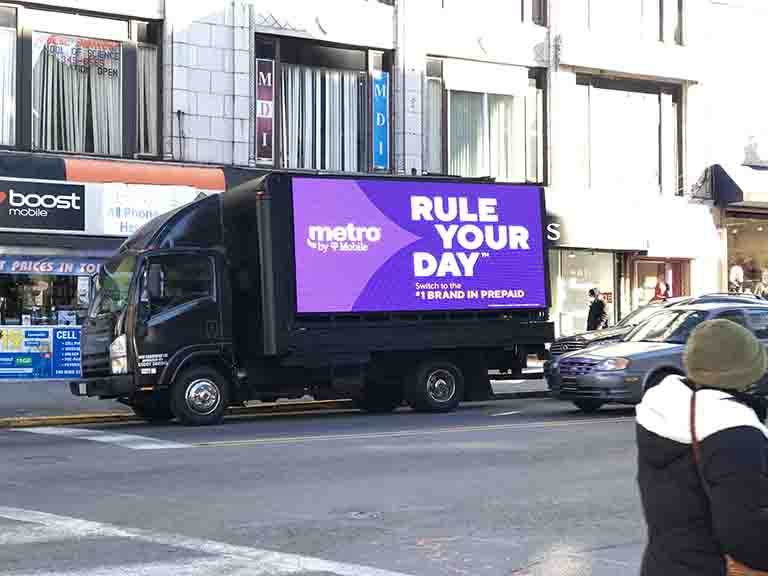
Led Billboard Trucks
Mobile LED displays that bring your brand to any location, any event.
Fly Posting
Street-level poster saturation across walls, construction sites, and corridors.

Sidewalk Decals
Ground-level branded decals at pedestrian hotspots and event entrances.

Sidewalk Stencils
Creative stencil campaigns that put your brand in the path of pedestrians.