American Guerrilla Marketing
Nationwide Service
Media planning, media buying, billboard advertising, & guerrilla marketing
Guerrilla Projections in South Carolina
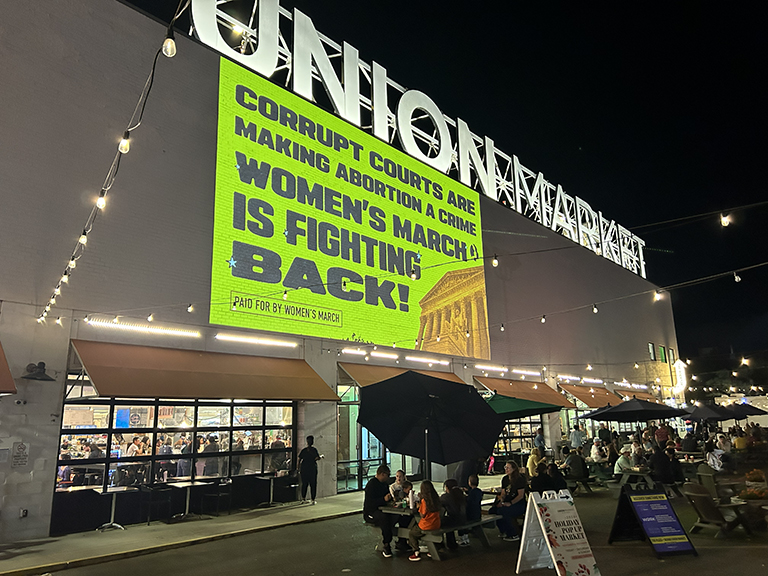
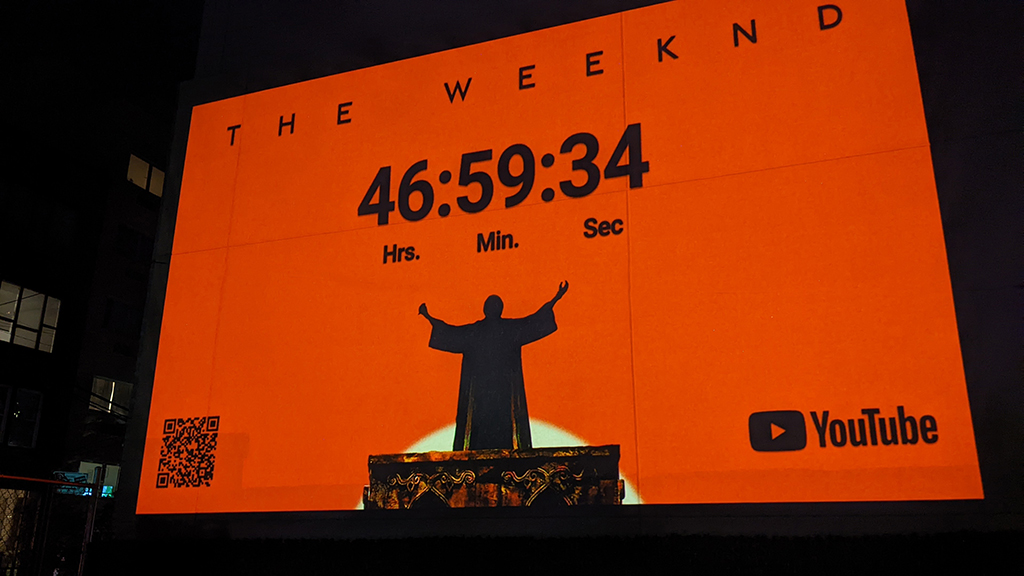
Charleston’s Upper King Street. Columbia’s Vista warehouse corridor. Greenville’s West End adjacent to Falls Park. North Charleston’s Park Circle brewery and arts district. South Carolina’s entertainment and arts zones are underserved by high-impact outdoor advertising — and AGM’s 20,000-lumen projection campaigns change that equation overnight.
South Carolina is a state in the middle of a sustained economic and cultural transformation. Its four major urban markets — Charleston, Columbia, Greenville, and North Charleston — have each developed arts and entertainment districts over the past two decades that carry strong parallels to the most projection-productive neighborhoods in the Northeast and Southeast: walkable corridors of converted warehouse and former industrial buildings, dense restaurant and bar scenes, young professional and arts-community populations, and a physical building stock whose blank exterior walls have been waiting for exactly the kind of large-scale visual statement that AGM’s projection campaigns deliver. The state’s transformation is still in progress, which gives guerrilla projection advertising an advantage here that has diminished in more mature markets: media novelty. A building projection campaign in Charleston’s Upper King Street corridor or Columbia’s Vista is not one of many competing visual media events — it is likely the only one, and that singularity drives the documentation, social sharing, and earned media returns that define the format’s value.
South Carolina’s military and civic character adds a dimension that is specific to this state and that shapes the full range of projection advertising use cases here. The state is home to multiple major military installations — Marine Corps Recruit Depot Parris Island, Fort Jackson, Shaw Air Force Base, Naval Weapons Station Charleston — whose surrounding communities represent a distinct and substantial audience segment with specific brand relationships, strong institutional loyalties, and high social media connectivity. The US Marine Corps’s use of AGM projection advertising at the CMA Fest in Nashville demonstrated precisely how projection campaigns can operate at the intersection of military institutional brands and large-scale cultural events. South Carolina’s military community represents an analogous audience opportunity for campaigns targeting service members, veterans, and their families in a state where that demographic is more concentrated than in most of the country.
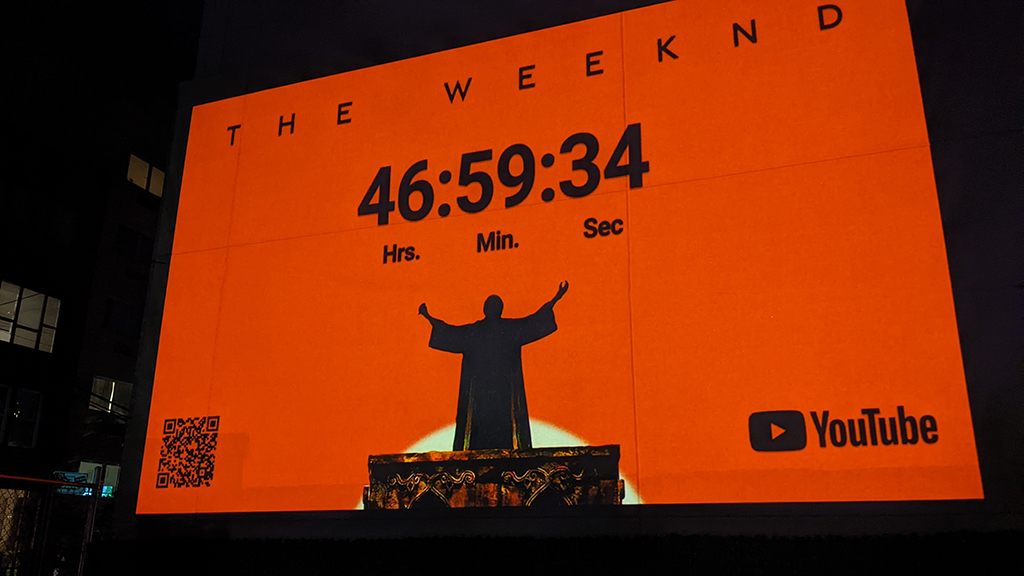
AGM’s projection client roster includes Netflix, Disney, Coca-Cola, FanDuel, Live Nation, iHeartRadio, and the US Marine Corps. A confirmed case study: the US Marine Corps × CMA Fest Nashville — multi-night projections onto architectural surfaces throughout the festival footprint, reaching 80,000+ attendees across the campaign window. Projection advertising scales across every brand category; what our campaigns share is scale, precision, and a physical presence digital cannot replicate.
South Carolina's Walls Are Ready
Upper King Street. The Vista. Greenville's West End. Park Circle. South Carolina's arts and entertainment districts have the walls, the audiences, and the media novelty that make guerrilla projection campaigns land hard. Contact AGM to plan your South Carolina building projection campaign.
Browse Cities in South Carolina
Select a city to explore Guerrilla Projections opportunities.
South Carolina's Projection Landscape — Arts Districts, Urban Growth, And Underserved Media Markets
The Palmetto State’s four projection markets operate at meaningfully different scales. Charleston is a nationally recognized culinary and hospitality destination — its Upper King Street corridor draws visitors from across the country who coexist with engaged local residents in a pedestrian entertainment zone with genuine blank-wall projection real estate. Columbia is the state capital and a university city anchored by the University of South Carolina, with a concentrated young-adult population in the Vista entertainment district that is among the most projection-receptive demographics in the state. Greenville has undergone one of the most dramatic small-city transformations in the Southeast, with a West End arts and entertainment district that now rivals cities three times its size for density of restaurants, bars, and walkable pedestrian activity. North Charleston’s Park Circle arts district is an emerging creative community built around former industrial buildings and the brewery and bar culture that has colonized them, carrying the kind of arts-district authenticity that makes projection campaigns land as cultural statements rather than commercial interruptions.
Across all four markets, the outdoor advertising landscape is less saturated than comparable urban entertainment districts in the Northeast. South Carolina cities do not carry the billboard density, digital display competition, or projection advertising history of Atlanta, Charlotte, or Nashville. A building projection campaign in any of these four markets registers as genuinely unusual — a media event that generates press coverage, social documentation, and community conversation that more habituated markets might not produce with the same intensity. That novelty premium is South Carolina’s primary structural advantage for brands and organizations considering the format in this region.
South Carolina City By City — Where The Walls And Audiences Are
Charleston — Upper King Street and the Former Navy Yard
Charleston is South Carolina’s most nationally visible city and its strongest tourism and hospitality market. The Upper King Street arts and entertainment corridor has emerged over the past decade as one of the Southeast’s most compelling restaurant, boutique, and nightlife destinations — a walkable pedestrian zone with blank building facades from the former commercial and light-industrial buildings that occupied the corridor before its current culinary incarnation. The Cannonborough-Elliotborough historic neighborhood adds a residential-adjacent pedestrian context. The former Navy Yard at Noisette, a decommissioned shipyard complex on the Charleston Peninsula, carries former industrial buildings with blank facade walls of extraordinary scale — among the most dramatic available projection surfaces in the South Carolina market.
Columbia — The Vista and Main Street
Columbia’s Vista arts and entertainment district — a converted warehouse zone along Gervais Street and the surrounding blocks on the west bank of the Congaree River — provides the most concentrated building projection environment in the state capital. Former warehouse and industrial buildings, now housing restaurants, bars, galleries, and entertainment venues, carry exterior walls with the large-format, low-fenestration character that produces high-quality projection results. The University of South Carolina’s 35,000-student enrollment brings a massive young-adult population into the city’s entertainment zones, creating a projection audience with strong social media engagement and cultural brand receptivity. Main Street’s arts corridor and the Congaree Vista warehouse zone extend Columbia’s projection inventory beyond the Vista’s primary concentration.
Greenville — West End Arts District
Greenville has emerged as one of the fastest-growing mid-size cities in the Southeast, and its West End arts and entertainment district — adjacent to Falls Park on the Reedy River and connected to downtown Main Street — has been the physical anchor of that transformation. The West End’s vibrant pedestrian zone, dense restaurant and bar concentration, and the natural drama of Falls Park create a projection campaign environment with exceptional foot traffic, strong visual setting, and an audience profile — young professionals, out-of-town visitors, and arts-engaged local residents — that is ideal for consumer brand, entertainment, and advocacy projection campaigns. The Village of West Greenville adds a more community-oriented arts district character on the west side of the city.
North Charleston — Park Circle and the Former Navy Base
North Charleston’s Park Circle arts district is built around former industrial buildings that have been converted to arts studios, breweries, bars, and creative businesses in a neighborhood that carries the authentic post-industrial arts-district energy that makes projection campaigns feel like a natural extension of the environment. The former Navy Base Noisette development area adds decommissioned naval facility buildings with extraordinary industrial-scale wall faces to Park Circle’s proximity. The North Charleston Coliseum corridor brings event-driven audience concentrations for concerts, sporting events, and entertainment programming that creates predictable high-density audience windows throughout the year.
Plan Your Guerrilla Projection Campaign in South Carolina
Tell us about your campaign goals, target audience, and preferred locations. Our team will help you plan a high-impact guerrilla projection campaign tailored to your needs.
Award Winning Personalized Service
You will get thoughtful, devoted, and individualized attention from our experienced, qualified, and professional personnel. Being one of the most illustrious agencies in Brooklyn, New York, American Guerrilla Marketing has been awarded the Best of Brooklyn title.
Nationwide
Industry City, Brooklyn, New York 11232
American Guerrilla Marketing
Hours
Mon - Fri: 9 AM - 5 PM
Sat & Sun: Closed
Automate your campaign with AGM’s Request for Proposal Builder.
Automate your campaign with AGM’s Request for Proposal Builder. Simply answer a few quick questions about your campaign goals, markets, and timeline, and the system will generate a tailored presentation with recommended strategies, quantities, and pricing. Click the RFP Builder to instantly receive your customized proposal.
Reading South Carolina's Wall Inventory
South Carolina’s projection-viable building stock is concentrated in the converted warehouse and former industrial corridors of each city’s arts and entertainment district. The physical characteristics that define these zones — former warehouse buildings and industrial facilities with large exterior wall planes, multi-story masonry construction, minimal fenestration on non-entry elevations, and exterior surface conditions ranging from raw brick to painted stucco — make them consistently stronger projection environments than the conventional commercial buildings that surround them in the same neighborhoods.
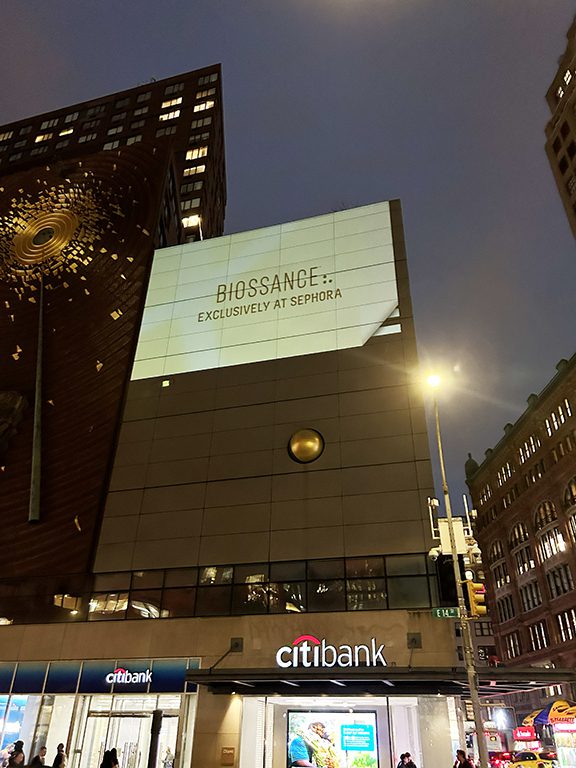
The ideal South Carolina projection surface is smooth, light-toned, and large — a painted stucco or EIFS exterior on a multi-story former warehouse or industrial building, ideally thirty feet or more in width and two to four stories in height, with a clear projector sight line from the adjacent street or parking area. Many of the best projection surfaces in Charleston’s Upper King Street corridor, Columbia’s Vista, Greenville’s West End, and North Charleston’s Park Circle meet these criteria in the converted warehouse buildings that define each district’s visual character. AGM’s South Carolina scouting process identifies the specific walls within each district that best combine surface quality, projection geometry, and pedestrian audience sight-line access.
The former Navy Yard at Noisette in Charleston and the former Navy Base Noisette in North Charleston add a second category of South Carolina projection surface: decommissioned military-industrial facility buildings with exterior wall faces at scales that exceed what any commercial building in the same markets can provide. These facilities carry the blank, massive exterior walls of purpose-built industrial construction — ship maintenance buildings, warehouse facilities, operations centers — that present projection surfaces of truly monumental scale for campaigns requiring maximum image size and maximum visual impact from a South Carolina location.
Campaign Creative Formats That Work Across South Carolina
Consumer Brand and Retail Launches
South Carolina’s four major markets — particularly Charleston and Greenville — have experienced sustained consumer spending growth tied to tourism, in-migration, and rising household incomes in their entertainment districts. Consumer brands entering the South Carolina market, or establishing presence in specific city corridors, use building projection campaigns to generate cultural presence and organic documentation from the arts-engaged urban audiences in these markets’ most active entertainment zones.
Military Brand and Institutional Campaigns
South Carolina’s military community — concentrated around Marine Corps Parris Island, Fort Jackson, Shaw Air Force Base, and Naval Weapons Station Charleston — represents a distinct institutional brand opportunity. Military service branches, veteran-serving organizations, and brands with strong military community relationships use South Carolina building projections to reach this audience in its home state, combining the format’s broad public visibility with the concentrated demographic presence of active-duty, veteran, and military-family populations.
Entertainment and Tourism Releases
Charleston’s tourism-heavy demographic and Greenville’s rapidly expanding visitor base create projection campaign audiences with above-average geographic diversity — visitors from across the Southeast, the broader South, and the national tourism market who carry campaign documentation to home social networks well beyond South Carolina. Entertainment and tourism brands targeting the Southeastern leisure traveler use Charleston and Greenville projections to reach this geographically distributed audience at its point of concentration.
Advocacy and Community Campaigns
South Carolina’s engaged urban communities — particularly in Columbia and Greenville, where the University of South Carolina and Furman University communities concentrate politically active young adults — use building projection campaigns for advocacy, civic, and community awareness campaigns. The Vista in Columbia and Greenville’s West End provide projection environments where advocacy projections reach concentrated audiences of civically engaged residents and students in their own neighborhood territory.
How a South Carolina Projection Campaign Is Built
Scouting South Carolina Markets
AGM’s South Carolina scouting process approaches each city’s arts and entertainment district with a structured evaluation of candidate walls, projector positioning options, and audience sight-line geometry. Charleston’s Upper King Street corridor and the former Navy Yard at Noisette receive separate scouting evaluations given their distinct physical characters. Columbia’s Vista and Main Street corridors are evaluated for their converted warehouse building inventories. Greenville’s West End is scouted for the building facades adjacent to the Falls Park pedestrian zone and the Main Street corridor connection. North Charleston’s Park Circle is evaluated for both the former industrial buildings in the arts district and the Navy Base Noisette adjacency. The South Carolina scouting phase is priced at approximately contact us for a quote. for campaigns entering a location without existing AGM wall inventory.
Campaign Execution Across South Carolina Markets
AGM’s two-person technical crew deploys the self-contained 20,000-lumen projection system at the confirmed South Carolina location on the campaign evening, with no external power source or venue coordination required for standard deployments. South Carolina’s warm climate extends the viable outdoor campaign window further into the spring and autumn than many northern markets, and the state’s mild evenings support outdoor pedestrian activity — and therefore projection audience density — for more months of the year than markets in the Northeast or Midwest. Campaign documentation is produced by the technical crew during the campaign night and delivered within forty-eight hours for press and social distribution use.
The Us Marine Corps × Cma Fest — Event-scale Projection Proof
When AGM executed the United States Marine Corps campaign at the Country Music Association Festival in Nashville, Tennessee, the deployment demonstrated what projection advertising can accomplish when it operates at the intersection of a major institutional brand and a massive live cultural event. The CMA Fest draws hundreds of thousands of attendees to Nashville over its multi-day programming — one of the largest single music event concentrations in the country — and the Marine Corps campaign placed projection advertising in the visual field of that audience during peak event hours. The campaign reached a demographic profile — rural and suburban Southern, military-adjacent and military-sympathetic, country music culturally engaged — with precision and emotional resonance that no conventional advertising format could replicate at the same investment scale. The projection’s scale and setting made it a genuine media event within the festival environment, generating documentation and organic sharing from the attendee population whose social networks aligned closely with the Marine Corps’s target demographic.
South Carolina’s market makes this model directly applicable in multiple contexts. The state’s military community concentration — the largest percentage of active-duty military personnel per capita of any state outside Virginia — creates a native audience for military and defense brand campaigns that is unmatched in most national markets. The state’s growing entertainment event calendar — the Charleston Wine + Food Festival, the Spoleto Festival, the Greenville Food + Art Festival, the North Charleston Coliseum’s concert programming — creates event windows analogous to the CMA Fest in which a well-placed projection reaches a concentrated, demographically coherent audience during a shared cultural moment. For military brands, consumer brands targeting the Southern cultural audience, and entertainment campaigns seeking the Southern market’s concentrated young-adult demographic, South Carolina’s event calendar provides the audience concentrations that make this model work.
South Carolina Projection Campaign Pricing
Building projection campaigns across South Carolina are priced at contact us for a quote. That rate covers AGM’s complete campaign system: the 20,000-lumen commercial projection unit, generator and power solution, electronics bundle, mobility unit, and the two-person technical crew for setup, full operation, and breakdown. The rate is consistent across all four South Carolina markets — Charleston, Columbia, Greenville, and North Charleston — and reflects the same national per-night unit pricing that applies across AGM’s network outside of New York City.
Advance scouting for South Carolina markets where AGM does not hold current confirmed wall inventory adds approximately contact us for a quote. Private-property or permitted access — including coordination with former Navy Yard Noisette property management in Charleston or North Charleston — adds Contact us for a custom quote. per night based on the specific building and campaign parameters. Multi-night and multi-city South Carolina campaigns are priced at the per-night unit rate, with logistics managed across the full campaign run through a single engagement.
Who Uses Projection Campaigns Across South Carolina
South Carolina’s projection advertising client base reflects the state’s distinctive blend of tourism, military, university, and growing urban professional populations. Tourism and hospitality brands use Charleston and Greenville for campaigns targeting the Southeast leisure traveler in their primary destination markets. Military institutions and veteran-serving organizations use the state’s military-community-adjacent entertainment zones for institutional brand campaigns targeting the densest military demographic concentration in the Southeast. University-affiliated organizations use Columbia’s Vista and Greenville’s West End for student and young-adult campaigns tied to the academic calendar’s peak social-activity periods. Consumer brands — food, beverage, retail, and lifestyle categories — use the arts and entertainment districts of all four cities to establish cultural presence in a rapidly growing consumer market where projection advertising carries genuine novelty value.
Coverage & Estimated Impressions
| Zone / Area | Peak Hours | Foot Traffic | Est. Nightly Impressions | Best For |
|---|---|---|---|---|
| Charleston — Upper King Street and the Former Navy Yard | 8PM–12AM | Moderate | 2,500–12,000 | Product Launch |
| Columbia — The Vista and Main Street | 8PM–12AM | Moderate | 2,500–12,000 | Event Promotion |
| Greenville — West End Arts District | 8PM–12AM | Moderate | 2,500–12,000 | Brand Awareness |
| North Charleston — Park Circle and the Former Navy Base | 8PM–12AM | Moderate | 2,500–12,000 | Political |
| Consumer Brand and Retail Launches | 8PM–12AM | Moderate | 2,500–12,000 | Sports |
| Military Brand and Institutional Campaigns | 8PM–12AM | Moderate | 2,500–12,000 | Concert/Festival |
Frequently Asked Questions — Guerrilla Projections in South Carolina
South Carolina combines several characteristics that make it a high-value projection market. Its four major urban entertainment districts — Charleston’s Upper King Street, Columbia’s Vista, Greenville’s West End, and North Charleston’s Park Circle — carry converted warehouse and former industrial buildings with projection-viable blank wall faces. The state’s outdoor advertising landscape is less saturated than comparable Southeastern markets, preserving the novelty premium that makes projection campaigns generate outsized earned media returns. The military community concentration and growing tourism base add distinct demographic audience opportunities not found at this scale in most other states.
Charleston and North Charleston offer the most distinctive projection wall inventory — including the former Navy Yard and Navy Base Noisette industrial structures with wall faces at scales that exceed any commercial building in the state. Columbia’s Vista warehouse zone and Greenville’s West End offer the strongest combination of converted warehouse building surfaces and concentrated evening foot traffic for consumer brand, entertainment, and advocacy campaigns. Each city’s strongest surfaces are identified during the scouting phase specific to each campaign’s target zone.
South Carolina’s warm climate is an asset for projection advertising. The state’s mild winters and long spring and autumn seasons extend the viable outdoor campaign window — the period during which outdoor pedestrian activity is sufficient to generate meaningful direct viewership and documentation — well beyond what northern markets can sustain. Summer evenings are fully viable but begin later due to the state’s southern latitude extending daylight hours. South Carolina campaigns can run comfortably from early September through late May with consistent conditions, and summer campaigns are fully executable with appropriate evening timing.
South Carolina’s projection audiences vary by city and district. Charleston draws a tourism-heavy, nationally sourced audience mixed with local entertainment regulars — diverse in geographic origin but unified by culinary and hospitality engagement. Columbia concentrates a young-adult university-affiliated audience in the Vista, with the state capital’s professional community adding an older bracket. Greenville attracts a rapidly growing in-migration professional audience alongside long-term residents — the demographic profile of a city in active transformation. North Charleston’s Park Circle draws a locally engaged arts and brewery community with a strong young professional identity. Military community members appear in all four markets in proportion to each city’s proximity to South Carolina’s major installations.
Yes. South Carolina’s four major projection markets are distributed across the state with drive times ranging from one to three hours between cities. A multi-city South Carolina campaign — Charleston and Columbia in consecutive nights, or Greenville and North Charleston in a combined week — is logistically straightforward and allows brands and campaigns to establish presence across the state’s full urban market spectrum in a single campaign run. AGM coordinates multi-city South Carolina campaigns through a single engagement with logistics managed across all target cities simultaneously.
South Carolina’s major military installations — Parris Island, Fort Jackson, Shaw Air Force Base, and Naval Weapons Station Charleston — each generate surrounding communities of active-duty personnel, civilian employees, and military families whose social networks are tightly interconnected and whose media consumption patterns differ meaningfully from the broader civilian population. Projection campaigns deployed in entertainment zones adjacent to these installations — particularly North Charleston’s entertainment corridor near the former Navy Base — reach active-duty and veteran community members in their off-duty social environment, delivering institutional and brand messages with the authenticity of an in-community placement rather than conventional media contexts that this demographic typically bypasses.
South Carolina’s arts districts are defined primarily by late-nineteenth and early-twentieth century commercial and industrial masonry — brick construction in varying tones from red to tan, with exterior conditions ranging from raw unpainted to painted or stucco-clad. The most projection-favorable surfaces in each district are the painted or smooth-stucco-faced former warehouse and industrial buildings that carry light exterior tones, large wall sections, and minimal window interruptions. The former military facility buildings in the Navy Yard zones are typically constructed in the larger-scale, simpler exterior treatment of military industrial architecture — massive walls with high-quality projection potential.
A minimum of two to three weeks allows AGM to complete scouting verification or fresh scouting, confirm the wall, develop the creative template, and schedule the crew for any South Carolina market. For campaigns tied to specific events — the Charleston Wine + Food Festival, CMA Fest proximity windows, University of South Carolina game days, Greenville festival programming — earlier planning is strongly recommended. Multi-city South Carolina campaigns with multiple confirmed walls benefit from a four-to-six-week planning window to coordinate all markets simultaneously.
AGM’s South Carolina wall inventory varies by market. Charleston and Greenville carry established scouting records from prior campaign cycles in the Upper King Street and West End corridors, which accelerates the planning timeline for campaigns targeting those zones. Columbia’s Vista and North Charleston’s Park Circle may require fresh physical verification depending on how recently the last scouting cycle was completed. The advance scouting phase for any South Carolina market where current records are insufficient is priced at approximately contact us for a quote. produces a confirmed wall with current dimensional specifications and projector geometry documentation.
Southeast projection markets have seen campaign deployments from consumer brands in food, beverage, personal care, and lifestyle categories; entertainment companies targeting Southern regional audiences for film, music, and streaming releases; military and defense brands targeting the Southeast’s concentrated veteran and active-duty demographic; and advocacy organizations working in Southern civic and political contexts. The US Marine Corps × CMA Fest deployment in Nashville — a campaign in a Southeastern market with strong military community and country music cultural alignment — provides the most directly applicable case study for understanding what projection advertising achieves in the South Carolina context.
September through November is South Carolina’s strongest projection season: temperatures have moderated from summer peaks, outdoor pedestrian activity in entertainment corridors is high, and the academic calendar brings university populations back to Columbia, Charleston, and Greenville in force. Spring — March through May — is the second peak window, driven by the same combination of moderate weather and active outdoor entertainment culture. Winter campaigns are viable in South Carolina given the state’s mild climate, though holiday and winter break periods reduce university-adjacent foot traffic in Columbia and some Greenville zones.
More AGM Outdoor Advertising Services
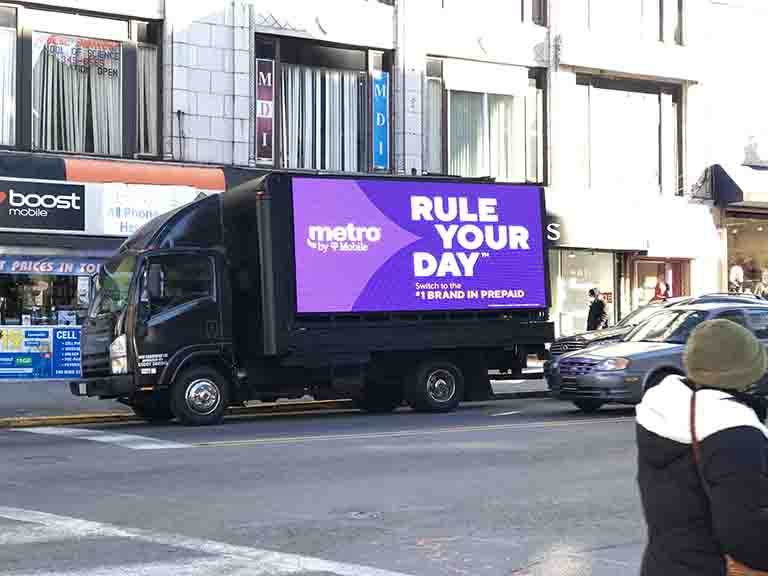
Led Billboard Trucks
Mobile LED displays that bring your brand to any location, any event.
Fly Posting
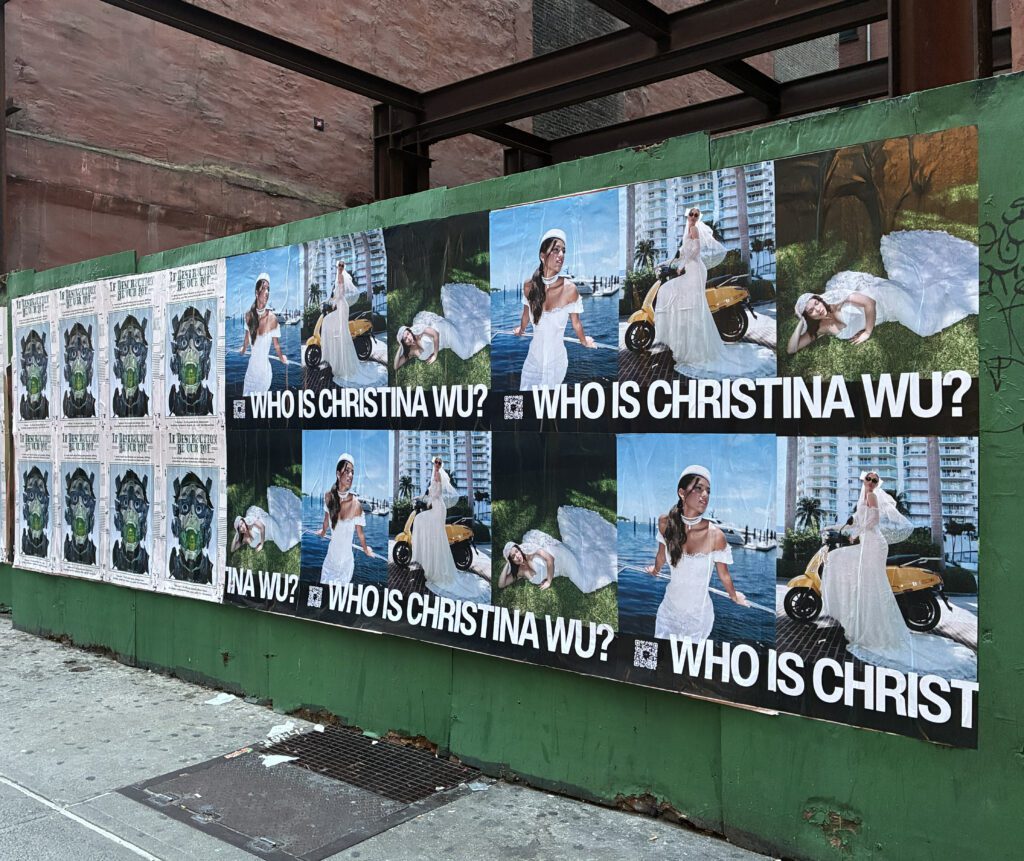
Street-level poster saturation across walls, construction sites, and corridors.

Sidewalk Decals
Ground-level branded decals at pedestrian hotspots and event entrances.

Sidewalk Stencils
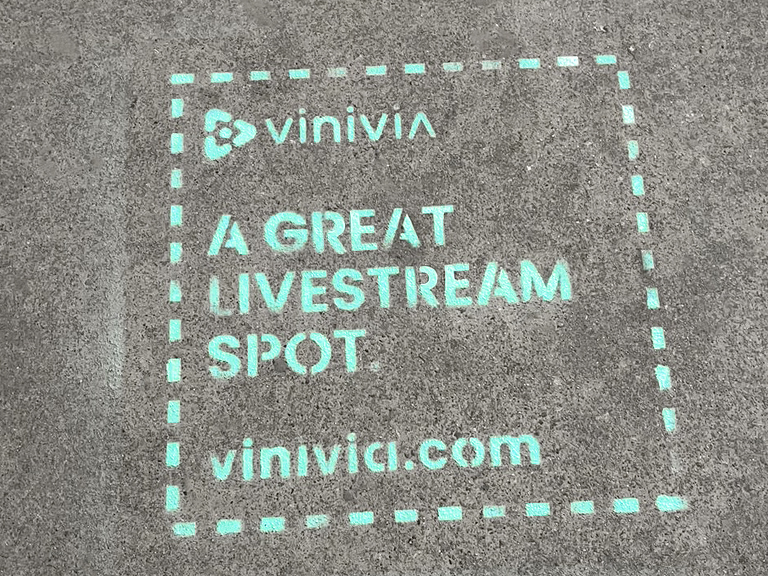
Creative stencil campaigns that put your brand in the path of pedestrians.