American Guerrilla Marketing
Nationwide Service
Media planning, media buying, billboard advertising, & guerrilla marketing
Guerrilla Projections in Pittsburgh, PA

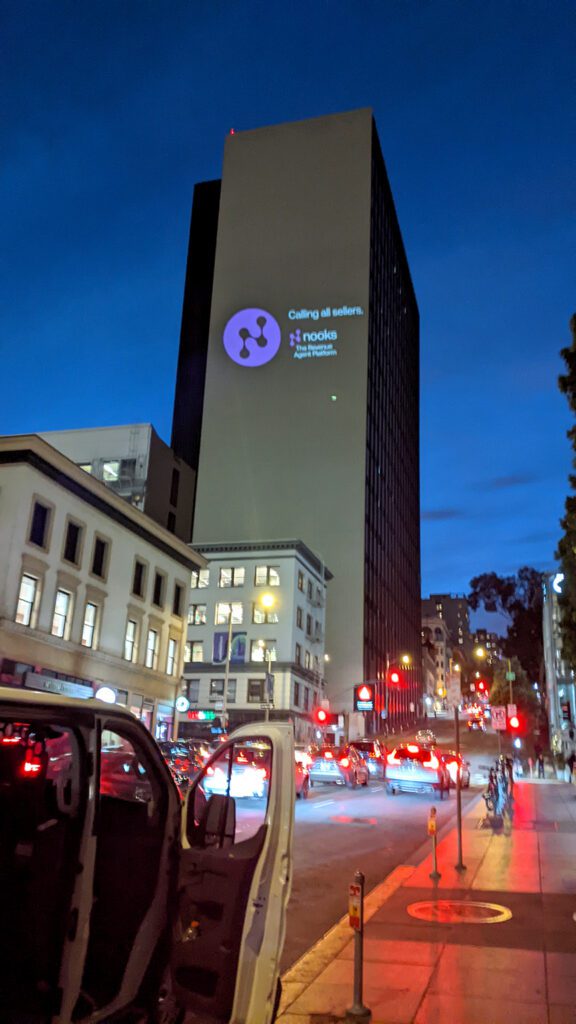
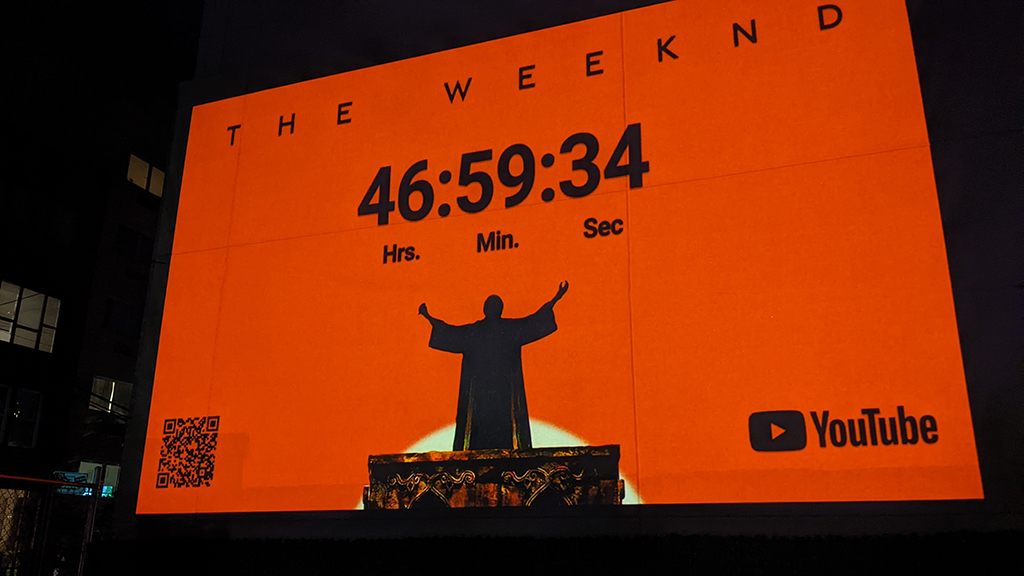
The Strip District’s Saturday farmers market draws tens of thousands past blank warehouse walls. Lawrenceville’s Penn Avenue corridor packs bars and galleries into a zone built for projection. The North Shore concentrates thousands on game nights. Pittsburgh’s industrial skeleton is one of the best guerrilla projection canvases in western Pennsylvania.
Pittsburgh is a city that carries its industrial past on its facade — literally. The steel economy that defined western Pennsylvania for a century left behind an inventory of former mills, loading docks, riverside warehouse corridors, and manufacturing buildings that were never demolished but were instead repurposed, converted, or simply left standing as the city rebuilt its economy around healthcare, technology, and education. The result is a cityscape where large-format blank exterior walls are not a rarity but a neighborhood characteristic — where the walls of the Strip District, Lawrenceville, and the South Side Works carry the physical memory of Pittsburgh’s working past and the commercial energy of its contemporary arts and food culture. For guerrilla projection advertising, that built environment is extraordinarily valuable. The same wall that held loading dock signage or a painted advertisement for a steel fabricator in 1960 now faces a corridor of restaurants, bars, and specialty retailers whose Friday-night foot traffic provides the concentrated, culturally engaged audience that makes a building projection campaign commercially productive.
AGM’s projection client roster includes Netflix, Disney, Coca-Cola, FanDuel, Live Nation, iHeartRadio, and the US Marine Corps. A confirmed case study: the US Marine Corps × CMA Fest Nashville — multi-night projections onto architectural surfaces throughout the festival footprint, reaching 80,000+ attendees across the campaign window. Projection advertising scales across every brand category; what our campaigns share is scale, precision, and a physical presence digital cannot replicate.
AGM has executed guerrilla projection campaigns for brands including Netflix, Disney, and FanDuel — deploying high-impact visual activations onto architectural surfaces in major markets nationwide.
Pittsburgh also has demographic characteristics that make it a strong projection market beyond just the physical infrastructure. The city’s population has skewed younger and more culturally engaged over the past fifteen years as the healthcare, technology, and university sectors have grown. Carnegie Mellon University and the University of Pittsburgh, both in the Oakland neighborhood adjacent to several key entertainment corridors, contribute tens of thousands of students and researchers to a metropolitan area that reads as demographically far younger and more culturally active than its industrial history might suggest. That demographic mix — urban professionals, university affiliates, arts-community members, and the service industry employees who serve them — is the core audience for building projection campaigns in Pittsburgh’s most active nighttime districts.
Pittsburgh's Walls Are Ready for Your Campaign
Strip District warehouse exteriors. Lawrenceville's Penn and Butler Avenue corridor. North Shore on game night. South Side Works after dark. AGM knows Pittsburgh's wall inventory and knows how to deploy it. Contact AGM to start planning your Pittsburgh guerrilla projection campaign.
Our Campaign Locations
Browse Cities in Pennsylvania
Select a city to explore Guerrilla Projections opportunities.
Pittsburgh's Post-industrial Wall Inventory — Where The Surfaces Are
Identifying the best projection wall in Pittsburgh is a materially different task than it would be in a city built primarily from twentieth-century commercial construction. Pittsburgh’s former industrial corridors were built to function — they were designed for loading, receiving, and manufacturing, not for architectural elegance — and that functional aesthetic left behind the projector’s best friend: large, flat, blank exterior walls with minimal fenestration, multi-story scale, and robust masonry construction that has survived a century of Pittsburgh’s climate. The challenge in Pittsburgh is not finding walls; it is selecting the correct wall from among many viable options based on the projector positioning geometry, the sight-line from the pedestrian zone, and the surface finish quality.
Surface quality in Pittsburgh’s former industrial zones varies significantly. The very best walls for projection are the ones that were painted — exterior surfaces covered in commercial-grade exterior paint over masonry or plaster, which produces a smooth, highly reflective surface in a range of tones. White or cream painted surfaces in the Strip District reflect AGM’s 20,000-lumen output at close to full rated brightness, producing projection images that are visible and vivid at viewing distances of well over a hundred feet. Raw unpainted brick — also common in Pittsburgh’s former industrial zones — is workable but scatters light more than a smooth painted surface, reducing the effective projected brightness and slightly softening the image. AGM’s Pittsburgh scouting prioritizes painted or smooth-surfaced walls when they are available in the target zone, using unpainted brick surfaces as a secondary option when they offer compelling positioning or audience sight-line advantages that the smoother surfaces cannot match.
Pittsburgh's Projection Districts — A Zone-by-zone Surface Map
The Strip District — Pittsburgh’s Premier Projection Corridor
The Strip District is Pittsburgh’s highest-performing projection zone — a former produce and wholesale industrial corridor that runs along the Allegheny River just east of downtown, where the building stock is almost entirely former warehouse and light-industrial construction of the type that produces extraordinary blank-wall projection canvases. The Saturday farmers market transforms the Strip District into one of the highest foot-traffic pedestrian zones in western Pennsylvania on weekend mornings, drawing tens of thousands of people through a concentrated zone of blank warehouse exteriors. Evening foot traffic is driven by the restaurants, bars, and specialty food retailers that have occupied the former commercial buildings along Penn Avenue and the surrounding blocks. AGM’s scouting team has documented multiple projection-viable walls in the Strip District with exterior dimensions exceeding five stories in height and sixty to eighty feet in width — surfaces capable of holding projection images at scales that are simply not achievable in most other Pittsburgh neighborhoods.
Lawrenceville — Penn and Butler Avenue Arts Corridor
Lawrenceville, directly north of the Strip District along Penn and Butler Avenues, has developed into one of Pittsburgh’s most active arts and restaurant corridors, with a dense concentration of galleries, bars, boutique retailers, and restaurants in a building stock that shares the Strip District’s former industrial heritage. Butler Avenue in particular carries multiple former manufacturing and warehouse buildings with large exterior wall planes facing the street and alley systems — walls that AGM’s Pittsburgh scouting team has evaluated for projection viability in multiple campaign planning cycles. Lawrenceville’s evening foot traffic is consistently strong on weekends, with a demographic skewing toward the 24-to-38 arts-and-food-culture consumer that makes up Pittsburgh’s most brand-receptive and socially active audience segment.
North Shore Stadium District
The North Shore, across the Allegheny River from downtown and adjacent to both PNC Park and Acrisure Stadium, offers a different kind of projection opportunity: event-driven, audience-concentrated, and time-defined. On Pirates game nights, Steelers game days, and major concert events at either venue, the North Shore concentrates tens of thousands of pedestrians in a compressed zone over a four-to-six-hour window. Building facades in the North Shore district include the stadium exteriors themselves, adjacent commercial and entertainment buildings, and the former industrial structures that line the riverfront. Projection campaigns timed to North Shore event nights have access to audience concentrations that exceed the Strip District’s Saturday market in raw numbers, with the predictability and advance scheduling flexibility that planned sporting events provide.
South Side Works and East Carson Street
The South Side Works complex and the East Carson Street entertainment corridor on Pittsburgh’s South Side provide a third distinct projection zone with strong evening foot traffic and a building stock that includes both the newer mixed-use development of the South Side Works campus and the former industrial and commercial buildings along East Carson Street. The South Side Works was developed on the former Jones & Laughlin steel mill site, which means its contemporary buildings sit on land that industrial heritage defined for more than a century — a character that still shapes the neighborhood’s aesthetic and gives projection campaigns deployed there a spatial quality distinct from the Strip District or Lawrenceville. East Carson Street’s entertainment density — one of Pittsburgh’s highest concentrations of bars and restaurants per block — provides consistent foot traffic on weekend evenings and strong social documentation propensity from the corridor’s younger audience.
East Liberty and Mexican War Streets
East Liberty’s commercial district and the Mexican War Streets historic residential neighborhood in the North Side round out Pittsburgh’s projection zone inventory. East Liberty offers a commercial entertainment anchor with regional draw and improving pedestrian density since the neighborhood’s recent revitalization. The Mexican War Streets — a grid of narrow, tree-lined streets of nineteenth-century townhouses and former commercial buildings in the North Side — provides a more intimate, community-oriented projection environment with a distinct historical character that works particularly well for campaigns seeking to connect with an engaged, community-aware audience in a context that feels personal and locally rooted rather than broadly commercial.
Plan Your Guerrilla Projection Campaign in Pittsburgh, PA
Tell us about your campaign goals, target audience, and preferred locations. Our team will help you plan a high-impact guerrilla projection campaign tailored to your needs.
Award Winning Personalized Service
You will get thoughtful, devoted, and individualized attention from our experienced, qualified, and professional personnel. Being one of the most illustrious agencies in Brooklyn, New York, American Guerrilla Marketing has been awarded the Best of Brooklyn title.
Nationwide
Industry City, Brooklyn, New York 11232
American Guerrilla Marketing
Hours
Mon - Fri: 9 AM - 5 PM
Sat & Sun: Closed
Automate your campaign with AGM’s Request for Proposal Builder.
Automate your campaign with AGM’s Request for Proposal Builder. Simply answer a few quick questions about your campaign goals, markets, and timeline, and the system will generate a tailored presentation with recommended strategies, quantities, and pricing. Click the RFP Builder to instantly receive your customized proposal.
Campaign Creative Types That Perform in Pittsburgh
Retail and Food Brand Launches
Pittsburgh’s Strip District and Lawrenceville host some of the city’s most food-engaged and arts-literate consumers, making them ideal targets for retail and restaurant brand launches. A projection in the Strip District on a Saturday morning or evening — when the farmers market or the Penn Avenue restaurant corridor is at peak activity — positions a new brand in front of exactly the audience most likely to become early adopters and organic ambassadors.
Sports and Event Tie-Ins
Pittsburgh’s sports culture is among the most intense in the country, and the North Shore stadium district’s event-night audience concentrations are among the highest-density single-location campaign windows in western Pennsylvania. Brands seeking to reach Pittsburgh’s sports audience — Pirates, Steelers, or Penguins fans, or major concert attendees — can time projection campaigns to specific event dates for maximum concentration and audience alignment.
Arts and Culture Campaigns
Pittsburgh’s arts community — centered in Lawrenceville, East Liberty, and the North Side — is culturally engaged, socially connected, and highly receptive to visual media experiences that feel genuine rather than commercially imposed. Institutional campaigns for arts organizations, cultural events, and community initiatives use building projections in these corridors to reach audiences that are predisposed to respond affirmatively to the format and to share what they see.
Technology and Innovation Brand Campaigns
Pittsburgh’s growing technology and robotics sector — centered around Carnegie Mellon’s robotics institute and the technology companies that have settled in the East Liberty and Shadyside corridors — creates a professional tech-sector audience that aligns with product launches, platform announcements, and brand campaigns from technology companies seeking a Rust Belt market with strong digital connectivity. Projections in Lawrenceville and East Liberty reach this audience in its own neighborhood entertainment context.
Running A Pittsburgh Projection Campaign — From Scouting To Strike
Pittsburgh Wall Evaluation
AGM’s Pittsburgh scouting process reflects the city’s unique topography and street geometry — Pittsburgh’s hills, bridges, and river corridors create projection sight-line conditions that differ substantially from flat-grid cities. In the Strip District, projector positions along Penn Avenue or in the parking areas adjacent to former warehouse loading docks offer relatively straightforward geometry; in Lawrenceville and the South Side, hillside topography can provide elevated projector positions that are not available in flat-terrain markets, allowing projection across longer distances and at angles that produce distinctive image geometries. The scouting process documents all of these factors — wall dimensions, projector position options, sight-line geometry, surface quality, and pedestrian flow orientation — before confirming any Pittsburgh wall for a campaign deployment.
Creative Adaptation for Pittsburgh Surfaces
Pittsburgh’s wall inventory spans a wide range of surface colors and textures — from white-painted warehouse walls in the Strip District that deliver near-maximum projection brightness to the raw red brick of former manufacturing buildings in Lawrenceville that produce a warmer, more textured projected image. AGM’s creative adaptation process accounts for the specific surface characteristics of the confirmed wall, adjusting the creative template dimensions, the color treatment, and the contrast calibration to optimize the projected result for the actual surface rather than a generic specification. For Pittsburgh campaigns, this surface-specific adaptation is particularly important given the diversity of the available wall inventory.
Execution and Documentation
On the campaign evening, AGM’s two-person technical crew positions the 20,000-lumen projection system at the confirmed projector location, aligns and calibrates the image against the wall, and activates the projection at the onset of effective darkness — typically between 8:30 and 9:30 PM depending on the season. The projection runs for four to six hours, covering the peak pedestrian traffic window for the chosen Pittsburgh corridor. Post-campaign documentation includes GPS-verified location data, timing records, and still photography captured from multiple angles during the campaign night, delivered to the client within forty-eight hours of campaign completion.
What the Biossance × Sephora Campaign Proves About Retail Projection in Urban Arts Corridors
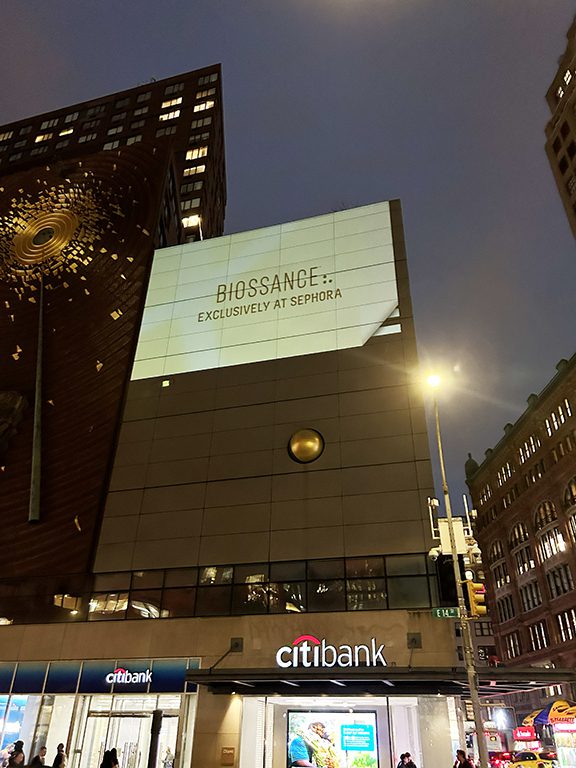
The Biossance product launch at Sephora Union Square in New York provides a direct template for understanding why consumer brands choose building projection campaigns to enter urban arts-district markets. The campaign placed a large-scale projection on a building face adjacent to the Sephora retail location, activating in the evening during peak shopping and dining hours. The projection’s scale — visible from a city block in multiple directions — and its context — an arts and entertainment district where the audience is predisposed to document and share unexpected visual experiences — produced earned media reach from a single night’s deployment that conventional media could not have matched at the same investment level. The campaign generated social distribution from pedestrian photographers, press coverage from media outlets that covered the visual spectacle, and brand association with the neighborhood’s cultural identity that persists in the documented record long after the projection itself concluded.
The architecture of that campaign maps directly onto Pittsburgh’s Strip District and Lawrenceville. A consumer brand launching in Pittsburgh — a new specialty food product at a Strip District retailer, a fashion brand entering the Lawrenceville boutique corridor, a technology platform targeting Pittsburgh’s tech-sector audience — can deploy the same model: a projection on a well-selected warehouse wall in the target neighborhood, timed to a launch or promotional moment, generating the organic documentation and social distribution that a press buy alone cannot produce. Pittsburgh’s post-industrial aesthetic adds a specific visual character to projected images — the texture of the wall, the industrial environment surrounding it — that gives campaign photography a distinctive look that travels well on social platforms and resonates with the authenticity-focused brand communication values that Pittsburgh’s arts and food community respects.
The Investment Side Of Pittsburgh Building Projection
Pittsburgh building projection campaigns are priced at contact us for a quote. That rate covers AGM’s complete campaign system: the 20,000-lumen commercial projection unit, generator, power solution, electronics bundle, mobility unit, and the two-person technical crew for setup, full operation, and breakdown. For campaigns in well-documented zones like the Strip District and Lawrenceville, where AGM’s existing scouting inventory carries confirmed wall specifications, the campaign can often proceed without an additional scouting fee. For campaigns targeting zones with less existing inventory — the North Side’s Mexican War Streets, the Carrick corridor, specific South Side blocks — the advance scouting phase adds approximately Contact us for a custom quote. for the market evaluation.
Permitted or private-property wall access for campaigns requiring that arrangement adds Contact us for a custom quote. per night based on the building, the neighborhood, and the specific campaign parameters. Multi-night campaigns are priced at the same per-night unit rate. Pittsburgh multi-night deployments can span multiple neighborhoods — Strip District one night, Lawrenceville the next — to reach distinct audience segments within the Pittsburgh metro area across a single campaign run.
Who Runs Projection Campaigns in Pittsburgh?
Pittsburgh’s projection advertising clients include consumer brands launching in the western Pennsylvania market, particularly food and beverage, fashion, and technology companies targeting the city’s growing urban professional population. Entertainment companies — music labels, streaming services, gaming platforms — use Strip District and Lawrenceville projections for release activations targeting Pittsburgh’s arts-forward young professional demographic. Sporting event and venue promoters use the North Shore district for game-night campaigns reaching concentrated sports audiences. Arts and cultural institutions — the Carnegie Museums, the Kelly Strayhorn Theater, the Mattress Factory, and similar organizations — use projections in Lawrenceville, East Liberty, and the North Side for programming awareness campaigns targeting their core community. Technology companies and startups use building projections for product launches and hiring campaigns in a market where the tech community is concentrated in identifiable and projectable neighborhood zones.
Frequently Asked Questions
The Strip District’s projection value comes from the convergence of an extraordinary wall inventory — multi-story former warehouse buildings with large, often painted exterior walls — and one of the highest-density pedestrian events in western Pennsylvania: the Saturday farmers market, which draws tens of thousands of people through a compressed zone of exactly those warehouse facades. The combination of an ideal physical canvas and a massive, concentrated, culturally engaged audience creates projection campaign conditions that very few locations in the Pittsburgh metro can match on a single activation day.
The Saturday farmers market concentrates foot traffic in the Strip District at levels that substantially exceed typical weekend evening density in other Pittsburgh entertainment corridors. Market-day pedestrian counts in the hundreds of thousands are not uncommon during peak summer months, creating an audience window for a morning or late-morning projection deployment that reaches a genuinely massive direct audience in a single morning. Evening deployments in the Strip District following the market benefit from the secondary foot traffic of restaurant-goers and bar patrons who extend the district’s activity into the evening hours, giving a single Strip District campaign night access to multiple distinct audience waves.
Yes. The North Shore is one of Pittsburgh’s most predictable high-density audience windows — on PNC Park game nights or Acrisure Stadium events, the surrounding district concentrates tens of thousands of fans in a compressed zone before and after the event. Building facades in the North Shore and the adjacent riverfront zone provide projection surfaces visible from the pedestrian flow between the venues and the North Shore’s parking, transit, and commercial district. AGM coordinates campaign timing with the event calendar to ensure deployment aligns with peak pedestrian concentration rather than the pre-event or post-event low-traffic periods.
Lawrenceville carries a diverse wall inventory across the Penn and Butler Avenue corridors and the surrounding blocks. Former manufacturing and warehouse buildings along Butler Avenue offer multi-story blank wall planes — some painted, some raw brick — with projector positioning access from the street and adjacent parking areas. The availability of specific surfaces in Lawrenceville is confirmed during the scouting phase, which evaluates current surface conditions, access, and sight-line geometry for each candidate wall. AGM’s existing Lawrenceville scouting inventory includes several confirmed walls with documented surface specifications from prior campaign cycles.
Yes. AGM’s campaign planning process incorporates the PNC Park and Acrisure Stadium event calendars when the North Shore is the target deployment zone. Event dates, start times, and expected attendance figures are incorporated into the campaign timing strategy to ensure the projection activates during the highest-concentration audience window. For non-stadium campaigns in other Pittsburgh zones, event calendars for the Stage AE amphitheater, the PPG Paints Arena, and major Lawrenceville events are similarly referenced to identify peak foot-traffic windows for projection deployment timing.
East Liberty and the Strip District serve different campaign objectives within the Pittsburgh market. The Strip District is the stronger choice for campaigns requiring maximum raw foot-traffic density and the most photogenic industrial-scale wall inventory. East Liberty is the stronger choice for campaigns targeting Pittsburgh’s technology sector, the university-affiliated professional community, and the neighborhood’s growing young-professional residential population. East Liberty’s commercial entertainment density has increased significantly over the past decade, and its building stock includes both former industrial structures with projection-viable walls and newer commercial buildings with large, smooth facade sections.
Most Pittsburgh projection campaigns run one to three nights. Single-night campaigns are fully available and appropriate for product launches, event tie-ins, and time-sensitive advocacy moments. Two-night campaigns are common for consumer brands seeking to establish broader social distribution before press outreach — the first night’s photography serves as the earned media anchor for press coverage that directs additional Pittsburgh audiences to see the projection on the second night. Three-night campaigns are typically reserved for advocacy and entertainment campaigns with substantial earned media objectives and multi-neighborhood reach goals.
Pittsburgh’s hills and river valleys create projection sight-line geometries that don’t exist in flat-grid cities. In some Pittsburgh neighborhoods, an elevated projector position on a hillside street provides a direct line of sight to a valley-floor building wall at a distance and angle that would be physically impossible in a flat urban environment — producing a projection geometry that covers a larger wall area at a given lumen output than standard street-level positioning would achieve. AGM’s Pittsburgh scouting explicitly evaluates topographic projection advantages and documents elevated positioning options as part of the wall assessment for each candidate surface.
Yes. The South Side Works campus and the East Carson Street corridor both offer projection-viable building surfaces in a zone with consistent evening foot traffic from the area’s restaurant and bar concentration. The South Side Works’ newer mixed-use buildings have exterior surfaces with smooth facade sections well-suited to projection; the older East Carson Street commercial buildings offer former-industrial character walls in a more traditional neighborhood entertainment context. AGM evaluates both zones during the scouting phase and advises on surface selection based on the specific campaign’s creative and audience objectives.
The Mexican War Streets neighborhood in Pittsburgh’s North Side offers a more intimate, community-oriented projection environment than the Strip District or Lawrenceville. The historic residential character of the neighborhood — nineteenth-century townhouses, narrow tree-lined streets, a strong community identity — makes it particularly suited to advocacy campaigns, community-focused institutional messages, and brands seeking to connect with engaged Pittsburgh residents in a neighborhood context that feels personal rather than broadly commercial. Projection surfaces in the Mexican War Streets are typically the exterior walls of former commercial or light-industrial buildings on the neighborhood’s edge streets rather than the residential row houses at the district’s core.
Consumer brands in the personal care, food and beverage, fashion, and technology categories have used building projection campaigns in post-industrial arts districts across the country, with the shared rationale that these environments provide cultural credibility that commercial retail contexts cannot replicate. AGM’s client history includes Biossance in New York’s commercial corridor, along with broader entertainment brands, advocacy organizations, and institutional clients who have used warehouse-district walls and arts-corridor building faces to generate the authenticity and earned media reach that the format is specifically designed to produce. Pittsburgh’s post-industrial aesthetic adds a distinctive visual character to campaign photography that resonates with authenticity-focused brand communication strategies.
Our Campaign Locations
Browse All States
Explore Guerrilla Projections opportunities across the United States.
49 States • 192 Cities
More AGM Outdoor Advertising Services
Led Billboard Trucks
Mobile LED displays that bring your brand to any location, any event.

Fly Posting
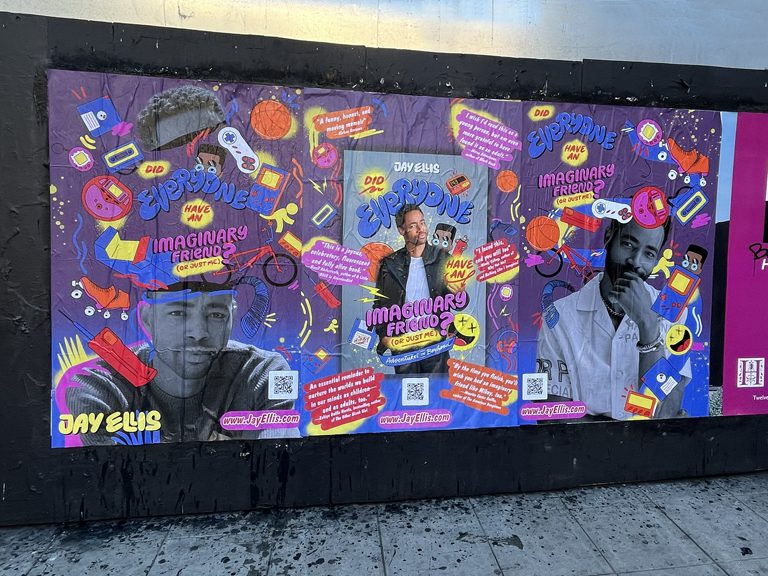
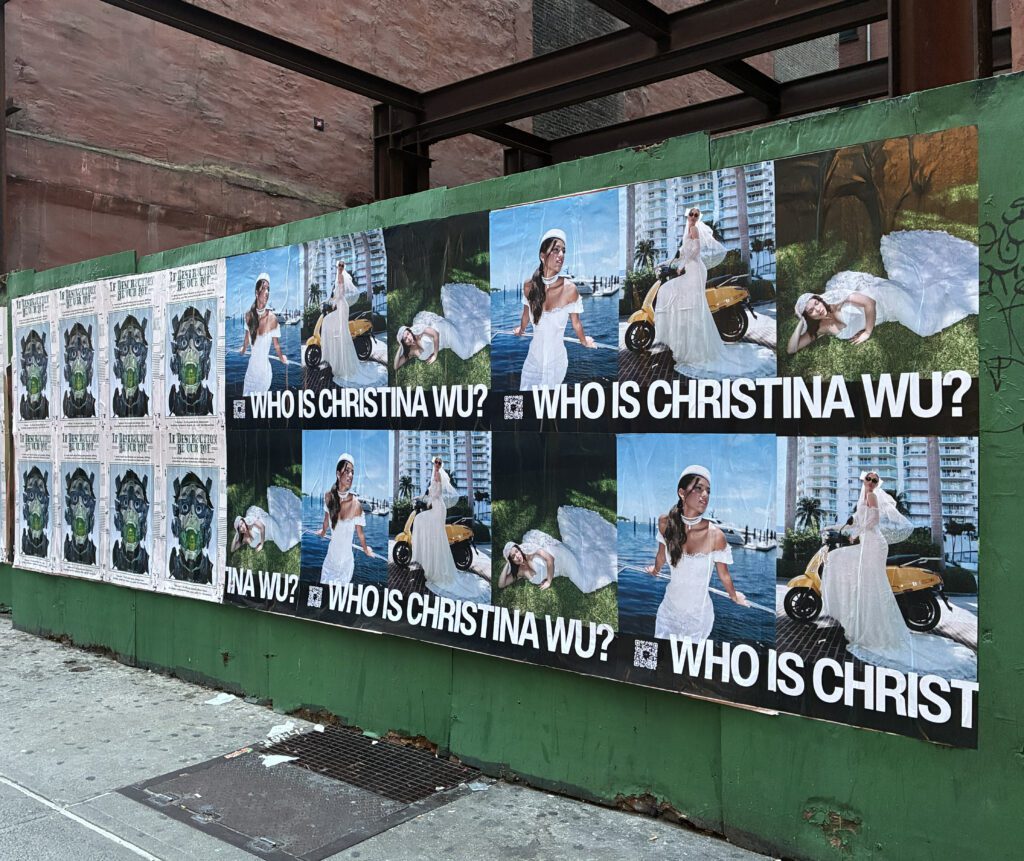
Street-level poster saturation across walls, construction sites, and corridors.

Sidewalk Decals
Ground-level branded decals at pedestrian hotspots and event entrances.

Sidewalk Stencils
Creative stencil campaigns that put your brand in the path of pedestrians.