American Guerrilla Marketing
Nationwide serivce
Media planning, media buying, billboard advertising, & guerrilla marketing

American Guerrilla Marketing places interior bus and shelter advertising across every major New Mexico transit system. ABQ Ride in Albuquerque, Santa Fe Trails, Las Cruces RoadRUNNER, RMTD Taos, and Gallup Inter-City Indian Transit. Direct execution. 500+ campaigns nationwide.
New Mexico’s transit advertising landscape is anchored by Albuquerque and shaped by the state’s geographic and cultural diversity. ABQ Ride in Albuquerque is the dominant transit system in the state, operating more than 35 fixed routes through a city of 560,000 residents with one of the most ethnically diverse ridership profiles in the Southwest. The University of New Mexico, with more than 25,000 students on its main campus along Central Avenue and Route 66, creates a concentrated young adult demographic on the east-west transit spine through the heart of Albuquerque. Kirtland Air Force Base, Sandia National Laboratories, and the Lovelace and Presbyterian healthcare systems add professional, military, and research workforce layers to the ABQ Ride ridership that are accessible through targeted route selection across the system.
Santa Fe is the state capital and one of the country’s most visited arts and tourism destinations, with a resident population of roughly 90,000 and a visitor economy that is among the largest relative to city size in the western United States. Santa Fe Trails operates the city’s transit network through the Canyon Road gallery district, the Santa Fe Plaza, and the Railyard arts district, serving a rider demographic that is unusually income-stratified: affluent arts collectors and tourists on the downtown routes, state government workers on the government center routes, and lower-income residential riders on the south Santa Fe routes. This income range within a small city system is valuable for advertisers who want broad Santa Fe market coverage in a single transit buy.
Las Cruces in southern New Mexico serves the Rio Grande valley community centered on New Mexico State University, with the RoadRUNNER system connecting NMSU’s 14,000-plus students to the downtown Las Cruces commercial district and the surrounding Dona Ana County communities. Taos, the northern mountain arts and ski community, is served by the Rio Metrobus Transit District on routes that connect the Taos Pueblo cultural heritage site, the Taos Ski Valley, and the historic downtown plaza to the surrounding communities of Arroyo Seco, Ranchos de Taos, and the Espanola valley. Gallup in western New Mexico serves the Navajo Nation and the broader Native American community of western New Mexico and eastern Arizona through the Gallup Inter-City Indian Transit service, providing a transit advertising channel with no equivalent elsewhere in the state for brands seeking to reach the Navajo and broader Native American demographic.
Interior bus ads and shelter placements across ABQ RIDE's 40-route network. The Central Avenue BRT...
Learn More
Interior bus ads and shelter placements on GIIT in Gallup. Routes connect downtown, the Route...
Learn More
Interior bus ads and shelter placements on RoadRUNNER in Las Cruces. Routes serve NMSU's 15,000-student...
Learn More
Interior bus ads and shelter placements on the Red River Mass Transit District in Taos....
Learn More
Interior bus ads and shelter placements on Santa Fe Trails. Routes connect the Historic Plaza,...
Learn MoreAGM covers every major New Mexico transit system from ABQ Ride in Albuquerque to Santa Fe Trails, Las Cruces RoadRUNNER, RMTD Taos, and Gallup Inter-City Indian Transit. Tell us your target market and we will build the media plan that reaches them directly.
35+ fixed routes serving Albuquerque’s 560,000 residents. New Mexico’s largest transit system, serving UNM, Kirtland Air Force Base, Sandia Labs, and the Central Avenue Route 66 corridor. The primary NM transit advertising market.
City bus service through the New Mexico state capital. Canyon Road gallery district, the Santa Fe Plaza, the Railyard arts district, and government center routes. Serves the arts, tourism, and state government workforce demographics.
City transit serving Las Cruces and the NMSU campus corridor. Routes connecting New Mexico State University’s 14,000+ students to downtown Las Cruces and the surrounding Dona Ana County communities along the Rio Grande valley.
Rio Metrobus Transit District service in Taos and the northern New Mexico mountain communities. Connects Taos Pueblo, Taos Ski Valley, and the historic downtown plaza to Arroyo Seco, Ranchos de Taos, and the Espanola valley.
Transit service connecting Gallup and the Navajo Nation communities in western New Mexico and eastern Arizona. The primary transit advertising channel for reaching the Navajo and broader Native American demographic in the Four Corners region.
ABQ Ride is the largest transit system in New Mexico and the primary advertising platform for brands seeking statewide reach in the state’s most populated market. Albuquerque is home to 560,000 residents and is the state’s commercial, medical, and military hub. The city’s transit network spans the full urban geography from the Rio Rancho western suburbs to the East Mountains foothills communities, with the Central Avenue corridor along historic Route 66 functioning as the transit spine connecting the University of New Mexico campus at the eastern end to Old Town Albuquerque and the downtown Rio Grande corridor at the western anchor.
Santa Fe Trails serves a transit market that is uniquely positioned in the Southwest: a small city with a disproportionately large arts economy, a high concentration of state government employment, and one of the country’s highest per-visitor spending rates in tourism. The Santa Fe market is not comparable to Albuquerque in absolute ridership volume, but it offers something that ABQ Ride cannot: concentrated access to the arts collector, cultural tourism, and high-income visitor demographic that drives Santa Fe’s economy and fills the Canyon Road galleries, the Museum of New Mexico cluster, and the downtown plaza hotel district from April through October.
Las Cruces RoadRUNNER serves New Mexico’s second-largest city and its significant university community. New Mexico State University enrolls more than 14,000 students and employs thousands more as faculty and staff on a campus that anchors the eastern edge of Las Cruces’s transit network. The RoadRUNNER routes connecting the NMSU campus to the downtown Las Cruces Mesilla Valley commercial district and the surrounding Dona Ana County communities deliver a student and young professional demographic that is underserved by most national advertisers’ New Mexico budget allocations, which typically focus exclusively on Albuquerque.
Gallup Inter-City Indian Transit operates at the intersection of New Mexico, Arizona, and the Navajo Nation in a market that has no equivalent elsewhere in the state. Gallup is the principal commercial center for the Navajo Nation, the country’s largest Native American reservation by land area, and the transit service connecting Gallup to the surrounding Navajo and Zuni communities carries a ridership demographic that is predominantly Native American, predominantly rural transit-dependent, and predominantly underserved by mainstream advertising channels. For healthcare systems, social services organizations, tribal government services, legal aid, and consumer goods brands seeking to reach the Navajo and Four Corners Native American community, Gallup Inter-City Indian Transit is the most direct and most culturally relevant transit advertising placement available in New Mexico.
Available on: ABQ Ride (Albuquerque), Santa Fe Trails, Las Cruces RoadRUNNER
Complete exterior wraps on the primary fleet vehicles of New Mexico’s largest transit systems. Market-dominant visual presence on the Route 66 Central Avenue corridor in Albuquerque and the Canyon Road and downtown plaza corridors in Santa Fe. Contact AGM for fleet availability and system pricing.
Available on: All New Mexico fixed-route systems
30-by-144-inch interior postings across the full length of the bus interior. The dominant interior format for brand awareness campaigns on New Mexico transit. System-wide ABQ Ride buys deliver the broadest statewide New Mexico transit reach available in a single format purchase.
Available on: All New Mexico fixed-route systems
Mid-format interior postings for route and corridor-targeted campaigns within New Mexico’s transit network. The right format for advertisers targeting specific market segments within ABQ Ride or the Santa Fe and Las Cruces systems.
Available on: All New Mexico transit systems including RMTD Taos and Gallup Indian Transit
Distributed card placements at multiple positions throughout the bus interior. Accessible for local and regional advertisers. Available across all New Mexico systems including the culturally significant Gallup Inter-City Indian Transit serving the Navajo Nation.
Available on: ABQ Ride, Santa Fe Trails, Las Cruces RoadRUNNER
Reading-distance advertising on the backs of bus seats. Best for QR code campaigns and campaigns that benefit from close engagement. Particularly effective on the longer ABQ Ride routes connecting the Rio Rancho communities and the East Mountains to downtown Albuquerque.
Available on: ABQ Ride, Santa Fe Trails, Las Cruces RoadRUNNER
Backlit full-panel shelter advertising at $3,850 per four-week cycle. Available at primary stop locations on New Mexico’s major fixed-route systems. Day-and-night visibility at the highest-traffic transit nodes in Albuquerque, Santa Fe, and Las Cruces.
Available on: ABQ Ride, Santa Fe Trails, Las Cruces RoadRUNNER, RMTD Taos
Mid-size shelter panel at $850 per four-week cycle. The accessible entry point to New Mexico shelter advertising for local and regional businesses targeting specific transit corridors or the Taos mountain community market.
Available on: ABQ Ride, Santa Fe Trails, Las Cruces RoadRUNNER
Bench advertising at $700 per four-week cycle. Sustained neighborhood presence at specific New Mexico transit stop locations. Particularly effective on the Central Avenue Route 66 corridor in Albuquerque where bench visibility combines with high pedestrian traffic volumes.
Albuquerque’s highest-value shelter locations are concentrated on the Central Avenue Route 66 corridor between UNM and downtown, at the Alvarado Transportation Center downtown hub, and at the Uptown transit center serving the commercial district at Louisiana and Menaul. These stops deliver the highest ridership concentration in the ABQ Ride system and are the most sought-after positions for brands seeking maximum Albuquerque transit reach. In Santa Fe, the downtown plaza stops and the Railyard transit center are the premium shelter positions, delivering both the government worker commuter demographic and the arts and tourism visitor demographic in the highest concentrations available within the Santa Fe Trails network. AGM reviews stop-level ridership data and contextual relevance for each New Mexico campaign before recommending specific shelter placements, ensuring that placement decisions reflect your target audience profile rather than generic high-traffic criteria.
Bus shelter advertising in New Mexico places your brand at the exact locations where riders wait for transit service. The dwell time at a shelter, typically five to fifteen minutes per stop visit, creates an uninterrupted, low-distraction exposure window that in-vehicle advertising alone cannot deliver at equivalent duration.
New Mexico’s shelter advertising inventory is concentrated at the primary boarding and alighting points on the state’s larger transit systems, where ridership volumes and wait times are highest. AGM identifies the shelter positions that deliver the most rider exposure for each campaign’s geographic and demographic targets, and structures shelter buys around the stop locations that create maximum frequency among the target audience.
AGM manages all aspects of shelter advertising placement in New Mexico, from inventory identification and booking through creative production, installation, and monitoring for the full campaign posting period.
New Mexico’s transit advertising market is less competitive than comparable markets in states with higher national advertiser awareness. Brands that target the digital advertising ecosystem for the same audiences often pay a premium for fragmented, avoidance-prone digital impressions when New Mexico’s transit systems deliver the same demographics with sustained, physical exposure during their daily transit routine.
The working adult, student, and community transit rider in New Mexico is reachable through transit advertising at a cost-per-impression that digital advertising in the same markets consistently fails to match. AGM has executed transit campaigns across more than 500 national engagements and understands exactly which New Mexico systems and routes deliver the audience volume and demographic profile that each advertiser needs.
Brands that enter the New Mexico transit advertising market now are securing placements at pre-competitive pricing on systems that will attract more national advertiser attention as the market matures.
AGM’s full range of guerrilla marketing formats is available alongside transit advertising campaigns in every New Mexico market. The combination of transit and street-level guerrilla creates the frequency stack that single-format campaigns cannot achieve alone, and in New Mexico’s dense urban cores and culturally distinctive neighborhood corridors, that frequency stack is particularly effective.
Snipe advertising along the Central Avenue Route 66 corridor in Albuquerque, the Canyon Road gallery district in Santa Fe, and the downtown Las Cruces Main Street creates street-level touchpoints that reinforce bus interior campaigns at the route level. Riders who see your transit interior card also encounter your snipes at stop intersections and along the commercial strips their routes travel through daily.
Sidewalk stencils at the primary transit hubs in New Mexico, including the Alvarado Transportation Center in Albuquerque, the Santa Fe Plaza transit stop, and the downtown Las Cruces Main Street transit stops, create ground-level brand presence at the maximum foot-traffic concentration points in each system. The pedestrian density on Albuquerque’s Central Avenue and Santa Fe’s downtown plaza makes sidewalk stencil placements particularly high-exposure for transit-adjacent brand messaging.
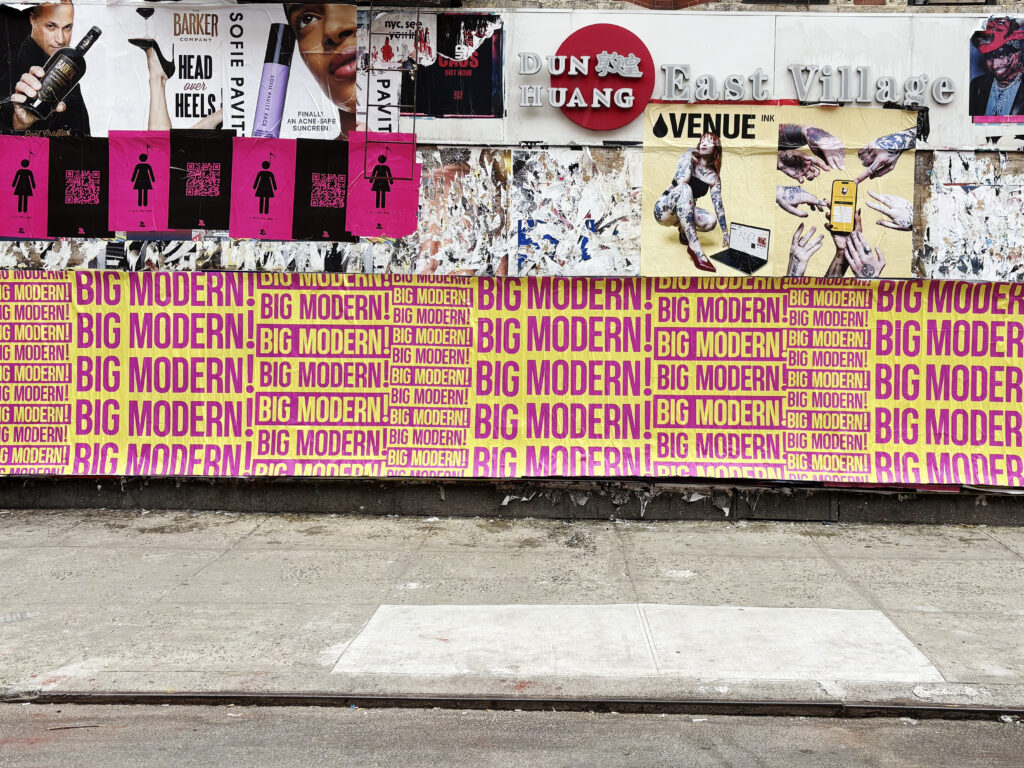
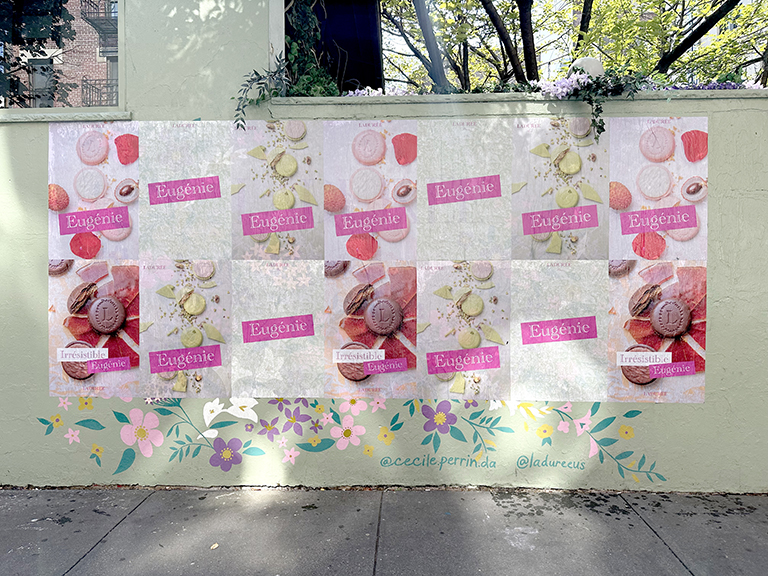
Wheatpasted poster campaigns in Albuquerque’s Nob Hill entertainment district and the UNM student corridor on Central Avenue, the Santa Fe Railyard arts district, the Taos downtown plaza commercial corridor, and the Gallup historic downtown along Route 66 create large-format street impressions for the walking and transit audience in the pedestrian-dense areas adjacent to New Mexico’s key transit networks.
AGM’s New Mexico transit advertising process begins with route and ridership analysis before any placement recommendations are made. Albuquerque’s 35-plus routes vary significantly in their demographic profiles: the UNM corridor routes carry a very different audience from the Westside Albuquerque residential routes or the Kirtland Air Force Base feeder routes. Santa Fe’s government center routes carry a different demographic from the Canyon Road arts district routes. Before recommending any specific placement, AGM reviews ridership data, stop-level pedestrian counts, and route demographic profiles to identify the specific corridors and stops that align with your campaign’s target audience across New Mexico’s geographically and culturally diverse transit systems.
Once the placement plan is approved, AGM manages all media buying negotiations directly with ABQ Ride, Santa Fe Trails, Las Cruces RoadRUNNER, RMTD Taos, and Gallup Inter-City Indian Transit. We handle all contract terms, installation timelines, and creative specification requirements. For campaigns that combine multiple New Mexico systems, AGM coordinates all transit authority relationships to ensure synchronized launch and consistent creative standards. Post-installation documentation includes installation photographs, placement location records, campaign period confirmation, and estimated impression counts by system.
Yes. AGM manages multi-market New Mexico transit advertising campaigns through a single client engagement. A statewide campaign covering ABQ Ride in Albuquerque, Santa Fe Trails, Las Cruces RoadRUNNER, and Gallup Inter-City Indian Transit can be coordinated through one AGM point of contact with unified creative management, production coordination, and post-campaign reporting across all New Mexico markets. Multi-market New Mexico campaigns benefit from coordinated planning that ensures consistent creative standards and synchronized launch timelines across the different transit systems operating in the state’s distinct geographic and cultural markets.
ABQ Ride in Albuquerque delivers the highest absolute ridership of any New Mexico transit system by a significant margin. Albuquerque’s population of 560,000 residents and the UNM student ridership on the Central Avenue corridor give ABQ Ride a total daily ridership that exceeds the combined ridership of all other New Mexico transit systems. For a statewide New Mexico campaign prioritized by absolute ridership volume, Albuquerque’s ABQ Ride should receive the largest share of the transit budget. For campaigns with specific demographic or geographic targets, Santa Fe Trails, Las Cruces RoadRUNNER, and Gallup Inter-City Indian Transit may warrant proportionally larger shares based on audience alignment quality rather than pure ridership volume.
Santa Fe Trails and RMTD Taos see meaningful ridership increases during the spring and summer arts and tourism seasons. Santa Fe’s peak visitor period runs from April through October, with the summer months of June through September representing the highest visitor volume and the highest concentration of high-income arts tourism on the downtown plaza and Canyon Road routes. The Taos Ski Valley creates a winter season ridership spike on RMTD routes from December through March, bringing ski visitors and resort workers into the system alongside the permanent Taos resident ridership. For brands targeting New Mexico’s tourism demographic, summer placements in Santa Fe and winter placements in Taos represent the peak audience windows for the visitor market in each system.
Yes, with thoughtful creative execution. While healthcare, social services, and public health campaigns are the most obvious category fit for Gallup Inter-City Indian Transit given the ridership profile and the service needs of the Navajo Nation communities, consumer goods, telecommunications, financial services, and retail brands can also advertise effectively on the system. The key is creative relevance: advertising that reflects awareness of and respect for the Navajo community and culture performs better than generic national creative that does not acknowledge the specific cultural context. AGM advises clients on creative approaches for the Gallup market based on the system’s audience and the community standards that Gallup transit advertising operates within.
Yes. The Central Avenue corridor routes are ABQ Ride’s highest-ridership routes and have available advertising inventory during both the fall and spring semesters, though the most sought-after positions on the heaviest-ridership Central Avenue routes should be booked four to six weeks in advance to ensure preferred timing. The summer semester has lower student ridership but maintains general community ridership from the full Albuquerque population using the Central Avenue corridor for commute, shopping, and healthcare trips. For brands targeting UNM students specifically, the peak windows are September through November in the fall semester and February through April in the spring semester, which align with the highest student transit utilization periods in the academic year.
New Mexico is the only US state with two official state languages: English and Spanish. The state’s Hispanic population is among the highest proportionally in the country, and Spanish-language or bilingual English and Spanish creative is standard in the Albuquerque and Las Cruces transit markets for campaigns targeting the Hispanic community. AGM works with clients to develop bilingual creative for New Mexico transit campaigns when the target demographic includes Spanish-dominant or bilingual riders. For campaigns running in the Gallup market, Navajo language elements or culturally specific imagery may be appropriate depending on the campaign objective and the client’s community relationships. AGM advises on language strategy as part of the New Mexico campaign planning process.
ABQ Ride advertising is generally priced at levels comparable to Sun Tran in Tucson and Sun Metro in El Paso, but with lower competitive pressure for preferred positions. Albuquerque, Tucson, and El Paso are similar in population scale and transit system size, and their transit advertising markets are all significantly less competitive than the major Southwest metro markets of Phoenix, Las Vegas, and Denver. The primary difference is that Albuquerque’s Route 66 Central Avenue corridor and UNM campus routes create specific demographic concentrations that have higher intrinsic value for college-market and healthcare advertisers than comparable route categories in Tucson or El Paso. AGM can provide specific market comparison data during campaign planning to help clients allocate Southwest regional transit budgets across Albuquerque, Tucson, El Paso, and other comparable markets.
Yes. For regulated industry advertisers including pharmaceutical companies, healthcare systems, financial institutions, and legal services firms operating in New Mexico, AGM provides the full compliance documentation trail that regulated marketing activities require. All New Mexico transit advertising placements are documented with installation photographs, specific placement location records by route and stop, campaign period confirmation, and estimated impression counts for each system. For healthcare and financial services clients operating in New Mexico’s regulated professional sector who require formal proof-of-performance documentation, AGM structures reporting deliverables that meet those documentation requirements and can be formatted to align with specific compliance frameworks applicable in New Mexico’s regulated industries.