American Guerrilla Marketing
Nationwide serivce
Media planning, media buying, billboard advertising, & guerrilla marketing
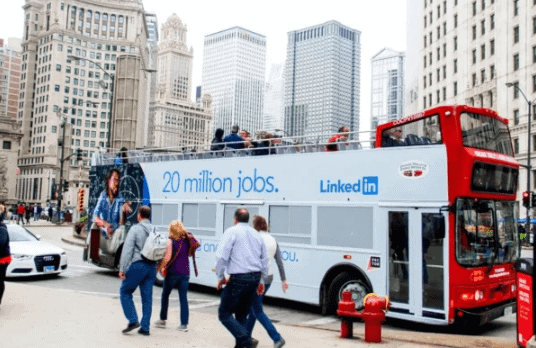
American Guerrilla Marketing places interior bus and shelter advertising across every major Iowa transit system. Des Moines, Ames, Iowa City, Cedar Rapids, the Quad Cities, Sioux City, Dubuque, and community systems statewide. Direct execution. 500+ campaigns nationwide.
Iowa’s transit landscape reflects the state’s particular mix of Midwest metro growth, major university presence, and the kind of dispersed small-city geography that makes statewide advertising strategy genuinely different from a single-market approach. Des Moines Area Regional Transit — DART — is the dominant system, serving a metro that has grown steadily into one of the Midwest’s most prominent financial services and insurance industry centers. Ames is the CyRide city, where Iowa State University’s 36,000-plus students are served by one of the best-run and most heavily used university transit systems in the country. Iowa City runs two systems at once: Iowa City Transit for the broader community and CAMBUS, the University of Iowa’s free campus transit system, which together form the most transit-dense environment in the state on a per-capita basis.
East across the state, Cedar Rapids Transit covers Iowa’s second-largest city with a workforce audience concentrated in manufacturing, healthcare, and agriculture-related industry. The Quad Cities market straddles the Iowa-Illinois border, with MetroLink serving the regional transit network and CITibus specifically covering Davenport on the Iowa side. Bettendorf Transit adds coverage for that city’s commercial and residential districts. Sioux City Transit anchors the far west, serving the Nebraska and South Dakota border metro that functions as a regional hub for a three-state trade area. The Jule serves Dubuque’s historic river city market. And the 380 Express corridor running between Cedar Rapids and Iowa City is a unique asset: an intercity transit service that gives advertisers access to a commuter audience moving between two distinct markets on a single route.
AGM has executed transit advertising campaigns across Midwest markets as part of our 500-plus campaign national record. Iowa offers a transit advertising environment where the university markets — CyRide at Iowa State, Iowa City Transit and CAMBUS at the University of Iowa — are genuinely elite placements for brands targeting 18-to-24 college students, and where the Des Moines metro’s insurance and financial services workforce concentration makes DART an unusually well-matched transit system for financial product advertising. The state’s transit advertising inventory is less saturated than comparable-population states in the Midwest, which means brands entering Iowa transit markets now are building presence before competitive pressure on premium inventory becomes a limiting factor.
380 Express connects Cedar Falls and Waterloo along the US-63 corridor in Black Hawk County....
Learn More
Bettendorf Transit serves Bettendorf in the Iowa Quad Cities with local routes connecting residential neighborhoods...
Learn More
Burlington Urban Service serves Burlington and Des Moines County with routes along Jefferson Street and...
Learn More
Cambus operates the University of Iowa's campus bus service, connecting 35,000 students across the Iowa...
Learn More
Cedar Rapids Transit serves Iowa's second largest city with routes along 1st Avenue and Collins...
Learn More
Clinton Municipal Transit serves Clinton and Clinton County with routes along 6th Avenue and the...
Learn More
Coralville Transit serves Coralville adjacent to Iowa City and the University of Iowa. Interior bus...
Learn More
CyRide is Iowa State University's award-winning transit system serving Ames. Interior bus ads along Lincoln...
Learn More
Davenport Citibus serves Iowa's fourth largest city in the Quad Cities metro. Interior bus ads...
Learn More
DART operates Des Moines's regional transit system with 40+ routes. Interior bus ads and shelter...
Learn More
Dodger Area Rapid Transit serves Keokuk and Lee County at the southernmost tip of Iowa....
Learn More
Iowa City Transit serves Iowa City and the University of Iowa with comprehensive community routes....
Learn More
Marshalltown Municipal Transit serves Marshalltown and Marshall County with routes along Center Street and Iowa...
Learn More
Mason City Transit serves Mason City and Cerro Gordo County with routes along Federal Avenue...
Learn More
Metro Transit Omaha operates routes extending into Council Bluffs, Iowa across the Missouri River. Interior...
Learn More
MetroLINK operates regional cross-river transit connecting the Iowa and Illinois Quad Cities. Interior bus ads...
Learn More
MTABC serves Waterloo and Black Hawk County with routes along Commercial Street and Logan Avenue....
Learn More
MuscaBus serves Muscatine and Muscatine County with routes along Grandview Avenue and Hershey Avenue. Interior...
Learn More
Oskaloosa Rides serves Oskaloosa and Mahaska County with routes connecting William Penn University and the...
Learn More
Ottumwa Transit Authority serves Ottumwa and Wapello County with routes along Church Street and Main...
Learn More
River Bend Transit serves Burlington and Des Moines County with regional routes connecting Southeast Iowa...
Learn More
Sioux City Transit serves Northwest Iowa's largest city with routes along Nebraska Street, Floyd Boulevard,...
Learn More
The Jule serves Dubuque with routes along Central Avenue, University Avenue, and the historic Mississippi...
Learn MoreAGM covers every major Iowa transit system from Des Moines and Ames to Iowa City, Cedar Rapids, and the Quad Cities. Tell us your target market and we'll build the media plan that reaches them directly.
Iowa’s largest transit system. Fixed-route service across the Des Moines metro including Ames connector routes, Ankeny, West Des Moines, Urbandale, and the downtown Des Moines employment core. Primary market for Iowa’s insurance and financial services workforce audience.
One of the top-rated university transit systems in the United States. Serves 36,000-plus Iowa State students on routes covering campus, off-campus student housing, and commercial Ames. Among the highest student ridership per-capita of any Midwest university transit system.
Municipal bus service for Iowa City and the University of Iowa corridor. Routes connecting downtown Iowa City, the UI campus, Coralville, and surrounding residential communities. Serves a market where college students and working adults ride the same system.
University of Iowa’s free campus transit system. Serves the UI main campus, UI Hospitals and Clinics, and campus-adjacent neighborhoods. Ridership includes students, faculty, staff, and hospital workers on one of the largest public university health systems in the country.
Fixed-route service across Iowa’s second-largest city. Routes serve downtown Cedar Rapids, the Czech Village neighborhood, NewBo creative district, Kirkwood Community College, and the manufacturing and distribution employment corridors on the city’s west and south sides.
Regional transit network serving the Iowa-Illinois Quad Cities metro, with coverage across Davenport and Bettendorf on the Iowa side. The primary transit connection for the Quad Cities regional workforce and the cross-river commuter market.
Davenport’s municipal fixed-route transit system. Coverage across Iowa’s third-largest city including downtown Davenport, the riverfront district, and the residential and commercial corridors connecting to the broader Quad Cities metro.
Fixed-route service for Bettendorf, Iowa’s fastest-growing Quad Cities community. Routes connect Bettendorf’s commercial corridors, residential communities, and Middle Road employment district to the broader Quad Cities transit network.
Transit service for the Siouxland metro serving Iowa, Nebraska, and South Dakota tri-state region. Routes cover downtown Sioux City, the Morningside neighborhood, IBP/meatpacking employment district, and connections to South Sioux City, Nebraska.
Dubuque’s fixed-route transit system serving Iowa’s historic Mississippi River city. Routes connect downtown Dubuque, the Port of Dubuque entertainment and casino district, Mercy Medical Center, and Clarke University and Loras College campuses.
Metro Transit’s Iowa coverage serving Council Bluffs and the Iowa side of the Omaha-Council Bluffs metro. Cross-state transit advertising opportunity connecting Iowa riders to Nebraska’s largest city employment and commercial base.
Municipal transit for Coralville, the commercial and hotel district adjacent to Iowa City and the University of Iowa. Routes connect Coralville’s commercial strip, the Iowa River Landing, and connections to Iowa City Transit routes serving the broader UI community.
Intercity express service connecting Cedar Rapids and Iowa City along the Highway 380 corridor. Serves a commuter audience moving between two distinct Iowa markets. Unique advertising opportunity for brands targeting the professional and university-affiliated commuter demographic.
Fixed-route transit for Mason City in north-central Iowa. Service covering downtown Mason City, NIACC community college, Mercy Medical Center North Iowa, and residential neighborhoods serving a working-class and healthcare worker ridership.
Transit service for Burlington and the southeast Iowa Mississippi River corridor. Routes serve downtown Burlington, Great River Medical Center, and the residential and commercial districts of this historic river port city.
Regional transit serving the Muscatine and southeast Iowa river corridor. Connects Muscatine’s manufacturing and river industry workforce to the commercial and healthcare services of the region.
Muscatine’s local fixed-route transit. Service within Muscatine connecting downtown, the industrial employer district, and residential neighborhoods. The companion local system to the regional River Bend Transit network.
Fixed-route service for Marshalltown in central Iowa. Routes serve downtown Marshalltown, Mercy Medical Center, Iowa Valley Community College, and the working-class residential corridors of this manufacturing and meatpacking industry city.
Transit service for Clinton on the Mississippi River in eastern Iowa. Service connecting downtown Clinton, the riverfront district, Mercy Medical Center Clinton, and residential communities of this historic industrial river city.
Fixed-route transit for Ottumwa in southern Iowa. Service connecting downtown Ottumwa, Indian Hills Community College, Regional Medical Center, and the residential neighborhoods of this Missouri River watershed city.
Community transit for Oskaloosa in south-central Iowa. Service connecting Oskaloosa’s downtown square, William Penn University, and residential communities in this small city anchored by manufacturing and agribusiness employment.
Community transit serving the Dodgeville and southwest Iowa area. Connects rural communities to the healthcare, commercial, and social services of the region’s market centers.
DART is Iowa’s highest-ridership transit system and the gateway to the Des Moines metro’s most economically significant commuter audience. Des Moines is not a generic Midwest city anymore. It has grown into the country’s insurance capital — Principal Financial Group, Meredith, Wells Fargo’s Midwest hub, and dozens of regional insurance carriers have their headquarters or major operations in the metro. The professional workforce concentration in downtown Des Moines and the West Des Moines financial district is a genuinely premium advertising audience for financial services, professional development, and B2B brands.
CyRide is not a typical small-city transit system. Iowa State University’s campus bus operation is consistently ranked among the top university transit systems in the United States by ridership, fleet efficiency, and the share of the campus population it actually moves every day. With 36,000-plus students and a campus that spreads across a significant footprint of Ames, CyRide is the primary mode of transportation for a substantial majority of Iowa State’s student body during the academic year.
Iowa City’s unusual transit structure — the municipal Iowa City Transit running alongside the university-operated CAMBUS — creates the highest transit advertising density in the state in terms of systems per capita. The University of Iowa’s 32,000-plus students are served by CAMBUS for on-campus movements and by Iowa City Transit for connections to off-campus neighborhoods, downtown Iowa City, and the Coralville commercial district across the city boundary. Together, the two systems create a nearly complete coverage of the Iowa City urban area’s transit audience.
Cedar Rapids is Iowa’s second-largest city and a manufacturing and food processing hub with a transit system that serves a predominantly working-class commuter ridership. Cedar Rapids Transit routes cover the city’s manufacturing employment districts, the Quaker Oats and Penford plants on the north and east sides, the downtown business district, the NewBo creative district, and Kirkwood Community College on the south side. The ridership demographic is predominantly working adults using transit for employment commutes rather than discretionary trips, which makes Cedar Rapids Transit a strong channel for workforce-oriented brands, healthcare providers serving working adults, financial services targeting middle-income consumers, and employers looking to reach job seekers in the manufacturing and skilled trades categories.
The Quad Cities transit advertising market is unique in Iowa because it is fundamentally a cross-state market. MetroLink’s regional network serves Davenport and Bettendorf on the Iowa side alongside Rock Island and Moline on the Illinois side, which means a Quad Cities transit advertising buy reaches consumers in two states through a single system. CITibus provides Davenport’s local fixed-route coverage as a complement to MetroLink’s regional service. Bettendorf Transit adds coverage for the Iowa side’s fastest-growing and most affluent Quad Cities community.
Sioux City Transit serves the Siouxland metro at Iowa’s western border, a three-state regional hub where the Iowa, Nebraska, and South Dakota markets converge. Sioux City’s economy is anchored by meatpacking, agriculture, and the healthcare systems serving the broader regional population, which gives Sioux City Transit a working-class and essential-worker ridership profile. For brands targeting the tri-state Siouxland market — healthcare providers, financial services, food and consumer goods brands, workforce development programs — Sioux City Transit is the most direct transit channel into that specific regional demographic.
King and queen posters, interior cards, headliners, seat-back displays, and overhead cards are available across Iowa’s transit fleet. Interior formats reach every rider on the bus for the full duration of their trip in a low-distraction reading environment. Format availability varies by system and fleet type. AGM advises on which interior formats are available on each Iowa system and recommends the format mix that best matches the campaign’s creative approach and budget.
Full bus wraps, tail displays, and window vinyls are available on most Iowa transit systems. Exterior formats reach vehicle traffic, pedestrians, and the communities along each route as the bus moves through the service area. Full wraps transform a bus into a moving billboard across the system’s entire route network. AGM coordinates exterior format availability and installation across all Iowa transit systems.
Covered shelter advertising is available at primary stop locations on the larger Iowa city transit systems. Shelter panels reach waiting riders during their stop dwell time and vehicle traffic passing the stop location. Shelter advertising combined with interior bus placements creates a two-touchpoint campaign that reaches riders both at the stop and on the vehicle. AGM advises on shelter inventory availability by system and recommends shelter positions that match the advertiser’s geographic and demographic targets.
Bus shelter advertising in Iowa places your brand at the exact locations where riders wait for transit service. The dwell time at a shelter, typically five to fifteen minutes per stop visit, creates an uninterrupted, low-distraction exposure window that in-vehicle advertising alone cannot deliver at equivalent duration.
Iowa’s shelter advertising inventory is concentrated at the primary boarding and alighting points on the state’s larger transit systems, where ridership volumes and wait times are highest. AGM identifies the shelter positions that deliver the most rider exposure for each campaign’s geographic and demographic targets, and structures shelter buys around the stop locations that create maximum frequency among the target audience.
AGM manages all aspects of shelter advertising placement in Iowa, from inventory identification and booking through creative production, installation, and monitoring for the full campaign posting period.
Iowa’s transit advertising market is less competitive than comparable markets in states with higher national advertiser awareness. Brands that target the digital advertising ecosystem for the same audiences often pay a premium for fragmented, avoidance-prone digital impressions when Iowa’s transit systems deliver the same demographics with sustained, physical exposure during their daily transit routine.
The working adult, student, and community transit rider in Iowa is reachable through transit advertising at a cost-per-impression that digital advertising in the same markets consistently fails to match. AGM has executed transit campaigns across more than 500 national engagements and understands exactly which Iowa systems and routes deliver the audience volume and demographic profile that each advertiser needs.
Brands that enter the Iowa transit advertising market now are securing placements at pre-competitive pricing on systems that will attract more national advertiser attention as the market matures.
AGM’s full range of guerrilla marketing formats is available alongside transit advertising campaigns in every Iowa market. The combination of transit and street-level guerrilla creates the frequency stack that single-format campaigns cannot achieve on their own.
Snipe advertising along the corridors served by DART in Des Moines, CyRide in Ames, Iowa City Transit in Iowa City, and Cedar Rapids Transit creates street-level touchpoints that reinforce bus interior campaigns at the route level. Riders who see your transit interior card also encounter your snipes at stop intersections and along the commercial strips their routes travel.
Sidewalk stencils at the primary transit hubs in each Iowa city, including the downtown Des Moines DART hub on Walnut Street, the Iowa State Memorial Union CyRide stop in Ames, and the downtown Iowa City Pedestrian Mall transit stop, create ground-level brand presence at the highest foot-traffic concentration points in each system.
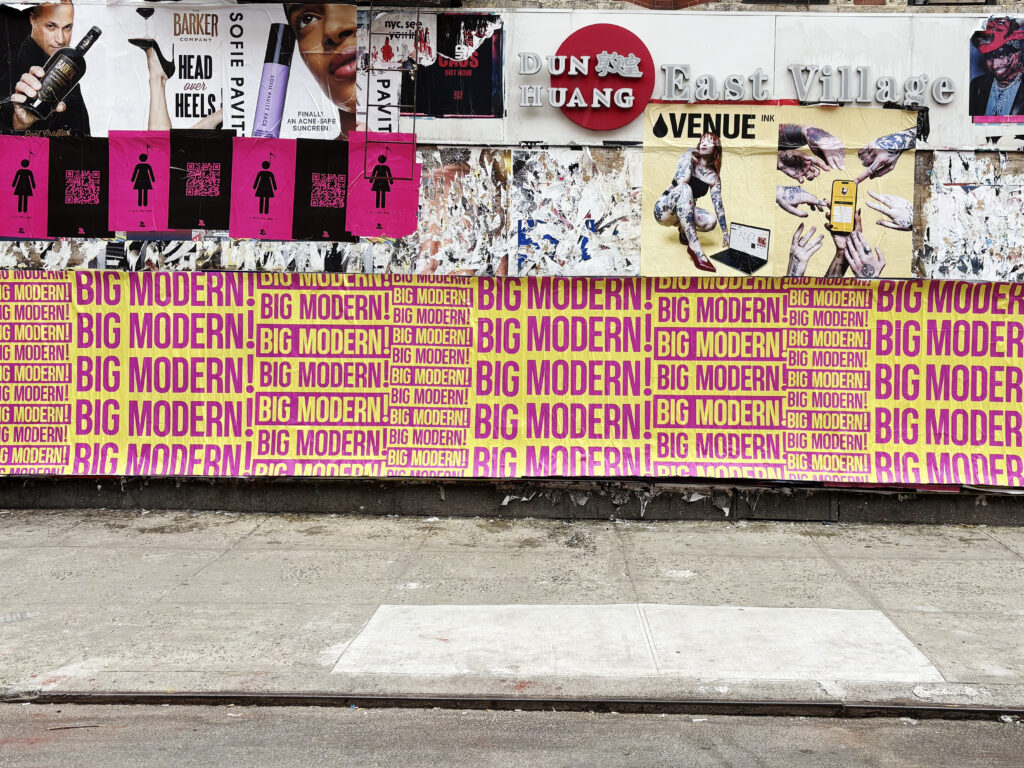
Wheatpasted poster campaigns in the East Village and Ingersoll Avenue corridors in Des Moines, the Campustown commercial district in Ames, and the Ped Mall and North Clinton Street areas in Iowa City create large-format street impressions for the walking and transit audience in the pedestrian-dense areas adjacent to Iowa’s major transit networks.
AGM’s transit advertising process for Iowa clients begins with market research and route analysis, not a phone call to the transit authority’s sales department. Before recommending any format or placement, AGM reviews ridership data, stop-level pedestrian counts, and route demographic profiles to identify the specific corridors and stops that align with your target audience in the Iowa markets you are entering. This research phase identifies the best placements across DART in Des Moines, CyRide in Ames, the Iowa City systems, and the Quad Cities network based on your specific demographic and geographic objectives.
Once the placement plan is approved, AGM handles all media buying negotiations directly with the Iowa transit systems or their authorized advertising representatives. We manage the contract terms, installation timelines, and creative specification requirements across all Iowa systems in your campaign. Your responsibility is final creative approval. The actual buying, placement coordination, production vendor management, and installation scheduling across Iowa’s transit systems are handled by AGM from contract through installation. Post-installation, AGM provides photographic documentation of all placements for your records.
For Iowa campaigns that combine transit advertising with guerrilla elements, AGM coordinates the timing of guerrilla deployments to align with the bus interior and shelter installation schedules. The goal is simultaneous activation of all campaign elements so the multi-touchpoint sequence begins on the same day across Iowa’s transit corridors and street-level placements. A guerrilla element that launches two weeks before or after the transit interior placement misses the opportunity for simultaneous reinforcement that makes the combined campaign more effective than either format alone.
Yes. AGM manages multi-market transit advertising campaigns across Iowa through a single client engagement. A statewide Iowa transit campaign covering DART in Des Moines, CyRide in Ames, Iowa City Transit and CAMBUS in Iowa City, Cedar Rapids Transit, and MetroLink in the Quad Cities can be coordinated through one AGM point of contact with unified creative management, production coordination, and post-campaign reporting across all markets. Multi-market campaigns benefit from coordinated planning that ensures consistent creative standards and synchronized launch timelines across Iowa’s different transit systems.
CyRide at Iowa State is consistently recognized as one of the best-run university transit systems in the country, which translates to advertising value through exceptionally high ridership relative to campus population. Iowa State’s 36,000-plus student body uses CyRide at a per-capita rate that exceeds most comparable public university systems. The system’s extensive route network covers not just the main campus but the off-campus student housing areas, the commercial Ames retail corridor on South Duff Avenue, and the Iowa State Center — which means CyRide advertising reaches Iowa State students across the full range of their daily movement patterns, not just in academic contexts. For brands targeting college-age consumers in the Midwest, CyRide is one of the most efficient single-campus transit advertising placements available.
The 380 Express is an intercity commuter service rather than a local fixed-route system. The ridership profile reflects that distinction: rather than the local transit-dependent working adult who uses a city bus for daily errands and employment commutes, the 380 Express carries professional and university-affiliated commuters who have actively chosen intercity transit as their regular mode of travel between Cedar Rapids and Iowa City. This audience tends to be more educated, higher-income, and more professionally established than the typical local fixed-route transit audience, which makes the 380 Express a premium placement for professional services, financial products, and brands targeting college-educated adults in the Cedar Rapids-Iowa City corridor specifically.
The answer depends on where in the student’s daily routine you want to reach them. CAMBUS is better for reaching students in the academic and campus context: the routes serving the main UI academic buildings, the Iowa Memorial Union, the residence halls, and the UI Hospitals create an on-campus environment that captures students during their educational day. Iowa City Transit is better for reaching students in their off-campus consumer context: the routes connecting to off-campus housing, the downtown Ped Mall commercial district, the Coralville commercial strip, and the Highway 1 commercial corridor reach students when they are in consumer spending and leisure mindsets. A combined buy across both systems creates full-day coverage of the UI student audience from campus context to off-campus consumer context.
Financial services and insurance brands find strong match quality on DART in Des Moines given the metro’s concentration of insurance industry employers. Healthcare brands find good placement on CAMBUS routes serving the UI Hospitals and Clinics and on Orbit DCH routes in markets with major hospital systems. Consumer brands targeting college students find CyRide in Ames and the Iowa City systems the strongest placements. Food service and consumer packaged goods brands targeting working adults find Cedar Rapids Transit and the Quad Cities systems good matches. Regional employers recruiting for manufacturing, skilled trades, and healthcare positions find the smaller community systems in Marshalltown, Mason City, and Ottumwa effective for reaching the specific workforce demographics those cities represent.
Iowa’s university transit markets follow the academic calendar with clear peak periods. The fall semester beginning in late August is the highest-ridership period, as new and returning students establish their transit routines during the first weeks of class. September through November represents the highest sustained ridership window before the winter break reduction. The spring semester from January through May brings ridership back to peak levels. The summer session carries lower ridership but a more concentrated audience of dedicated students remaining on campus for summer coursework. For maximum reach on CyRide in Ames and the Iowa City systems, fall semester campaigns beginning in late August and running through mid-November capture the peak ridership period of the academic year.
Iowa transit advertising delivers lower cost-per-impression than digital advertising for comparable demographic segments within the same Iowa geographic markets. The professional adult demographic reachable on DART in Des Moines, the college student demographic on CyRide and the Iowa City systems, and the working-adult demographic on Cedar Rapids Transit can all be targeted through digital channels, but the cost escalation of programmatic targeting for specific Iowa market demographics and the fragmentation of digital media attention means that physical transit advertising delivers sustained, frequency-building exposure at lower effective cost per recalled impression than digital alternatives at equivalent Iowa market budget levels.
Standard production and installation lead time for Iowa transit interior advertising is two to four weeks from final artwork approval. Shelter advertising at primary stop locations requires four to six weeks for the highest-demand positions, particularly on CyRide in Ames where the fall semester launch creates peak demand for premium shelter inventory at the campus gate stops. Full bus wraps require the most production and installation lead time at five to six weeks minimum. AGM recommends beginning campaign planning six to eight weeks before the intended launch date to ensure availability confirmation, production time, and installation scheduling across all Iowa systems included in the campaign. For fall semester launches on CyRide and the Iowa City systems, beginning planning in June or July ensures the best inventory availability for the August launch window.
Yes. AGM can work with Iowa’s smaller community transit systems including Mason City Transit, Marshalltown Municipal Transit, Ottumwa Transit Authority, Burlington Urban Service, and others. These systems serve specific Iowa communities with transit-dependent working adult ridership that is difficult to reach through larger system advertising. For regional brands, healthcare providers, and employers that specifically want to reach the consumers and workforce of a smaller Iowa city, the community transit systems provide direct access to those local audiences at cost levels appropriate for smaller geographic targets. Contact AGM to discuss the advertising options available within specific Iowa community transit systems.
The MetroLink Quad Cities regional network serves both the Iowa communities of Davenport and Bettendorf and the Illinois communities of Rock Island and Moline. A MetroLink regional network buy will generate impressions in both states. CITibus is specific to Davenport, Iowa. Bettendorf Transit is specific to Bettendorf, Iowa. For advertisers who want Iowa-only coverage in the Quad Cities, a combined CITibus and Bettendorf Transit buy without MetroLink delivers Iowa-specific impressions. For advertisers who want to maximize regional Quad Cities reach regardless of state boundary, the MetroLink regional network buy delivers the broadest coverage of the cross-state metro audience.