American Guerrilla Marketing
Nationwide serivce
Media planning, media buying, billboard advertising, & guerrilla marketing
American Guerrilla Marketing places interior bus and shelter advertising across Virginia’s transit network. Northern Virginia’s WMATA routes and Fairfax Connector, ART in Arlington, DASH in Alexandria, GRTC Richmond, HRT Hampton Roads, Blacksburg Transit, CAT Charlottesville, and Lynchburg Transit. Direct execution. 500+ campaigns nationwide.
Virginia is two transit advertising states in one. Northern Virginia sits within the Washington DC metro orbit, served by WMATA bus routes that cross the Potomac alongside dedicated suburban systems in Fairfax County, Arlington County, and Alexandria. The Northern Virginia transit audience is among the highest-income and most educationally attained commuter demographics in the United States, driven by the concentration of federal government contractors, technology companies in the Tysons Corner and Reston corridors, and the federal workforce itself commuting from Northern Virginia counties into DC. The Fairfax Connector alone is the largest pure-Virginia suburban bus system, serving a Fairfax County population of 1.1 million with routes connecting residential communities to Metro stations, employment centers, and commercial corridors throughout one of the wealthiest counties in the country.
The rest of Virginia is a different market with its own distinct transit advertising value. Richmond and the GRTC system represent one of the most significant recent developments in American public transit: GRTC’s Pulse BRT on Broad Street and its 2024 transition to a free-fare model make Richmond one of the first major US cities to eliminate fares entirely, which drives ridership growth and demographic expansion across the system. Hampton Roads is the largest concentration of military personnel in the United States, with Norfolk Naval Station, Joint Base Langley-Eustis, Naval Station Little Creek, and multiple supporting installations creating a military-civilian transit market unlike any other in Virginia. Virginia Tech’s Blacksburg Transit carries 36,000-plus students. UVA’s Charlottesville Area Transit reaches another major university market. Lynchburg Transit serves the mid-Virginia city and its higher education community.
The scale of Virginia’s transit advertising opportunity is larger than most national media plans recognize. When NoVA, Richmond, Hampton Roads, and the university markets are considered as a combined Virginia advertising market, the state represents a top-10 transit advertising opportunity nationally by audience quality, even though no single Virginia system outside of the WMATA network reaches the ridership scale of the major standalone metro systems like Chicago, Boston, or Los Angeles. Virginia’s transit advertising value is distributed across multiple distinct systems, each reaching a specific and well-defined demographic segment that a comprehensive Virginia media plan can address simultaneously.
AGM covers every major Virginia transit system from Northern Virginia's federal contractor suburbs to Richmond's free-fare BRT, Hampton Roads' military markets, and Virginia's university transit networks. Tell us your target demographic and we will build the Virginia media plan that reaches them directly.
Washington DC Metrobus routes serving Northern Virginia communities in Arlington, Fairfax, Alexandria, and Prince William County. Cross-jurisdictional service connecting Northern Virginia to downtown DC. The highest-ridership transit coverage in Northern Virginia and access to the federal government commuter demographic.
Fairfax County’s dedicated bus system, the largest pure-Virginia suburban transit network. 100-plus routes connecting Fairfax County residential communities to Metro stations, the Tysons Corner employment district, and commercial corridors throughout one of the wealthiest counties in the US.
Arlington County’s local bus network connecting neighborhoods to Metro stations, Crystal City, the Pentagon, and Rosslyn. Serves one of the most transit-dense suburban counties in the US, with high ridership from federal employees, defense contractors, and Amazon’s HQ2 workforce.
Alexandria’s local bus network serving Old Town, Del Ray, Arlandria, and West Alexandria with connections to King Street Metro and Braddock Road Metro. Reaches Alexandria’s dense mix of federal employees, young professionals, and the historic city’s tourism and hospitality workforce.
Richmond’s transit system and operator of the Pulse BRT on Broad Street. One of the first major US systems to adopt free fares, dramatically expanding ridership across Richmond’s neighborhoods. Serves the state capital’s government workforce, VCU student community, and the Carytown retail corridor.
Multi-city transit serving Norfolk, Virginia Beach, Hampton, Chesapeake, Newport News, and Portsmouth. The primary transit system for the largest military concentration in the United States. Routes serving Naval Station Norfolk, the Hampton Roads Bridge-Tunnel corridor, and the Virginia Beach Oceanfront.
Virginia Tech’s transit system serving Blacksburg and the 36,000-plus student campus. One of the highest-ridership university transit systems in the Southeast. Free for VT students. Routes covering the main campus, the Graduate Life Center, and connections to Christiansburg and downtown Blacksburg.
Charlottesville’s transit system serving the UVA campus, the Downtown Mall, and the surrounding city neighborhoods. Reaches UVA’s student and faculty community alongside Charlottesville’s distinctive mix of university professionals, tech industry workers, and wine country tourism visitors.
City bus service in Lynchburg serving the downtown core, Liberty University, Centra Health medical campus, and the residential communities of this mid-Virginia city. Connects the Liberty University student population to the broader Lynchburg consumer market.
Northern Virginia’s transit advertising market is defined by one overriding demographic fact: the federal government contractor and government employee workforce that commutes daily from Fairfax, Arlington, and Alexandria into Washington DC represents one of the highest average household income concentrations of any commuter transit market in the United States. The Tysons Corner corridor, Reston, and the Dulles Technology Corridor have added a private sector technology industry workforce layer on top of the federal employment base, creating a Northern Virginia transit audience that is simultaneously highly educated, high-income, and professionally credentialed in ways that few other suburban transit markets outside of the Boston Route 128 corridor can match.
GRTC Richmond’s adoption of free fares makes it one of the most significant transit policy experiments in the United States and one of the most interesting transit advertising markets in Virginia. Free fares remove the fare barrier that often restricts transit ridership to the transit-dependent population, expanding the ridership base to include choice riders who might otherwise drive. The demographic diversification that comes with free fares creates a GRTC system that serves a broader cross-section of Richmond’s population than comparable-sized paid transit systems, which directly increases the advertising value of in-vehicle placements by expanding the audience demographic range.
Hampton Roads Transit serves the most militarily concentrated metropolitan area in the United States. Naval Station Norfolk is the largest naval base in the world by tonnage. Joint Base Langley-Eustis combines Air Force and Army operations in Hampton. Naval Station Little Creek and Naval Air Station Oceana are additional major installations within the HRT service area. The daily commute patterns of military personnel, civilian defense workers, and the large contractor workforce that supports these installations create transit ridership that is distinctive in its demographic consistency: younger than the average transit market, disproportionately male, highly mobile between duty stations, and often operating without personal vehicles in base housing situations that make transit a primary transportation mode.
Virginia Tech’s Blacksburg Transit system is one of the highest-ridership university transit systems in the Southeast. With more than 36,000 students, a large graduate student and faculty population, and a campus that relies heavily on transit for its internal circulation, Blacksburg Transit carries the kind of consistent, predictable, and demographically concentrated student ridership that makes university transit advertising particularly efficient for brands targeting the 18-to-28 college student demographic. The system is free for Virginia Tech students, which means ridership participation rates are high and the in-vehicle audience is reliably representative of the full VT student population.
King and queen posters, interior cards, headliners, seat-back displays, and overhead cards are available across Virginia’s transit fleet. Interior formats reach every rider on the bus for the full duration of their trip in a low-distraction reading environment. Format availability varies by system and fleet type. AGM advises on which interior formats are available on each Virginia system and recommends the format mix that best matches the campaign’s creative approach and budget.
Full bus wraps, tail displays, and window vinyls are available on most Virginia transit systems. Exterior formats reach vehicle traffic, pedestrians, and the communities along each route as the bus moves through the service area. Full wraps transform a bus into a moving billboard across the system’s entire route network. AGM coordinates exterior format availability and installation across all Virginia transit systems.
Covered shelter advertising is available at primary stop locations on the larger Virginia city transit systems. Shelter panels reach waiting riders during their stop dwell time and vehicle traffic passing the stop location. Shelter advertising combined with interior bus placements creates a two-touchpoint campaign that reaches riders both at the stop and on the vehicle. AGM advises on shelter inventory availability by system and recommends shelter positions that match the advertiser’s geographic and demographic targets.
Bus shelter advertising in Virginia places your brand at the exact locations where riders wait for transit service. The dwell time at a shelter, typically five to fifteen minutes per stop visit, creates an uninterrupted, low-distraction exposure window that in-vehicle advertising alone cannot deliver at equivalent duration.
Virginia’s shelter advertising inventory is concentrated at the primary boarding and alighting points on the state’s larger transit systems, where ridership volumes and wait times are highest. AGM identifies the shelter positions that deliver the most rider exposure for each campaign’s geographic and demographic targets, and structures shelter buys around the stop locations that create maximum frequency among the target audience.
AGM manages all aspects of shelter advertising placement in Virginia, from inventory identification and booking through creative production, installation, and monitoring for the full campaign posting period.
Virginia’s transit advertising market is less competitive than comparable markets in states with higher national advertiser awareness. Brands that target the digital advertising ecosystem for the same audiences often pay a premium for fragmented, avoidance-prone digital impressions when Virginia’s transit systems deliver the same demographics with sustained, physical exposure during their daily transit routine.
The working adult, student, and community transit rider in Virginia is reachable through transit advertising at a cost-per-impression that digital advertising in the same markets consistently fails to match. AGM has executed transit campaigns across more than 500 national engagements and understands exactly which Virginia systems and routes deliver the audience volume and demographic profile that each advertiser needs.
Brands that enter the Virginia transit advertising market now are securing placements at pre-competitive pricing on systems that will attract more national advertiser attention as the market matures.
AGM’s full range of guerrilla marketing formats is available alongside transit advertising campaigns in every Virginia market. The combination of bus interior or shelter advertising with street-level guerrilla creates the multi-touchpoint frequency that single-format campaigns cannot achieve on their own, particularly in Northern Virginia’s dense commercial corridors and Richmond’s walkable neighborhood fabric.
Snipe advertising along the Fairfax Connector routes in Tysons Corner and Reston, the ART corridors in Rosslyn and Crystal City, and the GRTC Pulse BRT route through Richmond’s Fan District and Scott’s Addition creates street-level impressions that reinforce bus interior campaigns at the exact corridor level where riders board and exit the system.
Sidewalk stencils at the primary Virginia transit hubs, including the Crystal City Metro bus loop in Arlington, the King Street Metro entrance in Alexandria, the GRTC Broad Street Pulse BRT stations in Richmond, and the Virginia Tech main campus bus stops in Blacksburg, create ground-level brand presence at the maximum foot-traffic concentration points in each system.
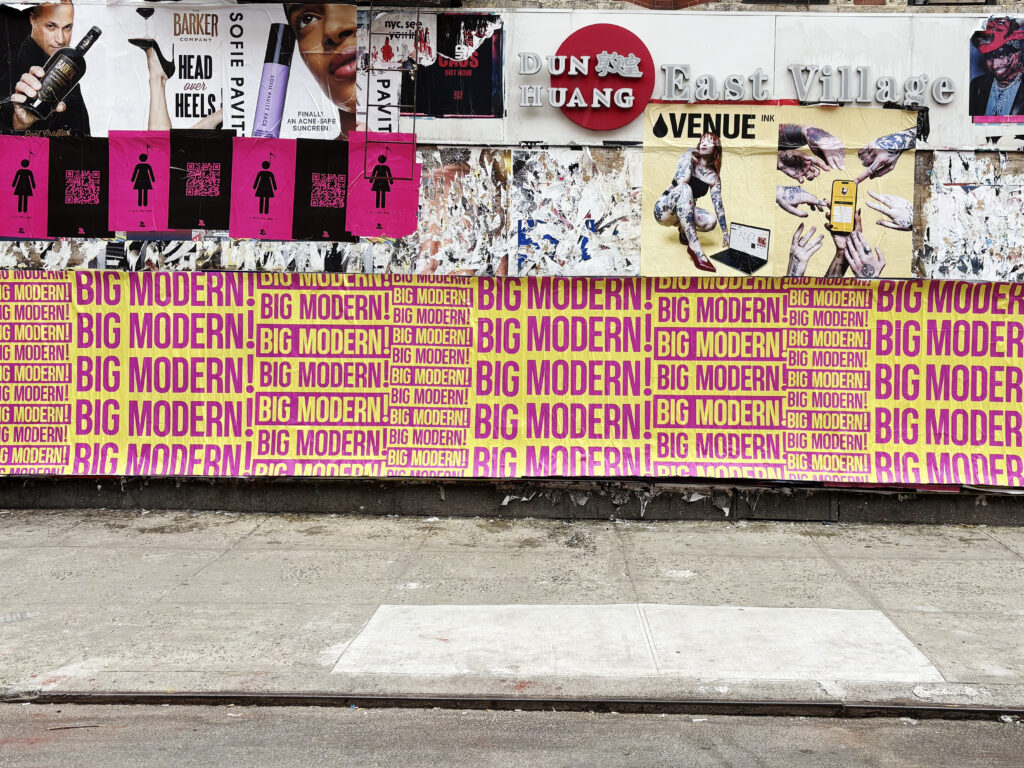
Wheatpasted poster campaigns in the Carytown and Scott’s Addition neighborhoods in Richmond, the Old Town Alexandria arts district, and the areas adjacent to the Virginia Tech and UVA campuses in Blacksburg and Charlottesville create large-format street impressions for the walking and transit audience in the pedestrian-dense areas where Virginia’s transit networks are embedded in the urban fabric.
Virginia’s multi-system transit advertising environment requires more detailed planning coordination than a single-city transit buy. AGM’s Virginia campaign process begins with a market selection conversation that determines which of the nine Virginia transit systems align with the client’s geographic and demographic targets. Not every Virginia brand needs all nine systems. A Richmond-focused campaign needs GRTC and perhaps the Amtrak-connected intercity services. A Northern Virginia federal contractor campaign needs Fairfax Connector and ART, with WMATA bus routes as an additional coverage layer. A statewide brand awareness campaign may prioritize the three highest-ridership systems — Fairfax Connector, GRTC, and HRT — as the anchor markets with university and smaller city systems as supplementary placements.
Once the system selection is finalized, AGM manages all media buying negotiations, production vendor coordination, installation scheduling, and post-installation documentation for each Virginia system included in the campaign. Virginia’s transit authorities range from large regional agencies like WMATA and GRTC to smaller city systems like CAT and Lynchburg Transit, each with its own contracting process and scheduling requirements. AGM’s experience coordinating across all of these systems means that the client does not need to manage nine separate transit authority relationships to run a statewide Virginia campaign — AGM handles the system-by-system coordination as a single point of contact.
Yes. AGM manages multi-market Virginia campaigns across all systems through a single client engagement. A comprehensive Virginia statewide transit buy covering WMATA NoVA routes, Fairfax Connector, ART, DASH, GRTC Richmond, HRT Hampton Roads, Blacksburg Transit, CAT Charlottesville, and Lynchburg Transit can be coordinated through one AGM point of contact with unified creative management, production, and reporting. Virginia’s geographic and demographic diversity across nine transit systems requires more planning coordination than a single-city buy, but the resulting statewide presence across the full range of Virginia’s distinct consumer markets delivers a combined reach that no single-system Virginia buy can match.
Fairfax Connector is the Virginia transit system with the highest average household income in its ridership base. Fairfax County has one of the highest median household incomes of any county in the United States, and the Connector routes serving the McLean, Great Falls, Reston, and Vienna communities carry ridership from one of the wealthiest suburban markets in the country. ART Arlington’s Pentagon City and Rosslyn routes are a close second for high-income professional ridership, given Arlington County’s dense mix of federal employees, defense contractors, and the growing Amazon HQ2 technology workforce. For brands targeting high-income professional commuters in the mid-Atlantic region, Northern Virginia transit routes on Fairfax Connector and ART are among the highest-quality demographic placements available through transit advertising anywhere in the country.
GRTC’s free-fare adoption has a direct positive effect on transit advertising value for several reasons. First, eliminating the fare barrier increases total ridership by attracting choice riders who previously drove but now find transit convenient and cost-free, which increases the gross audience size delivered by in-vehicle placements. Second, free fares tend to diversify the ridership demographic by adding middle-income and higher-income choice riders to a system that previously skewed more toward transit-dependent lower-income ridership, which expands the consumer demographic range that advertising placements can reach. Third, the political and media attention that Richmond’s free-fare transition has generated increases brand awareness value for advertisers associated with the GRTC system during the period when the system is receiving significant local and national coverage. AGM advises that GRTC is currently in a period of ridership growth that makes transit advertising placements now more valuable than they were before the free-fare transition took effect.
Hampton Roads Transit is the only Virginia transit system that concentrates active-duty military ridership at a scale relevant to military-market advertising. The HRT routes serving Naval Station Norfolk, Naval Air Station Oceana, Joint Base Langley-Eustis, Naval Station Little Creek, and the military housing areas adjacent to these installations carry active-duty personnel who use transit for daily commutes, shopping trips to Navy Exchange, and transportation to off-base entertainment areas. For brands targeting active-duty military in Virginia, HRT interior advertising on the Norfolk and Hampton-area routes is the direct placement. No other Virginia transit system delivers this demographic at comparable concentration. DASH Alexandria’s routes near the Pentagon carry some defense contractor and military professional ridership, but the active-duty enlisted and officer ridership is concentrated in Hampton Roads at a level that makes HRT the primary military-market transit advertising system in Virginia.
Blacksburg Transit delivers the highest pure student ridership volume of any Virginia university transit system, driven by Virginia Tech’s 36,000-plus enrollment and the system’s free-for-students fare structure that incentivizes transit use across the full student population. The system’s ridership is highly concentrated in the 18-to-24 undergraduate demographic, with graduate student and faculty ridership on specific routes serving the graduate student residential areas and the research facilities north of the main campus. For brands targeting the college student demographic at maximum Virginia scale, Blacksburg Transit offers the highest student ridership concentration in the state. CAT Charlottesville’s UVA ridership is somewhat smaller in absolute numbers but skews older and more graduate-student-oriented, making it the better option for brands targeting the 22-to-30 graduate student and young professional demographic rather than the traditional undergraduate consumer. Lynchburg Transit’s Liberty University connection is distinctive for brands targeting the Christian university market specifically.
Virginia transit systems follow standard transit advertising content guidelines that generally align with national transit industry standards. University-operated systems including Blacksburg Transit and CAT Charlottesville may have additional content standards reflecting their campus community policies. Alcohol advertising permissions vary by system: some Virginia transit authorities permit beer and wine advertising while restricting spirits, while others permit spirits advertising with appropriate age restriction language. Political advertising is governed by the specific policies of each Virginia transit authority and may be restricted during election periods on some systems. AGM reviews applicable content guidelines for each Virginia system during campaign planning and advises clients on any category-specific restrictions before production begins, so that creative development proceeds against confirmed content parameters rather than requiring revision after materials are produced.
Yes. AGM has experience coordinating Northern Virginia transit campaigns to align with federal government procurement calendars, including the Q4 federal fiscal year end in September when government contractors are managing budget expenditures and procurement decisions, and the Q1 federal fiscal year start in October when new program budgets become available and contracting activity increases. For professional services, technology, and consulting brands that sell to the federal government and want to reach the government contractor workforce on Fairfax Connector and ART during peak procurement periods, AGM can plan campaign timing around the federal fiscal calendar. Contact AGM with your specific federal market campaign objectives and we will advise on timing, format, and route selection that aligns with the procurement audience peak periods in the Northern Virginia transit market.
Standard production and installation lead time for Virginia transit interior advertising is two to four weeks from final artwork approval on most systems. WMATA-operated Northern Virginia routes may require four to six weeks for premium shelter positions given the higher competition for WMATA inventory. Fairfax Connector full bus wraps require five to six weeks minimum for production and installation scheduling. For multi-system Virginia campaigns covering four or more transit operators, AGM recommends beginning campaign planning eight to ten weeks before the intended launch date to allow for simultaneous availability confirmation across all systems, coordinated production scheduling, and synchronized installation timing that brings all campaign elements live on the same date. Contact AGM to begin planning your Virginia campaign well ahead of your target launch to ensure the best position availability across the systems you want to include.