American Guerrilla Marketing
Nationwide serivce
Media planning, media buying, billboard advertising, & guerrilla marketing

American Guerrilla Marketing places interior bus and transit advertising across West Virginia’s transit network. KVRTA in Charleston, HARTA in Huntington, the WVU Personal Rapid Transit system in Morgantown, OVRTA in Wheeling, MARTA WV in Parkersburg, and Greenbrier Valley Transportation in Lewisburg. Direct execution. 500+ campaigns nationwide.
West Virginia’s transit advertising market is compact, underserved by national advertisers, and characterized by a collection of systems that each serve a distinct geographic and demographic segment of the state. Charleston is the dominant market, where the Kanawha Valley Regional Transportation Authority serves the state capital and its surrounding communities with the state’s largest transit network. Morgantown’s WVU PRT is unique in the United States — a fully automated rubber-tire personal rapid transit system serving West Virginia University’s 30,000-plus student campus that operates unlike any other transit format in the country. Huntington’s HARTA serves Marshall University and the western West Virginia industrial and service economy. Wheeling’s OVRTA connects the Northern Panhandle to the Pittsburgh metro market. Parkersburg’s MARTA WV serves the Mid-Ohio Valley along the Ohio River. Greenbrier Valley Transportation covers the Lewisburg area in southern West Virginia.
The defining characteristic of West Virginia’s transit advertising landscape is the near-total absence of competing advertisers at the premium position level. West Virginia is a state that national brands systematically skip in their media plans, either because of its population size or because of assumptions about its consumer demographic that do not hold up to examination of the specific ridership profiles of the individual transit systems. The WVU PRT carries 30,000-plus students on a campus that is isolated from affordable off-campus transit alternatives, creating a captive student transit audience with a 100 percent boarding rate for in-person student activities. KVRTA’s Charleston routes carry state government employees who are among the state’s most educated and highest-income transit riders. HARTA’s Huntington routes carry Marshall University students and the Cabell Huntington Hospital workforce. Each of these audiences is reachable through transit advertising at a cost that is a fraction of what comparable-scale university and state capital markets command in larger states.
The WVU PRT deserves specific attention because it is genuinely one of a kind. The Morgantown Personal Rapid Transit system has been in operation since 1975 and is one of the only fully automated people mover systems at a US university. It runs on an elevated guideway connecting the WVU downtown campus on High Street to the Evansdale campus on University Avenue and the Beechurst campus on Patterson Drive, serving the university’s 30,000-plus students as the primary transportation link between WVU’s geographically divided campuses. Advertising on or adjacent to the PRT system reaches a captive WVU student audience in a transit environment that exists nowhere else in American university transit and that creates advertising conditions with no national precedent or competitor framework.
AGM covers every West Virginia transit system from KVRTA in Charleston to the WVU PRT in Morgantown, HARTA in Huntington, and the Ohio River communities in Wheeling and Parkersburg. Tell us your target demographic and we will build the West Virginia media plan that reaches them directly.
Charleston’s transit system and West Virginia’s largest. Fixed routes serving Charleston, South Charleston, Dunbar, St. Albans, and the Kanawha Valley corridor. Serves the state capital’s government workforce, the Thomas Memorial and Charleston Area Medical Center health systems, and the Kanawha Valley’s residential communities.
Huntington’s transit system serving western West Virginia’s largest metro. Routes covering Marshall University, the Cabell Huntington Hospital complex, downtown Huntington, and the Tri-State area border communities with Kentucky and Ohio. Reaches Marshall University’s 12,000-plus students and the Huntington healthcare workforce.
West Virginia University’s automated people mover system. The only university PRT system of its type in the United States. Elevated guideway connecting WVU’s downtown, Evansdale, and Beechurst campuses. Serves 30,000-plus WVU students as the primary inter-campus transportation link with no comparable system anywhere else in American higher education transit.
Wheeling’s transit system serving the Northern Panhandle. Routes connecting Wheeling, Weirton, and the Ohio border communities to Wheeling Island and the commercial districts of West Virginia’s northernmost urban area. Reaches the Ohio Valley industrial and service workforce in West Virginia’s geographic connection to the Pittsburgh metro economy.
Parkersburg’s transit system serving the Mid-Ohio Valley. Routes covering Parkersburg, Vienna, and the Wood County communities along the Ohio River. Serves the industrial and service economy of West Virginia’s mid-western Ohio River communities with connections to the Marietta, Ohio border market.
Southern West Virginia’s transit option serving the Lewisburg area, the Greenbrier Valley, and the surrounding Greenbrier County communities. Connects the Greenbrier Valley’s healthcare, service, and resort industry workforce in one of West Virginia’s most distinct geographic and cultural regions.
Charleston’s position as West Virginia’s state capital defines the character of KVRTA’s transit advertising value. The Kanawha Valley Regional Transportation Authority serves a ridership base that includes state government employees at the State Capitol Complex on Kanawha Boulevard, the workers of Charleston Area Medical Center and Thomas Memorial Hospital, and the residential communities of the Kanawha Valley corridor from Dunbar and South Charleston in the west to St. Albans in the east. The state government professional on the Capitol Complex routes is KVRTA’s most educationally attained and highest-income consistent ridership segment, making the routes serving the Capitol district the first priority for professional services, financial, and healthcare brands targeting the West Virginia state professional market.
The WVU Personal Rapid Transit system in Morgantown is unlike any other university transit environment in the United States, and the advertising conditions it creates are correspondingly unique. The PRT is an automated, computer-controlled people mover that runs on an elevated concrete guideway connecting WVU’s three main campus areas: the downtown campus on High Street and Spruce Street, the Evansdale campus on University Avenue where the engineering and agriculture colleges are located, and the Beechurst campus on Patterson Drive. The system operates with small automated vehicles that carry four to eight passengers per car, running on-demand between stations with no driver and no fare for WVU students. The result is a transit system that functions as the primary transportation link between WVU’s geographically separated campuses and that essentially all 30,000-plus WVU students use regularly.
HARTA serves Huntington’s position as the largest city in western West Virginia and the hub of the Tri-State area that extends into Boyd County, Kentucky and Lawrence County, Ohio. Marshall University’s 12,000-plus students are the most concentrated single demographic on the HARTA system, with the routes serving the MU campus on 3rd Avenue and 5th Avenue carrying student ridership at the highest daily volumes in the system. For brands targeting college students in western West Virginia, HARTA’s Marshall University routes are the primary transit advertising channel in the market.
OVRTA in Wheeling and MARTA WV in Parkersburg serve the Ohio River corridor communities of northern and mid-western West Virginia. These markets are smaller than Charleston and Huntington in absolute ridership terms, but they represent advertising access to communities that are genuinely underserved by every national and regional media channel. Wheeling’s Northern Panhandle position within the Pittsburgh media market means that local West Virginia advertising in Wheeling is often absorbed into the Pittsburgh DMA budget rather than planned as a West Virginia-specific placement. OVRTA transit advertising is one of the few formats that targets the Wheeling West Virginia consumer specifically, without the geographic spillover that makes Pittsburgh-market advertising purchases inefficient for Wheeling-specific campaigns.
King and queen posters, interior cards, headliners, seat-back displays, and overhead cards are available across West Virginia’s transit fleet. Interior formats reach every rider on the bus for the full duration of their trip in a low-distraction reading environment. Format availability varies by system and fleet type. AGM advises on which interior formats are available on each West Virginia system and recommends the format mix that best matches the campaign’s creative approach and budget.
Full bus wraps, tail displays, and window vinyls are available on most West Virginia transit systems. Exterior formats reach vehicle traffic, pedestrians, and the communities along each route as the bus moves through the service area. Full wraps transform a bus into a moving billboard across the system’s entire route network. AGM coordinates exterior format availability and installation across all West Virginia transit systems.
Covered shelter advertising is available at primary stop locations on the larger West Virginia city transit systems. Shelter panels reach waiting riders during their stop dwell time and vehicle traffic passing the stop location. Shelter advertising combined with interior bus placements creates a two-touchpoint campaign that reaches riders both at the stop and on the vehicle. AGM advises on shelter inventory availability by system and recommends shelter positions that match the advertiser’s geographic and demographic targets.
Bus shelter advertising in West Virginia places your brand at the exact locations where riders wait for transit service. The dwell time at a shelter, typically five to fifteen minutes per stop visit, creates an uninterrupted, low-distraction exposure window that in-vehicle advertising alone cannot deliver at equivalent duration.
West Virginia’s shelter advertising inventory is concentrated at the primary boarding and alighting points on the state’s larger transit systems, where ridership volumes and wait times are highest. AGM identifies the shelter positions that deliver the most rider exposure for each campaign’s geographic and demographic targets, and structures shelter buys around the stop locations that create maximum frequency among the target audience.
AGM manages all aspects of shelter advertising placement in West Virginia, from inventory identification and booking through creative production, installation, and monitoring for the full campaign posting period.
West Virginia’s transit advertising market is less competitive than comparable markets in states with higher national advertiser awareness. Brands that target the digital advertising ecosystem for the same audiences often pay a premium for fragmented, avoidance-prone digital impressions when West Virginia’s transit systems deliver the same demographics with sustained, physical exposure during their daily transit routine.
The working adult, student, and community transit rider in West Virginia is reachable through transit advertising at a cost-per-impression that digital advertising in the same markets consistently fails to match. AGM has executed transit campaigns across more than 500 national engagements and understands exactly which West Virginia systems and routes deliver the audience volume and demographic profile that each advertiser needs.
Brands that enter the West Virginia transit advertising market now are securing placements at pre-competitive pricing on systems that will attract more national advertiser attention as the market matures.
AGM’s full range of guerrilla marketing formats is available alongside transit advertising campaigns in West Virginia’s transit markets. The combination of transit advertising with street-level guerrilla formats creates the frequency and neighborhood-level presence that single-format campaigns cannot achieve in Charleston’s downtown core, Huntington’s commercial corridors, or Morgantown’s university neighborhood fabric.
Snipe advertising along the KVRTA route corridors on Capitol Street and Quarrier Street in Charleston, the HARTA routes through downtown Huntington and the Marshall campus area on 4th Avenue, and along the primary Morgantown student corridors on Beechurst Avenue and University Avenue creates street-level impressions that reinforce bus interior campaigns at the neighborhood level where riders walk after exiting the bus.
Sidewalk stencils at the primary West Virginia transit hubs, including the Charleston transit center on Capitol Street, the Huntington downtown transit hub on 4th Avenue and 10th Street, and the Morgantown WVU PRT Walnut Street station entrance on High Street, create ground-level brand presence at the maximum foot-traffic concentration points in each West Virginia transit system.
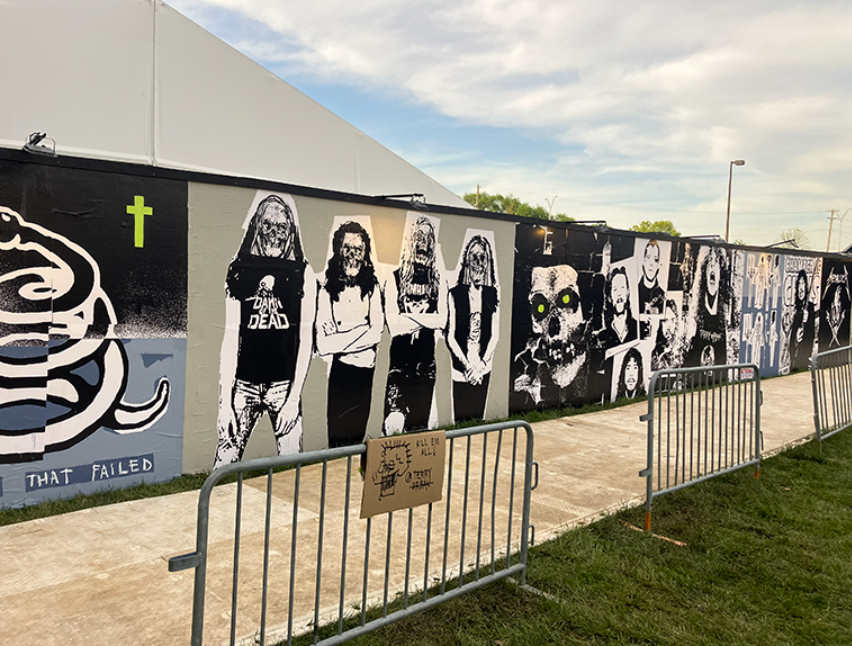
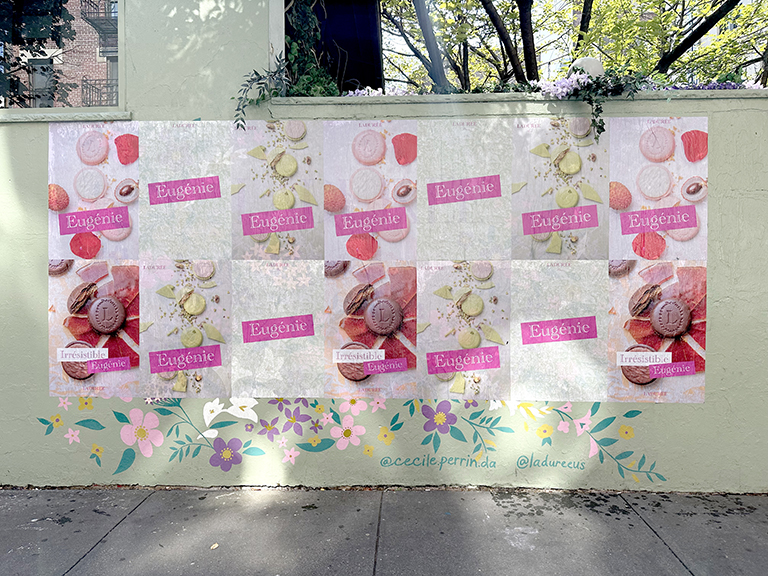
Wheatpasted poster campaigns in Morgantown’s Sunnyside student neighborhood adjacent to WVU, the downtown Morgantown entertainment district on High Street, and the Charleston East End arts and restaurant district create large-format impressions in the pedestrian-dense areas that the university student and young professional demographics occupy in West Virginia’s primary transit markets.
AGM’s West Virginia transit campaign process begins with a clear mapping of the client’s target demographic to the specific West Virginia transit systems and routes that serve that demographic most directly. West Virginia’s transit landscape is compact enough that a statewide campaign covering all six systems can be coordinated within a standard planning timeline, but the market-by-market differences between Charleston’s government professional demographic, Morgantown’s university demographic, Huntington’s healthcare and university demographic, and the Ohio River community demographics in Wheeling and Parkersburg require deliberate planning to allocate budget effectively across the state’s transit markets.
Once the system and market selection is confirmed, AGM manages all media buying, production, and installation coordination with each West Virginia transit operator. West Virginia’s transit agencies are smaller and less formally structured than major metro transit authorities, which means the contracting and installation process is more direct and flexible than in larger markets — but it also means that each system has its own specific scheduling requirements and installation processes that must be understood before campaign planning can be finalized. AGM’s experience working with small transit systems in less competitive markets means that the specific operational characteristics of each West Virginia transit operator are not an obstacle but a standard part of the campaign execution process.
Yes. AGM manages multi-market West Virginia campaigns through a single engagement. A statewide West Virginia transit buy covering KVRTA in Charleston, HARTA in Huntington, WVU PRT in Morgantown, OVRTA in Wheeling, and MARTA WV in Parkersburg can be coordinated through one AGM point of contact. West Virginia’s transit systems are smaller and less formally structured than the major metro transit agencies in larger states, which means coordination across all five systems is manageable within a standard campaign planning timeline. AGM advises on the relative budget allocation across the five markets based on each client’s specific demographic and geographic priorities within the state.
The WVU PRT is an automated people mover system, not a conventional bus or rail system. The vehicles are small, computer-controlled cars that carry four to eight passengers and run on a dedicated elevated guideway with no driver. The station environments at the five PRT stops — Walnut Street, Beechurst, Engineering, Medical Center, and Evansdale — are the primary advertising context within the WVU transit system, as passengers wait at the stations for vehicles rather than at open-air street stops. This creates an enclosed waiting environment with higher dwell times and more sustained visual engagement than outdoor bus stop advertising provides. The audience in a WVU PRT station is almost entirely WVU students, faculty, or staff, which means the demographic concentration is higher and more specific than at a typical urban bus stop that serves a mix of transit users. The PRT’s unique format and the exclusivity of its WVU campus audience create an advertising context that has no close equivalent anywhere else in US university transit.
Yes, for several specific campaign objectives. First, WVU’s student population includes significant numbers of out-of-state students from the mid-Atlantic and Southeastern states who are brand-forming consumers during their college years. A brand that advertises on the WVU PRT in Morgantown reaches not only West Virginia consumers but a broader regional audience of college-age consumers who will take their brand relationships with them when they graduate and return to their home states. Second, the West Virginia state government workforce in Charleston makes purchasing and contracting decisions that affect brands doing business with West Virginia state agencies regardless of where those brands are headquartered. Third, for brands testing a new campaign message or creative approach in a low-competition market before rolling it out in larger markets, West Virginia’s transit systems offer the opportunity to run live campaigns with real-audience feedback at costs that allow for iteration and adjustment without the financial exposure of a major market launch.
West Virginia has among the highest per-capita healthcare utilization rates in the United States, driven by the state’s documented health challenges including high rates of chronic disease, the opioid recovery patient population, and a rural geography that makes healthcare access a consistent concern for West Virginians across every income level. KVRTA’s routes serving Charleston Area Medical Center and Thomas Memorial Hospital in Charleston carry healthcare workers and patients at high daily volumes. HARTA’s routes serving Cabell Huntington Hospital and the Marshall University School of Medicine carry the Huntington healthcare professional and patient demographic. The WVU PRT’s Medical Center station serves the WVU Health Sciences campus, the WVU School of Medicine, and the Ruby Memorial Hospital complex. For healthcare systems, pharmaceutical companies, insurance providers, and recovery and wellness services, West Virginia’s transit advertising audience includes a higher-than-average concentration of healthcare-engaged consumers and healthcare professionals relative to the state’s total population.
Greenbrier Valley Transportation serves the Lewisburg area and surrounding Greenbrier County communities in southern West Virginia. Lewisburg is known for its historic downtown, its arts community, and its proximity to The Greenbrier resort — one of the most recognized resort properties in the mid-Atlantic region. The Greenbrier Valley transit ridership reflects the area’s mix of resort and hospitality workers, healthcare employees at the Greenbrier Valley Medical Center, and the permanent resident population of one of West Virginia’s most historically and culturally distinctive regions. For brands in hospitality, outdoor recreation, and the premium lifestyle categories associated with the Greenbrier resort market, Greenbrier Valley Transportation advertising provides a transit presence in the specific southern West Virginia market that no other transit system in the state covers.
West Virginia transit advertising faces essentially no national brand competition at the premium position level. The contrast with neighboring Virginia, Ohio, and Pennsylvania is significant: all three neighboring states have major metro transit systems — WMATA and GRTC in Virginia, GCRTA in Cleveland and COTA in Columbus in Ohio, SEPTA in Philadelphia and Port Authority in Pittsburgh in Pennsylvania — that attract consistent national brand competition for premium inventory. West Virginia’s transit systems are smaller, serve smaller consumer markets, and have historically been overlooked by national media planning. The result is that premium positions on KVRTA Charleston, WVU PRT in Morgantown, and HARTA Huntington are available without the waitlist pressure and competitive pricing that equivalent-value positions in neighboring state transit systems require. A brand that enters the West Virginia transit market now is getting market-dominant positioning at pre-competition rates in every transit system in the state.
Standard production and installation lead time for West Virginia transit interior advertising is two to four weeks from final artwork approval across KVRTA, HARTA, OVRTA, and MARTA WV. Shelter advertising at primary KVRTA Charleston stop locations requires four to six weeks. WVU PRT station advertising has its own installation requirements given the PRT’s unique physical infrastructure, and AGM coordinates with WVU’s PRT operations team on the specific installation process for each PRT station advertising placement. For a statewide West Virginia campaign covering five transit systems, AGM recommends beginning planning six to eight weeks before the intended launch date to ensure all systems can be confirmed, produced, and installed simultaneously for a coordinated statewide campaign launch.
Yes. WVU home football games at Mountaineer Field at Milan Puskar Stadium create significant ridership increases on Mountain Line transit and PRT-adjacent routes during the fall semester. The Morgantown transit advertising market during WVU football home game weekends reaches not only the regular student ridership but the significantly expanded game-day audience of alumni, fans, and visitors from across the state and the region who attend home games. For brands that want to align West Virginia transit advertising with the peak visibility window of WVU’s football season, campaign timing from late August through mid-December captures the full fall semester and football season ridership peak. AGM can advise on Morgantown transit advertising strategies specifically designed to align with the WVU football game-day audience in addition to the standard academic-year student ridership.