American Guerrilla Marketing
Nationwide serivce
Media planning, media buying, billboard advertising, & guerrilla marketing

American Guerrilla Marketing places interior bus and shelter advertising across all Tennessee transit systems. Nashville, Memphis, Chattanooga, Knoxville, Franklin, Clarksville, Jackson, and Cleveland. Eight systems, eight distinct markets. Direct execution. 500+ campaigns nationwide.
Tennessee stretches across three distinct geographic and cultural regions — East Tennessee, Middle Tennessee, and West Tennessee — and the transit systems serving those regions reflect the economic and demographic character of each. Nashville and WeGo sit at the center of the most rapidly growing transit market in the American South, a city that has absorbed waves of migration from coastal metros, built a healthcare industry anchored by HCA Healthcare’s global headquarters, and maintained the country music economy that makes it the most recognizable music city in the world. Memphis and MATA serve the second major Tennessee market, a city defined by FedEx’s global logistics headquarters, a majority Black metropolitan population, and an economy that bridges the agricultural South and the modern logistics and distribution industry. Chattanooga and CARTA anchor East Tennessee’s gateway city, a former industrial center that has reinvented itself as a technology hub and outdoor recreation destination, earning national recognition for its fiber-optic municipal internet infrastructure. Knoxville and KAT serve the University of Tennessee’s home city, with 28,000-plus enrolled students creating a year-round young adult market alongside the professional and medical workforce of a regional healthcare and government center.
Beyond the four major markets, Tennessee’s transit landscape includes systems in Franklin, Clarksville, Jackson, and Cleveland that serve secondary markets with their own distinct economic and demographic characters. Franklin’s transit connects Nashville’s most prosperous suburb to the broader Middle Tennessee commuter network. Clarksville’s transit serves a city shaped by Fort Campbell, one of the largest US Army installations in the world and home to the 101st Airborne Division. Jackson serves West Tennessee’s largest inland city outside Memphis, a regional hub for healthcare and retail. Cleveland serves the Chattanooga metro’s eastern corridor, including Cleveland State Community College and the Bradley County manufacturing economy.
AGM manages Tennessee transit advertising across all eight systems, treating each market as its own audience environment rather than as a single statewide buy. The strategy that works for a music industry brand in Nashville’s WeGo network is fundamentally different from the strategy that works for a logistics brand on Memphis MATA routes or a brand targeting military families in Clarksville. Tennessee’s transit network is a map of the state’s economic diversity, and effective advertising on that network requires understanding each market on its own terms.
AGM covers all eight Tennessee transit systems from Nashville to Knoxville, Memphis to Clarksville. Tell us your target market and we will build the media plan that reaches them directly.
Tennessee’s largest transit system serving Nashville and Davidson County. Fixed-route bus service across the full Nashville metro, connecting the downtown core, the Music Row entertainment district, Vanderbilt and Belmont campuses, and the residential corridors of one of America’s fastest-growing cities.
Fixed-route bus and trolley service covering Memphis and Shelby County. Tennessee’s second-largest transit system. Serves the FedEx logistics workforce, Memphis Medical Center, the Beale Street entertainment district, and the residential communities of a majority-Black metro.
Chattanooga Area Regional Transportation Authority serving the Chattanooga metro including the downtown Tennessee Aquarium district, Volkswagen manufacturing, the Erlanger hospital complex, and the surrounding Hamilton County communities.
Bus service across the Knoxville metro serving the University of Tennessee campus, the downtown Market Square area, Oak Ridge National Laboratory employment corridors, and the medical district around UT Medical Center.
Transit service in Franklin and Williamson County, Nashville’s fastest-growing and highest-income suburb. Connects Franklin’s professional residential community to the broader Nashville metro transit network.
Municipal transit serving Clarksville and Montgomery County, home of Fort Campbell and the 101st Airborne Division. Military families, veterans, civilian employees, and the retail and service workforce of the Fort Campbell economic zone.
Transit serving Jackson and Madison County in West Tennessee. Regional hub serving healthcare workers at Jackson-Madison County General Hospital, retail employment, and the working adult population of the state’s largest inland city west of Nashville.
Transit service in Cleveland and Bradley County in the Chattanooga metro area. Serves Cleveland State Community College, the Bradley County manufacturing corridor, and the East Tennessee communities connecting to the Chattanooga regional economy.
WeGo Public Transit in Nashville is the fastest-growing transit market in the American South, and the city’s extraordinary growth over the past decade is the primary reason. Nashville has absorbed migration from New York, Los Angeles, Chicago, and the Bay Area at a pace that has transformed it from a regional music and government center into a nationally significant economic hub with a diverse professional workforce, a mature healthcare industry, and an entertainment economy that operates at a national and international scale. The WeGo network serves this full spectrum: routes connecting the downtown employment core and the Music Row entertainment district to the residential neighborhoods of East Nashville, Germantown, the Gulch, and the outer suburbs, carrying a ridership that ranges from music industry professionals to healthcare administrators to service workers in the tourism and hospitality economy.
MATA serves Memphis and Shelby County with a fixed-route bus network and the historic Main Street Trolley that runs through downtown Memphis from the Pinch District through the Central Station to the South Main arts district. Memphis is defined economically by FedEx’s global headquarters, the largest single employer in the metro and the company that effectively created the modern air cargo and overnight delivery industry from its Memphis SuperHub. The logistics and distribution workforce that FedEx anchors — including the package handling, operations, technology, and corporate employees at the FedEx campus — represents a specific and highly employable demographic on the MATA routes serving the airport corridor and the eastern Memphis employment zones.
Chattanooga’s reinvention from a struggling post-industrial city into a nationally recognized technology and outdoor recreation hub is one of the more remarkable urban turnarounds in the contemporary South, and the CARTA transit network serves a city that bears little resemblance to what it was thirty years ago. The Electric Power Board’s fiber optic network — widely credited as one of the first municipal gigabit internet systems in the United States — helped attract technology companies and remote workers to Chattanooga in substantial numbers, and the resulting professional and creative class workforce has diversified the CARTA ridership beyond the manufacturing and service-worker demographics that dominated a generation ago.
Knoxville Area Transit serves a city with two dominant employment anchors that give the transit system its distinctive ridership character. The University of Tennessee main campus in Knoxville enrolls 28,000-plus students and employs thousands of faculty and staff, making the UT campus routes among the most consistently ridden in the KAT network. The Oak Ridge National Laboratory to the west of Knoxville is one of the country’s premier Department of Energy research facilities, employing thousands of scientists, engineers, and support staff who commute through the Knoxville transit network to the Oak Ridge facility. These two employers — a major public research university and a federal research laboratory — create an unusually educated and professionally credentialed ridership for a mid-size Southern transit system.
Clarksville Transit System serves a city whose economic identity is fundamentally shaped by the presence of Fort Campbell on the Tennessee-Kentucky border, home of the 101st Airborne Division (Air Assault). Fort Campbell is consistently among the largest US Army installations in the world by population, housing tens of thousands of active duty soldiers, family members, and civilian employees. The Clarksville consumer market that the transit system serves is heavily influenced by the military demographic: younger working adults, families with dual incomes on military and civilian pay, frequent household transitions as soldiers rotate through assignments, and the specific consumer behavior patterns of a population that is younger, more mobile, and more brand-loyal in certain categories (financial services, automotive, consumer goods) than the general civilian population.
King and queen posters, interior cards, headliners, seat-back displays, and overhead cards are available across Tennessee’s transit fleet. Interior formats reach every rider on the bus for the full duration of their trip in a low-distraction reading environment. Format availability varies by system and fleet type. AGM advises on which interior formats are available on each Tennessee system and recommends the format mix that best matches the campaign’s creative approach and budget.
Full bus wraps, tail displays, and window vinyls are available on most Tennessee transit systems. Exterior formats reach vehicle traffic, pedestrians, and the communities along each route as the bus moves through the service area. Full wraps transform a bus into a moving billboard across the system’s entire route network. AGM coordinates exterior format availability and installation across all Tennessee transit systems.
Covered shelter advertising is available at primary stop locations on the larger Tennessee city transit systems. Shelter panels reach waiting riders during their stop dwell time and vehicle traffic passing the stop location. Shelter advertising combined with interior bus placements creates a two-touchpoint campaign that reaches riders both at the stop and on the vehicle. AGM advises on shelter inventory availability by system and recommends shelter positions that match the advertiser’s geographic and demographic targets.
Bus shelter advertising in Tennessee places your brand at the exact locations where riders wait for transit service. The dwell time at a shelter, typically five to fifteen minutes per stop visit, creates an uninterrupted, low-distraction exposure window that in-vehicle advertising alone cannot deliver at equivalent duration.
Tennessee’s shelter advertising inventory is concentrated at the primary boarding and alighting points on the state’s larger transit systems, where ridership volumes and wait times are highest. AGM identifies the shelter positions that deliver the most rider exposure for each campaign’s geographic and demographic targets, and structures shelter buys around the stop locations that create maximum frequency among the target audience.
AGM manages all aspects of shelter advertising placement in Tennessee, from inventory identification and booking through creative production, installation, and monitoring for the full campaign posting period.
Tennessee’s transit advertising market is less competitive than comparable markets in states with higher national advertiser awareness. Brands that target the digital advertising ecosystem for the same audiences often pay a premium for fragmented, avoidance-prone digital impressions when Tennessee’s transit systems deliver the same demographics with sustained, physical exposure during their daily transit routine.
The working adult, student, and community transit rider in Tennessee is reachable through transit advertising at a cost-per-impression that digital advertising in the same markets consistently fails to match. AGM has executed transit campaigns across more than 500 national engagements and understands exactly which Tennessee systems and routes deliver the audience volume and demographic profile that each advertiser needs.
Brands that enter the Tennessee transit advertising market now are securing placements at pre-competitive pricing on systems that will attract more national advertiser attention as the market matures.
AGM’s full range of guerrilla marketing formats is available alongside transit advertising in every Tennessee market, creating the multi-touchpoint frequency stack that single-format campaigns cannot generate on their own.
Snipe advertising along the WeGo routes through Nashville’s downtown, the 12 South and East Nashville corridors, MATA routes through Midtown Memphis and the Cooper-Young neighborhood, CARTA routes through Chattanooga’s North Shore, and KAT routes through Knoxville’s Old City and Market Square neighborhoods creates intersection-level touchpoints that reinforce bus interior campaigns at the street segments where transit riders move through the city each day.
Sidewalk stencils at the primary transit transfer hubs in each Tennessee city, including the Nashville downtown transit hub, the Memphis Main Street Trolley stops in the entertainment district, and the Knoxville downtown bus hub near Market Square, create ground-level brand presence at the maximum foot-traffic concentration points in each system.
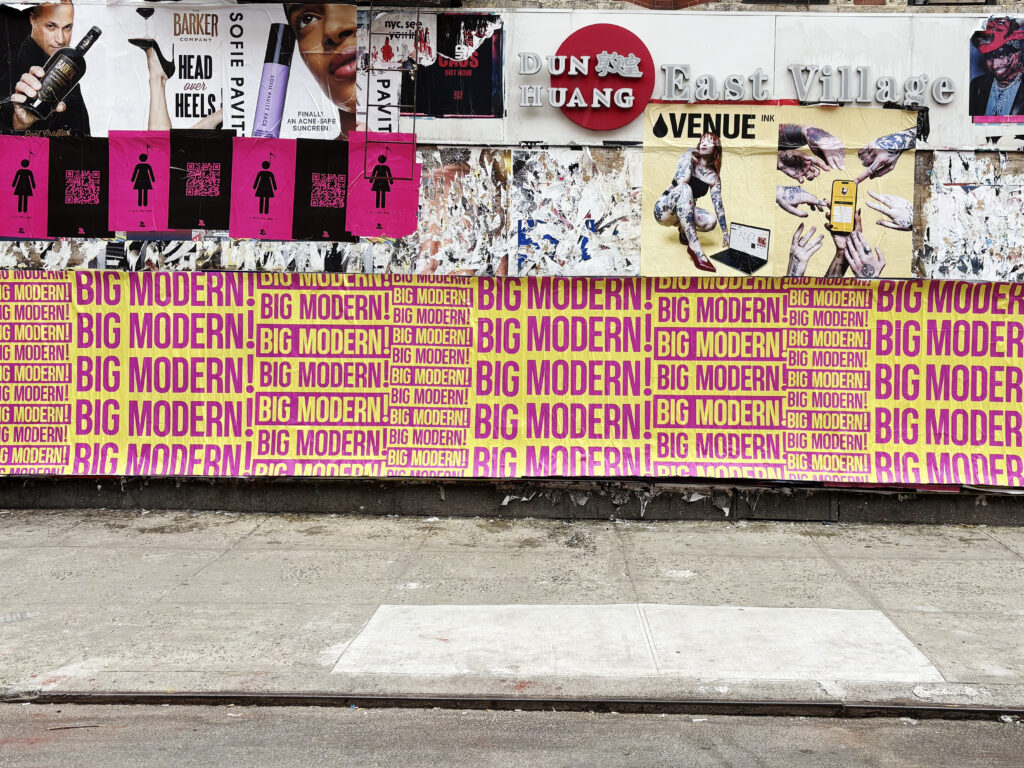
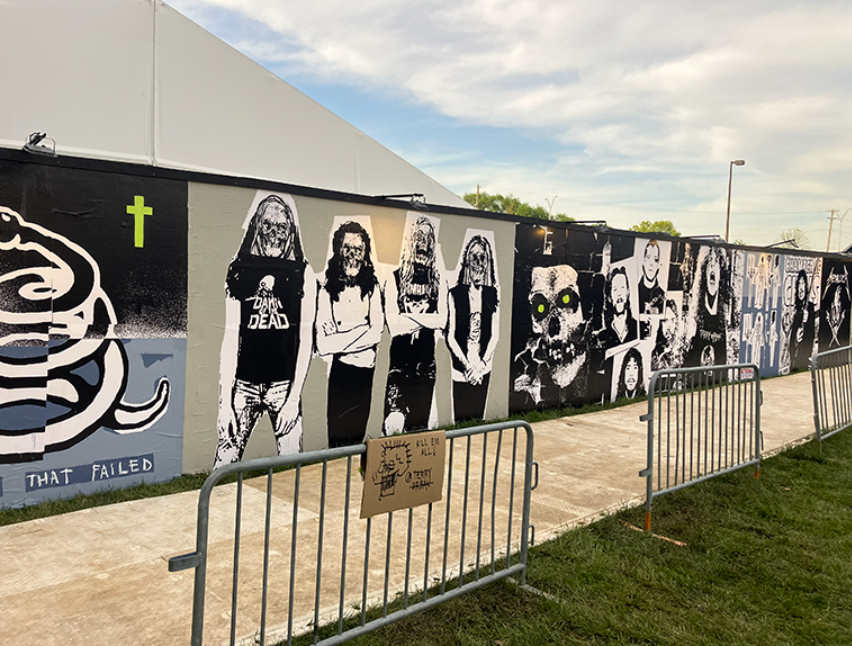
Wheatpasted poster campaigns in Nashville’s Germantown, the Gulch, and East Nashville arts corridor, Memphis’s Cooper-Young and South Main arts district, Chattanooga’s North Shore and Southside neighborhoods, and Knoxville’s Old City and the 4th and Gay neighborhood create large-format street impressions for the pedestrian and transit audience in Tennessee’s densest and most culturally active urban neighborhoods.
Tennessee’s eight-system transit network requires market-by-market planning rather than a one-size-fits-all state approach. AGM begins each Tennessee transit engagement by mapping the advertiser’s target audience to the specific routes and corridors within each relevant Tennessee transit system where that demographic is concentrated. This means identifying whether a Nashville campaign should prioritize the HCA healthcare corridor routes, the downtown entertainment district routes, the Vanderbilt campus routes, or a combination — and doing the same analysis for Memphis, Chattanooga, Knoxville, and any secondary Tennessee markets in scope.
The resulting placement plan specifies routes, formats, and stop priorities for each Tennessee system in the campaign, with a documented rationale connecting each placement to the campaign’s audience and objectives. After plan approval, AGM manages all media buying, production coordination, installation scheduling, and post-installation documentation across every Tennessee system in the campaign. For statewide Tennessee campaigns covering multiple systems simultaneously, AGM ensures synchronized installation so all placements go live on the same target date regardless of the geographic and logistical complexity of coordinating across Nashville, Memphis, Chattanooga, Knoxville, and the secondary markets simultaneously.
Yes. AGM coordinates multi-system Tennessee transit campaigns across all eight transit systems through a single client engagement. A statewide Tennessee campaign covering WeGo Nashville, MATA Memphis, CARTA Chattanooga, KAT Knoxville, Franklin Transit, Clarksville Transit, Jackson Transit, and Cleveland Urban Area Transit is managed through one AGM point of contact with unified creative management, production coordination, and consolidated post-campaign reporting. For campaigns that include both major and secondary Tennessee markets, AGM structures the buy so that creative standards and installation timing are consistent across all eight systems.
WeGo Public Transit in Nashville delivers the highest ridership of any Tennessee transit system by a substantial margin, reflecting Nashville’s population size, the concentration of employment in the downtown and Medical Row corridors, and the continued ridership growth that has accompanied Nashville’s population expansion over the past decade. For statewide Tennessee campaigns prioritized by absolute ridership volume, Nashville WeGo should receive the largest share of the transit budget. For campaigns with specific demographic targets, Memphis MATA’s majority-Black market audience, Knoxville KAT’s university and research laboratory demographic, or Clarksville’s military community audience may justify proportionally larger allocations based on audience quality match regardless of the raw ridership comparison with Nashville.
Nashville’s population growth has increased WeGo ridership and, with it, demand for premium transit advertising inventory. The shelter positions at the highest-ridership stops in the downtown and Medical Row corridors and the bus wrap availability on the highest-ridership routes now require advance planning to secure the best positions. AGM recommends beginning Nashville transit advertising planning at least six to eight weeks before the intended campaign launch, and twelve or more weeks for campaigns that require full bus wraps or premium shelter positions at the most competitive downtown locations. The growth dynamic in Nashville means that transit advertising costs and inventory competition will continue to increase, making earlier entry into the market an advantage.
Memphis MATA serves a majority-Black metropolitan population, which makes it one of the most demographically concentrated transit advertising channels for brands targeting African American consumers in the South. The FedEx logistics employment base gives the system a significant professional logistics and operations workforce demographic that is distinct from the entertainment-and-tourism-skewed ridership of Nashville or the manufacturing-skewed ridership of Chattanooga. Memphis’s cultural identity — Beale Street, Stax Records, its food culture, its distinct Southern character — creates a transit advertising context that local cultural relevance can make exceptionally effective for brands with authentic Memphis market knowledge and creative that speaks to that identity.
The military and military-family demographic is the most distinctive element of Clarksville transit advertising and the primary reason brands with military-targeting objectives consider Clarksville among their placement priorities. However, the Clarksville market also includes a significant civilian workforce in retail, healthcare, and professional services that serves the Fort Campbell population, and that civilian workforce is also represented in the Clarksville Transit ridership. Brands targeting working adults in the Clarksville market generally, including regional employers, healthcare providers, retailers, and financial services firms, will find the Clarksville system useful beyond the specifically military-targeted use case. That said, the military and veteran demographic concentration makes Clarksville Transit uniquely valuable for brands with that specific audience priority.
KAT in Knoxville serves the University of Tennessee’s 28,000-plus enrolled students on the campus routes that connect the Hill campus, the downtown VOL Walk area, and the residential corridors of north and east Knoxville where many students live. For pure college campus transit advertising in Tennessee, KAT’s UT campus routes are the most concentrated student audience in the state’s transit network. WeGo Nashville also serves the Vanderbilt and Belmont campuses and carries a significant student demographic, but Nashville’s transit ridership is more diversified across professional, service, and student segments than Knoxville’s UT-focused routes. For brands specifically targeting the 18-to-24 college student demographic in Tennessee, a combined KAT UT campus-route buy in Knoxville and WeGo campus-adjacent buy in Nashville provides the broadest statewide student transit reach.
CMA Fest in June creates a dramatically different WeGo ridership composition from the year-round commuter base. The festival draws country music fans from across the country, and WeGo routes serving the Nissan Stadium, the downtown Broadway entertainment district, and the Convention Center see ridership spikes from out-of-state visitors who are using transit specifically to navigate the festival footprint. Brands targeting country music fans, tourism and hospitality services, consumer goods with broad adult demographic appeal, and entertainment brands that align with the country music audience can plan Nashville transit campaigns that peak during CMA Fest week by ensuring their placements are live in advance of the festival and that the routes serving the primary festival venues have the highest placement priority. AGM advises on CMA Fest-specific campaign timing and route selection as part of Nashville event-aligned transit planning.
Standard production and installation lead time for Tennessee transit interior advertising is two to four weeks from final artwork approval for the four major systems. Shelter advertising at primary stop locations typically requires four to six weeks. Full bus wraps require five to six weeks minimum. For statewide campaigns covering all eight Tennessee systems, AGM recommends beginning planning eight to ten weeks before the intended launch to allow for multi-system availability confirmation, coordinated production, and synchronized installation timing. Nashville WeGo’s most competitive shelter and bus wrap inventory should be booked at the longer end of that timeline to ensure availability at the highest-priority positions.
Yes. AGM provides full compliance documentation for regulated industry advertisers including healthcare systems, pharmaceutical companies, financial institutions, and insurance companies placing advertising on Tennessee transit systems. All Tennessee transit advertising placements are documented with installation photographs, placement location records by route and stop, campaign period dates, and estimated impression counts. For clients who require formal proof-of-performance records for regulatory compliance or internal marketing documentation requirements, AGM structures campaign reporting to meet those documentation needs across all eight Tennessee transit systems.
Yes. AGM manages Tennessee transit advertising campaigns for businesses ranging from local single-location businesses to national brands with multi-state campaigns. Interior card placements on any Tennessee transit system are accessible at local-market pricing that puts transit advertising within reach of regional businesses and local employers who could not afford exterior wraps or premium shelter positions. For local businesses in Nashville, Memphis, Chattanooga, or Knoxville that want to reach daily transit commuters with frequency-building advertising in their immediate market area, AGM can structure a cost-appropriate placement plan using the format and system combination that matches the business’s budget and audience objectives.