American Guerrilla Marketing
Nationwide serivce
Media planning, media buying, billboard advertising, & guerrilla marketing

American Guerrilla Marketing places interior bus and shelter advertising across every major Arizona transit system. Phoenix metro, Tucson, Flagstaff, Scottsdale, Prescott, Pinal County, and Yuma. Spanish-language available statewide. Direct execution, 500+ campaigns nationwide.
Arizona’s transit advertising landscape spans more demographic and geographic diversity than any other Sun Belt state. The Phoenix metro, the fifth-largest in the nation, operates two distinct transit systems: the City of Phoenix bus routes serving the urban Latino and working-class communities of the city proper, and the Valley Metro RPTA regional network connecting the broader metro’s suburban communities including ASU’s 80,000-student Tempe campus, the Chandler semiconductor technology corridor, and the rapidly growing western Valley suburbs of Buckeye and Goodyear. Tucson’s Sun Tran serves the University of Arizona’s 47,000 students on Speedway Boulevard, the South Tucson Latino community on South 6th Avenue, and the 4th Avenue arts district. Flagstaff’s Mountain Line connects Northern Arizona University’s campus to the Route 66 historic downtown and the outdoor recreation community. Old Town Scottsdale’s luxury trolley moves the state’s wealthiest consumer demographic through the Fashion Square and gallery district. Prescott’s Vista Transit serves the state’s highest-concentration retirement community. Yuma’s YCAT connects the military community near Marine Corps Air Station Yuma to the border region agricultural workforce in Somerton and San Luis. And Central Arizona Regional Transit serves Pinal County’s rural communities from Coolidge to Casa Grande to Maricopa.
Every one of these systems has a distinct audience profile, a distinct geographic focus, and a distinct advertising value proposition. AGM has placed transit campaigns in markets of every scale across the country for 10-plus years. In Arizona, that experience means understanding which Phoenix route carries the highest concentration of the Maryvale Latino community, which Tucson route reaches the UA student demographic on the academic year schedule, and why Scottsdale Trolley campaigns need to book six months in advance for the winter luxury tourist season while CART placements in Casa Grande are available with two weeks notice. These are different markets. We treat them that way.
The one consistent feature of Arizona transit advertising across all these systems is the heat advantage. Arizona’s extreme temperatures drive above-average shelter dwell times from Phoenix and Tucson’s desert heat (over 100 degrees for 100-plus days per year in the low desert) through Yuma’s record-setting summer maximums. Riders wait in Arizona shelters with a physical necessity that temperate market riders do not share, creating advertising engagement environments in Arizona bus shelters that outperform equivalent shelter formats in most other states.
AGM covers every major Arizona transit system from Phoenix and Tucson to Flagstaff, Scottsdale, Prescott, Yuma, and Pinal County. Spanish-language available statewide. Tell us your target and we'll build the campaign.
City bus routes serving Phoenix’s urban communities. Central Ave, Camelback, 35th Ave Maryvale, Buckeye Rd, South Phoenix. Highest ridership in the state. Spanish-language available.
Regional routes connecting the full Phoenix metro. RAPID express on I-10/US-60/I-17, ASU Tempe campus, Chandler tech corridor, Glendale, Mesa, and the West Valley communities.
Tucson’s city bus system. Speedway/UA campus, South 6th Ave South Tucson Latino community, 4th Avenue arts district, Ronstadt Transit Center. Second-largest Arizona market.
Old Town Scottsdale’s free luxury trolley. Fashion Square, galleries, fine dining, resort corridor. Arizona’s highest-income transit audience. Peak season: October through April.
Flagstaff’s city and Northern Arizona University campus transit. Route 66 historic downtown, NAU campus routes, Woodlands Village. Outdoor recreation and university community.
Quad Cities regional transit. Prescott Valley SR-69 corridor, downtown Prescott Courthouse Plaza, Yavapai Regional Medical Center. Arizona’s highest-concentration retirement community.
Yuma metro transit. Military community near MCAS Yuma, border region agricultural workforce in San Luis/Somerton, Arizona Western College, downtown Yuma. Spanish-language available.
Pinal County transit connecting Casa Grande, Coolidge, Florence, Eloy, and Maricopa. Agricultural workers, correctional community, and the fast-growing Maricopa suburban market.
The Phoenix metro area is the most complex Arizona transit advertising market because it is served by two systems with meaningfully different demographics: the City of Phoenix bus routes targeting the urban working-class and Latino ridership within Phoenix city limits, and the Valley Metro RPTA regional network targeting the suburban commuter and ASU student population across the broader metro. A Phoenix metro transit campaign that treats these two systems as interchangeable will reach the wrong audiences on the wrong routes. The Maryvale 35th Avenue campaign needs City of Phoenix city routes; the Chandler technology worker campaign needs RPTA. Combining both systems correctly creates the most comprehensive Valley-wide transit advertising reach of any Arizona campaign.
Phoenix’s extreme heat gives the market a shelter advertising advantage that planners should specifically incorporate: the 100-degree-plus period from June through September creates shelter dwell times that no temperate market matches. A shelter buy in Phoenix in July is a more attentive audience than a shelter buy in New York City in May, because the Phoenix rider has no choice but to use the shelter fully, while the New York rider might lean against a building or browse their phone on the sidewalk. Heat is an Arizona transit advertising asset, and AGM structures Phoenix campaigns around that reality.
Sun Tran’s route structure divides Tucson into three distinct advertising audiences: the UA campus student community on Speedway and the campus approach routes, the South Tucson Latino working-class community on South 6th Avenue, and the 4th Avenue arts and downtown community on the Congress Street and Ronstadt hub routes. A Tucson campaign that understands these distinctions can execute with demographic precision that no other Tucson media format provides at comparable cost. Spanish-language creative on South Tucson routes, student-targeted creative on Speedway, and arts community creative on the 4th Avenue routes create three distinct simultaneous Tucson campaign presences from a single transit advertising engagement.
Mountain Line serves a Flagstaff market unlike any other in Arizona: a mid-sized university city at 7,000 feet elevation with an outdoor recreation economy, a Route 66 tourism corridor, and a campus transit audience that is specifically outdoor-culture-oriented in a way that ASU Tempe campus riders are not. Brands that connect to the outdoor, environmental, and adventure identity of the NAU and Flagstaff community perform above-average in Mountain Line advertising compared to generic student or city bus campaigns. The winter climate creates a different shelter advertising dynamic than the desert markets: cold drives shelter use rather than heat, and the November through March winter period is when Mountain Line’s student ridership is highest and most shelter-dependent during Arizona’s snowiest months.
The Valley Metro Scottsdale Trolley is the only Arizona transit advertising format that specifically targets the luxury tourism and shopping demographic rather than a commuter or transit-dependent community. Old Town Scottsdale’s winter season from October through April, when the snowbird and resort visitor influx reaches its annual peak, creates a three-to-five month window when the Scottsdale Trolley carries the highest-income transit audience in Arizona. For luxury brands, high-end restaurants, resort properties, and premium services targeting the affluent southwestern visitor market, the Scottsdale Trolley winter season is the most targeted single-market advertising buy available anywhere in Arizona.
YCAT is unlike any other Arizona transit system in its demographic composition. The combination of the MCAS Yuma military community, the San Luis and Somerton border agricultural workforce, the Arizona Western College student population, and the downtown Yuma resident community creates a transit advertising opportunity that requires specific demographic knowledge to navigate correctly. Spanish-language advertising on the San Luis routes, military-sensitive creative on the base-adjacent routes, and college student targeting on the AWC route are distinct campaigns that require route-level demographic understanding to execute. AGM brings that understanding from 10-plus years of experience in military community and border region transit markets.
$3,850 / 4-week cycle across Valley Metro, Sun Tran, Mountain Line, Vista Transit, YCAT, and CART. Backlit panels at primary Arizona transit corridors statewide. Heat-enhanced dwell in summer months across all desert markets.
$850 / 4-week cycle at primary Arizona transit stop locations statewide. Accessible entry point for local Arizona businesses targeting specific transit communities and neighborhoods.
$700 / 4-week cycle at Arizona transit stop locations statewide. Sustained community presence at specific transit stops in Phoenix, Tucson, Flagstaff, Scottsdale, Prescott, Yuma, and Pinal County.
Contact AGM for pricing. Available on all major Arizona transit fleets. Market-level visual saturation across Phoenix’s 500+ square miles, Tucson’s university and cultural corridors, and rural Arizona’s low-clutter out-of-home environment.
Contact AGM for system-specific rates. The dominant interior transit format across Arizona. System-wide buys available on Valley Metro, Sun Tran, Mountain Line, RPTA, and all state systems. Spanish-language available.
Contact AGM for pricing. The most accessible interior format for local Arizona advertisers. Spanish and dual-language creative available. Route-specific targeting across all Arizona systems. Strong community engagement on working-class and agricultural worker routes.
Arizona is one of the nation’s most significant Spanish-language advertising markets, with a Latino population approaching one third of the state total and concentrated heavily in the Phoenix metro’s west side, Tucson’s south side, and Yuma County’s border communities. AGM executes Spanish-language transit advertising campaigns across all Arizona systems where the ridership supports it, with dedicated Spanish-language creative across the Valley Metro City of Phoenix 35th Avenue and Maryvale routes, Sun Tran’s South 6th Avenue and South Tucson routes, and YCAT’s San Luis and Somerton border community routes.
Spanish-language transit advertising in Arizona is not a secondary campaign. For the communities it serves, it is the primary advertising channel. The farmworker boarding a YCAT bus in San Luis, the Maryvale family on the 35th Avenue Valley Metro route, and the South Tucson working adult on the Sun Tran South 6th Avenue run are not reachable through the same digital, broadcast, and print channels that reach the English-dominant market. Transit advertising in Spanish is how you reach them, and AGM has the community market experience to do it with authenticity rather than translation.
Good transit media planning on Bus & Transit Advertising in Arizona starts with honest route behavior instead of generic circulation claims. AGM looks at where riders actually board, what they are doing before they get on, what they are doing after they get off, and whether the ad unit has enough repeat exposure to earn recall. In practical terms, that means separating commuter corridors from errand routes, transfer hubs from one-seat rides, and weekday patterns from weekend traffic. A message for appointment-based healthcare demand needs a different placement logic than a campaign for a restaurant launch, a public notice, or a college recruitment push. Bus & Transit Advertising in Arizona works best when the buy reflects those differences at the route level instead of flattening the whole system into one audience bucket.
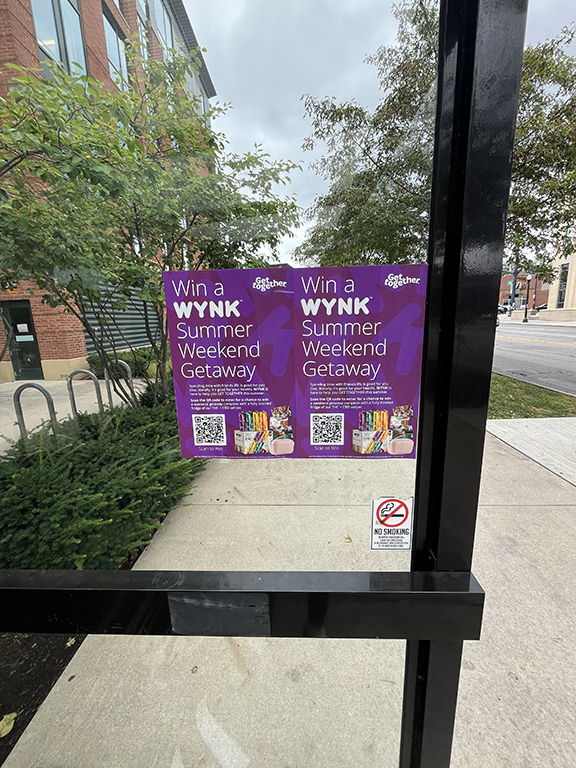
That route-first approach also helps with creative discipline. Some campaigns need a blunt headline with a phone number large enough to catch from three rows back. Some need a QR code that only makes sense in a seated interior environment. Some need a shelter panel beside a transfer point because the stop itself creates the dwell time that the message requires. On Bus & Transit Advertising in Arizona, the smartest plan is rarely the flashiest one. It is usually the one that respects how people move through Phoenix, Tucson, Flagstaff, Scottsdale, Yuma, and Arizona corridor planning and pairs the right message with the right pause in their day.
We also pay attention to the surrounding street life, because transit ads do not exist in isolation. A bus running the same arterial every day becomes part of that corridor’s visual rhythm. Riders see the ad inside the coach, pedestrians catch the king panel on approach, and drivers sit behind the tail when traffic stacks at a light. That layered exposure is the real value of transit media. It is why a well-placed campaign on Bus & Transit Advertising in Arizona can outperform louder media categories that seem bigger on paper but disappear from memory five seconds after the impression lands.
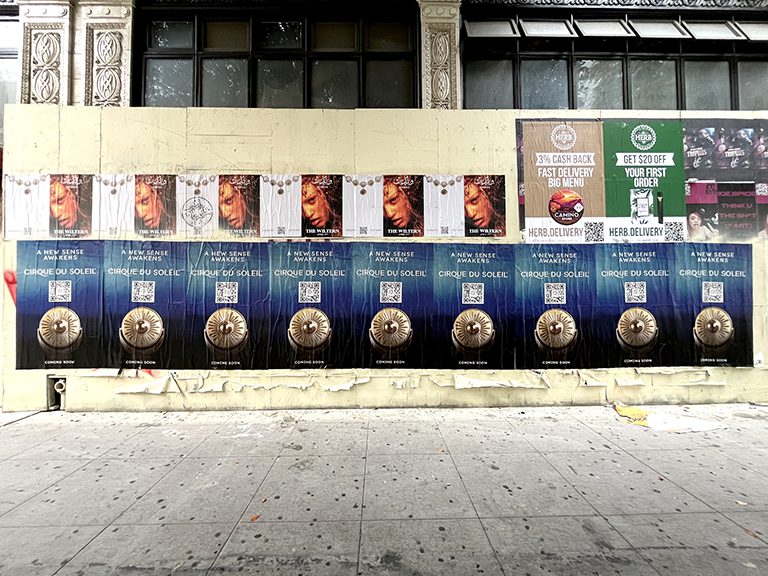
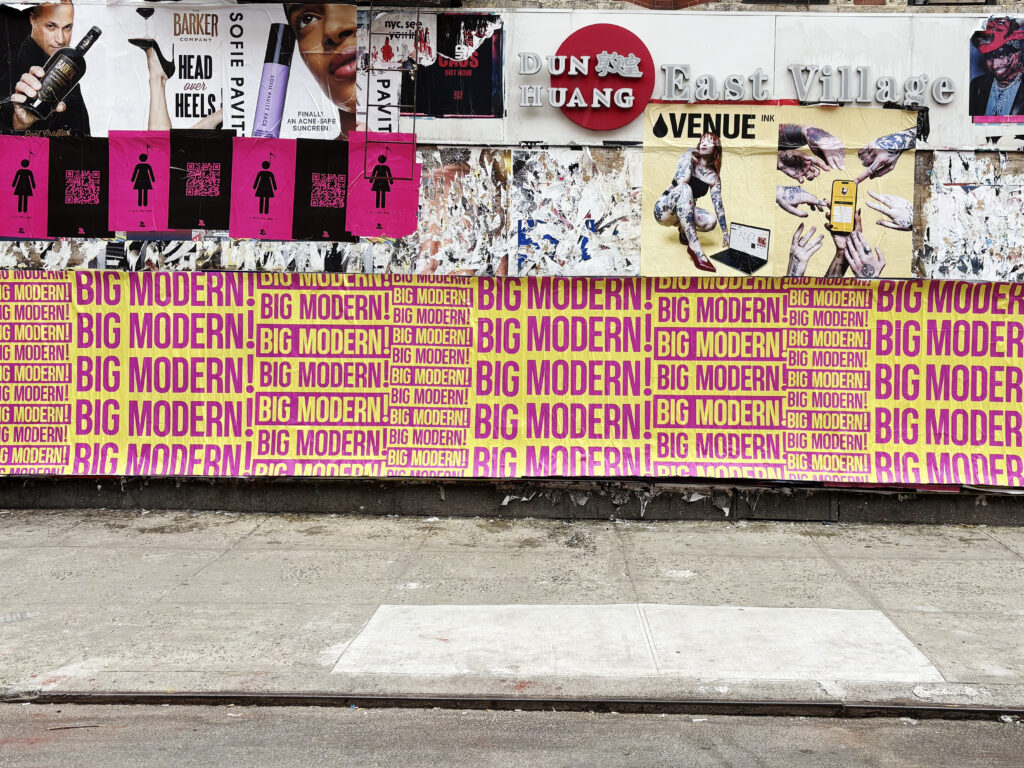
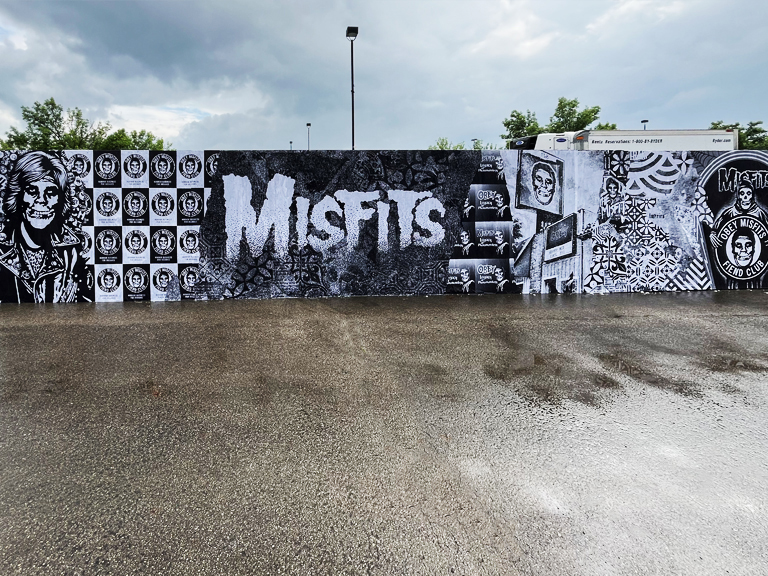
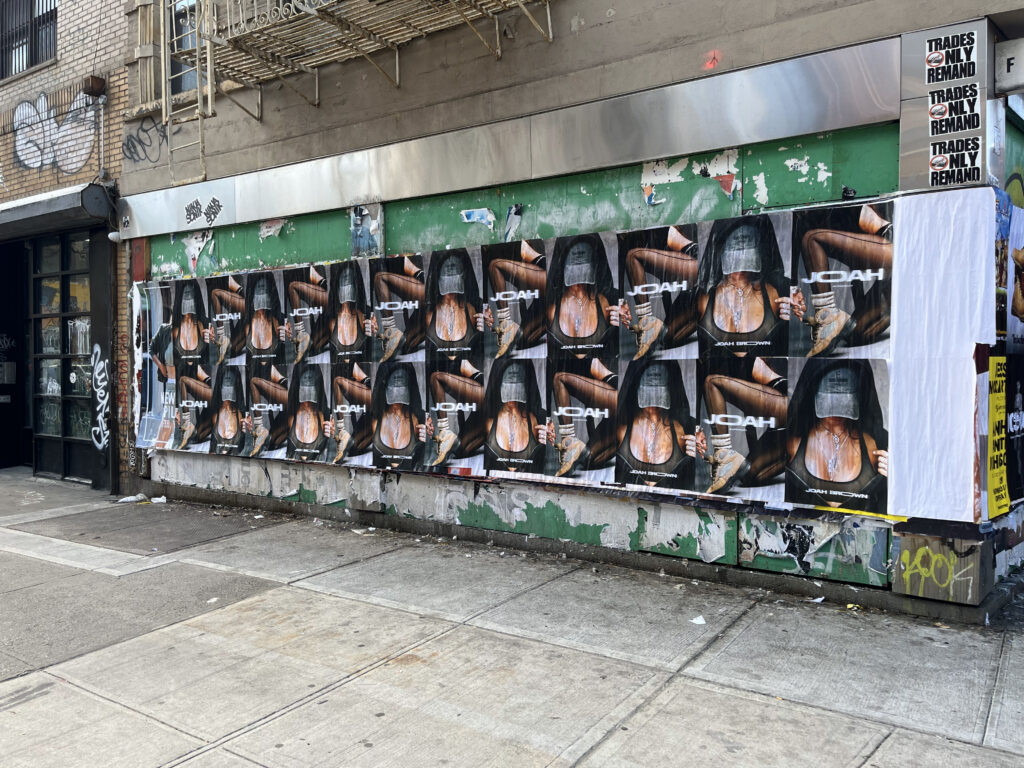
Transit media gets stronger when it is treated as the anchor instead of the whole plan. If a client wants to own a corridor for a few weeks, AGM can pair Bus & Transit Advertising in Arizona placements with street-level support around the same transfer points, campus edges, downtown blocks, or retail approaches that riders already use. That might mean legal wheatpaste near nightlife foot traffic, flyer boxes near commuter stops, or stencil and snipe support on the pedestrian path between the stop and the destination. The point is not to create clutter. The point is to make the transit impression feel familiar when the same person sees the brand again ten minutes later on foot.
This is especially useful for shorter campaigns that need to build memory fast. A four-week transit run can do a lot, but a four-week transit run with matching guerrilla support around the heaviest boarding zones usually feels bigger than the budget behind it. That matters in markets where people notice repetition quickly and talk about new brands through local routines, whether that is a downtown lunch crowd, a student loop, a hospital shift change, or a county service run. Bus & Transit Advertising in Arizona gives you the repetition. Guerrilla support turns that repetition into presence.
Execution matters just as much as the idea. We schedule installs so that transit and street-level elements launch together, we keep the visual language consistent across formats, and we make sure the CTA fits the environment. A rider at a shelter can handle a little more information than a driver passing a wrapped bus. A seated passenger has time for a QR scan. A pedestrian leaving a transfer center might respond better to a simple directional prompt. When those details are handled well, Bus & Transit Advertising in Arizona stops being a line item on a media plan and starts acting like a real local campaign.
American Guerrilla Marketing’s transit advertising process begins with market research and route analysis, not a phone call to the transit authority’s advertising sales department. Before recommending any format or placement, AGM reviews ridership data, stop-level pedestrian counts, and route demographic profiles to identify the specific corridors and stops that align with your target audience. This research phase typically takes one to two weeks and produces a placement recommendation with supporting data that explains why each specific route and stop was selected, what audience volume and demographics to expect, and what creative approach will work best in the specific format environments being recommended.
Once the placement plan is approved, AGM handles all media buying negotiations directly with the transit authority or its authorized advertising representative. We manage the contract terms, the installation timeline, and the creative specification requirements. Your responsibility is the final creative approval — the actual buying, placement coordination, production vendor management, and installation scheduling are handled by AGM from contract through installation. Post-installation, AGM provides photographic documentation of all placements for your records and for use in internal campaign reporting.
For campaigns that include both transit advertising and guerrilla elements, AGM coordinates the timing of guerrilla deployments to align with the bus wrap or interior card installation schedule. The goal is to have all campaign elements live simultaneously so that the multi-touchpoint sequence begins on the same day and runs for the same duration. A guerrilla element that goes up two weeks before or after the transit placement misses the opportunity for simultaneous reinforcement that makes the combined campaign more effective than either format alone. AGM’s coordination process ensures that the transit and guerrilla components of your campaign go live together and stay live together for the full campaign duration.
In a media landscape defined by digital ad blocking, streaming ad skips, and the constant fragmentation of audience attention across an ever-expanding range of content platforms, transit advertising offers something that the digital formats cannot: a captive audience in a physical space where they have no mechanism to skip or block the message. A person riding the bus cannot swipe past an interior card. A driver stuck behind a bus at a red light cannot close the browser tab on the tail display. A pedestrian waiting at a bus stop cannot turn off the shelter backlit panel. These are passive, non-interruptive exposures that the audience accepts as part of the physical environment they move through every day, and that acceptance is what makes transit advertising’s recall rates consistently higher than digital display advertising at comparable media costs per thousand impressions.
The transit rider audience is also a more economically diverse audience than most digital advertising platforms can deliver. The working adult who rides the bus every day to get to work is a different consumer profile from the user who reaches streaming content from a high-income household with multiple devices. Transit advertising reaches both the upwardly mobile young professional who uses the bus because it is faster than driving downtown and the transit-dependent working adult who relies on the bus as their primary transportation. For brands that need to reach both income segments within a single market, transit advertising is one of the few formats that delivers both in the same placement.
Contact AGM to begin the planning process for your transit advertising campaign. We bring market research, media buying expertise, creative specification guidance, and full campaign execution to every transit advertising engagement. The first conversation is about understanding your campaign objectives and your target audience — everything else follows from that starting point.
Yes. AGM manages statewide Arizona transit campaigns across Valley Metro City of Phoenix, Valley Metro RPTA, Sun Tran Tucson, Mountain Line Flagstaff, Scottsdale Trolley, Vista Transit Prescott, YCAT Yuma, and CART Pinal County through a single client engagement. Statewide campaigns benefit from coordinated creative production, unified scheduling, and consolidated post-campaign reporting across all Arizona systems. Contact AGM for statewide Arizona transit campaign planning and pricing.
For limited budgets, the smaller Arizona markets including Mountain Line Flagstaff, Vista Transit Prescott, YCAT Yuma, and CART Pinal County offer the most cost-effective impressions relative to Phoenix and Tucson because their inventory has less competitive demand and their ridership, while smaller in absolute numbers, is often more demographically specific and more attentive to the limited advertising presence in their transit environment. For brands with specific demographic targets in these communities, a smaller market interior campaign can outperform a larger market campaign at equivalent cost by reaching a more precisely matched audience with less competing advertising noise.
AGM can structure a statewide Arizona transit package that allocates placements across all major systems. The specific package structure depends on the advertiser’s geographic priorities, target demographics, format preferences, and budget. A basic statewide package might include interior cards on the three largest systems (Valley Metro Phoenix, Sun Tran Tucson, and Valley Metro RPTA), with shelter placements at primary stop locations in Phoenix and Tucson. An expanded package adds Mountain Line in Flagstaff, YCAT in Yuma, and Vista Transit in Prescott for full state coverage. Contact AGM for Arizona statewide package pricing.
Arizona has been one of the fastest-growing states in the country for 20-plus years, with the Phoenix metro in particular adding hundreds of thousands of residents per year. As the metro grows and Valley Metro expands its bus and light rail network to serve new communities, the advertising inventory available through Valley Metro increases proportionally. The western Valley communities of Buckeye, Goodyear, and Surprise are receiving expanded RPTA service as their populations grow, adding new ridership and new shelter positions to the regional advertising network. Brands that establish Arizona transit advertising relationships now are positioned to scale their campaigns with the system’s growth as the state continues to add population and transit infrastructure.
Yes. Valley Metro’s light rail system on the Central Avenue, Washington Street, and Main Street corridor in Phoenix, Tempe, and Mesa has its own advertising inventory including station platform displays, shelter panels, and vehicle interior advertising. AGM can coordinate combined Valley Metro bus plus light rail advertising campaigns that cover both the urban bus network and the light rail corridor through a single engagement. For advertisers who want comprehensive Valley Metro market coverage across both bus and rail, AGM structures and manages the combined placement.
The optimal timing depends on the market and the target demographic. For Phoenix and Tucson campaigns targeting working adult and commuter demographics, year-round campaigns perform well with the fall and spring seasons offering the most moderate weather and the most consistent non-student ridership. For ASU Tempe and Northern Arizona University campus campaigns, the fall semester launch in late August and the spring semester launch in January are the primary windows. For Scottsdale Trolley luxury audience campaigns, October through April is the winter season peak. For YCAT Yuma agricultural community campaigns, October through March aligns with the winter harvest season peak. AGM advises on the specific timing recommendation for each Arizona system based on the advertiser’s target demographic and campaign objective.
Yes. AGM places transit advertising across Arizona alongside complementary street-level guerrilla marketing formats including snipe advertising, sidewalk stencils, wheatpasted poster campaigns, and take-one flyer distribution. A comprehensive Arizona market campaign that combines Valley Metro Phoenix bus advertising with snipe placements along Camelback Road and the downtown Phoenix entertainment district creates a multi-format presence that compounds the frequency of the transit placement with street-level brand contact along the same corridors. AGM manages the full integrated campaign, transit plus guerrilla, through a single engagement for any Arizona market.
For regulated industry advertisers including healthcare systems, insurance companies, and financial services brands running advertising on Arizona transit systems, AGM provides the formal documentation and proof-of-performance trail that regulated marketing activities require. All placements are documented with installation photographs, placement location records, campaign period dates, and estimated impression counts. For clients with specific compliance reporting requirements from CMS, state insurance regulators, or financial services compliance frameworks, AGM structures the post-campaign reporting deliverables to meet those requirements explicitly.
AGM has placed Spanish-language transit advertising campaigns in Arizona and across the Southwest for over a decade as part of our broader national practice in Latino market transit campaigns. Our Arizona Spanish-language experience covers Valley Metro Phoenix Maryvale and west Phoenix route placements, Sun Tran South Tucson and 6th Avenue route campaigns, and YCAT San Luis and Somerton border community placements. We advise on language strategy (Spanish-only versus dual-language), creative approach, and route selection for campaigns targeting Arizona’s Latino transit communities, and we work with Spanish-language creative teams as part of the full campaign execution.
AGM’s Arizona transit advertising services focus on physical transit placements including interior bus advertising, bus shelter and bench advertising, and exterior vehicle formats. For campaigns that need to coordinate transit with broadcast, digital, or community media buys in Arizona, AGM can advise on the transit component and refer the broader media planning and buying elements to media agencies with Arizona broadcast and digital specializations. For campaigns that are specifically transit-plus-guerrilla in nature, AGM manages the full integrated execution directly.