American Guerrilla Marketing
Nationwide serivce
Media planning, media buying, billboard advertising, & guerrilla marketing

American Guerrilla Marketing places interior bus and shelter advertising across the entire Rhode Island RIPTA statewide transit network. Providence, Newport, Narragansett, Woonsocket, and every RIPTA route. Direct execution. 500+ campaigns nationwide.
Rhode Island is the only state in the country where a single transit authority, the Rhode Island Public Transit Authority, serves the entire state. Every Rhode Islander who rides public transit rides RIPTA. This structural characteristic makes Rhode Island transit advertising fundamentally different from every other state in this directory: a statewide Rhode Island transit campaign is not a coordination exercise across multiple systems with different specs, contracts, and scheduling timelines. It is a single buy on a single system that delivers statewide coverage. No other state in the country offers this structural simplicity for statewide transit advertising, and the operational efficiency it creates for advertisers is one of RIPTA’s most underappreciated competitive advantages as an advertising medium.
Providence is the anchor of the RIPTA network, and the characteristics that make Providence a compelling transit advertising market are worth understanding in detail. Brown University, the Rhode Island School of Design, the University of Rhode Island’s Providence Graduate School, Providence College, Johnson and Wales University, and Roger Williams University together contribute more than 40,000 students to the Providence metro area’s population. That student-to-resident ratio is among the highest of any Northeast city outside of Boston and New Haven, and it shapes the RIPTA ridership in Providence in ways that matter enormously for advertisers targeting the 18-to-24 demographic or the young professional college-educated audience. The College Hill neighborhood, where Brown and RISD sit above downtown Providence, generates consistent ridership on the routes climbing from the downtown Kennedy Plaza bus hub to the campus perimeter stops. The Eaton Street and Thayer Street stops near Brown, the College and Benefit Street stops near RISD, and the Admiral Street corridor near Providence College are the specific geographic pressure points where university ridership concentrates in the RIPTA network.
Beyond the university population, Providence’s healthcare sector is a significant RIPTA ridership driver. The Lifespan health system, which includes Rhode Island Hospital, Hasbro Children’s Hospital, and Miriam Hospital, operates three major hospital campuses across the Providence metro that are accessible via RIPTA routes and employ a combined workforce of more than 15,000 people. For healthcare, pharmaceutical, and medical professional brands targeting the Providence market, the RIPTA routes serving the Lifespan hospital campuses on Eddy Street, Dorance Avenue, and the Providence Place area are the most demographically specific placements for the healthcare workforce audience in the Rhode Island transit network.
Outside of Providence, RIPTA’s statewide route network creates advertising opportunities in the Newport tourism market, the Woonsocket working-class Franco-American community in the north of the state, the suburban communities of Cranston, Warwick, and East Providence that form the Providence metro’s residential ring, and the seasonal beach route connections to the Narragansett beach communities and the Twin River casino at Lincoln that create specific audience windows for travel, hospitality, and gaming-adjacent brands during the peak summer and shoulder-season windows.
Interior bus ads and shelter placements on RIPTA across Rhode Island. Routes serve Brown University,...
Learn MoreAGM covers the entire RIPTA statewide network, from Kennedy Plaza in Providence to Newport's summer routes and the Narragansett beach corridors. Tell us your target audience and we'll build the media plan that reaches them directly.
The only statewide transit authority in the country that serves all public transit needs for an entire state. Fixed-route bus service across all Rhode Island communities, from Providence and Pawtucket to Newport, Narragansett, Woonsocket, Westerly, and the coastal beach communities. A single buy on RIPTA is a statewide Rhode Island campaign.
Kennedy Plaza in downtown Providence is the geographic center of the entire RIPTA network. Every major RIPTA route passes through or originates at Kennedy Plaza, which means the Kennedy Plaza bus hub is the single highest-ridership transit node in Rhode Island by a significant margin. Advertising at Kennedy Plaza reaches the broadest possible cross-section of the RIPTA statewide ridership because riders transferring between routes at Kennedy Plaza represent communities from across the state converging at a single point. The shelter advertising positions at Kennedy Plaza and the interior advertising on buses idling at the Kennedy Plaza bays have the longest average passenger dwell time in the RIPTA system, which creates higher effective exposure duration per impression than moving-vehicle interior placements on routes away from the hub.
Providence College on Admiral Street and Johnson and Wales University on the Providence waterfront add two additional major university populations to the Providence transit market beyond Brown and RISD. Providence College’s 5,000 students are concentrated on the Admiral Street campus in the north Providence residential community of Smith Hill, and the RIPTA routes connecting the PC campus to downtown Kennedy Plaza carry a consistent student ridership throughout the academic year. Johnson and Wales University’s 10,000-plus students in Providence’s downtown waterfront location are served by the RIPTA routes running along the Canal Street and Exchange Street corridors connecting the JWU campus to the Kennedy Plaza hub and the surrounding downtown residential communities.
Rhode Island Hospital on Eddy Street, Hasbro Children’s Hospital adjacent to Rhode Island Hospital, and Miriam Hospital on Summit Avenue form the core of the Lifespan health system’s Providence employment geography. The RIPTA routes serving these three hospital campuses carry a consistent healthcare workforce demographic that makes them the most targeted medical professional transit placements in the Rhode Island network. Rhode Island Hospital is the state’s only Level I Trauma Center and one of the largest employers in Providence, with clinical and support staff numbering in the thousands. The Route 92 and the Providence-Eddy Street routes serving the hospital district are the primary access points for transit-riding healthcare workers commuting to the Lifespan campuses.
RIPTA’s Newport routes create one of the most unusual seasonal transit advertising opportunities in the Northeast. Newport is a city of approximately 25,000 permanent residents that receives more than 3.5 million visitors annually during the summer season, with the majority of that tourist traffic concentrated between June and September. The RIPTA routes connecting Newport’s downtown Thames Street commercial district to the Breakers and Marble House mansions on Bellevue Avenue, the Fort Adams State Park and Newport Jazz Festival grounds, and the Naval Station Newport perimeter carry a dramatically different ridership composition in summer than in the off-season. During the summer peak, RIPTA’s Newport routes carry tourists, seasonal hospitality workers, and Naval Station personnel in a combined ridership that has both the consumer purchasing capacity of destination tourism and the consistent daily commuting patterns of a major military installation workforce.
RIPTA operates seasonal beach routes connecting Providence to the South County beaches, including Narragansett Town Beach, Roger Wheeler State Beach, and Scarborough State Beach, during the summer months. These seasonal routes carry the Providence-area beach-going public during the June-through-September window when Rhode Island’s coastal destinations are at peak capacity. The beach route ridership is concentrated in the 18-to-35 demographic that dominates the Providence university population during the academic year and continues to use the beach routes during the summer months. For travel, hospitality, beverage, suncare, outdoor, and lifestyle brands targeting this demographic during the summer season, the RIPTA beach route corridor is a contextually specific placement that reaches the audience in their leisure travel moment with no practical equivalent advertising alternative in the Rhode Island market.
The northern Rhode Island communities of Woonsocket and Pawtucket represent a different face of the RIPTA ridership from the Providence university and healthcare markets. Woonsocket is a former textile mill city with a historically Franco-American working-class community that has transitioned to a diverse working adult and immigrant population served by RIPTA routes on the Route 71 and the Woonsocket Express connecting north Rhode Island to Providence. Pawtucket, directly adjacent to Providence, serves as the gateway between Providence and the north Rhode Island communities, with RIPTA routes on the Main Street and Newport Avenue corridors carrying the working adult ridership connecting Pawtucket’s employment and retail base to the Providence metro.
RIPTA operates routes serving Twin River Casino (now Bally’s Twin River Lincoln) in Lincoln, which is one of the largest gaming facilities in New England. The RIPTA routes connecting Providence to the Twin River Lincoln casino property carry a gaming-adjacent demographic with specific leisure spending patterns that make these routes contextually relevant for gaming, hospitality, entertainment, financial services, and certain consumer goods categories that align with the casino audience profile. The Twin River route ridership is concentrated on weekends and evenings during peak gaming periods, with a demographic profile that leans older than the university routes and has a higher proportion of entertainment-budget spending relative to the system average. For brands in the gaming, hospitality, or entertainment category, the Twin River route placements deliver a contextually specific audience that cannot be reached as efficiently through any other Rhode Island transit placement.
Available on: RIPTA (Statewide)
Complete exterior wraps on RIPTA fleet vehicles across the statewide route network. A RIPTA full bus wrap deployed on the College Hill routes or the Kennedy Plaza hub routes creates state-level visual saturation in the Providence market at cost-per-impression rates that outperform comparable outdoor billboard buys on the Providence metro market corridors.
Available on: RIPTA (Statewide)
30-by-144-inch interior postings across the full length of the RIPTA bus interior. The primary format for brand awareness campaigns on Rhode Island transit. System-wide RIPTA king poster buys deliver true statewide Rhode Island transit reach in a single placement execution without the multi-system coordination required in every other state.
Available on: RIPTA (Statewide)
Mid-format interior postings for targeted route or corridor campaigns within the RIPTA network. The right format for brands with specific geographic or demographic targets within Rhode Island, such as the College Hill university corridor, the Lifespan hospital district routes, or the Newport summer tourist routes.
Available on: RIPTA (Statewide)
Distributed card placements at multiple positions through the RIPTA bus interior. The most accessible format for local and regional Rhode Island advertisers. Available on all RIPTA routes from the Providence downtown grid to the Woonsocket north-state connection and the Newport summer routes.
Available on: RIPTA (Statewide)
Reading-distance advertising on seat backs. Best for QR codes, detailed service information, and campaigns that benefit from close-reading engagement on the longer RIPTA routes connecting Providence to Newport, Narragansett, and Woonsocket where passenger dwell times are highest.
Available on: RIPTA (Kennedy Plaza, Providence)
Dedicated shelter and hub advertising at Kennedy Plaza, the central transfer point for the entire RIPTA statewide network. The highest single-location impression volume in the Rhode Island transit market, with riders from every RIPTA route passing through Kennedy Plaza throughout the operating day.
Available on: RIPTA (Statewide)
Backlit full-panel shelter advertising at $3,850 per four-week cycle. Available at primary stop locations across the RIPTA statewide route network. Day-and-night visibility at high-traffic transit nodes in Providence, Pawtucket, Newport, Woonsocket, and the suburban communities served by RIPTA.
Available on: RIPTA (Statewide)
Bench advertising at $700 per four-week cycle. Sustained neighborhood presence at specific RIPTA stop locations across Rhode Island. Visible to riders, pedestrians, and vehicle traffic throughout the campaign period from the Providence College Hill neighborhoods to the Newport waterfront commercial district.
The Kennedy Plaza hub in downtown Providence is the default first choice for any brand wanting maximum statewide Rhode Island transit reach at a single location, but it is not always the highest-value shelter location for every advertiser category. The College Hill shelter stops adjacent to the Brown University main gate on Waterman Street and the RISD campus stops on Benefit Street deliver a more specific university audience in a campus-adjacent context that generates higher recall for brands relevant to the student and young creative professional demographic. The Lifespan hospital district shelters on Eddy Street deliver a more specific healthcare professional context. The Kennedy Plaza hub delivers the broadest cross-section of the total RIPTA ridership in the highest-volume single-location position in the system.
For campaigns targeting the Newport market, the shelter positions on Thames Street adjacent to the Newport waterfront commercial district and the Bellevue Avenue shelters near the Newport Mansions deliver the summer tourist and naval community audience in the geographic context of their Newport activities. For campaigns targeting the beach route audience, the shelters at the Narragansett Town Beach terminus and the Roger Wheeler State Beach drop-off positions deliver the beach-going audience at their destination point in the leisure context that makes these summer placements contextually relevant for lifestyle, beverage, suncare, and outdoor brands.
AGM’s RIPTA shelter strategy begins with defining your target audience and matching that audience to the specific route and stop positions where they concentrate within the RIPTA network. Rhode Island’s compact geography means that shelter location choices in Providence, Newport, and the suburban communities are all within a short drive of each other, which gives the RIPTA system a geographic accessibility for installation, maintenance, and photography that larger statewide networks lack. This operational compactness is another structural advantage of the single-state RIPTA system for advertisers who need campaign documentation and post-installation verification across their full placement set.
Bus shelter advertising in Rhode Island places your brand at the exact locations where riders wait for transit service. The dwell time at a shelter, typically five to fifteen minutes per stop visit, creates an uninterrupted, low-distraction exposure window that in-vehicle advertising alone cannot deliver at equivalent duration.
Rhode Island’s shelter advertising inventory is concentrated at the primary boarding and alighting points on the state’s larger transit systems, where ridership volumes and wait times are highest. AGM identifies the shelter positions that deliver the most rider exposure for each campaign’s geographic and demographic targets, and structures shelter buys around the stop locations that create maximum frequency among the target audience.
AGM manages all aspects of shelter advertising placement in Rhode Island, from inventory identification and booking through creative production, installation, and monitoring for the full campaign posting period.
Rhode Island’s transit advertising market is less competitive than comparable markets in states with higher national advertiser awareness. Brands that target the digital advertising ecosystem for the same audiences often pay a premium for fragmented, avoidance-prone digital impressions when Rhode Island’s transit systems deliver the same demographics with sustained, physical exposure during their daily transit routine.
The working adult, student, and community transit rider in Rhode Island is reachable through transit advertising at a cost-per-impression that digital advertising in the same markets consistently fails to match. AGM has executed transit campaigns across more than 500 national engagements and understands exactly which Rhode Island systems and routes deliver the audience volume and demographic profile that each advertiser needs.
Brands that enter the Rhode Island transit advertising market now are securing placements at pre-competitive pricing on systems that will attract more national advertiser attention as the market matures.
AGM’s full range of guerrilla marketing formats is available alongside RIPTA transit advertising campaigns across Rhode Island. The combination of transit and street-level guerrilla creates the frequency stack that single-format campaigns cannot achieve independently.
Snipe advertising along the corridors served by RIPTA in Providence’s Federal Hill, the Thayer Street commercial strip adjacent to Brown, the Wickenden Street arts corridor in the Fox Point neighborhood, and the Thames Street waterfront in Newport creates street-level touchpoints that reinforce bus interior campaigns at the route level. Riders who see your RIPTA interior card also encounter your snipes at stop intersections and along the commercial strips their routes travel through the Providence metro and Newport.
Sidewalk stencils at Kennedy Plaza in downtown Providence, the College and Benefit Street RISD campus gateway, the Brown University main gate on College Street, and the Providence College gate on Eaton Street create ground-level brand presence at the maximum foot-traffic concentration points in the RIPTA network. Newport’s Thames Street waterfront during the summer season is an additional high-value stencil position for campaigns targeting the Newport tourist and summer leisure audience.
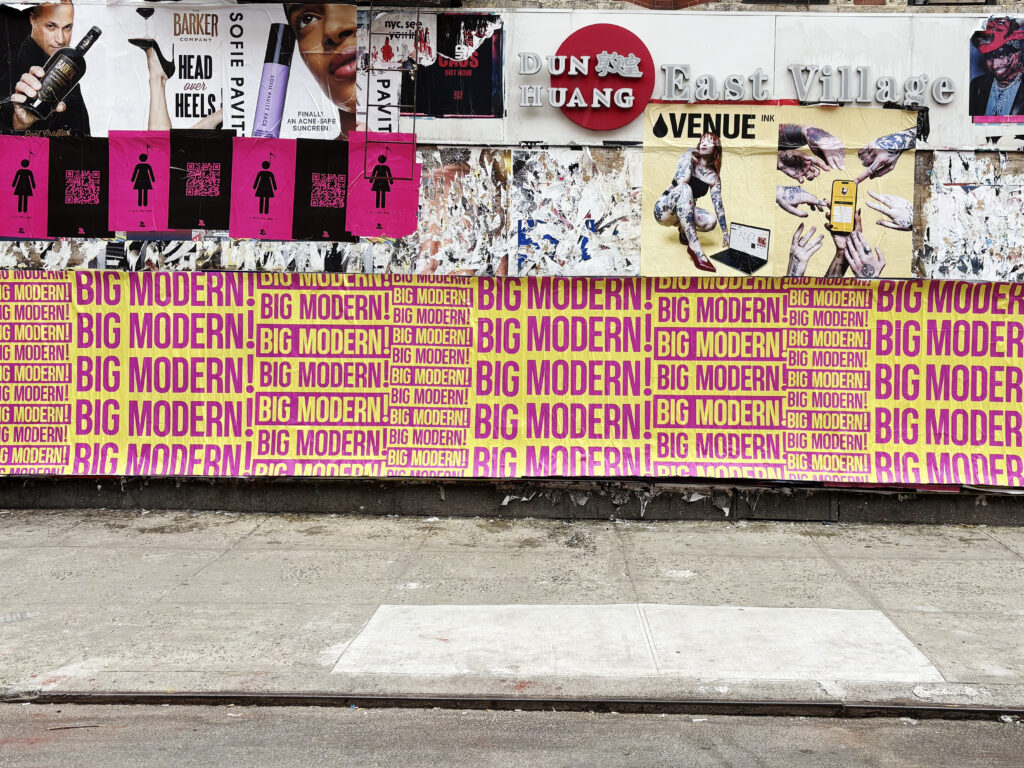
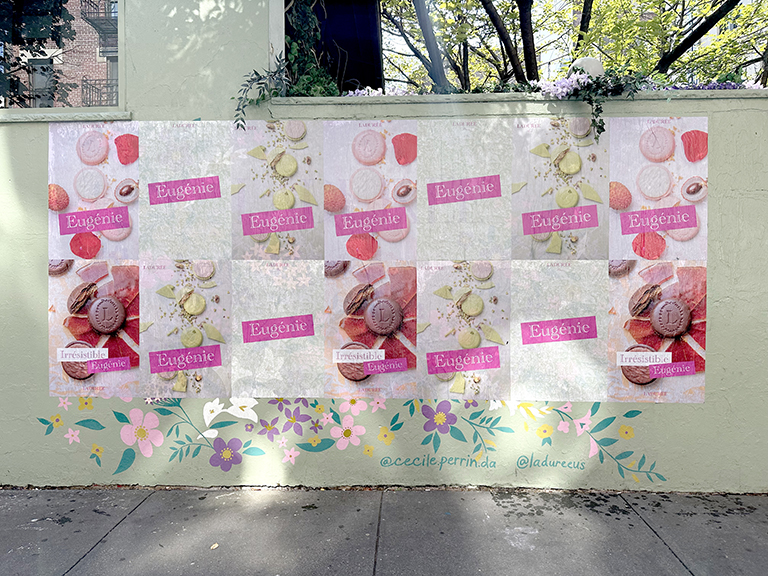
Wheatpasted poster campaigns in the Thayer Street corridor adjacent to Brown, the Westminster Street arts corridor in the Downcity Providence neighborhood, the Federal Hill restaurant district, and the Wickenden Street arts and design community in Fox Point create large-format street impressions for the walking and transit audience in the pedestrian-dense areas adjacent to RIPTA’s most active Providence routes.
Rhode Island RIPTA campaign execution is structurally simpler than any other state in this directory because there is one system, one contract, and one set of specifications. AGM begins every RIPTA campaign with a route and location analysis that identifies which RIPTA routes serve the advertiser’s target demographic in Rhode Island and which specific stop and shelter positions within those routes carry the highest concentration of the target audience. For a Providence university campaign, this analysis focuses on the College Hill, Admiral Street, and Kennedy Plaza routes. For a statewide Rhode Island brand awareness campaign, this analysis covers the full RIPTA route network to identify the highest-ridership positions across the Providence metro, the Newport corridor, and the north and south Rhode Island community routes.
Once the placement plan is approved, AGM handles all media buying directly with RIPTA. One negotiation, one contract, one installation timeline across the entire Rhode Island transit network. Post-installation, AGM provides photographic documentation of all RIPTA placements. Rhode Island’s geographic compactness means that installation photography across the full RIPTA network can be completed in a single day, which makes proof-of-performance documentation faster and more comprehensive than in any larger multi-system state campaign.
For Rhode Island campaigns that include both RIPTA transit advertising and guerrilla elements, AGM coordinates the timing of wheatpaste installations on Thayer Street, snipe placements along College Street and Wickenden Street, and sidewalk stencil deployments at Kennedy Plaza to coincide with the RIPTA interior installation. The simultaneous multi-format launch creates the frequency reinforcement that makes combined campaigns more effective than transit advertising running independently in any Rhode Island market context.
Yes. The Rhode Island Public Transit Authority operates all fixed-route public transit service in Rhode Island. There is no competing or overlapping fixed-route transit authority in the state. RIPTA’s statutory mandate covers the entire state, and while demand-responsive and paratransit services may operate through other local or nonprofit providers for specific populations, all fixed-route bus service accessible to the general public throughout Rhode Island is operated by RIPTA. This means a statewide Rhode Island transit advertising buy requires a single negotiation and a single contract with one authority, which is not the case in any other state in the country.
Providence hosts one of the highest ratios of university students to permanent residents of any city in New England. Brown University enrolls approximately 10,000 students, the Rhode Island School of Design enrolls approximately 4,000, Providence College enrolls approximately 5,000, Johnson and Wales University in Providence enrolls approximately 10,000, and Roger Williams University’s Providence presence, along with URI’s Providence Graduate Center and several smaller institutions, contributes additional student population. The combined university student population in the Providence metro area exceeds 40,000 during the academic year, in a city of approximately 190,000 permanent residents. This concentration makes RIPTA one of the most university-dense transit systems per capita in the Northeast United States.
Newport’s summer peak season runs from Memorial Day through Labor Day, with the highest concentration of tourist activity in July and August when the Newport Jazz Festival, the Newport Folk Festival, and the peak mansion touring season overlap with the beach and sailing season. RIPTA ridership on the Newport-area routes increases substantially during this period as tourists use the bus to navigate Newport’s congested streets and limited summer parking. For brands targeting the summer Newport tourist audience and the Providence beach-going demographic simultaneously, a June-through-August RIPTA campaign covering both the Newport routes and the Narragansett beach routes delivers both seasonal audiences in their respective destination contexts during the same campaign window.
Rhode Island transit advertising delivers lower cost-per-impression than digital advertising for comparable demographic segments in the Providence metro market, particularly for the university student and young professional audience that dominates the RIPTA college neighborhood ridership. The Brown and RISD student demographic is one of the most digitally native and ad-blocking-inclined audiences in the country, which means digital advertising attempting to reach this audience pays a premium for placements that are frequently blocked, skipped, or scrolled past. A RIPTA interior card in the bus carrying this audience from College Hill to Kennedy Plaza cannot be blocked, skipped, or scrolled. The physical placement occupies the passenger’s visual field during the entire ride duration without competition from alternative content choices, and the dwell time on the College Hill routes is long enough for detailed message engagement that short-form digital formats cannot approximate.
Yes. RIPTA operates routes connecting Providence to the Bally’s Twin River Lincoln casino property in Lincoln, Rhode Island. The Route 50 and connecting services serving Lincoln provide transit access to the casino from the Providence metro. The ridership on the Twin River routes is concentrated during peak gaming periods, weekends and evenings, and carries the gaming-adjacent demographic that makes these routes contextually relevant for gaming, entertainment, hospitality, financial services, and consumer goods brands whose category has natural alignment with the gaming lifestyle context. For advertisers targeting this specific demographic, the Twin River route placements can be combined with the broader Providence RIPTA network for a campaign that reaches the gaming audience in transit as well as the general Providence working adult and university population on the broader route network.
Standard production and installation lead time for RIPTA interior advertising is two to four weeks from final artwork approval. Shelter advertising at the highest-demand Kennedy Plaza and College Hill positions may require four to six weeks for confirmation and installation at the most competitive locations. Full bus wraps on RIPTA require five to six weeks minimum. The Newport summer route placements should be planned before April 1 to ensure availability for the June-through-August peak season window, as summer placements on the Newport and beach routes see the most advance booking pressure of any seasonal inventory in the RIPTA network. AGM recommends beginning RIPTA campaign planning six to eight weeks before the intended launch date for standard campaigns and earlier for summer seasonal placements.
Yes. For regulated industry advertisers including healthcare systems, financial institutions, insurance companies, and legal services operating in Rhode Island, AGM provides installation photographs, placement location records, campaign period dates, and estimated impression counts for all RIPTA placements. Rhode Island’s single-system structure makes compliance documentation simpler than in multi-system states: all documentation comes from a single transit authority with consistent reporting formats. For healthcare and financial services clients who need formal proof-of-performance documentation for compliance records, AGM structures RIPTA reporting deliverables that meet those requirements without the multiple-format documentation challenge that multi-system state campaigns require.
Yes. RIPTA placements can be targeted to specific routes and specific shelter locations within the Providence metro university corridor without purchasing statewide coverage. A campaign targeting only the Brown and RISD College Hill routes, the Providence College Admiral Street route, and the Johnson and Wales downtown Providence routes can be structured as a specific-route buy that delivers the university audience without the cost of coverage on the Newport routes, the Woonsocket north-state routes, or the Narragansett beach routes. AGM structures RIPTA campaign buys based on the specific routes and locations that align with your target audience, which in the RIPTA single-system context means you can be as broad as a statewide network buy or as specific as a single-campus-corridor route placement within the same contract framework.
The Lifespan hospital campus routes serving Rhode Island Hospital on Eddy Street, Miriam Hospital on Summit Avenue, and Women and Infants Hospital on Clarendon Street are the strongest healthcare professional transit placements in the RIPTA network. Rhode Island Hospital is the largest employer in Providence and one of the largest in the state, and the RIPTA routes serving the hospital district carry thousands of clinical and support workers daily. For pharmaceutical, medical technology, and healthcare services brands targeting the Rhode Island clinical workforce, the hospital district RIPTA routes deliver the healthcare professional demographic in their daily commuting context with a frequency and geographic specificity that the broader Providence network placements cannot match.
RIPTA is substantially less expensive than the MBTA for comparable placement types and comparable audience demographics. The Brown, RISD, Providence College, and JWU student demographics served by RIPTA’s Providence university corridor routes are directly comparable to the Boston university markets served by MBTA routes near MIT, Harvard, BU, and BC, and RIPTA interior placements on these routes cost a fraction of what MBTA university-adjacent interior advertising commands. For brands with a New England university market strategy that currently focuses exclusively on Boston, a Rhode Island RIPTA allocation reaching Providence’s 40,000-plus university students adds substantial university audience reach at a cost addition that is minor relative to the total MBTA investment. The incremental cost-per-university-student-reached on RIPTA is lower than any MBTA equivalent across the Providence university corridor.