American Guerrilla Marketing
Nationwide serivce
Media planning, media buying, billboard advertising, & guerrilla marketing

American Guerrilla Marketing places interior bus and shelter advertising across every major Oklahoma transit system. Oklahoma City, Tulsa, Norman, Edmond, Lawton, and rural southeast Oklahoma. Direct execution. 500+ campaigns nationwide.
Oklahoma’s transit advertising landscape is defined by two dominant metro markets and a collection of secondary systems that each serve a distinct audience type. Oklahoma City and Tulsa are the state’s twin anchors, and while they operate independently and serve fundamentally different demographic profiles, together they account for the majority of Oklahoma’s fixed-route transit ridership. Embark in Oklahoma City is the energy industry capital’s transit system, running routes through a sprawling metro geography that reflects OKC’s low-density urban structure. MTTA in Tulsa serves a city that has undergone a genuine cultural and economic transformation over the past decade, developing an arts district, a technology sector, and a craft hospitality economy that has changed the demographic makeup of its downtown ridership substantially.
Below the two major systems, Oklahoma’s secondary transit landscape includes some genuinely interesting advertising opportunities for brands willing to look past OKC and Tulsa. The Cleveland Area Rapid Transit in Norman serves the University of Oklahoma’s 30,000-plus student population in a self-contained university market with virtually no national transit advertising competition. CityLink in Edmond serves the growing suburban north OKC corridor where household income levels are substantially above the Embark system average. LATS in Lawton serves the Fort Sill Army installation adjacent market, which has the specific defense workforce and military family demographic characteristics associated with major Army installations nationwide. KI-BOIS in rural southeastern Oklahoma represents the rural transit advertising market, connecting the communities of the Choctaw Nation territory in a part of Oklahoma that no other advertising format reaches with comparable consistency.
AGM executes transit advertising campaigns in Oklahoma as part of a 500-plus campaign national execution record. Oklahoma is a state where the gap between the perceived advertising value of the market and the actual audience quality is large, particularly in the Norman university market and the Edmond suburban market. Brands that invest in Oklahoma transit advertising before the market becomes more competitive are accessing audience segments at pre-premium pricing that will not persist as OKC and Tulsa continue to grow.
Interior bus ads and shelter placements on Citylink Edmond in Edmond. Edmond is a rapidly...
Learn More
Interior bus ads and shelter placements on Cleveland Area Rapid Transit Norman in Norman. Norman...
Learn More
Interior bus ads and shelter placements on Embark Oklahoma City in Oklahoma City. Oklahoma City...
Learn More
Interior bus ads and shelter placements on KI BOIS Area Transit System in McAlester. KI...
Learn More
Interior bus ads and shelter placements on Lawton Area Transit System LATS in Lawton. Lawton...
Learn More
Interior bus ads and shelter placements on Metropolitan Tulsa Transit MTTA in Tulsa. Tulsa is...
Learn MoreAGM covers every major Oklahoma transit system from Embark OKC to KI-BOIS in rural southeastern Oklahoma. Tell us your target market and we'll build the media plan that reaches them directly.
Oklahoma City’s public transit system. Fixed-route bus service across the OKC metro connecting downtown, the Bricktown entertainment district, Midtown, and the eastern residential neighborhoods. Oklahoma’s largest transit system by ridership and route coverage.
Metropolitan Tulsa Transit Authority serving Tulsa County. Fixed-route bus across Tulsa’s urban core connecting downtown, the Brady Arts District, Brookside, Midtown, and the university corridor serving the University of Tulsa campus.
Transit system serving Norman and the University of Oklahoma campus. Routes connecting the OU campus to downtown Norman and the South Campus residential districts. Serves 30,000-plus OU students in one of the most underpriced university transit markets in the South Central region.
Suburban transit serving Edmond, Oklahoma’s fastest-growing city north of Oklahoma City. Routes connecting Edmond’s residential communities to the OKC metro employment corridor. Higher-income suburban demographic with connections to the University of Central Oklahoma campus.
Lawton Area Transit System serving Lawton and Comanche County. Routes connecting downtown Lawton, the Fort Sill Army installation perimeter communities, Cameron University, and the residential corridors serving the military and civilian workforce adjacent to the installation.
Rural transit serving southeastern Oklahoma’s Choctaw Nation territory communities. Connects the rural and tribal communities of Haskell, Latimer, LeFlore, McIntosh, Pittsburg, Pushmataha, and Sequoyah counties to healthcare, employment, and social services.
Oklahoma City is one of the largest cities in the continental United States by land area, and Embark operates within that geographic reality as a hub-and-spoke system connecting downtown OKC to the residential and commercial communities spread across the metro. The Embark ridership reflects OKC’s economic structure: the energy industry workforce, state government employment at the capitol complex, the University of Oklahoma Health Sciences Center medical campus, and the working-class residential communities on the east and south sides of the city. No other transit system in the South Central region concentrates the oil and gas industry adjacent workforce in the same way that Embark’s downtown and Midtown routes do.
MTTA Tulsa serves a city that has changed more than most regional transit markets over the past decade. Tulsa’s deliberate investment in its Brady Arts District, its Blue Dome and Deco District entertainment corridors, and its technology sector recruitment through the Tulsa Remote program have shifted the demographic composition of the downtown ridership from the traditional blue-collar and government workforce mix toward a younger, more culturally engaged professional audience that moves through the urban core differently than the previous generation of Tulsa transit riders. The MTTA routes serving downtown Tulsa, the Brady Arts District, and the 11th Street and 21st Street commercial corridors now carry an audience that did not exist in meaningful numbers a decade ago.
Cleveland Area Rapid Transit in Norman serves one of the most concentrated university populations in the South Central United States. The University of Oklahoma’s 30,000-plus students are concentrated on the Norman campus in a city that essentially exists to serve the university’s student population and the faculty and administrative workforce that runs it. This geographic concentration means that CART transit advertising reaches the OU student demographic with a directness and consistency that off-campus digital or outdoor formats cannot replicate. There is no practical way to reach the OU campus residential population more efficiently than through the transit routes that connect the dormitory areas, the off-campus housing neighborhoods, and the campus gate stops.
LATS Lawton serves the city adjacent to Fort Sill, one of the primary Army artillery and air defense training installations in the country. Fort Sill’s active-duty military population, the veteran and military family community in Lawton, and the civilian defense contractor workforce that supports the installation create a transit ridership demographic with specific financial, healthcare, retail, and lifestyle characteristics associated with military community markets nationwide. LATS routes connecting Lawton’s residential communities to the installation perimeter, the Cameron University campus, and the commercial corridors serving the military community carry this demographic consistently throughout the year.
King and queen posters, interior cards, headliners, seat-back displays, and overhead cards are available across Oklahoma’s transit fleet. Interior formats reach every rider on the bus for the full duration of their trip in a low-distraction reading environment. Format availability varies by system and fleet type. AGM advises on which interior formats are available on each Oklahoma system and recommends the format mix that best matches the campaign’s creative approach and budget.
Full bus wraps, tail displays, and window vinyls are available on most Oklahoma transit systems. Exterior formats reach vehicle traffic, pedestrians, and the communities along each route as the bus moves through the service area. Full wraps transform a bus into a moving billboard across the system’s entire route network. AGM coordinates exterior format availability and installation across all Oklahoma transit systems.
Covered shelter advertising is available at primary stop locations on the larger Oklahoma city transit systems. Shelter panels reach waiting riders during their stop dwell time and vehicle traffic passing the stop location. Shelter advertising combined with interior bus placements creates a two-touchpoint campaign that reaches riders both at the stop and on the vehicle. AGM advises on shelter inventory availability by system and recommends shelter positions that match the advertiser’s geographic and demographic targets.
Bus shelter advertising in Oklahoma places your brand at the exact locations where riders wait for transit service. The dwell time at a shelter, typically five to fifteen minutes per stop visit, creates an uninterrupted, low-distraction exposure window that in-vehicle advertising alone cannot deliver at equivalent duration.
Oklahoma’s shelter advertising inventory is concentrated at the primary boarding and alighting points on the state’s larger transit systems, where ridership volumes and wait times are highest. AGM identifies the shelter positions that deliver the most rider exposure for each campaign’s geographic and demographic targets, and structures shelter buys around the stop locations that create maximum frequency among the target audience.
AGM manages all aspects of shelter advertising placement in Oklahoma, from inventory identification and booking through creative production, installation, and monitoring for the full campaign posting period.
Oklahoma’s transit advertising market is less competitive than comparable markets in states with higher national advertiser awareness. Brands that target the digital advertising ecosystem for the same audiences often pay a premium for fragmented, avoidance-prone digital impressions when Oklahoma’s transit systems deliver the same demographics with sustained, physical exposure during their daily transit routine.
The working adult, student, and community transit rider in Oklahoma is reachable through transit advertising at a cost-per-impression that digital advertising in the same markets consistently fails to match. AGM has executed transit campaigns across more than 500 national engagements and understands exactly which Oklahoma systems and routes deliver the audience volume and demographic profile that each advertiser needs.
Brands that enter the Oklahoma transit advertising market now are securing placements at pre-competitive pricing on systems that will attract more national advertiser attention as the market matures.
AGM’s full range of guerrilla marketing formats is available alongside transit advertising campaigns in every Oklahoma market. The combination of transit and street-level guerrilla creates the frequency stack that single-format campaigns cannot achieve independently.
Snipe advertising along the corridors served by Embark in Oklahoma City’s Bricktown and Midtown districts, MTTA’s Brady Arts District routes in Tulsa, and the CART campus corridor in Norman creates street-level touchpoints that reinforce bus interior campaigns at the route level. Riders who see your transit interior card also encounter your snipes at stop intersections and along the commercial strips their routes travel.
Sidewalk stencils at the primary transit hubs in each Oklahoma city, including the downtown OKC Embark hub, the 2nd and Boulder MTTA hub in Tulsa, and the CART campus gate stops at OU, create ground-level brand presence at the maximum foot-traffic concentration points in each transit system’s network.
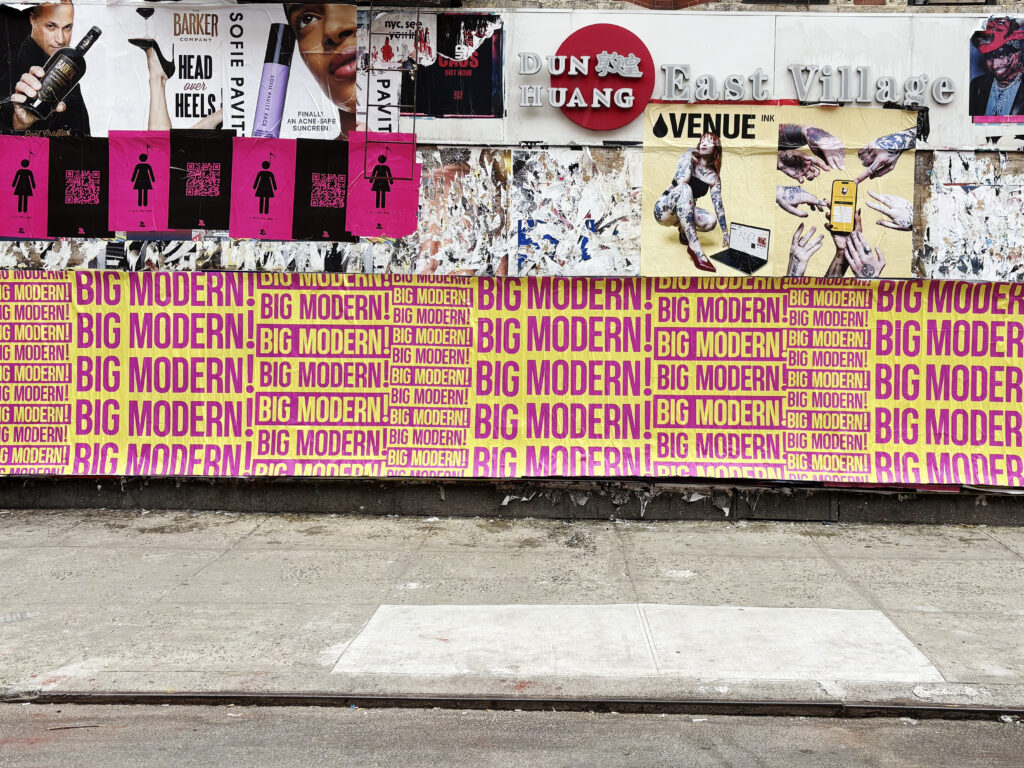
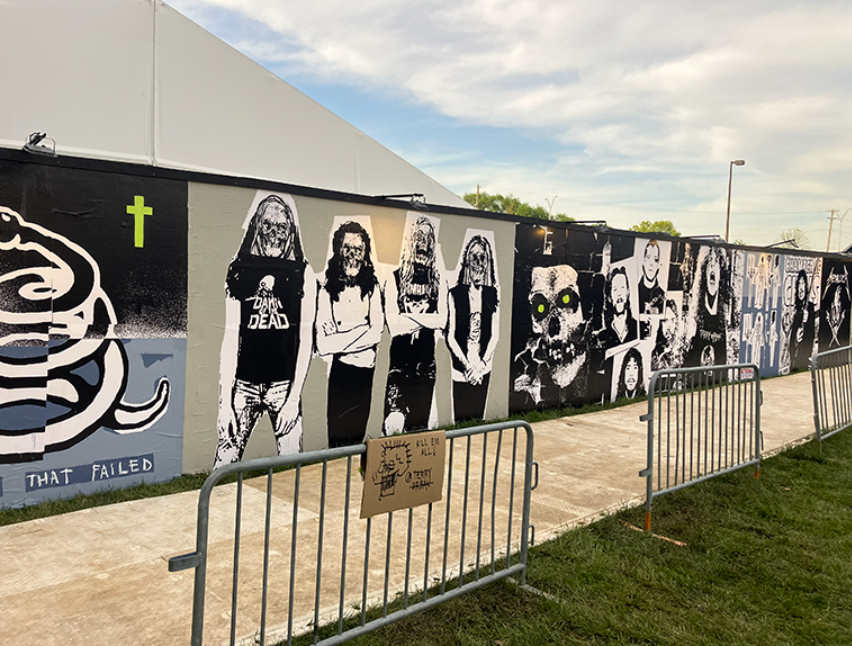
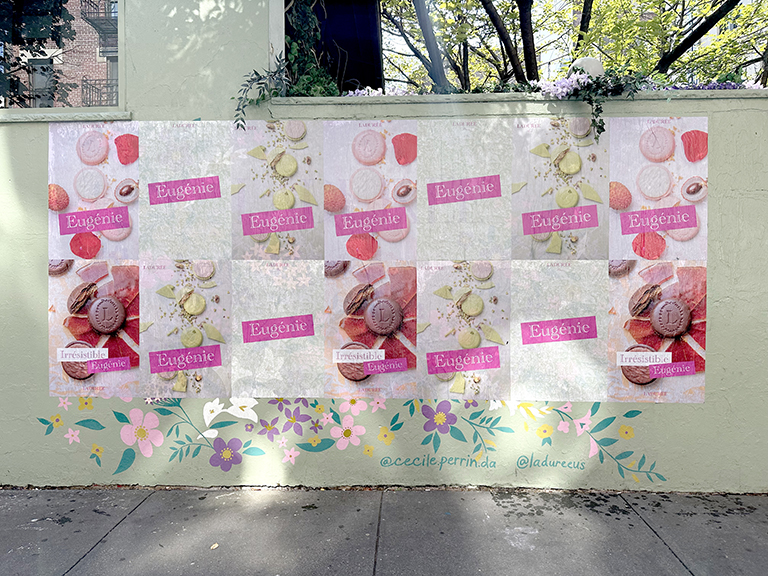
Wheatpasted poster campaigns in the Brady Arts District and Blue Dome District in Tulsa, the Bricktown and Film Row corridors in Oklahoma City, and the Campus Corner entertainment district adjacent to OU in Norman create large-format street impressions for the walking and transit audience in the pedestrian-dense areas adjacent to Oklahoma’s most active transit networks.
AGM’s Oklahoma transit advertising process starts with market research specific to the Oklahoma systems included in your campaign. Before recommending any format or placement, AGM reviews ridership data, stop-level pedestrian counts, and route demographic profiles to identify the specific corridors and stops that align with your target audience. For a multi-market Oklahoma campaign, this research distinguishes between the Embark energy industry professional audience in OKC’s downtown core, the MTTA arts and technology professional audience in Tulsa’s Brady District, and the CART university student audience in Norman, and builds placement recommendations that address each audience through the specific routes and stops where they concentrate.
Once the placement plan is approved, AGM handles all media buying negotiations directly with each Oklahoma transit authority or its authorized advertising representative. Contract terms, installation timeline management, and creative specification compliance across Embark, MTTA, CART, and the secondary Oklahoma systems are handled by AGM from contract through installation. Post-installation, AGM provides photographic documentation of all Oklahoma placements for your records and compliance files.
For Oklahoma campaigns that include both transit advertising and guerrilla elements, AGM coordinates timing so that snipe placements along Embark corridors, wheatpasted poster installations in Tulsa’s Brady Arts District, and CART campus gate stencils all go live simultaneously with the transit interior installations. The synchronized launch maximizes the multi-touchpoint reinforcement that makes the combined campaign more effective than transit advertising running in isolation.
Yes. AGM manages multi-market transit campaigns across Oklahoma through a single client engagement. A campaign covering Embark Oklahoma City, MTTA Tulsa, and CART Norman can be coordinated through one AGM contact with unified creative management, production coordination, and post-campaign reporting across all three systems. Multi-market campaigns benefit from coordinated planning that ensures synchronized launch timing and consistent creative standards across the different transit system specifications.
Oklahoma City is the administrative and operational headquarters of a significant portion of North America’s oil and gas industry. The downtown OKC employment core includes the offices of Devon Energy, Chesapeake Energy’s successor operations, Continental Resources, and dozens of mid-sized exploration and production companies whose workforce commutes on Embark routes from the residential neighborhoods northeast, east, and south of downtown. Embark transit advertising in the downtown OKC corridor reaches the administrative and professional workforce of the energy industry in their daily commuting environment in a way that no digital or out-of-home format targeting the same OKC market can replicate with the same geographic specificity.
OU’s home football season at Gaylord Family Stadium in Norman creates extraordinary ridership spikes on CART during the fall semester game day windows. For brands targeting the OU campus and Norman market, the fall semester from late August through early December is the highest-value campaign window. Game day Saturday ridership on campus routes exceeds standard weekday ridership by significant margins, creating impression volume on fall Saturdays that is disproportionate to CART’s normal daily ridership numbers. The fall game day windows are the most competitive inventory in the Norman transit market and benefit most from advance booking and early planning.
Yes, specifically for healthcare brands serving rural Oklahoma, tribal health programs, and Medicaid or CHIP-enrolled populations in the Choctaw Nation territory. KI-BOIS connects the communities of seven southeastern Oklahoma counties to healthcare facilities, social services offices, and employment centers, and the ridership is heavily concentrated among the elderly, disabled, and rural transit-dependent populations that have limited access to private transportation. For a healthcare brand, insurance enrollment program, social services agency, or tribal health system trying to reach this specific demographic in rural southeastern Oklahoma, KI-BOIS transit advertising is the most direct physical placement available in that geography.
Edmond is one of the fastest-growing cities in Oklahoma and has household income levels substantially above the Embark OKC system average. CityLink serves the Edmond residential community and the University of Central Oklahoma campus, combining the affluent north OKC suburban demographic with the UCO student population of approximately 16,000 on a single connected transit network. For brands targeting higher-income Oklahoma City area consumers, CityLink placements deliver a different demographic profile from the core Embark system at lower advertising cost relative to the income level of the audience reached.
Standard production and installation lead time for Oklahoma transit interior advertising is two to four weeks from final artwork approval. Shelter advertising at the highest-demand OKC and Tulsa locations may require four to six weeks for confirmation and installation. Full bus wraps require five to six weeks minimum across all Oklahoma systems. AGM recommends beginning Oklahoma campaign planning six to eight weeks before the intended launch date to ensure availability, production time, and installation scheduling on all Oklahoma systems included in the campaign.
Oklahoma transit advertising costs are substantially lower than comparable Texas markets in Dallas-Fort Worth, Houston, and Austin. The premium interior placements on Embark Oklahoma City and MTTA Tulsa cost a fraction of equivalent placements on DART in Dallas or Metro in Houston, while the ridership demographics are comparable in many employment and professional categories. For brands with a South Central regional strategy, allocating a portion of Texas transit budget to Oklahoma transit placements delivers additional market coverage at a cost-per-impression ratio that typically outperforms the Texas equivalent, particularly in the OKC energy industry corridor and the Tulsa arts and technology corridors.
Yes. For regulated industry advertisers including healthcare systems, financial institutions, insurance companies, tribal health programs, and legal services operating in Oklahoma, AGM provides installation photographs, placement location records, campaign period dates, and estimated impression counts for all Oklahoma transit placements. For clients in regulated categories who need formal proof-of-performance documentation for compliance, AGM structures reporting deliverables that meet those requirements across all Oklahoma systems included in the campaign.
LATS in Lawton is the strongest military community transit placement in Oklahoma, given the proximity of Fort Sill and the concentration of active-duty military, veterans, military families, and civilian defense contractors in the Lawton-Comanche County area. Cameron University’s campus routes on LATS add a young adult academic demographic that is often concurrent with military family members pursuing education during or after active duty service. For brands specifically marketing to the military community in Oklahoma, LATS delivers this demographic with a geographic specificity that no other Oklahoma transit system can replicate.