American Guerrilla Marketing
Nationwide serivce
Media planning, media buying, billboard advertising, & guerrilla marketing

American Guerrilla Marketing places interior bus and shelter advertising across every major Alabama transit system. Birmingham, Montgomery, Mobile, Tuscaloosa, and community transportation serving rural central Alabama. Direct execution. 500+ campaigns nationwide.
Alabama’s transit landscape is shaped by four distinct market environments, each with its own ridership character, demographic profile, and advertising value proposition. Birmingham is the industrial and healthcare metro, with MAX Transit connecting Jefferson County’s workforce communities to the downtown employment hub and the University of Alabama at Birmingham medical district. Montgomery is the capital, where state government employment drives a professional commuter ridership on MATS routes running through the historic downtown core and the Alabama State University corridor. Mobile is the port city, where The Wave Transit System covers 18 fixed routes and the Baylinc crossbay service extending to Baldwin County across Mobile Bay. Tuscaloosa is the university city, divided between the student campus transit on CrimsonRide, the city bus network on Orbit, and The Tuscaloosa Trolley that moves the entertainment district crowd through the Greensboro Avenue bar and restaurant corridor on football weekends and throughout the fall semester.
AGM has worked in Alabama transit markets for years as part of our 10-plus year, 500-plus campaign national execution record. We know the specific advertising value of each Alabama system, how their riderships differ, and how to structure campaigns that match an advertiser’s target audience to the specific routes and stop locations where that audience is concentrated. Alabama is not a single transit market. It is four distinct markets with distinct audiences, and the media plan that works in Birmingham is not the same plan that works in Tuscaloosa or Mobile.
The state’s community transportation layer, including the Areawide Community Transportation System serving central Alabama’s rural and suburban communities around Montgomery, adds a fifth market type: the elderly, disabled, and rural transit-dependent audience in Autauga, Elmore, and Lowndes counties who are reached by no other transit advertising format in the state. For healthcare, insurance, and social services brands that need to reach this specific demographic in central Alabama, ACTS is the only transit channel that delivers them directly.
AGM covers every major Alabama transit system from Birmingham to Tuscaloosa, Montgomery to Mobile. Tell us your target market and we'll build the media plan that reaches them directly.
Fixed-route service across Jefferson County connecting Birmingham, Bessemer, Center Point, Hoover, Mountain Brook, and UAB. Alabama’s largest transit system and primary urban advertising market.
18 fixed routes serving the Port City. Downtown Mobile to Prichard, Spring Hill, Tillman’s Corner, and the Baylinc crossbay service to Baldwin County. Mobile’s only public transit network.
City bus service in Alabama’s capital. Routes serving downtown Dexter Avenue, Alabama State University, Atlanta Highway east Montgomery, and the west Montgomery residential corridors.
Community transit serving Montgomery and surrounding counties including Autauga, Elmore, and Lowndes. Serves elderly, disabled, and rural riders connecting to medical and social services.
UA’s campus transit system serving 40,000+ students on McFarland Boulevard, Harrington, Forest Lake routes, and game day shuttles to Bryant-Denny Stadium. Free for UA students.
Tuscaloosa’s municipal bus system. Routes serving West Tuscaloosa, DCH Regional Medical Center, downtown, and Northport across the Black Warrior River. Serves the non-student Tuscaloosa community.
Downtown Tuscaloosa’s entertainment district trolley. Greensboro Avenue bar corridor, The Strip at University Boulevard, Black Warrior Riverfront. Serves the entertainment and student nightlife audience.
MAX Transit in Birmingham is Alabama’s highest-ridership transit system, connecting Jefferson County’s workforce communities to the downtown employment hub, the UAB medical district on University Boulevard, and the commercial corridors of Bessemer, Center Point, Mountain Brook, and Homewood. The MAX advertising inventory is the most diverse in the state: routes serving both transit-dependent working-class communities in Ensley, Fairfield, and Midfield and choice-rider commuters from the Homewood and Mountain Brook suburbs create a demographic range that few other mid-sized metro transit systems can offer within a single system.
The UAB connection is the specific differentiator that makes MAX advertising valuable for healthcare, pharmaceutical, and professional services brands. The University of Alabama at Birmingham health system is one of the state’s largest employers, and routes serving the UAB campus and hospital district carry thousands of clinical and support workers daily. For brands targeting healthcare professionals, Birmingham’s MAX transit corridors are the most direct placement channel in the state.
Birmingham’s transit advertising market is less saturated than comparable Southeastern markets in Atlanta and Nashville but more developed than Montgomery or Mobile, which means premium route and shelter inventory is available but competitive enough to require advance planning for the highest-ridership positions.
The Wave Transit System in Mobile is distinctive among Alabama transit systems for the Baylinc crossbay route that extends service into Baldwin County’s affluent Eastern Shore communities of Fairhope, Daphne, and Point Clear. No other Alabama transit advertising buy delivers the Mobile working-class demographic alongside the high-income Baldwin County retirement and residential demographic in a single placement. The crossbay route creates an advertising opportunity with no equivalent elsewhere in the state for brands that want to reach both sides of Mobile Bay.
Mobile’s 18 fixed routes cover the full city geography from Prichard and Chickasaw on the north to Theodore and Tillman’s Corner on the west, creating a comprehensive city transit advertising network that reaches the full Mobile County consumer base. The Airbus manufacturing presence at the Mobile Aeroplex and the USA Health system at University of South Alabama create specific professional and skilled-worker demographics on the transit routes serving those employment centers that are valuable for brands targeting those communities.
MATS serves Alabama’s capital with routes connecting the state government employment center on Dexter Avenue to the residential communities of east and west Montgomery, and the Alabama State University campus to the downtown and south Montgomery commercial corridors. The state government workforce on Capitol district routes is the most predictable, highest-income, and most educationally attained demographic in the MATS system, making downtown-oriented route advertising particularly valuable for financial services, insurance, legal services, and professional brand categories.
ASU’s campus creates a concentrated young adult demographic on the South Jackson Street corridor, and Montgomery is a market where the combination of government professional ridership and HBCU student ridership creates two distinct, addressable demographic segments within a single transit system. Brands that want to reach both the Alabama state professional workforce and the Montgomery young adult college demographic can structure a MATS buy that targets both segments independently on the routes that serve them respectively.
Tuscaloosa is the most complex of Alabama’s transit advertising markets because the same city is served by three systems with three fundamentally different audience profiles. CrimsonRide carries UA students on academic commutes and game day shuttles. Orbit carries the working Tuscaloosa community on daily errands and healthcare commutes. The Tuscaloosa Trolley carries the entertainment district audience on evenings and football weekends. Understanding which system serves which audience is the starting point for any Tuscaloosa transit advertising plan.
For a brand that wants to reach the full Tuscaloosa market, combining CrimsonRide interior advertising during the fall semester with Orbit route placements and Tuscaloosa Trolley coverage creates a comprehensive presence across all three audience segments. For a brand with a specific Tuscaloosa target, selecting the one system whose audience profile matches that target delivers the most efficient placement. AGM advises on the Tuscaloosa system selection based on each advertiser’s specific demographic and geographic objectives.
Alabama’s transit advertising market is significantly less competitive than equivalent-sized Southeastern states. Georgia’s transit advertising market is anchored by MARTA in Atlanta, which has national brand competition for every premium placement. North Carolina’s transit market is competitive across Raleigh-Durham, Charlotte, and Greensboro. Florida’s transit systems in Miami, Tampa, and Orlando draw national advertiser competition year-round. Alabama’s transit systems operate in a different competitive environment: the premium inventory on MAX in Birmingham, MATS in Montgomery, and The Wave in Mobile is available to well-planned campaigns without the waitlist pressure and cost premium of the major Southeastern markets.
The implication for advertisers is tactical. A brand that cannot afford to compete for premium inventory on MARTA can afford to own the best positions on MAX Transit, and the Jefferson County ridership demographic that MAX serves is genuinely comparable in consumer spending categories to the MARTA ridership at a fraction of the advertising investment. The same logic applies across the state: Alabama’s transit advertising is underpriced relative to comparable audience volumes in more competitive markets, and brands that allocate Alabama transit budget now are getting market-dominant placements at pre-competition pricing.
The one area where this logic does not fully apply is the CrimsonRide UA campus market during the fall semester. Because the UA football season brings national brand attention to Tuscaloosa specifically during the game day windows, game day-adjacent transit inventory on CrimsonRide has more competition than the standard academic-year inventory. That said, the CrimsonRide market during the academic year outside of game day periods remains substantially less contested than peer university transit markets at Michigan, Ohio State, or UT Austin.
Available on: MAX (Birmingham), The Wave (Mobile), MATS (Montgomery), Orbit (Tuscaloosa), CrimsonRide (Tuscaloosa/UA)
Complete exterior wraps available on the primary fleet vehicles of Alabama’s major transit systems. Market-level visual saturation at cost-per-impression rates that outperform equivalent-reach outdoor buys. Contact AGM for availability and pricing on specific systems.
Available on: All Alabama fixed-route systems
30-by-144-inch interior postings across the full length of the bus interior. The dominant interior format for brand awareness campaigns on Alabama transit. System-wide buys on MAX and The Wave deliver the highest Alabama statewide transit reach.
Available on: All Alabama fixed-route systems
Mid-format interior postings for targeted route or corridor-specific campaigns. The right format for advertisers with specific geographic or demographic targets within an Alabama transit system’s coverage area.
Available on: All Alabama transit systems including ACTS community transit
Distributed card placements at multiple positions throughout the bus interior. The most accessible format for local and regional advertisers. Available on all Alabama systems including ACTS community transit serving rural central Alabama.
Available on: MAX, The Wave, MATS, Orbit, CrimsonRide
Reading-distance advertising on the backs of bus seats. Best for QR codes, detailed service information, and campaigns that benefit from close reading engagement on the longer Alabama transit routes.
Available on: MAX, The Wave, MATS, Orbit
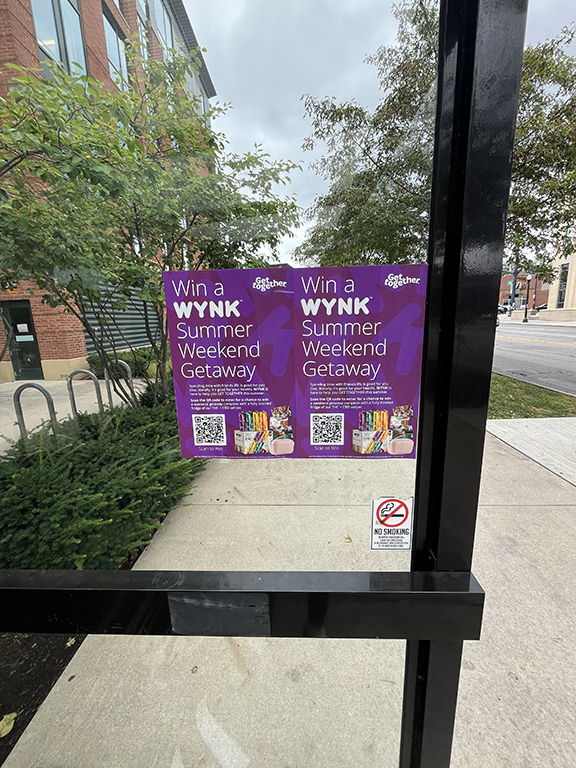
Backlit full-panel shelter advertising at $3,850 per four-week cycle. Available at primary stop locations on all major Alabama fixed-route systems. Day-and-night visibility at high-traffic transit nodes.
Available on: MAX, The Wave, MATS, Orbit
Mid-size shelter panel at $850 per four-week cycle. The accessible entry point to Alabama shelter advertising for local and regional businesses targeting specific transit corridors and communities.
Available on: MAX, The Wave, MATS, Orbit
Bench advertising at $700 per four-week cycle. Sustained neighborhood presence at specific Alabama transit stop locations. Visible to riders, pedestrians, and vehicle traffic throughout the campaign period.
Not all shelter locations in a transit system deliver equal value for a given advertiser. The highest-ridership stops in a system — typically the main downtown hub, the hospital entrance stops, the university campus gate stops, and the major retail destination stops — deliver the highest transit audience volumes, but they may not be the best placements for every advertiser. A shelter stop adjacent to a hospital entrance is contextually ideal for healthcare advertising but less relevant for a consumer goods brand targeting the general working adult demographic. A downtown hub shelter reaches the broadest cross-section of the system’s ridership but delivers that audience in a transfer mindset rather than a destination-specific context.
AGM’s shelter placement strategy begins with defining your target audience before selecting locations. If your campaign is targeting healthcare professionals, we prioritize the hospital entrance stops regardless of whether they are the system’s highest-ridership locations overall. If your campaign is targeting students, we prioritize the campus gate stops. If your campaign is a broad brand awareness initiative targeting the general working adult population, we prioritize the high-ridership hub stops that see the largest daily traffic. The goal is contextual relevance, not simply maximum impressions, because a contextually relevant shelter placement generates higher recall and response rates than a generic high-traffic location.
AGM’s full range of guerrilla marketing formats is available alongside transit advertising campaigns in every Alabama market. The combination of transit and street-level guerrilla creates the frequency stack that single-format campaigns cannot achieve on their own.
Snipe advertising along the corridors served by MAX in Birmingham, MATS in Montgomery, The Wave in Mobile, and the CrimsonRide and Orbit routes in Tuscaloosa creates street-level touchpoints that reinforce bus interior campaigns at the route level. Riders who see your transit interior card also encounter your snipes at stop intersections and along the commercial strips their routes travel.
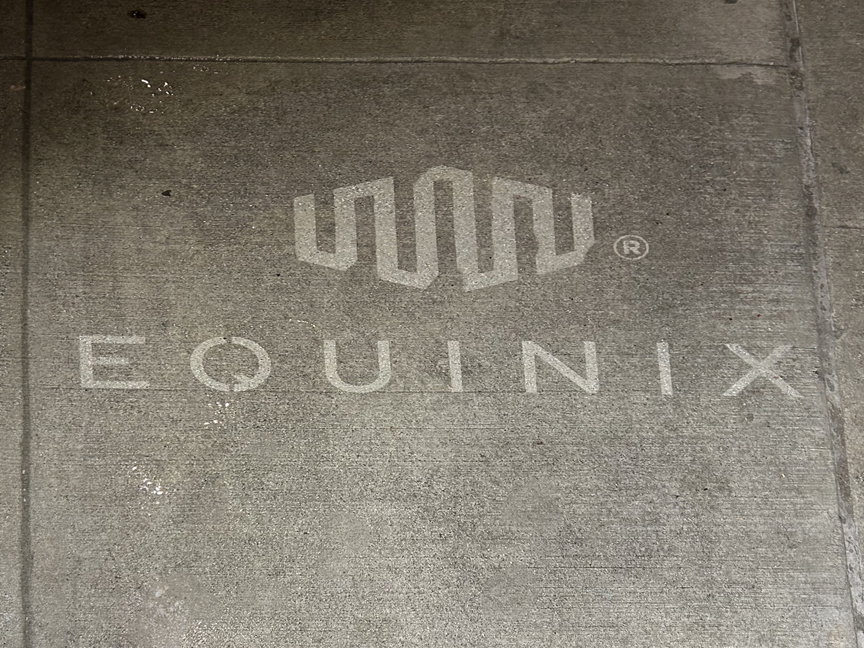
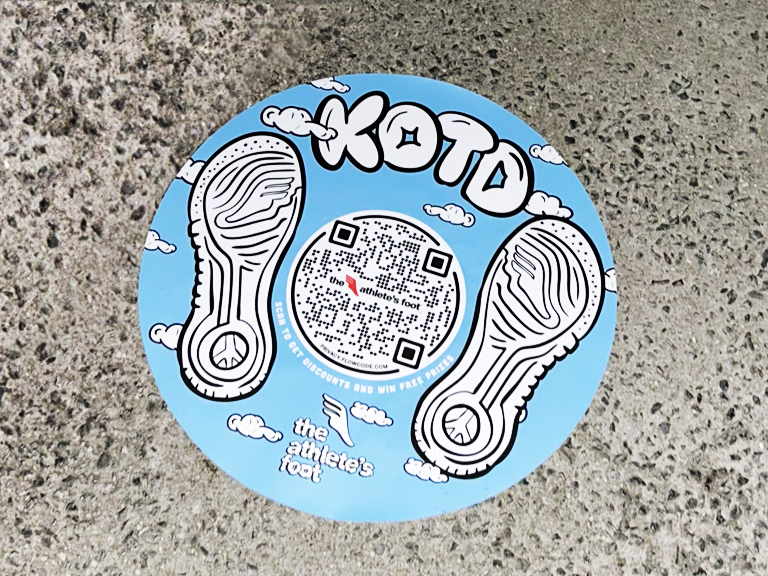
Sidewalk stencils at the primary transit hubs in each Alabama city, including the Morris Avenue MAX hub in Birmingham, the downtown MATS hub in Montgomery, and the CrimsonRide Ferguson Center stop in Tuscaloosa, create ground-level brand presence at the maximum foot-traffic concentration points in each system.
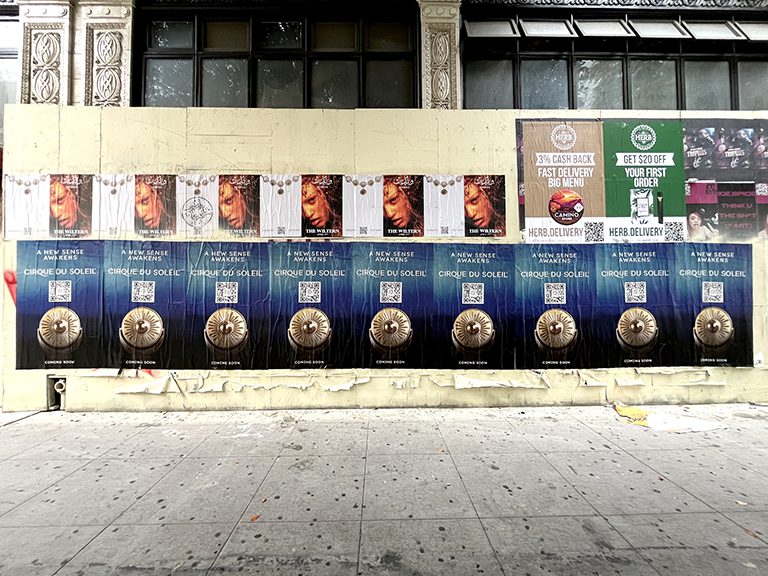
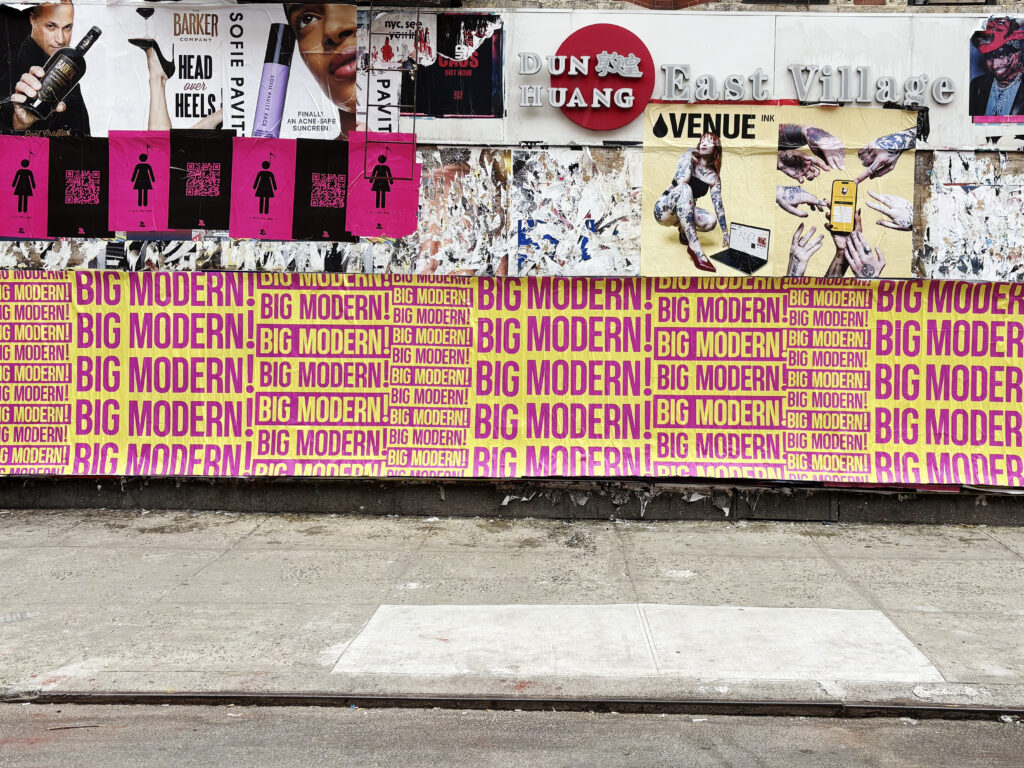
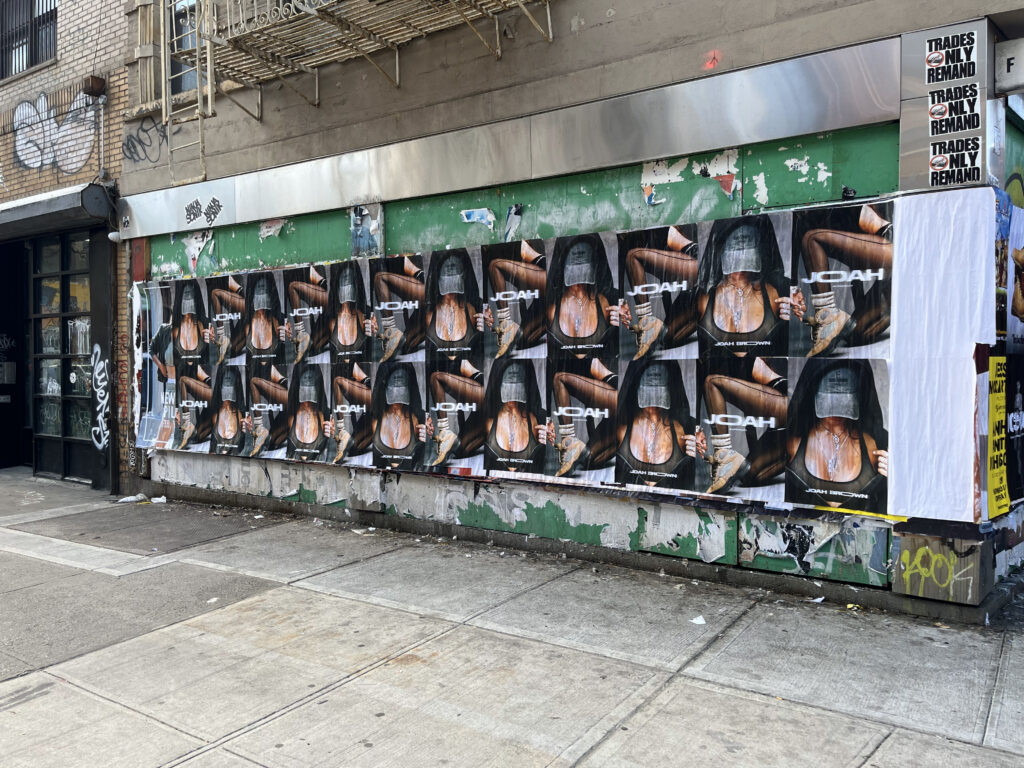
Wheatpasted poster campaigns in the Avondale and Five Points South corridors in Birmingham, the downtown Greensboro Avenue corridor in Tuscaloosa, and the historic downtown districts of Montgomery and Mobile create large-format street impressions for the walking and transit audience in the pedestrian-dense areas adjacent to Alabama’s transit networks.
American Guerrilla Marketing’s transit advertising process begins with market research and route analysis, not a phone call to the transit authority’s advertising sales department. Before recommending any format or placement, AGM reviews ridership data, stop-level pedestrian counts, and route demographic profiles to identify the specific corridors and stops that align with your target audience. This research phase typically takes one to two weeks and produces a placement recommendation with supporting data that explains why each specific route and stop was selected, what audience volume and demographics to expect, and what creative approach will work best in the specific format environments being recommended.
Once the placement plan is approved, AGM handles all media buying negotiations directly with the transit authority or its authorized advertising representative. We manage the contract terms, the installation timeline, and the creative specification requirements. Your responsibility is the final creative approval — the actual buying, placement coordination, production vendor management, and installation scheduling are handled by AGM from contract through installation. Post-installation, AGM provides photographic documentation of all placements for your records and for use in internal campaign reporting.
For campaigns that include both transit advertising and guerrilla elements, AGM coordinates the timing of guerrilla deployments to align with the bus wrap or interior card installation schedule. The goal is to have all campaign elements live simultaneously so that the multi-touchpoint sequence begins on the same day and runs for the same duration. A guerrilla element that goes up two weeks before or after the transit placement misses the opportunity for simultaneous reinforcement that makes the combined campaign more effective than either format alone. AGM’s coordination process ensures that the transit and guerrilla components of your campaign go live together and stay live together for the full campaign duration.
In a media landscape defined by digital ad blocking, streaming ad skips, and the constant fragmentation of audience attention across an ever-expanding range of content platforms, transit advertising offers something that the digital formats cannot: a captive audience in a physical space where they have no mechanism to skip or block the message. A person riding the bus cannot swipe past an interior card. A driver stuck behind a bus at a red light cannot close the browser tab on the tail display. A pedestrian waiting at a bus stop cannot turn off the shelter backlit panel. These are passive, non-interruptive exposures that the audience accepts as part of the physical environment they move through every day, and that acceptance is what makes transit advertising’s recall rates consistently higher than digital display advertising at comparable media costs per thousand impressions.
The transit rider audience is also a more economically diverse audience than most digital advertising platforms can deliver. The working adult who rides the bus every day to get to work is a different consumer profile from the user who reaches streaming content from a high-income household with multiple devices. Transit advertising reaches both the upwardly mobile young professional who uses the bus because it is faster than driving downtown and the transit-dependent working adult who relies on the bus as their primary transportation. For brands that need to reach both income segments within a single market, transit advertising is one of the few formats that delivers both in the same placement.
Contact AGM to begin the planning process for your transit advertising campaign. We bring market research, media buying expertise, creative specification guidance, and full campaign execution to every transit advertising engagement. The first conversation is about understanding your campaign objectives and your target audience — everything else follows from that starting point.
Yes. AGM manages multi-market transit advertising campaigns across Alabama through a single client engagement. A statewide Alabama transit campaign covering MAX in Birmingham, MATS in Montgomery, The Wave in Mobile, and CrimsonRide plus Orbit in Tuscaloosa can be coordinated through one AGM point of contact with unified creative management, production coordination, and post-campaign reporting across all markets. Multi-market campaigns benefit from coordinated planning that ensures consistent creative standards and synchronized launch timelines across the different transit systems.
MAX Transit in Birmingham delivers the highest absolute ridership of any Alabama transit system. Jefferson County’s population base, the UAB medical district employment, and the suburban commuter routes to Mountain Brook, Homewood, and Center Point give MAX a ridership volume that significantly exceeds MATS in Montgomery or The Wave in Mobile. For a statewide Alabama campaign prioritized by absolute ridership volume, Birmingham MAX should receive the largest share of the transit budget. For campaigns with specific geographic or demographic targets, the Montgomery, Mobile, and Tuscaloosa markets may deserve proportionally larger shares based on audience match quality rather than pure ridership volume.
Alabama home football games at Bryant-Denny Stadium in Tuscaloosa create extraordinary ridership spikes on CrimsonRide and The Tuscaloosa Trolley during the fall semester. For brands targeting the UA campus and Tuscaloosa market, the fall football season from late August through early December is the primary campaign window. In Birmingham, Auburn game and other SEC football viewing events create higher transit ridership on the autumn weekends when fans move between neighborhoods for watch parties and downtown entertainment, though this effect is less dramatic than the direct Tuscaloosa game day impact. For the broadest Alabama transit reach, fall semester campaigns across the state’s university and capital markets are the highest-value timing window in the annual calendar.
Alabama transit systems generally follow standard transit advertising content guidelines that apply nationally. CrimsonRide, as a university-operated system, may have specific content standards reflecting UA’s campus community policies. Alcohol advertising is handled differently across different Alabama systems, with some systems permitting spirits, wine, and beer advertising and others restricting certain categories. AGM reviews applicable content guidelines for each Alabama system during campaign planning and advises clients on any category restrictions relevant to their campaign creative before production begins.
The UAB routes on MAX Transit in Birmingham are the strongest healthcare professional transit placements in the state, given the size of the UAB health system and the concentration of clinical and support workers on the University Boulevard and campus-adjacent routes. For healthcare professional targeting in other Alabama markets, the Wave Transit routes serving USA Health in Mobile and the Orbit DCH Regional Medical Center routes in Tuscaloosa provide more geographically focused healthcare worker audiences at smaller scale. For a statewide healthcare workforce advertising campaign, a combined MAX UAB corridor, Wave USA Health corridor, and Orbit DCH corridor buy covers the three largest hospital system workforces accessible via Alabama transit.
The systems covered on this page represent the major fixed-route transit systems in Alabama. Additional community transit, paratransit, and specialized transit services operate across the state that may have advertising availability on a case-by-case basis. AGM can research advertising opportunities on any Alabama transit operator given sufficient lead time. If your target community is served by a transit system not listed here, contact AGM and we will investigate the available advertising options within that system’s inventory and policies.
Alabama transit advertising consistently delivers lower cost-per-impression than digital advertising for comparable demographic segments in the same geographic markets. The working adult and commuter demographic on MAX and MATS is reachable through digital channels, but the fragmentation of digital media, the ad-avoidance behaviors of mobile users, and the cost escalation of programmatic targeting in competitive consumer categories means that physical transit advertising delivers sustained, frequency-building exposure at cost levels that digital campaigns in the same markets rarely match. For brands with an Alabama market focus and a target demographic that uses the state’s transit systems regularly, physical transit advertising is typically more efficient per effective impression than digital alternatives at comparable Alabama market budget levels.
AGM can structure multi-system Alabama packages that combine placements across two or more of the state’s transit systems at package pricing that reflects the combined buy. The specific package structure depends on the systems included, the formats selected, and the campaign duration. For a brand entering the Alabama market and wanting comprehensive statewide transit presence, AGM builds an Alabama market package proposal that allocates budget across Birmingham, Montgomery, Mobile, and Tuscaloosa based on the advertiser’s specific market priorities and demographic targets. Contact AGM for Alabama multi-system package pricing.
Standard production and installation lead time for Alabama transit interior advertising is two to four weeks from final artwork approval. Shelter advertising at primary stop locations may require four to six weeks for the highest-demand positions, particularly on MAX Transit in Birmingham where shelter inventory at University Boulevard and the 5th Avenue North corridor sees the most advance booking. Full bus wraps require the most production and installation lead time at five to six weeks minimum. AGM recommends beginning campaign planning six to eight weeks before the intended launch date to ensure availability confirmation, production time, and installation scheduling on all Alabama systems included in the campaign.
Yes. For regulated industry advertisers including healthcare systems, financial institutions, insurance companies, and legal services, AGM provides the documentation and compliance trail that regulated marketing activities require. All Alabama transit advertising placements are documented with installation photographs, placement location records, campaign period dates, and estimated impression counts. For healthcare and financial services clients who need formal proof-of-performance documentation for compliance records, AGM structures reporting deliverables that meet those documentation requirements.