American Guerrilla Marketing
Nationwide serivce
Media planning, media buying, billboard advertising, & guerrilla marketing
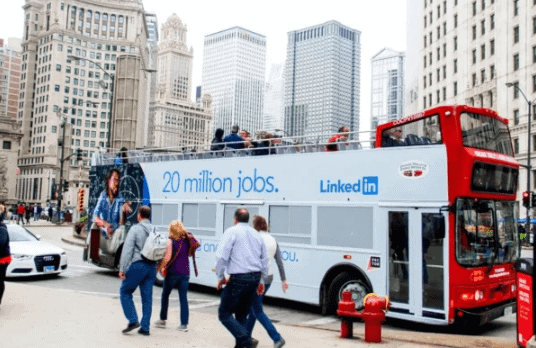
American Guerrilla Marketing places interior bus and shelter advertising across South Dakota transit systems. Sioux Falls, Rapid City, Aberdeen, and intercity routes through Jefferson Lines. Completely uncontested markets. Direct execution. 500+ campaigns nationwide.
South Dakota’s transit advertising market is among the least contested in the United States, and that fact is both the defining characteristic and the primary value proposition for advertisers considering the state’s transit systems. Sioux Falls is the dominant market by population and ridership, a mid-size city that has grown faster than almost any other non-coastal American metro over the past two decades, fueled by a financial services sector that includes major operations from Wells Fargo, Citibank, and Capital One. The state’s favorable banking laws drew these national institutions to Sioux Falls decades ago, and the result is a city with a white-collar professional workforce that is proportionally large relative to its overall population size. Rapid City is the western anchor, serving the Black Hills region and the Mount Rushmore tourism economy with a transit network that covers both the city’s residential workforce and the seasonal visitor traffic that passes through the Black Hills corridor. Aberdeen is the northern market, a smaller city with a retail, agricultural services, and healthcare-anchored economy whose transit ridership is the most hyperlocal in the state.
What is notable about South Dakota is not the scale of its transit systems — none of them compete in ridership volume with the major metro systems in Minneapolis, Denver, or Kansas City — but rather the complete absence of advertising competition for the inventory that exists. A brand that wants to own the transit advertising space in Sioux Falls can do so without bidding against national advertisers for shelter positions or bus wrap availability. A brand that wants to reach Rapid City’s tourism-corridor workforce has no competitive pressure preventing them from securing the best placements on Rapid Ride’s routes through the primary employment and visitor corridors. South Dakota transit advertising is available for the taking, and the audience it delivers is genuinely valuable even though most advertisers have not yet discovered it.
The financial services employment base in Sioux Falls creates a transit ridership with a professional demographic profile that is unusual for a city of its size. Call center employees, bank operations professionals, data processing workers, and the supporting retail and services workforce that a major financial services cluster generates ride Sioux Area Metro to and from work daily. For brands that target the financial services workforce, the banking-adjacent professional demographic, or the general working adult population in one of the most economically dynamic mid-size cities in the Great Plains, Sioux Falls transit advertising delivers a genuinely valuable audience at cost levels that reflect the market’s size rather than its economic productivity.
AGM covers Sioux Falls, Rapid City, Aberdeen, and intercity routes across South Dakota. Completely uncontested markets. Tell us your audience and we will build the plan.
Fixed-route bus service across Sioux Falls and the surrounding metropolitan area. South Dakota’s largest transit system. Serves the financial services employment base, healthcare workers, retail employees, and the full range of Sioux Falls commuters on multiple routes across the city.
Bus service covering Rapid City and the western South Dakota market. Serves the Black Hills regional workforce, healthcare and retail employees, and the tourism-adjacent employment corridor connecting Rapid City to the Mount Rushmore and Badlands visitor economy.
Municipal transit serving Aberdeen and the surrounding north-central South Dakota market. Aberdeen’s agricultural services, healthcare, and retail-anchored economy. The most hyperlocal transit advertising buy in South Dakota.
Intercity coach service connecting South Dakota’s cities with regional destinations. Serves travelers moving between Sioux Falls, Rapid City, Aberdeen, and regional connection points. The intercity advertising channel for South Dakota.
Sioux Falls is the most important transit advertising market in South Dakota by a significant margin. The city has grown from a mid-size regional center into one of the most economically productive cities per capita in the northern Great Plains, driven primarily by South Dakota’s decision decades ago to eliminate usury laws on credit card interest rates. That policy decision attracted national credit card operations from Citibank, Wells Fargo, Capital One, and dozens of smaller financial institutions to Sioux Falls, creating a concentration of financial services employment that is extraordinary for a city of its population. The workers in these operations — the account management staff, the data processing workers, the customer service representatives, the technology and operations professionals — represent a significant share of the Sioux Area Metro ridership and a demographic profile that financial services brands, insurance companies, and professional services providers would specifically target in any market.
Rapid City is western South Dakota’s regional hub, the largest city in the Black Hills region and the primary services, retail, and healthcare center for a large and sparsely populated western territory that extends from the Wyoming border to the Missouri River. Rapid Ride’s transit network serves the city’s workforce commuters, the regional healthcare workers at Monument Health’s Rapid City Regional Hospital, the retail and service employees of the Rushmore Mall and the Lacrosse Street commercial corridor, and the Black Hills tourism industry workforce that supports the millions of visitors who pass through the region annually on the way to Mount Rushmore, Crazy Horse Memorial, Custer State Park, and the Badlands.
Aberdeen Ride serves the smallest of South Dakota’s three municipal transit markets but occupies a distinctive position as the primary transit advertising channel for north-central South Dakota’s regional economy. Aberdeen is the commercial and services center for a large rural territory, and the city’s transit ridership reflects the diversity of services that a regional hub provides: healthcare workers at Avera St. Luke’s Hospital and the regional clinic network, retail employees at the Aberdeen Mall and the Highway 281 commercial corridor, Northern State University students and staff, and the agricultural services and industrial workforce that supports the region’s grain and livestock economy.
Jefferson Lines provides intercity coach service connecting South Dakota’s cities with regional destinations across the upper Midwest. The intercity audience on Jefferson Lines routes includes students traveling between university cities, workers commuting between regional employment centers, and travelers connecting to points beyond South Dakota’s borders. The intercity transit advertising opportunity is distinct from fixed-route city bus advertising: the audience spends significantly more time in contact with onboard advertising over longer journey durations, and the audience profile on intercity routes includes a higher proportion of people in transit between significant life decisions — moving, starting a new job, visiting family — which creates specific contextual relevance for certain advertising categories including financial services, housing, and career-related brands.
Available on: Sioux Area Metro (Sioux Falls), Rapid Ride (Rapid City)
Complete exterior wraps on primary fleet vehicles in South Dakota’s two largest transit markets. Maximum visual market presence for brand campaigns targeting the Sioux Falls and Rapid City consumer markets. Complete bus wrap inventory in both cities is among the least contested of any mid-size American metro system. Contact AGM for current availability and pricing.
Available on: All South Dakota fixed-route systems
30-by-144-inch interior postings across the full bus interior. The primary brand awareness format on South Dakota transit. System-wide buys on Sioux Area Metro deliver the highest single-market reach in the state. King poster inventory across all three South Dakota municipal systems can be combined for comprehensive statewide coverage at total costs well below comparable mid-tier market packages in more competitive states.
Available on: All South Dakota fixed-route systems
Mid-format interior postings for route-specific or corridor-targeted campaigns. Effective for advertisers with specific neighborhood, employment zone, or demographic targeting requirements within Sioux Falls, Rapid City, or Aberdeen. The flexibility of queen poster placement makes it the right format for testing specific South Dakota transit corridors before committing to a full system buy.
Available on: Sioux Area Metro, Rapid Ride, Aberdeen Ride, Jefferson Lines SD
Distributed card placements throughout the bus interior at multiple positions. The most accessible entry point to South Dakota transit advertising for local businesses, regional brands, and national campaigns testing the market for the first time. Available on all South Dakota systems including Jefferson Lines intercity routes.
Available on: Sioux Area Metro, Rapid Ride, Jefferson Lines SD
Reading-distance advertising on bus seat backs. Ideal for QR code campaigns, detailed service messaging, and content-rich advertising that benefits from close reader engagement. Particularly effective on Jefferson Lines intercity routes where passengers spend extended time in their seats during long-distance journeys.
Available on: Sioux Area Metro, Rapid Ride
Backlit full-panel shelter advertising at $3,850 per four-week cycle. Available at primary stop locations on South Dakota’s two largest transit systems. Day-and-night visibility at the high-traffic transfer points and employment-zone stops in Sioux Falls and Rapid City.
Available on: Sioux Area Metro, Rapid Ride, Aberdeen Ride
Mid-size shelter panel at $850 per four-week cycle. Entry-level shelter advertising across South Dakota’s three municipal transit markets. Available at the primary transfer hubs and major stop locations in all three cities. The accessible format for local and regional South Dakota advertisers new to transit media.
Available on: Sioux Area Metro, Rapid Ride, Aberdeen Ride
Bench advertising at $700 per four-week cycle. Neighborhood-level presence at specific South Dakota transit stop locations. Visible to riders, pedestrians, and passing vehicle traffic throughout the campaign period. Effective for local businesses with geographically concentrated customer bases in specific Sioux Falls and Rapid City neighborhoods.
In Sioux Falls, the highest-value shelter positions for most advertisers are the stops serving the major financial services employment corridors on the north and east sides of the city, the Sanford and Avera hospital district stops, and the Empire Mall area retail corridor stops. In Rapid City, the downtown transfer hub, the Monument Health hospital entrance stops, and the Rushmore Mall commercial area stops are the primary shelter placement priorities. In Aberdeen, the Northern State University campus stops and the Avera St. Luke’s hospital area stops deliver the most demographically focused audiences for most advertising categories. AGM recommends specific shelter positions based on your campaign’s audience definition rather than generic ridership volume ranking.
Bus shelter advertising in South Dakota places your brand at the exact locations where riders wait for transit service. The dwell time at a shelter, typically five to fifteen minutes per stop visit, creates an uninterrupted, low-distraction exposure window that in-vehicle advertising alone cannot deliver at equivalent duration.
South Dakota’s shelter advertising inventory is concentrated at the primary boarding and alighting points on the state’s larger transit systems, where ridership volumes and wait times are highest. AGM identifies the shelter positions that deliver the most rider exposure for each campaign’s geographic and demographic targets, and structures shelter buys around the stop locations that create maximum frequency among the target audience.
AGM manages all aspects of shelter advertising placement in South Dakota, from inventory identification and booking through creative production, installation, and monitoring for the full campaign posting period.
South Dakota’s transit advertising market is less competitive than comparable markets in states with higher national advertiser awareness. Brands that target the digital advertising ecosystem for the same audiences often pay a premium for fragmented, avoidance-prone digital impressions when South Dakota’s transit systems deliver the same demographics with sustained, physical exposure during their daily transit routine.
The working adult, student, and community transit rider in South Dakota is reachable through transit advertising at a cost-per-impression that digital advertising in the same markets consistently fails to match. AGM has executed transit campaigns across more than 500 national engagements and understands exactly which South Dakota systems and routes deliver the audience volume and demographic profile that each advertiser needs.
Brands that enter the South Dakota transit advertising market now are securing placements at pre-competitive pricing on systems that will attract more national advertiser attention as the market matures.
AGM’s full range of guerrilla marketing formats is available alongside transit advertising campaigns in South Dakota’s transit markets. The combination of transit and street-level guerrilla creates the frequency reinforcement that single-format campaigns cannot generate independently.
Snipe advertising along the Sioux Area Metro routes through the financial services employment corridors in southeast Sioux Falls, the Main Avenue and Minnesota Avenue commercial strips, and along Rapid Ride routes through the Rapid City downtown and Mount Rushmore Road corridor creates intersection-level touchpoints that amplify bus interior campaigns at the exact street segments where transit riders commute.
Sidewalk stencils at the primary transit transfer hubs in downtown Sioux Falls and downtown Rapid City create ground-level brand presence at the highest foot-traffic concentration points in each system’s network.
Wheatpasted poster campaigns in the Phillips Avenue downtown Sioux Falls corridor, the historic Main Street Square area, and the downtown Rapid City pedestrian zone create large-format street-level impressions for the walking and transit audience in the pedestrian-active neighborhoods adjacent to South Dakota’s transit networks.
South Dakota transit advertising campaigns through AGM begin with an audience analysis that maps your target demographic to the specific routes and corridors within each South Dakota transit system where that demographic is concentrated. In Sioux Falls, this means identifying whether your campaign should prioritize the financial services employment corridor routes, the Sanford and Avera healthcare district routes, the retail and commercial district routes, or a combination based on your specific target audience. In Rapid City, this means determining whether the tourism-workforce routes, the hospital district routes, or the downtown employment routes best match your campaign objectives. In Aberdeen, the route network is simpler but the audience analysis remains the starting point.
Once the route and format analysis is complete, AGM builds a placement plan with specific recommendations tied to your audience definition and campaign objectives. After you approve the placement plan, AGM handles all media buying negotiations with each transit system, manages production specifications and vendor coordination, schedules installation, and provides post-installation documentation. The full process from initial planning to installed campaign is managed by AGM without requiring you to engage directly with the transit authorities or local production vendors.
South Dakota’s transit systems are smaller and operate with fewer administrative layers than major metro systems, which generally makes the media buying and installation processes faster and less complicated than equivalent campaigns in larger markets. The coordination that makes a Sioux Falls or Rapid City campaign work is straightforward, and AGM’s experience with similarly structured mid-size transit systems across the country means the process runs efficiently without the friction that sometimes accompanies campaigns in larger, more bureaucratically complex transit systems.
South Dakota transit markets are priced at rates that reflect the state’s population and geographic size rather than the economic productivity or demographic quality of the transit systems’ ridership. National media buying has historically allocated South Dakota to a secondary priority tier based on metro population size, which means the markets have not seen the competitive pressure that drives up pricing in the primary markets. The result is transit advertising inventory in Sioux Falls and Rapid City that delivers professional demographic audiences at costs per impression that are substantially lower than what those same demographics cost in Minneapolis, Denver, or Kansas City. The price-to-audience-quality ratio in South Dakota transit advertising consistently favors the advertiser.
Financial services brands, personal finance products, insurance companies, consumer technology with professional demographic targeting, healthcare services, and professional services categories all benefit disproportionately from the Sioux Falls transit ridership composition. The financial services workforce concentration — Wells Fargo, Citibank, Capital One, and dozens of smaller financial operations — creates a professional demographic that financial services competitors, adjacent professional services brands, and consumer brands targeting above-average income working adults can reach on the Sioux Area Metro with a specificity that is rare in a market this size. Sanford Health and Avera Health add a healthcare professional demographic layer that pharmaceutical and medical services advertisers specifically target. For most professional service brand categories, Sioux Falls delivers a higher-quality demographic per advertising dollar than most comparable-sized American cities.
Yes. While the summer tourism season amplifies the Rapid City transit audience with tourism-workforce and visitor-adjacent ridership, the year-round Rapid Ride network serves a stable working population that makes the system a viable advertising platform in all twelve months. Monument Health’s workforce, Northern Hills retail and service employment, Ellsworth Air Force Base civilian contractor workers, and the general Rapid City working adult population ride Rapid Ride consistently regardless of the tourism calendar. Fall and winter months actually provide certain advantages for transit interior advertising because the weather drives more people to transit and keeps riders on buses for longer periods, increasing average exposure time per rider. Rapid City transit advertising is a year-round strategy that happens to have a summer peak, not a seasonal-only placement.
Yes. AGM coordinates transit advertising campaigns across Sioux Area Metro in Sioux Falls, Rapid Ride in Rapid City, and Aberdeen Ride through a single client engagement. A statewide South Dakota transit campaign is managed with unified creative management, production coordination across all three systems, and consolidated reporting. Given the geographic distance between Sioux Falls, Rapid City, and Aberdeen, AGM’s direct management across all three markets is particularly valuable for ensuring synchronized campaign launches and consistent placement standards across the state’s transit network.
South Dakota’s tax environment has driven significant population and business growth in Sioux Falls over the past two decades, and that growth directly increases the transit advertising audience. More residents and more employers mean more transit riders on Sioux Area Metro, and the demographic character of the people attracted to South Dakota’s tax and business environment — often financially mobile, professional, and entrepreneurially oriented — skews the ridership toward higher-income demographics than raw population statistics would suggest. For brands targeting professional adults, small business owners, and financially active consumers, South Dakota’s growth-driven transit ridership has an above-average demographic profile that is worth factoring into any Great Plains regional advertising allocation.
Jefferson Lines’ intercity South Dakota routes offer interior advertising placements on the coaches serving the Sioux Falls to Rapid City corridor and connecting routes. Intercity coach advertising reaches a different audience than fixed-route city bus advertising: the passenger on a multi-hour intercity journey has extended exposure time with onboard advertising, a travel context that often coincides with significant life transitions, and a regional geographic profile that spans both ends of the South Dakota east-west corridor. For brands that want to reach South Dakotans across both major metro areas in a single placement context, Jefferson Lines intercity advertising offers a complementary option alongside the fixed-route city system buys in Sioux Falls and Rapid City.
South Dakota transit advertising is among the most accessible transit markets in the country from a budget standpoint. Interior card placements on Sioux Area Metro and Rapid Ride are available at local-market pricing that puts South Dakota transit within reach of regional businesses, local healthcare providers, and smaller brands that could not afford comparable placements in Minneapolis or Denver. AGM can structure South Dakota transit campaigns from single-system interior card buys appropriate for local businesses to full-state multi-system campaigns suitable for regional and national advertisers. The minimum effective campaign budget depends on the format, system, and duration selected, but South Dakota transit is consistently among the most cost-accessible transit markets AGM works with nationwide.
AGM manages the creative specification requirements for each South Dakota transit system as part of the standard campaign planning process. Sioux Area Metro, Rapid Ride, and Aberdeen Ride each have their own material specifications for interior cards, king and queen posters, and shelter advertising. AGM provides your creative team with the precise specifications for each format and system being used in the campaign and coordinates with your design team to ensure artwork meets the production standards required by each South Dakota transit authority. For bus wraps, AGM works with approved production vendors who understand the specific fleet vehicle dimensions used by each South Dakota system.
Standard production and installation lead time for South Dakota transit interior advertising is two to four weeks from final artwork approval. Shelter advertising typically requires three to five weeks for planning, production, and installation. Full bus wraps require four to six weeks minimum from artwork approval through vehicle installation. For multi-system campaigns covering Sioux Falls, Rapid City, and Aberdeen, AGM recommends beginning the planning process six to eight weeks before the intended launch date to allow for media buying confirmation, coordinated production, and synchronized installation across the state’s transit systems.
Yes. All South Dakota transit advertising placements are documented with installation photographs, placement location records, campaign period dates, and estimated impression counts based on system ridership data. For regulated industry advertisers including healthcare systems, financial institutions, and insurance companies, AGM provides formal proof-of-performance documentation that meets compliance and internal marketing records requirements. Post-campaign reporting is standard practice for all South Dakota transit advertising engagements managed through AGM.