American Guerrilla Marketing
Nationwide serivce
Media planning, media buying, billboard advertising, & guerrilla marketing

American Guerrilla Marketing places interior bus and shelter advertising across Michigan’s full transit network. DDOT and SMART in Detroit, The Ride in Ann Arbor, The Rapid in Grand Rapids, CATA in Lansing, and 15-plus additional systems statewide. Direct execution. 500+ campaigns nationwide.
Michigan’s transit advertising landscape is anchored by one of the most historically significant and economically complex metro areas in the country. Detroit’s transit system — DDOT for the city proper and SMART for the suburban ring covering Oakland, Macomb, and Wayne counties — serves the American automobile industry’s home market, a metro area defined by manufacturing workforce culture, African-American urban community life, and a post-recession economic rebound that is reshaping the downtown and midtown neighborhoods of the city itself. No other transit advertising market in the Midwest carries the specific demographic character of the Detroit metro: the auto industry skilled worker, the African-American urban professional, the Detroit suburban commuter, and the downtown creative class are all accessible through the combined DDOT and SMART transit network in ways that no other single Midwest metro transit market can replicate.
Ann Arbor’s The Ride is the top university transit market in the Midwest by any reasonable measure. The University of Michigan enrolls 47,000-plus students in a mid-sized city where the university is the overwhelming economic and cultural anchor of community life. The Ride routes serve the UM campus, the adjacent commercial districts, and the residential neighborhoods where students live, creating a transit advertising environment where the university audience percentage of ridership is among the highest of any non-campus transit system in the Midwest. For brands targeting college students in the Great Lakes region, Ann Arbor’s The Ride is the single most concentrated university transit buy available.
Grand Rapids is Michigan’s fastest-growing market, a mid-sized city with a diversifying economic base moving beyond its legacy furniture manufacturing identity into healthcare, technology, and biotech driven by Spectrum Health and the medical device industry cluster in the region. The Rapid serves this growing market at advertising rates that have not yet caught up to the city’s economic momentum, making Grand Rapids transit advertising one of the best-value emerging market placements in the Midwest. Lansing’s CATA serves Michigan State University, home to one of the largest single-campus student enrollments in the United States at more than 50,000 students, creating a university transit market of extraordinary scale in a mid-sized state capital city.
Battle Creek Transit connects the Cereal City's manufacturing and healthcare workforce -- Kellogg Company employees,...
Learn More
BATA connects Traverse City and Northwest Michigan -- Munson Healthcare workers, wine and cherry tourism...
Learn More
Bay Metro connects Bay City and the Saginaw Bay corridor -- Covenant HealthCare workers, Saginaw...
Learn More
BWAT connects Port Huron and St. Clair County -- Port Huron Hospital workers, SC4 students,...
Learn More
CATA serves Michigan's state capital and MSU's home city -- Michigan State University students, Lansing...
Learn More
DDOT is Detroit's municipal bus system -- Henry Ford Health workers, Wayne State University students,...
Learn More
Harbor Transit serves Ottawa County's lakeshore communities -- Grand Haven's tourism economy, Holland's Dutch-heritage manufacturing...
Learn More
JATA connects Jackson's healthcare and education anchors -- Henry Ford Allegiance Health workers, Jackson College...
Learn More
MAX serves Holland and the Macatawa Area -- Hope College students, Gentex and West Michigan...
Learn More
MarqTran serves Marquette -- the largest city in Michigan's Upper Peninsula, where Northern Michigan University...
Learn More
Metro Transit Kalamazoo connects WMU's 22,000 students, Bronson Methodist Hospital workers, and the Kalamazoo Promise-energized...
Learn More
MTA Flint connects the Vehicle City's healthcare corridor, the University of Michigan-Flint campus, and the...
Learn More
MATS connects Muskegon's shoreline communities -- Mercy Health Hackley Hospital workers, Muskegon Community College students,...
Learn More
STARS connects Saginaw's healthcare and education anchors -- Covenant HealthCare workers, SVSU students, and the...
Learn More
SMART serves Detroit's three-county suburban ring -- connecting automotive industry workers in Warren and Sterling...
Learn More
The Rapid serves Michigan's second city -- Spectrum Health and Mercy Health hospital workers, Grand...
Learn More
The Ride connects Ann Arbor and Ypsilanti -- University of Michigan's 47,000 students, U-M Health...
Learn More
TwinCATS connects the twin cities of Benton Harbor and St. Joseph -- Whirlpool Corporation's global...
Learn More
U-M Campus Shuttle serves the University of Michigan's 650-acre Ann Arbor campus -- connecting North...
Learn More
U-M Transit Services reaches central campus, north campus, and the medical center with nonstop university...
Learn MoreAGM covers DDOT and SMART in Detroit, The Ride in Ann Arbor, The Rapid in Grand Rapids, CATA in Lansing, and transit systems statewide. Tell us your target audience and we'll build the Michigan media plan that reaches them directly.
Detroit’s city bus system serving the full urban core. Routes through downtown, Midtown, New Center, Corktown, and the residential neighborhoods of east, west, and northwest Detroit. The heart of the Detroit transit advertising market.
Suburban Detroit bus service covering Oakland, Macomb, and Wayne counties. Routes connecting the suburban workforce to Detroit employment centers, with service in Southfield, Troy, Warren, Dearborn, and the communities of the Downriver corridor.
Ann Arbor’s transit system serving the University of Michigan campus (47,000+ students), downtown Ann Arbor, and the residential corridors connecting student neighborhoods to the UM academic and medical campus.
Grand Rapids’ bus rapid transit and fixed-route network serving Kent County. Michigan’s fastest-growing major transit market, serving the healthcare, technology, and professional service employment corridors of a rapidly developing mid-sized Midwest city.
Lansing and East Lansing’s transit network serving Michigan State University (50,000+ students — one of the largest single-campus enrollments in the US), the state government complex, and the Lansing metropolitan residential communities.
Flint’s fixed-route bus system serving a market shaped by the city’s manufacturing legacy, post-Flint water crisis community recovery, and the University of Michigan-Flint campus on the downtown riverfront.
Kalamazoo County’s bus system serving Western Michigan University (24,000+ students), downtown Kalamazoo, and the Kalamazoo Promise scholarship community that has attracted renewed investment in public education and neighborhood development.
Bay City and Saginaw area transit serving the Saginaw Bay regional communities. Routes connecting the tri-city area of Bay City, Midland, and Saginaw, with service to Saginaw Valley State University.
Battle Creek’s municipal transit serving the home of the Kellogg Company’s headquarters and a food manufacturing workforce community in southwest Michigan’s Calhoun County.
Muskegon County transit serving the Lake Michigan shoreline community of Muskegon, with routes connecting the downtown waterfront, Muskegon Community College, and the residential communities of the lakeshore corridor.
Port Huron area transit serving St. Clair County along the Michigan-Ontario border. Routes connecting Port Huron’s industrial and residential communities, with service across the Blue Water Bridge corridor.
Upper Peninsula transit serving Marquette, Northern Michigan University (7,500+ students), and the mining and healthcare employment communities of Michigan’s UP. The largest transit system north of the Mackinac Bridge.
Holland area transit serving west Michigan’s Lake Michigan shoreline community, Hope College, and the Dutch-American heritage community of Tulip City. Routes connecting downtown Holland to regional employment and recreational destinations.
Jackson County transit serving the south-central Michigan city of Jackson, with routes connecting residential neighborhoods to downtown, Spring Arbor University, and the regional employment centers of I-94 corridor.
Twin Cities Area Transportation serving the Benton Harbor and St. Joseph metro on Michigan’s southwestern Lake Michigan shore. A dual-city system serving communities with dramatically different socioeconomic profiles in the same transit network.
Detroit’s combined DDOT and SMART transit network is unlike any other transit advertising market in the Midwest. The city that invented the automobile and defined 20th-century American manufacturing culture has a transit ridership demographic shaped by that industrial heritage: a predominantly African-American urban core served by DDOT, a diverse suburban workforce served by SMART across Oakland, Macomb, and Wayne counties, and a growing downtown creative class and young professional demographic that has rediscovered Detroit’s urban core neighborhoods of Corktown, Midtown, and the Woodbridge area adjacent to Wayne State University. All three demographic layers are accessible through the Detroit transit advertising network.
Ann Arbor’s The Ride transit system serves the most economically concentrated university market in the Midwest. The University of Michigan is not simply a large university in a mid-sized city — it is the economic engine, the cultural identity, and the daily social organizing principle of the community it anchors. With 47,000-plus students enrolled across undergraduate, graduate, and professional programs, plus 30,000-plus employees at the University of Michigan and UM Health System, the university’s daily population movement through Ann Arbor’s streets and transit routes creates a transit ridership composition that is uniquely defined by the university’s presence.
Grand Rapids has been undergoing one of the most sustained periods of economic growth of any mid-sized Midwest city over the past two decades. The Rapid’s bus rapid transit Silver Line on Division Avenue and the fixed-route network across Kent County serve a metro area that is diversifying its economic base away from furniture manufacturing and into healthcare, life sciences, technology, and professional services. Spectrum Health, the region’s dominant healthcare employer, is investing in major campus expansion. Frederik Meijer Gardens, ArtPrize, and a growing creative economy are attracting young professional talent to downtown Grand Rapids at rates that are making the city increasingly competitive with Midwest peer cities for the educated young adult demographic.
Michigan State University in East Lansing is one of the largest single-campus university enrollments in the United States. With more than 50,000 students on a single campus, MSU creates a transit advertising audience of university scale that exceeds every other university market in Michigan and most university markets nationwide. CATA’s routes serving the MSU campus, East Lansing’s downtown M.A.C. Avenue corridor, and the residential neighborhoods of East Lansing carry the concentrated student demographic that makes Lansing one of the most significant university transit advertising markets in the Midwest despite being a relatively modest state capital city by overall population.
King and queen posters, interior cards, headliners, seat-back displays, and overhead cards are available across Michigan’s transit fleet. Interior formats reach every rider on the bus for the full duration of their trip in a low-distraction reading environment. Format availability varies by system and fleet type. AGM advises on which interior formats are available on each Michigan system and recommends the format mix that best matches the campaign’s creative approach and budget.
Full bus wraps, tail displays, and window vinyls are available on most Michigan transit systems. Exterior formats reach vehicle traffic, pedestrians, and the communities along each route as the bus moves through the service area. Full wraps transform a bus into a moving billboard across the system’s entire route network. AGM coordinates exterior format availability and installation across all Michigan transit systems.
Covered shelter advertising is available at primary stop locations on the larger Michigan city transit systems. Shelter panels reach waiting riders during their stop dwell time and vehicle traffic passing the stop location. Shelter advertising combined with interior bus placements creates a two-touchpoint campaign that reaches riders both at the stop and on the vehicle. AGM advises on shelter inventory availability by system and recommends shelter positions that match the advertiser’s geographic and demographic targets.
Bus shelter advertising in Michigan places your brand at the exact locations where riders wait for transit service. The dwell time at a shelter, typically five to fifteen minutes per stop visit, creates an uninterrupted, low-distraction exposure window that in-vehicle advertising alone cannot deliver at equivalent duration.
Michigan’s shelter advertising inventory is concentrated at the primary boarding and alighting points on the state’s larger transit systems, where ridership volumes and wait times are highest. AGM identifies the shelter positions that deliver the most rider exposure for each campaign’s geographic and demographic targets, and structures shelter buys around the stop locations that create maximum frequency among the target audience.
AGM manages all aspects of shelter advertising placement in Michigan, from inventory identification and booking through creative production, installation, and monitoring for the full campaign posting period.
Michigan’s transit advertising market is less competitive than comparable markets in states with higher national advertiser awareness. Brands that target the digital advertising ecosystem for the same audiences often pay a premium for fragmented, avoidance-prone digital impressions when Michigan’s transit systems deliver the same demographics with sustained, physical exposure during their daily transit routine.
The working adult, student, and community transit rider in Michigan is reachable through transit advertising at a cost-per-impression that digital advertising in the same markets consistently fails to match. AGM has executed transit campaigns across more than 500 national engagements and understands exactly which Michigan systems and routes deliver the audience volume and demographic profile that each advertiser needs.
Brands that enter the Michigan transit advertising market now are securing placements at pre-competitive pricing on systems that will attract more national advertiser attention as the market matures.
AGM’s full guerrilla marketing format portfolio is available alongside transit advertising campaigns in every Michigan market. The combination of transit interior placement and street-level guerrilla formats creates the frequency stack that drives recall beyond what single-format campaigns can achieve.
Snipe advertising along the corridors served by DDOT in Detroit, The Ride in Ann Arbor, The Rapid in Grand Rapids, and CATA in East Lansing creates street-level touchpoints that reinforce bus interior campaigns at the route level. Woodward Avenue in Detroit, State Street in Ann Arbor, Division Avenue in Grand Rapids, and Michigan Avenue in East Lansing are all active snipe environments where street-level presence amplifies transit interior placements for riders and pedestrians alike.
Sidewalk stencils at Detroit’s Rosa Parks Transit Center, Ann Arbor’s Blake Transit Center, and Grand Rapids’ downtown Silver Line BRT stations create ground-level brand presence at the maximum foot-traffic concentration points in each Michigan transit system. In East Lansing, stencils at the MSU bus stops on Michigan Avenue reach the student demographic at the highest-traffic campus transit touchpoints.
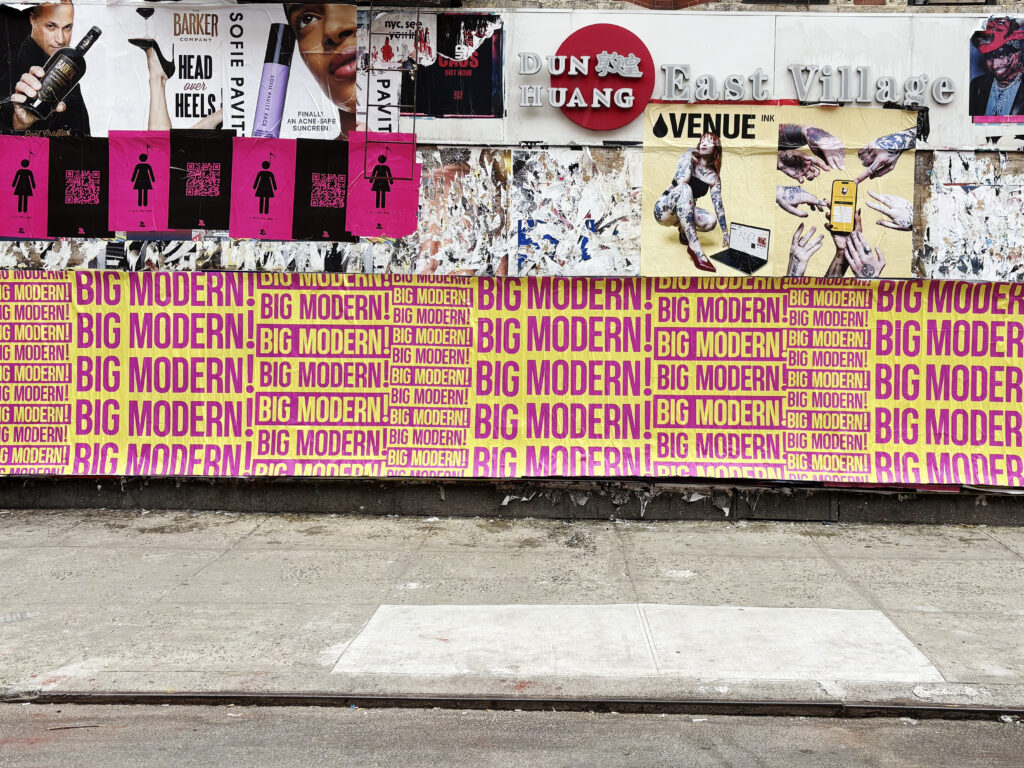
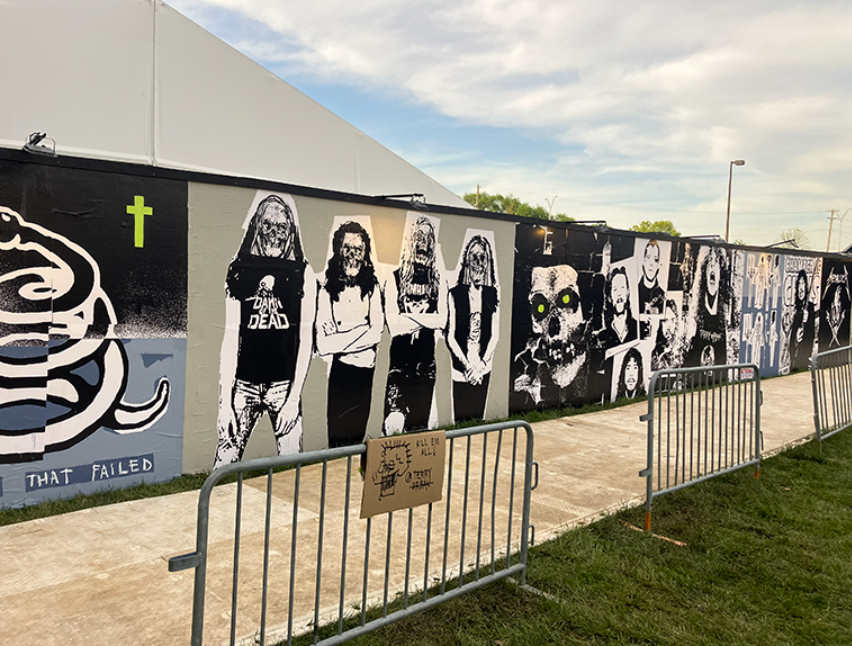
Wheatpasted poster campaigns in Detroit’s Midtown and Corktown corridors, Ann Arbor’s South Main and Liberty Street commercial area, and Grand Rapids’ Division Avenue and downtown Arts District create large-format street impressions for the young professional, university, and creative class audiences that move through those neighborhoods on foot and by transit. In East Lansing, wheatpasting along the M.A.C. Avenue and Grand River Avenue commercial corridors reaches the MSU student and East Lansing young adult demographic in the walkable zones immediately adjacent to campus.
AGM’s Michigan campaign process begins with market analysis specific to each Michigan transit system. Detroit DDOT campaigns require route-level demographic mapping that distinguishes between the Woodward Avenue corridor demographics, the east Detroit residential route demographics, and the northwest Detroit community demographics — because DDOT routes carry meaningfully different audience compositions depending on which part of the city they serve. Ann Arbor The Ride campaigns require distinguishing between the UM Central Campus, North Campus, and Medical Campus route demographics. Grand Rapids The Rapid campaigns require understanding which routes serve the healthcare employment corridors versus which routes serve the downtown entertainment district versus which routes serve the suburban residential communities of the GVSU commuter audience.
Once the placement strategy is confirmed, AGM manages all media buying negotiations directly with each Michigan transit authority’s advertising management. We handle contracts, installation timelines, creative specifications, and content policy compliance. Post-installation documentation provides photographic verification of every Michigan placement. For campaigns combining Michigan transit with guerrilla marketing elements, AGM coordinates the timing of street-level deployments to align with transit installation schedules, ensuring all campaign elements go live simultaneously and run for the same campaign duration.
Yes. AGM manages multi-market Michigan transit campaigns across DDOT, SMART, The Ride, The Rapid, and CATA through a single client engagement with unified creative management, production coordination, and post-campaign reporting. A statewide Michigan transit campaign covering the four major markets can be coordinated through one AGM point of contact with synchronized launch timing across all systems. Multi-system Michigan campaigns benefit from coordinated planning that aligns creative standards and installation schedules across transit authorities with different vendor and installation management structures.
Detroit transit advertising is differentiated from other Midwest markets by the specific demographic composition of its ridership. The DDOT city system carries one of the most concentrated African-American urban community audiences in any Midwest transit system. The SMART suburban network includes the Dearborn routes that carry the largest Arab-American community in the United States. The combined DDOT-SMART system serves the automotive industry workforce demographic — engineers, assembly workers, parts suppliers, and corporate employees — that defines southeast Michigan’s economic identity. That combination of African-American urban community, Arab-American community, and automotive workforce demographics is unique to Detroit and not replicable through any other single Midwest metro transit advertising buy.
Ann Arbor’s The Ride and CATA in East Lansing are the two strongest Michigan university transit markets, each with distinct characteristics. The Ride delivers the highest academic prestige concentration — a UM student demographic defined by competitive admissions, high post-graduation income potential, and strong brand responsiveness to quality and status signals. CATA delivers the largest raw student volume — MSU’s 50,000-plus single-campus enrollment means that CATA routes through East Lansing carry more total university students per route than The Ride in Ann Arbor. For campaigns prioritizing student volume, CATA wins. For campaigns targeting the high-achievement undergraduate and graduate student profile, The Ride in Ann Arbor wins. For comprehensive Michigan university market coverage, combining CATA and The Ride covers both dimensions.
The Rapid in Grand Rapids carries advertising pricing that is meaningfully lower than comparable DDOT or SMART placements in the Detroit metro, reflecting the smaller overall ridership volume and the lower competitive pressure on Grand Rapids transit inventory from national advertisers. For brands that want to establish Michigan transit presence at an accessible entry cost before committing to Detroit pricing, Grand Rapids is the recommended starting point. For brands with sufficient budget to run both markets simultaneously, a combined Detroit-Grand Rapids Michigan campaign captures both the state’s dominant urban market and its fastest-growing emerging market in a single coordinated buy.
Michigan transit systems generally follow standard transit advertising content policies that apply nationally. DDOT, as a city-operated system, applies Detroit municipal content guidelines in addition to standard transit restrictions. The Ride in Ann Arbor may apply university-adjacent community content sensitivities as part of its Ann Arbor Transportation Authority policy framework. CATA in East Lansing applies standard transit advertising guidelines without specific MSU-affiliated content restrictions. Alcohol, cannabis, and political advertising policies vary across Michigan systems. AGM reviews applicable content policies for each Michigan system during campaign planning and advises clients on any relevant category restrictions before production begins.
SMART’s suburban Detroit routes through Oakland County and the Downriver Wayne County corridor are the primary Michigan transit advertising channel for the automotive workforce demographic. Routes serving Southfield, Auburn Hills, and the I-75 and I-94 corridors in Wayne County carry automotive engineering and manufacturing workers commuting between the suburban communities and metro Detroit employment centers. DDOT’s city routes also serve the blue-collar automotive support workforce in Detroit’s residential communities. For brands targeting automotive industry professionals — engineers, supply chain managers, manufacturing operators, or corporate staff — a combined SMART suburban plus DDOT city buy covers the full spectrum of automotive workforce transit ridership in Michigan.
Yes. The Ride serves the full Ann Arbor community beyond the UM campus, including downtown Ann Arbor, the Kerrytown market district, the industrial corridor west of downtown, and the suburban residential neighborhoods extending to the Briarwood Mall area and beyond. The Ride also connects Ann Arbor to the broader region through service to downtown Ypsilanti and Eastern Michigan University, creating a dual-university transit advertising opportunity that extends the Ann Arbor university market to include EMU’s Ypsilanti campus alongside UM’s Ann Arbor campus. A comprehensive Ann Arbor-area university transit buy can include both UM routes in Ann Arbor and Ypsilanti routes to EMU through The Ride’s regional service area.
Standard production and installation lead time for Michigan transit interior advertising is two to four weeks from final artwork approval. Full bus wraps on DDOT or SMART require five to six weeks minimum due to production complexity and fleet scheduling. Shelter advertising at the highest-demand Detroit positions including Rosa Parks Transit Center requires four to six weeks advance booking. AGM recommends beginning Michigan transit campaign planning six to eight weeks before the intended launch date, particularly for fall semester university campaigns in Ann Arbor and East Lansing where transit advertising demand peaks as students return to campus in late August and September.