American Guerrilla Marketing
Nationwide serivce
Media planning, media buying, billboard advertising, & guerrilla marketing

American Guerrilla Marketing places interior bus and shelter advertising across upstate New York and NYC suburban transit systems. CDTA in Albany, CENTRO in Syracuse, RTS in Rochester, NFTA Metro in Buffalo, Westchester Bee-Line, Suffolk County Transit, and TCAT Ithaca. Direct execution. 500+ campaigns nationwide.
New York State outside of New York City contains some of the most distinct, economically varied, and strategically valuable transit advertising markets in the northeastern United States. This page covers upstate New York and the NYC suburban markets, not the New York City subway and MTA bus system, which operates as a separate advertising universe with its own competitive dynamics and cost structure. The markets covered here, Albany, Buffalo, Rochester, Syracuse, Ithaca, Westchester County, and Long Island, represent a combined transit advertising opportunity that reaches millions of New Yorkers across demographics that the NYC-focused transit advertising market does not serve.
The Capital District Transportation Authority in Albany serves the state capital region, connecting the state government workforce in Albany to the suburban communities of Schenectady, Troy, and Saratoga Springs through a network that is unusually well-suited for reaching the New York State government professional workforce at scale. The Niagara Frontier Transportation Authority’s Metro Bus in Buffalo serves a revitalizing Rust Belt city with a transit-dependent urban core, a growing healthcare and education sector, and a demographic that is actively engaged in the city’s ongoing economic and cultural recovery. Rochester’s Regional Transit Service serves the high-tech and healthcare workforce in a city defined by the legacies of Kodak, Paychex, and Wegmans, with one of the highest concentrations of optics and photonics engineers in the world. CENTRO in Syracuse connects the Onondaga County population to the major employers at Carrier Corporation, National Grid, and the Upstate Medical University hospital system.
In the NYC suburbs, Westchester Bee-Line connects the wealthiest suburban county in the New York metropolitan area to its residential communities, employment centers, and Metro-North commuter rail stations, delivering a high-income professional commuter demographic that rivals Fairfield County Connecticut without the Connecticut market rates. Suffolk County Transit on Long Island serves the Nassau-adjacent communities of western Suffolk County with routes connecting to the Long Island Rail Road and the major commercial corridors of Babylon, Brentwood, and Patchogue. Cornell University’s TCAT system in Ithaca delivers the concentrated Cornell academic and research community to advertisers seeking the university intellectual and professional demographic in the Finger Lakes region.
Interior bus ads and shelter placements on CDTA across Albany, Troy, Schenectady, and Saratoga Springs....
Learn More
Interior bus ads and shelter placements on CENTRO across Syracuse and Central New York. Routes...
Learn More
Interior bus ads and shelter placements on NFTA Metro across Buffalo and Erie County. Routes...
Learn More
Interior bus ads and shelter placements on RTS across Rochester and Monroe County. Routes serve...
Learn More
Interior bus ads and shelter placements on Suffolk County Transit across Long Island. Routes serve...
Learn More
Interior bus ads and shelter placements on TCAT in Ithaca. Routes serve Cornell's 24,000 students,...
Learn More
Interior bus ads and shelter placements on Westchester Bee-Line across Westchester County. Routes connect White...
Learn MoreAGM covers upstate New York and NYC suburbs from Albany to Buffalo, Rochester to Ithaca, and Westchester to Long Island. Tell us your target market and we will build the media plan that reaches them directly.
Regional transit serving Albany, Schenectady, Troy, and Saratoga Springs. The primary transit platform for reaching the New York State government workforce, the area’s healthcare institutions, and the SUNY Albany academic community in the state capital region.
Fixed-route transit serving Onondaga County and the greater Syracuse area. Routes connecting downtown Syracuse, the Upstate Medical University corridor, Syracuse University, and the suburban communities of the salt city region.
Regional Transit Service connecting Rochester, Greece, Irondequoit, Chili, and the Monroe County communities. The primary transit channel for the Rochester healthcare and high-tech workforce. Paychex, Wegmans HQ, and the University of Rochester are major ridership drivers.
Niagara Frontier Transportation Authority Metro Bus serving Buffalo, Niagara Falls, and Erie County. Buffalo’s revitalizing urban economy, the University at Buffalo, and Kaleida Health create the core ridership on western New York’s primary transit system.
County bus system in Westchester County serving White Plains, Yonkers, New Rochelle, Mount Vernon, and the Metro-North corridor communities. Connects the wealthiest suburban county in the NYC metro area to its employment centers and commuter rail hubs.
Bus service in Suffolk County connecting Long Island communities including Brentwood, Babylon, Bay Shore, Patchogue, and Hauppauge to the Long Island Rail Road and the major commercial corridors of western Suffolk County.
Tompkins Consolidated Area Transit serving Ithaca and the Cornell University campus. 23,000-plus Cornell students and the Ithaca College community make TCAT one of the most concentrated university transit advertising platforms in the Northeast.
CDTA serves the Capital District with one of the most government-workforce-oriented transit ridership profiles in the United States. Albany is the seat of New York State government, home to the State Capitol, the Empire State Plaza complex housing dozens of state agencies, and the state government workforce that is one of the largest single-employer groups in the region. The Empire State Plaza alone employs thousands of state workers who commute from surrounding communities in Schenectady, Troy, Watervliet, and the suburban communities of Guilderland, Colonie, and Bethlehem via CDTA routes. For financial services, insurance, retirement, and professional services brands targeting the New York State government professional workforce, CDTA is the most direct transit advertising channel in the Capital District.
NFTA Metro Bus in Buffalo serves a city in active economic and demographic transition. Buffalo’s downtown waterfront revival, anchored by Canalside and the reinvestment in the Elmwood Village and Allentown neighborhoods, has attracted a new generation of young professionals and creative economy workers who use the transit system alongside the city’s traditional transit-dependent working population. The combination of transit-dependent urban riders and choice-rider young professionals creates a demographic range in the NFTA Metro Bus system that is typical of revitalizing Rust Belt markets and reflects Buffalo’s ongoing economic evolution from a manufacturing economy to a healthcare and knowledge economy.
RTS in Rochester serves one of New York State’s most economically distinctive mid-sized cities. Rochester’s economy was built on Eastman Kodak’s imaging technology dominance and has since diversified into optics and photonics, healthcare and biomedical devices, financial services, and corporate services anchored by major employers including Paychex, Wegmans Food Markets, Xerox, and the University of Rochester’s Medical Center. The RTS transit network connects the city’s diverse communities to these employment centers, creating a ridership that ranges from the transit-dependent residents of the northeast Rochester neighborhoods to the commuter workforce accessing downtown employment from Greece, Gates, and Irondequoit.
Westchester County Bee-Line is the transit advertising platform for the New York metropolitan area’s most affluent suburban county. Westchester County has one of the highest median household incomes of any suburban county in the United States, and the Bee-Line system connects its communities from Yonkers and Mount Vernon at the Bronx border to White Plains, New Rochelle, Tarrytown, and the northern Westchester communities to Metro-North commuter rail stations and to employment centers throughout the county. The Bee-Line rider is predominantly a professional commuter, a suburban resident who uses the bus to connect to the Metro-North rail for a Manhattan commute or to access local employment at the White Plains office district, the Purchase corporate corridor, or the Valhalla healthcare cluster centered on Westchester Medical Center.
TCAT in Ithaca is among the most concentrated university transit advertising platforms in the northeastern United States. Cornell University’s more than 23,000 students and thousands of faculty and staff, combined with the Ithaca College community, create a transit ridership that is overwhelmingly academic and intellectual in its demographic character. The Ithaca Gorges, the Commons downtown pedestrian mall, and the Taughannock Falls State Park create a distinctly outdoor and arts-oriented lifestyle context that reflects in the consumer behaviors and brand preferences of the TCAT ridership. For brands targeting the college student, graduate student, and academic professional demographic in the Finger Lakes region, TCAT is the only transit advertising platform in the market and delivers that audience at near-total market penetration within the Ithaca transit zone.
Available on: CDTA (Albany), NFTA Metro Bus (Buffalo), RTS (Rochester), CENTRO (Syracuse), Westchester Bee-Line, Suffolk County Transit
Complete exterior wraps on the primary fleet vehicles across New York’s upstate and suburban transit systems. Market-dominant visual presence at cost-per-impression rates that outperform equivalent-reach outdoor buys in any of the covered markets. Contact AGM for system-specific fleet availability and pricing.
Available on: All upstate New York and suburban fixed-route systems
30-by-144-inch interior postings across the full length of the bus interior. The dominant interior format for brand awareness campaigns on New York’s upstate and suburban transit systems. System-wide buys on NFTA in Buffalo or Bee-Line in Westchester deliver the highest regional reach within their respective markets.
Available on: All upstate New York and suburban fixed-route systems
Mid-format interior postings for targeted route or corridor-specific campaigns. The right format for advertisers targeting specific employment corridors, university campuses, or healthcare facility routes within any of the upstate or suburban New York transit systems.
Available on: All New York upstate and suburban transit systems including TCAT Ithaca
Distributed card placements at multiple positions throughout the bus interior. The most accessible entry format for advertisers entering upstate New York transit markets. Available on all systems including the Cornell-dominated TCAT Ithaca market.
Available on: CDTA, NFTA Metro Bus, RTS Rochester, CENTRO, Westchester Bee-Line, Suffolk County Transit
Reading-distance advertising on the backs of bus seats. Best for QR codes, detailed service information, and campaigns that benefit from close engagement during longer commuter routes in Westchester County and the Suffolk County Long Island corridor.
Available on: CDTA, NFTA Metro Bus, RTS Rochester, CENTRO, Westchester Bee-Line, Suffolk County Transit
Backlit full-panel shelter advertising at $3,850 per four-week cycle. Available at primary stop locations across New York’s major upstate and suburban fixed-route systems. Day-and-night visibility at the highest-traffic transit nodes in each market.
Available on: All systems including TCAT Ithaca
Mid-size shelter panel at $850 per four-week cycle. The accessible entry point to New York upstate shelter advertising for local and regional businesses. Particularly valuable at Cornell campus stop locations in Ithaca where competitive shelter inventory is minimal.
Available on: CDTA, NFTA Metro Bus, RTS Rochester, CENTRO, Westchester Bee-Line
Bench advertising at $700 per four-week cycle. Sustained neighborhood presence at specific New York transit stop locations. Visible to riders, pedestrians, and vehicle traffic across the dense urban cores of Albany, Buffalo, Rochester, and the Westchester County commercial districts.
Shelter location strategy in upstate New York is more nuanced than raw ridership count because the demographic variation between routes is substantial. In Albany, shelters at the Empire State Plaza and State Street government complex stops deliver the New York State government professional workforce at maximum concentration. In Buffalo, shelters at the Main Street hub and the Kaleida Health medical campus stops deliver the healthcare workforce and transit-dependent urban demographic respectively. In Rochester, shelters at the Strong Memorial Hospital complex and the University of Rochester River Campus deliver the healthcare and academic research demographic that is the highest-value professional audience in the RTS system. In Westchester, shelters at the White Plains Galleria transit hub and the Purchase corporate campus stops deliver the county’s affluent professional commuter demographic at peak frequency. AGM reviews stop-level ridership data and contextual alignment for every upstate and suburban New York shelter campaign before recommending specific location selections.
Bus shelter advertising in New York places your brand at the exact locations where riders wait for transit service. The dwell time at a shelter, typically five to fifteen minutes per stop visit, creates an uninterrupted, low-distraction exposure window that in-vehicle advertising alone cannot deliver at equivalent duration.
New York’s shelter advertising inventory is concentrated at the primary boarding and alighting points on the state’s larger transit systems, where ridership volumes and wait times are highest. AGM identifies the shelter positions that deliver the most rider exposure for each campaign’s geographic and demographic targets, and structures shelter buys around the stop locations that create maximum frequency among the target audience.
AGM manages all aspects of shelter advertising placement in New York, from inventory identification and booking through creative production, installation, and monitoring for the full campaign posting period.
The transit advertising conversation about New York State is almost entirely dominated by New York City and the MTA. This is understandable given that the MTA operates the largest transit system in the United States by ridership, but it creates a systematic underinvestment in the upstate and suburban New York transit markets that are genuinely competitive advertising environments with their own distinct demographic value. The combined population of Albany, Buffalo, Rochester, and Syracuse is more than 1.5 million people. Westchester County alone has nearly 1 million residents with household incomes that rank among the highest in the country. Long Island’s Suffolk County has 1.5 million residents. These are real markets with real consumers, and they are being advertised in by far fewer brands than their population and income profiles warrant.
The competitive landscape for upstate and suburban New York transit advertising is dramatically less intense than MTA advertising in New York City. A full-system buy on NFTA Metro Bus in Buffalo costs a fraction of a comparable MTA bus buy, and the Buffalo metropolitan area has 1.2 million residents. A Westchester Bee-Line buy reaching the county’s affluent commuter demographic costs substantially less than reaching the comparable demographic through MTA Metro-North station advertising, which is among the most expensive transit advertising real estate in the northeastern United States. For brands that want New York State market reach beyond the five boroughs, upstate and suburban transit advertising provides the most cost-effective placements available in the state.
The revitalization stories in Buffalo and Rochester add a specific strategic dimension for brands that want to be associated with growing markets rather than established ones. Buffalo’s downtown transformation from a post-industrial city to a knowledge economy and waterfront entertainment destination has attracted significant national attention, and brands that invested in Buffalo’s transit advertising during the early phases of that revitalization have established strong recall and recognition in the Buffalo market at pre-competition pricing. Rochester’s ongoing transition from the Kodak legacy economy to a biomedical and technology economy creates similar first-mover opportunities for brands targeting the Rochester professional and research workforce at a moment when that demographic is growing in size and in economic significance.
AGM’s full range of guerrilla marketing formats is available alongside transit advertising campaigns in every upstate and suburban New York market. The combination of transit and street-level guerrilla creates the multi-touchpoint frequency that single-format campaigns cannot deliver, and in the dense urban cores of Buffalo, Rochester, Albany, and the Westchester corridor, that frequency stack is particularly powerful.
Snipe advertising along the corridors served by NFTA Metro Bus in the Elmwood Village and downtown Buffalo, by RTS on East Main Street and Monroe Avenue in Rochester, by CDTA along Lark Street and Central Avenue in Albany, and by Bee-Line through the White Plains and Yonkers commercial corridors creates street-level touchpoints that reinforce bus interior campaigns at the route level. Riders who see your transit interior card also encounter your snipes at stop intersections and along the commercial strips their routes travel through daily.
Sidewalk stencils at the primary transit hubs in upstate and suburban New York, including the Buffalo Metro Bus hub at Niagara Square, the RTS hub at Monroe Avenue and South Clinton Avenue, the CDTA hub at Albany’s Washington Avenue Armory, and the TCAT hub at the Ithaca Commons, create ground-level brand presence at the maximum foot-traffic concentration points in each system.
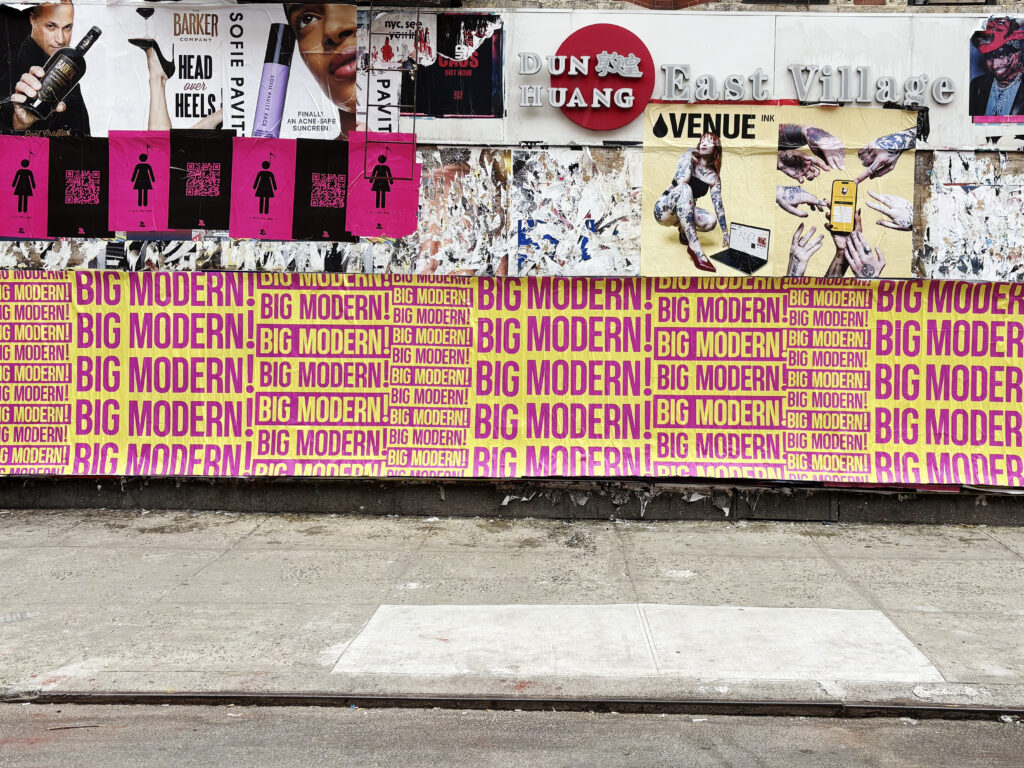
Wheatpasted poster campaigns in Buffalo’s Allentown arts district and the Elmwood Village commercial corridor, Rochester’s South Wedge neighborhood and Monroe Avenue entertainment strip, Albany’s Lark Street arts corridor, and the Ithaca Commons pedestrian mall create large-format street impressions for the walking and transit audience in the pedestrian-dense areas adjacent to upstate New York’s transit networks.
AGM’s New York upstate and suburban transit campaign process begins with market selection based on your specific campaign objectives and demographic targets. The upstate and suburban New York markets served by CDTA, NFTA, RTS, CENTRO, Westchester Bee-Line, Suffolk County Transit, and TCAT are distinct enough in their demographic profiles that a single campaign structure rarely serves all of them equally well. A campaign targeting the government professional workforce should anchor in Albany’s CDTA. A campaign targeting the healthcare and research workforce should prioritize RTS Rochester and NFTA Metro Bus. A campaign targeting the NYC suburban affluent commuter should focus on Westchester Bee-Line. A campaign targeting the university intellectual demographic should lead with TCAT Ithaca. AGM’s market selection process identifies the right systems for your campaign before any placement discussions begin.
Once the market and system selection is confirmed, AGM manages all media buying negotiations directly with each transit authority, handling contract terms, installation timelines, and creative specification requirements for each system included in the campaign. For multi-system campaigns spanning multiple upstate cities, AGM coordinates all transit authority relationships to ensure synchronized launch timelines and consistent creative application across the different systems and their varying bus fleet specifications. Post-installation documentation is consolidated into a single campaign report covering all systems and placements for straightforward internal reporting and compliance record-keeping.
Yes. AGM manages multi-market upstate New York transit advertising campaigns through a single client engagement. A statewide upstate campaign covering CDTA in Albany, NFTA Metro Bus in Buffalo, RTS in Rochester, and CENTRO in Syracuse can be coordinated through one AGM point of contact with unified creative management, production coordination, and post-campaign reporting across all four upstate markets. Multi-city upstate campaigns benefit from coordinated planning that ensures consistent creative standards and synchronized launch timelines across the different transit authorities operating in the state’s distinct regional markets.
No. This page covers upstate New York transit systems including CDTA Albany, CENTRO Syracuse, RTS Rochester, and NFTA Metro Buffalo, plus the NYC suburban systems of Westchester Bee-Line and Suffolk County Transit, and the Ithaca TCAT system. New York City MTA subway and bus advertising is a separate advertising environment with its own competitive dynamics, inventory structure, and cost profile. For campaigns that need coverage of both upstate New York and New York City transit, AGM manages both as part of a unified New York State transit campaign, but the two markets are planned and executed through separate processes reflecting their different transit authority structures and inventory types.
NFTA Metro Bus in Buffalo delivers the highest absolute ridership among the upstate New York transit systems covered on this page, given the Buffalo metropolitan area’s larger population base and the system’s comprehensive route coverage across Erie County. RTS in Rochester and CDTA in Albany are comparable in ridership, both serving capital and mid-size city populations with extensive route networks. CENTRO in Syracuse is the smallest of the four major upstate systems. For campaigns prioritized by absolute ridership volume, Buffalo and Rochester are the primary upstate allocation targets. For campaigns prioritized by state government professional demographic reach, CDTA Albany is the highest-value system regardless of relative ridership comparison.
Both Westchester Bee-Line and NJ Transit Bus reach high-income suburban professional commuters in the NYC metropolitan area, but they serve different sides of the city and different suburban demographic profiles. Westchester County has a higher median household income than most New Jersey counties and is closer to Manhattan, making the Bee-Line rider profile slightly more affluent on average than the NJ Transit suburban commuter ridership. The Bee-Line and NJ Transit systems are not competitive with each other for the same geographic market, they serve opposite sides of the New York metropolitan area, and a brand that wants complete suburban NYC metro coverage around the city should plan both systems as complementary placements rather than as alternatives. AGM can structure a combined Westchester and New Jersey suburban transit campaign for brands seeking full NYC-metro suburban ring coverage.
Yes. TCAT operates year-round, and while summer ridership is lower than during the fall and spring semesters due to the reduction in student population, the permanent Ithaca residential community, the Cornell graduate and research staff who remain year-round, and the Ithaca tourism and outdoor recreation visitors maintain a meaningful ridership base during the summer months. The peak TCAT advertising windows for the Cornell student demographic are September through December and February through May. For the Ithaca permanent community and the summer outdoor tourism demographic, summer placements on TCAT deliver a different but still valuable audience composition. AGM advises on timing strategy for TCAT campaigns based on the specific demographic target of each campaign.
New York’s upstate and suburban transit systems generally follow standard transit advertising content guidelines. TCAT, as a system serving Cornell University’s campus, operates within content guidelines that reflect the university community’s standards, though it is a separate public transit entity from Cornell itself. NFTA, CDTA, RTS, and CENTRO follow standard public transit authority advertising policies comparable to transit systems in other major northeastern states. Alcohol advertising is generally permitted with responsible messaging requirements. Political advertising is subject to transit authority-specific review and approval processes. AGM reviews applicable content guidelines for each system during campaign planning and advises clients on any category restrictions before creative production begins.
Yes. The route-level demographic targeting capability of upstate New York transit systems is one of their primary strategic advantages over broader statewide media buys. On CDTA, the routes serving the Empire State Plaza and the State Street government complex are the most targeted placement for reaching the New York State government professional workforce. On RTS, the routes serving the Strong Memorial Hospital and the University of Rochester Medical Center are the most targeted placement for healthcare and biomedical research workers. On NFTA, the routes serving Kaleida Health’s hospital campuses and the UB North Campus are the primary healthcare and university targeting options. AGM maps employment center locations to specific routes within each system before developing placement recommendations for workforce-targeted campaigns.
Yes. All upstate and suburban New York transit advertising placements managed by AGM are documented with installation photographs, specific placement location records by route and stop, campaign period confirmation, and estimated impression counts for each system. For regulated industry advertisers in New York’s pharmaceutical, financial services, and healthcare sectors who require formal proof-of-performance documentation for compliance records, AGM structures reporting deliverables that meet those documentation requirements. New York State has significant regulated industry advertising compliance requirements, and AGM’s documentation process is designed to satisfy the record-keeping standards applicable to those categories in the New York market.