American Guerrilla Marketing
Nationwide Service
Media planning, media buying, billboard advertising, & guerrilla marketing
Bus & Transit Advertising in Wyoming
AGM works as your media planning and buying partner for bus and transit line advertising — we source placements through established vendor and transit authority relationships, negotiate rates on your behalf, and manage the campaign from creative specs through to proof-of-performance reporting. You work with one team; we handle the operators and inventory owners.
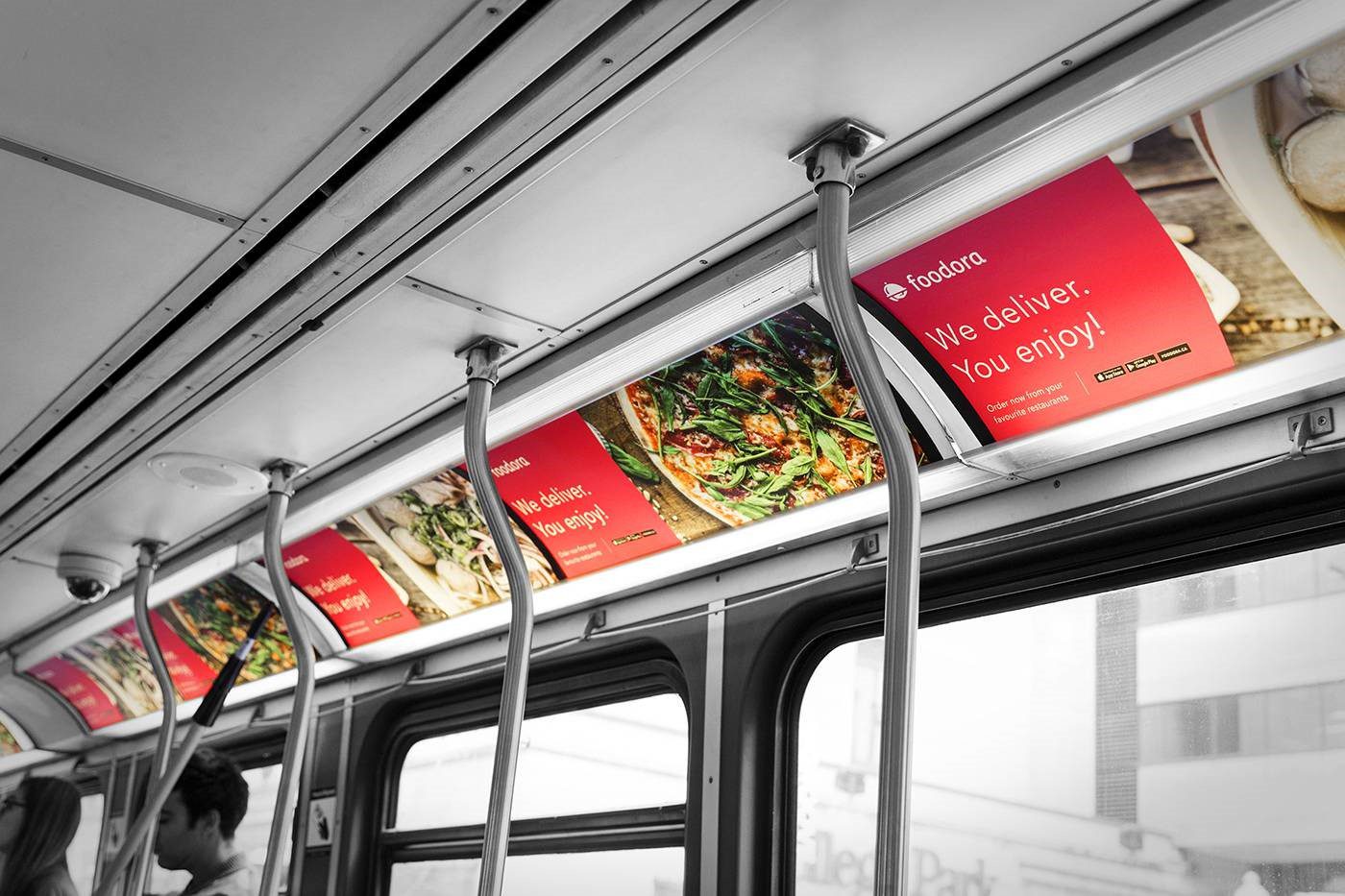
American Guerrilla Marketing places interior bus and transit advertising across Wyoming’s transit network. Cheyenne Transit Program in the state capital and START Bus in the Jackson Hole/Teton County resort market — one of the wealthiest and most distinctive transit audiences in the United States. Direct execution. 500+ campaigns nationwide.
Wyoming has the smallest transit network of any US state by almost every measure — total routes, total vehicles, total ridership. The state’s population is under 600,000 people spread across a geographic area larger than the United Kingdom. Most Wyoming residents drive, most Wyoming communities have no public transit, and most national media plans treat Wyoming as a pass-through state rather than an advertising destination. All of this is accurate and it is also entirely beside the point for brands that understand what Wyoming’s two primary transit systems actually deliver.
Cheyenne Transit serves Wyoming’s state capital, a city of 65,000 people that punches above its population weight in economic and political terms because it houses the full apparatus of Wyoming’s state government — the legislature, all executive agencies, the Supreme Court, and the state’s primary financial and legal services institutions. The proximity of F.E. Warren Air Force Base on Cheyenne’s western edge adds a military professional and family demographic to the Cheyenne transit audience that is significant relative to the city’s total population. Cheyenne is also the gateway to southern Wyoming’s energy sector, with the oil, gas, and coal industry executives and workers who pass through Cheyenne regularly adding a specialized professional demographic to the city’s economic base.
The START Bus in Jackson Hole and Teton County is a different proposition entirely and one that deserves careful attention from brands that serve high-income consumers. Jackson Hole is consistently ranked among the wealthiest communities in the United States — Teton County Wyoming has the highest median household income of any US county in most annual surveys, and the Jackson Hole real estate market with median home prices above three million dollars makes it one of the most expensive housing markets in the mountain west. The tourists who visit Yellowstone National Park and Grand Teton National Park, the seasonal residents who own second homes in Jackson Hole, the ski resort clientele at Jackson Hole Mountain Resort, and the year-round population of high-net-worth individuals who have relocated to Teton County represent a transit audience that is uniquely valuable by income and consumer spending across essentially every premium product category.
The combination of Wyoming’s total absence of competing transit advertisers at the national level and the specific high-income demographic concentration of the Jackson Hole START Bus creates a situation that is genuinely unusual in American transit advertising: a premium demographic audience that can be reached exclusively and without competition at transit advertising cost levels appropriate to Wyoming’s small market scale. A brand that advertises on the START Bus in Jackson Hole is paying for access to one of the highest-income transit audiences in the United States without competing against any other national brand for that inventory. That combination does not exist anywhere else in American transit advertising.

Advertise withCasper Area Transportation Coalition START
Interior bus ads and shelter placements on START in Casper and Natrona County. Routes serve...
Learn More
Advertise withCheyenne Transit Program
Interior bus ads and shelter placements on Cheyenne Transit Program. Routes serve LCCC, downtown Cheyenne,...
Learn MoreStart Your Wyoming Transit Campaign
AGM covers the Cheyenne Transit Program in Wyoming's state capital and the START Bus in the Jackson Hole/Teton County resort market -- the wealthiest transit audience in the mountain west. Tell us your target market and we will build the Wyoming media plan that reaches them exclusively.
Wyoming Transit Systems: Choose Your Market
Cheyenne Transit Program (CTP)
Wyoming’s state capital transit system. Fixed routes serving Cheyenne’s downtown, the Wyoming State Capitol Complex, Wyoming Medical Center, Laramie County Community College, and the residential neighborhoods of this high plains state capital. The primary transit reach for Wyoming’s state government workforce and the communities surrounding F.E. Warren Air Force Base.
START Bus (Jackson Hole / Teton County)
Jackson Hole’s transit system serving one of the wealthiest resort communities in the United States. Routes connecting Jackson town center, the Jackson Hole Mountain Resort at Teton Village, the Grand Teton National Park entrance at Moose, and the surrounding Teton County residential and resort communities. Reaches high-income permanent residents, seasonal homeowners, ski resort visitors, and Yellowstone and Grand Teton tourists.
Wyoming Transit Advertising: Market by Market
Cheyenne: The State Capital, F.E. Warren, and the High Plains Government Market
Cheyenne’s position as Wyoming’s only major city and its state capital creates a specific transit advertising value that is not captured in population statistics alone. The city functions as the administrative and professional services center for the entire state, which means that Wyoming’s most educated, most credentialed, and most institutionally connected workforce is concentrated in Cheyenne at a density that far exceeds what the city’s population of 65,000 would suggest for a typical municipality of that size. State agency employees, state legislators and their staff during the biennial legislative sessions, Wyoming Supreme Court justices and court staff, and the law firms, lobbying organizations, and professional associations that cluster around the state government employment center all use Cheyenne as their primary working address.
Jackson Hole: START Bus and the Wealthiest Resort Transit Market in the Mountain West
The START Bus in Jackson Hole and Teton County is one of the most economically distinctive transit advertising environments in the United States. Teton County Wyoming is consistently the highest-income county in the country by median household income, driven by the extraordinary concentration of wealth that has accumulated in the Jackson Hole real estate market over the last 30 years as high-net-worth individuals, hedge fund managers, technology executives, and other ultra-wealthy households have purchased primary and secondary residences in what they consider the most beautiful valley in America. The median home price in Teton County above three million dollars — and that is the median, not the high end of the market — represents a housing cost that is accessible only to the genuinely wealthy, and those are precisely the people who are riding the START Bus to get from their Jackson town center hotel to the Teton Village ski mountain or from their Porcupine Creek home to the Jackson Town Square for dinner.
The Wyoming Energy Sector Connection
Wyoming’s economy is deeply tied to the extraction and export of mineral resources. The state is the largest coal producer in the United States, a significant natural gas producer, and has uranium and trona mining operations that are globally significant. The energy industry’s executive and professional workforce is concentrated primarily in Cheyenne and Casper — Wyoming’s two largest cities — with field operations across the Powder River Basin, the Wind River Basin, and the Green River Basin regions of the state. Cheyenne Transit Program routes serve the state capital’s energy industry law firms, regulatory offices, and financial services institutions that support Wyoming’s extraction economy. For brands targeting the energy sector professional in Wyoming — legal services, financial services, insurance, and professional services that serve the extractive industries — the CTP routes serving downtown Cheyenne’s professional district are the most direct transit advertising access point available in the state.
Transit Ad Formats Available Across This State
Interior Cards and Posters
King and queen posters, interior cards, headliners, seat-back displays, and overhead cards are available across Wyoming’s transit fleet. Interior formats reach every rider on the bus for the full duration of their trip in a low-distraction reading environment. Format availability varies by system and fleet type. AGM advises on which interior formats are available on each Wyoming system and recommends the format mix that best matches the campaign’s creative approach and budget.
Exterior Formats
Full bus wraps, tail displays, and window vinyls are available on most Wyoming transit systems. Exterior formats reach vehicle traffic, pedestrians, and the communities along each route as the bus moves through the service area. Full wraps transform a bus into a moving billboard across the system’s entire route network. AGM coordinates exterior format availability and installation across all Wyoming transit systems.
Shelter Advertising
Covered shelter advertising is available at primary stop locations on the larger Wyoming city transit systems. Shelter panels reach waiting riders during their stop dwell time and vehicle traffic passing the stop location. Shelter advertising combined with interior bus placements creates a two-touchpoint campaign that reaches riders both at the stop and on the vehicle. AGM advises on shelter inventory availability by system and recommends shelter positions that match the advertiser’s geographic and demographic targets.
Bus Shelter Advertising in Wyoming
Bus shelter advertising in Wyoming places your brand at the exact locations where riders wait for transit service. The dwell time at a shelter, typically five to fifteen minutes per stop visit, creates an uninterrupted, low-distraction exposure window that in-vehicle advertising alone cannot deliver at equivalent duration.
Wyoming’s shelter advertising inventory is concentrated at the primary boarding and alighting points on the state’s larger transit systems, where ridership volumes and wait times are highest. AGM identifies the shelter positions that deliver the most rider exposure for each campaign’s geographic and demographic targets, and structures shelter buys around the stop locations that create maximum frequency among the target audience.
AGM manages all aspects of shelter advertising placement in Wyoming, from inventory identification and booking through creative production, installation, and monitoring for the full campaign posting period.
Why Wyoming Is An Overlooked Transit Advertising Market
Wyoming’s transit advertising market is less competitive than comparable markets in states with higher national advertiser awareness. Brands that target the digital advertising ecosystem for the same audiences often pay a premium for fragmented, avoidance-prone digital impressions when Wyoming’s transit systems deliver the same demographics with sustained, physical exposure during their daily transit routine.
The working adult, student, and community transit rider in Wyoming is reachable through transit advertising at a cost-per-impression that digital advertising in the same markets consistently fails to match. AGM has executed transit campaigns across more than 500 national engagements and understands exactly which Wyoming systems and routes deliver the audience volume and demographic profile that each advertiser needs.
Brands that enter the Wyoming transit advertising market now are securing placements at pre-competitive pricing on systems that will attract more national advertiser attention as the market matures.
Guerrilla Marketing Alongside Wyoming Transit
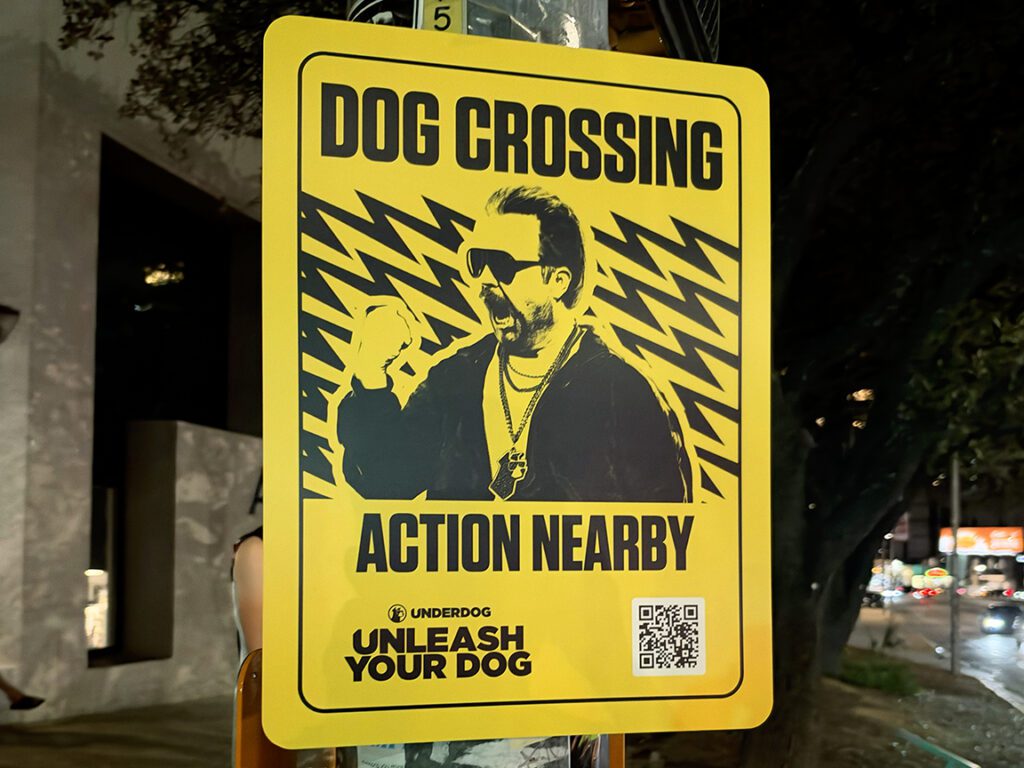
AGM’s full range of guerrilla marketing formats is available alongside transit advertising campaigns in Wyoming’s transit markets. In a state where billboard advertising options are limited by Wyoming’s strict highway scenic rules and where digital advertising reaches a dispersed rural population with inconsistent connectivity, street-level guerrilla formats in Cheyenne and Jackson create the physical presence that no digital format can replicate in Wyoming’s wide-open commercial environment.
Snipe advertising along the Cheyenne Transit routes on Capitol Avenue and 16th Street and along the START Bus corridors in downtown Jackson on Broadway and Cache Street creates street-level impressions that reinforce bus interior campaigns at the pedestrian level. In Jackson’s compact and walkable Town Square area, snipes placed along the walking routes between the Jackson Transfer Center and the Town Square reach the tourist and resort visitor demographic in their most active leisure consumption mode.
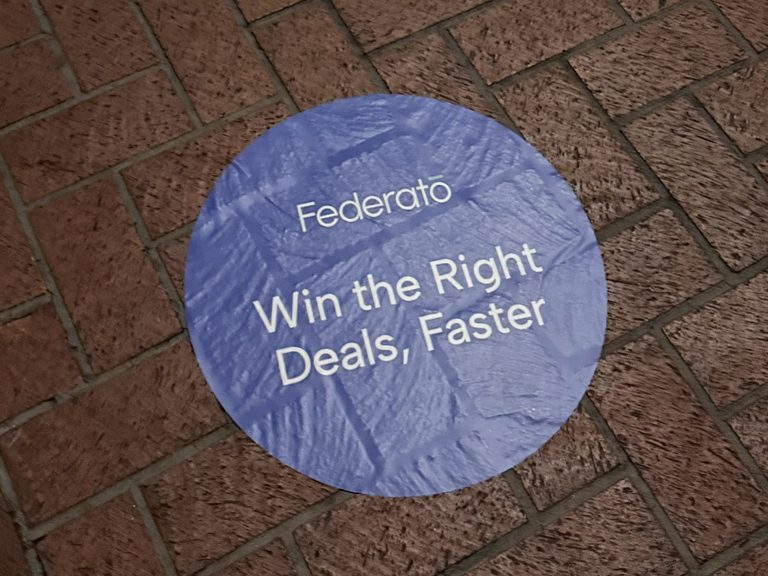
Sidewalk stencils at the primary Wyoming transit hubs — the Cheyenne downtown transit center on 16th Street and the Jackson Transfer Center on South Cache Street — create ground-level brand presence at the highest-traffic pedestrian locations in each Wyoming transit system. The Jackson Transfer Center is the convergence point for all START Bus routes and the departure point for Teton Village visitors, making it one of the most targeted single advertising locations for the Jackson Hole high-income tourist demographic in the entire Teton County market.
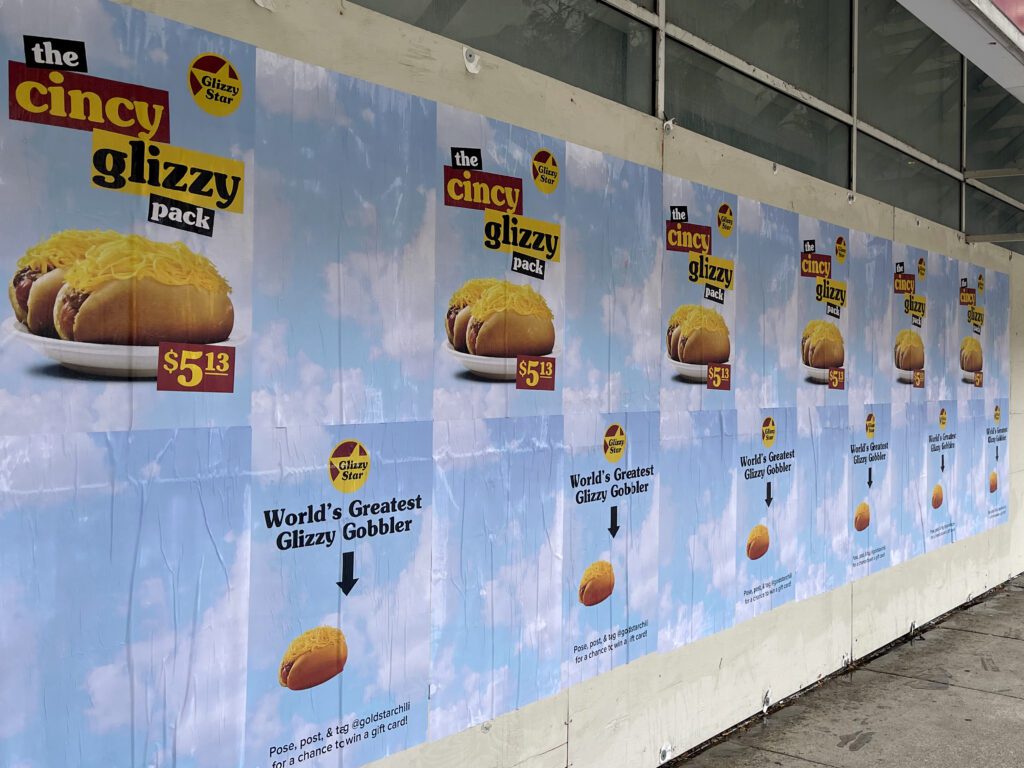
Wheatpasted poster campaigns in Cheyenne’s downtown historic district on 16th Street and the Capitol Avenue corridor, and in Jackson’s Town Square perimeter on King Street and Deloney Street, create large-format impressions in the most walkable and commercially active areas of Wyoming’s two primary transit markets. Wyoming’s strict standards for commercial signage in many areas of the state make wheatpasting in the designated commercial zones of Cheyenne and Jackson particularly effective because the format stands out in an environment with less visual clutter than typical urban commercial corridors in other states.
How Agm Executes Wyoming Transit Advertising Campaigns
AGM’s Wyoming transit campaign process begins with a clear identification of which Wyoming transit system or combination of systems serves the client’s specific advertising objectives. The Cheyenne Transit Program and the START Bus Jackson Hole serve fundamentally different audiences and campaign purposes, and the planning conversation begins by establishing whether the campaign’s primary target is the Wyoming state government and military market in Cheyenne, the high-income resort and tourism market in Jackson Hole, or a combination of both for clients who want comprehensive Wyoming transit presence. The budget allocation between Cheyenne and Jackson Hole follows from that audience prioritization rather than from ridership volume, since the Jackson Hole START Bus’s ridership quality significantly exceeds its absolute ridership numbers in advertiser value terms.
Once the system and market selection is confirmed, AGM manages all media buying, production, and installation coordination with each Wyoming transit operator. Both the Cheyenne Transit Program and START Bus Jackson Hole are relatively small transit systems with streamlined contracting and installation processes compared to major metro transit authorities. This means that campaign contracting timelines in Wyoming can be faster than in larger markets when needed, and that the installation process is more directly coordinated between AGM and the specific transit operator without the intermediary layers that major metro transit systems typically involve. For Wyoming campaigns with urgent timing requirements — a brand launch, an event-specific activation, or a seasonal campaign that must launch before a specific ridership peak — the relatively streamlined Wyoming transit administrative process can accommodate tighter timelines than most major market transit campaigns allow.
Frequently Asked Questions
Wyoming transit advertising is not justified by ridership volume — it is justified by audience quality and competitive exclusivity. The START Bus in Jackson Hole carries a transit audience with household income and net worth levels that no other mountain transit system in the United States can match. Teton County’s status as the wealthiest county in the country by median household income means that the riders on the Teton Village Express are, on average, wealthier than the riders of virtually any other bus route in the country outside of a handful of comparable resort markets. For brands in luxury goods, premium financial services, high-end real estate, adventure travel, and premium consumer categories, the Jackson Hole START Bus delivers an audience that is worth reaching at Wyoming’s scale specifically because of who those riders are, not how many of them there are. The Cheyenne Transit market’s zero-competition environment additionally means that whatever budget a brand commits to Wyoming transit achieves complete market dominance in a state capital market that is strategically relevant for Wyoming government affairs, energy sector, and military-market advertising objectives.
The START Bus ridership profile shifts significantly between the winter ski season and the summer national park tourism season. During winter from December through April, the Teton Village Express is the highest-ridership START Bus route, carrying ski resort visitors and seasonal ski resort workforce from Jackson to the Jackson Hole Mountain Resort base at Teton Village. The winter ridership is concentrated in the high-income ski resort visitor demographic: destination skiers from across the US and internationally who have chosen Jackson Hole Mountain Resort as their ski vacation destination. During summer from June through September, the national park routes serving Grand Teton and the connections to Yellowstone carry the summer tourist demographic, which is broader in income range and more geographically diverse than the ski resort winter audience but equally oriented toward experiential spending and outdoor recreation. For brands with a seasonal campaign focus, winter aligns with the premium ski resort audience and summer aligns with the national park tourism audience. Year-round campaigns capture both seasonal audiences and the permanent Teton County resident population that uses START Bus throughout the year.
F.E. Warren Air Force Base is one of the three operational ICBM missile wings in the United States, operating the 90th Missile Wing’s Minuteman III intercontinental ballistic missile system across a 12,600-square-mile missile field covering southeastern Wyoming, western Nebraska, and northeastern Colorado. The base is a major military installation with thousands of active-duty Air Force officers and enlisted personnel, Department of Defense civilian employees, and defense contractor workers stationed in Cheyenne. Military family housing and base-adjacent residential communities on Cheyenne’s west side along Dell Range Boulevard and near F.E. Warren’s main gate are served by Cheyenne Transit Program routes. For military market brands in financial services, insurance, automotive, electronics, and career transition services, the CTP routes serving the F.E. Warren area and the military family residential communities of west Cheyenne provide the most direct transit advertising access to the active-duty Air Force demographic in Wyoming.
Yes. Because Wyoming has only two transit systems with transit advertising inventory — the Cheyenne Transit Program and the START Bus in Jackson Hole — and because national brand competition for that inventory is essentially nonexistent, a brand that places advertising on both Wyoming systems simultaneously owns 100 percent of the statewide Wyoming transit advertising market. In practical terms, this means that every Wyoming transit rider who sees transit advertising sees your brand and only your brand. There is no competing transit interior card above your card. There is no competing shelter panel at the adjacent stop. There is no context of competing brands around your message diluting the brand impression. The cost to achieve this total Wyoming transit market ownership is lower than the cost of a single premium shelter position in a major metro market like Chicago or Los Angeles. The outcome — complete statewide transit advertising ownership in the only US state capital market on the border of the wealthiest resort county in the country — is a strategic position that no amount of budget can replicate in a competitive transit market.
Wyoming transit advertising serves two very different brand categories that match the state’s two primary transit systems. Brands suited for Cheyenne Transit Program advertising include Wyoming state government affairs programs, energy sector professional services (legal, financial, insurance), military-market brands targeting the F.E. Warren Air Force Base community, healthcare and wellness brands targeting the Wyoming Medical Center workforce, and education and workforce development brands targeting the LCCC student and working adult demographic. Brands suited for START Bus Jackson Hole advertising include luxury and premium consumer goods, high-end financial services and wealth management, premium real estate, adventure and outdoor recreation brands, ski resort and winter sports categories, fine dining and hospitality, premium automotive, and any brand category that benefits from access to a demonstrably wealthy consumer audience with high discretionary spending. The two Wyoming transit systems represent two very different marketing problems — government affairs and military market in Cheyenne, luxury consumer access in Jackson Hole — and AGM advises on which Wyoming system or combination of systems aligns with each client’s specific campaign objectives.
Wyoming’s geographic characteristics create logistical considerations for transit advertising that differ from the typical urban transit market. The state’s vast distances between communities mean that Cheyenne and Jackson Hole are separated by over 300 miles through terrain that includes the Wind River Range and the Bridger-Teton National Forest. Production materials destined for Cheyenne Transit and START Bus Jackson Hole must be shipped to two geographically distant locations and installed by crews operating in those specific markets. AGM plans Wyoming campaigns with adequate lead time to account for the shipping and installation logistics across the state’s geography. The positive aspect of Wyoming’s geographic context is that once materials are installed, the low traffic volume on Wyoming roads and the state’s generally favorable winter weather in the urban corridors means that transit advertising materials maintain their visual quality throughout the campaign period without the accelerated wear that heavy urban traffic and humidity create in major metro transit environments.
Standard production and installation lead time for Wyoming transit interior advertising on the Cheyenne Transit Program and START Bus is two to four weeks from final artwork approval for interior formats. Shelter advertising at the Cheyenne downtown hub and the Jackson Transfer Center requires four to six weeks given the relatively limited shelter inventory in both systems and the need to coordinate installation with each transit operator’s schedule. Full bus wraps on either Wyoming system require five to six weeks minimum for production and installation given the custom printing requirements and the coordination with the transit operator’s fleet scheduling. For brands planning Wyoming transit campaigns aligned with the Jackson Hole ski season peak periods in December-January, February school break, or April ski season close, AGM recommends beginning the campaign planning process at least eight weeks before the target launch date to ensure all materials and positions are confirmed and installed before the specific seasonal ridership peak the campaign is designed to capture.
Yes. All Wyoming transit advertising placements managed by AGM are documented with installation photographs, placement location records, campaign period dates, and estimated impression counts based on transit authority ridership data. For the START Bus Jackson Hole market, AGM can provide seasonal ridership breakdowns that distinguish between winter ski season ridership and summer national park tourist season ridership, allowing clients to evaluate campaign performance against the specific seasonal audience the campaign was designed to reach. For clients requiring formal proof-of-performance documentation for compliance, internal reporting, or media audit purposes, AGM structures Wyoming reporting deliverables to meet those requirements. Post-campaign documentation for Wyoming campaigns typically includes photographic records of each installed placement, confirmation of the campaign period on each system, and a summary of estimated audience impressions based on available system ridership data from the Cheyenne Transit Program and START Bus operating records.