American Guerrilla Marketing
Nationwide Service
Media planning, media buying, billboard advertising, & guerrilla marketing
Bus & Transit Advertising in Florida
AGM works as your media planning and buying partner for bus and transit line advertising — we source placements through established vendor and transit authority relationships, negotiate rates on your behalf, and manage the campaign from creative specs through to proof-of-performance reporting. You work with one team; we handle the operators and inventory owners.
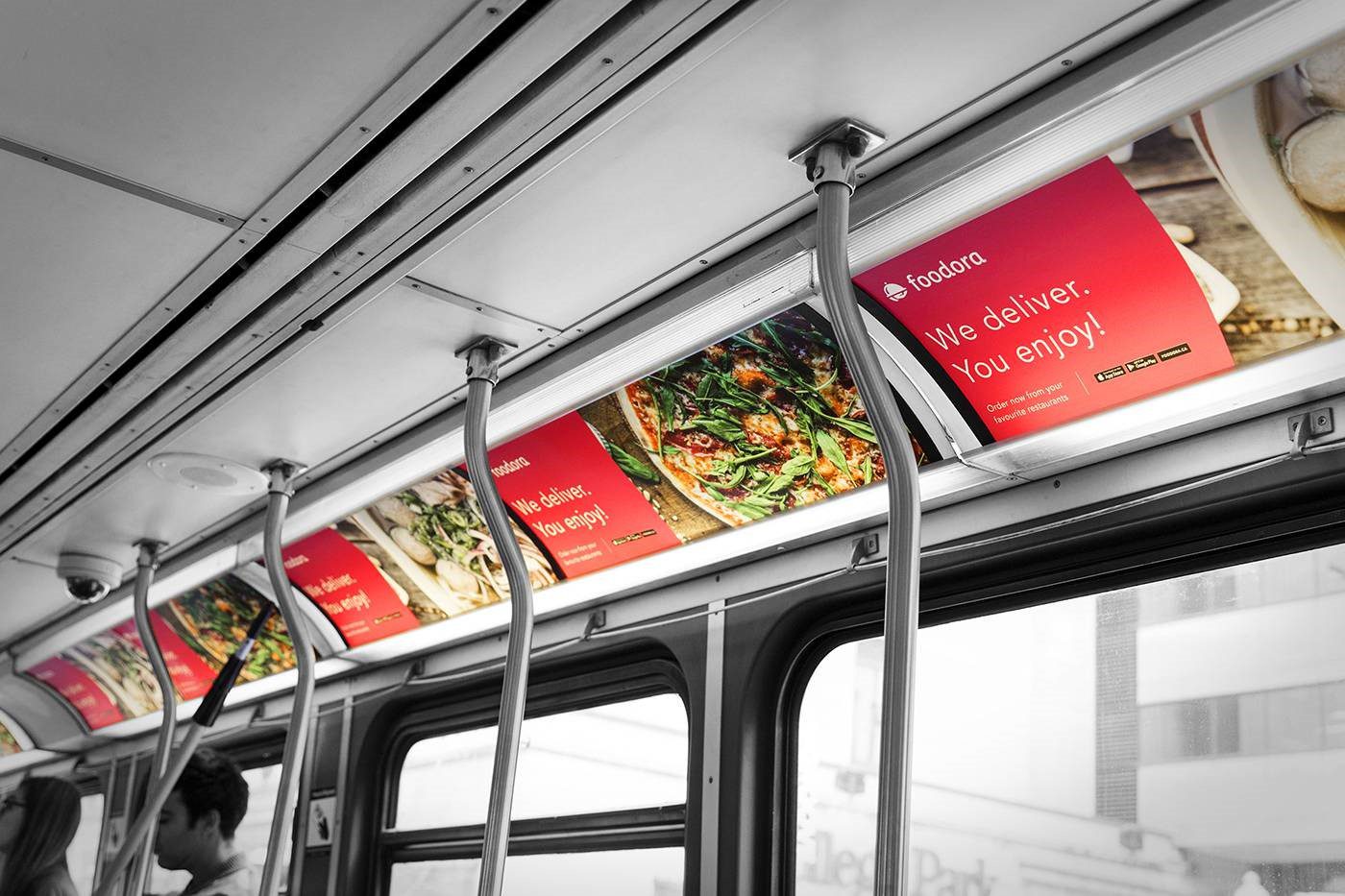
American Guerrilla Marketing places interior bus and transit advertising across every major Florida system. Miami-Dade Metrobus, Broward County Transit, LYNX in Orlando, HART in Tampa, PSTA in St. Pete, Jacksonville Transportation Authority, and 20 more Florida systems. Direct execution. 500+ campaigns nationwide.
Florida has the most complex and geographically diverse transit advertising landscape in the Southeast. No other state in the region comes close to Florida’s combination of scale, demographic variation, and seasonal pattern complexity. You have the dense trilateral South Florida market where Miami-Dade Metrobus, Broward County Transit, and Palm Tran operate in overlapping geographic territory serving a bilingual, majority-minority population that rivals any major US metro in transit ridership intensity. You have the fast-growing I-4 corridor where LYNX in Orlando and HART in Hillsborough County are expanding service into one of the fastest-growing metro regions in the country. You have the coastal tourist and retirement markets from Sarasota to Naples to Daytona Beach where transit ridership blends year-round local riders with the snowbird demographic that inflates system ridership by 20 to 30 percent between November and April. And then you have the university markets, the military base communities, the agricultural regions in central Florida, and the unique case of Disney Transport, which operates the largest private internal bus system in the country serving 20 million or more annual visitors to Walt Disney World.
Miami-Dade Metrobus is the anchor of the Florida transit advertising market. With 95 routes operating across Miami-Dade County and connecting to Broward and Homestead, Metrobus is one of the largest single-authority bus operations in the United States. The Miami-Dade ridership is bilingual by default, with Spanish-English advertising creative being the standard rather than the exception for brands targeting the full Metrobus audience. The demographic range across Metrobus routes is enormous: routes serving the Brickell financial district carry a different rider profile than routes serving Hialeah, Little Haiti, or Homestead, and a well-planned Miami-Dade transit advertising campaign selects routes based on specific demographic targeting rather than blanket system-wide placement.
The I-4 corridor connecting Orlando and Tampa is the fastest-growing transit advertising market in Florida. LYNX serves Orange, Osceola, and Seminole counties with 50-plus fixed routes and connects to the SunRail commuter rail network, creating a multi-modal ridership base that is growing alongside the region’s population. HART in Hillsborough County added the Marion Transit Center as a downtown Tampa hub and has expanded service as Tampa’s downtown and Ybor City neighborhoods have densified. The combination of rapid population growth, increasing downtown density, and rising traffic congestion is making transit use in the Orlando-Tampa corridor more relevant to a broader demographic than it has historically been, and transit advertising in this corridor is getting more competitive as national brands recognize the market’s growth trajectory.
The snowbird and tourist demographic creates advertising timing patterns in Florida that do not exist in other US transit markets. In Palm Beach County, Palm Tran ridership patterns shift significantly between the winter peak season when the Palm Beach seasonal population swells and the summer months when the local year-round demographic makes up a higher share of riders. In Sarasota, Naples, and Fort Myers, the seasonal influx of Northern retirees and vacation visitors between October and April creates a demographically distinct rider pool during those months that may be more valuable than the year-round population for certain advertiser categories. Brands selling retirement financial products, healthcare services, luxury goods, or travel services should structure their Florida transit advertising around the snowbird calendar, concentrating campaigns during the October through April peak season when those high-value demographics are most concentrated on Florida’s transit routes.

Advertise onBay Town Trolley
Bay Town Trolley serves Panama City Beach's 13 million annual visitors and the downtown Panama...
Learn More
Advertise onBroward County Transit
Broward County Transit runs 40+ routes across South Florida's third most populous county. Interior bus...
Learn MoreTransit Systems Serving Florida

Advertise onCitrus Connection
Citrus Connection serves Lakeland, Winter Haven, and Polk County along the I-4 corridor. Interior bus...
Learn More
Advertise onCollier Area Transit
Collier Area Transit serves Naples, Immokalee, and Collier County's working population. Interior bus ads and...
Learn More
Advertise onDisney Transport
Disney Transport's internal network is unavailable for third-party advertising. AGM places advertising on LYNX public...
Learn More
Advertise onEscambia County Area Transit
ECAT connects Pensacola and Escambia County with routes along Palafox Street, Davis Highway medical district,...
Learn More
Advertise onHillsborough Area Regional Transit
HART operates 30+ routes and the Ybor City streetcar across Tampa and Hillsborough County. Interior...
Learn More
Advertise onI-Ride Trolley
I-Ride Trolley runs two routes along Orlando's International Drive, the most commercially dense tourist corridor...
Learn More
Advertise onJacksonville Transportation Authority
JTA operates Jacksonville's transit network with 40+ bus routes across Florida's largest city by area....
Learn More
Advertise onLakeXpress
LakeXpress connects Leesburg, Clermont, Mount Dora, and Tavares across Lake County. Interior bus ads and...
Learn More
Advertise onLeeTran
LeeTran serves Fort Myers, Cape Coral, and Lee County in one of America's fastest-growing metro...
Learn More
Advertise onLYNX
LYNX is Central Florida's regional transit authority with 70+ routes across Orange, Osceola, and Seminole...
Learn More
Advertise onManatee County Area Transit
MCAT serves Bradenton and Manatee County with routes along US-41, Manatee Avenue, and east Bradenton....
Learn More
Advertise onMiami-Dade Metrobus
Miami-Dade Metrobus operates 100+ routes across America's most internationally diverse metro area. Interior bus ads...
Learn More
Advertise onPalm Tran
Palm Tran serves West Palm Beach and Palm Beach County with 40+ routes. Interior bus...
Learn More
Advertise onPasco County Public Transportation
Pasco County Public Transportation serves New Port Richey, Zephyrhills, and the growing communities of Pasco...
Learn More
Advertise onPinellas Suncoast Transit Authority
PSTA serves St. Petersburg, Clearwater, and Pinellas County with 30+ bus routes. Interior bus ads...
Learn More
Advertise onRegional Transit System
RTS serves Gainesville and the University of Florida with routes connecting UF's 55,000 students, the...
Learn More
Advertise onRide Solution
Ride Solution serves Ocala and Marion County with demand-response and fixed routes. Interior bus ads...
Learn More
Advertise onSarasota County Area Transit
SCAT serves Sarasota and Sarasota County with routes along US-41, Fruitville Road, and Bee Ridge...
Learn More
Advertise onSpace Coast Area Transit
Space Coast Area Transit serves Melbourne, Cocoa, Titusville, and Brevard County. Interior bus ads and...
Learn More
Advertise onStarMetro
StarMetro serves Tallahassee, Florida State University, FAMU, and the Florida Capitol Complex. Interior bus ads...
Learn More
Advertise onSumter County Transit
Sumter County Transit serves The Villages, the world's largest retirement community, and surrounding Sumter County....
Learn More
Advertise onSunTran
SunTran serves Ocala and Marion County with fixed bus routes connecting downtown, the healthcare district,...
Learn More
Advertise onTHE Bus
THE Bus serves Manatee County and Bradenton with fixed routes connecting working communities across the...
Learn More
Advertise onThe Wave
The Wave is Fort Lauderdale's modern streetcar connecting downtown, the Brightline station, and the Arts...
Learn More
Advertise onVOTRAN
VOTRAN serves Daytona Beach and Volusia County with routes connecting the Daytona Beach tourist strip,...
Learn More
Advertise onWinter Haven Area Transit
Winter Haven Area Transit serves Winter Haven and central Polk County. Interior bus ads and...
Learn MoreStart Your Florida Transit Campaign
AGM covers every major Florida transit system from Miami-Dade to Jacksonville, Orlando to Pensacola. Tell us your target market and we'll build the media plan that reaches them directly.
Florida Transit Systems: Choose Your Market
Miami-Dade Metrobus
95 routes across Miami-Dade County. One of the largest bus systems in the US. Bilingual Spanish-English market. Connects downtown Miami, Hialeah, Homestead, Miami Beach, and the airport.
Broward County Transit
Fort Lauderdale and Broward County. 42 routes connecting Pompano Beach, Hollywood, Deerfield Beach, and the Broward County employment and entertainment corridors.
Palm Tran
Palm Beach County transit. Connects West Palm Beach, Boca Raton, Delray Beach, Lake Worth, and the barrier island communities. Strong seasonal snowbird ridership October through April.
LYNX
Orlando metro area bus service covering Orange, Osceola, and Seminole counties. 50+ routes, SunRail connections, and the I-Ride Trolley partnership on International Drive.
Hillsborough Area Regional Transit (HART)
Tampa and Hillsborough County bus service. Marion Transit Center hub, Ybor City routes, University of South Florida connections, and expanding BRT corridors.
Pinellas Suncoast Transit Authority (PSTA)
St. Petersburg, Clearwater, and Pinellas County. Connects the beaches, downtown St. Pete, Largo, and Dunedin. Tourist and retiree ridership mix with St. Pete’s growing downtown professional demographic.
Jacksonville Transportation Authority (JTA)
Jacksonville’s bus network plus the Skyway elevated transit and River Taxi. Florida’s largest city by land area served by one consolidated authority.
StarMetro
Tallahassee city bus service. Florida State University and FAMU corridors, state government workforce routes, and the Leon County residential communities.
Votran
Volusia County transit serving Daytona Beach, Ormond Beach, Port Orange, and New Smyrna Beach. Daytona 500 and Bike Week event-season ridership spikes.
Space Coast Area Transit (SCAT)
Brevard County bus service covering Melbourne, Cocoa, Titusville, and the Space Coast corridor. NASA/Kennedy Space Center proximity creates a skilled technical workforce ridership segment.
Regional Transit System (RTS)
Gainesville and Alachua County. Serves the University of Florida with 56,000+ students. Free fare for UF students creates extremely high ridership on campus-adjacent routes.
LeeTran
Lee County bus service covering Fort Myers, Cape Coral, Bonita Springs, and Estero. Strong seasonal retiree ridership and growing year-round ridership from the Lee County workforce.
SunTran
Ocala city transit serving Marion County. Connects the Ocala employment center, Munroe Regional Medical Center, and the surrounding residential communities.
Bay Town Trolley
Panama City’s downtown trolley circuit. Beach and entertainment district ridership. Northwest Florida’s primary transit advertising channel for the Panama City Beach market.
Manatee County Area Transit (MCAT)
Bradenton and Manatee County bus service. Connects to HART in Hillsborough County. Growing workforce population in the I-75 corridor between Tampa and Sarasota.
Sarasota County Area Transit (SCAT)
Sarasota and Venice transit. Arts district, downtown Sarasota retail, Sarasota Memorial Hospital, and the barrier island seasonal communities.
Collier Area Transit (CAT)
Naples and Collier County transit. One of Florida’s highest-income transit markets. Routes serving the Naples retail core and the Immokalee agricultural community create a wide demographic range.
LakeXpress
Lake County transit serving Leesburg, Tavares, Clermont, and the Villages-adjacent communities. Florida’s growing retirement corridor between Orlando and Ocala.
Citrus Connection (PCPT)
Polk County transit serving Lakeland, Winter Haven, and Bartow. The I-4 commercial corridor between Orlando and Tampa with strong distribution and logistics workforce ridership.
I-Ride Trolley
International Drive Orlando tourist corridor. 24-hour service connecting theme park hotels, convention center, restaurant row, and the Orlando outlet malls. Tourist and hospitality worker ridership.
Pasco County Public Transportation
Pasco County bus service in the rapidly growing New Port Richey, Wesley Chapel, and Zephyrhills corridors. One of Florida’s fastest-growing suburban transit markets.
Escambia County Area Transit (ECAT)
Pensacola and Escambia County transit. Connects the Naval Air Station Pensacola community, downtown Pensacola, and the University of West Florida.
Disney Transport
Walt Disney World internal bus network. 20 million-plus annual visitors. Theme park, hotel, and resort worker routes. Unique closed-system transit advertising opportunity inside one of the world’s highest-traffic tourism destinations.
Sumter County Transit
The Villages area transit service. One of the highest-concentration retirement community markets in the US. Highly specific demographic: 55-plus, fixed income, Florida residents.
Winter Haven Area Transit (WHAT)
Winter Haven city transit in Polk County. Chain of Lakes community, Warner University, and the Polk State College campus routes.
The Wave (Fort Walton Beach)
Okaloosa County transit serving Fort Walton Beach, Niceville, and the Eglin Air Force Base community. Military and defense contractor workforce ridership with Gulf Coast tourist overlay.
Ride Solution
Putnam and St. Johns County community transit. Connects Palatka, St. Augustine, and the rural communities between Jacksonville and Gainesville.
Florida Transit Advertising: Market by Market
South Florida: The Miami-Dade, Broward, and Palm Beach Trilateral Market
South Florida is the most complex transit advertising environment in the state and one of the most demographically concentrated in the country. Miami-Dade Metrobus, Broward County Transit, and Palm Tran operate in contiguous territory, and the ridership demographics shift meaningfully across the three systems. Miami-Dade is a majority-Hispanic, bilingual market where Spanish-language creative is not optional for campaigns targeting the full Metrobus ridership. The Hialeah routes on Metrobus carry a predominantly Cuban-American working-class ridership. The Brickell and downtown Miami routes carry a more economically diverse population including young professionals, international business visitors, and service workers in the financial district. The South Miami-Dade routes serving Homestead carry agricultural workers and lower-income families in the furthest southern sections of the county.
Broward County Transit in the Fort Lauderdale market occupies the middle ground of the South Florida trilogy. The Broward ridership includes a higher proportion of African-American residents than Miami-Dade, a significant Caribbean immigrant population especially in North Lauderdale and Lauderhill, and a beach and entertainment worker demographic along the A1A coastal corridor. Broward’s 42 routes cover the full county from Deerfield Beach on the north to Hollywood on the south, and the system connects to Tri-Rail commuter service at multiple stations.
Palm Tran in Palm Beach County is the most seasonal of the three South Florida systems. The Palm Beach winter population, which includes the largest concentration of ultra-high-net-worth individuals of any county in the US, creates a ridership environment where October through April campaigns reach a fundamentally different demographic than summer campaigns. For luxury brands, financial services, and healthcare providers targeting affluent retirees, a Palm Tran winter-season campaign captures the full Palm Beach winter residential population during their months on the ground in Florida. The West Palm Beach downtown and Boca Raton routes carry the strongest year-round middle and upper-middle income ridership in the system.
Orlando Metro: LYNX, I-Ride Trolley, and the Disney Transport Ecosystem
The Orlando metro transit advertising market is unlike any other in Florida because it exists at the intersection of three distinct population and visitor segments: the year-round residential workforce, the international tourism economy, and the Walt Disney World closed resort universe. LYNX serves the residential workforce and connects the Metro Orlando counties of Orange, Osceola, and Seminole with routes running from Apopka to Kissimmee and from Winter Springs to the International Drive tourism corridor. LYNX is the correct system for brands targeting the Orlando area residential population, service workers, healthcare employees, and commuting professionals.
The I-Ride Trolley on International Drive is a different product entirely. Running 24 hours between the convention center, the SeaWorld and Universal entrance corridors, the restaurant row, and the Orlando Premium Outlets, the I-Ride Trolley carries almost exclusively tourists and hospitality workers. Advertising on the I-Ride Trolley reaches an audience that is already in vacation and entertainment spending mode, making it a specific vehicle for restaurant, entertainment, shopping, and tourism-adjacent brands rather than general consumer brands targeting the Orlando residential market.
Disney Transport is unique in Florida and unique nationally. The internal Walt Disney World bus network moves guests between resort hotels, four theme parks, two water parks, Disney Springs, and the ESPN Wide World of Sports complex. The ridership is entirely composed of Walt Disney World guests and resort workers. For brands with a partnership or licensing relationship with Disney, or for brands with products directly relevant to the Disney guest experience, this is the only bus advertising placement in the country that delivers a 100 percent theme-park-visitor audience. Contact AGM for information on Disney Transport advertising availability and eligibility.
Tampa Bay: HART and PSTA Across the Bay
The Tampa Bay transit advertising market splits across Hillsborough and Pinellas counties, with HART serving Tampa and the eastern shore and PSTA serving St. Petersburg, Clearwater, and the Pinellas peninsula. The two systems are not unified under one authority, but they connect via the Howard Frankland and Gandy Bridge routes, and a coordinated Tampa Bay transit buy covering both HART and PSTA delivers the full Bay area market from downtown Tampa to downtown St. Pete.
HART in Tampa serves the USF campus in north Tampa, the Ybor City entertainment district, the downtown Tampa employment core, and the Brandon and Plant City residential communities in eastern Hillsborough. The USF route is particularly valuable for brands targeting the 50,000-plus student and staff USF community. The downtown Tampa and Marion Transit Center hub routes carry the Tampa CBD’s professional commuter demographic. The Ybor City routes carry the entertainment district’s night economy audience on evenings and weekends.
PSTA in Pinellas County has been one of the Florida markets most visibly transformed by downtown investment over the past decade. St. Petersburg’s 600 Block, the Edge District, and the Central Arts District have driven significant ridership growth on routes serving downtown St. Pete, and the demographics on these routes now reflect the growing professional and creative class that has relocated to St. Pete from Tampa, Orlando, and Northern markets. Clearwater’s beach community and the Dunedin and Safety Harbor stops on Pinellas routes deliver the coastal tourism and retiree demographic that is distinctive to this part of the Bay area.
Gainesville: The University of Florida Market
Regional Transit System (RTS) in Gainesville serves the University of Florida, the largest university in Florida with 56,000-plus enrolled students, and the surrounding Alachua County community. UF students ride free on RTS with a valid Gator 1 card, which drives exceptional ridership numbers on the routes circling the campus and connecting the residential areas of northwest Gainesville to the UF academic core on University Avenue. The concentration of 18-to-24-year-old college students on RTS routes makes this one of the most demographically uniform transit advertising markets in the state, and for brands targeting that demographic, Gainesville RTS delivers it more densely than any other Florida transit system.
The UF market also includes Shands Hospital, the UF Health system, and the UF Institute of Food and Agricultural Sciences (IFAS), which collectively add a healthcare, research, and academic professional layer on top of the undergraduate student ridership. The RTS routes serving the Health Science Center and Shands carry a different demographic than the sorority and fraternity row routes on the residential side of campus, and a well-planned Gainesville transit buy distinguishes between these route types based on which audience segment each advertiser is targeting.
Jacksonville: Florida’s Largest City by Land Area
Jacksonville Transportation Authority covers the largest municipal area of any transit system in Florida, matching the scale of Jacksonville itself as the largest city by land area in the contiguous United States. JTA operates a conventional bus network across Duval County, the Skyway elevated transit system in downtown Jacksonville, and the River Taxi connecting the urban core across the St. Johns River. The JTA bus network’s geographic spread means that specific route selection matters more in Jacksonville than in denser transit markets: routes serving the Northside and the Arlington area carry different demographics than the downtown core routes or the Mandarin and Southside suburban routes.
Jacksonville is also one of Florida’s largest military markets. Naval Station Mayport, Naval Air Station Jacksonville, and the large military-adjacent community in Duval County create a transit ridership segment valuable for financial services, healthcare, retail, and consumer brands targeting military and veteran households. The JTA routes serving the base access corridors are specific to this demographic and represent a rare transit advertising channel for brands with military market programs.
Tallahassee: The Capital Market and Dual University City
StarMetro in Tallahassee serves a city defined by two institutions: the Florida state government and Florida State University. The state government workforce on the Capitol district and state agency routes constitutes a professional, college-educated, stable-income commuter demographic that is highly desirable for financial services, insurance, legal, and professional services brands. FSU, with 43,000-plus students, anchors the university ridership on the Tennessee Street and Railroad Avenue routes connecting the campus to downtown Tallahassee and the student residential neighborhoods. Florida A&M University, also in Tallahassee with 9,000-plus students, adds an HBCU audience on routes serving the south Tallahassee campus and the residential areas surrounding it.
Interior Bus Advertising Formats Available Across Florida
Full Bus Wrap
Available on: Miami-Dade Metrobus, Broward County Transit, Palm Tran, LYNX, HART, PSTA, JTA, StarMetro
Complete exterior vehicle wraps available on the primary fleet vehicles of Florida’s major transit systems. The highest-visibility transit advertising format in each market. In Miami-Dade and Orlando, full bus wraps on high-ridership routes achieve some of the highest transit advertising impression volumes in the Southeast.
King Poster
Available on: All Florida fixed-route systems
30-by-144-inch interior postings on the full length of the bus interior. The primary interior advertising format across all major Florida transit systems. System-wide buys on Miami-Dade Metrobus deliver the largest interior transit audience in the state.
Queen Poster
Available on: All Florida fixed-route systems
Mid-format interior postings for corridor or route-specific campaigns. The appropriate format for advertisers targeting specific geographic corridors or demographic segments within a given Florida transit system.
Interior Card
Available on: All Florida transit systems
Distributed card placements at multiple positions throughout the bus interior. The most accessible format for local and regional advertisers across all Florida markets. Available on every system from Miami-Dade Metrobus to LeeTran in Fort Myers.
Seat-Back Display
Available on: Miami-Dade Metrobus, LYNX, HART, PSTA, JTA, Broward County Transit
Reading-distance placements on the backs of bus seats. Most effective for campaigns with detailed information, QR codes, and content that benefits from a longer dwell time during the seated transit ride.
Premium Shelter Display
Available on: Miami-Dade Metrobus, Broward County Transit, Palm Tran, LYNX, HART, PSTA, JTA
Backlit full-panel shelter advertising at major stop locations across Florida’s primary transit systems. Day-and-night visibility at the highest-traffic nodes in each system.
Trolley Interior Advertising
Available on: I-Ride Trolley (Orlando), Bay Town Trolley (Panama City)
Interior card and panel advertising inside the trolley vehicles serving tourist and entertainment corridors. Reaches a nearly 100 percent tourist and visitor audience on the I-Ride corridor in Orlando and the downtown Panama City entertainment district.
Transit Bench
Available on: Miami-Dade Metrobus, Broward County Transit, LYNX, HART, PSTA, JTA
Bench advertising at stop locations across Florida’s major transit networks. Street-level presence at community transit nodes for brands targeting neighborhood-level geographic audiences.
Bus Shelter Advertising in Florida
Bus shelter advertising in Florida places your brand at the exact locations where riders wait for transit service. The dwell time at a shelter, typically five to fifteen minutes per stop visit, creates an uninterrupted, low-distraction exposure window that in-vehicle advertising alone cannot deliver at equivalent duration.
Florida’s shelter advertising inventory is concentrated at the primary boarding and alighting points on the state’s larger transit systems, where ridership volumes and wait times are highest. AGM identifies the shelter positions that deliver the most rider exposure for each campaign’s geographic and demographic targets, and structures shelter buys around the stop locations that create maximum frequency among the target audience.
AGM manages all aspects of shelter advertising placement in Florida, from inventory identification and booking through creative production, installation, and monitoring for the full campaign posting period.
Why Florida Is An Overlooked Transit Advertising State
Florida gets overlooked as a transit advertising market by brands that associate Florida with cars and highways and assume transit ridership is low. The data does not support that assumption. Miami-Dade Metrobus alone ranks among the top 10 largest single-authority bus operations in the United States by ridership. The combined daily ridership across Florida’s transit systems is in the millions. Florida has the third-largest population of any US state and a significant share of that population, particularly in South Florida, is transit-dependent by choice or by circumstance in ways that rival the transit-reliance patterns of Northeastern cities.
The more specific oversight is the assumption that Florida transit is a homogeneous market. Brands that do understand Florida’s transit ridership volumes often approach the state as if Miami-Dade is the only system worth buying. The University of Florida’s RTS in Gainesville, the Palm Tran winter market in Palm Beach County, the military-adjacent JTA routes in Jacksonville, and the Collier Area Transit routes in Naples all deliver specific, high-value audience segments that are not reachable through any other transit advertising channel in their respective markets, and the cost of placing advertising on these systems is substantially lower than the Miami-Dade competitive pricing environment.
Florida transit advertising is also less seasonally predictable for newcomers than it appears. The snowbird effect does not apply uniformly across the state. In Miami-Dade, year-round population and ridership is consistent because South Florida’s population is primarily permanent rather than seasonal. In Palm Beach, Sarasota, and Naples, the seasonal effect is dramatic and shapes the optimal campaign calendar for any brand targeting the affluent retiree demographic. In Gainesville and Tallahassee, the university calendar is the dominant timing driver. Understanding which seasonal logic applies to which market is the starting point for efficient Florida transit media planning.
Guerrilla Marketing Alongside Florida Transit
AGM’s full suite of guerrilla marketing formats is available alongside transit advertising campaigns across all Florida markets. The combination of transit interior or exterior placement with street-level guerrilla creates the multi-touchpoint frequency that single-format campaigns cannot achieve.
Snipe advertising along the Miami-Dade Metrobus corridors on Biscayne Boulevard, SW 8th Street, and NW 7th Avenue creates street-level reinforcement of bus interior campaigns throughout the Miami urban core. In Orlando, snipes along LYNX corridors on Orange Avenue and Colonial Drive connect the transit audience to the same brand at the street intersections their routes travel. In Tampa, snipes on Nebraska Avenue and Florida Avenue amplify HART campaigns at the neighborhood level.
Sidewalk stencils at primary transit hub locations, including the Miami-Dade Government Center Metrobus hub, the downtown Ft. Lauderdale BCT transfer point, the Orlando LYNX Central Station, and the Tampa Marion Transit Center, create high-foot-traffic ground-level brand presence at the maximum ridership concentration points in each system.
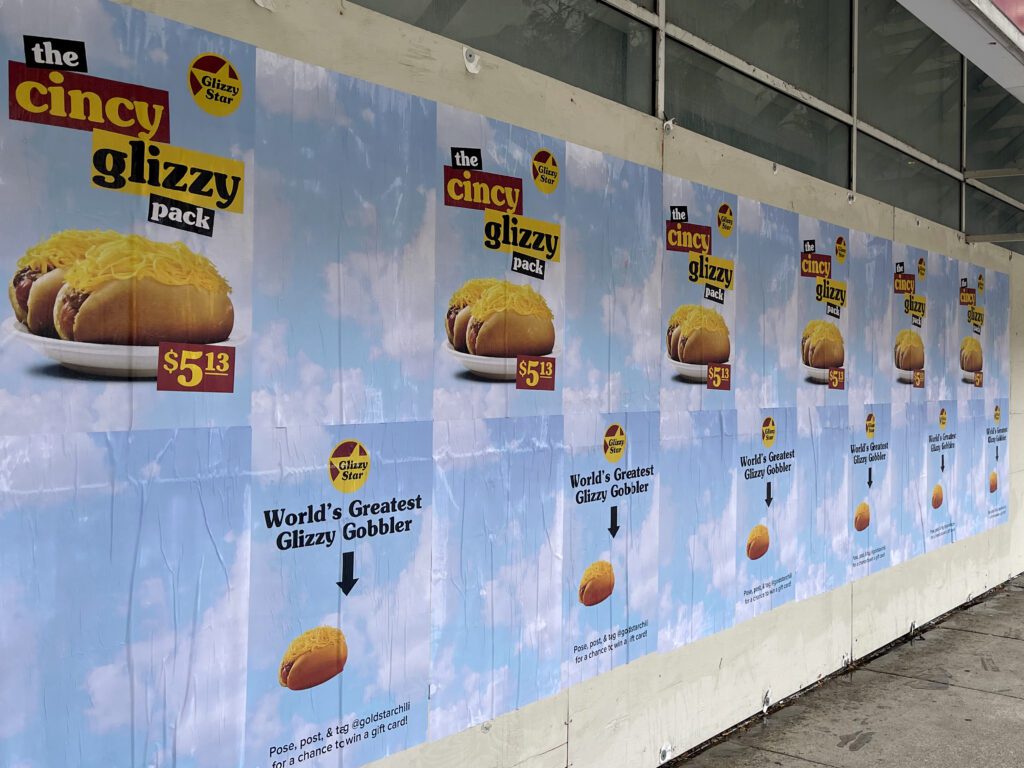
Wheatpasted poster campaigns in Wynwood and Little Haiti in Miami, Ybor City and the Channel District in Tampa, Audubon Park and the Milk District in Orlando, and the downtown St. Pete creative district create large-format street visibility in the walkable, transit-adjacent neighborhoods where Florida’s most advertising-receptive young adult and creative professional demographics live and spend time.
How Agm Executes Florida Transit Campaigns
Florida transit advertising requires more pre-campaign market research than most states because the diversity of systems, ridership profiles, seasonal patterns, and demographic compositions across the state is wider than any other single-state transit market in the Southeast. Before AGM recommends a Florida transit media plan, we conduct route-level analysis of the specific systems under consideration, review ridership data by route and time of day, and map the demographic profile of each system’s ridership against the advertiser’s target audience. This analysis drives the system selection, the route selection within each system, and the format selection in each market. Once the placement plan is approved and the campaign budget is allocated across Florida markets, AGM handles all media buying directly with each transit authority or its authorized advertising representative. In Florida, different systems use different advertising sales structures: some transit authorities sell advertising directly, others use third-party outdoor advertising companies as their sales agents, and others have more limited inventory managed by the authority’s marketing department. AGM navigates each of these structures without additional burden on the client. You have one contact at AGM, and AGM manages all the relationships with Florida’s transit systems independently. Post-installation, AGM provides photographic documentation of all Florida placements, confirms that creative was installed at the specified locations, and delivers a post-campaign performance report covering the campaign period, placement locations, estimated impressions, and any notable observations about the campaign execution. For multi-market Florida campaigns, the report consolidates data across all systems into a unified client-facing document.
Florida’s transit advertising market is systematically underestimated by national brands that associate Florida with car culture and dismiss transit as a marginal channel in the state. The reality is that Miami-Dade Metrobus is one of the 10 largest bus systems in the country by ridership, that LYNX in Orlando moves hundreds of thousands of riders monthly, and that the cumulative daily ridership across Florida’s 28-plus transit systems represents one of the largest physical out-of-home advertising audiences available in any single US state. Physical transit advertising in Florida also benefits from the same dynamic that makes it valuable nationally: a captive audience in a physical environment with no mechanism to skip, block, or avoid the advertising. A Miami-Dade Metrobus rider commuting from Hialeah to the downtown Miami employment core is exposed to interior advertising for the duration of that commute without any opt-out mechanism. The dwell time on longer Florida transit routes, many of which run 30 to 60 minutes on cross-county trips, delivers sustained advertising exposure that digital advertising channels cannot replicate at comparable cost per effective impression. Contact AGM to begin planning your Florida transit advertising campaign. The first conversation is about your target audience, your Florida market priorities, and your campaign timing. From there, AGM builds the media plan, handles the buying, and executes the campaign from production through installation and reporting.
Frequently Asked Questions
Yes. AGM manages multi-market Florida campaigns as unified client engagements with a single point of contact for planning, creative management, production, installation coordination, and post-campaign reporting. A statewide Florida transit campaign spanning Miami-Dade Metrobus, Broward County Transit, LYNX in Orlando, HART in Tampa, PSTA in St. Pete, and JTA in Jacksonville can be coordinated through AGM with consistent creative standards and synchronized launch timing across all six systems.
Bilingual creative is not a formal requirement on Miami-Dade Metrobus, but it is strongly recommended for campaigns targeting the full Metrobus ridership. A significant majority of the Metrobus ridership is Spanish-speaking or bilingual, and English-only creative underperforms significantly versus bilingual creative for campaigns on the Hialeah, Little Havana, and West Miami routes where the concentration of Spanish-dominant riders is highest. On the Brickell and downtown Miami routes where a higher proportion of younger English-dominant professionals ride, English-primary creative with Spanish secondary is often sufficient. AGM advises on bilingual creative strategy for all Miami-Dade transit placements.
Regional Transit System (RTS) in Gainesville delivers the highest concentration of college students of any Florida transit system. UF’s 56,000-plus students receive free transit access via their Gator 1 card, generating ridership intensity on campus routes that rivals major urban transit systems. For campaigns targeting college students statewide, combining RTS in Gainesville with StarMetro in Tallahassee (FSU and FAMU), HART in Tampa (USF), and LYNX in Orlando (UCF connections) covers the four largest Florida university markets accessible via transit.
The snowbird effect is strongest in Palm Beach County (Palm Tran), Lee County (LeeTran), Sarasota County (SCAT), Collier County (CAT), and the Volusia County coastal communities (Votran). In these markets, ridership from seasonal residents inflates the total audience during the October through April window, and the demographic composition of ridership shifts toward older, higher-income Northern transplants during those months. Brands targeting the affluent retiree demographic should concentrate Florida transit campaigns in these markets between October and April. In Miami-Dade, Broward, and the university markets, the snowbird effect is minimal, and year-round campaign timing is driven by other factors.
Disney Transport operates as a closed-system internal bus network entirely within the Walt Disney World Resort property. Every rider is a Disney guest or a Disney resort employee. There is no general public ridership. This creates a transit advertising environment where 100 percent of the audience is already engaged with the Walt Disney World brand and experience, which makes it a highly specific placement suited for brands with Disney partnerships, tourism-adjacent products, or family entertainment offerings. Advertising on Disney Transport is not available through standard transit authority channels and requires specific approval and partnership considerations. Contact AGM for information on current Disney Transport advertising availability.
Jacksonville (JTA), Pensacola (ECAT), and Fort Walton Beach (The Wave in Okaloosa County) are the three primary Florida transit markets with significant military and defense contractor populations. Naval Station Mayport and NAS Jacksonville in Duval County make JTA the largest military-adjacent Florida transit market. NAS Pensacola is one of the Navy’s primary training commands, and ECAT routes serving the base access areas carry a large active-duty and civilian defense workforce. Okaloosa County’s The Wave serves the Eglin AFB community, one of the largest Air Force bases in the country. For brands with military market programs, a coordinated buy across these three Florida systems delivers the state’s primary active-duty and veteran transit audiences.
The Miami-Dade market is a mature, high-density transit market with competitive advertising inventory and a predominantly transit-dependent ridership. The I-4 corridor (Orlando and Tampa) is a growth market where transit use is expanding alongside population and employment growth, but where the ridership still reflects a larger proportion of choice riders, commuters who transit on some days and drive on others, and new riders drawn to expanded service. This means the I-4 corridor delivers a somewhat different demographic than Miami-Dade: younger, growing in income, and representing the new Florida economy of tech, healthcare, and professional services rather than the established Miami-Dade economy of finance, trade, and Caribbean commerce. Advertising strategy that works in one corridor may need adjustment for the other.
Miami-Dade Metrobus premium exterior and shelter positions are the most competitive in the state and require the most lead time for high-ridership placements. LYNX on the International Drive and downtown Orlando routes is competitive for the tourism season from October through March. During major events like Art Basel in Miami, Super Bowl weeks, and college football championship events in Orlando and Miami, premium transit advertising positions can be sold out six to eight months in advance in the relevant markets. Outside of these high-demand windows, Florida’s transit advertising inventory is more accessible than the competitive environment suggests, and AGM can often secure premium positions with four to six weeks of lead time in most Florida markets.
Yes. AGM’s transit advertising campaigns in Florida can include simultaneous guerrilla marketing elements across all Florida markets. Wild postings in Wynwood, sidewalk stencils at LYNX Central Station in Orlando, snipes along the Broward County Transit corridors in Fort Lauderdale, and wheatpasted campaigns in the Ybor City district in Tampa are all available as complements to bus interior or exterior campaigns in those markets. The combination of transit and guerrilla creates the multi-surface frequency that is especially effective in Florida’s high-tourism, high-foot-traffic markets where the audience encounters brand messaging across multiple physical surfaces during a single day’s movement.
Interior king and queen poster campaigns require print-ready files at the dimensions specified by each individual transit authority, typically at 150 to 300 DPI minimum resolution. Full bus wrap production requires high-resolution vector and raster files prepared to wrap templates specific to the vehicle model being wrapped, which AGM provides to creative teams at the start of production. Bilingual Miami-Dade creative must be proofed by a native Spanish speaker before submission. AGM manages all production specifications, print vendor relationships, and material delivery coordination for Florida transit campaigns, so clients need to provide only the core brand assets and campaign concept. AGM handles the rest from specification through installation.