American Guerrilla Marketing
Nationwide serivce
Media planning, media buying, billboard advertising, & guerrilla marketing
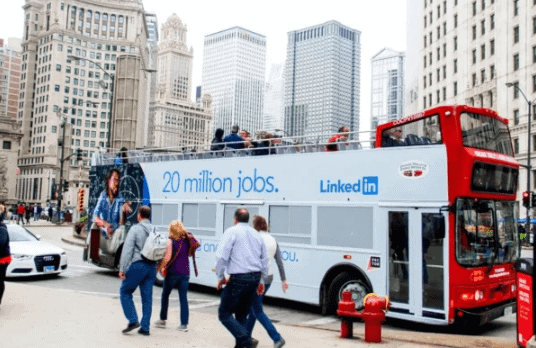
American Guerrilla Marketing places interior bus and transit advertising across Idaho’s transit systems. ValleyRide in Boise, Pocatello Regional Transit serving Idaho State University, and CityLink in Twin Falls. Compact market. Direct access. No vendors, no intermediaries.
Idaho’s transit advertising landscape is compact, focused, and strategically underused by most national and regional brands. Three public fixed-route transit systems serve the state’s main urban corridors: ValleyRide in the Boise metro area, Pocatello Regional Transit in the Pocatello-Chubbuck corridor, and CityLink in Twin Falls. Each system serves a distinctly different market, and each reaches an audience not easily accessible through any other transit advertising channel in their respective geographic areas.
The Boise metro, served by ValleyRide, is the central story of Idaho transit advertising. Boise has been one of the fastest-growing mid-size cities in the United States for the better part of a decade, driven by tech sector migration from California, a strong outdoor recreation economy, and a cost-of-living advantage over the Pacific Coast markets that has attracted both workers and businesses. The demographic transformation of Boise is legible in ValleyRide ridership: an older base of traditional transit users is now joined by a growing cohort of younger, higher-income transplants from California, Oregon, and Washington who chose Boise partly for quality of life reasons and who are more transit-receptive than the traditional Idaho car culture would suggest. For tech brands, financial services companies, outdoor and lifestyle brands, and retailers entering the Idaho market, Boise’s ValleyRide delivers the market’s most concentrated urban ridership in an advertising environment with almost no national competition.
Pocatello Regional Transit in the southeastern Idaho city of Pocatello serves a market anchored by Idaho State University, with 13,000-plus enrolled students. ISU is the dominant institution in Pocatello, and Pocatello Regional Transit routes reflect that dependency: the primary ridership is students moving between the campus, the downtown Pocatello core, and the residential neighborhoods surrounding the university. This creates a compact but highly concentrated young adult advertising market in a city of roughly 55,000 people, where transit advertising reaches a disproportionately large share of the under-30 population relative to the city’s overall size.
CityLink in Twin Falls serves the Magic Valley region of south-central Idaho. Twin Falls is a regional center for the agricultural economy of the Snake River Plain, with food processing, agricultural supply, and service industries driving the local economy. The Twin Falls ridership includes working adults in the food processing and service sectors, many of whom are Spanish-speaking workers in the agricultural processing industry. The Chobani yogurt plant, one of the largest food manufacturing facilities in the US, is located in Twin Falls and represents a significant employer in the local economy. For brands marketing to working adults in agricultural and food processing communities, CityLink Twin Falls reaches a specific demographic not easily targeted through other advertising channels in the Idaho market.
AGM covers Idaho's transit systems from Boise to Pocatello to Twin Falls. Tell us your target market and we'll build the media plan that reaches them directly.
Boise metro area bus service covering Boise, Nampa, Meridian, Caldwell, and Garden City. Ada and Canyon county fixed routes plus commuter express service. Idaho’s largest and most competitive transit advertising market.
Fixed-route bus service in Pocatello and Chubbuck serving Idaho State University, downtown Pocatello, and the surrounding residential communities. A compact but high-density university transit market in southeastern Idaho.
Twin Falls city transit serving the Magic Valley commercial and residential corridors. The regional transit system for the Snake River Plain agricultural economy. Serves a working adult population in the food processing and service sectors.
ValleyRide serves the Treasure Valley with fixed routes across Ada County and portions of Canyon County, covering the Boise urban core, the growing suburban cities of Meridian and Nampa, and the Garden City arts district along the Boise River. The system has expanded its commuter express service as traffic congestion on I-84 and State Street has increased with Boise’s population growth, creating a growing park-and-ride commuter ridership that is the fastest-appreciating demographic in the ValleyRide system.
Boise’s transit ridership is demographically younger and more educated than the Idaho state average, reflecting the city’s role as the destination for Pacific Coast tech worker migration. Downtown Boise’s concentration of technology companies, including Clearwater Paper, Micron Technology’s headquarters, and a growing cluster of software and SaaS companies along the 8th Street Marketplace and the downtown Capitol Boulevard corridor, creates a professional and technical worker population that uses ValleyRide for downtown commutes and midday errands. For tech brands, SaaS companies, and professional services firms entering the Idaho market or building presence in the Mountain West, Boise’s ValleyRide delivers the professional urban workforce at advertising costs that are a fraction of equivalent placements in Seattle, Portland, or Salt Lake City.
The outdoor recreation economy is another Boise-specific demographic driver on ValleyRide. Boise sits at the edge of the Boise National Forest and within an hour of world-class ski areas, hiking, mountain biking, and whitewater on the Payette River. The population that has migrated to Boise for outdoor recreation access and lifestyle reasons is concentrated in the North End and the downtown neighborhoods served by the ValleyRide core routes, and for outdoor, lifestyle, and performance brands, those routes deliver the most outdoor-recreation-oriented urban transit ridership in the Mountain West outside of Boulder and Salt Lake City.
Boise State University, with 26,000-plus students on the campus adjacent to the downtown Boise core, creates a university demographic layer on top of the professional and lifestyle ridership. The BSU routes on ValleyRide serve the campus, the student residential neighborhoods on University Drive and Boise Avenue, and the Capitol Boulevard corridor connecting the campus to the downtown employment area. For brands targeting college students in Idaho, the BSU corridor on ValleyRide is the most concentrated campus-adjacent transit advertising opportunity in the Boise market.
Pocatello Regional Transit operates in a city where the University is not just one of several major employers but effectively the defining economic institution of the community. Idaho State University’s 13,000-plus students represent a significant share of the Pocatello population of 55,000, and the university’s presence on every aspect of Pocatello’s economy, from housing to retail to food service to entertainment, means that transit ridership in Pocatello is disproportionately shaped by the university calendar in a way that is more extreme than in larger college towns where the university is one institution among many.
ISU students ride Pocatello Regional Transit at high rates because student fees partially subsidize the system and because Pocatello’s cold winters and the compact geography between the campus and the downtown entertainment and retail district make transit a practical choice for daily movement. The ridership profile on the campus-to-downtown routes is overwhelmingly 18-to-25, making Pocatello Regional Transit one of the most demographically concentrated young adult transit markets in the Mountain West. For brands targeting college students, especially in categories like banking, food service, technology, entertainment, and health, the Pocatello Regional Transit system delivers that demographic at lower cost and with less advertising competition than the university transit markets in larger Mountain West cities.
Beyond the ISU population, Pocatello Regional Transit also serves the Pocatello working community in the retail and service corridors along Yellowstone Avenue and Pole Line Road, the Bannock County healthcare workforce at Portneuf Medical Center, and the residential communities in Chubbuck on the north side of the metro area. For brands with broader southeastern Idaho market objectives beyond the student demographic, route selection on Pocatello Regional Transit allows targeting of the working adult community through the commercial corridor routes without overlap with the campus-focused ridership.
CityLink in Twin Falls serves the commercial and residential corridors of Twin Falls County and provides basic transit connectivity for the Magic Valley region’s working population. The Twin Falls transit market is distinct from Boise and Pocatello in that it is not primarily driven by a university population or a tech-sector professional demographic. It is a working adult transit market serving the food processing, agricultural services, healthcare, and retail workforce that constitutes the core of the Twin Falls economy.
The Magic Valley is one of the most agriculturally productive regions in the United States, producing dairy products, potatoes, trout, and a range of vegetable and grain crops that feed into national supply chains. The food processing industry that transforms those agricultural outputs, including Chobani’s massive yogurt facility, Clif Bar’s bakery, and multiple dairy and potato processing plants, employs a significant working-class workforce in Twin Falls County. A meaningful proportion of that workforce uses CityLink to access the employment centers along the Blue Lakes Boulevard and Washington Street commercial corridors where many of the county’s larger employers are located.
Twin Falls also serves as the regional retail and medical center for a large rural catchment area across the Magic Valley, with residents from Burley, Rupert, Jerome, and Gooding traveling to Twin Falls for shopping, medical care, and services. The transit routes serving the St. Luke’s Magic Valley Medical Center and the downtown Twin Falls retail core carry this regional population alongside the local working adult ridership. For brands targeting working adults in agricultural and food processing communities, or for regional healthcare, insurance, and financial services brands with a southeastern Idaho market presence, CityLink Twin Falls is the most direct transit advertising channel available in the Magic Valley.
Available on: ValleyRide (Boise)
Complete exterior wraps on ValleyRide fleet vehicles in the Boise metro area. The highest-visibility transit advertising format in Idaho. Full bus wraps on the downtown Boise and Meridian routes achieve the highest street-level impressions of any Idaho transit advertising placement.
Available on: ValleyRide, Pocatello Regional Transit, CityLink Twin Falls
30-by-144-inch interior postings across the full bus interior on all three Idaho transit systems. The primary interior format for brand awareness campaigns on Idaho transit. ValleyRide system-wide buys deliver the largest Idaho interior transit audience.
Available on: ValleyRide, Pocatello Regional Transit, CityLink Twin Falls
Mid-format interior postings for route-specific or corridor-specific campaigns on any Idaho transit system. The appropriate format for advertisers targeting specific demographic or geographic segments within each system’s coverage area.
Available on: ValleyRide, Pocatello Regional Transit, CityLink Twin Falls
Distributed card placements at multiple positions throughout the bus interior. The most accessible format for local and regional Idaho advertisers. Available on all three Idaho systems and compatible with smaller campaign budgets.
Available on: ValleyRide
Reading-distance placements on bus seat backs. Best for campaigns with QR codes, detailed information, or content that benefits from the close attention of a seated transit rider. Available on ValleyRide commuter express routes where dwell times are longest.
Available on: ValleyRide
Panel advertising at ValleyRide shelter locations across the Boise metro area. Provides outdoor presence at transit stop locations for brands targeting the street-level audience in the Boise urban core and the Meridian and Nampa suburban corridors.
Available on: ValleyRide, Pocatello Regional Transit
Bench advertising at stop locations across Idaho’s primary transit systems. Sustained neighborhood-level presence at community transit nodes throughout the campaign period.
Available on: ValleyRide, CityLink Twin Falls
Rear and roadside exterior panel advertising on bus vehicles. High-visibility exposure to the vehicle traffic behind and alongside transit vehicles on the main commercial corridors in Boise and Twin Falls.
Bus shelter advertising in Idaho places your brand at the exact locations where riders wait for transit service. The dwell time at a shelter, typically five to fifteen minutes per stop visit, creates an uninterrupted, low-distraction exposure window that in-vehicle advertising alone cannot deliver at equivalent duration.
Idaho’s shelter advertising inventory is concentrated at the primary boarding and alighting points on the state’s larger transit systems, where ridership volumes and wait times are highest. AGM identifies the shelter positions that deliver the most rider exposure for each campaign’s geographic and demographic targets, and structures shelter buys around the stop locations that create maximum frequency among the target audience.
AGM manages all aspects of shelter advertising placement in Idaho, from inventory identification and booking through creative production, installation, and monitoring for the full campaign posting period.
Idaho is overlooked as a transit advertising market for an obvious reason: it is a small state with a car-dependent culture, and most national brands do not allocate Idaho as a standalone media market in their transit advertising plans. This assumption, while not entirely wrong, misses the specific value of Boise as a high-growth, demographically transforming metro market where transit advertising is available with almost no national competition and at pricing that reflects the Idaho market’s current size rather than its growth trajectory.
Boise specifically is in a category of US cities, including Raleigh, Nashville, and Boise’s own Mountain West competitors in Salt Lake City and Denver, that are large enough to be meaningful consumer markets but small enough that national brands have not yet built the competitive advertising pressure that drives up costs in mature markets. The Boise metro area crossed 800,000 people in the early 2020s and is still growing faster than any comparable Mountain West metro. Transit advertising on ValleyRide in Boise today is available at pricing that will not reflect the Boise market’s size in five years, and brands that establish transit advertising presence in Boise now are building market familiarity with a demographic that is arriving in the city in large numbers with purchasing power and brand loyalty decisions not yet firmly established.
The Pocatello and Twin Falls markets are genuine niche opportunities for specific brand categories. Pocatello’s university focus makes it relevant for any brand with a college student marketing program. Twin Falls’s agricultural economy focus makes it relevant for brands selling to working adults in the food, agricultural, and trades sectors. Neither market is large enough to justify transit advertising as a standalone campaign for most national brands, but both markets are viable as regional additions to a Mountain West or Pacific Northwest transit media plan where budget efficiency is a priority and the specific demographic in each market aligns with campaign targets.
Idaho’s transit advertising market also benefits from the low minimum commitment thresholds that smaller systems typically offer. ValleyRide, Pocatello Regional Transit, and CityLink can generally accommodate shorter campaign periods and smaller placements than major metro transit systems where minimum buy requirements are set to match larger advertiser expectations. For regional advertisers, emerging brands, or national brands doing targeted regional testing in the Mountain West, Idaho’s transit systems offer a lower entry point than comparable markets in the Pacific Northwest.
AGM’s full range of guerrilla marketing formats is available alongside transit advertising campaigns in Idaho’s primary markets. The combination of transit and street-level guerrilla creates the frequency stack that single-format campaigns cannot achieve independently.
Snipe advertising along ValleyRide corridors on Capitol Boulevard, State Street, and Overland Road in the Boise metro creates street-level touchpoints that reinforce bus interior campaigns at the route level. Riders who see your interior card also encounter your snipes at the commercial intersections their routes pass through. In Pocatello, snipes on the South 5th Avenue corridor and the Pocatello Creek Road transit routes reinforce campus transit campaigns at the student foot-traffic intersections adjacent to the ISU campus.
Sidewalk stencils at the primary ValleyRide transit hub locations, including the downtown Boise transit center on Capitol Boulevard and the major transfer points in Meridian and Nampa, create ground-level brand presence at the maximum foot-traffic concentration points in the Boise transit network. In Pocatello, stencils at the ISU student union and the downtown transfer point reach the university transit audience at both ends of their campus-to-downtown transit commute.
Wheatpasted poster campaigns in Boise’s Depot neighborhood, the downtown 8th Street Marketplace corridor, and the Hyde Park neighborhood in the North End create large-format street impressions in the walkable neighborhoods where Boise’s most transit-receptive and brand-engaged demographics live, shop, and spend time.
Idaho transit advertising campaigns are planned with the same research discipline AGM applies to campaigns in major metro markets, adjusted for the smaller scale and simpler structure of Idaho’s transit systems. Before recommending a placement plan, AGM reviews available ridership data, route geographic coverage, and demographic information for the Idaho systems under consideration. The smaller size of Idaho’s transit systems means that route-level demographic targeting requires more careful analysis than in large systems with hundreds of routes, because each route represents a larger share of the total system ridership and selecting the wrong route type can result in an audience mismatch that a broader system-wide buy in a larger market would average out. For ValleyRide campaigns in Boise, AGM manages media buying directly with the Valley Regional Transit authority or its authorized advertising contacts. For Pocatello Regional Transit and CityLink Twin Falls, we work directly with the respective system operations contacts to confirm inventory availability, creative specifications, and installation timelines. Post-installation, AGM provides photographic documentation of all Idaho placements and a post-campaign report covering placement locations, installation confirmation, and estimated campaign impressions for the campaign period. For Idaho campaigns that include guerrilla marketing elements alongside transit placements, AGM coordinates deployment of street-level elements to coincide with bus advertising installation. In Boise, where the downtown pedestrian environment is developed enough to support effective guerrilla marketing, simultaneous transit and street-level campaigns create the multi-touchpoint presence that is particularly effective for new brand entries into the Boise market. For a brand announcing its presence in Boise, simultaneous ValleyRide interior advertising and a targeted downtown Boise guerrilla campaign creates a market entry presence that is difficult to match through any other combination of advertising formats in the Idaho market at comparable cost.
Yes. AGM manages multi-market campaigns across all three Idaho transit systems, ValleyRide, Pocatello Regional Transit, and CityLink Twin Falls, as a unified client engagement with one point of contact. A statewide Idaho transit buy covering all three systems can be coordinated through AGM with consistent creative management and synchronized launch timing. The total budget required to cover all three Idaho systems simultaneously is substantially lower than comparable multi-system buys in larger states, making a statewide Idaho transit campaign accessible even to advertisers with regional rather than national budgets.
ValleyRide’s ridership includes three primary demographic segments: young professionals and tech workers in the downtown Boise and Garden City routes, Boise State University students on the campus-adjacent routes, and working adults in the service, healthcare, and retail sectors on the Nampa, Caldwell, and suburban Meridian routes. The best-fit demographic for any ValleyRide campaign depends on which routes are selected. A downtown Boise campaign on Capitol Boulevard and Main Street routes delivers the professional and tech worker demographic. A BSU campus-adjacent campaign delivers the student demographic. A Nampa and Caldwell route campaign delivers the working adult demographic in the canyon county employment centers. AGM advises on route selection based on your specific Idaho target audience before any placement is finalized.
Boise specifically, yes. Micron Technology is headquartered in Boise and is one of the city’s largest employers. Clearwater, Bodybuilding.com (now owned by Liberty Media), and a growing cluster of SaaS and software companies have established Boise as a genuine Mountain West tech market. The professional worker demographic that rides ValleyRide on the downtown Boise core routes includes a significant proportion of tech sector employees. For tech brands entering the Mountain West market, Boise transit advertising reaches the state’s highest-concentration tech workforce at costs that are meaningfully lower than equivalent placements in Salt Lake City, Denver, or Portland, and with no other tech brand transit advertising competition in the market.
For most national brands, Pocatello as a standalone buy is a niche decision driven by a specific demographic or geographic reason. Brands with a college student marketing program, brands introducing a product in the ISU market, or brands testing creative in a low-cost university market may find Pocatello Regional Transit valuable as a standalone. For regional advertisers covering the southeastern Idaho or the greater Snake River Plain area, Pocatello makes sense as part of a broader Idaho or Mountain West regional plan. AGM can structure a Pocatello-only campaign or a multi-Idaho campaign depending on the advertiser’s market coverage objectives.
Boise’s continued population growth means that the ValleyRide ridership base is expanding, and the demographic composition of that ridership is shifting toward a younger, higher-income profile as the tech and professional migration continues. This trajectory suggests that the advertising value of ValleyRide placements will increase over time as ridership grows and the market becomes more economically attractive to national brands. Brands that establish ValleyRide advertising presence now are getting current-market pricing for an audience that is growing in both size and purchasing power. AGM tracks Boise market growth and can advise on the long-term strategic value of building transit advertising presence in the Boise market before competitive pressure from other national brands drives up pricing.
Idaho’s transit systems, being smaller than major metro systems, generally have lower minimum commitment requirements than transit authorities in large cities. ValleyRide is the most structured of the three systems in terms of formal advertising requirements, but even ValleyRide’s minimums are accessible to regional and smaller national advertisers. Pocatello Regional Transit and CityLink Twin Falls have the most flexible minimum requirements and can generally accommodate shorter campaign runs and smaller placements. AGM reviews current minimum requirements for each Idaho system during the campaign planning process and advises on the most cost-effective structure for each advertiser’s budget and timing requirements.
Yes. Twin Falls has a significant Latino population, many of whom work in the food processing, dairy, and agricultural sectors that are the backbone of the Magic Valley economy. Spanish-language or bilingual creative is worth considering for CityLink Twin Falls campaigns targeting the working adult population in the food processing and agricultural worker community. AGM advises on creative language strategy for Twin Falls campaigns based on the specific routes being purchased and the demographic composition of those routes’ ridership. For campaigns targeting the general Twin Falls working adult population across all demographic segments, bilingual creative is the most inclusive and effective approach in this market.
Standard interior poster production and installation lead time for Idaho transit systems is two to four weeks from final artwork approval. Full bus wrap production on ValleyRide requires five to six weeks minimum. Because Idaho’s transit systems are smaller operations with less complex logistics than major metro systems, installation coordination is often faster than in larger markets. AGM recommends initiating Idaho campaign planning four to six weeks before the intended launch date to allow for system availability confirmation, creative production, and installation scheduling across whichever Idaho systems are included in the campaign.
ValleyRide operates several routes with stops on or immediately adjacent to the Boise State University campus on University Drive and the riverfront side of the campus along the Boise River Greenbelt. BSU students use ValleyRide for commutes from off-campus housing in the North End, the Bench, and the Vista neighborhood south of the downtown, and for trips between the campus and the downtown entertainment and retail district. There is no free-fare program for BSU students on ValleyRide comparable to the arrangements at UF in Gainesville or UGA in Athens, but the proximity of the campus to the downtown transit hub and the density of ValleyRide service on the campus-adjacent routes makes BSU student ridership a meaningful component of the system overall. For brands targeting the BSU student demographic, route selection focused on University Drive and Capitol Boulevard captures that audience at the transit touchpoints most relevant to the daily campus-to-downtown movement pattern.