American Guerrilla Marketing
Nationwide serivce
Media planning, media buying, billboard advertising, & guerrilla marketing
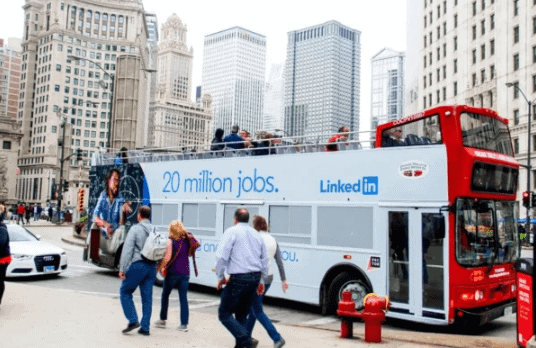
American Guerrilla Marketing places interior bus and shelter advertising across MBTA Bus in Boston and all 12 regional transit authorities statewide. Boston is one of the top university transit markets in the country. Direct execution. 500+ campaigns nationwide.
Massachusetts runs the most comprehensive statewide transit network of any New England state, anchored by the MBTA Bus system in Boston and extended by 12 regional transit authorities that together cover every corner of the commonwealth from Cape Cod to the Berkshires. The MBTA Bus system alone operates 160-plus routes across Boston, Cambridge, Somerville, Quincy, Brookline, Everett, Chelsea, and the inner suburbs, making it one of the busiest bus systems in the country by ridership volume and one of the top five transit advertising markets in the United States. Outside Boston, the regional transit authority network — WRTA in Worcester, PVTA in the Pioneer Valley, LRTA in Lowell, MVRTA in the Merrimack Valley, MetroWest RTA, BAT in Brockton, SRTA in New Bedford and Fall River, CCRTA on Cape Cod, CATA in Cape Ann, BRTA in the Berkshires, and MRTA in the Montachusett region — creates a statewide transit presence that reaches Massachusetts communities from the urban core to the rural periphery.
The defining characteristic of Massachusetts transit advertising is the university market. Boston hosts one of the highest concentrations of university students per capita of any city in the country. Harvard, MIT, Boston University, Northeastern, Boston College, Emerson, Tufts, Suffolk, Berklee, MassArt, and dozens of smaller institutions collectively enroll more than 250,000 students in the Greater Boston metro area. The MBTA Bus network serves every major Boston university campus, and the routes running through Allston, Brighton, Cambridge, the Fenway, and Mission Hill are the most concentrated university-adjacent transit corridors in the country. For brands targeting the 18-to-24 college student demographic, a Boston MBTA Bus buy delivers that audience at a scale and concentration available in very few other single-market transit placements in the United States.
The Pioneer Valley market, anchored by UMass Amherst’s 23,000-plus students and extended through the Five College Consortium of Amherst, Hampshire, Mount Holyoke, and Smith colleges, creates a secondary university transit market of extraordinary concentration served by the Pioneer Valley Transit Authority. The Five College Bus Pass system makes PVTA the primary transit infrastructure for an entire regional higher education ecosystem, and that relationship creates a transit advertising environment where the student audience percentage of total ridership is among the highest of any RTA in the country.
Berkshire RTA connects the communities of western Massachusetts' Berkshire Hills -- Berkshire Medical Center workers,...
Learn More
BAT serves Brockton and Plymouth County -- Signature Healthcare workers, Massasoit Community College students, and...
Learn More
CATA connects the Cape Ann communities of Gloucester and Rockport -- one of America's oldest...
Learn More
CCRTA serves all of Cape Cod -- from the Sagamore Bridge gateway through Hyannis to...
Learn More
LRTA serves the Merrimack Valley city that sparked America's Industrial Revolution -- UMass Lowell students,...
Learn More
MBTA Bus serves America's most historic city -- Harvard, MIT, and Boston University students, Mass...
Learn More
MVRTA connects Lawrence and Haverhill -- the Merrimack Valley's working-class industrial cities where a majority-Latino...
Learn More
MetroWest RTA serves Framingham and the surrounding communities -- the largest Brazilian community in Massachusetts,...
Learn More
MART connects the North Central Massachusetts communities of Fitchburg and Gardner -- Fitchburg State University...
Learn More
PVTA is western Massachusetts's largest transit system -- Baystate Health workers, UMass Amherst and Amherst...
Learn More
SRTA connects New Bedford and the surrounding Southeast Massachusetts communities -- UMass Dartmouth students, St....
Learn More
WRTA serves Central Massachusetts' largest city -- UMass Medical School, WPI and Clark University students,...
Learn MoreAGM covers MBTA Bus in Boston and all 12 regional transit authorities across Massachusetts. Tell us your target audience and we'll build the media plan that reaches them directly.
160-plus routes across the Greater Boston metro. One of the busiest bus systems in the US, serving Harvard, MIT, BU, Northeastern, BC, Emerson, Tufts, and the region’s major hospitals, medical centers, and employment hubs.
Worcester Regional Transit Authority serving Massachusetts’ second-largest city. Routes covering Clark University, WPI, Holy Cross, Worcester State, and UMMS. Central Massachusetts’ primary transit advertising market.
Pioneer Valley Transit Authority serving Springfield, Northampton, Amherst, and the Five College Consortium. UMass Amherst (23,000+ students), Amherst, Hampshire, Mount Holyoke, and Smith colleges all on the PVTA network.
Lowell Regional Transit Authority serving the Merrimack Valley’s largest city. Routes connecting UMass Lowell, downtown Lowell, and the area’s diverse working-class immigrant communities to major employment centers.
Merrimack Valley Regional Transit Authority serving Lawrence, Haverhill, Methuen, and Andover. Lawrence is one of the most densely Hispanic cities in New England. Routes connect immigrant communities to regional employment and services.
MetroWest Regional Transit Authority serving Framingham, Natick, Ashland, Holliston, and Milford. Framingham is the center of Massachusetts’ Brazilian-American community and a major Route 9 retail and employment corridor.
Brockton Area Transit serving Brockton, Abington, Bridgewater, and surrounding southeastern Massachusetts communities. Brockton’s diverse Cape Verdean and Haitian-American communities make BAT a distinct demographic market.
Southeastern Regional Transit Authority serving New Bedford and Fall River. Two legacy industrial port cities with dense working-class and immigrant communities and significant Portuguese-American heritage demographics.
Cape Cod Regional Transit Authority serving the peninsula’s towns from Sandwich to Provincetown. Seasonal ridership surge from June through September serves the Cape’s summer tourism economy. Year-round routes serve the permanent residential base.
Cape Ann Transportation Authority serving Gloucester, Rockport, Essex, and Manchester-by-the-Sea. The North Shore’s waterfront communities, arts scene, and fishing industry create a distinctive small-market transit advertising environment.
Berkshire Regional Transit Authority serving Pittsfield, North Adams, Adams, and western Massachusetts communities. Western MA’s primary transit system, serving a community defined by arts institutions, small colleges, and a working-class residential base.
Montachusett Regional Transit Authority serving Fitchburg, Gardner, Leominster, and north-central Massachusetts. Fitchburg State and Mount Wachusett Community College create a university-adjacent ridership component within a primarily working-class transit market.
The MBTA Bus system in Boston is not merely the largest transit advertising market in Massachusetts — it is consistently ranked among the top transit advertising markets in the entire country by ridership volume, audience density, and demographic value. Boston’s 160-plus bus routes serve a metro area defined by elite educational institutions, world-class medical centers, a technology and biotech industry of national significance, a dense young professional population, and one of the highest concentrations of university students of any comparable American city. For brands targeting the educated young adult demographic, the healthcare and biotech professional demographic, or the general Boston metro consumer market, MBTA Bus advertising delivers all three audiences within a single transit system.
The Pioneer Valley Transit Authority serves two distinct Massachusetts markets that happen to share the same transit infrastructure. The first is the Five College Consortium corridor anchored by UMass Amherst: five major institutions of higher education — UMass Amherst, Amherst College, Hampshire College, Mount Holyoke College, and Smith College — connected by a bus pass system that makes PVTA the daily transit network for tens of thousands of college students. The Five College Corridor routes between Amherst, Northampton, and South Hadley carry one of the highest percentages of college student ridership of any transit routes in New England, creating an advertising environment where the student demographic is not merely a portion of the ridership but the defining characteristic of route-level audience composition.
Worcester is Massachusetts’ second-largest city and the center of a college cluster that is often overlooked by advertisers focused on the Boston metro. Clark University, Worcester Polytechnic Institute, College of the Holy Cross, Worcester State University, Assumption University, Quinsigamond Community College, and the University of Massachusetts Medical School all operate in Worcester, creating a multi-institution university market of substantial size. WRTA routes serve the Clark University and WPI corridors, the Holy Cross campus on Linden Street, and the Worcester State campus on Chandler Street, making WRTA one of the most university-rich regional transit authorities in New England by institutional count.
The Cape Cod Regional Transit Authority operates in a transit market without peer in Massachusetts. From June through September, Cape Cod’s summer tourism season drives ridership spikes on the Flex and Barnstable routes that serve the beach communities, Main Streets, and commercial strips along Route 6 and Route 28. Tourists without cars, seasonal workers, and summer residents who choose transit over driving on the congested Cape roads create a summer ridership demographic that is affluent, leisure-oriented, and consumer-active in ways that differ entirely from the working-adult transit ridership of Boston or Worcester.
The MVRTA in Lawrence and Haverhill serves one of the most densely Hispanic transit markets in New England. Lawrence’s population is over 70 percent Latino, predominantly Dominican and Puerto Rican, making MVRTA routes through the downtown Lawrence and North Common corridors one of the most concentrated Spanish-speaking transit audiences in Massachusetts. For brands targeting Spanish-language or Hispanic-American demographic segments in the Massachusetts market, MVRTA Lawrence routes provide a direct, cost-efficient placement with minimal competitor advertising pressure.
King and queen posters, interior cards, headliners, seat-back displays, and overhead cards are available across Massachusetts’s transit fleet. Interior formats reach every rider on the bus for the full duration of their trip in a low-distraction reading environment. Format availability varies by system and fleet type. AGM advises on which interior formats are available on each Massachusetts system and recommends the format mix that best matches the campaign’s creative approach and budget.
Full bus wraps, tail displays, and window vinyls are available on most Massachusetts transit systems. Exterior formats reach vehicle traffic, pedestrians, and the communities along each route as the bus moves through the service area. Full wraps transform a bus into a moving billboard across the system’s entire route network. AGM coordinates exterior format availability and installation across all Massachusetts transit systems.
Covered shelter advertising is available at primary stop locations on the larger Massachusetts city transit systems. Shelter panels reach waiting riders during their stop dwell time and vehicle traffic passing the stop location. Shelter advertising combined with interior bus placements creates a two-touchpoint campaign that reaches riders both at the stop and on the vehicle. AGM advises on shelter inventory availability by system and recommends shelter positions that match the advertiser’s geographic and demographic targets.
Bus shelter advertising in Massachusetts places your brand at the exact locations where riders wait for transit service. The dwell time at a shelter, typically five to fifteen minutes per stop visit, creates an uninterrupted, low-distraction exposure window that in-vehicle advertising alone cannot deliver at equivalent duration.
Massachusetts’s shelter advertising inventory is concentrated at the primary boarding and alighting points on the state’s larger transit systems, where ridership volumes and wait times are highest. AGM identifies the shelter positions that deliver the most rider exposure for each campaign’s geographic and demographic targets, and structures shelter buys around the stop locations that create maximum frequency among the target audience.
AGM manages all aspects of shelter advertising placement in Massachusetts, from inventory identification and booking through creative production, installation, and monitoring for the full campaign posting period.
Massachusetts’s transit advertising market is less competitive than comparable markets in states with higher national advertiser awareness. Brands that target the digital advertising ecosystem for the same audiences often pay a premium for fragmented, avoidance-prone digital impressions when Massachusetts’s transit systems deliver the same demographics with sustained, physical exposure during their daily transit routine.
The working adult, student, and community transit rider in Massachusetts is reachable through transit advertising at a cost-per-impression that digital advertising in the same markets consistently fails to match. AGM has executed transit campaigns across more than 500 national engagements and understands exactly which Massachusetts systems and routes deliver the audience volume and demographic profile that each advertiser needs.
Brands that enter the Massachusetts transit advertising market now are securing placements at pre-competitive pricing on systems that will attract more national advertiser attention as the market matures.
AGM’s full guerrilla marketing portfolio is available alongside transit advertising campaigns in every Massachusetts market. The multi-format combination creates the frequency stack that single-format campaigns cannot build independently.
Snipe advertising along the corridors served by MBTA Bus routes in Boston, PVTA routes in Amherst and Northampton, and WRTA routes in Worcester creates street-level touchpoints that reinforce bus interior campaigns at the route level. The Allston and Cambridge corridors in Boston, the Route 9 corridor in Worcester, and the College Street corridor in Northampton are all active snipe environments where street presence amplifies transit interior placements.
Sidewalk stencils at Boston’s major transit hubs including Harvard Square, Copley Square, and Nubian Square create ground-level brand presence at the highest foot-traffic concentration points in the MBTA system. In Amherst, stencils at the UMass Amherst campus bus stops and the Five College corridor connections reach the university student demographic at the specific points where they interact with the transit network most frequently.
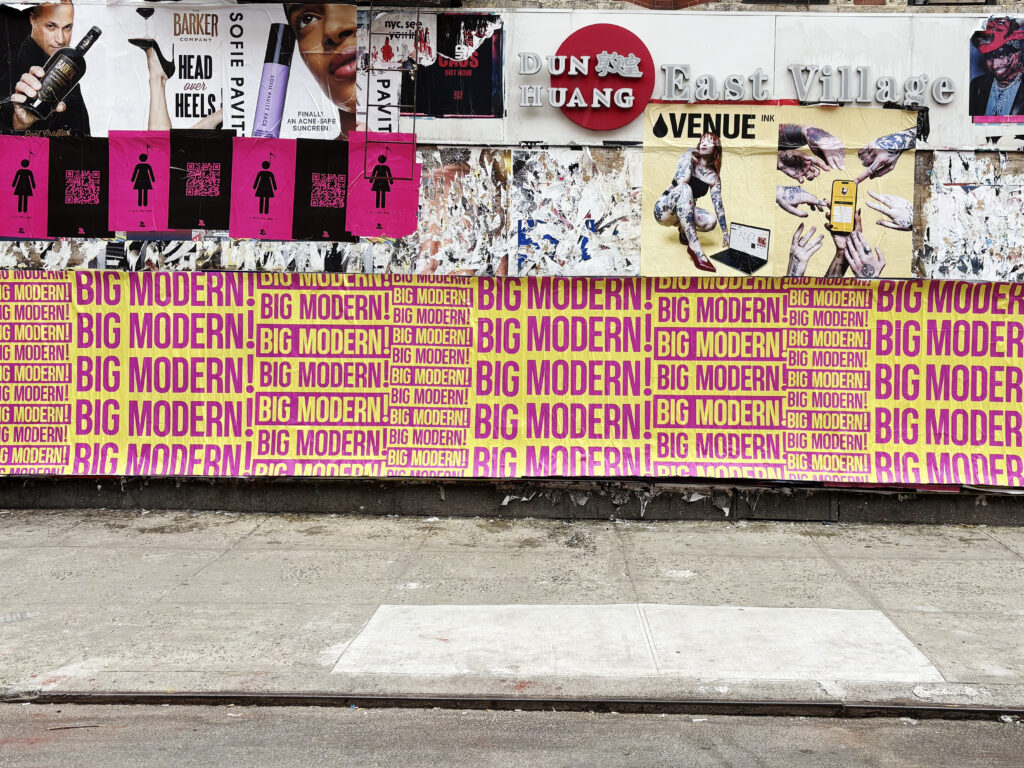
Wheatpasted poster campaigns in Boston’s Allston, Fenway, Jamaica Plain, and Cambridge corridors create large-format street impressions for the young professional and student audience that moves through those neighborhoods on foot and by bus. In Northampton, wheatpasting on Main Street and the Route 9 commercial corridor reaches the Pioneer Valley arts, university, and progressive consumer demographic that concentrates in the area’s walkable downtown.
AGM’s Massachusetts campaign process begins with market analysis and route demographic research before any placement recommendations are made. For a Boston MBTA campaign, this means analyzing the demographic composition of every relevant route corridor and identifying the specific routes where your target audience is concentrated — not simply the routes with the highest absolute ridership. For a statewide Massachusetts campaign across multiple RTAs, it means understanding how the Pioneer Valley market differs from the Worcester market, how the Cape Cod seasonal market differs from the Lawrence immigrant community market, and how to allocate budget across those distinct markets in proportion to each market’s relevance to your campaign objectives.
Once the placement plan is confirmed, AGM manages all media buying negotiations directly with MBTA advertising management and with each RTA’s advertising representative. We handle contract terms, creative specifications, installation coordination, and compliance with each system’s content policies. For multi-system Massachusetts campaigns, AGM coordinates all systems simultaneously to ensure synchronized launch timing and consistent creative standards across every placement. Post-installation documentation provides photographic verification of all placements for compliance records and internal campaign reporting.
For campaigns that combine Massachusetts transit advertising with guerrilla marketing elements, AGM coordinates the deployment of Boston corridor snipes, Harvard Square sidewalk stencils, and Allston-Cambridge wheatpaste campaigns to align precisely with the MBTA interior installation schedule. All campaign elements go live on the same day so that the multi-touchpoint reinforcement effect is maximized from the first day of the campaign period. That coordination is built into every AGM Massachusetts multi-format engagement.
Yes. AGM manages comprehensive statewide Massachusetts transit advertising campaigns covering MBTA Bus in Boston and any combination of the state’s 12 RTAs through a single client engagement. A statewide Massachusetts campaign can be coordinated through one AGM point of contact with unified creative management, production coordination, and post-campaign reporting across all systems. Multi-system Massachusetts campaigns benefit from coordinated launch timing and consistent creative standards across the different transit authorities and their respective vendor relationships.
MBTA Bus in Boston delivers the highest absolute volume of college student transit riders of any single market in Massachusetts, given the 250,000-plus students enrolled at Boston-area institutions. PVTA in the Pioneer Valley delivers the highest concentration of college students as a percentage of total ridership, with the Five College Corridor routes carrying student audiences that exceed 70 percent of peak-hour ridership. For volume, Boston is the answer. For concentration efficiency, the Pioneer Valley is the answer. For a brand that wants to reach both the Harvard-MIT-BU-Northeastern Boston university market and the UMass Amherst-Five College Pioneer Valley market, AGM structures an MBTA plus PVTA package that covers both university market types with coordinated creative and deployment timing.
MBTA Bus routes serving the Longwood Medical Area in Boston — including the 39, 66, and E Branch surface trolley — deliver the highest concentration of healthcare professional transit riders in New England. The Longwood Medical Area is one of the world’s largest medical complexes, and the transit infrastructure serving it carries thousands of clinical staff, research scientists, administrative professionals, and support workers daily. For healthcare, pharmaceutical, and medical device brands targeting clinical professionals, Boston MBTA Longwood corridor placements are the primary Massachusetts transit recommendation, supplemented by routes serving Massachusetts General Hospital in downtown Boston and Beth Israel Deaconess in the Kenmore area.
Cape Cod RTA ridership peaks dramatically from June through Labor Day as the summer tourism season drives beach visitors, seasonal workers, and summer residents onto the peninsula’s transit network. Summer advertising placements on CCRTA routes deliver a consumer demographic that is affluent, leisure-oriented, and actively spending on Cape Cod experiences, accommodations, restaurants, and retail. For businesses with Cape Cod summer revenue, transit advertising during the May through September window captures the tourist and seasonal visitor demographic at the transit touchpoints they use to navigate the Cape without a car. Year-round CCRTA placements reach the permanent residential community, which skews toward retirement-age demographics and is well-suited for healthcare, financial services, and senior-oriented brand messaging.
Yes. The MVRTA in Lawrence is one of the strongest Spanish-language transit advertising environments in all of New England. Lawrence’s population is over 70 percent Latino, and MVRTA routes through the Lawrence downtown and North Common areas deliver a Spanish-dominant ridership audience at advertising rates that are well below comparable Spanish-language digital media costs in the Massachusetts market. PVTA routes through Springfield’s North End and South End neighborhoods also serve significant Spanish-speaking ridership, as Springfield has a large Puerto Rican-American community. For brands with Spanish-language creative, AGM recommends MVRTA Lawrence and PVTA Springfield routes as the primary Massachusetts transit Spanish-language placement opportunities.
MBTA Bus advertising typically requires four to six weeks lead time from final artwork approval for interior placements at standard formats. Full bus wraps on MBTA require a longer lead time of six to eight weeks due to production complexity and installation scheduling on a large active fleet. Shelter advertising at the highest-demand Boston positions including Harvard Square and Copley Square may require six to eight weeks advance booking during peak advertising periods. AGM recommends beginning the MBTA campaign planning process eight to ten weeks before the intended launch date, particularly for fall semester university market campaigns where multiple advertisers compete for the same high-ridership route and shelter positions.
Yes. AGM structures Massachusetts packages combining MBTA Bus in Boston with any combination of the state’s 12 RTAs at package pricing reflecting the combined buy scale. Popular Massachusetts packages include the Boston-plus-Pioneer Valley university market package combining MBTA and PVTA, the Boston-plus-Worcester central Massachusetts package combining MBTA and WRTA, and the comprehensive statewide Massachusetts package covering MBTA plus multiple RTAs for brands that need statewide Massachusetts transit presence. Contact AGM for Massachusetts multi-system package pricing.
MBTA Bus advertising is a competitive market, particularly for high-demand routes through the university corridors, the Longwood Medical Area, and the downtown Boston core. Boston is a well-developed transit advertising market with an established roster of national and regional advertisers competing for the best positions on the highest-ridership routes. However, Boston transit advertising inventory pressure remains below the extreme competition levels of New York MTA bus advertising, and well-planned campaigns with six-plus weeks of advance lead time can secure strong MBTA positions without the waitlist challenges that define New York’s most competitive transit advertising segments.
Yes. MBTA Bus’s 160-plus route network creates granular neighborhood-level targeting capability within Greater Boston. Routes through Allston and Brighton concentrate the student and young-adult demographic from BU, BC, and the numerous smaller institutions in the area. Routes through Cambridge and Somerville reach the MIT and Harvard professional and student communities plus the Inman Square and Davis Square progressive young adult demographic. Routes through Roxbury, Dorchester, and Mattapan serve the Boston working-class and immigrant community. Routes through the South End and South Boston serve the young professional demographic in Boston’s revitalized urban residential neighborhoods. AGM maps MBTA route demographics to specific advertiser target audiences and recommends route-level placements that maximize match between campaign creative and the specific ridership composition of those routes.