American Guerrilla Marketing
Nationwide serivce
Media planning, media buying, billboard advertising, & guerrilla marketing
American Guerrilla Marketing places interior bus and shelter advertising across every major North Carolina transit system. CATS Charlotte, GoTriangle, GoRaleigh, GoDurham, Chapel Hill Transit, Greensboro, Winston-Salem, Asheville, FAST Fayetteville, AppalCART, and Concord Kannapolis. Direct execution. 500+ campaigns nationwide.
North Carolina’s transit advertising landscape is one of the most dynamic in the South, shaped by two of the fastest-growing metropolitan areas in the United States and a university ecosystem that ranks among the most concentrated in any state in the country. Charlotte is the dominant market, home to CATS, one of the most rapidly expanding transit systems in the South and the primary advertising platform for brands seeking reach into the financial services, banking, and corporate workforce that defines the Queen City’s economy. The Research Triangle region of Raleigh, Durham, and Chapel Hill is the second major market, served by three interconnected transit systems that together deliver the tech, pharma, biotech, and academic workforce driving North Carolina’s knowledge economy.
The university depth in North Carolina is unmatched by any comparable state. The Research Triangle alone contains Duke University, the University of North Carolina at Chapel Hill, North Carolina State University, and North Carolina Central University within a 30-mile radius. Each has its own transit connection: GoDurham serves the Duke campus, GoRaleigh serves NC State, Chapel Hill Transit serves UNC Chapel Hill directly, and GoTriangle connects the entire Triangle region. The combined student population across these institutions exceeds 100,000, and the transit systems serving those campuses deliver concentrated young adult and academic professional demographics at high frequency throughout the academic year.
Beyond Charlotte and the Triangle, North Carolina’s transit advertising market includes the Piedmont Triad cities of Greensboro and Winston-Salem, the mountain destination market of Asheville, the military-adjacent market of Fayetteville serving the Fort Liberty (formerly Fort Bragg) military community, the Appalachian State University market in Boone through AppalCART, and the Charlotte suburban market of Concord and Kannapolis through the Concord Kannapolis Area Transit system. North Carolina’s geographic span from the Research Triangle to the Blue Ridge Mountains creates a transit advertising market with more demographic diversity than any other Southern state.
Interior bus ads and shelter placements on AppalCART in Boone and the NC High Country....
Learn More
Interior bus ads and shelter placements on Asheville Transit. Routes connect downtown Asheville Pack Square,...
Learn More
Interior bus ads and shelter placements on Chapel Hill Transit. Free-fare routes serve UNC Chapel...
Learn More
Interior bus ads and shelter placements on CATS across Charlotte and Mecklenburg County. Routes connect...
Learn More
Interior bus ads and shelter placements on CKAT in Concord, Kannapolis, and Cabarrus County. Routes...
Learn More
Interior bus ads and shelter placements on FAST in Fayetteville and Cumberland County. Routes serve...
Learn More
Interior bus ads and shelter placements on GoDurham in Durham. Routes connect Duke University, NCCU,...
Learn More
Interior bus ads and shelter placements on GoRaleigh in Raleigh and Wake County. Routes connect...
Learn More
Interior bus ads and shelter placements on GoTriangle across the Research Triangle. Regional routes connect...
Learn More
Interior bus ads and shelter placements on GTA across Greensboro and Guilford County. Routes connect...
Learn More
Interior bus ads and shelter placements on WSTA across Winston-Salem and Forsyth County. Routes serve...
Learn MoreAGM covers every major North Carolina transit system from CATS Charlotte to the Research Triangle, Greensboro to Asheville, Fayetteville to Boone. Tell us your target market and we will build the media plan that reaches them directly.
North Carolina’s largest transit system serving Charlotte and Mecklenburg County. One of the fastest-growing transit systems in the South. Serves the banking and financial district, the University City corridor, and the South End entertainment district. Charlotte’s primary transit advertising platform.
Regional transit connecting Durham, Raleigh, Chapel Hill, Research Triangle Park, and the Triangle’s universities. Serves the tech, pharma, and biotech workforce in Research Triangle Park and the regional academic community across three counties.
City bus service in Raleigh serving NC State University, downtown Raleigh, Cameron Village, and the south and northeast Raleigh residential corridors. Primary transit platform for the Raleigh urban market and the NC State student community.
City bus service in Durham serving Duke University, Durham Bulls Athletic Park, downtown Durham, and the diverse residential communities of the Bull City. Duke’s medical center and Tobacco Row arts district are key ridership destinations.
Free transit service in Chapel Hill serving UNC Chapel Hill’s 30,000-plus students. Routes connecting the main campus, Franklin Street, Carrboro, and the surrounding Chapel Hill residential communities. Free fare drives exceptional ridership among the student and staff community.
Fixed-route bus service in Greensboro serving UNCG, NC A&T State University, downtown Greensboro, and the Triad community. Serves the Piedmont Triad’s third-largest city and one of North Carolina’s most significant HBCU markets.
City bus service in Winston-Salem serving Wake Forest University, the Forsyth Medical Center corridor, downtown Winston-Salem, and the diverse residential communities of Forsyth County. Serves the Triad’s largest city population center.
City bus service in Asheville connecting the River Arts District, downtown Asheville, the Asheville Regional Airport corridor, and the surrounding Buncombe County communities. Serves the outdoor recreation, arts, and tourism economy of western North Carolina.
City bus service in Fayetteville serving the military-adjacent communities around Fort Liberty (formerly Fort Bragg) and the broader Cumberland County population. Serves one of North Carolina’s most distinctive and underserved transit advertising demographics.
Transit service in Boone and Watauga County serving Appalachian State University’s 19,000-plus students and the high-country mountain community. Free for App State students. Serves the Blue Ridge mountain market and the Appalachian outdoor recreation demographic.
Bus service in Concord and Kannapolis connecting the Charlotte suburban market to regional employment centers, the North Carolina Research Campus, and the Cabarrus County residential communities north of Charlotte.
CATS in Charlotte is North Carolina’s largest and most rapidly expanding transit system. Charlotte has grown from a mid-sized southeastern city to the second-largest banking center in the United States after New York, home to Bank of America headquarters, Wells Fargo’s East Coast operations center, and dozens of major financial institutions that have made the city one of the country’s premier financial services employment markets. The CATS transit network serves this growth by connecting the banking district uptown to the University City corridor near UNC Charlotte, the South End entertainment and residential district, the Eastland and Steele Creek residential communities, and the suburban communities of Huntersville, Pineville, and Matthews through a combined light rail and bus system that is among the most comprehensive in the South.
The Research Triangle is one of the most concentrated knowledge economy clusters in the United States, combining the academic and research output of Duke University, UNC Chapel Hill, and NC State University with the pharmaceutical, biotech, and technology industry of Research Triangle Park. The three transit systems serving the Triangle, GoTriangle at the regional level, GoRaleigh for city-level Raleigh service, and GoDurham for city-level Durham service, collectively deliver the Triangle’s tech workforce, academic community, and knowledge economy professional demographic to advertisers who understand how to structure a multi-system Research Triangle buy.
Chapel Hill Transit is one of a small number of truly free urban transit systems in the United States, funded by a combination of UNC Chapel Hill, the Town of Chapel Hill, and Carrboro. The free fare structure drives unusually high student and community ridership relative to the system’s route count, making Chapel Hill Transit one of the most concentrated student transit advertising platforms in the South. UNC Chapel Hill’s enrollment of more than 30,000 students, combined with the free fare that removes the cost barrier to transit use, creates a ridership density on the Franklin Street and main campus routes that rivals much larger university systems in other states.
Asheville Transit serves one of the most distinctive mid-sized American city markets in the South: a mountain destination that combines a thriving craft brewery and restaurant scene, a nationally recognized arts community centered on the River Arts District, the Blue Ridge Parkway outdoor recreation corridor, and a growing residential community of relocated young professionals and retirees who have chosen Asheville for its lifestyle quality. The Asheville transit rider is a demographically distinct audience from the transit ridership in Charlotte, Raleigh, or Greensboro, reflecting the city’s outdoor and arts identity in consumption patterns and lifestyle orientation.
FAST in Fayetteville serves a transit market defined by the presence of Fort Liberty, formerly Fort Bragg, one of the largest military installations in the United States and the home of the 82nd Airborne Division. The Fayetteville transit ridership includes military families, veterans, defense contractor employees, and the civilian workforce that supports the broader Fort Liberty community and the Fayetteville economy. This demographic is distinctive in its consumer behavior, brand loyalty, and specific product and service needs, and it is underserved by most national transit advertising campaigns that focus on the major North Carolina metro markets without including Fayetteville in their coverage.
The Piedmont Triad cities of Greensboro and Winston-Salem form the third major metropolitan cluster in North Carolina’s transit advertising landscape. Greensboro Transit Authority serves a market anchored by UNCG and NC A&T State University, one of the country’s most prominent HBCUs with more than 12,000 students. The NC A&T community is a specific and significant demographic opportunity for brands seeking to reach the HBCU student and young professional demographic in the Triad, and the GTA routes serving the A&T campus are the most direct transit advertising access point into that community in the Greensboro market.
Available on: CATS Charlotte, GoTriangle, GoRaleigh, GoDurham, Greensboro Transit, Winston-Salem Transit, FAST Fayetteville, Asheville Transit
Complete exterior wraps on the primary fleet vehicles of North Carolina’s major transit systems. Market-dominant visual presence in Charlotte’s uptown corridor, the Research Triangle’s university routes, and the Asheville mountain destination market. Contact AGM for system-specific availability and pricing.
Available on: All North Carolina fixed-route systems
30-by-144-inch interior postings across the full length of the bus interior. The dominant interior format for brand awareness campaigns across North Carolina transit. System-wide CATS Charlotte buys deliver the broadest single-system North Carolina transit reach available in the state.
Available on: All North Carolina fixed-route systems
Mid-format interior postings for route and corridor-targeted campaigns. The right format for advertisers targeting specific university campuses, employment corridors, or neighborhood markets within North Carolina’s transit systems, including the Research Triangle university routes and the CATS South End corridor.
Available on: All NC transit systems including Chapel Hill Transit, AppalCART, and Concord Kannapolis
Distributed card placements at multiple positions throughout the bus interior. Accessible for local and regional advertisers across all North Carolina markets. Available on the free systems like Chapel Hill Transit where high ridership meets accessible ad inventory for local businesses.
Available on: CATS Charlotte, GoTriangle, GoRaleigh, GoDurham, Greensboro Transit, Winston-Salem Transit
Reading-distance advertising on the backs of bus seats. Particularly effective on the longer GoTriangle regional routes connecting Research Triangle Park to Durham and Raleigh, where commute dwell time enables sustained message engagement with the high-income RTP workforce demographic.
Available on: CATS Charlotte, GoTriangle, GoRaleigh, GoDurham, Chapel Hill Transit, Greensboro Transit, Winston-Salem Transit, Asheville Transit, FAST Fayetteville
Backlit full-panel shelter advertising at $3,850 per four-week cycle. Available at primary stop locations across North Carolina’s major fixed-route systems. Day-and-night visibility at the highest-traffic transit nodes in Charlotte, the Triangle, and North Carolina’s secondary markets.
Available on: All North Carolina systems including AppalCART Boone
Mid-size shelter panel at $850 per four-week cycle. The accessible entry point to North Carolina shelter advertising for local and regional businesses. Particularly cost-effective in secondary markets including Asheville, Fayetteville, and the Triad systems where competitive shelter inventory pressure is minimal.
Available on: CATS Charlotte, GoTriangle, GoRaleigh, GoDurham, Greensboro Transit, Winston-Salem Transit, Asheville Transit, FAST Fayetteville
Bench advertising at $700 per four-week cycle. Sustained neighborhood presence at specific North Carolina transit stop locations. Visible to riders, pedestrians, and vehicle traffic. Particularly effective in Asheville’s walkable downtown and arts district corridors.
North Carolina’s premium shelter positions are concentrated at the highest-ridership stops in each system: the Uptown Charlotte transit center in the banking district, the Moore Square transit station in downtown Raleigh, the Durham Station transit hub, and the Franklin Street stops at UNC Chapel Hill’s main campus entrance. These primary hub locations deliver the highest volume of daily riders but also attract the most competition from national and regional advertisers using North Carolina transit as their primary Southern market platform. For brands that need high-volume primary hub placements, advance booking of six to eight weeks is recommended for the most sought-after positions in Charlotte and the Triangle systems. For route-specific or neighborhood-targeted placements, AGM identifies contextually relevant stop locations that align with the specific demographic and geographic objectives of your North Carolina campaign, regardless of whether those stops are the absolute highest-ridership positions in the system.
Bus shelter advertising in North Carolina places your brand at the exact locations where riders wait for transit service. The dwell time at a shelter, typically five to fifteen minutes per stop visit, creates an uninterrupted, low-distraction exposure window that in-vehicle advertising alone cannot deliver at equivalent duration.
North Carolina’s shelter advertising inventory is concentrated at the primary boarding and alighting points on the state’s larger transit systems, where ridership volumes and wait times are highest. AGM identifies the shelter positions that deliver the most rider exposure for each campaign’s geographic and demographic targets, and structures shelter buys around the stop locations that create maximum frequency among the target audience.
AGM manages all aspects of shelter advertising placement in North Carolina, from inventory identification and booking through creative production, installation, and monitoring for the full campaign posting period.
North Carolina’s transit advertising market is less competitive than comparable markets in states with higher national advertiser awareness. Brands that target the digital advertising ecosystem for the same audiences often pay a premium for fragmented, avoidance-prone digital impressions when North Carolina’s transit systems deliver the same demographics with sustained, physical exposure during their daily transit routine.
The working adult, student, and community transit rider in North Carolina is reachable through transit advertising at a cost-per-impression that digital advertising in the same markets consistently fails to match. AGM has executed transit campaigns across more than 500 national engagements and understands exactly which North Carolina systems and routes deliver the audience volume and demographic profile that each advertiser needs.
Brands that enter the North Carolina transit advertising market now are securing placements at pre-competitive pricing on systems that will attract more national advertiser attention as the market matures.
AGM’s full range of guerrilla marketing formats is available alongside transit advertising campaigns in every North Carolina market. The combination of transit and street-level guerrilla creates the frequency stack that single-format campaigns cannot deliver, and in North Carolina’s dense urban corridors, university districts, and arts neighborhoods, that combination is particularly effective at building brand presence across multiple daily touchpoints.
Snipe advertising along the corridors served by CATS in Charlotte’s South End and NoDa arts district, GoRaleigh in downtown Raleigh’s Glenwood South entertainment corridor, GoDurham in the Ninth Street and Brightleaf Square arts district, and Asheville Transit through the Lexington Avenue arts corridor creates street-level touchpoints that reinforce bus interior campaigns where the target audience moves on foot between transit stops and local destinations.
Sidewalk stencils at the primary transit hubs in North Carolina, including the Uptown Charlotte transit center, the Moore Square Raleigh hub, Durham Station, and the Chapel Hill Transit stops on Franklin Street adjacent to the UNC campus gate, create ground-level brand presence at the maximum foot-traffic concentration points in each system. The pedestrian density at Chapel Hill’s Franklin Street and Charlotte’s Uptown make sidewalk stencil placements particularly high-exposure for transit-adjacent brand messaging.
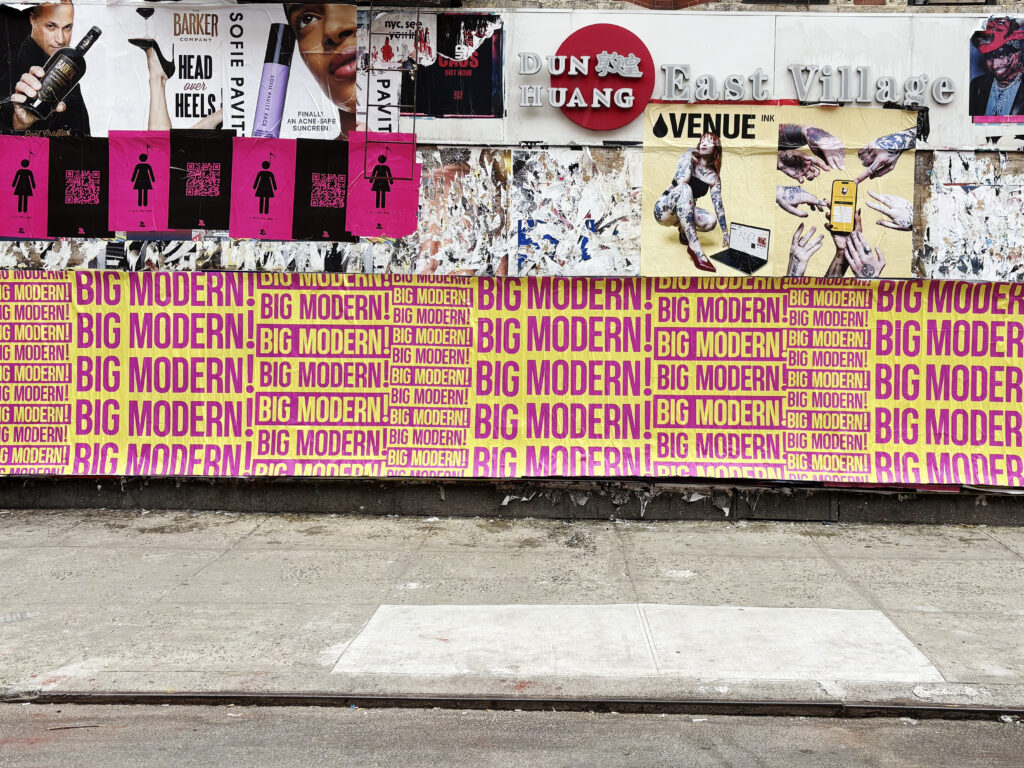
Wheatpasted poster campaigns in Charlotte’s NoDa arts district and Plaza Midwood neighborhood, Raleigh’s Warehouse District and Person Street corridor, Durham’s Ninth Street and Tobacco Row arts complex, the Asheville River Arts District, and Chapel Hill’s Franklin Street commercial strip create large-format street impressions for the walking and transit audience in the pedestrian-dense corridors adjacent to North Carolina’s most active transit networks.
AGM’s North Carolina transit campaign process begins with market selection and route analysis based on your specific campaign demographic targets. Charlotte’s CATS system and the Research Triangle’s interconnected three-system market are planned differently from each other: Charlotte is a single-authority buy that benefits from the full CATS route network analysis, while the Research Triangle requires multi-authority coordination across GoTriangle, GoRaleigh, and GoDurham to avoid duplication and to cover each market segment efficiently. Secondary markets including Asheville, Greensboro, Winston-Salem, and Fayetteville are planned independently with route analysis specific to each system’s demographic character and the campaign’s target audience relevance in each of those markets.
Once the market plan is approved, AGM manages all media buying negotiations directly with each North Carolina transit authority, handling contract terms, installation timelines, and creative specification requirements for every system in the campaign. Multi-system North Carolina campaigns are coordinated to ensure synchronized launch timing and consistent creative standards across Charlotte, the Triangle, and any secondary markets included in the plan. Post-installation documentation covers all systems with installation photographs, placement location records, campaign period confirmation, and estimated impression counts consolidated into a single campaign report for straightforward internal reporting and compliance record-keeping.
Yes. AGM manages multi-market North Carolina transit advertising campaigns through a single client engagement. A statewide NC campaign covering CATS Charlotte, GoTriangle, GoRaleigh, GoDurham, Chapel Hill Transit, and selected secondary markets in Greensboro, Winston-Salem, Asheville, or Fayetteville can be coordinated through one AGM point of contact with unified creative management, production coordination, and post-campaign reporting across all North Carolina markets. Statewide North Carolina campaigns are structured to ensure consistent creative standards and synchronized launch timelines across the different transit authorities, which is critical for campaigns designed to establish simultaneous market presence across the state’s geographically spread transit markets.
GoTriangle, GoRaleigh, and GoDurham operate as separate transit authorities but serve an integrated regional market. A coordinated Research Triangle transit campaign typically uses GoTriangle for the regional routes connecting Research Triangle Park and the intercity corridors, GoRaleigh for city-level Raleigh coverage including NC State University, and GoDurham for city-level Durham coverage including Duke University. Chapel Hill Transit adds the UNC Chapel Hill campus and Carrboro market to the Triangle buy. AGM structures the Research Triangle multi-system campaign to eliminate duplication between the systems, allocating coverage based on which system serves each specific target area rather than creating overlapping placements on the same corridors from different systems.
CATS Charlotte delivers the highest absolute ridership of any North Carolina transit system. Charlotte’s population growth, the combined light rail and bus network, and the high-density employment corridors of Uptown and South End give CATS a total daily ridership that significantly exceeds the Triangle systems individually or the secondary market systems. For a statewide North Carolina campaign prioritized by absolute ridership volume, Charlotte should receive the largest budget allocation. For campaigns targeting specific demographics, the Triangle university systems, Asheville’s destination market, or Fayetteville’s military market may warrant proportionally larger shares based on audience alignment regardless of absolute ridership comparison.
No. The free fare structure on Chapel Hill Transit is a transit advertising advantage, not a disadvantage. The elimination of the cost barrier to transit use drives higher ridership rates than comparable paid systems, which increases advertising exposure per available placement. UNC students who ride Chapel Hill Transit for free are exactly the commercially engaged young adult demographic that many advertisers target, and the free fare removes any income-based rider self-selection that might otherwise skew the ridership toward a transit-dependent lower-income demographic. Chapel Hill Transit’s riders are students, faculty, and Chapel Hill residents who choose the bus because it is convenient and free, not because they cannot afford alternatives. This choice-rider character makes the system’s advertising audience more demographically diverse and more commercially relevant for consumer brands targeting the college and young professional market.
Asheville Transit reaches the arts and outdoor demographic most effectively through route-specific placements on the routes serving the River Arts District, the Lexington Avenue arts corridor, Pack Square downtown, and the West Asheville commercial strip on Haywood Road. These routes carry the highest concentration of the Asheville artist, craft food and beverage, and outdoor lifestyle consumer demographic within the transit system. Creative that reflects awareness of Asheville’s community character and outdoor identity performs significantly better in Asheville Transit placements than generic national creative that does not acknowledge the specific market context. AGM advises on both route selection and creative direction for Asheville campaigns to ensure that the placement and the message both align with the Asheville transit audience’s expectations.
Yes. The FAST routes serving the areas adjacent to Fort Liberty and the Fayetteville communities with high concentrations of military families and veterans are the most direct transit advertising access point into the military and veteran demographic in North Carolina. Route selection for military-targeted campaigns in Fayetteville focuses on the service corridors connecting Fort Liberty gate communities, the Yadkin Road commercial corridor, and the Cross Creek Mall area, which serve the highest concentrations of active duty military and veteran ridership in the FAST network. For brands with military affinity programs, veteran support services, or consumer products specifically relevant to the military community, AGM can structure a FAST campaign that concentrates placements on the routes with the highest military and veteran ridership concentration.
Greensboro Transit Authority offers the most direct transit access to the HBCU student demographic through the routes serving NC A&T State University, the largest HBCU in the country by enrollment. GoDurham serves the North Carolina Central University community in Durham, another historically Black university with a significant student population. CATS in Charlotte serves the Johnson C. Smith University community on the west Charlotte routes. For a North Carolina campaign specifically targeting the HBCU student and young Black professional demographic, a combined GTA Greensboro A&T route buy, GoDurham NCCU route buy, and CATS west Charlotte route buy creates the most comprehensive transit coverage of that demographic across the state’s major markets.
AppalCART serves the Appalachian State campus and the Boone community, and free fare for App State students drives high student ridership relative to the system’s size. Appalachian State University enrolls more than 19,000 students in a mountain community where student car ownership rates are lower than at flatland universities, which increases transit utilization and the proportion of the student body that is regularly exposed to AppalCART advertising. The outdoor recreation and mountain lifestyle character of the App State student body creates a specific consumer demographic that brands in the outdoor, sporting goods, adventure travel, and sustainable lifestyle categories find particularly valuable in the Boone market. AGM can structure an AppalCART campaign that aligns placement timing with the academic year and the seasonal outdoor recreation peaks that drive heightened student engagement with outdoor brand categories.
Yes. For regulated industry advertisers including pharmaceutical and biotech companies operating in Research Triangle Park, financial institutions in the Charlotte banking district, healthcare systems, and legal services firms, AGM provides the full compliance documentation trail that regulated marketing activities require in North Carolina. All transit advertising placements are documented with installation photographs, specific placement location records by route and stop, campaign period confirmation, and estimated impression counts for each system. For pharmaceutical and biotech advertisers in the Research Triangle Park market who are subject to specific FDA advertising compliance requirements, AGM structures reporting deliverables that meet those documentation standards and can be formatted to align with the specific compliance frameworks applicable in North Carolina’s regulated life sciences sector.