American Guerrilla Marketing
Nationwide serivce
Media planning, media buying, billboard advertising, & guerrilla marketing

American Guerrilla Marketing places interior bus and shelter advertising across every major Kansas transit system. Wichita, Topeka, the Kansas City metro suburbs, Lawrence, and community systems across the state. Direct execution. 500+ campaigns nationwide.
Kansas transit advertising covers a more diverse set of market types than most outside observers expect. Wichita is the aviation manufacturing capital, where Spirit AeroSystems, Textron Aviation (Cessna and Beechcraft), Bombardier, and the broader aerospace supplier ecosystem create one of the largest skilled manufacturing workforces in the Great Plains region. Wichita Transit’s routes serve that workforce in ways that make it uniquely valuable for brands targeting aerospace and defense industry employees, skilled tradespeople, and the professional services ecosystem that supports a major manufacturing city.
Topeka is the state capital, where government employment defines the professional commuter base and Topeka Transit’s downtown routes carry the state worker and administrative professional audience through the Capitol complex corridors. Lawrence is the university city, where the University of Kansas and its 28,000-plus students make Lawrence Transit a concentrated young adult consumer market with demographics that rival any comparable Midwest university transit system. The Kansas City metro side of the state brings two distinct transit opportunities: Johnson County Transit connects the affluent Kansas City suburbs to the broader metro, and the KCATA Kansas side network extends KC metro transit into Kansas City, Kansas, and the Wyandotte County communities west of the state line.
Beyond those primary markets, Kansas operates a network of community transit systems in mid-sized cities that serve specific regional workforce and demographic audiences that the major systems do not reach. D-Tran in Dodge City serves the western Kansas cattle and meatpacking industry hub. CityGo in Salina, Reno County Area Transit in Hutchinson, Lyon County Area Transportation in Emporia, Finney County Transit in Garden City, Liberal City Bus in Liberal, and Pittsburg Area Community Transit in southeast Kansas each serve distinct regional communities with their own economic base and ridership character. Together, Kansas’s transit systems cover the full geographic and demographic breadth of a state that is more economically complex than its flyover reputation suggests.
CityGo serves Salina and Saline County with routes along Santa Fe Avenue and Iron Avenue....
Learn More
D-TRAN serves Dodge City and Ford County with routes along Wyatt Earp Boulevard and 2nd...
Learn More
Finney County Transit serves Garden City and Finney County with routes along West Fulton Street...
Learn More
Johnson County Transit serves Overland Park, Olathe, and Johnson County with routes along Mission Road...
Learn More
KCATA serves both sides of the Kansas City metro with routes on the Kansas side...
Learn More
Lawrence Transit serves Lawrence and the University of Kansas with routes along Massachusetts Street and...
Learn More
Liberal City Bus serves Liberal and Seward County with routes along Pancake Boulevard and Kansas...
Learn More
Lyon County Area Transportation serves Emporia and Lyon County with routes along Commercial Street and...
Learn More
Pittsburg Area Community Transit serves Pittsburg and Crawford County with routes along Broadway Street and...
Learn More
Reno County Area Transit serves Hutchinson and Reno County with routes along 4th Avenue and...
Learn More
Topeka Transit serves Kansas's capital city with routes along 6th Avenue, Washburn Avenue, and the...
Learn More
Wichita Transit serves Kansas's largest city with routes along Douglas Avenue, Kellogg Avenue, and the...
Learn MoreAGM covers every major Kansas transit system from Wichita and Topeka to the Kansas City metro suburbs and Lawrence. Tell us your target market and we'll build the media plan that reaches them directly.
Kansas’s largest transit system. Fixed-route service across the Wichita metro connecting the downtown employment core, the aerospace manufacturing employment districts, Wesley Medical Center, Via Christi Health, and the residential communities of Sedgwick County. The primary transit market for Kansas’s aviation industry workforce.
Fixed-route transit for the Kansas state capital. Routes serve the Capitol complex, downtown Topeka, Stormont Vail Health, Washburn University, and the residential corridors of Shawnee County. The primary Kansas government workforce transit market.
Transit service for the Kansas City metro’s affluent Kansas suburbs including Overland Park, Olathe, Lenexa, and Shawnee. The JO connects Johnson County’s professional and managerial workforce to the broader KC metro employment network and to downtown Kansas City via the KC metro transit system.
Kansas City Area Transportation Authority coverage on the Kansas side of the metro. Service to Kansas City, Kansas, and Wyandotte County communities connecting to the broader KCATA regional network and downtown Kansas City, Missouri employment and entertainment core.
Transit service for Lawrence and the University of Kansas. Routes serve the KU campus, downtown Lawrence, and the residential and commercial corridors serving 28,000-plus KU students and the broader Lawrence community. A concentrated young adult advertising market in northeast Kansas.
Fixed-route transit for Dodge City in southwest Kansas. Service connecting the downtown Boot Hill district, the meatpacking employment corridors, Southwest Medical Center, and the residential communities of Ford County. The transit market for western Kansas’s cattle industry hub.
Municipal transit for Salina in central Kansas. Routes serve downtown Salina, Salina Regional Health Center, Kansas Wesleyan University, and the manufacturing and distribution employment districts of this crossroads city at the junction of I-70 and I-135.
Transit service for Hutchinson and Reno County in south-central Kansas. Service connecting downtown Hutchinson, Hutchinson Regional Medical Center, Hutchinson Community College, and the salt mining and grain storage industry employment base of the central Kansas plains.
Transit service for Emporia and Lyon County in east-central Kansas. Service connecting Emporia State University, Newman Regional Health, and the residential communities of this university and healthcare city on the Flint Hills edge.
Transit service for Garden City and Finney County in far southwest Kansas. Service connecting the Tyson Fresh Meats and National Beef packing plant employment districts, St. Catherine Hospital, and the residential communities of this diverse western Kansas market town.
Municipal transit for Liberal in the Kansas Panhandle. Service connecting the downtown commercial district, Seward County Community College, Southwest Medical Center, and the residential neighborhoods of this natural gas and agricultural hub city at the Oklahoma border.
Transit service for Pittsburg in southeast Kansas. Routes serve Pittsburg State University, Via Christi Hospital Pittsburg, and the residential and commercial corridors of this southeast Kansas university and healthcare city near the Missouri and Oklahoma borders.
Wichita Transit is Kansas’s largest and most valuable transit advertising system, and the workforce it serves is genuinely unusual in the American transit context. Aviation manufacturing is Wichita’s economic foundation in a way that no other major American city can claim. Spirit AeroSystems — which manufactures fuselages for Boeing and Airbus — is one of Wichita’s largest employers. Textron Aviation, the parent of Cessna and Beechcraft, manufactures a significant share of the world’s general aviation aircraft in Wichita. Bombardier Learjet has its production operations in Wichita. The combined aerospace and defense manufacturing workforce in Sedgwick County represents tens of thousands of skilled workers ranging from machinists and avionics technicians to aerospace engineers and program managers.
Topeka Transit’s advertising value is grounded in the single most predictable fact about the state capital’s commuter base: a substantial share of Topeka’s working population is employed by the State of Kansas. The legislative, executive, and judicial branches of Kansas state government, along with the dozens of state agencies headquartered in the Topeka metro, create a professional government workforce that uses the downtown transit routes between the Capitol complex on Topeka Avenue and the residential neighborhoods of north, south, and west Topeka daily during the working week.
The Kansas portion of the Kansas City metro represents one of the most economically significant transit advertising markets in the state, and it is a market that requires understanding the relationship between the Kansas suburbs and the Missouri-side metro core. Johnson County is the wealthiest county in Kansas. Overland Park, Olathe, Lenexa, and Shawnee are the affluent suburban communities where the Kansas City metro’s managerial, professional, and dual-income household demographic concentrates. Johnson County Transit — The JO — connects this high-income suburban population to the broader KC metro and to each other along the county’s commercial corridors on College Boulevard and Metcalf Avenue.
Lawrence Transit serves one of the most clearly defined university market contexts in Kansas. The University of Kansas at Lawrence has 28,000-plus students on a residential campus community that is geographically separated from the Kansas City and Wichita metropolitan areas by enough distance to function as its own self-contained market. Lawrence’s downtown Massachusetts Street commercial corridor, the KU campus on Jayhawk Boulevard, and the off-campus student housing neighborhoods to the south and west of campus form the geographic spine of the Lawrence Transit network.
Kansas’s western and central community transit systems serve the economic realities of a state where agriculture, meatpacking, and extractive industries create distinct workforce demographics that the major metro systems do not reach. D-Tran in Dodge City serves the Ford County meatpacking and cattle industry hub, where the IBP and National Beef operations create a large workforce that is predominantly Hispanic, working-class, and transit-dependent. For brands targeting this specific demographic in southwest Kansas — financial services oriented to immigrant and working-class households, healthcare providers, food and consumer goods — D-Tran is the most direct transit channel available in that market.
King and queen posters, interior cards, headliners, seat-back displays, and overhead cards are available across Kansas’s transit fleet. Interior formats reach every rider on the bus for the full duration of their trip in a low-distraction reading environment. Format availability varies by system and fleet type. AGM advises on which interior formats are available on each Kansas system and recommends the format mix that best matches the campaign’s creative approach and budget.
Full bus wraps, tail displays, and window vinyls are available on most Kansas transit systems. Exterior formats reach vehicle traffic, pedestrians, and the communities along each route as the bus moves through the service area. Full wraps transform a bus into a moving billboard across the system’s entire route network. AGM coordinates exterior format availability and installation across all Kansas transit systems.
Covered shelter advertising is available at primary stop locations on the larger Kansas city transit systems. Shelter panels reach waiting riders during their stop dwell time and vehicle traffic passing the stop location. Shelter advertising combined with interior bus placements creates a two-touchpoint campaign that reaches riders both at the stop and on the vehicle. AGM advises on shelter inventory availability by system and recommends shelter positions that match the advertiser’s geographic and demographic targets.
Bus shelter advertising in Kansas places your brand at the exact locations where riders wait for transit service. The dwell time at a shelter, typically five to fifteen minutes per stop visit, creates an uninterrupted, low-distraction exposure window that in-vehicle advertising alone cannot deliver at equivalent duration.
Kansas’s shelter advertising inventory is concentrated at the primary boarding and alighting points on the state’s larger transit systems, where ridership volumes and wait times are highest. AGM identifies the shelter positions that deliver the most rider exposure for each campaign’s geographic and demographic targets, and structures shelter buys around the stop locations that create maximum frequency among the target audience.
AGM manages all aspects of shelter advertising placement in Kansas, from inventory identification and booking through creative production, installation, and monitoring for the full campaign posting period.
Kansas’s transit advertising market is less competitive than comparable markets in states with higher national advertiser awareness. Brands that target the digital advertising ecosystem for the same audiences often pay a premium for fragmented, avoidance-prone digital impressions when Kansas’s transit systems deliver the same demographics with sustained, physical exposure during their daily transit routine.
The working adult, student, and community transit rider in Kansas is reachable through transit advertising at a cost-per-impression that digital advertising in the same markets consistently fails to match. AGM has executed transit campaigns across more than 500 national engagements and understands exactly which Kansas systems and routes deliver the audience volume and demographic profile that each advertiser needs.
Brands that enter the Kansas transit advertising market now are securing placements at pre-competitive pricing on systems that will attract more national advertiser attention as the market matures.
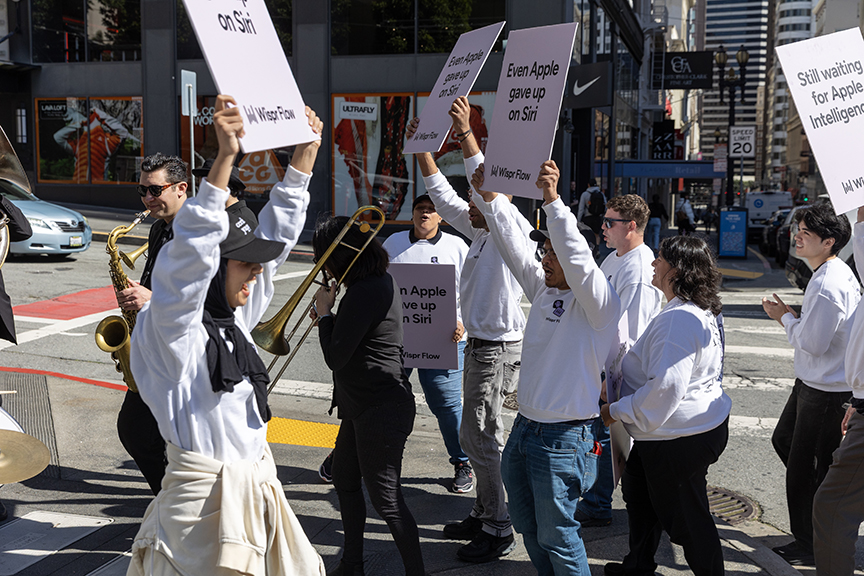
AGM’s full range of guerrilla marketing formats is available alongside transit advertising campaigns in every Kansas market. The combination of transit and street-level guerrilla creates the frequency stack that single-format campaigns cannot achieve on their own.
Snipe advertising along the corridors served by Wichita Transit, Topeka Transit, The JO in Johnson County, and Lawrence Transit creates street-level touchpoints that reinforce bus interior campaigns at the route level. Riders who see your transit interior placements also encounter your snipes at stop intersections and along the commercial strips their routes travel.
Sidewalk stencils at the primary transit hubs in each Kansas city, including the downtown Wichita transit hub on Waterman Avenue, the Topeka Capitol complex stops, and the University of Kansas Memorial Union CyRide-adjacent stop in Lawrence, create ground-level brand presence at the highest foot-traffic nodes in each Kansas transit system.
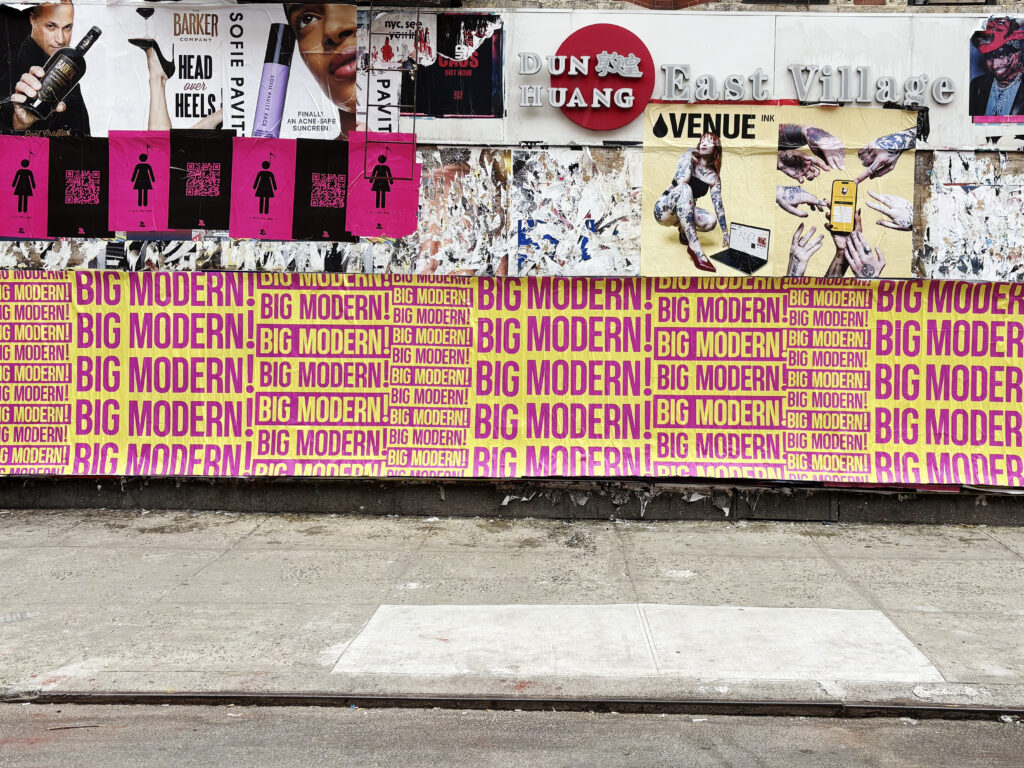
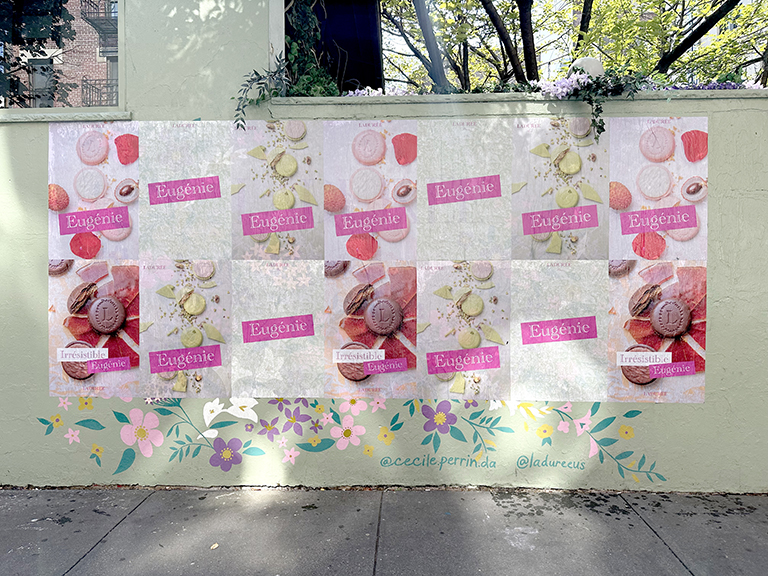
Wheatpasted poster campaigns in the Delano and Old Town corridors in Wichita, the downtown Massachusetts Street commercial strip in Lawrence, and the NOTO Arts District in Topeka create large-format street impressions for the walking and transit audience in the pedestrian-dense areas adjacent to Kansas’s major transit networks.
AGM’s transit advertising process begins with market research and route analysis specific to the Kansas markets you are entering. Before recommending any format or placement, we review ridership data, stop-level pedestrian counts, and route demographic profiles to identify the corridors and stops that align with your target audience across Wichita’s aerospace district routes, Topeka’s Capitol complex commuter routes, The JO’s Johnson County suburban routes, and Lawrence Transit’s university community routes. This research phase produces a placement recommendation that explains why each specific route and stop was selected and what audience demographic and volume to expect.
Once the placement plan is approved, AGM handles all media buying negotiations directly with Kansas transit authorities or their authorized advertising representatives. We manage contracts, installation timelines, and creative specifications. Your responsibility is final creative approval. Post-installation, AGM provides photographic documentation of all Kansas transit placements for your records and campaign reporting.
For Kansas campaigns combining transit advertising with guerrilla marketing elements, AGM coordinates deployment timing so all campaign elements are live simultaneously across the Wichita, Topeka, Lawrence, and Kansas City metro markets. The frequency reinforcement that comes from a transit interior card buyer also encountering snipes at stop intersections and wheatpasted posters in the transit corridor commercial strips is the core advantage of combining formats, and that advantage only materializes when the campaign elements are timed to run concurrently.
Yes. AGM manages multi-market transit advertising campaigns across Kansas through a single client engagement. A statewide Kansas transit campaign covering Wichita Transit, Topeka Transit, Johnson County Transit, KCATA Kansas side, and Lawrence Transit can be coordinated through one AGM point of contact with unified creative management, production coordination, and post-campaign reporting across all markets. Multi-market Kansas campaigns benefit from coordinated planning that ensures consistent creative standards and synchronized launch timelines across the different systems.
Wichita Transit serves one of the most concentrated aerospace and defense manufacturing workforces in the country. Spirit AeroSystems, Textron Aviation, Bombardier, SIFCO Industries, and dozens of tier-one and tier-two aerospace suppliers employ tens of thousands of workers in Sedgwick County, and Wichita Transit’s routes serving the north Wichita aerospace manufacturing corridors and the McConnell Air Force Base area carry a significant share of that workforce daily. No other major transit system in the country serves an aerospace manufacturing workforce at this scale outside of Seattle’s transit system and the Connecticut commuter rail network. For aerospace suppliers, defense contractors, professional services firms serving the aviation industry, and manufacturers recruiting skilled workers in Kansas, Wichita Transit’s aerospace corridor placements are the most direct transit advertising channel to that specific audience.
Johnson County Transit and KCATA Kansas side serve fundamentally different Kansas City metro demographics. The JO serves the affluent Johnson County suburban communities of Overland Park, Olathe, Lenexa, and Shawnee, where household incomes, educational attainment, and professional occupational status are among the highest in Kansas. The ridership skews toward professional, managerial, and dual-income household consumers who use transit for commute efficiency rather than economic necessity. KCATA Kansas side serves the Kansas City, Kansas communities of Wyandotte County, which are predominantly working-class, Hispanic, and significantly lower-income than the Johnson County side. The two systems serve adjacent geographic areas but reach completely different demographic audiences, and a combined Kansas City metro transit buy should account for this demographic split when allocating budget between The JO and KCATA Kansas routes.
The Lawrence Transit market follows the KU academic calendar. The fall semester from late August through mid-December is the highest-ridership period. The spring semester from January through mid-May is the second peak. Summer session carries reduced ridership as the non-KU Lawrence community accounts for a larger share of ridership relative to the student population. For maximum KU student reach, fall semester campaigns launching in late August and running through November capture the peak ridership window. For brands specifically targeting the opening-of-semester consumer spending period, a campaign launching in the first two weeks of August and running through October reaches incoming freshmen and returning students during the period when new spending patterns and brand loyalties are being established for the academic year.
Aerospace and defense industry suppliers recruiting skilled workers, military and government adjacent services, professional development programs for the technical and engineering workforce, healthcare brands serving the Wichita metro’s working adult population, financial services targeting middle-income manufacturing workers, food service and consumer goods brands with broad working-adult appeal, and employers across the Wichita metro recruiting from the transit-riding workforce. The Wichita aerospace manufacturing concentration makes it a uniquely receptive market for brands targeting skilled technical workers and the professional ecosystem around a major manufacturing industry, categories that few other transit systems outside of specialized defense industry markets can deliver at this scale.
Topeka Transit is smaller than Wichita Transit and The JO in absolute ridership, which means its total impression volume is lower than either of the major Kansas metro systems. However, the demographic specificity of Topeka’s government professional audience is higher than what the larger systems deliver. A Topeka Transit campaign may reach fewer total riders than a Wichita Transit campaign, but those riders are more uniformly government-employed, college-educated, and professionally established than the more diverse ridership on Wichita’s aerospace and commercial routes. For brands whose ideal audience is specifically the Kansas state government workforce and the professional services community that surrounds it, Topeka Transit delivers better demographic match quality per impression than the larger volume but more diverse Wichita or Kansas City systems.
Yes. AGM can work with Kansas’s community transit systems including D-Tran in Dodge City, Finney County Transit in Garden City, Reno County Area Transit in Hutchinson, CityGo in Salina, Lyon County Area Transportation in Emporia, Liberal City Bus, and Pittsburg Area Community Transit. These systems serve distinct regional Kansas communities whose demographics differ significantly from the major metro systems and are often difficult to reach through any other advertising format in those specific geographies. For brands serving the western Kansas agricultural and meatpacking industry workforce, healthcare providers operating in those communities, or regional employers recruiting from those labor markets, the Kansas community transit systems offer direct audience access at cost levels appropriate for regional and local advertising budgets.
Standard production and installation lead time for Kansas transit interior advertising is two to four weeks from final artwork approval. Shelter advertising at primary stop locations on Wichita Transit and The JO requires four to six weeks for the highest-demand positions. Full bus wraps require five to six weeks minimum. AGM recommends beginning campaign planning six to eight weeks before the intended launch date to ensure availability confirmation, production time, and installation scheduling across all Kansas systems included in the campaign. For fall semester launches targeting the Lawrence Transit market, beginning planning in June ensures inventory availability confirmation before the August semester opening.