American Guerrilla Marketing
Nationwide serivce
Media planning, media buying, billboard advertising, & guerrilla marketing
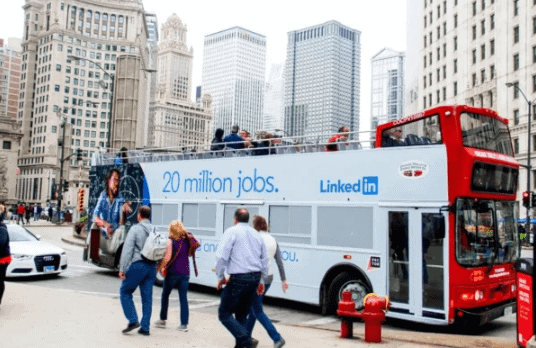
American Guerrilla Marketing places interior bus and shelter advertising across every major Kentucky transit system. Louisville, Lexington, Northern Kentucky, Bowling Green, Owensboro, Paducah, and community systems statewide. Direct execution. 500+ campaigns nationwide.
Kentucky’s transit advertising landscape is shaped by three dominant market environments and a network of regional systems that cover the state’s secondary cities and university communities. Louisville is the anchor. TARC — the Transit Authority of River City — is one of the larger bus systems in the Southeast, serving Jefferson County’s workforce with a route network that spans the full Louisville metro from the airport to the far east end, and from downtown to the south Louisville industrial corridors. Louisville is the Kentucky Derby city, the bourbon capital, the UPS global air hub, and home to a Ford Motor Company truck manufacturing complex that is among the largest auto assembly operations in the country. All of those industries are reflected in TARC’s ridership profile and in the advertising opportunities that the system creates for brands targeting Louisville’s diverse workforce.
Lexington is the horse country city, the University of Kentucky market, and the home of LexTran — the city’s municipal transit system that serves UK’s 30,000-plus students alongside Lexington’s broader urban population. The Kentucky Derby draws national attention to the state every May, but Lexington’s Keeneland Race Course draws a different, wealthier, and more internationally connected horse industry audience during its spring and fall meets that creates unique seasonal advertising windows for premium brands. Northern Kentucky is the Cincinnati suburb market, where the Transit Authority of Northern Kentucky — TANK — connects the communities of Covington, Florence, Erlanger, and Newport to the broader Cincinnati-Northern Kentucky metro employment core and to Cincinnati’s downtown across the Ohio River.
Beyond those three markets, Kentucky’s transit system includes Owensboro Transit, which serves the Ohio River city that is one of the largest in western Kentucky. Bowling Green is served by GO-bg Transit in one of the fastest-growing cities in Kentucky — the new GM electric vehicle production facility at the Bowling Green Assembly Plant is transforming that city’s workforce demographics. Western Kentucky University’s WKU Transportation Services serves the university community in Bowling Green. Paducah Transit serves the far western Kentucky Purchase region. And a network of smaller systems from Frankfort to Elizabethtown to Morehead covers the state’s remaining population centers. The Kentucky Derby in May creates the biggest single event advertising window in the state’s annual calendar, with Louisville’s transit system seeing elevated ridership and visibility during Derby Week every year.
Interior and exterior bus advertising across Ashland, Kentucky and Boyd County. The Tri-State area's working...
Learn More
Berea Bus Service connects a tuition-free college campus, a nationally recognized craft and artisan district,...
Learn More
Bluegrass Ride connects five Kentucky counties to Lexington -- Toyota manufacturing workers from Georgetown, Clark...
Learn More
Clarksville Transit System connects Fort Campbell's 30,000-plus active-duty soldiers to downtown Clarksville, Austin Peay State...
Learn More
Frankfort Transit serves Kentucky's state capital -- state government workers on the Capitol campus, Kentucky...
Learn More
Glasgow Transit connects T.J. Samson Community Hospital, the US-31E commercial corridor, and Barren County's residential...
Learn More
GO bg Transit connects WKU's 20,000 students, the GM Corvette manufacturing corridor, and Bowling Green's...
Learn More
HART serves the Evansville-Henderson cross-river metro -- manufacturing workers at Accuride, Gibbs Die Casting, and...
Learn More
LexTran is Lexington's urban transit backbone -- University of Kentucky students, UK HealthCare professionals, downtown...
Learn More
Maysville City Transit connects the Ohio River city's historic Second Street commercial district, Meadowview Regional...
Learn More
Mor'Trans serves Morehead and Rowan County -- Morehead State University students on University Boulevard, St....
Learn More
Owensboro Transit System serves Kentucky's fourth-largest city -- Owensboro Health Regional Hospital workers, distillery and...
Learn More
Paducah Transit Authority serves Kentucky's western river city at the Ohio-Tennessee Rivers confluence -- Mercy...
Learn More
Richmond Transit Service connects Eastern Kentucky University's 15,000 students, the Eastern Bypass commercial corridor, and...
Learn More
TACK connects Elizabethtown's Ring Road commercial corridor, the Fort Knox military community, Hardin Memorial Hospital,...
Learn More
TANK connects Greater Cincinnati's Kentucky suburbs to the metro's employment core -- CVG Airport workers,...
Learn More
TARC is Kentucky's largest transit system -- University of Louisville students, UofL Health workers, NuLu...
Learn More
WKU Transportation Services runs the on-campus transit network for Western Kentucky University's 20,000 students and...
Learn More
Winchester-Clark County Transit connects Clark Regional Medical Center, the US-60 industrial corridor, and the residential...
Learn MoreAGM covers every major Kentucky transit system from Louisville and Lexington to Northern Kentucky, Bowling Green, Owensboro, and Paducah. Tell us your target market and we'll build the media plan that reaches them directly.
Louisville’s major transit system and one of the larger bus systems in the Southeast. Fixed-route service across Jefferson County connecting the downtown employment core, the UPS Worldport air hub, Ford Motor Company truck assembly plants, the University of Louisville, and residential communities across Louisville metro.
Lexington’s municipal transit system. Routes serve the University of Kentucky campus, downtown Lexington, Fayette County residential communities, and the healthcare corridors serving UK HealthCare and Baptist Health Lexington. The primary transit market for central Kentucky’s horse country and university community.
Transit service for Northern Kentucky’s Covington, Newport, Florence, Erlanger, and surrounding Boone, Kenton, and Campbell County communities. Cross-river connection to the Cincinnati metro employment core. The Kentucky suburban transit market for the Greater Cincinnati metro.
Fixed-route transit for Owensboro on the Ohio River in western Kentucky. Routes serve downtown Owensboro, Owensboro Health Regional Hospital, Brescia University, the distillery and manufacturing employment districts, and the residential communities of Daviess County.
Transit service for Ashland in northeast Kentucky’s Tri-State area at the Kentucky, West Virginia, and Ohio intersection. Routes serve downtown Ashland, King’s Daughters Medical Center, and the residential communities of Boyd and Greenup counties.
Transit service for Elizabethtown and the Fort Knox military installation corridor. Routes serve downtown E-town, Hardin Memorial Hospital, and the Fort Knox workforce communities. The primary transit channel for the military and defense industry workforce in central Kentucky.
Fixed-route transit for Paducah in far western Kentucky’s Jackson Purchase region. Routes serve downtown Paducah, the Paducah Tilghman and McCracken County communities, and the healthcare and commercial corridors serving this western Kentucky regional hub.
Transit service for Henderson on the Ohio River in western Kentucky. Cross-river service connects Henderson to the Evansville, Indiana metro employment core. Routes serve the Praxair, Accuride, and manufacturing employment corridors of this industrial Ohio River city.
Transit service for the Kentucky state capital. Routes serve the Capitol complex, downtown Frankfort, the state government employment corridors, and the residential communities of Franklin County. The Kentucky government workforce transit market.
Community transit for the Bluegrass region of central Kentucky. Service connecting rural communities of the horse country to healthcare, commercial, and social services in the regional market centers of central Kentucky.
Western Kentucky University’s campus transit in Bowling Green. Serves WKU’s residential and academic campus alongside GO-bg Transit for the broader Bowling Green community. A concentrated young adult advertising market in the fastest-growing city in Kentucky.
Bowling Green’s municipal transit system. Routes serve downtown Bowling Green, the GM Corvette Assembly Plant corridor, Western Kentucky University, Medical Center at Bowling Green, and the residential communities of this rapidly expanding southern Kentucky city.
Community transit for Glasgow and Barren County in south-central Kentucky. Service connecting downtown Glasgow, T.J. Samson Community Hospital, and the residential communities of this manufacturing and healthcare city near Mammoth Cave National Park.
Transit service for Clarksville in far western Kentucky near the Tennessee border. Routes serve the commercial and residential communities of the western Pennyrile region connecting to the Tennessee state line markets.
Transit service for Richmond and Madison County in east-central Kentucky. Routes serve Eastern Kentucky University, Pattie A. Clay Regional Medical Center, and the residential communities of this university and healthcare city between Lexington and the Appalachian foothills.
Community transit for Winchester and Clark County in the Bluegrass region east of Lexington. Routes serve downtown Winchester, Clark Regional Medical Center, and the residential communities connecting to the broader Lexington metro transit area.
Transit service for Berea in Madison County. Routes serve Berea College, the Berea Arts District, and the residential communities of this unique college town on the Cumberland Plateau edge where all students receive full-tuition scholarships.
Transit service for Maysville on the Ohio River in northeastern Kentucky. Routes serve downtown Maysville, Meadowview Regional Medical Center, and the residential communities of Mason County in this historic river city.
Transit service for Morehead and Morehead State University in eastern Kentucky. Routes serve the MSU campus, downtown Morehead, St. Claire HealthCare, and the residential communities of Rowan County in the foothills of the Daniel Boone National Forest.
TARC is the dominant Kentucky transit system and one of the larger bus systems in the entire Southeast region. Louisville is a genuinely complex industrial and commercial city, and TARC’s route network reflects that complexity. The UPS Worldport global air hub at Louisville Muhammad Ali International Airport is the busiest air cargo facility in the world, and UPS employs tens of thousands of workers in Jefferson County across the Worldport facility, the package car operations, and the Centennial Hub on the Bullitt County border. TARC routes serving the airport employment corridor carry a significant share of that UPS workforce, giving TARC an unusual employment-specific advertising opportunity for brands targeting logistics, transportation, and shift-work employees in a major national distribution center context.
LexTran serves a Lexington market that is defined by three overlapping economic identities: the horse industry, the University of Kentucky, and the healthcare sector anchored by UK HealthCare. The horse industry brings a distinctive upper-income, international, and season-specific dimension to Lexington’s economy that few mid-sized American cities can claim. The Keeneland Race Course in the west Lexington residential area draws world-class thoroughbred buyers during its April and October meets in ways that temporarily elevate the economic profile of the entire Lexington metro. LexTran routes serving the Keeneland area during meet periods carry a higher-income ridership mix than the system’s baseline demographic.
TANK’s significance as an advertising platform lies in its role as the Kentucky portion of the Greater Cincinnati metro transit network. Northern Kentucky’s Covington, Newport, Florence, Erlanger, and Boone County communities are economically and socially integrated with the Ohio side of the Cincinnati metro in ways that make TANK a cross-state advertising opportunity without the complexity of a formal cross-state media buy. A TANK advertising placement reaches Kentucky residents who work in Ohio, Ohio residents who cross the river into Kentucky for entertainment and dining, and the specific Northern Kentucky communities that have grown rapidly as Cincinnati overflow residential markets.
Bowling Green has been one of the fastest-growing cities in Kentucky for several consecutive years, and the GM EV production expansion at the Bowling Green Assembly Plant — the facility that produces the Chevrolet Corvette and has been designated for electric vehicle production — is accelerating that growth. The workforce implications for GO-bg Transit are significant: a new generation of automotive manufacturing workers is entering the Bowling Green labor market, and GO-bg routes serving the assembly plant corridor create an employment-corridor advertising opportunity similar to what TARC provides for Ford’s Louisville plants.
The Kentucky Derby on the first Saturday in May is the biggest single event advertising opportunity in Kentucky transit every year, and TARC is the system that captures that opportunity most directly. Derby Week spans the seven days leading up to the race, and Louisville’s transit ridership increases substantially during that period as visitors, event-goers, and Louisville residents use TARC to reach Churchill Downs, the downtown hotel and entertainment district, the Kentucky Fair and Exposition Center events, and the numerous Derby Week parties and functions that activate the entire Louisville metro.
King and queen posters, interior cards, headliners, seat-back displays, and overhead cards are available across Kentucky’s transit fleet. Interior formats reach every rider on the bus for the full duration of their trip in a low-distraction reading environment. Format availability varies by system and fleet type. AGM advises on which interior formats are available on each Kentucky system and recommends the format mix that best matches the campaign’s creative approach and budget.
Full bus wraps, tail displays, and window vinyls are available on most Kentucky transit systems. Exterior formats reach vehicle traffic, pedestrians, and the communities along each route as the bus moves through the service area. Full wraps transform a bus into a moving billboard across the system’s entire route network. AGM coordinates exterior format availability and installation across all Kentucky transit systems.
Covered shelter advertising is available at primary stop locations on the larger Kentucky city transit systems. Shelter panels reach waiting riders during their stop dwell time and vehicle traffic passing the stop location. Shelter advertising combined with interior bus placements creates a two-touchpoint campaign that reaches riders both at the stop and on the vehicle. AGM advises on shelter inventory availability by system and recommends shelter positions that match the advertiser’s geographic and demographic targets.
Bus shelter advertising in Kentucky places your brand at the exact locations where riders wait for transit service. The dwell time at a shelter, typically five to fifteen minutes per stop visit, creates an uninterrupted, low-distraction exposure window that in-vehicle advertising alone cannot deliver at equivalent duration.
Kentucky’s shelter advertising inventory is concentrated at the primary boarding and alighting points on the state’s larger transit systems, where ridership volumes and wait times are highest. AGM identifies the shelter positions that deliver the most rider exposure for each campaign’s geographic and demographic targets, and structures shelter buys around the stop locations that create maximum frequency among the target audience.
AGM manages all aspects of shelter advertising placement in Kentucky, from inventory identification and booking through creative production, installation, and monitoring for the full campaign posting period.
Kentucky’s transit advertising market is less competitive than comparable markets in states with higher national advertiser awareness. Brands that target the digital advertising ecosystem for the same audiences often pay a premium for fragmented, avoidance-prone digital impressions when Kentucky’s transit systems deliver the same demographics with sustained, physical exposure during their daily transit routine.
The working adult, student, and community transit rider in Kentucky is reachable through transit advertising at a cost-per-impression that digital advertising in the same markets consistently fails to match. AGM has executed transit campaigns across more than 500 national engagements and understands exactly which Kentucky systems and routes deliver the audience volume and demographic profile that each advertiser needs.
Brands that enter the Kentucky transit advertising market now are securing placements at pre-competitive pricing on systems that will attract more national advertiser attention as the market matures.
AGM’s full range of guerrilla marketing formats is available alongside transit advertising campaigns in every Kentucky market. The combination of transit and street-level guerrilla creates the frequency stack that single-format campaigns cannot achieve on their own.
Snipe advertising along the corridors served by TARC in Louisville, LexTran in Lexington, and TANK in Northern Kentucky creates street-level touchpoints that reinforce bus interior campaigns at the route level. Riders who see your transit interior placements also encounter your snipes at stop intersections and along the commercial corridors their routes travel.
Sidewalk stencils at the primary transit hubs in each Kentucky city, including the downtown Louisville Fourth Street transit hub, the University of Kentucky main gate LEXTRAN stop on South Limestone, and the Covington transit center on Madison Avenue, create ground-level brand presence at the maximum foot-traffic concentration points in each system.
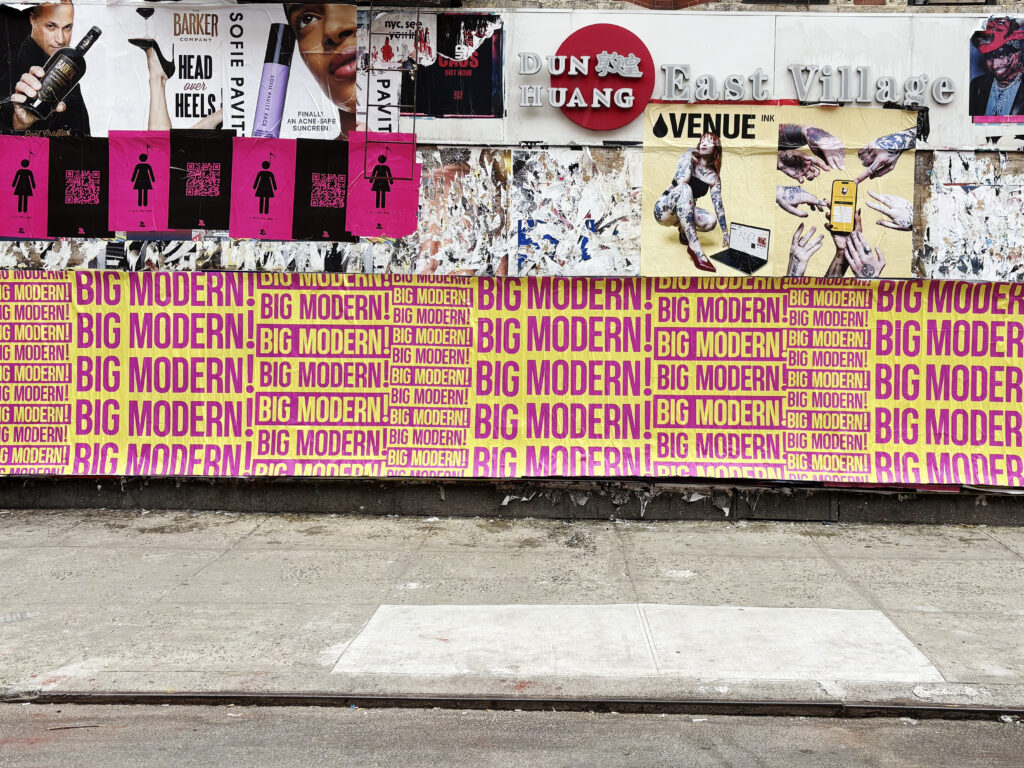
Wheatpasted poster campaigns in the NuLu arts district and the Bardstown Road corridor in Louisville, the downtown Lexington Triangle and Chevy Chase districts, and the MainStrasse Village in Covington create large-format street impressions for the walking and transit audience in the pedestrian-dense areas adjacent to Kentucky’s major transit networks.
AGM’s transit advertising process for Kentucky clients begins with market research and route analysis specific to the Kentucky markets you want to reach. Before recommending any format or placement, we review ridership data, stop-level pedestrian counts, and route demographic profiles to identify the corridors and stops that align with your target audience across TARC’s Louisville industrial routes, LexTran’s UK campus routes, TANK’s cross-river commuter routes, and the state’s regional systems. This research produces a placement recommendation that explains specifically why each route and stop was selected and what audience demographic and volume to expect.
Once the placement plan is approved, AGM handles all media buying negotiations directly with the Kentucky transit systems or their authorized advertising representatives. We manage contracts, installation timelines, and creative specifications across all Kentucky systems in your campaign. Post-installation, AGM provides photographic documentation of all placements for your records. For Kentucky campaigns combining transit advertising with guerrilla marketing elements, AGM coordinates deployment timing so all campaign elements — bus interiors, shelters, snipes, and wheatpaste — are live simultaneously for the full campaign duration.
Yes. AGM manages multi-market transit advertising campaigns across Kentucky through a single client engagement. A statewide Kentucky transit campaign covering TARC in Louisville, LexTran in Lexington, TANK in Northern Kentucky, GO-bg in Bowling Green, and Owensboro Transit can be coordinated through one AGM point of contact with unified creative management, production coordination, and post-campaign reporting across all markets. Multi-market Kentucky campaigns benefit from coordinated planning that ensures consistent creative standards and synchronized launch timelines across the state’s different transit systems.
Derby Week transit advertising should be booked by January at the latest for a first-Saturday-in-May campaign. The shelter locations near Churchill Downs and in the downtown Louisville entertainment district see the earliest demand from brands that want a Derby Week presence. Bus interior placements for the TARC system-wide Derby Week period can typically be secured as late as early March, but the most specific and highest-demand individual placement positions — shelters on Central Avenue near Churchill Downs, the downtown hub shelters on Fourth Street — should be committed in January or February. AGM recommends a planning conversation in November or December for the following year’s Derby Week campaign to ensure the best available inventory and sufficient production lead time.
TANK and TARC serve fundamentally different geographic and demographic contexts within Kentucky. TARC is Louisville’s primary city transit system, serving Jefferson County’s full population range from transit-dependent working-class communities to choice-rider commuters using the system for downtown commutes. TANK is a suburban-to-urban connector system that functions as the Kentucky side of the Cincinnati metro’s transit network, with ridership dominated by Northern Kentucky commuters crossing the Ohio River to Cincinnati employment and Cincinnati visitors coming to NKY for entertainment, dining, and the gaming offerings at the bingo and entertainment facilities in Northern Kentucky. The cross-river commuter dimension of TANK’s ridership — people whose daily commute crosses state lines — is unique in Kentucky transit and creates an advertising audience with a specifically cross-state geographic profile that TARC’s Louisville-contained ridership does not have.
LexTran is the primary transit system for reaching University of Kentucky students in Lexington. Unlike some university cities where a separate university-operated campus transit system handles most student movement, Lexington’s transit structure runs UK students primarily through the municipal LexTran network. The routes serving the UK campus from South Limestone and Euclid Avenue carry significant student ridership, and the LexTran system’s coverage of the off-campus student housing areas south and west of the campus means that LexTran advertising reaches UK students both in their academic context and in their off-campus consumer and residential contexts. For reaching the UK student body specifically, LexTran placements on the routes serving the main campus access points and the student housing corridors are the most direct option available.
The Kentucky Bourbon Trail tourism season creates elevated tourism-related transit ridership in Louisville and Lexington from spring through fall, with peak visitor activity from April through October. Louisville is the largest Bourbon Trail gateway city — Evan Williams, Bulleit, and several distilleries are located within the Louisville metro, and many Bourbon Trail visitors use the city as their base for multi-distillery tours. TARC during the bourbon tourism season carries a higher-than-baseline tourist ridership on routes serving the downtown hotel district and the Trolley Hop and Bourbon Trail access points. For bourbon, spirits, travel, and luxury consumer brands that want to reach bourbon tourism visitors during their Kentucky visit, TARC placements during the April-to-October tourism season create an advertising context where your audience is already in a Kentucky-specific consumption and experience mindset.
Financial services and banking brands targeting the working-class and middle-income Louisville demographic perform well on TARC’s residential and employment corridor routes. Healthcare brands targeting working adults — urgent care, primary care, mental health services — find strong audience match on the TARC routes serving the Louisville metro’s working-class communities. Automotive aftermarket brands targeting the Ford and UPS workforce on the Fern Valley and Chamberlain Lane employment routes have a specific category-audience alignment that is rare in transit advertising. Consumer goods, food service, entertainment, and retail brands find TARC’s broad Jefferson County coverage useful for awareness campaigns targeting the general Louisville consumer. Alcohol brands targeting the legal drinking-age Louisville adult demographic — particularly bourbon, beer, and spirits brands with a Louisville cultural association — find TARC one of the most brand-appropriate contexts in the state.
Yes. AGM can work with Kentucky’s regional systems including Paducah Transit Authority, Owensboro Transit System, Frankfort Transit, Henderson Area Rapid Transit, and the other community transit systems across the state. These systems serve specific Kentucky communities with demographics and economic characteristics distinct from the Louisville, Lexington, and Northern Kentucky markets. For regional healthcare providers, community banks, regional employers, and brands with specific geographic targets in western, central, or eastern Kentucky, the state’s community transit systems offer direct audience access at cost levels appropriate for regional and local advertising budgets. Contact AGM to discuss advertising options on any specific Kentucky transit system not among the major metro networks.
Standard production and installation lead time for Kentucky transit interior advertising is two to four weeks from final artwork approval. Shelter advertising at primary stop locations on TARC in Louisville and LexTran in Lexington requires four to six weeks for the highest-demand positions. Full bus wraps require five to six weeks minimum. AGM recommends beginning campaign planning six to eight weeks before the intended launch date to ensure availability, production time, and installation scheduling across all Kentucky systems in your campaign. Derby Week campaigns require planning to begin by January or February for the early May launch window.