American Guerrilla Marketing
Nationwide serivce
Media planning, media buying, billboard advertising, & guerrilla marketing
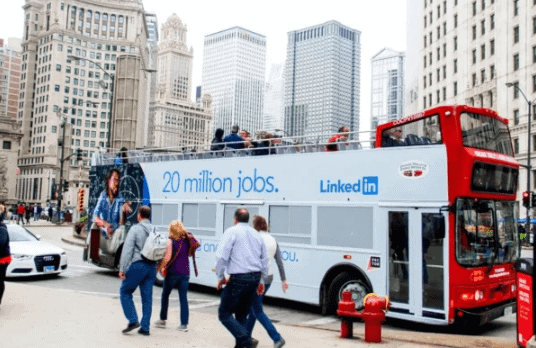
Interior bus ads and shelter placements on DART across Dallas and the DFW metro. Routes serve UT Dallas, SMU, Uptown Dallas, Deep Ellum, the Medical District, downtown, and all 13 DART cities.
Dallas is the anchor of the Dallas-Fort Worth metropolitan area, the fourth-largest metro in the United States with 7.7 million people. DART, the Dallas Area Rapid Transit authority, serves 13 cities in the DFW metro with an integrated bus, light rail, commuter rail, and streetcar network that carries approximately 70 million annual passenger trips. Dallas’s economy is built on financial services, healthcare, technology, and the massive convention and tourism industry anchored by the Kay Bailey Hutchison Convention Center and the AT&T Stadium complex in Arlington.
DART’s network reaches the full diversity of the DFW metro, from the executive and financial services professionals of the Uptown and Arts District corridors to the working-class communities of South Dallas, Oak Cliff, and Garland. Bus advertising on DART reaches audiences across this full demographic range, and route-specific targeting allows brands to concentrate campaigns on specific demographic segments within the system.
Southern Methodist University in University Park and the University of Texas at Dallas in Richardson together generate significant campus ridership on DART routes. SMU’s 12,000 students in the affluent University Park neighborhood and UT Dallas’s 30,000 students in the Telecom Corridor technology zone create two distinct academic audiences accessible through DART bus and rail connections.
Deep Ellum, Dallas’s most celebrated arts and music district immediately east of downtown, has been the incubator of Dallas’s musical and creative identity since the 1920s. DART routes serving Deep Ellum carry the young professional and arts community that has made this neighborhood one of Texas’s most nationally recognized cultural destinations.
Interior bus ads. Shelter placements. Street-level guerrilla tie-ins. AGM handles all of it in Dallas.
Interior bus advertising places your brand inside the vehicle with riders for the full duration of their trip. On Dallas Area Rapid Transit DART routes, average ride times range from 25 to 40 minutes depending on the corridor. That dwell time is the foundational asset of interior transit advertising. No other format keeps your message in front of the same person for that long, in a low-distraction environment, without a skip button or a competing screen.
A rider inside a Dallas Area Rapid Transit DART bus cannot scroll past your ad. During the ride, your interior panel is part of the visual landscape of that person’s commute. Campaigns built on that sustained exposure with clear messaging, strong visuals, and a specific call to action consistently outperform the same creative in formats where the viewer has an escape option. Interior transit advertising is one of the few remaining formats where the audience is genuinely captured.
The nine interior formats available on Dallas Area Rapid Transit DART vehicles each serve a distinct purpose within the vehicle environment. Brands that run multiple formats simultaneously inside the same vehicle create layered impressions that reinforce recall through the ride. A rider who sees a king size panel on the side wall, a queen card above the window, and a take-one rack with your flyer reaches the stop with three distinct brand contact points from a single trip. That frequency-within-a-single-ride is structurally unique to interior transit advertising.
Interior transit advertising also benefits from a social proof dynamic that deserves more attention in media planning. When multiple riders in the same vehicle see the same advertising message, that shared exposure creates low-level social reinforcement. Regular riders on the same route discuss memorable ads, take photos, and share the message. The captive audience does not just see the brand — it experiences the brand as part of a shared daily environment.
DART bus routes serving Uptown Dallas and the Dallas Arts District carry the young professional and cultural audience of the Mockingbird Lane and McKinney Avenue corridors. Uptown Dallas is the most densely populated and economically active urban neighborhood in Texas, with the highest concentration of restaurants, bars, and boutiques per block of any Dallas neighborhood.
The Dallas Arts District is the largest contiguous arts district in the United States, concentrating the Dallas Museum of Art, the AT&T Performing Arts Center, the Nasher Sculpture Center, and the Dallas Symphony within four blocks of Main Street.
Uptown Dallas dense commercialArts District museums and performing artsYoung professional high-incomeMcKinney Avenue corridor
DART routes serving Deep Ellum and the East Dallas neighborhoods carry the music, arts, and creative community of Dallas’s most culturally vibrant and nationally recognized neighborhood. Deep Ellum’s live music venues, galleries, and restaurant scene generate strong evening and weekend ridership from creative professionals and entertainment seekers.
East Dallas’s Lowest Greenville and Henderson Avenue corridors extend the young professional restaurant and bar scene from Deep Ellum east into the M Streets and Lakewood neighborhoods.
Deep Ellum arts and musicEast Dallas Henderson AvenueYoung professional arts communityLive music and gallery scene
DART routes serving South Dallas and the Oak Cliff community carry the working-class and Latino community of Dallas’s most transit-dependent residential neighborhoods. These routes maintain the highest daily transit dependency in the DART system and serve one of the most culturally vibrant communities in the city.
Oak Cliff’s Bishop Arts District is one of the most celebrated independent commercial strips in Texas, with a dense concentration of independent restaurants, boutiques, and art galleries that draws visitors from across the Dallas metro.
South Dallas communityOak Cliff Bishop Arts DistrictLatino and working-class communityHigh transit dependency
Interior bus advertising is not a single format. Dallas Area Rapid Transit DART’s fleet supports nine distinct placement positions, each with its own viewing angle, dwell time context, and audience interaction profile. Understanding the function of each format helps you build a campaign that uses the right placements for the right messages and objectives.
The 30-by-144-inch king panel spans the full length of the interior bus wall. It is the largest and most visually commanding placement inside the vehicle. Every rider who boards sees it; every rider seated sees it continuously throughout the ride. The king format works for brand campaigns that need maximum visual real estate and for creative that rewards extended viewing.
Queens run approximately 11 by 28 inches and fit above windows and along seat-back panels. Running multiple queens inside a single vehicle creates impression repetition that builds recall through the ride. A rider who sees the same brand message three times during a single commute remembers the brand differently than someone who saw it once.
Positioned directly above the windshield, the headliner sits in the eyeline of every forward-facing passenger throughout the ride. Ideal for short, high-retention messages: QR codes, phone numbers, single-sentence calls to action. The headliner is one of the first interior panels a boarding passenger registers as they find their seat and orient to the vehicle.
Cards mounted on the overhead luggage rack face downward toward seated passengers across the vehicle length. Riders in seats naturally look upward at moderate angles, landing on these cards. Extended copy, event details, and offer-driven creative perform well in the overhead position because the format creates a reading environment similar to transit maps that riders already look at.
A full interior wrap converts the entire bus into a branded environment. Ceiling graphics, side panels, and window treatments all carry the campaign creative. Riders board into a space that is entirely your brand. Full wraps are rare enough in most markets that a single wrapped vehicle becomes a topic of conversation among regular riders on the route.
Perforated vinyl window clings allow passengers to see out while presenting a full-color brand image to exterior viewers. At stops and intersections where pedestrians stand beside stationary buses, window clings deliver a street-level impression to non-riders as well as those inside the vehicle.
Physical literature holders mounted on interior panels distribute coupons, menus, enrollment forms, or promotional materials to riders who pull a flyer during the ride. The take rate on high-relevance offers in captive transit environments consistently exceeds take rates in open pedestrian environments because dwell time gives riders genuine opportunity to read and decide.
Vertical partition panels separating seating sections carry face-level advertising visible to seated passengers throughout the ride. This format delivers a direct, personal-scale impression suited to messages requiring reading time. Healthcare, legal services, and financial products perform well in divider panel placements because the format suits messages that ask something of the reader.
Small-format placements in the operator zone catch boarding passengers at fare payment — the highest-attention moment of the transit experience. A message at fare payment gets seen in an intentional moment of focus distinct from the more passive viewing during the ride. Effective for short campaigns with strong, direct calls to action.
Shelter advertising reaches both transit riders and the broader pedestrian and vehicle traffic passing each stop. Unlike interior placements that reach only riders on the bus, shelter ads are visible to anyone on the adjacent sidewalk and to vehicle traffic at the intersection. In Dallas’s busiest corridors, primary shelters generate daily impressions across all three audience groups simultaneously, from the moment the panel is installed through the full campaign duration.
Shelter advertising is visible 24 hours a day, seven days a week, for the full campaign duration. Pedestrians who never board a Dallas Area Rapid Transit DART bus still see the shelter creative if they walk past the stop. Vehicle drivers stopped at traffic signals adjacent to shelters see the panel from the street. The shelter format extends transit advertising reach well beyond the transit-riding audience into the full pedestrian and vehicle environment of the stop location.
The best Dallas Area Rapid Transit DART shelter positions are at the system’s primary transfer hubs, major commercial stop locations, and neighborhood anchor stops throughout the service area. Full enclosure panel shelters with lighting are the highest-value positions in the network. Secondary stop shelters offer efficient reach at reduced cost for campaigns targeting specific neighborhoods or corridors.
Shelter dwell time varies by route frequency and time of day. At primary hub stops on high-frequency routes, many riders cycle through quickly but total daily impressions are very high. At secondary neighborhood stops on lower-frequency routes, individual wait times are longer and per-rider dwell time with the panel is more extended. Both stop types serve different campaign objectives effectively.
Dallas Union Station serves as DART’s primary multimodal hub, connecting bus, light rail, and Trinity Railway Express with Amtrak. Shelter and station advertising here reaches the broadest cross-section of DART ridership at Dallas’s central transit node.
Union Station Hub (4-week): $3,850
Stop advertising along McKinney Avenue in Uptown Dallas serves the highest-income pedestrian environment in the DART bus network. Uptown Dallas concentrates the highest per-capita spending of any Dallas neighborhood.
Uptown Dallas McKinney Stop (4-week): $850
Shelter advertising in Deep Ellum on Elm Street serves the arts and music community of Dallas’s most nationally recognized cultural district.
Deep Ellum Elm Stop (4-week): $700
Bus and shelter advertising performs better when coordinated with street-level guerrilla placements along the same corridors. A rider who sees your interior bus ad and then encounters your brand at street level near the stop experiences two-touch brand reinforcement in the same trip. AGM executes all of the following formats in Dallas and can coordinate them with your Dallas Area Rapid Transit DART campaign for full-corridor saturation:
Snipe Advertising
Sidewalk Stencils
Take-One Flyers
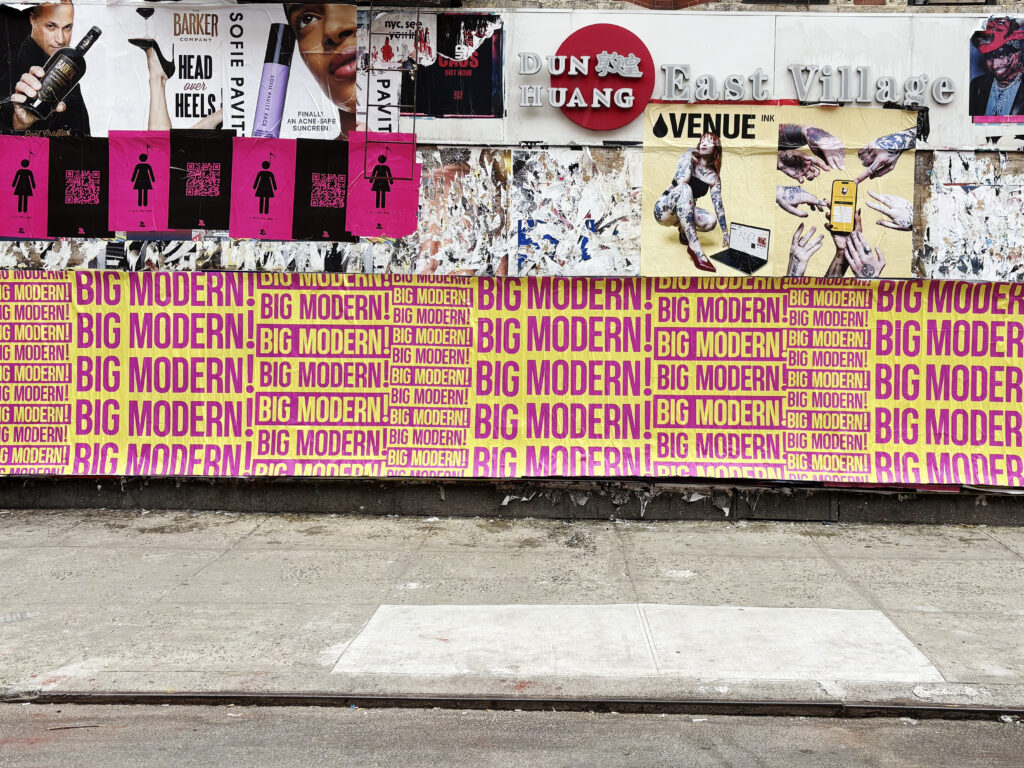
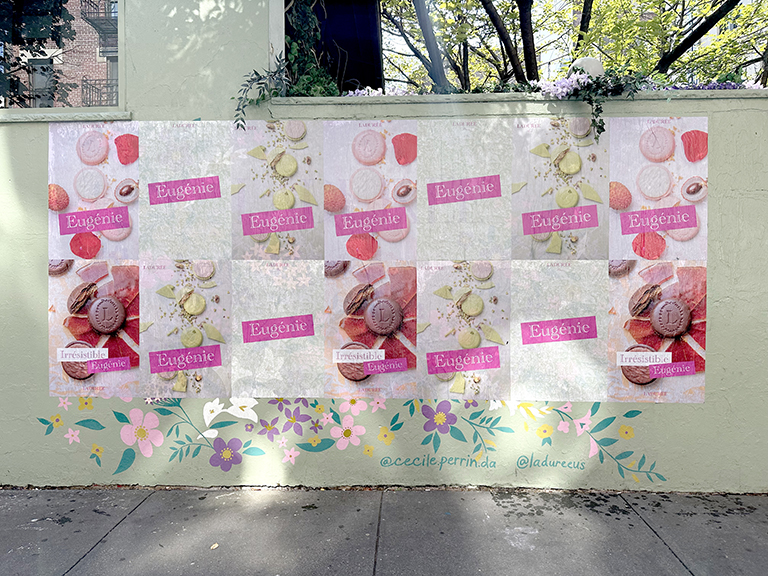
Wheatpaste Posters
Snipe advertising places small-format branded posters on utility poles, construction hoardings, and street furniture throughout the Dallas Area Rapid Transit DART service area. Sidewalk stencils mark transit stop zones and pedestrian corridors with brand impressions at ground level — so a rider waiting at the stop looks down and sees the message at their feet, then boards the bus and sees your interior panel at eye level. Take-one flyers inside buses distribute physical materials to riders who opt in during the ride. Wheatpaste poster campaigns deliver large-format visual presence on approved surfaces in Dallas’s commercial corridors, creating street-level brand landmarks that complement the transit placements with outdoor-scale visibility.
AGM has executed guerrilla advertising campaigns in every major US transit market and understands how each format interacts with transit ridership patterns in Dallas specifically. Snipe campaigns work best on high foot-traffic pedestrian corridors adjacent to major bus stops. Sidewalk stencils work best at stops where riders wait for two or more minutes, giving them time to notice and read a ground-level message. Take-one racks work best on longer routes where ride times exceed 20 minutes. Wheatpaste works best on surfaces with high pedestrian visibility in the commercial corridors that Dallas Area Rapid Transit DART routes serve. Getting the format-to-location pairing right is the difference between a guerrilla campaign that creates genuine brand presence and one that generates impressions without engagement.
The combination of interior bus, shelter, snipe, and sidewalk creates a transit-corridor brand environment where the target audience encounters the brand from multiple angles across a single commute. A rider waiting at a shelter with your panel, boarding a bus with your interior king size, and walking past your sidewalk stencil at the destination has had four distinct brand interactions without going online. That multi-touch sequence, delivered within a single commute, is the mechanics of transit-corridor saturation advertising in practice.
The strategic logic of combining transit advertising with street-level guerrilla formats is reinforcement through environmental repetition. When a brand appears in multiple physical formats along the same corridor — on the bus, at the stop, on the pole, on the sidewalk — it signals presence and scale to the community that experiences it. Brands that invest in multi-format transit-corridor campaigns consistently report stronger community recognition outcomes than brands that run single-format campaigns at higher total spend. The frequency effect of multiple-format exposure is greater than the sum of its parts.
Transit advertising in Dallas is not just another media channel — it is a forced-attention environment that produces results that passive outdoor and digital formats cannot replicate. The moment a rider boards a Dallas Area Rapid Transit DART bus, they enter a physical space where your brand is the dominant visual content. There are no other ads competing for their attention in the same vehicle. There is no algorithm deciding whether to show them your message. The panel is there, on the wall, for the full duration of the ride, every time that rider boards.
The dwell time advantage of interior bus advertising is particularly significant in the context of modern attention economics. The average digital ad impression lasts under two seconds before a user scrolls, clicks, or looks away. The average interior bus transit ad impression lasts for the full duration of the ride — 25 minutes on a typical Dallas Area Rapid Transit DART corridor. That is a 600-to-900 times longer per-impression engagement than the average digital display ad. The cost per genuine impression on Dallas Area Rapid Transit DART interior advertising is, for most brands, among the lowest available in the Dallas media market.
Bus shelter advertising in Dallas adds a dimension that interior advertising cannot provide alone: always-on street-level presence that works for non-riders as well as riders. A shelter panel at a high-traffic stop in Dallas works every hour of every day for the full campaign period. It works for the person waiting for the bus. It works for the pedestrian walking past. It works for the driver stopped at the light. No other single advertising format provides that combination of always-on presence, street-level proximity, and transit rider captive exposure in a single placement position.
The Dallas transit market also offers a frequency advantage that traditional outdoor advertising cannot match. A regular commuter on a specific Dallas Area Rapid Transit DART route sees the interior advertising panels on that route multiple times per week throughout the campaign period. A four-week campaign on a route with a rider who commutes five days a week generates 40-plus individual panel impressions from that single rider. Brand recall from that level of repeated, captive, close-range exposure is qualitatively different from the recall produced by a single highway billboard impression at 65 miles per hour.
The core audience of Dallas Area Rapid Transit DART transit advertising is the daily rider who boards the bus as part of a consistent, repeating commute or errand pattern. This is not an occasional audience that a campaign might or might not catch on a given day. These are riders who board specific routes at predictable times throughout the week. A campaign placed on the routes they use reaches them not once but repeatedly throughout the campaign period, building brand familiarity through the same repeated exposure that drives recall in radio and television. Transit advertising in Dallas leverages that repeating exposure pattern in a format that outdoor advertising and digital advertising cannot replicate: the captive, close-range, sustained impression that is unique to the interior bus environment.
Transit advertising on Dallas Area Rapid Transit DART draws brands that understand the value of daily reach into Dallas’s working and commuting population. The Dallas Area Rapid Transit DART ridership includes daily commuters, students, healthcare workers, service industry employees, and neighborhood residents who depend on transit as their primary transportation. These riders are in vehicles for 25 to 40 minutes at a time, in a low-distraction environment, with no competing content for their visual attention. Your brand can own that visual environment for the duration of the campaign.
The categories that perform consistently well on Dallas Area Rapid Transit DART advertising are those genuinely relevant to the daily lives of transit riders: healthcare providers, financial services, legal services, food and restaurant brands, educational institutions, and community services. National consumer brands targeting the Dallas market also use Dallas Area Rapid Transit DART as a high-frequency reach vehicle for product launches and brand awareness campaigns. The key to strong performance in transit advertising is the same as in any other format: relevant messaging to the right audience in the right context. Dallas Area Rapid Transit DART’s daily ridership provides that audience and context in a media format that still has meaningful supply in most markets.
Financial Services
JPMorgan Chase, Bank of America, and the Dallas financial services community targeting Uptown and downtown routes.
Healthcare
UT Southwestern Medical Center, Baylor Scott and White, and Texas Health Resources reaching the medical workforce.
Technology
AT&T, Toyota, and the Telecom Corridor tech workforce reaching the professional commuter base.
Higher Education
SMU, UT Dallas, and Dallas County Community College District advertising to prospective students.
Food and Entertainment
Deep Ellum live music, Uptown restaurants, and the Dallas entertainment scene reaching the young professional audience.
Real Estate
Dallas apartment brands and housing services targeting the enormous in-migration young professional audience.
Understanding how interior bus advertising compares to the other major transit-adjacent formats helps clarify when each format is the right tool for a specific campaign objective. Interior bus advertising, shelter advertising, and outdoor billboard advertising each have fundamentally different delivery mechanisms and audience interaction profiles. Using the right format for the right campaign objective is more important than the raw cost comparison between them.
Interior bus advertising delivers captive, sustained, close-range exposure to a defined audience in a controlled environment. The rider is in the same vehicle as your ad for 25 to 40 minutes. They cannot speed past it. They cannot look away if they want to look at anything in the vehicle. The format rewards creative that takes advantage of the dwell time — copy that asks the reader to think, images that reward sustained viewing, QR codes that link to experiences the rider has time to engage with. Interior bus advertising is best used for messages that need time to land: brand story campaigns, detailed offer communications, QR-driven response campaigns, and any creative where the nuance matters.
Shelter advertising delivers outdoor-scale visibility at the stop environment, reaching both transit riders and the pedestrian and vehicle traffic that passes the stop. Shelters work best as brand reminder and reinforcement placements for campaigns where the primary message is already being delivered through another format — interior bus, digital, or radio. A shelter at a high-traffic Dallas stop that supports an interior bus campaign creates the two-touch sequence that consistently outperforms either format used alone. Shelter advertising at a high-traffic Dallas stop also reaches audiences that never board the bus, extending the transit advertising investment beyond the transit-riding audience to the full pedestrian environment.
Outdoor billboard advertising delivers mass reach at highway speeds with two to four seconds of viewing time per impression. Billboards in Dallas build name recognition and top-of-mind awareness at scale, but they do not deliver the dwell time, the contextual relevance, or the captive audience that interior transit advertising provides. For brands that need both scale and depth — a billboard to plant the brand name and an interior bus panel to deliver the full message — the combination of outdoor and transit is a proven sequence. AGM coordinates outdoor and transit advertising placements across Dallas for brands that want coverage at both scales.
The most effective Dallas Area Rapid Transit DART campaigns start with a clear answer to three questions: who are you trying to reach, what do you want them to do, and what corridors carry the highest concentration of that audience. AGM works through these questions with every client before recommending routes, formats, and campaign duration. A healthcare system trying to reach nurses and medical staff in Dallas needs different placements than an app company trying to reach 18-to-25 year olds. Getting the targeting right is more important than any individual creative decision.
Campaign duration matters in transit advertising because the first time a regular rider sees a new panel, they notice it. By the third time they see it on their daily commute, they have internalized the brand. By the tenth time, they have associated the brand with Dallas’s transit environment. That brand association with a rider’s daily routine is the unique value proposition of transit advertising that no other format offers. Four-week campaigns build first awareness. Eight-week and twelve-week campaigns build the kind of community-level brand recognition that comes from a presence that feels like part of the daily landscape.
Creative specifications for Dallas Area Rapid Transit DART interior bus advertising are standardized by format type. AGM provides exact specifications for every format — king size panels, queen cards, headliner strips, overhead rack cards, divider panels, driver zone cards, take-one racks, window clings, and full interior wraps — as part of the campaign setup process. If your creative team needs the specs early in the design process, contact AGM and we will provide them before any booking commitment. Getting the creative right at the start is worth the extra preparation time.
AGM handles the complete process for Dallas Area Rapid Transit DART advertising campaigns: format selection, creative sizing, production, placement booking, installation coordination, and post-installation documentation. We work directly with Dallas Area Rapid Transit DART advertising administration and have experience placing campaigns across transit systems in every major and mid-sized US market. If you have existing creative, we adapt it to transit specifications. If you need creative development, we coordinate that as well.
Interior bus advertising on Dallas Area Rapid Transit DART is one of the most cost-effective ways to reach Dallas residents with guaranteed daily impressions in a captive viewing environment. Campaigns typically run on four-week minimums, with longer runs available at improved rates. Bus shelter placements can be added to interior campaigns as part of a combined package. Multi-format campaigns combining interior bus, shelter, and street-level guerrilla can be built to cover Dallas from every angle within a single budget envelope.
The most common question at this stage is what it costs. The honest answer is that it depends on the format, vehicle count, corridor selection, and campaign duration. The best way to get a specific number is to tell us your target audience, your campaign objective, and your timeline. We build a specific proposal for your Dallas transit advertising campaign based on what you actually need. Contact AGM to start the conversation.
For brands that are new to transit advertising, the most important thing to know is that transit advertising performs differently from what most media buyers expect based on their digital advertising experience. It is not a cost-per-click format. It is not a reach-and-frequency format in the traditional broadcast sense. It is a physical presence format — one that creates a brand’s relationship with a specific place, a specific community, and a specific audience through repeated exposure in the shared daily environment of transit. The brands that use transit advertising most effectively are the ones that understand this distinction and build creative specifically for the transit context rather than repurposing assets from other formats.
The measurement approach for Dallas Area Rapid Transit DART bus advertising campaigns should be set up before the campaign launches. Dedicated phone numbers, unique QR codes, campaign-specific landing page URLs, and promotional codes are the most direct measurement tools for transit advertising response. Brand lift measurement through pre-and-post awareness surveys is the appropriate approach for brand awareness campaign objectives. Sales correlation analysis is appropriate for retail and consumer service campaigns where point-of-sale data is available. AGM helps clients select and set up the right measurement approach for each campaign objective before the panels go up.
DART carries approximately 60 to 75 million passenger trips annually across its bus, light rail, commuter rail, and streetcar network.
Bus interior advertising is separate from DART light rail station and train advertising. AGM can coordinate combined bus and light rail campaigns for comprehensive DART system coverage.
Routes serving Uptown Dallas, Deep Ellum, the Arts District, and the Medical District at UT Southwestern are the highest-profile bus advertising corridors.
Yes. DART routes serving the Medical District at Inwood and Harry Hines carry the 20,000-plus employee workforce of UT Southwestern Medical Center and associated hospitals.
Yes. DART’s Orange Line light rail connects downtown Dallas with DFW Airport. Bus routes serve the airport’s employment base and some passenger connections.
Three to five weeks from approved creative to installation.
Yes. DART routes serving Oak Cliff and the Bishop Arts District carry the creative and community audience of this celebrated independent commercial corridor.
Yes. DART serves 13 cities including Dallas, Plano, Irving, Richardson, Garland, and Farmers Branch, providing coverage across much of the north DFW metro.
Bus interior advertising provides captive in-vehicle exposure during 15 to 30-minute rides. Light rail station advertising reaches commuters at platforms but without the extended dwell time of in-vehicle placements. Both formats can be coordinated for comprehensive DART coverage.
Yes. A combined three-system Texas transit buy covers the three largest Texas metros. AGM coordinates multi-system Texas campaigns.