American Guerrilla Marketing
Nationwide serivce
Media planning, media buying, billboard advertising, & guerrilla marketing
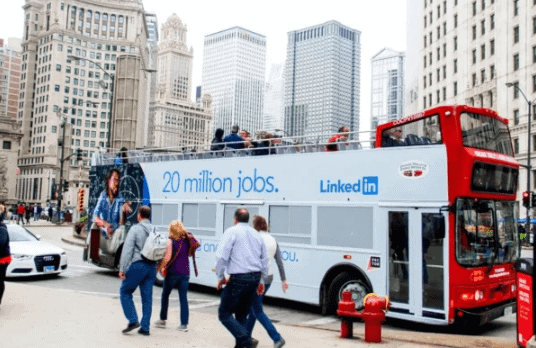
Capital Area Transit gives advertisers Baton Rouge frequency across LSU, Downtown government offices, Florida Boulevard retail, Plank Road neighborhoods, and Airline Highway workforce corridors.
Capital Area Transit Baton Rouge is a useful local advertising network because it reaches people in motion while they are commuting, shopping, heading to appointments, and moving between the most important corridors in Baton Rouge. Interior bus advertising builds repetition with captive riders. Shelter advertising adds close-range, eye-level dwell time. Guerrilla extensions reinforce the message in the exact places where riders step off and continue on foot.
For Capital Area Transit Baton Rouge, the main planning question is not whether transit can deliver impressions. It can. The smarter question is which corridors create the right sequence of exposures for a buyer in Baton Rouge. A rider may see the same interior card on the morning trip, pass the same shelter on the ride home, and then walk past one more street-level reminder before entering a store, office, or campus building. That layered visibility is where transit starts to outperform fragmented local digital buys.
AGM treats every Capital Area Transit Baton Rouge campaign as a local media system instead of a generic inventory list. We look at route purpose, destination logic, dwell time, traffic friction, and neighborhood context. A route serving hospitals behaves differently from one serving nightlife, value retail, or student apartments. The creative should reflect that reality rather than flatten it.
That matters in Baton Rouge because local consumers make decisions inside patterns. They commute the same way, shop the same corridors, recognize the same landmarks, and notice repetition faster than advertisers assume. Good transit copy respects those patterns and turns familiar movement into familiarity with the brand.
AGM handles planning, production, route selection, installation coordination, and proofing for Capital Area Transit Baton Rouge campaigns. If you want a media plan built around actual local movement instead of generic impressions, we can map it.
Baton Rouge is one of the few Louisiana transit markets where higher education, state government, heavy commuter traffic, healthcare, and neighborhood retail all overlap inside one bus system.
For Capital Area Transit Baton Rouge, the main planning question is not whether transit can deliver impressions. It can. The smarter question is which corridors create the right sequence of exposures for a buyer in Baton Rouge. A rider may see the same interior card on the morning trip, pass the same shelter on the ride home, and then walk past one more street-level reminder before entering a store, office, or campus building. That layered visibility is where transit starts to outperform fragmented local digital buys.
CATS reaches riders moving between North Baton Rouge neighborhoods, downtown jobs, LSU, Southern University access points, medical destinations, and the city’s biggest shopping arteries. That gives brands both mass reach and sharp corridor targeting.
For Capital Area Transit Baton Rouge, the main planning question is not whether transit can deliver impressions. It can. The smarter question is which corridors create the right sequence of exposures for a buyer in Baton Rouge. A rider may see the same interior card on the morning trip, pass the same shelter on the ride home, and then walk past one more street-level reminder before entering a store, office, or campus building. That layered visibility is where transit starts to outperform fragmented local digital buys.
The city’s traffic congestion makes bus exposure especially valuable. Drivers see wrapped buses and tail panels in standstill traffic, while riders spend enough time onboard to absorb more detailed interior creative.
For Capital Area Transit Baton Rouge, the main planning question is not whether transit can deliver impressions. It can. The smarter question is which corridors create the right sequence of exposures for a buyer in Baton Rouge. A rider may see the same interior card on the morning trip, pass the same shelter on the ride home, and then walk past one more street-level reminder before entering a store, office, or campus building. That layered visibility is where transit starts to outperform fragmented local digital buys.
Interior advertising should come first in a serious transit plan because onboard exposure gives you the longest uninterrupted attention window in the network. Riders are not scrolling past the message. They are sitting with it. That creates a more durable memory than most local media formats can offer, especially when the same person rides repeatedly throughout the week.
For Capital Area Transit Baton Rouge, the strongest interior route choices usually share three characteristics: consistent daily ridership, clear destination logic, and enough dwell time for the message to land. Routes that connect neighborhoods to jobs, schools, medical centers, shopping streets, and transfer hubs create the best conditions for repeat visibility.
Florida Boulevard and Airline Highway are Baton Rouge's commercial workhorses. They carry discount retail, healthcare, auto service, big-box traffic, and dense worker flows. Interior ads here reach practical consumers making frequent purchases close to home and work.
Florida Boulevard and Airline Highway are Baton Rouge's commercial workhorses. They carry discount retail, healthcare, auto service, big-box traffic, and dense worker flows. Interior ads here reach practical consumers making frequent purchases close to home and work. This corridor also gives advertisers useful stop-level context, because riders boarding near work, school, healthcare, and neighborhood retail often notice the same message multiple times in a single week. When the creative references the right destination logic, onboard transit ads feel less like interruption and more like guidance attached to a familiar route.
Florida BoulevardAirline Highwayretail and service spending
The downtown to LSU pattern combines state employees, students, faculty, service workers, and event traffic around the riverfront, Third Street, and campus gateways. This route family is ideal for entertainment, food, fintech, and student-focused services.
The downtown to LSU pattern combines state employees, students, faculty, service workers, and event traffic around the riverfront, Third Street, and campus gateways. This route family is ideal for entertainment, food, fintech, and student-focused services. This corridor also gives advertisers useful stop-level context, because riders boarding near work, school, healthcare, and neighborhood retail often notice the same message multiple times in a single week. When the creative references the right destination logic, onboard transit ads feel less like interruption and more like guidance attached to a familiar route.
DowntownLSUriverfrontstudent and government audience
Plank Road and surrounding neighborhood routes reach long-standing residential communities, churches, clinics, schools, and local business strips. Brands offering everyday essentials, community healthcare, banking, or public service messaging tend to perform well with repeated frequency here.
Plank Road and surrounding neighborhood routes reach long-standing residential communities, churches, clinics, schools, and local business strips. Brands offering everyday essentials, community healthcare, banking, or public service messaging tend to perform well with repeated frequency here. This corridor also gives advertisers useful stop-level context, because riders boarding near work, school, healthcare, and neighborhood retail often notice the same message multiple times in a single week. When the creative references the right destination logic, onboard transit ads feel less like interruption and more like guidance attached to a familiar route.
Plank RoadNorth Baton Rougeneighborhood and family audience
Because transit riders often board the same line multiple days per week, interior placements are especially useful for offers that require familiarity before action. That includes healthcare enrollment, financial services, recruiting, apartment leasing, education, QSR, grocery, telecom, and local retail. One exposure introduces the brand. Repeated exposures make it believable. That is the rhythm of transit media.
The classic long-format interior poster above the windows. Best when you need consistent repeat visibility across a route family and enough room to communicate one clear promise plus a call to action.
Capital Area Transit Baton Rouge campaigns often mix this format with one or two adjacent placements so the audience sees the brand in more than one moment of the ride. That is where route frequency turns into real recall.
A slightly smaller interior unit that works well when you want broad route coverage without overcommitting to a takeover-style deployment. Clean design and strong contrast matter most here.
Capital Area Transit Baton Rouge campaigns often mix this format with one or two adjacent placements so the audience sees the brand in more than one moment of the ride. That is where route frequency turns into real recall.
Close-range visibility for seated and standing riders. Car cards are practical, flexible, and ideal for recruitment, healthcare, banking, education, and retail offers.
Capital Area Transit Baton Rouge campaigns often mix this format with one or two adjacent placements so the audience sees the brand in more than one moment of the ride. That is where route frequency turns into real recall.
A strong format for peak-hour routes because standing riders naturally scan the ceiling line while waiting for their stop. Best for short messages and memorable offers.
Capital Area Transit Baton Rouge campaigns often mix this format with one or two adjacent placements so the audience sees the brand in more than one moment of the ride. That is where route frequency turns into real recall.
Door panels create attention at boarding and exit, when riders are briefly stationary and looking directly at the placement. Useful for store visits, QR offers, and directional messaging.
Capital Area Transit Baton Rouge campaigns often mix this format with one or two adjacent placements so the audience sees the brand in more than one moment of the ride. That is where route frequency turns into real recall.
The high-impact option for advertisers who want moving billboard scale. In heavier traffic corridors, a wrapped bus can generate value far beyond onboard riders.
Capital Area Transit Baton Rouge campaigns often mix this format with one or two adjacent placements so the audience sees the brand in more than one moment of the ride. That is where route frequency turns into real recall.
Tail panels target drivers behind the bus and work especially well in congested corridors where vehicles sit in long signal cycles.
Capital Area Transit Baton Rouge campaigns often mix this format with one or two adjacent placements so the audience sees the brand in more than one moment of the ride. That is where route frequency turns into real recall.
Perforated window vinyl adds exterior drama while preserving interior visibility. It is strong for image-led campaigns and event launches.
Capital Area Transit Baton Rouge campaigns often mix this format with one or two adjacent placements so the audience sees the brand in more than one moment of the ride. That is where route frequency turns into real recall.
A premium immersive package that turns the entire onboard experience into one brand story. Best for launches, major recruiting, healthcare enrollment, or broad market announcements.
Capital Area Transit Baton Rouge campaigns often mix this format with one or two adjacent placements so the audience sees the brand in more than one moment of the ride. That is where route frequency turns into real recall.
The nine interior and exterior formats above work best when they are planned as a coordinated sequence instead of isolated placements. A strong transit buy usually combines at least one high-visibility exterior format for street reach, one interior format for dwell-time reading, and a stop-level format for repeat exposure at the boarding environment. That combination lets a campaign reach drivers, pedestrians, and riders in the same service area while reinforcing the same message multiple times in a single trip pattern.
Format selection should follow the audience and the trip pattern. Routes with longer ride times reward interior cards, headliners, and seat-back creative because riders have time to read and scan. Fast urban corridors with heavy street traffic reward king posters, wraps, and tails because the moving bus behaves like a rolling billboard. Campus, hospital, and downtown transfer routes often perform best with a mix of interior messaging and stop-level shelter placements because the same riders repeat those trips throughout the week.
AGM plans transit media by route context, creative goal, and campaign duration. That means matching your message to the corridors where your audience actually travels, then choosing the combination of formats that creates both reach and frequency in the same geography.
Shelter advertising is the second layer, not an afterthought. At the stop, the audience is standing still. They are looking up, around, and toward the street. A good shelter placement reaches them at exactly the moment when they have spare attention and physical proximity to the ad unit.
The best shelter inventory sits where route function and street function overlap: transfer-heavy corners, hospital edges, campus gates, retail approaches, and commercial blocks where pedestrian traffic stays active beyond the riders themselves. In those locations, the ad speaks to both the waiting passenger and the passing foot traffic.
These shelters give advertisers concentrated weekday exposure to state workers, legal traffic, downtown students, and transfer riders in the city's administrative core.
Shelter placements here work because the rider is stationary, physically close to the panel, and often making a decision about where to go next. In a market like Baton Rouge, that pause can be more valuable than a brief drive-by glance because the message is absorbed at walking pace.
Downtown Baton Rougestate officestransfer riders
Shelter placements near campus gates and apartment-heavy student edges work well for restaurants, mobile apps, nightlife, healthcare, and seasonal promotions.
Shelter placements here work because the rider is stationary, physically close to the panel, and often making a decision about where to go next. In a market like Baton Rouge, that pause can be more valuable than a brief drive-by glance because the message is absorbed at walking pace.
LSUNicholson Drivestudent housinggame day spillover
High-volume commercial and healthcare stops deliver a mix of shoppers, job seekers, and appointment traffic with strong dwell time.
Shelter placements here work because the rider is stationary, physically close to the panel, and often making a decision about where to go next. In a market like Baton Rouge, that pause can be more valuable than a brief drive-by glance because the message is absorbed at walking pace.
Florida Boulevardclinicsretailerseveryday errands
Premium eye-level shelter unit with day and night visibility. This format is strongest where pedestrian volume and wait times are both high.
Rate: $3,850 per 4-week period
These rates are benchmark references used to frame planning discussions. Final availability and exact pricing depend on location, production, duration, and inventory status.
A practical middle tier for advertisers who want after-dark visibility without buying the largest unit at every stop.
Rate: $850 per 4-week period
These rates are benchmark references used to frame planning discussions. Final availability and exact pricing depend on location, production, duration, and inventory status.
A cost-efficient shelter option for corridor saturation and neighborhood-level frequency near retail, healthcare, and transfer locations.
Rate: $700 per 4-week period
These rates are benchmark references used to frame planning discussions. Final availability and exact pricing depend on location, production, duration, and inventory status.
Transit riders do not disappear when they leave the vehicle. They walk past storefronts, convenience strips, transfer corners, campus edges, clinic entrances, and neighborhood poles. That is why AGM likes pairing Capital Area Transit Baton Rouge placements with street-level guerrilla work that extends the same message into the pedestrian environment.
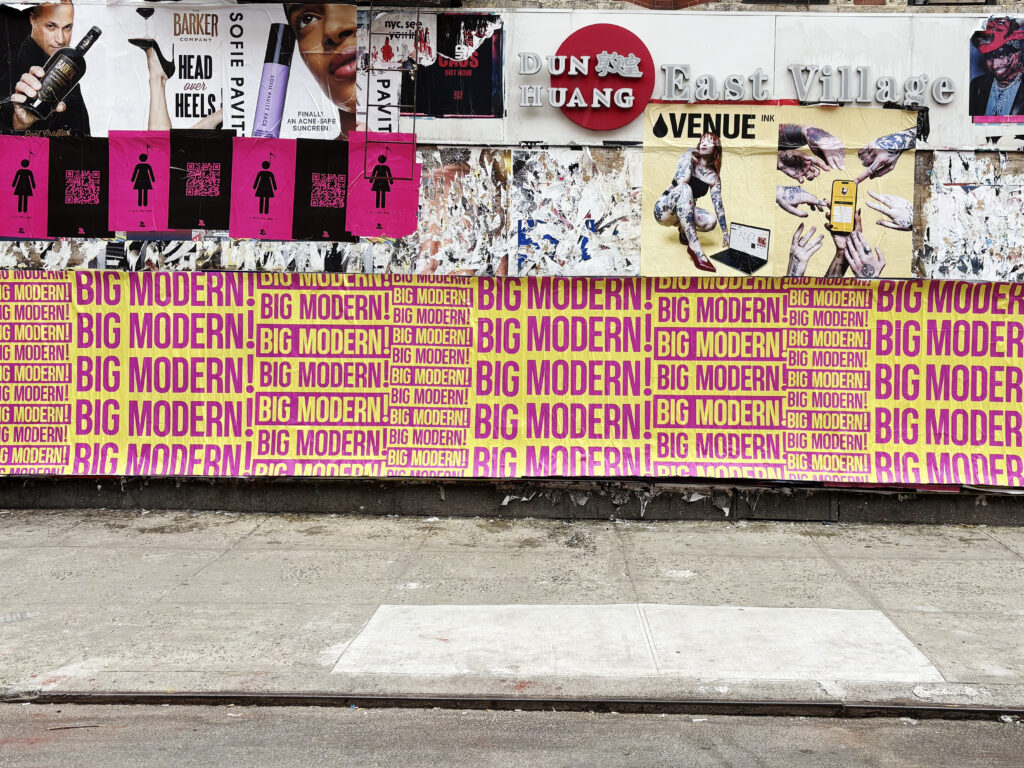
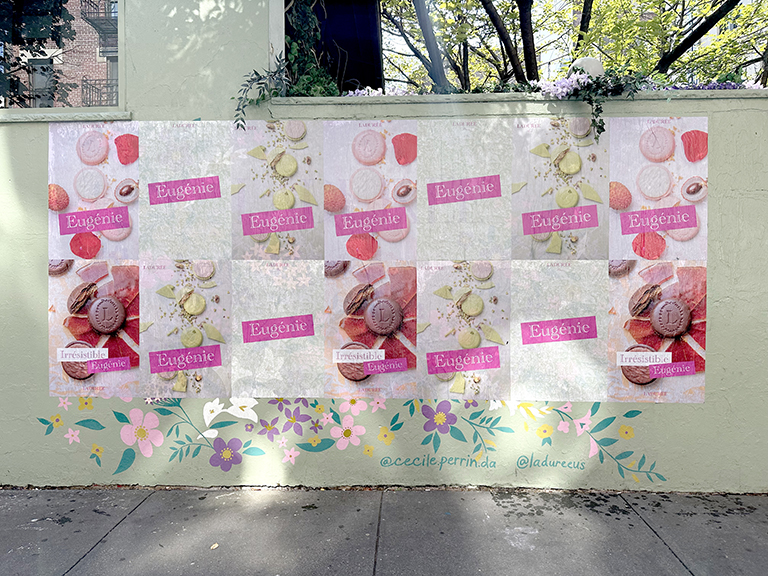
Our preferred add-ons are snipe advertising near transfer points and high-footfall corridors, sidewalk stencils at bus stop approaches and crosswalks, wheatpasting poster campaigns on approved urban surfaces, and take-one flyers where a commuter can physically carry the offer away.
In Baton Rouge, this matters because route memory compounds. A rider sees the ad on the bus, notices the same visual language at the stop, then encounters a final street-level reminder close to the destination. That sequence is simple, but it is powerful. It is the difference between a campaign that is merely seen and one that starts to feel present in the neighborhood.
The advertisers who get the most value from transit usually share one trait: they need to stay visible in the same geography where their customers already move. That can mean building trust with neighborhood riders, reminding commuters about a nearby service, or driving store visits, applications, enrollments, and appointments inside a known route network.
AGM plans these campaigns with an execution mindset. We look at route fit, production realities, dwell time, local landmarks, and how transit can work together with other out-of-home tactics instead of pretending one unit solves everything by itself. That is how campaigns get sharper and how budgets stay efficient.
We start by matching the campaign objective to route behavior. A healthcare campaign needs different route logic than an apartment lease-up, a concert launch, a community college push, or a workforce recruiting flight. That sounds obvious, but a lot of transit buying still gets treated like a flat inventory purchase. It should not. The best route is the route that puts the message in front of the right person at the moment the message makes sense.
The second planning layer is frequency. On this system, repetition is more valuable than broad scatter. Riders who see the same brand several times in a week are much more likely to remember it, search it later, mention it to someone else, or act when the timing is right. That is why we usually prefer a tighter, smarter route package over a diluted network-wide buy when the budget is limited.
The third layer is street context. We look at where the rider boards, what landmarks sit near the stop, what kinds of storefronts or institutions define the block, and whether the corridor supports a guerrilla extension. When those pieces line up, the campaign feels like part of the city instead of an imported ad unit. That is when transit starts working harder than its CPM alone would suggest.
Transit creative should be simpler than most brands first assume. A rider should understand the headline almost instantly, even if they only glance at it before sitting down, boarding, or stepping onto the curb. One primary message almost always beats three smaller ideas fighting for space. If the campaign needs detail, we recommend using the interior ride environment where the audience has more time with the ad.
Location-specific copy can improve performance dramatically. Naming a familiar street, district, campus edge, shopping area, or neighborhood creates immediate relevance. It signals that the advertiser actually understands the rider’s path through the city. That does not mean every ad needs hyperlocal language, but the best ones usually include at least one anchor that feels unmistakably tied to the market.
We also think about what happens after the impression. Should the rider remember a store, scan a code, visit a clinic, apply for a job, compare prices, or ask for more information later? Transit works best when the call to action respects the medium. A QR code makes sense in a long interior ride. A simple store reminder may make more sense on a shelter panel near the destination itself.
Execution matters as much as planning. AGM coordinates production specs, monitors inventory decisions, tracks install timing, and documents placements with photography once the campaign is live. We do not treat proof as a formality. For local advertisers especially, confirmation is part of the value. You should know where the ads ran, how the units looked, and whether the campaign matched the original plan.
For longer flights, condition checks are worth doing because transit environments are physical environments. Weather, wear, passenger traffic, and maintenance schedules all matter. A campaign that starts strong should still look strong midway through the run. That is part of responsible stewardship and part of protecting the media investment.
Most importantly, we use each transit campaign to sharpen the next one. Route-level learning, creative response, offer clarity, and local anecdotal feedback all matter. In smaller and mid-sized markets, those lessons compound quickly because the same audience patterns repeat. In larger markets, the learning helps narrow future buys toward the corridors that create the best combination of relevance and visibility.
AGM starts with route analysis, rider context, and local geography. Before recommending a bus wrap, a king poster, or a shelter panel, we map where the audience actually travels, how often they repeat the trip, and what other street-level media can reinforce the same corridor. That keeps the recommendation practical and location-specific instead of generic.
Once the route and format plan is approved, AGM handles media buying coordination, creative specifications, and deployment timing. For campaigns that combine transit advertising with guerrilla extensions, we sync the launch windows so the rider sees the same brand on the bus, at the stop, and in the nearby walking environment at the same time.
That coordination matters because transit works best when it behaves like a corridor takeover. The bus provides motion and repetition. The shelter delivers fixed-location presence. Guerrilla elements fill the gaps between boarding, transfer, and destination. The combined effect is larger than any individual format on its own.
Transit advertising remains valuable because it reaches people in physical environments where the message cannot be skipped, muted, or blocked. Riders see interior cards during the entire trip. Drivers sit behind tails at signals. Pedestrians pass shelter panels at the same corners again and again. That repeated, unavoidable visibility is why transit still outperforms many digital awareness channels when the goal is local memory and route-level presence.
For brands that need relevance inside a city, a campus district, a hospital zone, a casino corridor, a coastal tourism strip, or a suburban commuter market, bus advertising creates a form of neighborhood credibility that broader media often cannot match. It feels local because it is local. It appears on the same streets the audience uses to get to work, school, shopping, and entertainment.
Contact AGM to plan the route mix, creative approach, and guerrilla extension that fits your target audience. We handle strategy, buying, and execution so your campaign shows up where the market actually moves.
Usually corridor-first. Florida Boulevard, LSU-downtown, and North Baton Rouge each behave differently, so the best media plan depends on the audience you need.
Yes, especially on routes serving campus edges, apartments, and nightlife corridors. Student riders respond well to concise creative with a direct offer.
Downtown routes and shelters reach a steady weekday audience of public-sector employees, legal visitors, and lunch-hour foot traffic.
Yes. Baton Rouge campaigns can be adapted by corridor and neighborhood to match the communities actually riding there.
Very useful. Congestion increases driver exposure time and makes mobile bus media feel more like a slow-moving billboard.
Downtown, campus-edge, and Florida Boulevard stops usually provide the best combination of dwell time and nearby destination relevance.
They can. Workforce campaigns often perform well on commuter corridors and near major employment zones.
Typical lead time is a few weeks after artwork approval, depending on format, production needs, and inventory confirmation.
Yes. AGM documents placements with photography and installation confirmation.
Because riders do not only sit on the bus. They walk campus edges, wait at shelters, and move through nightlife and retail blocks where street-level media amplifies the same message.