American Guerrilla Marketing
Nationwide serivce
Media planning, media buying, billboard advertising, & guerrilla marketing

American Guerrilla Marketing places interior bus and shelter advertising on AC Transit serving Alameda and Contra Costa Counties. International Boulevard, Telegraph Avenue, San Pablo Avenue, transbay routes to San Francisco, and the full East Bay bus network. Direct execution.
Oakland is not an interchangeable market. The city on the eastern shore of San Francisco Bay has a cultural identity and a demographic character that is the East Bay’s own: the birthplace of the Black Panther Party on Merritt Avenue and 56th Street, the home of the Port of Oakland that ranks as the fifth-busiest container port in the United States, a diverse community of West Oakland African Americans alongside Chinatown, the Fruitvale Mexican and Central American neighborhood on International Boulevard, the Temescal and Rockridge neighborhoods of upwardly mobile professional gentrification, and the former industrial waterfront of Jack London Square now converted to restaurants, entertainment, and tech offices. AC Transit, the Alameda-Contra Costa Transit District, moves the East Bay’s diverse population across this geography on bus routes that connect the flatlands of West Oakland, East Oakland, and the Fruitvale to the employment centers of downtown Oakland, the tech campuses of the East Bay’s Pill Hill medical district, and the transbay routes to San Francisco across the Bay Bridge that carry the East Bay’s reverse commuters into the city.
AC Transit’s route network covers not just Oakland but the full Alameda County corridor from the Albany and Berkeley boundary in the north through Emeryville, Oakland, San Leandro, Hayward, Fremont, and Union City in the south, plus Contra Costa County routes serving Richmond, El Cerrito, and the inner East Bay suburban communities. The system also operates transbay bus service across the Bay Bridge to San Francisco’s Transbay Terminal at Howard and Beale Streets, carrying East Bay residents who work in San Francisco through a 35-to-45-minute bus trip that provides an alternative to BART for commuters on the western Alameda County routes.
AGM has placed transit advertising campaigns in the AC Transit network as part of our Bay Area and Northern California market execution history. The East Bay’s advertising environment is distinct from San Francisco’s in ways that matter for campaign planning: the International Boulevard corridor through the Fruitvale in Oakland is one of the highest-density Latino transit corridors in Northern California, Berkeley’s Telegraph Avenue serves a UC Berkeley student and politically engaged community very different from the tech-adjacent ridership on BART, and the transbay routes carry a specific reverse-commuter demographic that advertisers undervalue by focusing exclusively on the SF side of the Bay.
AGM places interior bus and shelter advertising on AC Transit across Oakland, Berkeley, Emeryville, and the East Bay. International Boulevard, Telegraph Ave, transbay routes, and the full AC Transit network. Direct execution.
International Boulevard running from downtown Oakland east through the Fruitvale neighborhood to the San Leandro border is the commercial spine of the East Bay’s Mexican and Central American community. The Fruitvale neighborhood between Fruitvale BART station and the San Antonio neighborhood north and south of 23rd Avenue has one of the highest concentrations of Mexican American households in the Bay Area, with a commercial district of taquerias, panaderias, quinceañera shops, and community organizations that make the International Boulevard corridor the most culturally specific Latino community transit environment in Northern California outside of LA’s Eastside. The AC Transit routes on International Boulevard carry this community in an advertising environment where Spanish-language transit advertising achieves community reach that digital and broadcast media cannot match.
West Oakland and North Oakland’s transit routes carry a predominantly African American ridership through communities that were the birthplace of some of the most significant American social movements of the 20th century and that remain culturally distinct despite significant gentrification pressure. The routes connecting West Oakland’s working-class residential communities to downtown Oakland employment, to the BART connection at 12th Street Oakland City Center, and to the Port of Oakland employment corridor carry an African American transit ridership with above-average community identity awareness and strong preferences for brands that demonstrate genuine community investment rather than generic market targeting.
The AC Transit transbay routes, particularly the Transbay Express services crossing the Bay Bridge to San Francisco, carry a higher-income choice-rider demographic than the local East Bay routes. These are East Bay residents who work in San Francisco and chose bus transit over BART for the cross-bay commute, often because bus service on their specific East Bay origin route is more convenient for their departure neighborhood than the nearest BART station. The transbay bus rider is typically employed in a San Francisco professional or tech company, has above-median household income for an East Bay resident, and spends 35 to 50 minutes in the bus during the commute with limited competing media distractions on the bridge crossing.
International Boulevard from downtown Oakland east through the Fruitvale and into East Oakland is the primary AC Transit advertising corridor for reaching the East Bay’s Latino community. The routes on International Boulevard, particularly the 1-Limited and local variants, carry the Fruitvale neighborhood’s Mexican and Central American households daily between their residential communities and downtown Oakland employment, the Fruitvale BART station, and the commercial district of the Fruitvale that remains one of the Bay Area’s most authentic working-class Latino commercial environments. The Fruitvale Unity Council’s commercial development on International Boulevard between 33rd and 35th Avenues anchors the neighborhood’s economic geography with restaurants, cultural institutions, and the Fruitvale BART transit village that has become a model for transit-oriented development.
Spanish-language interior advertising on the International Boulevard routes reaches the East Bay Latino community in the most transit-dependent and most advertising-attentive environment available in Northern California outside of LA. For healthcare enrollment (Covered California, Medi-Cal, Alameda County Health), financial services targeting the immigrant community, consumer goods brands, and community organizations serving the Fruitvale and East Oakland population, the International Boulevard AC Transit routes are the most direct physical advertising channel in the East Bay Latino market.
Best advertiser categories: Spanish-language healthcare enrollment, financial services targeting the East Bay immigrant community, community health clinics in the Fruitvale and East Oakland, consumer goods brands targeting the Latino household demographic, immigration and legal services, and community organizations serving the Fruitvale and East Oakland neighborhoods.
Telegraph Avenue running north from downtown Oakland through Temescal, North Oakland, and into Berkeley is one of the East Bay’s most economically and culturally active corridors. The Temescal neighborhood along Telegraph between 40th and 52nd Streets has become one of Oakland’s most rapidly transforming urban commercial districts, with independent restaurants, specialty food shops, and the creative economy businesses that have made Temescal a destination for East Bay food culture comparable in reputation to San Francisco’s Mission District restaurants. Telegraph Avenue continues north into the Berkeley commercial strip between Telegraph and Dwight Way, which serves the UC Berkeley student community in the blocks adjacent to the campus south entrance.
Interior advertising on the Telegraph Avenue AC Transit routes reaches both the gentrifying Oakland professional and the Berkeley student and academic community on the same route corridor. For brands targeting the Northern California young urban professional and academic demographic, Telegraph Avenue is the East Bay’s most culturally engaged transit advertising corridor.
Best advertiser categories: Temescal and North Oakland restaurants and independent businesses, tech company brands targeting East Bay creative professionals, UC Berkeley student-targeted products and services, Bay Area arts and cultural organizations, food and beverage brands with Telegraph corridor distribution, and real estate brands targeting the Oakland professional renter market.
San Pablo Avenue running northwest from downtown Oakland through Emeryville, North Oakland, Albany, and into Richmond is the AC Transit corridor connecting the inner East Bay’s most economically diverse communities. Emeryville at the Oakland-Berkeley border is home to Pixar Animation Studios, the Bay Street retail complex, and the growing tech and biotech office campus that has transformed a former industrial brownfield into one of the East Bay’s most economically active municipalities. Richmond, at the northern end of the corridor, is a predominantly African American and Latino city with working-class households, oil refinery employment, and the Chevron refinery on Richmond Parkway that is the area’s largest single employer.
The San Pablo Avenue route connects these economically disparate communities: the Pixar and biotech professional in Emeryville, the Albany middle-income residential community, and the Richmond working-class household in a single corridor that spans the full economic spectrum of the inner East Bay. Interior advertising on the San Pablo routes reaches this full economic diversity from one route buy.
Best advertiser categories: tech and professional services brands targeting the Emeryville and North Oakland professional community, working-class consumer goods and financial services for the Richmond community, healthcare brands serving the West Contra Costa County population including the Kaiser Richmond and Doctors Medical Center facilities, and community health organizations targeting the Richmond African American and Latino communities.
The AC Transit transbay bus routes crossing the Bay Bridge between the East Bay and San Francisco’s Transbay Terminal at Howard and Beale carry one of the highest-income bus commuter demographics in the Bay Area. East Bay residents commuting to San Francisco professional, tech, and financial district employment who chose the transbay bus over BART are making a transit choice that reflects their specific origin neighborhood’s proximity to a transbay stop rather than a BART station, but the demographic result is a bus rider with above-average household income, professional employment, and the attentive commute mindset that a 40-minute bridge crossing in a bus creates. Unlike a crowded BART car, the transbay bus provides a more spacious, individual reading environment that is specifically valuable for advertising that requires actual engagement rather than passing glance awareness.
Best advertiser categories: financial services and investment brands targeting the Bay Area professional commuter, tech company brands reaching their own employees and competitor’s employees on the transbay commute, premium consumer brands targeting the East Bay professional household, real estate and mortgage brands targeting the East Bay high-income homebuyer and renter, and lifestyle brands targeting the Bay Area professional market segment that uses transit by choice rather than necessity.
What it is: A complete exterior wrap on an AC Transit bus creating a brand presence across Oakland, Berkeley, Emeryville, San Leandro, Hayward, and the East Bay corridor from Albany to Fremont.
Best for: East Bay-wide brand launches, Bay Area regional campaigns requiring presence on both sides of the bay, and any brand seeking comprehensive visual saturation across the East Bay’s diverse market from Oakland’s flatlands to Berkeley’s academic corridors.
Why buy it: An AC Transit full wrap creates brand visibility across the full demographic and geographic range of the Alameda-Contra Costa transit corridor, from the Fruitvale’s Latino community to Berkeley’s academic environment to the transbay commuter corridor between the East Bay and San Francisco. Contact AGM for AC Transit wrap pricing.
What it is: A large-format interior posting on AC Transit buses across the full system.
Best for: Regional East Bay brand campaigns. A system-wide king poster buy on AC Transit reaches the full Alameda and Contra Costa County transit ridership base simultaneously, creating consistent market-level frequency across the full East Bay transit community.
Why buy it: AC Transit’s geographic breadth across two East Bay counties makes a system-wide king poster buy one of the most geographically comprehensive single-system transit advertising investments in Northern California. Contact AGM for AC Transit king poster rates.
What it is: Distributed card placements throughout AC Transit bus interiors.
Best for: Spanish-language Fruitvale campaigns, UC Berkeley student market campaigns, Emeryville tech professional campaigns, and local East Bay businesses targeting specific AC Transit community corridors.
Why buy it: Interior cards on AC Transit give local East Bay businesses and community organizations access to specific corridor audiences at accessible budgets. Dual-language Spanish-English cards on the International Boulevard routes, Chinese-English cards on the Chinatown-adjacent routes, and English-only professional cards on the transbay routes can all be coordinated through a single AGM engagement.
What it is: A mid-format interior posting for specific AC Transit route targeting.
Best for: Spanish-language campaigns on International Boulevard, professional campaigns on transbay routes, student campaigns on Telegraph Avenue Berkeley routes, and African American community campaigns on West Oakland routes.
Why buy it: Route-specific queen posters on AC Transit provide the demographic precision to target specific East Bay communities without system-wide investment. The International Boulevard routes for the Fruitvale Latino community, the transbay routes for the professional commuter, and the Telegraph routes for the Berkeley student market are each appropriate for different advertiser categories at targeted route-level cost.
What it is: Cards at reading distance on AC Transit seat backs.
Best for: QR codes targeting the transbay bus commuter’s phone-active extended trip, healthcare enrollment information for the Fruitvale and East Oakland community, and detailed professional service advertising for the above-average-income transbay rider demographic.
Why buy it: The 40-minute transbay crossing on AC Transit’s bridge routes gives seat-back advertising an extended reading and engagement window rarely available in urban transit. Transbay riders are seated, relaxed, and typically engaged with their phones or reading material during the bridge crossing. A seat-back QR code linking to a relevant digital destination converts this extended seated time into a direct response opportunity for brands targeting the East Bay professional commuter.
What it is: A horizontal card at the front of AC Transit buses seen at every boarding stop.
Best for: High-recall messages on the high-frequency Oakland and Berkeley routes where boarding frequency generates rapid impression accumulation.
Why buy it: The International Boulevard route’s dense stop spacing through the Fruitvale commercial district and East Oakland creates high boarding-impression frequency for the headliner format, reaching the East Bay Latino community at every boarding event throughout the service day on one of AC Transit’s most-ridden corridors.
What it is: An exterior rear-panel on AC Transit buses facing vehicle traffic.
Best for: Vehicle audience reach on International Boulevard, Telegraph Avenue, San Pablo Avenue, and the transbay approaches where AC Transit buses share Oakland’s arterials with heavy vehicle traffic.
Why buy it: Oakland’s arterial traffic congestion on International Boulevard and Telegraph Avenue creates consistent following-vehicle exposure for AC Transit tail displays, extending the transit interior campaign to the vehicle-traveling East Bay public in the same geographic corridors as the bus ridership.
What it is: Cards in the overhead panel of AC Transit buses for standing riders during peak loads.
Best for: Peak-hour placement on the downtown Oakland hub routes and transbay routes during morning and afternoon commute peaks when AC Transit buses carry standing loads on the busiest services.
Why buy it: AC Transit’s peak loads on the downtown Oakland connection routes and the transbay bus services during bridge-crossing peak periods create standing-rider overhead card audiences. The transbay bus in particular has predictable standing loads during peak crossing windows that make overhead cards specifically valuable for reaching the full passenger load.
What it is: Perforated vinyl on AC Transit bus windows visible from outside.
Best for: Exterior brand presence on the Fruitvale International Boulevard corridor, the Temescal Telegraph Avenue restaurant and retail district, and the Emeryville San Pablo Avenue corporate campus environment where pedestrian and vehicle traffic creates above-average exterior window vinyl audiences.
Why buy it: The Fruitvale’s culturally vibrant commercial street environment on International Boulevard and the Temescal food and retail district on Telegraph Avenue are both environments where a visually distinctive AC Transit bus with window vinyls creates brand impressions in the physical context of the communities the routes serve.
AC Transit maintains covered shelters at key stop locations throughout the Alameda and Contra Costa County service area, with shelter infrastructure concentrated at the primary ridership nodes including the downtown Oakland transit hub at 12th Street and Broadway, the Fruitvale BART/AC Transit connection at International and Fruitvale Avenue, and the transbay terminal connections at Berkeley’s downtown BART stations and the Emeryville bus terminal. Shelter advertising across the AC Transit network accumulates daily impressions from both transit riders and the pedestrian audiences of Oakland’s and Berkeley’s active commercial corridors.
The downtown Oakland transit hub at 12th Street and Broadway where multiple AC Transit routes converge and the BART connection at 12th Street Oakland City Center is immediately adjacent, is the highest single-location daily ridership concentration in the AC Transit system. Shelter advertising at the downtown Oakland hub reaches the full cross-section of the AC Transit ridership from across Alameda County, plus the BART transfer traffic and the downtown Oakland office worker and visitor pedestrian audience that makes 12th and Broadway one of Oakland’s busiest pedestrian intersections.
The shelter positions at and near the Fruitvale BART station on International Boulevard serve the Fruitvale neighborhood’s highest-ridership AC Transit boarding zone. The Fruitvale transit village adjacent to the BART station creates a high-density pedestrian transit environment where shelter advertising reaches both the AC Transit ridership and the BART station pedestrian traffic flowing through the Fruitvale commercial district. Spanish-language shelter advertising at these positions reaches the Fruitvale Latino community in the physical center of the neighborhood’s transit and commercial geography.
The AC Transit shelter positions on Telegraph Avenue through the Berkeley commercial district and at the Berkeley BART stations serve the UC Berkeley student community alongside the Berkeley resident population. The Berkeley transit community has a specific character: above-average education, left-of-center political orientation, strong environmental awareness, and high receptiveness to brands with genuine sustainability credentials, community investment positioning, and independent business identity. Shelter advertising at the Berkeley AC Transit stops reaches this community in the transit environment of one of the country’s most university-influenced cities.
What it is: A full backlit panel in a covered AC Transit shelter at a primary East Bay ridership location.
Best for: Brand campaigns requiring sustained day-and-night visibility at the East Bay’s most-trafficked transit positions including the downtown Oakland hub and the Fruitvale International Boulevard cluster.
Why buy it: At $3,850 for a four-week cycle, a premium AC Transit shelter at the downtown Oakland hub or the Fruitvale BART/AC Transit connection delivers day-and-night brand presence at the East Bay’s highest-ridership transit nodes. Evening illumination extends visibility into Oakland’s active nighttime entertainment and pedestrian environment along Broadway and Telegraph Avenue.
What it is: A mid-size shelter panel at an AC Transit stop in the East Bay.
Best for: Local East Bay businesses, Fruitvale community health organizations, Berkeley local businesses, and East Bay community campaigns at accessible price points.
Why buy it: At $850 for a four-week cycle, the AC Transit junior poster gives East Bay businesses and community organizations shelter advertising access at local business budget levels. A Fruitvale community health clinic, a Temescal restaurant, or a Berkeley student services provider can place a junior poster at the relevant transit stop for consistent East Bay community exposure.
What it is: A bench advertisement at an AC Transit stop in Alameda or Contra Costa County.
Best for: Sustained local presence at specific AC Transit stop locations in Oakland, Berkeley, or the suburban East Bay communities.
Why buy it: At $700 for a four-week cycle, the AC Transit transit bench is the most accessible advertising entry in the East Bay transit inventory. For community organizations, local businesses, and neighborhood service providers across the East Bay, a bench at the right AC Transit stop delivers four weeks of consistent local presence to the transit community at that location.
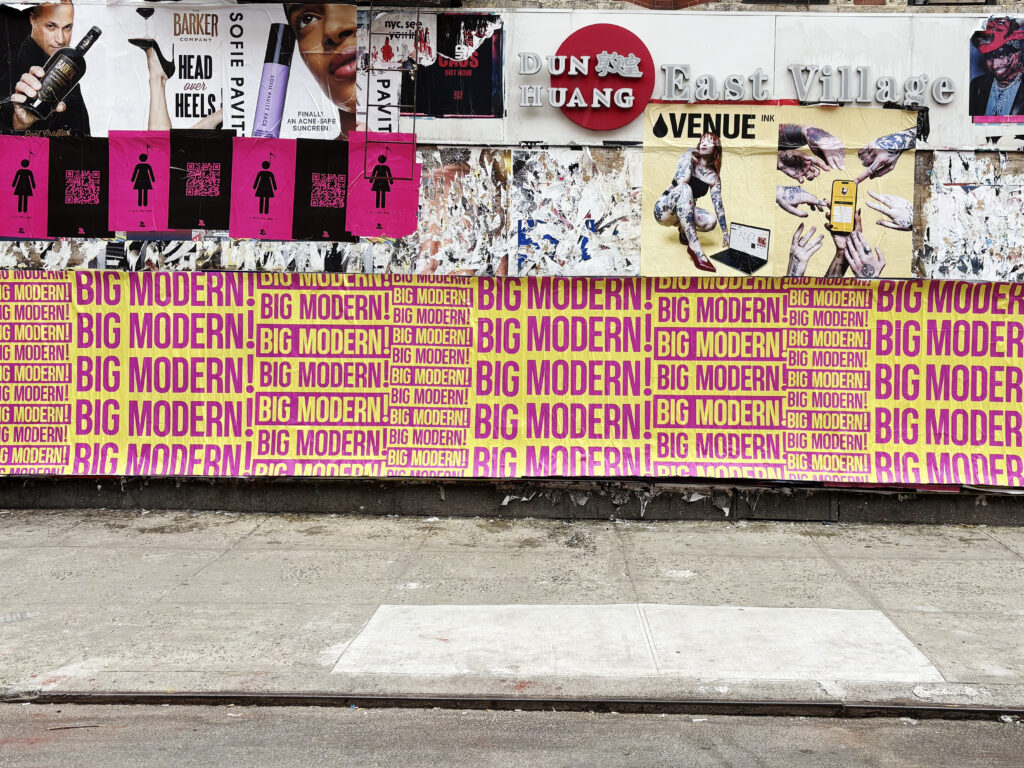
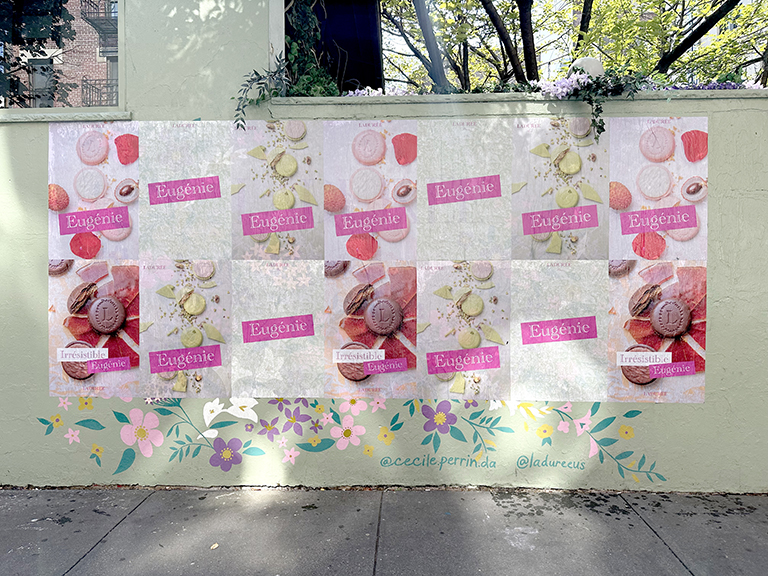
along International Boulevard in the Fruitvale commercial district, on Telegraph Avenue in Temescal and Berkeley, and at the downtown Oakland commercial intersections near Broadway and 14th Street creates street-level brand contact alongside AC Transit’s primary community corridors. Oakland’s street art and visual culture, one of the most vibrant in Northern California, creates an environment where quality street-level advertising achieves genuine community visibility.
at the Fruitvale BART/AC Transit hub, at the downtown Oakland 12th and Broadway hub, and at the Telegraph and Bancroft Berkeley stop create ground-level brand impressions at the East Bay’s highest foot-traffic transit concentration points.
at the Fruitvale community organizations and mercados on International Boulevard, at the Temescal cafes on Telegraph Avenue, and at the Berkeley coffee shops adjacent to the UC campus extend the transit campaign into the East Bay community gathering spaces where AC Transit riders spend time off the bus.
in the Fruitvale arts corridor near 23rd Avenue and International Boulevard, in the Old Oakland warehouse district near 9th and Broadway, and in West Oakland’s arts and music community near Mandela Parkway create large-format impressions for the East Bay’s most visually engaged and most community-aware pedestrian audiences.
Bay Area healthcare systems including Kaiser Permanente, UCSF Benioff Children’s Hospital Oakland, and Highland Hospital use AC Transit for community health outreach and patient acquisition. Bay Area tech companies use AC Transit for recruitment campaigns reaching the East Bay talent pool. UC Berkeley and Cal State East Bay use the system for enrollment and campus programming advertising. The Fruitvale’s community health organizations and the Spanish-language community clinics use International Boulevard routes for healthcare enrollment. Bay Area political campaigns use AC Transit during election cycles for voter outreach in Alameda and Contra Costa Counties. Oakland’s independent restaurant and entertainment community uses interior cards for event promotion. The East Bay Regional Park District and outdoor recreation organizations use transit advertising targeting the Berkeley and Oakland environmental-values community.
AC Transit serves Alameda County communities including Oakland, Berkeley, Emeryville, Albany, San Leandro, Castro Valley, Hayward, Union City, Fremont, Newark, and the unincorporated communities throughout Alameda County. In Contra Costa County, AC Transit serves Richmond, El Cerrito, San Pablo, and the adjacent communities in the western Contra Costa corridor. The transbay routes cross the Bay Bridge to San Francisco’s Transbay Terminal, extending the system’s reach to downtown San Francisco for East Bay commuters.
Yes. Spanish-language creative is accepted on all AC Transit routes, and AGM recommends Spanish-primary or bilingual creative specifically for the International Boulevard routes serving the Fruitvale and East Oakland neighborhoods where Spanish is the dominant household language. The Fruitvale community’s transit dependency and the density of Spanish-speaking households along International Boulevard make Spanish-language AC Transit advertising one of the most direct channels to the East Bay Latino community available in Northern California.
AC Transit’s transbay bus routes cross the Bay Bridge and serve East Bay origin communities where BART access is less convenient, reaching a different geographic slice of the East Bay commuter population than BART stations serve. The transbay bus rider tends to live in neighborhoods between BART stations, making the bus their most convenient cross-bay transit option. BART advertising at BART stations reaches the BART-station-adjacent East Bay community; AC Transit transbay advertising reaches the between-stations community that chose bus over BART for their specific origin location. For Bay Area-wide commuter market reach, both BART and AC Transit advertising serve complementary geographic segments of the East Bay commuter population.
Standard AC Transit interior card and poster campaigns require four to six weeks from final artwork to installation. Premium shelter positions at the downtown Oakland hub and Fruitvale may need six to eight weeks for peak demand periods. Contact AGM at least six weeks before the intended launch date for AC Transit placements.
Yes. AC Transit operates the Oakland Airport Connector shuttle service connecting the Coliseum BART station to Oakland International Airport, providing transit access between the BART network and the airport. While the airport connector is a distinct service from the standard AC Transit bus network, it carries airport travelers and employees in the transit environment connecting the airport to the broader East Bay transit system. For campaigns targeting the Oakland airport travel demographic, the airport connector route provides specific advertising access to travelers at the BART-to-airport connection point.
Yes. West Oakland and the Acorn neighborhood communities north of I-580 are served by AC Transit routes connecting to downtown Oakland and the broader East Bay network. The West Oakland community, one of Oakland’s historically most transit-dependent African American neighborhoods, uses AC Transit for daily mobility in a community with lower vehicle ownership rates than the broader Alameda County average. Interior advertising on West Oakland routes reaches this community in the transit environment that is a primary daily media touchpoint for West Oakland’s working-class households.
The tech sector’s concentration in Emeryville, Berkeley, and central Oakland has increased the number of choice transit riders on AC Transit’s northern Oakland and San Pablo Avenue routes, adding a higher-income professional demographic to routes that have historically served primarily working-class and transit-dependent communities. This demographic layering makes AC Transit advertising on the northern Oakland corridors particularly efficient for brands that want to reach both the tech professional and the working-class community in the same corridor placement. For brands targeting the East Bay professional demographic, the AC Transit routes through Emeryville, Temescal, and North Oakland reach this demographic in an environment where tech-adjacent advertising is less saturated than the SF-centric tech advertising market.
Yes. AGM places advertising on both AC Transit and BART as part of comprehensive Bay Area transit campaigns. BART station and vehicle advertising reaches the BART station-adjacent East Bay, South Bay, and Peninsula communities, while AC Transit covers the East Bay bus network including the transbay service and the communities between BART stations. A combined BART and AC Transit campaign through AGM provides comprehensive Bay Area transit coverage across both rail and bus modes, managed through a single engagement with coordinated creative, production, and reporting.
AGM provides photographic installation documentation for all AC Transit placements, including interior card and poster installation photos, shelter panel photos, and exterior vehicle documentation for wraps. Post-campaign reporting includes all documentation photographs, placement location records, and estimated impression counts using available AC Transit ridership data for the campaign period.
Yes. Multiple AC Transit routes serve the UC Berkeley campus area, stopping at the Bancroft and Telegraph intersection (the south campus entrance), the University Avenue approach to the campus on the west, and the Hearst Avenue corridor along the north side of campus. UC Berkeley’s campus is not served by campus-specific internal shuttles in the same way as many universities; instead, AC Transit routes provide the primary transit access for students, faculty, and staff approaching campus from the surrounding Berkeley residential and commercial neighborhoods. For brands targeting the UC Berkeley community, the Telegraph Avenue and University Avenue AC Transit routes are the primary campus-approach transit advertising channels.