American Guerrilla Marketing
Nationwide serivce
Media planning, media buying, billboard advertising, & guerrilla marketing
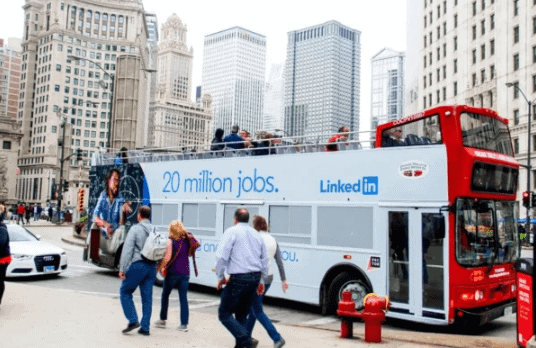
Frankfort Transit serves Kentucky’s state capital — state government workers on the Capitol campus, Kentucky State University students on Lawrenceburg Road, and the professional residents of Franklin County travel the city’s corridors daily.
Frankfort is a city defined by its role as state capital. The Capitol complex, Finance Cabinet, Transportation Cabinet, and dozens of agency offices concentrate thousands of professional government workers in a compact geography whose commuting patterns drive the Frankfort Transit ridership. Kentucky State University’s historic HBCU campus on Lawrenceburg Road adds a student community. The downtown on St. Clair Street anchors the city’s dining and retail economy.
AGM handles transit media buying, guerrilla execution, and street-level campaign coordination across Frankfort and the Frankfort Transit service area. Interior placements, exterior wraps, shelter panels, bench ads, snipes, stencils, and wheatpaste. One call, full coverage.
State government employment concentrates thousands of white-collar workers with stable income, comprehensive benefits, and predictable 8-to-4:30 commuting patterns at the Capitol campus and surrounding agency offices. This is a premium consumer demographic for financial planning, insurance, professional services, and healthcare brands — the same audience profile that makes state capital transit markets uniquely valuable nationwide.
Kentucky State University is one of two HBCU campuses in Kentucky, with a student body reflecting the institution’s historic mission serving Black and first-generation college students from across the state. The KSU campus route delivers a demographic that is both underserved by conventional advertising and highly engaged with brands that demonstrate community investment and cultural relevance.
Downtown Frankfort on St. Clair Street anchors the city’s lunchtime and after-work social economy. Legislative session periods bring elevated transit traffic from legislators, lobbyists, advocates, and media covering the General Assembly, creating a temporary audience expansion that reaches Kentucky’s political and professional influencer class.
Every bus in the Frankfort Transit fleet is a moving advertising platform. Interior formats reach riders from the moment they board to the moment they step off — and exterior formats turn the bus into a street-level billboard on every corridor it travels. The nine formats below cover every advertising position on the vehicle, from the overhead valance to the rear tailgate.
Understanding which format serves your specific campaign objective is the first step in building an effective Frankfort Transit transit advertising buy. AGM’s media planning process matches your audience, budget, and creative to the right combination of formats and routes. A full wrap maximizes impressions on the highest-traffic routes. Interior cards build frequency among regular riders on commuter-pattern routes. Seat-back QR codes convert casual riders into digital leads on university and young-professional routes.
The Capitol Avenue and Holmes Street routes serve the heart of Kentucky’s state government campus — the Capitol Annex, Finance and Administration Cabinet, Transportation Cabinet, and the cluster of agency offices between the Capitol dome and the river. State workers travel on schedules precisely tied to the 8-to-4:30 government workday.
Interior advertising on Capitol campus routes reaches a highly educated, professionally employed audience daily. Four-week campaigns on this route deliver daily impressions to a premium segment for financial planning products, retirement services, home insurance, legal services, and healthcare brands.
Capitol campus
Capitol Avenue
State government workers
Holmes Street corridors
The downtown Frankfort route on St. Clair Street and Broadway serves the restaurant and retail corridor that is the city’s primary lunchtime and after-work social environment. State workers, KSU students, and Franklin County residents use this route throughout the commercial day.
St. Clair Street peaks between 11:30 AM and 1:30 PM on weekdays during the state worker lunch window — professional adults with spending power, in leisure mode, on a brief break. This is among the highest-value midday transit audiences in Kentucky’s mid-sized cities.
St. Clair Street
Broadway
Downtown Frankfort
Lunch and after-work peak
The KSU campus route on Lawrenceburg Road connects the university’s hilltop campus to downtown Frankfort, serving students, faculty, and staff on the 10-to-15-minute campus-to-downtown corridor.
Interior advertising on the KSU route reaches a first-generation student audience building brand loyalties in an independent-adult context. Financial products for new students, food and dining brands, and mental health and wellness services find this route delivers the most receptive student audience in the Frankfort market.
Kentucky State University
Lawrenceburg Road
HBCU student audience
Campus-to-downtown
What it is: Complete exterior vehicle coverage — sides, rear, and front — turning the entire bus into a branded rolling billboard.
Best for: Brand launches, major campaigns, product introductions requiring maximum market impact.
Why buy it: A full wrap makes every mile the bus travels a branded impression. Routes that repeat daily give the same commuters and pedestrians dozens of exposures per week.
What it is: A 30 by 144 inch printed panel on the streetside of the bus — the primary exterior visibility zone.
Best for: Local retail, healthcare, financial services, and any advertiser needing consistent route-corridor impressions.
Why buy it: The king poster is transit advertising’s proven format. Strong creative cuts through for both vehicle traffic paralleling the bus and pedestrians at stops.
What it is: Approximately 30 by 88 inch panel on the curbside of the bus, facing the sidewalk and crosswalk audience.
Best for: Pedestrian-heavy corridors, retail districts, campus and downtown routes where foot traffic is high.
Why buy it: Curbside placement faces directly toward sidewalk pedestrians at intersections and stops. Retailers within walking distance of the route see direct foot traffic conversion.
What it is: A long horizontal card in the overhead valance running the length of the bus interior, in continuous sightline of seated passengers.
Best for: Long-copy campaigns, healthcare and insurance offers, anything benefiting from extended read time.
Why buy it: Interior riders have nowhere to look but forward. The headliner stays in their sightline for the full ride duration.
What it is: A rear-panel display visible to vehicles following behind the bus, typically 21 by 72 inches on the tailgate.
Best for: QSRs, automotive services, and any brand targeting commuters in traffic behind the bus.
Why buy it: Every vehicle stuck behind a bus at a red light reads the tail display. In congested corridors, a single bus generates dozens of forced-exposure impressions per mile.
What it is: An 11 by 28 inch framed card in the interior card rack above the windows, at eye level for standing passengers.
Best for: Promotional offers, event announcements, healthcare services, and community information.
Why buy it: Interior cards are read at close range by a captive audience for the full ride. Commuters on the same route see the card every trip, delivering the message repetition that response campaigns need.
What it is: A smaller card (approximately 6 by 9 inches) affixed to the back of bus seats, at reading distance for the rider behind.
Best for: QR code campaigns, app download offers, event listings — anything benefiting from close-proximity engagement.
Why buy it: Seat-back placement puts your message at reading distance with a QR code or URL that a seated rider can engage with on their phone.
What it is: A card mounted flush to the ceiling directly above the aisle, in the sightline of standing passengers during peak loads.
Best for: Short, bold messages — five words or fewer. Brand awareness, event dates, offer callouts.
Why buy it: Standing passengers during peak periods are a compressed, captive audience. Overhead cards reach the highest-density load moments of the day.
What it is: Full-window perforated vinyl applied to exterior glass — opaque from outside, see-through from inside.
Best for: Image-forward creative that benefits from large format and unusual texture. Fashion, entertainment, consumer lifestyle brands.
Why buy it: Window vinyls occupy a surface most advertisers ignore. On a moving bus, a full window treatment creates a visual break that catches pedestrians’ eyes at every stop.
Shelter advertising puts your brand at the exact moment a potential customer is stationary, waiting, and with nothing else demanding their attention. Frankfort Transit shelter placements are available at the system’s highest-traffic stops across Frankfort. Unlike the moving bus formats, shelter advertising is fixed in one location — which means your message reaches every rider who boards at that stop, every pedestrian who passes, and every vehicle driver who passes the stop face on the street.
Shelter placement selection is about identifying the stops where your target audience concentrates. The stop outside a hospital entrance serves a healthcare audience. The stop at a university gate serves students. The stop at a downtown commercial block serves professionals and shoppers. AGM identifies the right Frankfort Transit shelter inventory for your specific campaign objective and coordinates placement across all shelter format types.
The Capitol Annex stop is Frankfort Transit’s premium professional shelter. Every state worker commuting to the Annex passes daily. During Legislative session, the stop additionally serves legislators, lobbyists, media, and advocates, temporarily expanding the audience to include Kentucky’s political influencer class.
Capitol Annex
Capitol Avenue
State government workers
Legislative session expansion
The St. Clair Street downtown stop peaks at lunchtime when state workers arrive from the Capitol campus. The professional consumer audience at lunch — in leisure mode, with spending power — is among the highest-value midday transit stop audiences in Kentucky’s mid-sized cities.
St. Clair Street downtown
Lunch-hour peak
Professional consumer
Frankfort historic district
What it is: An illuminated full-panel display inside the shelter, facing the sidewalk. Runs 24 hours.
Best for: Retail, entertainment, healthcare — any advertiser where after-dark visibility matters.
Why buy it: Backlit shelter panels are the premium placement in street-level transit. At pedestrian eye level, illuminated at peak foot traffic hours, they function as mini-billboards anchored to the exact block where your consumer waits.
What it is: A non-illuminated printed panel on the exterior face of the shelter, readable from the sidewalk and street.
Best for: Local advertisers, event promotions, nonprofit campaigns where street-level presence outweighs after-dark need.
Why buy it: Exterior panels face vehicle traffic — drivers passing the shelter see this panel from the street, extending reach beyond the pedestrian waiting at the stop.
What it is: A printed panel on the transit bench back or seat-front, at seated eye level for the waiting rider.
Best for: Hyper-local advertisers whose target customer is literally the person sitting on the bench waiting for the bus.
Why buy it: No format delivers closer physical proximity to the rider than the bench ad. Average wait times of five to twelve minutes mean your message sits directly in front of a stationary reader for a full dwell period.
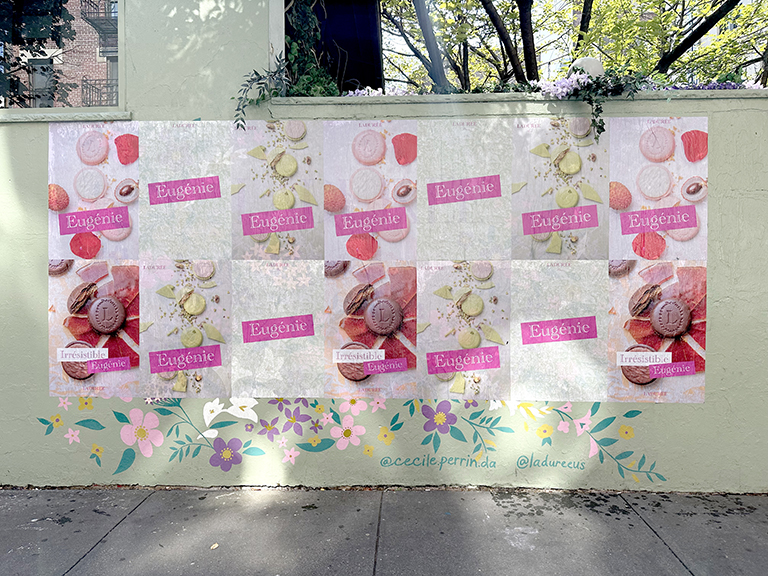
Frankfort’s compact, walkable downtown and the Capitol campus pedestrian corridors create concentrated guerrilla deployment zones. Snipes on signal poles along Capitol Avenue and Holmes Street reach state workers during their morning and afternoon pedestrian commute.
KSU’s campus-adjacent streets along Lawrenceburg Road are viable snipe and stencil zones for student-targeting brands. The residential blocks students walk between campus and downtown are natural take-one deployment points.
The connection between bus advertising and guerrilla marketing is straightforward: the bus brings your audience to the stop, and guerrilla elements are waiting for them when they arrive. A rider who has seen your interior card during a 20-minute commute and then encounters a sidewalk stencil of the same brand at their exit stop is experiencing a multi-touchpoint sequence that builds recall far faster than either format alone.
Financial services brands targeting state workers, KSU student brands, Buffalo Trace and Frankfort tourism hospitality businesses, professional services firms with downtown Frankfort addresses, and healthcare providers with Capitol-area practices are the primary Frankfort Transit advertisers.
The decision to advertise on Frankfort Transit is not about reaching the largest possible audience — it is about reaching the right audience at the right place and time, with a format that cannot be skipped, blocked, or scrolled past. Transit advertising reaches a captive audience in motion, in a physical environment that demands presence in a way that digital advertising never can. For the brands whose customers ride Frankfort Transit every day, that captive audience is the most efficient available media buy in the Frankfort market.
Good transit media planning on Frankfort Transit starts with honest route behavior instead of generic circulation claims. AGM looks at where riders actually board, what they are doing before they get on, what they are doing after they get off, and whether the ad unit has enough repeat exposure to earn recall. In practical terms, that means separating commuter corridors from errand routes, transfer hubs from one-seat rides, and weekday patterns from weekend traffic. A message for appointment-based healthcare demand needs a different placement logic than a campaign for a restaurant launch, a public notice, or a college recruitment push. Frankfort Transit works best when the buy reflects those differences at the route level instead of flattening the whole system into one audience bucket.
That route-first approach also helps with creative discipline. Some campaigns need a blunt headline with a phone number large enough to catch from three rows back. Some need a QR code that only makes sense in a seated interior environment. Some need a shelter panel beside a transfer point because the stop itself creates the dwell time that the message requires. On Frankfort Transit, the smartest plan is rarely the flashiest one. It is usually the one that respects how people move through Frankfort, the Capitol complex, Wilkinson Boulevard, and state worker circulation and pairs the right message with the right pause in their day.
We also pay attention to the surrounding street life, because transit ads do not exist in isolation. A bus running the same arterial every day becomes part of that corridor’s visual rhythm. Riders see the ad inside the coach, pedestrians catch the king panel on approach, and drivers sit behind the tail when traffic stacks at a light. That layered exposure is the real value of transit media. It is why a well-placed campaign on Frankfort Transit can outperform louder media categories that seem bigger on paper but disappear from memory five seconds after the impression lands.
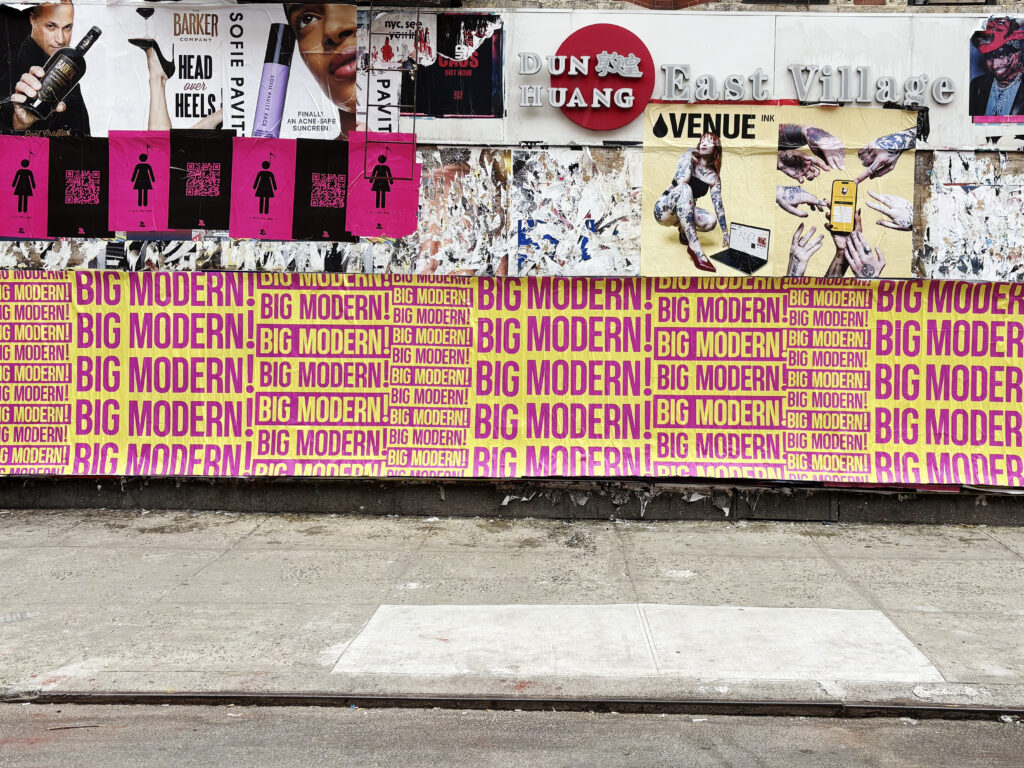
Transit media gets stronger when it is treated as the anchor instead of the whole plan. If a client wants to own a corridor for a few weeks, AGM can pair Frankfort Transit placements with street-level support around the same transfer points, campus edges, downtown blocks, or retail approaches that riders already use. That might mean legal wheatpaste near nightlife foot traffic, flyer boxes near commuter stops, or stencil and snipe support on the pedestrian path between the stop and the destination. The point is not to create clutter. The point is to make the transit impression feel familiar when the same person sees the brand again ten minutes later on foot.
This is especially useful for shorter campaigns that need to build memory fast. A four-week transit run can do a lot, but a four-week transit run with matching guerrilla support around the heaviest boarding zones usually feels bigger than the budget behind it. That matters in markets where people notice repetition quickly and talk about new brands through local routines, whether that is a downtown lunch crowd, a student loop, a hospital shift change, or a county service run. Frankfort Transit gives you the repetition. Guerrilla support turns that repetition into presence.
Execution matters just as much as the idea. We schedule installs so that transit and street-level elements launch together, we keep the visual language consistent across formats, and we make sure the CTA fits the environment. A rider at a shelter can handle a little more information than a driver passing a wrapped bus. A seated passenger has time for a QR scan. A pedestrian leaving a transfer center might respond better to a simple directional prompt. When those details are handled well, Frankfort Transit stops being a line item on a media plan and starts acting like a real local campaign.
A lot of advertisers assume the biggest route is automatically the best route. That is only true when the audience mix matches the goal. A higher-ridership line filled with short errand trips may be less valuable than a slightly smaller line with longer dwell time, cleaner repetition, and a tighter fit with the brand. On this system, we look at who is riding, how often they repeat, what transfer behavior looks like, and whether the surrounding corridor gives the campaign extra visibility beyond the bus itself. That level of planning keeps money from leaking into inventory that looks impressive on a spreadsheet but does not create useful recall in the street.
We also watch the difference between image campaigns and response campaigns. If the objective is broad local familiarity, larger exterior units and major shelters do the heavy lifting. If the objective is appointment setting, recruitment, event turnout, or app downloads, interior units often carry more weight because the rider has the time to read, remember, and act. The best campaigns on this system usually mix those two functions instead of forcing one format to do everything.
That discipline is where AGM earns its keep. We are not just sourcing inventory. We are helping decide what deserves premium placement, what should stay simple, and what should be supported by guerrilla touches nearby so the campaign feels bigger without wasting spend. In a market where people notice the same corridors every day, those choices compound quickly.
Frankfort is small enough that people notice repetition fast. When the same message appears on a bus, at a shelter, and near a government or service corridor, it starts to feel like part of the city conversation. That is useful for public-facing campaigns, recruitment pushes, and local service brands that need credibility as much as visibility.
Frankfort Transit inventory includes exterior king and queen poster panels, full bus wraps, interior headliner cards, seat-back cards, overhead cards, window vinyl, tail displays, and shelter advertising at key stops. AGM handles media buying across all formats.
Rates vary by format, duration, and placement. AGM provides a full rate card and placement recommendation based on your campaign budget and target audience. Contact us for current availability and pricing.
Frankfort Transit serves Frankfort’s working population, including state government professional workers on stable government incomes and Kentucky State University students and Franklin County residents. The system connects residential neighborhoods to major employers including Kentucky state government agencies and Kentucky State University.
Typical campaigns run four to twelve weeks for interior and exterior formats. Shelter advertising contracts run one to six months. Longer placements are available at favorable rates.
Yes. Route-specific buying lets you concentrate on the Capitol campus corridor on Capitol Avenue and Holmes Street or the downtown St. Clair Street route. AGM recommends a placement mix aligned with your campaign objective.
Frankfort Transit serves thousands of riders per week, with peak ridership in morning and afternoon commute windows. Route-specific ridership data is available during media planning.
Yes. AGM deploys snipes, sidewalk stencils, take-one boxes, and wheatpaste campaigns in Frankfort alongside transit advertising buys.
Healthcare performs strongly on Frankfort Transit because the system serves the residential and employment corridors of Frankfort’s healthcare workforce and patients.
Specifications vary by format. AGM provides a complete creative spec sheet at campaign initiation.
Contact AGM through americanguerrillamarketing.com/contact-us. We assess your campaign objective, recommend format and route mix, and manage the full media buy from contract through installation.