American Guerrilla Marketing
Nationwide Service
Media planning, media buying, billboard advertising, & guerrilla marketing
Houston is the largest city in Texas and the fourth largest in the United States, a sprawling metropolitan area that contains some of the most commercially active pedestrian corridors in the South. While Houston’s car-centric layout is often cited as a limitation for street-level marketing, the city’s dense inner-loop neighborhoods, its world-class museum and medical districts, and its thriving restaurant and nightlife scene create consistent foot traffic zones where sidewalk stencil campaigns achieve exceptional results.
The Montrose neighborhood is Houston’s most walkable commercial zone, a tight grid of restaurants, bars, boutiques, and coffee shops along Westheimer Road and Montrose Boulevard that draws a young, creative, and socially active audience daily. The Museum District, with its concentration of major museums and the adjacent Rice University campus, generates consistent foot traffic from cultural visitors, students, and the medical professionals of the nearby Texas Medical Center. The Washington Avenue corridor handles evening and weekend volumes that rival any entertainment district in the city.
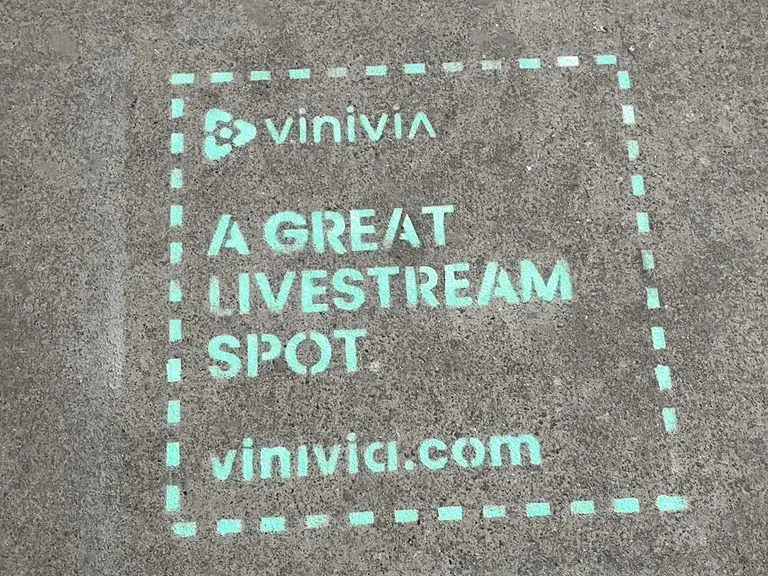
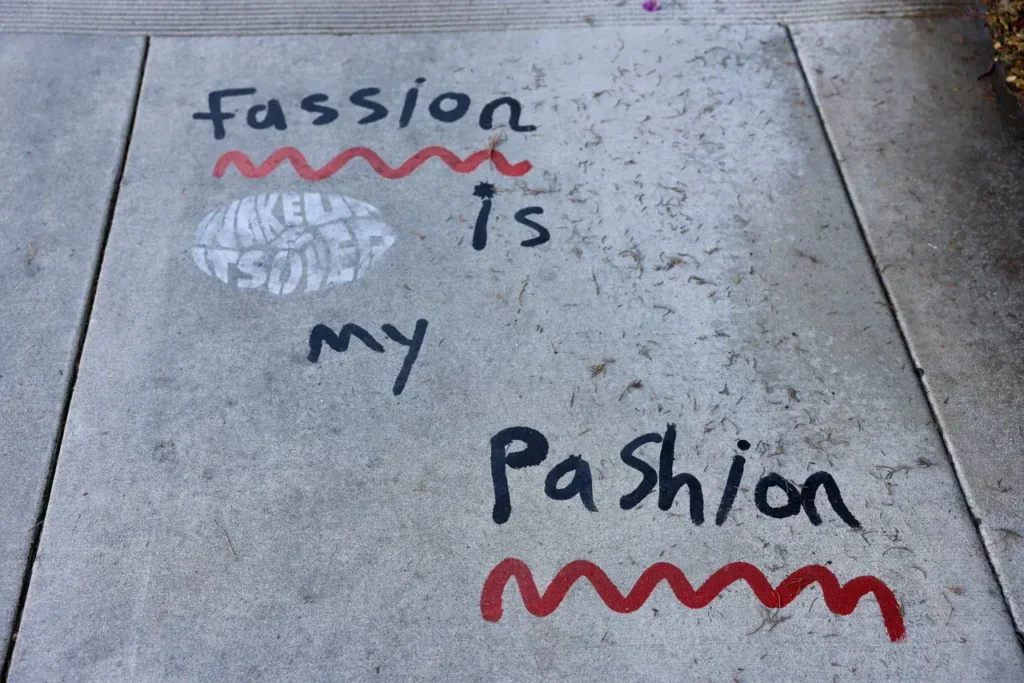
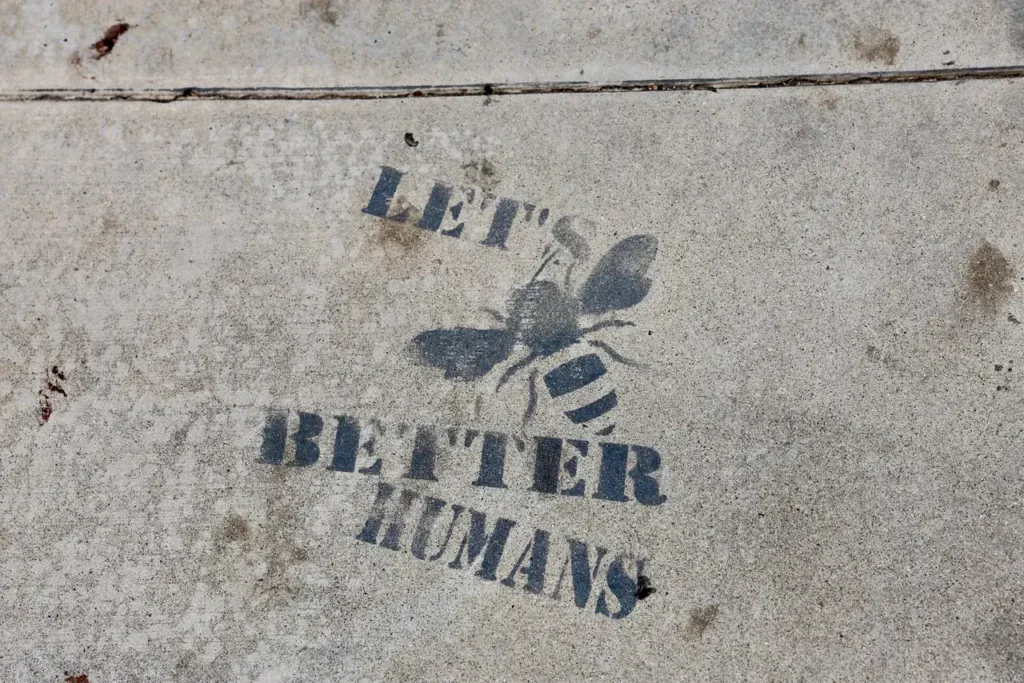
American Guerrilla Marketing brings both chalk-based and vinyl sidewalk decal capabilities to Houston campaigns, with the operational knowledge to identify and access the city’s highest-value pedestrian zones. Houston’s scale requires strategic zone selection rather than saturation, and AGM’s experience in the city ensures that every campaign dollar is directed at the streets and sidewalks where the target audience is actually walking.
Select a city to explore Sidewalk Stencil Advertising opportunities.
Houston’s inner loop contains a series of walkable neighborhood commercial districts that each draw distinct audiences in high concentrations. Montrose is the anchor of Houston’s pedestrian culture, with Westheimer Road from Montrose Boulevard to Dunlavy Street serving as the main commercial strip for the city’s arts and creative community. This stretch handles consistent daily foot traffic from residents, diners, bar-goers, and shoppers in a zone that is genuinely walkable in a city that otherwise demands a car.
The Museum District around Main Street and Bissonnet handles an unusual mix of cultural visitors, Rice University students, and the enormous population of healthcare and research workers from the Texas Medical Center, which employs over 106,000 people. The sidewalks connecting the Medical Center to the museum complex and the nearby Greenway Plaza office development see consistent professional foot traffic throughout the weekday, while the museums themselves draw weekend visitors in large numbers.
Midtown Houston, the neighborhood along Main Street from Downtown south to Montrose, has developed into one of the city’s most walkable commercial districts, anchored by the MetroRail light rail line that runs up Main Street and the dense concentration of bars, restaurants, and residential buildings that have emerged in its wake. The MetroRail corridor creates a linear pedestrian zone from Downtown through Midtown to the Museum District, and stencil placements along the Main Street sidewalk capture the transit riders who use the rail line daily.
Houston’s subtropical climate presents specific conditions for sidewalk stencil campaigns. The city’s high humidity and frequent summer rain can reduce chalk stencil lifespan, while the heat can accelerate vinyl adhesive performance in warmer months. AGM generally recommends chalk campaigns in Houston for the October through April window when weather is more predictable, and vinyl for year-round activations in key commercial zones where durability matters more than cost.
Houston’s concrete sidewalks in Montrose, Midtown, and the Heights are excellent surfaces for chalk stencils when conditions are right. The flat, smooth concrete of Westheimer Road and the Washington Avenue corridor take chalk impressions cleanly, and the relatively dry winters produce campaign lifespans of seven to ten days. For summer deployments, vinyl is the recommended format for most Houston locations given the heat and storm pattern.
Vinyl sidewalk decals are particularly strong in Houston’s event corridors. The Toyota Center and Minute Maid Park approaches, the George R. Brown Convention Center pedestrian zone, and the Discovery Green park perimeter all handle consistent event-driven foot traffic that justifies vinyl’s longer-run durability. The Galleria area’s internal pedestrian infrastructure is a strong vinyl target for campaigns reaching Houston’s retail shopping demographic.
Award Winning Personalized Service
You will get thoughtful, devoted, and individualized attention from our experienced, qualified, and professional personnel. Being one of the most illustrious agencies in Brooklyn, New York, American Guerrilla Marketing has been awarded the Best of Brooklyn title.
Nationwide
Industry City, Brooklyn, New York 11232
American Guerrilla Marketing
Hours
Mon - Fri: 9 AM - 5 PM
Sat & Sun: Closed
Automate your campaign with AGM’s Request for Proposal Builder. Simply answer a few quick questions about your campaign goals, markets, and timeline, and the system will generate a tailored presentation with recommended strategies, quantities, and pricing. Click the RFP Builder to instantly receive your customized proposal.
Chalk stencil campaigns in Montrose, Midtown, the Heights, and Washington Ave targeting Houston's walkable inner-loop neighborhoods.
Durable vinyl decals for Toyota Center approaches, the Galleria area, and commercial corridors across Greater Houston.
Reverse graffiti campaigns on heavily trafficked sidewalks in Downtown Houston and the commercial corridors of Midtown.
Stencil and decal placement on pedestrian approaches to Toyota Center for Rockets, Aeros, and concert events.
Targeted stencil drops for Houston Livestock Show and Rodeo, Free Press Summer Fest, and the Museum District Day.
Vinyl decal campaigns in the Galleria area, Upper Kirby, and the Heights commercial corridor targeting Houston shoppers.
Stencil campaigns near Rice University, University of Houston, and Texas Southern targeting campus-adjacent foot traffic.
Fast deployment across Houston's core neighborhoods for product launches, event promotions, and brand activations.
Houston stencil campaigns work best when concentrated in the city’s walkable inner-loop neighborhoods rather than spread across its enormous geographic footprint. Montrose is the anchor zone for most consumer and lifestyle brand campaigns, with Westheimer Road and Montrose Boulevard forming the main commercial corridors. The blocks from the Menil Collection museum area east to the Montrose bar district handle consistent daily foot traffic from multiple distinct demographic segments throughout the day and evening.
Washington Avenue between Shepherd Drive and Studemont Street is Houston’s highest-volume bar and entertainment corridor, handling thousands of visitors on Thursday through Saturday nights. The compact strip of bars and restaurants on Washington creates a concentrated foot traffic environment ideal for evening stencil placements. The adjacent Heights neighborhood along 19th Street and 20th Street is a family and young professional zone that sees strong daytime and weekend shopping foot traffic.
Midtown’s Main Street corridor from Bell Street to Wheeler Avenue handles a mix of residential, bar, and transit rider foot traffic that is among the most diverse in Houston’s inner loop. The MetroRail’s Main Street line runs through this zone, generating consistent pedestrian activity around the rail stations at Main and McGowen, Main and Ensemble/HCC, and Main and Wheeler. Discovery Green, the urban park next to the George R. Brown Convention Center, is one of Downtown Houston’s best pedestrian concentration points, drawing lunch crowds, event visitors, and weekend families in large numbers.
| Zone | Location | Peak Traffic Window | Audience Profile | Format | Avg. Daily Impressions |
|---|---|---|---|---|---|
| Westheimer / Montrose | Westheimer Rd, Montrose Blvd to Dunlavy | 10am-10pm daily | Creative, young professional, 25-40 | Chalk | 12,000+ |
| Washington Avenue | Washington Ave, Shepherd to Studemont | 8pm-2am Thu-Sat | Nightlife, 23-38, social | Chalk | 15,000+ (peak nights) |
| Midtown Main Street | Main St, Bell to Wheeler | 7am-9pm daily | Transit rider, professional, resident | Chalk or vinyl | 10,000+ |
| Museum District | Main St & Bissonnet, museum complex | 10am-6pm daily | Cultural visitor, student, professional | Chalk | 8,000+ |
| Heights 19th Street | W 19th St, Yale to Studewood | 10am-7pm weekends | Family, young professional, 28-45 | Chalk | 6,000+ |
| Discovery Green / GRB | Lamar St, between Louisiana and Austin | 11am-7pm daily, event nights | Lunch crowd, event visitor, family | Vinyl | 9,000+ |
A health and wellness brand placed chalk stencils at six positions along Westheimer Road through the Montrose commercial strip to build awareness among the creative and young professional audience that fills the neighborhood’s restaurants and coffee shops daily. The campaign ran for eight days in November, taking advantage of Houston’s mild fall weather for extended chalk durability.
A new beverage brand used chalk stencils at the main entrance points to the Washington Avenue bar corridor on three consecutive weekends to reach the concentrated nightlife audience during Houston’s most active entertainment evenings. The placements targeted the sidewalk sections that handle the highest pedestrian volumes entering and exiting the strip.
A technology company used chalk stencils along the sidewalks connecting the Rice University campus to the Museum District and the Main Street MetroRail station to reach students and young professionals during a hiring campaign. The placement ran for two weeks during the fall semester, hitting both the Rice campus commuter flow and the Museum District visitors.
A sports app placed vinyl decals on the concrete approaches to Toyota Center from the Downtown Houston MetroRail station and from the parking structures on the surrounding blocks for a Rockets playoff run. The decals ran for the duration of the playoff series, handling the heavy event-night foot traffic without deterioration.
A food delivery service used chalk stencils on the Discovery Green park perimeter and the adjacent Downtown Houston sidewalks to target the lunchtime foot traffic from nearby office buildings and convention center visitors. The campaign ran for ten days, including a weekend when the park hosted a public event that significantly increased foot traffic over baseline.
Houston’s event calendar is dominated by a few major anchors that create significant foot traffic spikes across the city. The Houston Livestock Show and Rodeo, which runs for twenty days at NRG Park from late February through March, brings over 2.5 million visitors to Houston over its run, with ripple effects on Downtown and inner-loop foot traffic throughout the event. The Rodeo generates the largest concentrated spike in annual Houston tourism and is a strong window for consumer and food and beverage brand activations.
Houston Astros baseball season from April through October provides consistent Toyota Center and Minute Maid Park event-night foot traffic across six months, with playoff runs significantly amplifying volumes in the Downtown core. The Houston Rockets NBA season runs a similar calendar at Toyota Center. Both venues are within walking distance of Downtown Houston’s bar and restaurant districts, making game nights natural deployment windows for stencil campaigns targeting sports and entertainment audiences.
The fall season from September through November is Houston’s strongest general consumer period, coinciding with cooling temperatures that keep people on sidewalks through the evening and the return of the city’s full social calendar after the brutal summer heat. The annual Free Press Summer Fest music festival and the Museum District Day event are specific activation windows for creative and cultural brands. The Space City Weather pattern also makes fall the most reliable window for chalk stencil durability in Houston.
1. Westheimer Road / Montrose: The most consistently walkable commercial corridor in Houston, Montrose handles daily foot traffic from the city’s arts, creative, and young professional community across a genuine mix of retail, dining, and nightlife. The zone is compact enough to cover comprehensively with a focused stencil campaign while generating meaningful reach.
2. Washington Avenue Bar District: Houston’s highest-volume evening entertainment corridor, Washington Avenue concentrates enormous foot traffic in a short strip on Thursday through Saturday nights. Stencil placements here achieve reach efficiency that is hard to replicate in Houston’s otherwise sprawling geography, reaching a concentrated 23-38 demographic during their social hours.
3. Midtown Main Street / MetroRail Corridor: The light rail corridor along Main Street through Midtown creates a linear pedestrian zone that is unusual in Houston’s car-centric layout. The rail stations at regular intervals concentrate pedestrians at predictable points, and the surrounding restaurant and bar scene adds evening foot traffic on top of the commuter base.
4. Museum District: The cluster of museums along Main Street and Hermann Drive handles cultural tourism, Rice University student traffic, and medical center professional traffic in a zone that is walkable and visually engaged. Weekend museum traffic is particularly strong for consumer brands with a cultural or educational positioning.
5. Heights 19th Street: The 19th Street commercial corridor in the Heights neighborhood is one of Houston’s strongest zones for reaching the young family and older millennial demographic. The mix of boutique retail, coffee shops, and restaurants along 19th Street draws consistent weekend foot traffic from the Heights residential community and surrounding areas.
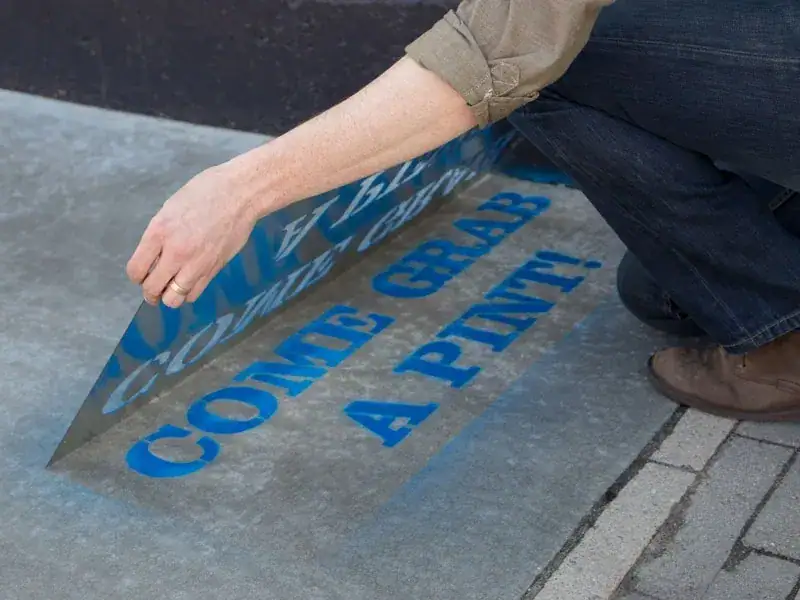
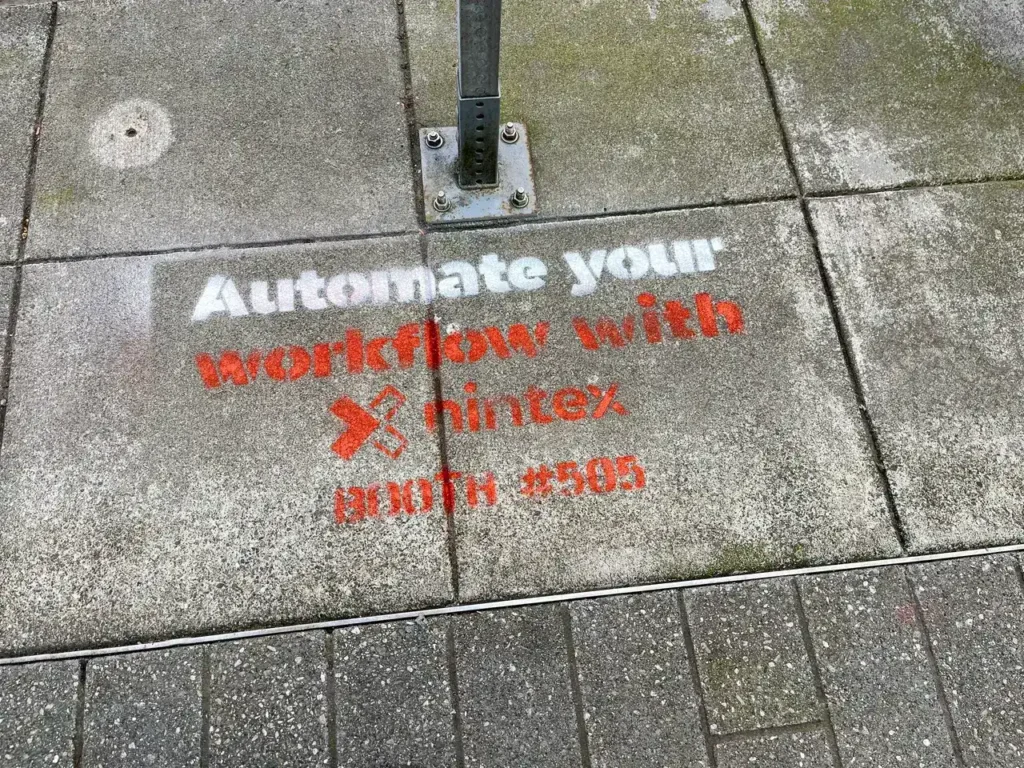
Chalk Stencils: Houston’s climate requires careful timing for chalk stencil campaigns. The October through April window offers the best combination of mild temperatures, lower humidity, and reduced precipitation that extends chalk stencil lifespan in the city. During this period, campaigns on Houston’s smooth inner-loop concrete sidewalks can last seven to ten days. AGM uses water-based chalk paint engineered to hold on humid concrete surfaces, which improves durability compared to standard chalk formulations in Houston’s environment.
Vinyl Sidewalk Decals: Vinyl is the recommended format for Houston summer campaigns and for activations near event venues where campaign duration exceeds two weeks. The Toyota Center and Minute Maid Park approaches, the Galleria’s internal pedestrian zone, and the George R. Brown Convention Center sidewalks are all strong vinyl candidates. AGM uses UV-resistant vinyl materials that handle Houston’s intense heat and sun exposure better than standard outdoor vinyl.
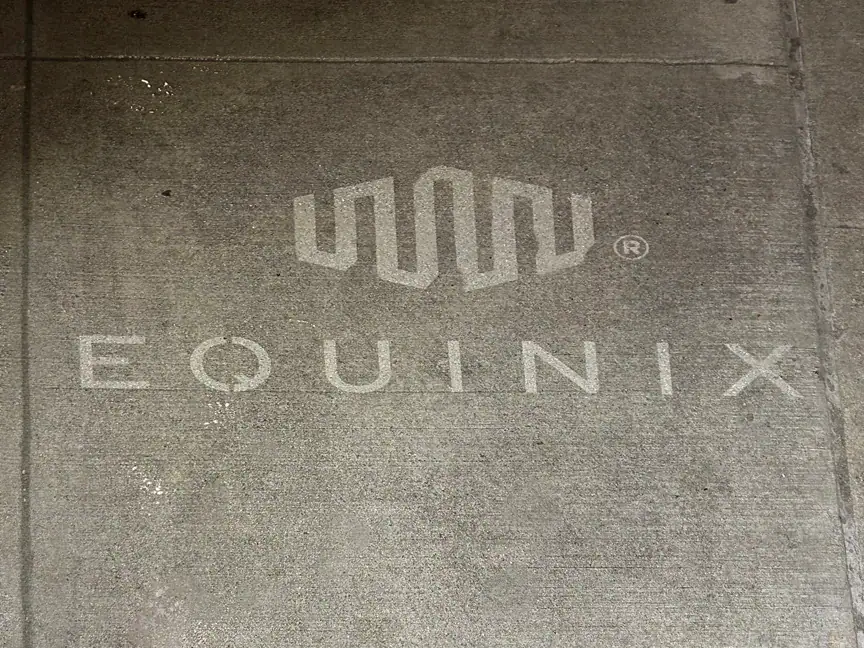
Reverse Graffiti / Clean Stencils: Downtown Houston’s most heavily trafficked sidewalks, particularly the approaches to major office towers along Louisiana Street, Travis Street, and the Theater District on Texas Avenue, accumulate significant grime from vehicle exhaust and weather that creates excellent conditions for reverse graffiti campaigns. This format is particularly effective for professional and corporate campaigns targeting the Downtown office worker demographic.
Houston’s scale and car-centric geography make zone selection the most critical decision in any sidewalk stencil campaign in the city. Spreading placements across too wide an area in Houston risks diluting reach to a level where the campaign achieves nothing in any single zone. AGM’s approach to Houston is to identify the two or three zones that most precisely match the campaign’s target demographic and concentrate the placement budget there for maximum impact.
AGM has operational experience in all of Houston’s major walkable zones, from the Montrose and Heights neighborhoods to Midtown, Downtown, and the Medical Center. The team understands the specific streets within each zone that carry the highest foot traffic, the timing patterns that differ between weekday and weekend in each neighborhood, and the surface conditions that determine format selection for each specific placement.
For Houston campaigns tied to the Rodeo, Astros season, or other major events, AGM coordinates deployment timing to capture the event-driven foot traffic peaks, often running chalk campaigns that align with event weeks and vinyl for longer-run venue approach activations. Every Houston campaign includes full documentation and post-campaign reporting, and Houston can be coordinated as part of a larger multi-city Texas or national activation.
The City of Houston Public Works department regulates commercial use of public sidewalks. Chalk stencils rarely require permits when removed within 14 days. Vinyl decals require a Street Use permit from Houston Public Works. Private property placements on Montrose retail corridors, Midtown bar district approaches, and the Galleria area require only property owner approval. AGM handles all permit coordination for Houston campaigns.
With approved artwork, AGM can deploy chalk stencils in Houston within 48 to 72 hours. Vinyl decals require 5 to 7 business days from artwork approval. For Houston Rodeo activations, Space City Music Festival, or major Texans and Astros playoff runs, AGM recommends starting at least 10 business days in advance.
In order of daily pedestrian density: Houston Galleria on Post Oak Blvd on weekends (25,000 to 40,000), Downtown Houston on Main Street weekdays (15,000 to 25,000), Midtown on Westheimer evenings (10,000 to 20,000), Montrose on West Alabama (8,000 to 15,000 daily), and EaDo near BBVA Stadium on event days (8,000 to 18,000).
Downtown Houston and Midtown smooth poured concrete sidewalks provide the best surface for chalk and vinyl. Montrose older concrete and brick surfaces work well for reverse graffiti. Houston subtropical climate with frequent summer rain makes vinyl the stronger choice for multi-week campaigns. AGM uses moisture-barrier adhesive systems for all Houston vinyl deployments.
Yes. The Houston Livestock Show and Rodeo at NRG Park draws 2.5 million attendees over 20 days, creating exceptional stencil windows on Kirby Drive and NRG approaches. Astros playoff runs concentrate foot traffic along Crawford Street near Minute Maid Park. Houston Pride Festival on Westheimer is another high-value single-day activation window.
Yes. AGM covers the full Houston metro including the Galleria, River Oaks, Midtown, Montrose, Heights, EaDo, the Medical Center, Memorial City, and Sugar Land. Campus deployments at Rice University on University Blvd and University of Houston on Cullen Blvd are regularly executed. AGM can coordinate simultaneous multi-district deployments across the full Houston market.