American Guerrilla Marketing
Nationwide Service
Media planning, media buying, billboard advertising, & guerrilla marketing
Sidewalk Stencil Advertising in Cincinnati, Ohio
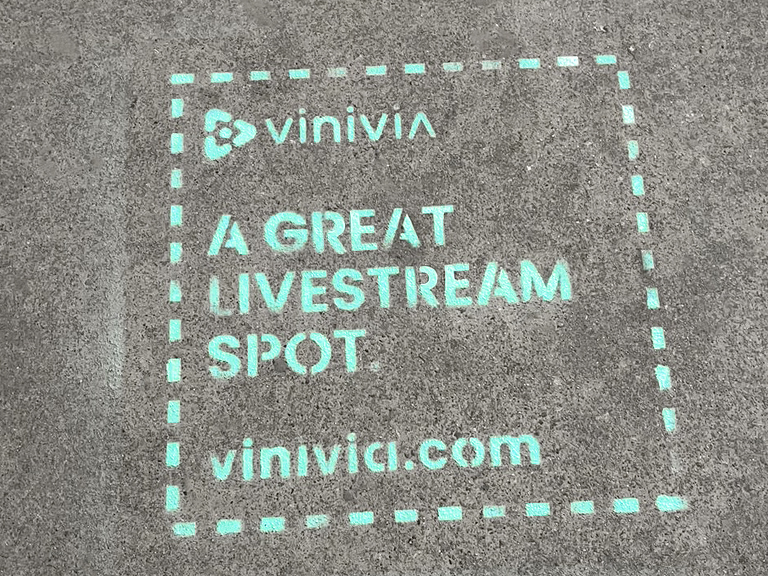
Turn Cincinnati’s most-walked corridors into high-visibility brand touchpoints. From the Over-the-Rhine brewery district on Vine Street to the riverfront walkway below Great American Ball Park, Sidewalk Stencils™ by AGM put your message exactly where pedestrians look — underfoot, unavoidable, and impossible to scroll past.
Cincinnati occupies a unique position in the American Midwest — a city with one of the country’s most intact 19th-century urban neighborhoods, a nationally recognized food and beverage scene, and a river-facing downtown that has undergone one of the most celebrated urban revitalizations in the region. Over-the-Rhine alone has been called the best neighborhood in America by multiple national publications. That combination of architectural character, walkable density, and cultural credibility makes Cincinnati one of the most compelling markets in Ohio for street-level advertising.
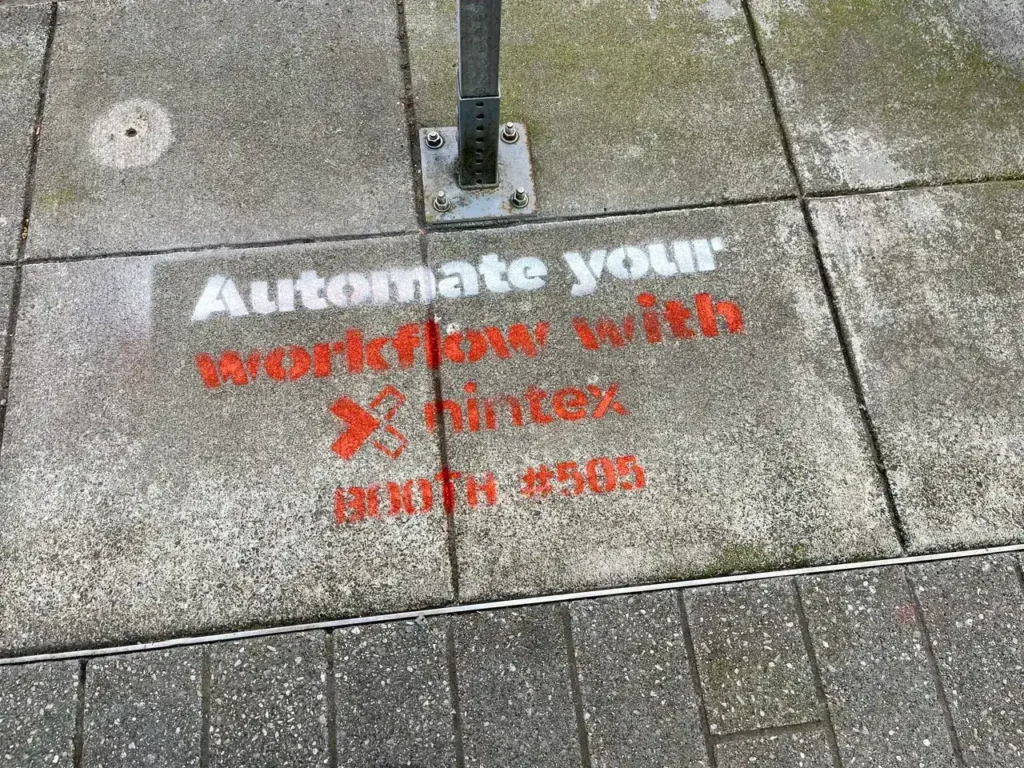
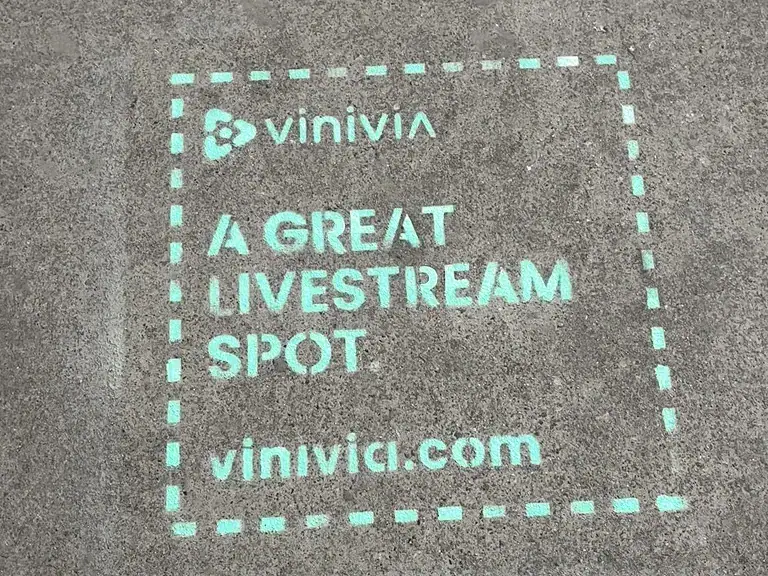
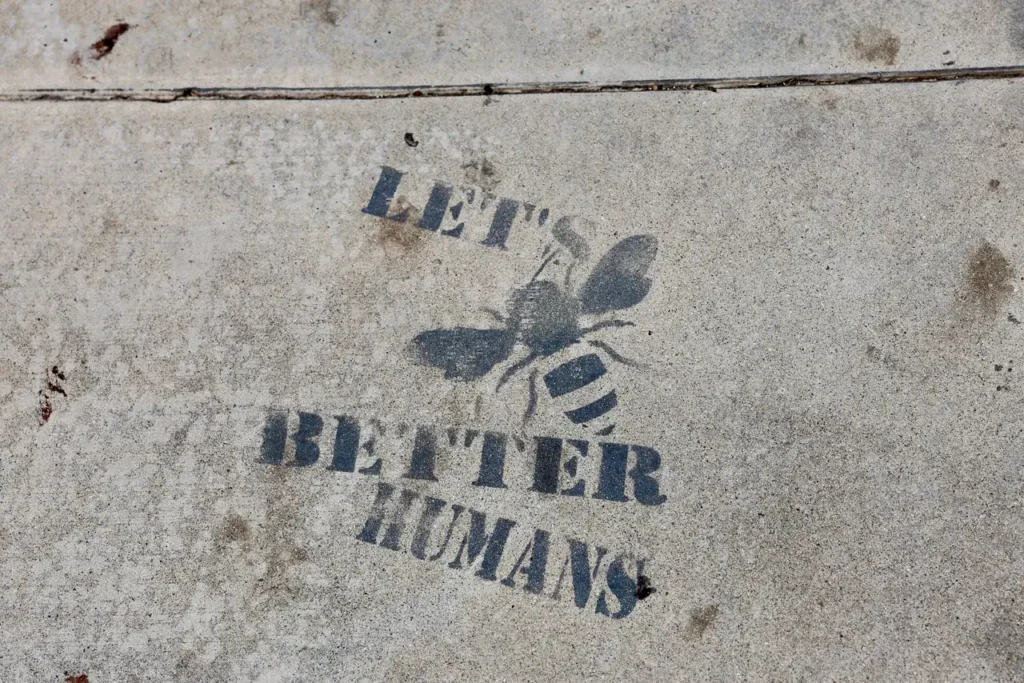
A Sidewalk Stencil™ is a brand impression applied directly to the pavement — the sidewalk, plaza, crosswalk, or any high-foot-traffic surface. Unlike a billboard that commands eyes upward, a stencil intercepts attention naturally. It occupies the same visual field as the street itself. Pedestrians encounter it without anticipating it, producing the kind of genuine, unguarded moment of brand engagement that most digital and traditional formats can no longer reliably deliver.
American Guerrilla Marketing has executed Sidewalk Stencil™ campaigns across the country for brands including Nike, Wrangler, and EA Sports. The process is precise: we scout your preferred Cincinnati locations, identify surfaces with the right foot traffic and texture, determine the appropriate stencil method, and deploy on schedule. Every campaign is documented with photos and GPS-tagged placement reports so your team can verify coverage without leaving the office.
Cincinnati’s walkable zones are unusually varied for a city its size. Over-the-Rhine delivers one of the densest pedestrian corridors in the Midwest. Mt. Adams offers a compact hilltop village with evening foot traffic that rivals much larger cities. Hyde Park Square draws an affluent suburban-rooted population into a neighborhood commercial district. The Banks riverfront development and the adjacent stadium corridors concentrate sports and entertainment audiences into predictable pedestrian flows. Together these zones give a Cincinnati stencil campaign access to more distinct demographic pockets within a single metro area than most comparable markets offer.
Whether you are a Cincinnati brand launching a new product, a national company entering the Ohio market, or an event promoter building awareness for a show at Music Hall or a game at Great American Ball Park or Paycor Stadium, Sidewalk Stencils™ give you a format this city cannot ignore. The pavement is the medium. Cincinnati’s foot traffic is the audience. We connect the two.
Ready to Own Cincinnati's Sidewalks?
From Over-the-Rhine's Vine Street to The Banks riverfront, AGM puts your brand exactly where Cincinnati walks. Let's build your campaign.
Browse Cities in Ohio
Select a city to explore Sidewalk Stencil Advertising opportunities.
Why Cincinnati Is Built For Sidewalk Stencil Campaigns
Few Ohio cities pack as much walkable character into as many distinct commercial zones as Cincinnati does. OTR, Mt. Adams, Hyde Park, Northside, and the Banks each represent a concentrated corridor of on-foot consumers — sharply different in demographic profile, commercial character, and foot traffic rhythm, but each reachable by stencil within a single integrated campaign.
Over-the-Rhine — Vine Street & 12th to 14th Streets
Over-the-Rhine is the crown jewel of Cincinnati’s urban revival and one of the most photographed and visited neighborhoods in the Midwest. The Vine Street corridor between 12th and 14th Streets concentrates the neighborhood’s brewery scene, acclaimed restaurants, live music venues, and independent retail into a walkable stretch that draws enormous weekend foot traffic from across the Cincinnati metro and beyond. The Cincinnati Music Festival, BLINK Cincinnati, and the Over-the-Rhine Chamber’s seasonal events regularly fill these blocks with tens of thousands of visitors. Stencils placed along Vine Street, at the Race Street cross-corridor, and near the gateway intersections at Central Parkway and Liberty Street intercept visitors at every approach point to one of America’s most celebrated urban commercial districts.
Mt. Adams — Celestial Street & Hill Street
Mt. Adams is Cincinnati’s most dramatically situated neighborhood — a dense hilltop village above Eden Park that offers sweeping views of the Ohio River and Kentucky hills from its cluster of bars, restaurants, and galleries. The foot traffic here is concentrated on evening and weekend hours, when visitors make the ascent from downtown or the Hyde Park corridor specifically to spend time in this distinctive environment. Celestial Street and Hill Street form the commercial core, and the pedestrian paths connecting Mt. Adams to Eden Park and the Cincinnati Art Museum above generate steady daytime traffic from museum visitors and park-goers. Stencils placed on the main approach paths, near the bar and restaurant cluster on Celestial, and along the Eden Park drive entry intercept an audience that is already in leisure, exploration, and experience-collection mode.
Hyde Park Square — Erie Avenue & Observatory Road
Hyde Park Square is Cincinnati’s most polished neighborhood commercial district — a two-block concentration of upscale restaurants, boutique retailers, wine bars, and coffee shops at the intersection of Erie Avenue and Edwards Road in the city’s east-side residential neighborhoods. The pedestrian traffic here is almost exclusively affluent east-side Cincinnati residents — homeowners with above-average household incomes who walk from their nearby streets to the Square for weekend brunch, weekday coffee, and evening dining. For premium consumer brands, luxury goods, financial services, and home goods companies, Hyde Park Square delivers demographic precision that broader downtown placements cannot match. Stencil surfaces along the Square’s brick-accented sidewalks produce excellent impressions in both chalk and paint formats.
The Banks & Riverfront — Freedom Way & Rosa Parks Street
The Banks is Cincinnati’s riverfront mixed-use development between Great American Ball Park and Paycor Stadium — a purpose-built pedestrian district of restaurants, bars, apartments, and public plazas that is activated by stadium events, the Cincinnati Music Festival, and the summer riverfront concert series throughout the warm months. Freedom Way and Rosa Parks Street form the main pedestrian promenades of The Banks, flanked by restaurant patios and bar entries that compress foot traffic into a predictable channel on event days. On a Reds game night or a Bengals gameday, this corridor sees some of the highest pedestrian density per linear foot of any surface in Cincinnati. Stencils placed along Freedom Way and at the stadium gate approach intersections reach an audience in the highest-energy, most brand-receptive moments of their event experience.
Northside — Hamilton Avenue & Blue Rock Street
Northside is Cincinnati’s most creatively independent neighborhood — a dense commercial strip along Hamilton Avenue that has become home to independent record shops, vintage boutiques, craft bars, galleries, and community venues that draw a young, culturally engaged demographic from across the city. The Northside Rock & Roll Carnival and monthly art events bring concentrated audiences to the neighborhood’s commercial blocks on specific dates, but the Hamilton Avenue strip generates consistent foot traffic throughout the week from neighborhood residents and the city’s creative-class population. For brands seeking cultural authenticity and a credible presence in Cincinnati’s arts and music community, Northside delivers placements that feel like genuine participation in the neighborhood rather than advertising imposed upon it.
Oakley Square — Madison Road & Marburg Avenue
Oakley has emerged as one of Cincinnati’s most sought-after neighborhood dining and entertainment districts, with a cluster of acclaimed restaurants, bars, and fitness studios concentrated around Madison Road and the Oakley Square plaza area. The foot traffic here skews toward 25–45 year old professionals from the surrounding east-side neighborhoods — active, brand-engaged, and spending regularly on dining, fitness, and lifestyle retail. The pedestrian rhythm on Madison Road through Oakley is steady throughout the day and peaks strongly on weekend evenings. Stencils at the key cross-streets — Madison and Marburg, Madison and Oakley Square Drive — and on the approach sidewalks from the surrounding residential grid intercept a valuable consumer demographic in the specific mindset of active neighborhood engagement.
Stencil Types Available In Cincinnati
Every Cincinnati location has different pavement conditions, brand requirements, and campaign duration goals. AGM offers four distinct stencil methods, and we help you select the right one based on your specific surface, timeline, and objective.
Chalk Stencil
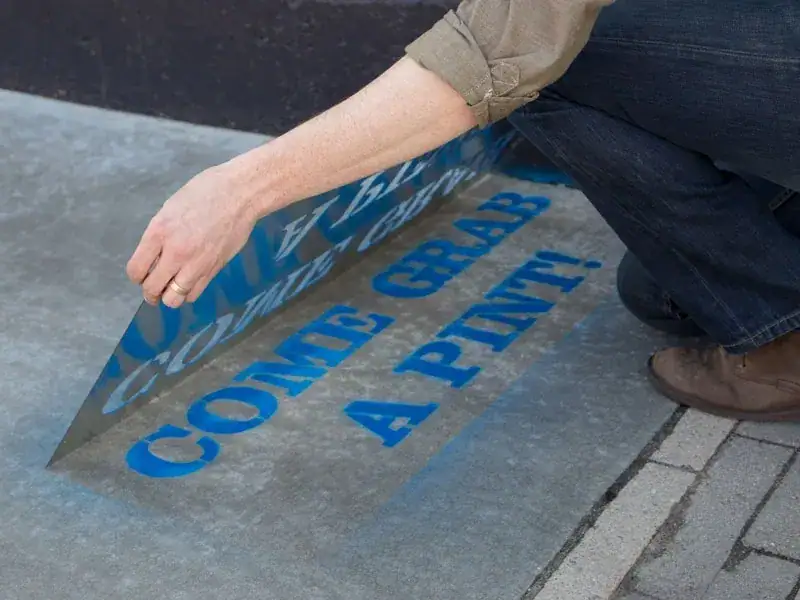
Chalk stencils use water-soluble chalk-based media applied through a precision stencil to produce bright, high-contrast impressions. They are fully temporary — lasting anywhere from several hours to a few days depending on weather and surface — which makes them ideal for event-driven campaigns in Cincinnati. A chalk stencil campaign ahead of BLINK Cincinnati, a Reds home series at Great American Ball Park, or a Music Hall concert can be deployed the morning of the event and will dissipate naturally without any cleanup effort. Because chalk is non-damaging and water-soluble, it is broadly welcomed in city-approved public spaces and is the most accessible option for brands navigating Cincinnati’s permitting landscape for the first time.
Reverse Graffiti (Clean Graffiti)
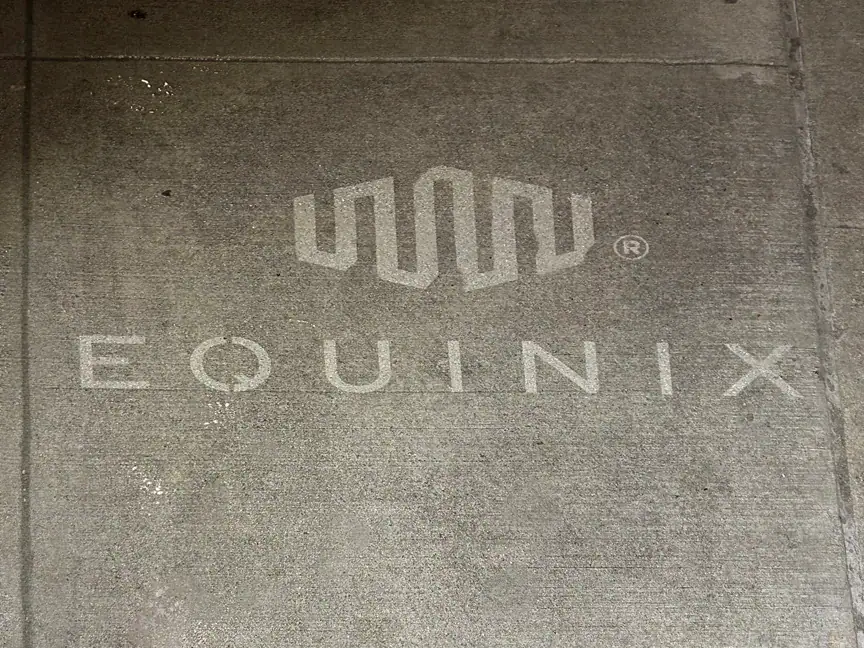
Reverse graffiti — also called clean graffiti — does not apply anything to a surface. Instead, it uses high-pressure water to selectively clean a brand pattern into an existing layer of grime, exhaust residue, or surface discoloration. The result is a photographic-quality impression in the contrast between clean and dirty pavement. Cincinnati’s Over-the-Rhine sidewalks — some of the most photographed urban surfaces in the Midwest — have the aged surface conditions that make reverse graffiti especially striking and culturally resonant. The technique generates significant organic social media attention and is particularly strong for the sustainability and lifestyle brands that frequent the OTR brand landscape, or any campaign with an earned media component built into the brief.
Paint Stencil
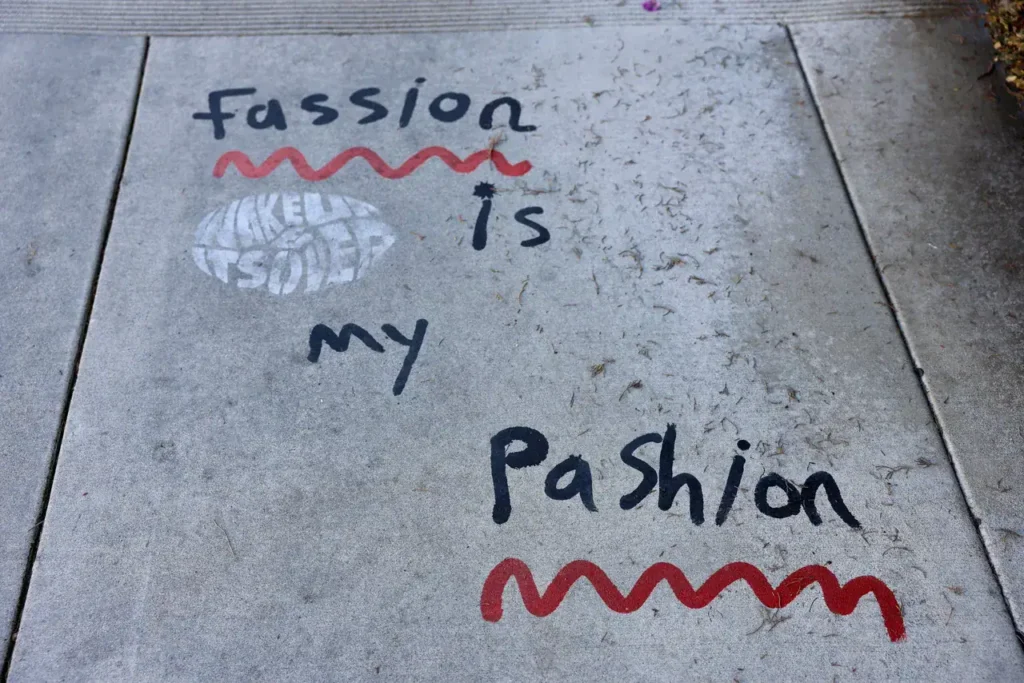
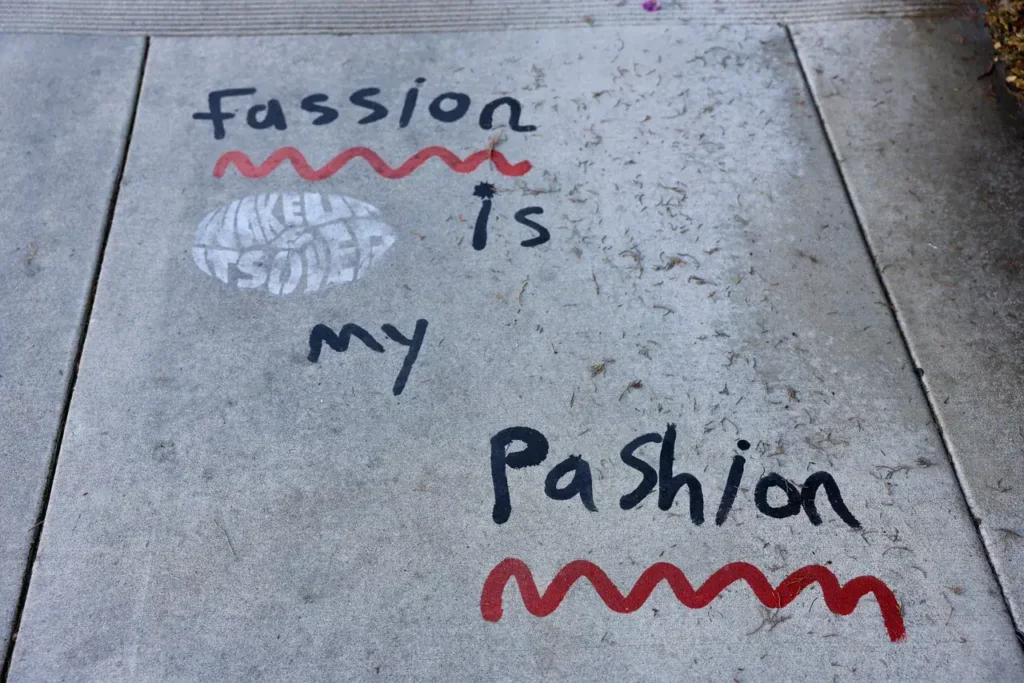
Paint stencils are the most durable format AGM deploys. Using water-based or specialty paints applied through precision-cut stencil templates, paint stencils produce sharp, lasting impressions suited for longer-duration campaigns or placements on private property. For a brand occupying a Cincinnati retail space or a venue sponsor seeking extended presence near Great American Ball Park or Paycor Stadium across an entire season, a paint stencil delivers consistent impressions across weeks or months. The format supports complex brand marks, full logos, and multi-color designs at any of our available sizes. Private property authorization is always confirmed before deployment.
Water Stencil (Pressure Wash)
Water stencils use targeted pressure washing on specific surface types — typically concrete or pavement with a natural patina — to create clean brand impressions. Cincinnati’s Over-the-Rhine, the downtown core, and the historic streets of Mt. Adams all feature older surfaces with the accumulated character that makes water stenciling produce gallery-quality results at street scale. The technique is closely related to reverse graffiti but is tuned for surfaces where the contrast between cleaned and uncleaned areas produces the sharpest visual result. Like reverse graffiti, this method leaves no residue and requires no paint or chemical application.
Get A Free Sidewalk Stencil Advertising Quote
Ready to make your brand stand out with sidewalk stencil advertising? Contact American Guerrilla Marketing to plan your campaign. Tell us your target locations, campaign goals, and timeline, and our team will help you create a customized sidewalk stencil advertising strategy that fits your needs and budget.
Award Winning Personalized Service
You will get thoughtful, devoted, and individualized attention from our experienced, qualified, and professional personnel. Being one of the most illustrious agencies in Brooklyn, New York, American Guerrilla Marketing has been awarded the Best of Brooklyn title.
Nationwide
Industry City, Brooklyn, New York 11232
American Guerrilla Marketing
Hours
Mon - Fri: 9 AM - 5 PM
Sat & Sun: Closed
Automate your campaign with AGM’s Request for Proposal Builder.
Automate your campaign with AGM’s Request for Proposal Builder. Simply answer a few quick questions about your campaign goals, markets, and timeline, and the system will generate a tailored presentation with recommended strategies, quantities, and pricing. Click the RFP Builder to instantly receive your customized proposal.
Cincinnati Placement Strategy: Where to Put Your Stencils
Choosing the right Cincinnati location is the single most important variable in a stencil campaign’s performance. Traffic count matters, but so does traffic composition — the right 500 people seeing your brand is worth more than 5,000 disengaged eyes. Here is how we think about placement across Cincinnati’s key corridors.
Vine Street (Over-the-Rhine Core): Vine Street between 12th and 14th Streets is the highest-return stencil axis in Cincinnati for campaigns targeting a young, culturally engaged, brand-receptive consumer. The density of independently operated businesses, the concentration of craft beverage venues, and the neighborhood’s status as a national destination for food tourism make this the city’s most photographed and socially documented pedestrian corridor. Stencils here are seen by visitors who are already in discovery mode — actively scanning their environment for experiences and brands worth engaging with.
Freedom Way (The Banks, Riverfront): The Banks between the two stadiums generates event-day pedestrian concentrations that rival any corridor in the city. Freedom Way is the primary pedestrian spine of the development, and stencils placed along this route on game days reach an audience in a heightened emotional state — the specific mindset where brand impressions are most durably encoded in memory. Pre-game and post-game traffic flows in predictable patterns that AGM maps during location scouting to ensure maximum placement efficiency.
Erie Avenue (Hyde Park Square): The Hyde Park Square area on Erie Avenue between Edwards Road and Wasson Road is the city’s premium placement zone for brands targeting affluent, east-side adult consumers. The foot traffic here is intentional, leisure-oriented, and high-spending — weekend brunch crowds, evening diners, and weekday coffee regulars who are paying full attention to their neighborhood commercial environment.
Main Street (OTR Arts & Bar Corridor): Main Street in Over-the-Rhine, parallel to Vine and running from 12th to Liberty, is the city’s primary bar-hopping corridor — a strip of craft cocktail bars, music venues, and late-night restaurants that draws heavy foot traffic on Thursday through Saturday nights. Stencils placed along Main Street between 12th and 14th capture the same OTR demographic as Vine Street but in a denser, more nightlife-oriented context.
Hamilton Avenue (Northside): Northside’s Hamilton Avenue corridor delivers Cincinnati’s creative-class, arts-and-music demographic in a neighborhood context where guerrilla advertising formats are not only accepted but actively appreciated. A well-executed stencil on Hamilton Avenue reads as part of the neighborhood’s visual identity — generating positive brand association rather than advertising resistance.
Sidewalk Stencil Pricing In Cincinnati
Every Cincinnati campaign is priced by stencil count. Pricing includes creative development, permitting support, professional installation, and post-campaign photo documentation. All prices are all-in — no hidden deployment or travel fees for Ohio markets.
Not sure which tier is right for your Cincinnati campaign? Our team will map your target corridors, estimate pedestrian coverage by tier, and recommend the configuration that delivers the best impression density for your budget. Contact us for a no-obligation scoping call.
Available Stencil Sizes
AGM’s Sidewalk Stencils™ are produced in four standard sizes, each suited to different surface contexts and brand objectives. Smaller formats work well at doorways, crosswalk approaches, and the tightly spaced pedestrian corridors of Over-the-Rhine and Mt. Adams. Larger formats command plaza spaces, the wide riverfront walkways at The Banks, and the high-clearance zones along the stadium approaches. Every Cincinnati location assessment includes a size recommendation based on surface width, pedestrian flow direction, and visual sight lines.
- 11″ × 14″Precision placement at doorways, crosswalk corners, tight urban corridors
- 48″ × 12″Horizontal banner format for curb edges, storefronts, and directional runs
- 36″ × 18″Versatile mid-scale format for main sidewalk panels and plaza approaches
- 24″ × 24″Square format for logos, icons, and visuals built around symmetrical brand marks
How A Cincinnati Sidewalk Stencil Campaign Works
Step 1 — Brief & Strategy: We start with your objectives, target demographic, and preferred Cincinnati zones. If you have specific streets or events in mind, we incorporate them. If you need a recommendation, we map the corridors that match your audience profile and campaign timeline.
Step 2 — Location Scouting: Our team scouts your selected Cincinnati locations, assessing surface condition, foot traffic patterns, municipal placement requirements, and sight-line performance. We photograph and GPS-tag every approved placement point before any stenciling begins.
Step 3 — Permitting & Coordination: AGM handles coordination with Cincinnati city contacts, property managers for private-surface placements, and event organizers for festival-adjacent activations. We confirm every placement point is cleared before deployment day.
Step 4 — Stencil Production: Your creative is translated into precision-cut stencil templates sized and configured for your chosen format. We produce exact templates for every unique placement — no one-size-fits-all shortcuts.
Step 5 — Deployment: Our trained installation crews deploy your campaign across Cincinnati on schedule, working quickly and cleanly. Chalk and reverse graffiti campaigns can be completed overnight for a morning reveal. Paint campaigns are deployed during lower-traffic hours to ensure clean results.
Step 6 — Documentation & Reporting: Every stencil is photographed after installation, GPS-tagged, and compiled into a post-campaign report delivered to your team. You get exact placement confirmation with visual evidence for every location in the campaign.
Brands That Have Used AGM Sidewalk Stencils™
American Guerrilla Marketing’s Sidewalk Stencils™ program has been trusted by some of the most recognizable consumer brands in the world. Nike has used our pavement campaigns to drive awareness around product launches, activating street-level attention in the hours and days before major retail moments. Wrangler partnered with AGM to bring its denim brand identity into urban streetscapes in a format that felt authentic to an outdoor, working-class American aesthetic. EA Sports has leveraged stencil campaigns around game launch dates to intercept gaming audiences in high-density pedestrian environments near retail and entertainment destinations.
These campaigns demonstrate that sidewalk stenciling is not a niche tactic — it is a format that scales from local brand builders to global consumer giants. What these brands recognized is that the sidewalk is one of the last genuinely uncluttered advertising surfaces in the urban environment. There are no algorithms curating who sees it. There is no scroll that takes it away. There is no ad blocker that hides it. A person walks by, they see it, and they react.
For Cincinnati brands, the same logic applies at a local scale. A new OTR restaurant can own the visual field on its block of Vine Street with a Saturday-morning stencil that every brunch visitor steps over. A regional brewery can direct foot traffic from the Banks riverfront to its taproom with a directional stencil campaign that feels native to the neighborhood’s aesthetic. A national brand activating around the Cincinnati Music Festival or BLINK Cincinnati can place hundreds of stencils across the city’s most-photographed pedestrian corridors in the 48 hours before the event begins. The format works at every scale and for every brand category that benefits from name recognition in one of America’s most architecturally unique urban markets.
Frequently Asked Questions
Yes. BLINK Cincinnati — the city’s large-scale light, art, and projection festival held in Over-the-Rhine and downtown — is one of the highest foot traffic events in the entire Ohio market, drawing hundreds of thousands of visitors over its multi-night run. The OTR streets during BLINK are among the most densely pedestrianized outdoor spaces in the country during the festival, with Vine Street, Main Street, and the connecting cross-streets compressed with visitors moving between light installations. Chalk stencils deployed the morning of the first BLINK day ensure impressions are vivid when the evening crowds peak. Because BLINK visitors are already in a heightened visual discovery mode — actively looking at their surroundings — stencil placement during this event produces exceptional engagement rates. AGM coordinates placement zone timing with festival event staff to ensure all activations are cleared and compliant.
Great American Ball Park generates game-day foot traffic that flows through a predictable set of pedestrian corridors — the Freedom Way promenade at The Banks, the Mehring Way riverfront walk, the Rosa Parks Street approaches from downtown parking structures, and the Second Street connector from the downtown hotel cluster. These corridors compress tens of thousands of fans into narrow pedestrian channels before and after games throughout the 81-game home schedule. AGM deploys chalk stencils along these approach routes for individual game-day activations, and executes paint stencil campaigns on private surfaces near the stadium for sponsors seeking season-long brand presence. The Reds fan demographic on The Banks — families, adult sports consumers, and out-of-town visitors staying in the downtown hotels — is one of the most commercially active pedestrian audiences in Cincinnati.
For brands targeting a young, creative, brand-aware consumer demographic, Vine Street in Over-the-Rhine is consistently AGM’s top-performing Cincinnati placement. The corridor between 12th and 14th Streets concentrates more independent restaurants, bars, and cultural venues per linear foot than any other commercial strip in the city, which produces a foot traffic profile that is uniformly engaged with its urban environment. Visitors to OTR are not passing through — they are choosing to spend time in a specific place, which means their attention to the environment around them is higher than in transit or commuter contexts. A chalk or reverse graffiti stencil on Vine Street in this zone is encountered during a moment of maximum consumer receptivity. Weekend foot counts on this stretch can rival major destination retail corridors in much larger Midwest cities.
Mt. Adams is one of Cincinnati’s most distinctively walkable zones — and the hilltop approach paths are an unusually effective stencil placement because pedestrians arriving at Mt. Adams are doing so intentionally, on foot, and already in a leisure exploration mindset. The approach paths from Eden Park Drive, from the Ida Street steps, and from the main vehicle and pedestrian access on Celestial Street all channel visitors toward the neighborhood commercial core. A chalk stencil placed on these approach paths intercepts visitors before they reach the bar and restaurant cluster — during the transitional moment when their attention is ambient and available. Surface conditions on the Mt. Adams approach sidewalks are generally good for chalk and excellent for paint on private surfaces at the commercial establishments.
The Cincinnati Music Festival — held annually at Paycor Stadium and drawing some of the country’s largest R&B and soul music audiences — is one of the highest single-event foot traffic concentrations in the Ohio market. The pedestrian approaches from downtown parking, the hotel corridor along 4th and 5th Streets, and the Freedom Way promenade at The Banks all carry enormous crowds in the hours before and after festival performances. AGM aligns chalk stencil deployment with the festival schedule to ensure impressions are fresh when the peak pedestrian flows occur. The Music Festival audience — predominantly adult, African-American consumers with significant spending power — is one of the most valuable and underserved demographics in Cincinnati’s outdoor advertising landscape. Stencil campaigns placed in the festival approach corridors reach this audience at the precise moment of maximum engagement.
Hyde Park Square and OTR serve fundamentally different demographics and produce different campaign outcomes. OTR delivers high volume with a younger, creative-class profile — strong for brands in food and beverage, entertainment, fashion, and lifestyle categories targeting 21–35 year olds. Hyde Park Square delivers lower absolute volume but exceptional demographic precision — an almost exclusively affluent east-side homeowner audience with household incomes well above the Cincinnati median. For financial services, home goods, luxury consumer brands, and premium food and beverage companies, Hyde Park Square’s demographic quality often makes it the higher-ROI placement despite lower raw foot counts. Many Cincinnati campaigns run both zones in parallel to achieve demographic breadth — OTR for reach and cultural credibility, Hyde Park for affluent adult precision.
Over-the-Rhine is one of the best reverse graffiti environments AGM works in anywhere in the country. The neighborhood’s 19th-century sidewalk surfaces — aged limestone, older concrete, and historic paving materials — carry decades of accumulated patina that produces exceptional contrast when selectively cleaned to a brand pattern. The result in OTR is a particularly photogenic impression because the neighborhood’s architectural backdrop frames the stencil in a visually compelling way. Reverse graffiti in OTR also tends to generate significant organic social documentation because the neighborhood is already one of the most photographed urban spaces in Ohio — visitors who would otherwise not photograph advertising routinely stop to capture a striking reverse graffiti impression when they encounter it in a context as visually rich as OTR’s Vine or Main Street.
AGM manages the permitting coordination for every Cincinnati campaign. Requirements vary based on stencil method — chalk on public sidewalks operates under different parameters than paint on private surfaces — and our team navigates those requirements as part of the campaign planning process. We do not ask our clients to manage city contacts or research local code requirements themselves. All permitting work is included in the campaign scope. In cases where a specific placement point requires property-owner authorization rather than municipal approval, we handle that outreach directly as well. By the time deployment day arrives, every placement point in your Cincinnati campaign has been confirmed and cleared.
Paycor Stadium’s game-day pedestrian flows create one of the highest-concentration foot traffic windows in Cincinnati. The approaches from the downtown parking garages, the Pete Rose Way riverfront connector, and the Freedom Way promenade at The Banks channel tens of thousands of fans into narrow pedestrian corridors in the two hours before kickoff and the hour following the final whistle. Chalk stencils placed along these approach routes on game-day mornings are in place when fans begin arriving and remain visible throughout the departure flow. For brands targeting the Bengals’ adult, sports-engaged, predominantly male consumer demographic, the stadium approach corridors are among the most efficient single-event impression environments in the Ohio market.
Standard Cincinnati campaign lead time is two to three weeks from brief confirmation to deployment. This window covers location scouting, permitting coordination, stencil production, and crew scheduling. For event-driven campaigns tied to BLINK Cincinnati, the Cincinnati Music Festival, a Reds or Bengals home date, or a major Music Hall event, we recommend initiating the process four weeks in advance to ensure placement clearances are fully secured before deployment day. Rush campaigns can occasionally be accommodated for chalk stencil activations where permitting requirements are minimal, but standard lead times give us the planning room to deliver a campaign that performs at the level Cincinnati’s exceptional pedestrian corridors make possible.
Absolutely, and this is one of the most effective applications of the format in a market like Minot. A restaurant, retail concept, or service business opening in the downtown zone or the MSU commercial area can deploy chalk stencils across the key pedestrian corridors serving their target demographic in the days before opening — building awareness among the people who will become their most frequent customers before the doors open. The format’s ground-level visibility ensures that even people who have not heard about the opening encounter the brand before launch day. For local events — a concert at the Norsk Høstfest, an Art Walk special event, a business anniversary promotion — stencil campaigns placed along the pedestrian routes that the target audience already travels create awareness and directional impressions that digital promotion cannot replicate in the physical environment. Contact us to discuss how a launch or local event activation campaign can be structured for your specific Minot opening or event date.