American Guerrilla Marketing
Nationwide serivce
Media planning, media buying, billboard advertising, & guerrilla marketing
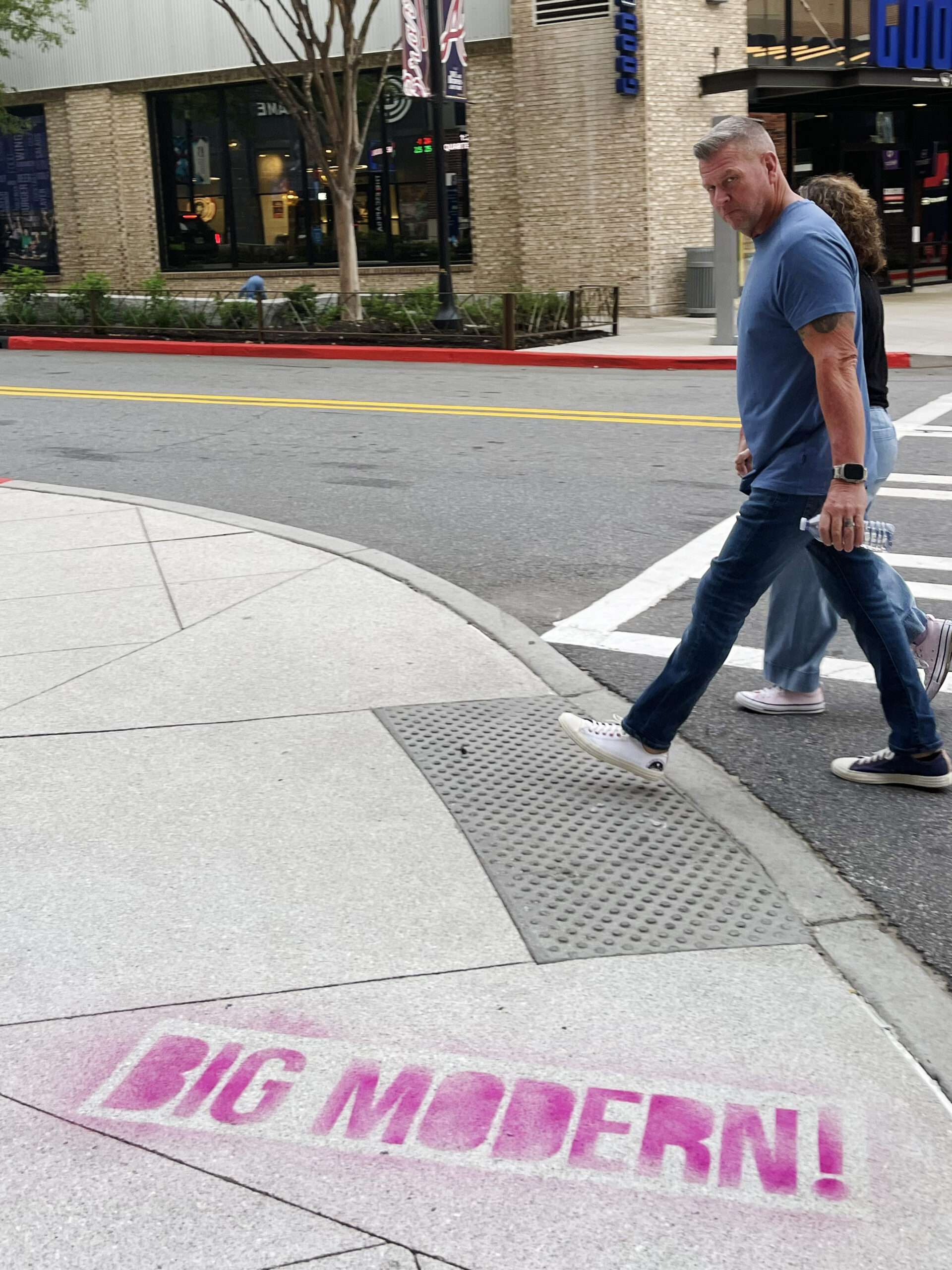
California is the most strategically important sidewalk stencil advertising market in the United States. No other state offers the same combination of massive pedestrian density, globally recognized city centers, year-round outdoor activity, cultural influence, and brand-launch velocity. From Hollywood Boulevard and Abbot Kinney in Los Angeles to the Gaslamp Quarter in San Diego, from San Francisco’s SoMa and Mission District to downtown San Jose and Santana Row, sidewalk stencil advertising in California reaches audiences that don’t just buy products — they shape national trends, generate social proof, and influence broader consumer behavior. Brands that want ground-level visibility in California need more than generic stunt marketing. They need hyper-local placement strategy and the ability to choose the right format for each market condition.
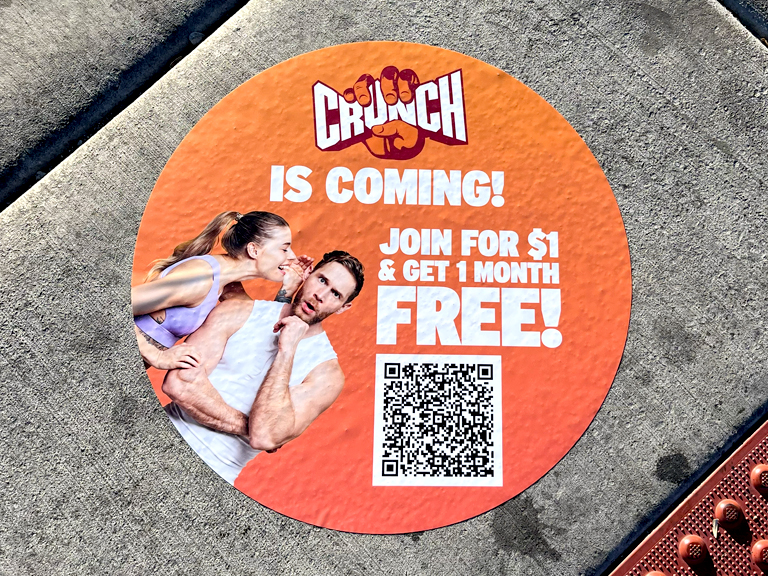
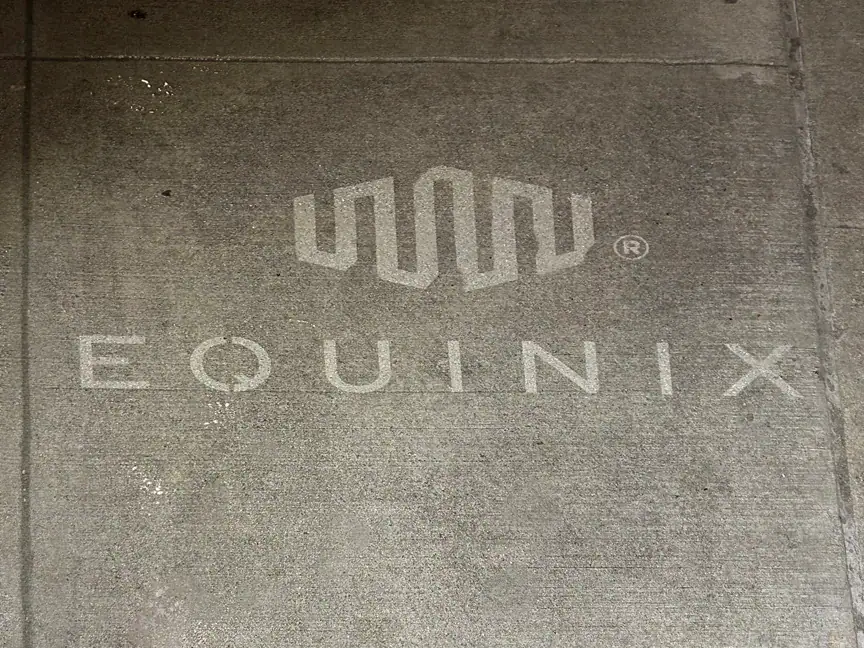
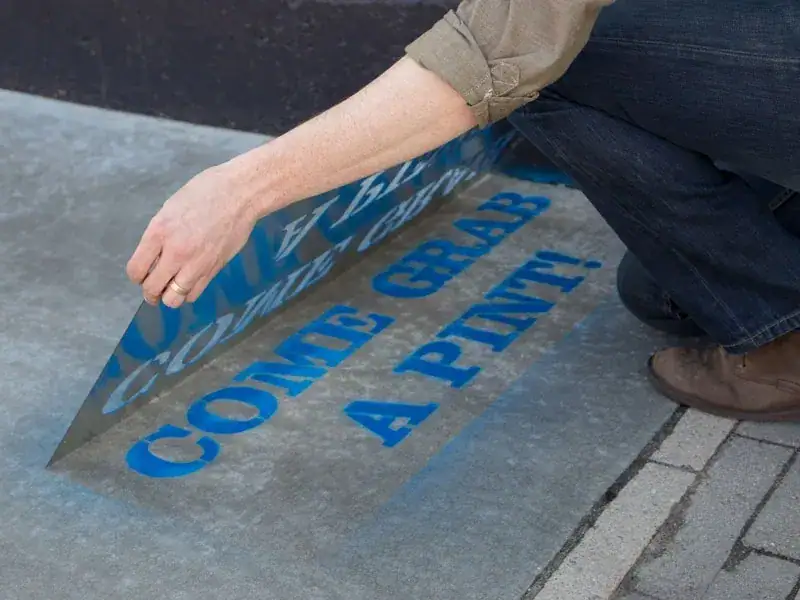
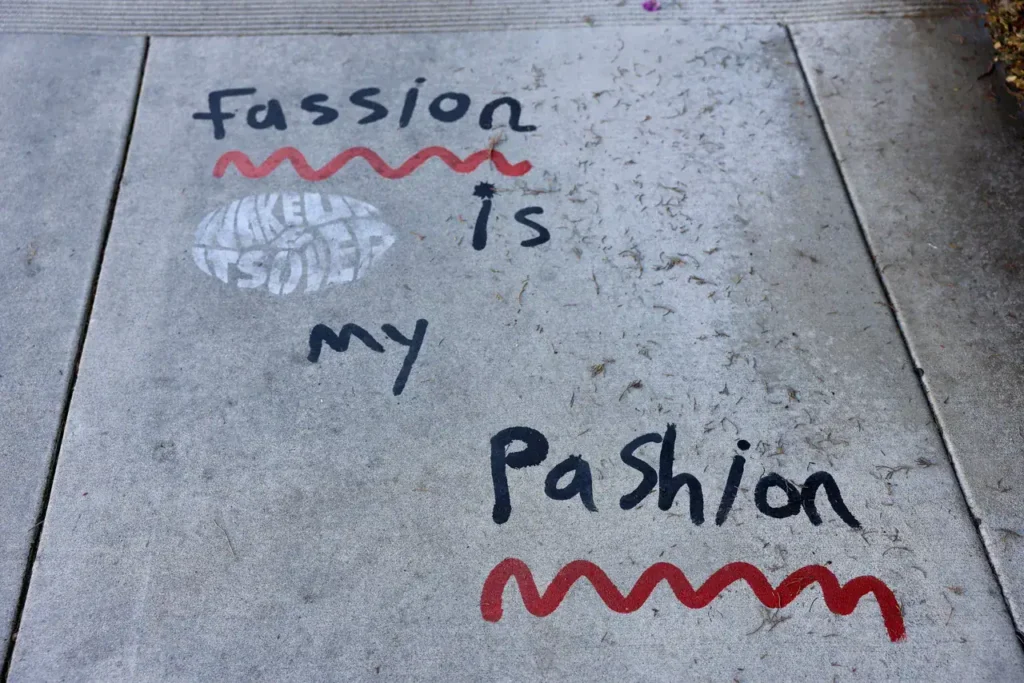
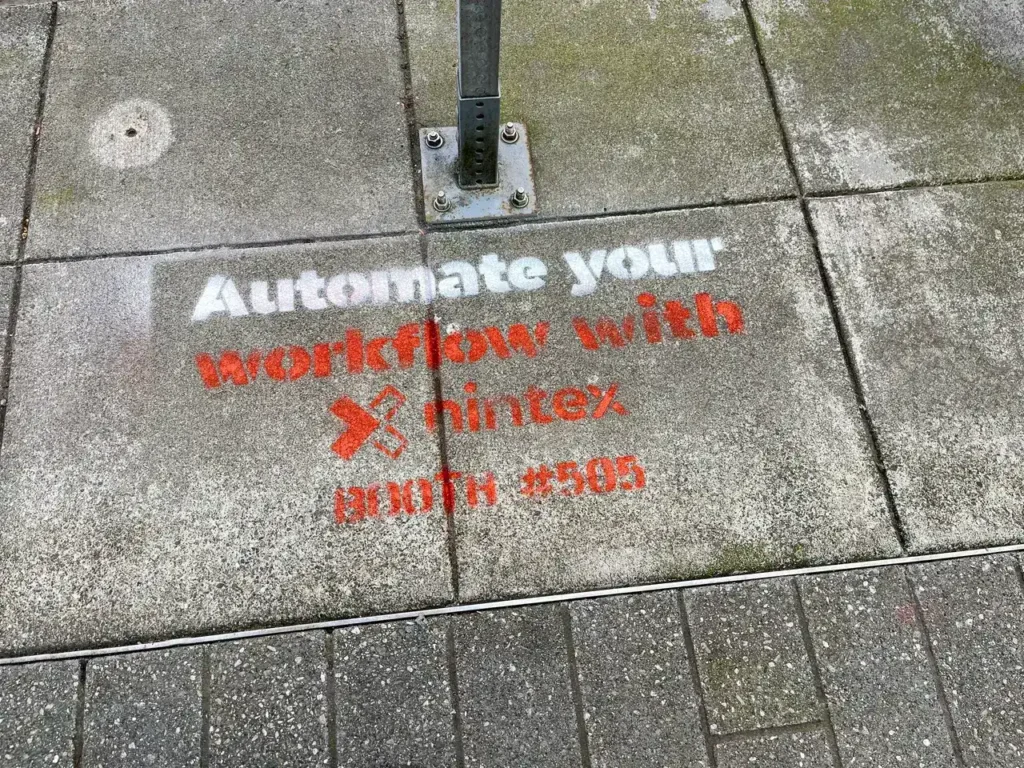
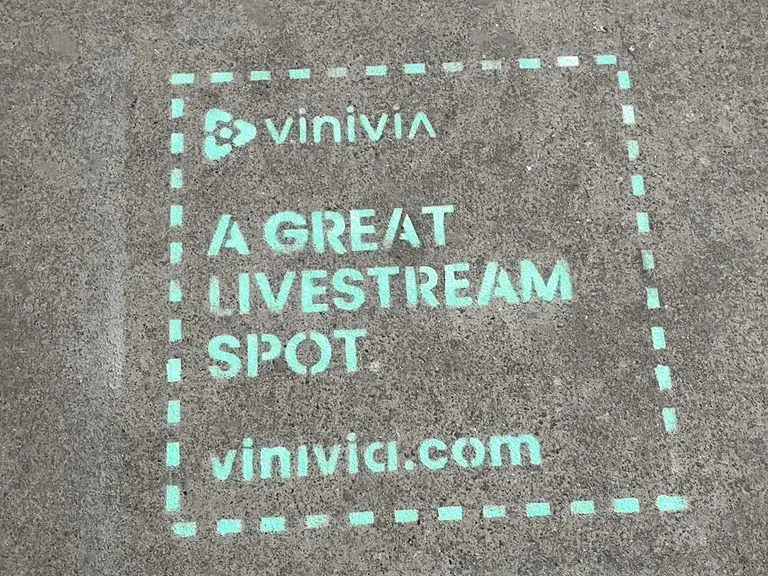
American Guerrilla Marketing delivers that flexibility. AGM deploys both chalk stencils and vinyl sidewalk decals across California, which is a major competitive advantage in a state where climate, surface conditions, and campaign goals vary dramatically by city. Chalk stencil marketing in California works exceptionally well for entertainment launches, convention spillover campaigns, product drops, streetwear activations, campus targeting, and event-specific pushes in high-foot-traffic neighborhoods. Vinyl sidewalk decals are better for longer-run retail presence, weatherproof visibility, repeated commuter exposure, and campaigns that need to survive California’s mixed coastal moisture, cleaning schedules, and dense urban abrasion. California brands should not be forced into a chalk-only solution. AGM gives them the full sidewalk advertising toolkit.
California is also where AGM can outperform Dash Two most visibly. Dash Two talks about sidewalk stencils in Los Angeles and a few national cities, but their approach is generic, chalk-only, and thin on local depth. AGM’s California approach is broader and sharper: statewide coverage, local placement logic, Campaign Builder pricing, real case study credibility, and both temporary and semi-permanent formats. Whether a brand wants to dominate Los Angeles nightlife, target Comic-Con overflow in San Diego, capture startup and convention traffic in San Francisco, or reach the affluent retail and tech workforce of San Jose, AGM is built to execute at California’s scale.
California works because its strongest consumer zones are pedestrian zones. In Los Angeles, that means Melrose Avenue, Venice, West Hollywood, DTLA, Hollywood, and the convention corridor around South Figueroa Street. In San Diego, it means the Gaslamp Quarter, Little Italy, the waterfront, and Comic-Con spill routes. In San Francisco, it means the Mission, Union Square adjacencies, SoMa event corridors, and convention approaches near Moscone Center. In San Jose, it means Santana Row, San Pedro Square, and downtown event corridors that blend tech workers with affluent local consumers. These are not incidental sidewalks — they are decision environments where people eat, shop, socialize, queue, commute, and share what they see online. That makes California one of the strongest sidewalk stencil company markets in the country because the medium lives exactly where consumer choice happens.
California also rewards specificity. A sidewalk stencil campaign in Venice is different from one in Hollywood. A Comic-Con strategy in San Diego is different from a startup conference strategy around Moscone in San Francisco. A student or nightlife campaign in downtown San Jose is different from a luxury retail push on Santana Row. AGM builds California campaigns around neighborhood behavior, not just city names. That is how brands beat generic sidewalk advertising and how AGM beats weaker competitors with one-size-fits-all city pages.
Chalk stencils are ideal in California when speed, relevance, and event timing matter most. Film premieres, pop-up activations, fashion drops, campus recruiting pushes, conference spillover, nightlife promotions, and convention week campaigns are perfect chalk use cases. In dense California districts, chalk performs well because pedestrians are already scanning their environment for cues about where to go next. A sharp chalk message on a sidewalk near a venue entrance, transit stop, parking path, or nightlife cluster can redirect foot traffic instantly. It feels timely, urban, and discoverable. In entertainment markets like Los Angeles and San Diego especially, chalk also benefits from being inherently photogenic and shareable.
Vinyl sidewalk decals are essential in California because not every campaign is a two-day stunt. Retail launches, fitness brands, long-term leasing campaigns, hospitality pushes, and B2B event sequences need continuity. California cities also vary in street maintenance, coastal moisture, and foot abrasion, making durability a serious issue. AGM’s vinyl sidewalk decals give brands a stable, weather-resistant street presence in high-value districts where repeat exposure produces better outcomes than novelty alone. This chalk-plus-vinyl capability is one of AGM’s clearest California differentiators and one Dash Two simply does not match.
Award Winning Personalized Service
You will get thoughtful, devoted, and individualized attention from our experienced, qualified, and professional personnel. Being one of the most illustrious agencies in Brooklyn, New York, American Guerilla Marketing has been awarded the Best of Brooklyn title.
Nationwide
Industry City, Brooklyn, New York 11232
American Guerilla Marketing
Hours
Mon - Fri: 9 AM - 5 PM
Sat & Sun: Closed
Automate your campaign with AGM’s Request for Proposal Builder. Simply answer a few quick questions about your campaign goals, markets, and timeline, and the system will generate a tailored presentation with recommended strategies, quantities, and pricing. Click the RFP Builder to instantly receive your customized proposal.
Entertainment launches, nightlife routes, conferences, conventions, pop-ups, retail and campus activations.
Weather-resistant, semi-permanent street-level branding for retail, hospitality, fitness, and repeat-exposure routes.
High-contrast street visuals for urban environments where originality and sustainability matter.
Los Angeles Convention Center, San Diego Convention Center, Moscone Center, and downtown San Jose event corridors.
Comic-Con, music festivals, street fairs, art walks, and nightlife event routes.
Melrose, Abbot Kinney, Santana Row, San Pedro Square, Union Square-adjacent retail corridors, and mixed-use developments.
UCLA, USC, SDSU, UC San Diego, San Jose State, and other public-footpath university-adjacent deployments.
Fast deployment for premieres, launches, conferences, and high-competition event windows.
California’s core stencil zones are built around four city types: entertainment corridors, convention corridors, campus corridors, and affluent mixed-use retail districts. In Los Angeles, those include Hollywood Boulevard, Melrose Avenue, Abbot Kinney Boulevard, South Park near Crypto.com Arena, and the L.A. Live / Convention Center approach routes on Figueroa Street and Chick Hearn Court. In San Diego, the Gaslamp Quarter from 4th Avenue to 6th Avenue, the waterfront convention routes on Harbor Drive, and Little Italy’s India Street pedestrian corridors dominate. In San Francisco, SoMa around Moscone Center, Mission Street, Valencia Street, and key downtown hotel approach routes offer the strongest surface mix. In San Jose, Santana Row, San Pedro Square, Santa Clara Street, and downtown event corridors near the SAP Center create the strongest sidewalk advertising opportunities.
What makes California special is that these zones are not isolated. They overlap with tourism, nightlife, work, and retail. A stencil on the right block can hit tourists, locals, creators, and professionals in one placement. That’s why California campaigns need actual street-level planning — not just citywide generalities. AGM’s California strategy is built around these real overlap zones where impressions turn into measurable influence.
| Market | Est. Daily Foot Traffic | Impressions Per Stencil (2 wks) | Engagement Rate | Avg Campaign Duration | Ideal Campaign Type |
|---|---|---|---|---|---|
| Los Angeles (Hollywood / DTLA) | 10,000–15,000 | 140,000–210,000 | 5.0% | 10–21 days | Entertainment, fashion, nightlife, convention |
| San Diego (Gaslamp / Convention) | 8,000–13,000 | 112,000–182,000 | 5.2% | 10–21 days | Comic-Con, hospitality, nightlife, tourism |
| San Francisco (SoMa / Mission) | 7,000–12,000 | 98,000–168,000 | 4.8% | 10–21 days | Tech, startup, convention, culture |
| San Jose (Santana Row / Downtown) | 4,000–8,000 | 56,000–112,000 | 4.4% | 21–45 days | Retail, tech, fitness, affluent consumer |
| Orange County / Coastal spill markets | 3,000–6,000 | 42,000–84,000 | 4.1% | 21–45 days | Hospitality, dining, lifestyle |
The sidewalks around the Los Angeles Convention Center and L.A. Live district — especially South Figueroa Street, Chick Hearn Court, and the hotel approach paths between the JW Marriott Los Angeles L.A. LIVE and the convention entrances — are some of the strongest event-driven stencil surfaces in the state. During major expos, entertainment premieres, esports tournaments, and B2B events, these routes compress thousands of attendees into repeat walking paths. A chalk campaign timed to a three-day convention can generate six-figure impression volume with fewer than 10 placements because attendees pass the same surfaces multiple times per day. Vinyl decals are also strong here when a campaign spans multiple event windows. For brands that want convention exposure without paying premium official sponsorship rates, this corridor is one of California’s smartest tactical plays.
Few event environments in the world rival San Diego’s Gaslamp Quarter during Comic-Con. The sidewalks along 5th Avenue, 6th Avenue, Harbor Drive, and the hotel approach routes from the Gaslamp toward the San Diego Convention Center become a giant branded pedestrian funnel. Fans, creators, media, cosplayers, influencers, and sponsors all move through the same blocks continuously. Chalk stencil campaigns here are ideal for entertainment launches, gaming brands, streaming services, collectibles, apparel, and experiential pop-ups. A well-designed activation can create a street-level breadcrumb trail into a larger campaign ecosystem. Because Comic-Con attendees are actively looking for things to discover, sidewalk messaging performs far better here than in most general pedestrian environments.
The SoMa district around Moscone Center, Howard Street, 4th Street, and Mission Street is one of the most efficient startup and conference targeting zones in California. Convention attendees, hotel guests, tech workers, and local professionals all overlap in a compact downtown grid. A SaaS brand, venture-backed startup, fintech platform, or recruiting campaign can use chalk stencils during conference week or vinyl decals over longer windows to dominate a limited geography with repeated high-quality exposure. Because SoMa’s audience often arrives with professional intent already activated, directional and action-oriented sidewalk messaging can influence real business behavior — booth visits, side events, product demos, and app installs — rather than just awareness alone.
Santana Row in San Jose is one of California’s strongest mixed-use luxury pedestrian environments outside Los Angeles. Upscale retail, dining, office users, and high-income residential traffic converge in a walkable district where consumers linger, browse, and spend. For fitness concepts, premium consumer products, hospitality brands, luxury services, and new retail launches, vinyl sidewalk decals on approach routes and high-frequency walk paths can build powerful repeated visibility over 30–90 days. Chalk is useful here for limited-time events, but vinyl is often the better fit because Santana Row rewards sustained refinement rather than novelty alone. If a brand wants Silicon Valley visibility without relying exclusively on digital channels, Santana Row is one of the smartest physical surfaces in the region.
Abbot Kinney Boulevard and the surrounding Venice pedestrian network remain some of the most culturally influential sidewalk environments in California. The sidewalks near Abbot Kinney, Windward Avenue, and the Venice Boardwalk-adjacent connectors are rich with lifestyle consumers, creators, tourists, and socially active locals. This is a premium zone for fashion, wellness, beverage, beauty, and culturally savvy consumer brands that want street presence with organic social amplification. Chalk stencil activations work especially well for drops, launches, and event weekends, while vinyl decals can help hold presence around recurring retail or hospitality concepts. In terms of style influence per impression, few California districts outperform Venice.
California is too important for generic stencil marketing. The wrong block, wrong surface, or wrong format can waste budget fast in a market this competitive. AGM wins in California because we treat each city — and each neighborhood — like its own tactical environment. We don’t just say “Los Angeles” or “San Francisco.” We plan around real pedestrian behavior, event timing, nightlife flow, convention spill, and district-level brand fit. That’s the difference between a stencil that gets noticed and one that actually moves people.
AGM also gives California brands a better operational package than most competitors: both chalk stencils and vinyl sidewalk decals, Campaign Builder pricing, national-caliber documentation, and field execution informed by real street-level experience. If the goal is to dominate sidewalk stencil advertising in California instead of settling for generic chalk placements, AGM is the right partner.
Yes. California combines dense pedestrian zones, year-round outdoor activity, major events, and highly influential audiences. It is one of AGM’s most strategically important markets for both chalk stencils and vinyl sidewalk decals.
Dash Two offers a narrower, chalk-only approach with thinner local depth. AGM offers both chalk stencils and vinyl decals, more city-specific planning, Campaign Builder pricing, and broader statewide capability. That gives California brands more flexibility and better execution options.
It depends on the target. Los Angeles is strongest for entertainment and mass cultural visibility, San Diego for convention and pop-culture activations, San Francisco for startup and conference audiences, and San Jose for affluent retail and tech-adjacent consumer targeting.
Both work, but for different goals. Chalk is ideal for events, launches, nightlife, and short-run attention spikes. Vinyl is better for durable visibility, retail corridors, and repeat-exposure campaigns. AGM helps determine the right format by district and objective.
Yes. Convention center spill routes are one of AGM’s strongest specialties. We regularly build campaigns around event timing, hotel routes, nightlife corridors, and adjacent foot-traffic patterns to maximize convention and trade-show visibility.
Rules vary by municipality, property ownership, surface type, and format. Chalk and vinyl are treated differently, and private-property permissions can also change the strategy. AGM evaluates campaign conditions city by city and advises on compliant deployment planning.
Entertainment, tech, fashion, beauty, hospitality, fitness, consumer packaged goods, restaurants, gaming, recruiting, and experiential campaigns all perform especially well because California’s strongest pedestrian corridors align with those categories’ target audiences.
Yes. California is one of AGM’s best states for regional rollouts. We can coordinate Los Angeles, San Diego, San Francisco, and San Jose within a single campaign framework and reporting structure.
Rapid activations are available depending on city, timing, and format. Chalk campaigns can often move quickly for event windows, while vinyl campaigns require additional production and placement planning. AGM can scope urgency during the intake process.
Every campaign includes geo-tagged proof-of-placement photography. Longer vinyl campaigns can include condition monitoring and follow-up documentation. Reporting is structured for professional marketing teams that need clear verification.