American Guerrilla Marketing
Nationwide Service
Media planning, media buying, billboard advertising, & guerrilla marketing
Sidewalk Stencil Advertising in Cleveland, Ohio
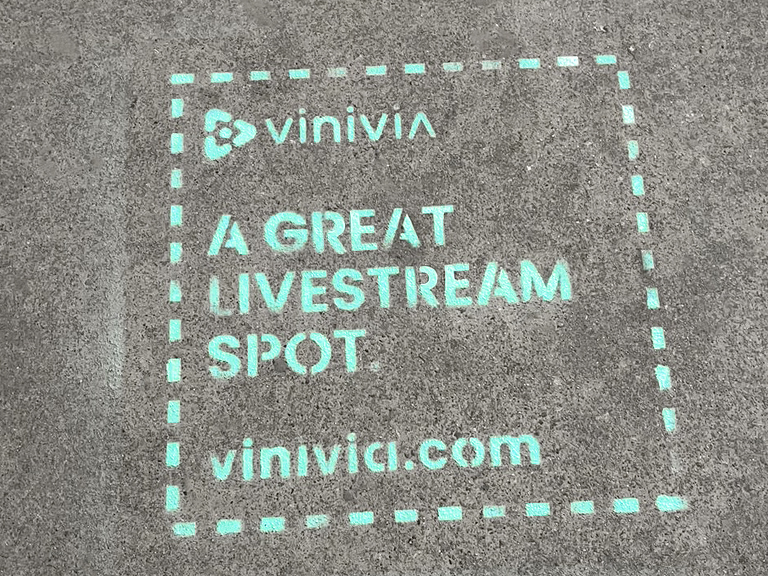
Turn Cleveland’s most-walked corridors into high-visibility brand touchpoints. From Ohio City’s West 25th Street Market District to the Euclid Avenue corridor near the Rock & Roll Hall of Fame, Sidewalk Stencils™ by AGM put your message exactly where pedestrians look — underfoot, unavoidable, and impossible to scroll past.
Cleveland has spent the last two decades rewriting its urban story. The city that defined American heavy industry through the twentieth century has emerged as a genuine destination — for arts and culture, for championship-caliber sports, for a food scene now recognized nationally, and for a walkable lakefront experience that rivals any Great Lakes city. That transformation created something invaluable for advertisers: concentrated, walkable corridors where engaged consumers move at a human pace through neighborhoods they have deliberately chosen to spend time in.
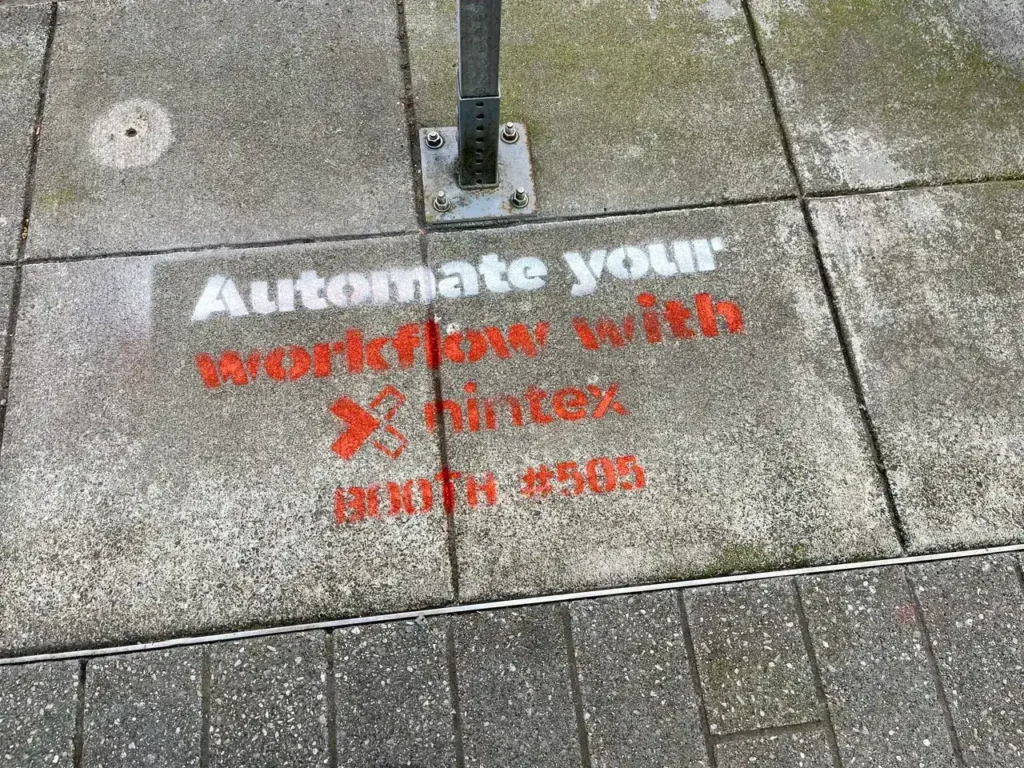
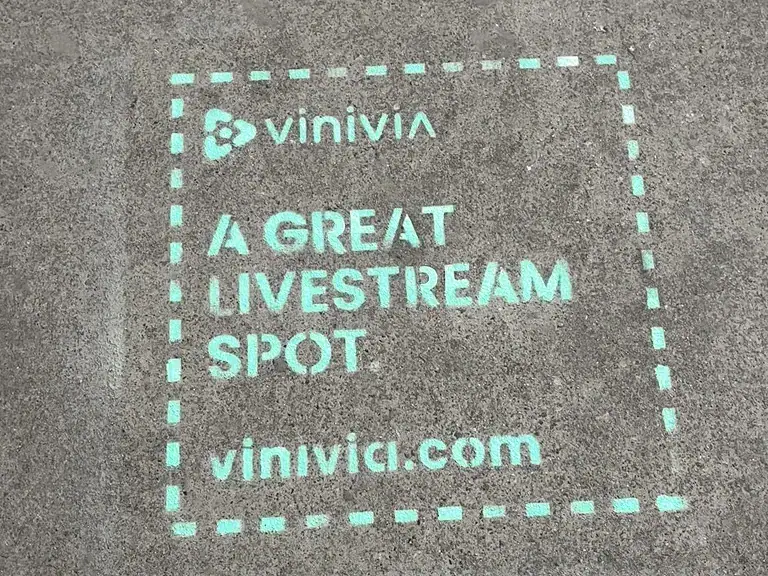
A Sidewalk Stencil™ is a brand impression applied directly to the pavement — the sidewalk, plaza, crosswalk, or any high-foot-traffic surface. Unlike a billboard that commands eyes upward, a stencil intercepts attention naturally. It occupies the same visual field as the street itself. Pedestrians encounter it without anticipating it, producing the kind of genuine, unguarded moment of brand engagement that most digital and traditional formats can no longer reliably deliver.
American Guerrilla Marketing has executed Sidewalk Stencil™ campaigns across the country for brands including Nike, Wrangler, and EA Sports. The process is precise: we scout your preferred Cleveland locations, identify surfaces with the right foot traffic and texture, determine the appropriate stencil method, and deploy on schedule. Every campaign is documented with photos and GPS-tagged placement reports so your team can verify coverage without leaving the office.
Cleveland’s mix of distinct walkable neighborhoods — Ohio City, Tremont, University Circle, Gordon Square, and the downtown Warehouse District — gives a single campaign access to sharply different demographic zones, each with its own commercial character and foot traffic rhythm. Euclid Avenue, the city’s historic commercial spine, connects the lakefront entertainment district to the university medical corridor in a continuous walkable axis that few other Rust Belt cities can match.
Whether you are a Cleveland brand launching a new product, a national company entering the Ohio market, or an event promoter building awareness for a show at Rocket Mortgage FieldHouse or a festival at Edgewater Park, Sidewalk Stencils™ give you a format this city cannot ignore. The pavement is the medium. Cleveland’s foot traffic is the audience. We connect the two.
Ready to Own Cleveland's Sidewalks?
From Ohio City's West Side Market to the Euclid Avenue corridor, AGM puts your brand exactly where Cleveland walks. Let's build your campaign.
Browse Cities in Ohio
Select a city to explore Sidewalk Stencil Advertising opportunities.
Why Cleveland Is Built For Sidewalk Stencil Campaigns
Few Ohio cities compress as much diverse pedestrian density into as many distinct zones as Cleveland does. Ohio City, Tremont, University Circle, Gordon Square, and the downtown core each represent a concentrated corridor of on-foot consumers — different demographics, different mindsets, and each reachable by stencil within a single integrated campaign.
Ohio City — West 25th Street & the West Side Market
Ohio City is Cleveland’s most celebrated neighborhood commercial corridor, anchored by the iconic West Side Market at West 25th Street and Lorain Avenue. The market draws thousands of visitors each week, and the surrounding blocks have become one of Cleveland’s densest concentrations of independent restaurants, craft breweries, and boutique retailers. The foot traffic on West 25th Street between Lorain and Detroit Avenue represents one of the highest pedestrian counts in the city outside of event days. Stencils placed at the market approaches, along the West 25th commercial strip, and at the key cross-street intersections at Bridge Avenue and Clark Avenue intercept shoppers, diners, and neighborhood visitors at the height of their engagement with the area.
Tremont — Professor Avenue & Lincoln Park
Tremont is Cleveland’s premier arts neighborhood — a dense residential grid of Victorian homes and converted industrial spaces that houses more galleries, studios, and chef-driven restaurants per block than any other neighborhood in the city. Professor Avenue is the commercial spine, running past Lincoln Park toward the neighborhood’s restaurant cluster. The monthly Tremont ArtWalk draws a dedicated audience of art buyers, diners, and cultural tourists on the first Friday of each month — compressing the neighborhood’s most brand-receptive audience into a single concentrated evening. Stencils placed along Professor Avenue and the Lincoln Park perimeter reach a demographic that skews creative, educated, and highly engaged with its urban environment.
University Circle — Euclid Avenue & Wade Oval
University Circle is one of the most remarkable institutional zones in the United States — a square mile that contains the Cleveland Museum of Art, the Cleveland Institute of Music, Case Western Reserve University, University Hospitals, and the Cleveland Clinic, among dozens of other cultural and academic institutions. The foot traffic here spans museum visitors, university students and faculty, medical professionals, and tourists exploring the cultural campus. Wade Oval, at the center of the district, is the gathering point for major outdoor events including Wade Oval Wednesdays and the city’s largest outdoor concerts. Stencils placed along Euclid Avenue through University Circle, near the museum entrances, and around the Wade Oval perimeter reach an extraordinarily diverse but uniformly engaged pedestrian audience.
Gordon Square Arts District — Detroit Avenue & W. 65th Street
Gordon Square is one of Cleveland’s most successful neighborhood revitalization stories — a stretch of Detroit Avenue on the near west side that has been transformed into a walkable arts and entertainment corridor anchored by the Capitol Theatre, the Beck Center, and a growing cluster of independent restaurants and boutiques. The foot traffic here is deeply neighborhood-rooted and culturally engaged, making it one of the city’s most receptive zones for stencil campaigns that aim for authenticity over volume. Stencils placed along Detroit Avenue between West 58th and West 73rd Streets intercept an audience that is actively choosing to spend time in a vibrant, independently operated commercial strip — exactly the mindset where brand impressions from unconventional formats perform strongest.
Downtown & East 4th Street — Euclid Avenue & Prospect Avenue
Cleveland’s downtown core is anchored by two major pedestrian corridors: Euclid Avenue, the historic main street, and the East 4th Street dining district — a single pedestrian block between Euclid Avenue and Prospect Avenue that concentrates some of the city’s finest restaurants into one of Ohio’s most celebrated outdoor dining destinations. Event traffic from Rocket Mortgage FieldHouse, Progressive Field, and Playhouse Square funnels through these corridors on game nights and performance evenings, mixing sports fans, theater-goers, and convention attendees into one of the city’s most commercially energized pedestrian zones. Stencils placed at the East 4th Street entrance from Euclid, along the Euclid corridor between East 6th and East 9th, and on the Prospect Avenue approaches from the arena intercept every major pedestrian demographic in downtown Cleveland within a two-block radius.
Flats East Bank & Lakefront — Main Avenue & Old River Road
The Flats East Bank on the Cuyahoga River has emerged as Cleveland’s premier outdoor entertainment and dining destination, with a cluster of restaurants, bars, and event spaces along the riverfront that draw significant foot traffic from spring through fall. Old River Road and the Main Avenue Bridge approach create natural pedestrian corridors that feed visitors from downtown to the waterfront. During summer festival season — Rock the Flats, Cleveland Pride, and the lakefront events at Edgewater Park — this zone concentrates enormous crowds into a walkable riverfront footprint. Chalk stencils placed on the Flats approach corridors and along the East Bank promenade perform well for events, hospitality, and lifestyle brands targeting a leisure-oriented adult audience.
Stencil Types Available In Cleveland
Every Cleveland location has different pavement conditions, brand requirements, and campaign duration goals. AGM offers four distinct stencil methods, and we help you select the right one based on your specific surface, timeline, and objective.
Chalk Stencil
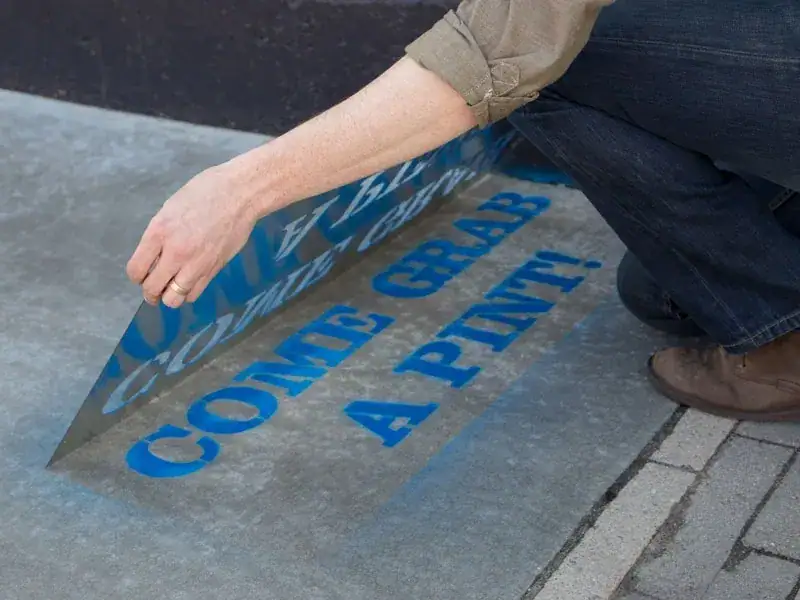
Chalk stencils use water-soluble chalk-based media applied through a precision stencil to produce bright, high-contrast impressions. They are fully temporary — lasting anywhere from several hours to a few days depending on weather and surface — which makes them ideal for event-driven campaigns in Cleveland. A chalk stencil campaign ahead of a Cavaliers playoff game, a Cleveland Guardians home series, or a major Playhouse Square production can be deployed the morning of the event and will dissipate naturally without any cleanup effort. Because chalk is non-damaging and water-soluble, it is broadly welcomed in city-approved public spaces and is the most accessible option for brands navigating Cleveland’s permitting landscape for the first time.
Reverse Graffiti (Clean Graffiti)
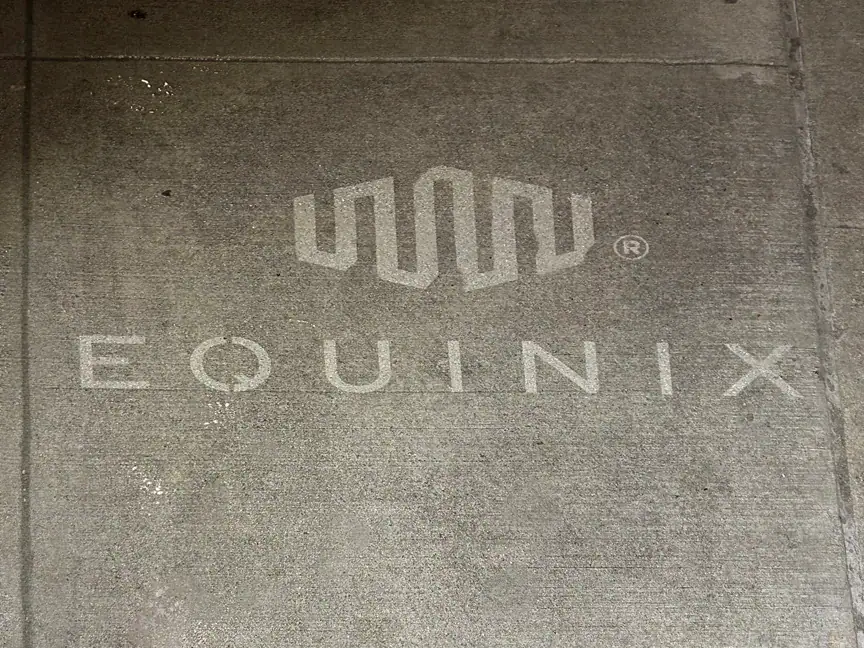
Reverse graffiti — also called clean graffiti — does not apply anything to a surface. Instead, it uses high-pressure water to selectively clean a brand pattern into an existing layer of grime, exhaust residue, or surface discoloration. The result is a photographic-quality impression in the contrast between clean and dirty pavement. Cleveland’s downtown sidewalks — particularly the Euclid Avenue corridor, the Flats approaches, and the warehouse district streets — have the surface conditions that make reverse graffiti especially striking. The technique generates significant organic social media attention and is particularly strong for sustainability brands or any campaign with an earned media component built into the brief.
Paint Stencil
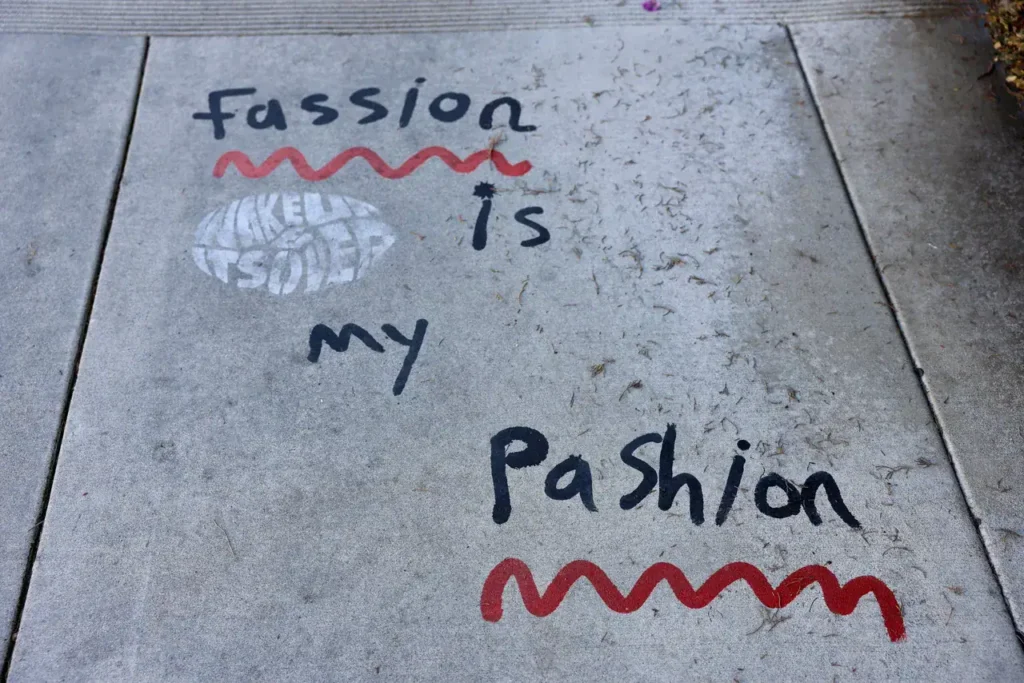
Paint stencils are the most durable format AGM deploys. Using water-based or specialty paints applied through precision-cut stencil templates, paint stencils produce sharp, lasting impressions suited for longer-duration campaigns or placements on private property. For a brand occupying a Cleveland retail space or a venue sponsor seeking extended presence near Rocket Mortgage FieldHouse or Progressive Field across an entire sports season, a paint stencil delivers consistent impressions across weeks or months. The format supports complex brand marks, full logos, and multi-color designs at any of our available sizes. Private property authorization is always confirmed before deployment.
Water Stencil (Pressure Wash)
Water stencils use targeted pressure washing on specific surface types — typically concrete or pavement with a natural patina — to create clean brand impressions. For Cleveland campaigns targeting older downtown sidewalks, the Euclid Avenue Historic District surfaces, or the industrial-aesthetic corridors of the Warehouse District and the Flats, water stencils can produce gallery-quality results at street scale. Like reverse graffiti, this method leaves no residue and requires no paint or chemical application, making it a natural fit for Cleveland’s older downtown infrastructure where surface history is visually rich.
Get A Free Sidewalk Stencil Advertising Quote
Ready to make your brand stand out with sidewalk stencil advertising? Contact American Guerrilla Marketing to plan your campaign. Tell us your target locations, campaign goals, and timeline, and our team will help you create a customized sidewalk stencil advertising strategy that fits your needs and budget.
Award Winning Personalized Service
You will get thoughtful, devoted, and individualized attention from our experienced, qualified, and professional personnel. Being one of the most illustrious agencies in Brooklyn, New York, American Guerrilla Marketing has been awarded the Best of Brooklyn title.
Nationwide
Industry City, Brooklyn, New York 11232
American Guerrilla Marketing
Hours
Mon - Fri: 9 AM - 5 PM
Sat & Sun: Closed
Automate your campaign with AGM’s Request for Proposal Builder.
Automate your campaign with AGM’s Request for Proposal Builder. Simply answer a few quick questions about your campaign goals, markets, and timeline, and the system will generate a tailored presentation with recommended strategies, quantities, and pricing. Click the RFP Builder to instantly receive your customized proposal.
Cleveland Placement Strategy: Where to Put Your Stencils
Choosing the right Cleveland location is the single most important variable in a stencil campaign’s performance. Traffic count matters, but so does traffic composition — the right 500 people seeing your brand is worth more than 5,000 disengaged eyes. Here is how we think about placement across Cleveland’s key corridors.
Euclid Avenue (Downtown to University Circle): Euclid Avenue is Cleveland’s historic main street and still its most continuous pedestrian axis, running from the lakefront entertainment district east through the theater district at Playhouse Square, past the 9th Street arts corridor, and into University Circle. A campaign along Euclid Avenue captures downtown workers, convention visitors, theater-goers, university students, museum visitors, and medical professionals — the full cross-section of Cleveland’s daytime and evening pedestrian population — in a single linear corridor. Stencils placed at the major cross-street intersections along Euclid — at East 4th, East 9th, East 12th, and the Playhouse Square theater entrances — hit maximum dwell-time moments where pedestrians are pausing to make decisions.
West 25th Street (Ohio City Market District): The West 25th Street commercial corridor between the West Side Market and Clark Avenue concentrates Cleveland’s most celebrated food and beverage foot traffic. Weekend mornings at the market, afternoon foot traffic through the adjacent restaurant and brewery cluster, and evening dining traffic create three distinct daily waves of pedestrian activity — all along the same half-mile of West 25th Street. A stencil campaign here serves a broad consumer demographic united by food culture, neighborhood loyalty, and engagement with locally operated businesses.
Professor Avenue & Literary Road (Tremont): Tremont’s pedestrian corridors reward precision placement. The neighborhood’s foot traffic is not high-volume commuter traffic — it is intentional, leisure-oriented, and highly aware of its surroundings. Stencils in Tremont work best at the major pedestrian decision points: the Professor Avenue restaurant row, the Lincoln Park entry approaches, and the cross-street intersections where residents move between the residential grid and the commercial strip. For premium brands and culturally oriented campaigns, Tremont’s foot traffic quality outperforms higher-volume corridors elsewhere in the city.
Ontario Street & Carnegie Avenue (Progressive Field & Rocket Mortgage Approaches): The two-block corridor between Progressive Field and Rocket Mortgage FieldHouse on Ontario Street and the Carnegie Avenue approaches from the east are among Cleveland’s most productive event-day stencil zones. Game traffic — Guardians baseball and Cavaliers basketball — flows through these corridors in concentrated waves before and after events. Stencils placed on the Ontario Street pedestrian median, the Carnegie Avenue approaches from the convention center area, and the Prospect Avenue bar and restaurant row intercept fans moving between parking, hotels, and the venues themselves.
Detroit Avenue (Gordon Square): Gordon Square’s Detroit Avenue corridor between West 58th and West 73rd Streets delivers a neighborhood-rooted, arts-engaged demographic that is particularly receptive to guerrilla formats. Stencils here feel like part of the neighborhood aesthetic rather than an intrusion on it — which produces the kind of positive brand association that more traditional outdoor formats rarely achieve in creative-class communities.
Sidewalk Stencil Pricing In Cleveland
Every Cleveland campaign is priced by stencil count. Pricing includes creative development, permitting support, professional installation, and post-campaign photo documentation. All prices are all-in — no hidden deployment or travel fees for Ohio markets.
Not sure which tier is right for your Cleveland campaign? Our team will map your target corridors, estimate pedestrian coverage by tier, and recommend the configuration that delivers the best impression density for your budget. Contact us for a no-obligation scoping call.
Available Stencil Sizes
AGM’s Sidewalk Stencils™ are produced in four standard sizes, each suited to different surface contexts and brand objectives. Smaller formats work well at doorways, crosswalk approaches, and tightly spaced pedestrian corridors in neighborhoods like Tremont and Gordon Square. Larger formats command plaza spaces, wide sidewalks near Rocket Mortgage FieldHouse and Progressive Field, and high-clearance zones along the Euclid Avenue corridor. Every Cleveland location assessment includes a size recommendation based on surface width, pedestrian flow direction, and visual sight lines.
- 11″ × 14″Precision placement at doorways, crosswalk corners, tight urban corridors
- 48″ × 12″Horizontal banner format for curb edges, storefronts, and directional runs
- 36″ × 18″Versatile mid-scale format for main sidewalk panels and plaza approaches
- 24″ × 24″Square format for logos, icons, and visuals built around symmetrical brand marks
How A Cleveland Sidewalk Stencil Campaign Works
Step 1 — Brief & Strategy: We start with your objectives, target demographic, and preferred Cleveland zones. If you have specific streets or events in mind, we incorporate them. If you need a recommendation, we map the corridors that match your audience profile and campaign timeline.
Step 2 — Location Scouting: Our team scouts your selected Cleveland locations, assessing surface condition, foot traffic patterns, municipal placement requirements, and sight-line performance. We photograph and GPS-tag every approved placement point before any stenciling begins.
Step 3 — Permitting & Coordination: AGM handles coordination with Cleveland city contacts, property managers for private-surface placements, and event organizers for festival-adjacent activations. We confirm every placement point is cleared before deployment day.
Step 4 — Stencil Production: Your creative is translated into precision-cut stencil templates sized and configured for your chosen format. We produce exact templates for every unique placement — no one-size-fits-all shortcuts.
Step 5 — Deployment: Our trained installation crews deploy your campaign across Cleveland on schedule, working quickly and cleanly. Chalk and reverse graffiti campaigns can be completed overnight for a morning reveal. Paint campaigns are deployed during lower-traffic hours to ensure clean results.
Step 6 — Documentation & Reporting: Every stencil is photographed after installation, GPS-tagged, and compiled into a post-campaign report delivered to your team. You get exact placement confirmation with visual evidence for every location in the campaign.
Brands That Have Used AGM Sidewalk Stencils™
American Guerrilla Marketing’s Sidewalk Stencils™ program has been trusted by some of the most recognizable consumer brands in the world. Nike has used our pavement campaigns to drive awareness around product launches, activating street-level attention in the hours and days before major retail moments. Wrangler partnered with AGM to bring its denim brand identity into urban streetscapes in a format that felt authentic to an outdoor, working-class American aesthetic. EA Sports has leveraged stencil campaigns around game launch dates to intercept gaming audiences in high-density pedestrian environments near retail and entertainment destinations.
These campaigns demonstrate that sidewalk stenciling is not a niche tactic — it is a format that scales from local brand builders to global consumer giants. What these brands recognized is that the sidewalk is one of the last genuinely uncluttered advertising surfaces in the urban environment. There are no algorithms curating who sees it. There is no scroll that takes it away. There is no ad blocker that hides it. A person walks by, they see it, and they react.
For Cleveland brands, the same logic applies locally. A restaurant on Professor Avenue in Tremont can own its block’s visual field. A craft brewery in Ohio City can direct foot traffic from the West Side Market with a morning stencil that every Saturday shopper steps over. A tech company in the Flats can announce itself to the lakefront entertainment crowd with a summer campaign that covers every approach corridor to its activation zone. The format works at every budget level and for every brand category that benefits from name recognition in one of Ohio’s most culturally distinctive urban markets.
Frequently Asked Questions
Yes. The Rock & Roll Hall of Fame on the lakefront draws hundreds of thousands of visitors annually, and its induction ceremony and major exhibitions generate concentrated event traffic along the lakefront pedestrian paths, the East 9th Street approach from downtown, and the Malls connecting the museum to the downtown core. Chalk stencils placed along the North Coast Harbor pedestrian routes and the East 9th Street corridor intercept visitors as they move between the Rock Hall, the Great Lakes Science Center, and the FirstEnergy Stadium approaches. For event-week activations, we recommend deployment the morning of the primary event day so impressions are fresh during the highest-volume traffic windows.
Cleveland’s sports event days — Cavaliers games at Rocket Mortgage FieldHouse and Guardians games at Progressive Field — are among the highest single-event foot traffic concentrations the city produces. The Ontario Street and Carnegie Avenue corridors between the two venues fill with fans in the hours before tip-off or first pitch, and the Euclid Avenue bar and restaurant strip from East 4th to East 9th experiences a corresponding surge of pre-game and post-game dining traffic. AGM deploys chalk stencils along these corridors for game-day activations, ensuring fresh impressions are in place when foot traffic peaks. For season-long brand presence near either venue, we execute paint stencil campaigns on private surfaces with confirmed property authorization.
West 25th Street in Ohio City consistently ranks as one of AGM’s strongest Cleveland placements for chalk stencil campaigns. The West Side Market draws thousands of shoppers on Tuesday, Thursday, and Saturday market days, and the surrounding restaurant and brewery cluster generates continuous foot traffic on evenings throughout the week. The sidewalk surfaces along West 25th — particularly the blocks between the market and Bridge Avenue — have excellent texture for chalk adhesion and provide a wide pedestrian channel where stencils are visible to approaching foot traffic from a full half-block away. For campaigns targeting a food-focused, neighborhood-loyal, and discretionary-spending consumer, Ohio City delivers both volume and demographic quality simultaneously.
The Tremont ArtWalk, held on the first Friday of each month, is one of Cleveland’s most densely engaged pedestrian events — a neighborhood-scale gathering that concentrates the city’s creative class, art buyers, culinary tourists, and culturally active residents into the Professor Avenue and Literary Road corridors for a single evening. Unlike mass-attendance sporting events, the ArtWalk audience is self-selected for cultural engagement and brand receptivity — these are people who have chosen to spend their Friday evening walking through a neighborhood, looking at things, and noticing their environment. A chalk stencil campaign deployed along Professor Avenue the morning of ArtWalk reaches this audience at peak receptivity and generates above-average rates of organic social documentation as attendees photograph and share the street-level imagery they encounter.
Playhouse Square — the country’s largest performing arts center outside of New York City — generates consistent evening foot traffic from theater-goers, pre-theater diners, and post-show pedestrians moving between the venues and the surrounding hotel and restaurant cluster. The Euclid Avenue corridor between East 12th and East 17th Streets, where the Playhouse Square theater marquees front onto the sidewalk, is one of Cleveland’s most visually active pedestrian zones in the evening hours. Stencils placed along this stretch reach an affluent, arts-engaged audience — one with above-average ticket spend and strong household income — in the moments before and after the high-emotion experience of a live performance.
University Circle and downtown Cleveland serve different demographics and produce different campaign outcomes. Downtown skews toward sports fans, convention visitors, professional workers, and hotel guests — a broad-based consumer audience with high volume and variable dwell time. University Circle’s foot traffic is more contained but more consistently engaged: museum visitors who are actively seeking cultural experiences, university students and faculty moving through an academic campus, and medical professionals operating in one of the country’s largest healthcare research centers. For brands targeting educated adults with above-average income and cultural orientation, University Circle’s demographic quality is high. For campaigns prioritizing raw impression volume, downtown’s proximity to the arena and ballpark districts delivers higher absolute counts.
Yes, and this is a common configuration for Cleveland summer campaigns because the Flats East Bank and downtown are connected by natural pedestrian routes that many visitors use on the same evening. The Main Avenue Bridge pedestrian path and the East 9th Street lakefront connector allow foot traffic to flow between the Flats waterfront, the lakefront institutions, and the downtown entertainment cluster within a comfortable walking distance. A campaign that covers both zones — with stencils placed on the Flats East Bank promenade and along the downtown connector routes — creates a continuous brand presence across the full arc of a typical Cleveland evening-out itinerary.
AGM manages the permitting coordination for every Cleveland campaign. Requirements vary based on stencil method — chalk on public sidewalks operates under different parameters than paint on private surfaces — and our team navigates those requirements as part of the campaign planning process. We do not ask our clients to manage city contacts or research local code requirements themselves. All permitting work is included in the campaign scope. In cases where a specific placement point requires property-owner authorization rather than municipal approval, we handle that outreach directly as well. By the time deployment day arrives, every placement point in your Cleveland campaign has been confirmed and cleared.
Cleveland’s older downtown infrastructure — particularly the Euclid Avenue Historic District, the Warehouse District, and the streets immediately surrounding Public Square — features concrete and stone sidewalk surfaces that have developed significant surface history over decades of use. These aged surfaces are ideal candidates for reverse graffiti and water stencil techniques, which exploit the contrast between cleaned and uncleaned pavement to produce high-contrast, photogenic impressions without applying any material to the surface. The results on these surfaces are often more striking than those achievable on newer concrete because the age differential between the selectively cleaned area and the surrounding surface is more pronounced. For campaigns in the historic downtown zone, we recommend reverse graffiti or water stenciling as the primary method.
Standard Cleveland campaign lead time is two to three weeks from brief confirmation to deployment. This window covers location scouting, permitting coordination, stencil production, and crew scheduling. For event-driven campaigns tied to a Cavs playoff run, a Guardians postseason push, a major Playhouse Square production, or a lakefront festival, we recommend initiating the process four weeks in advance to ensure placement clearances are fully secured before deployment day. Rush campaigns can occasionally be accommodated for chalk stencil activations where permitting requirements are minimal, but standard lead times give us the planning room to deliver a campaign that performs at the level Cleveland’s pedestrian corridors make possible.